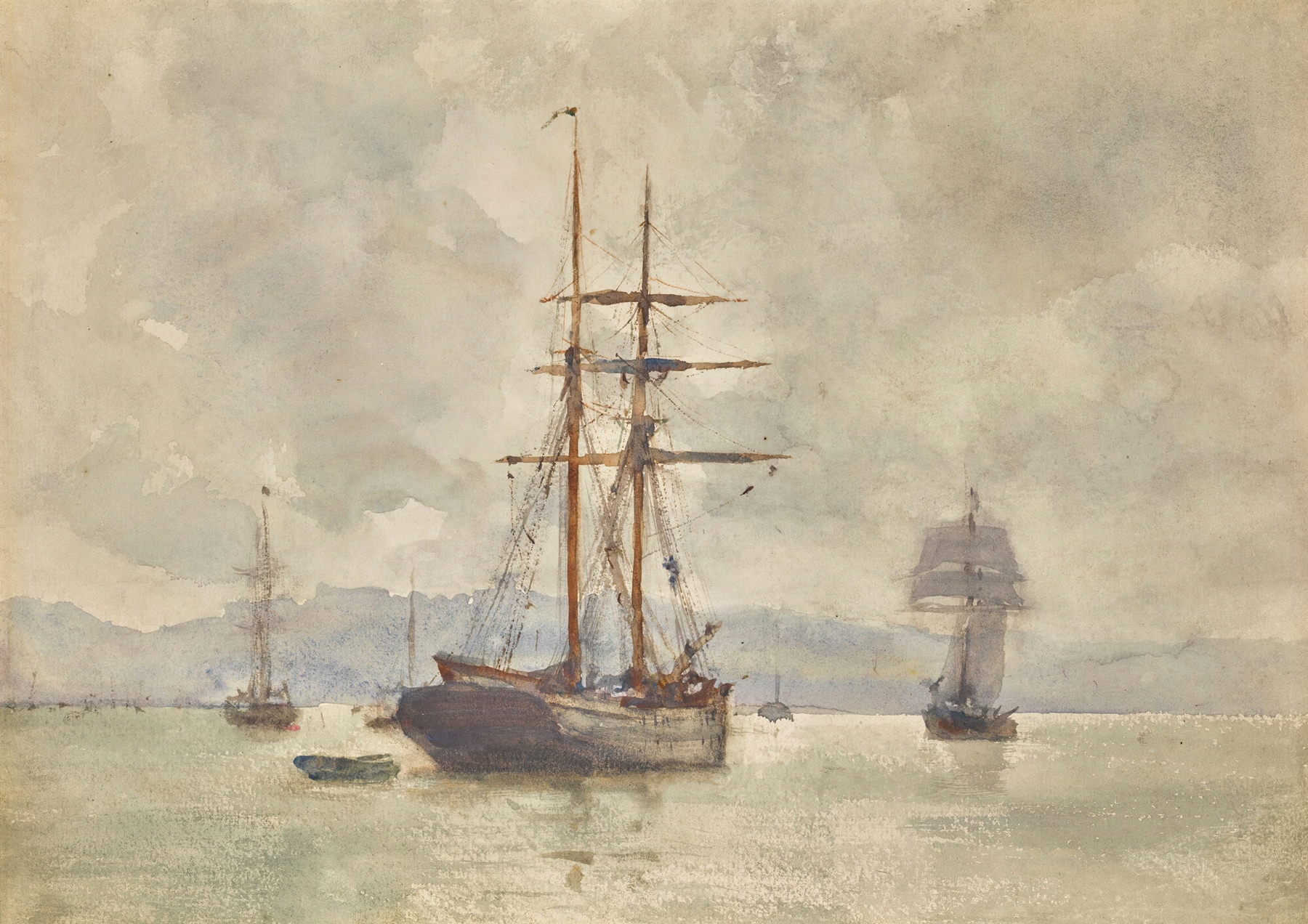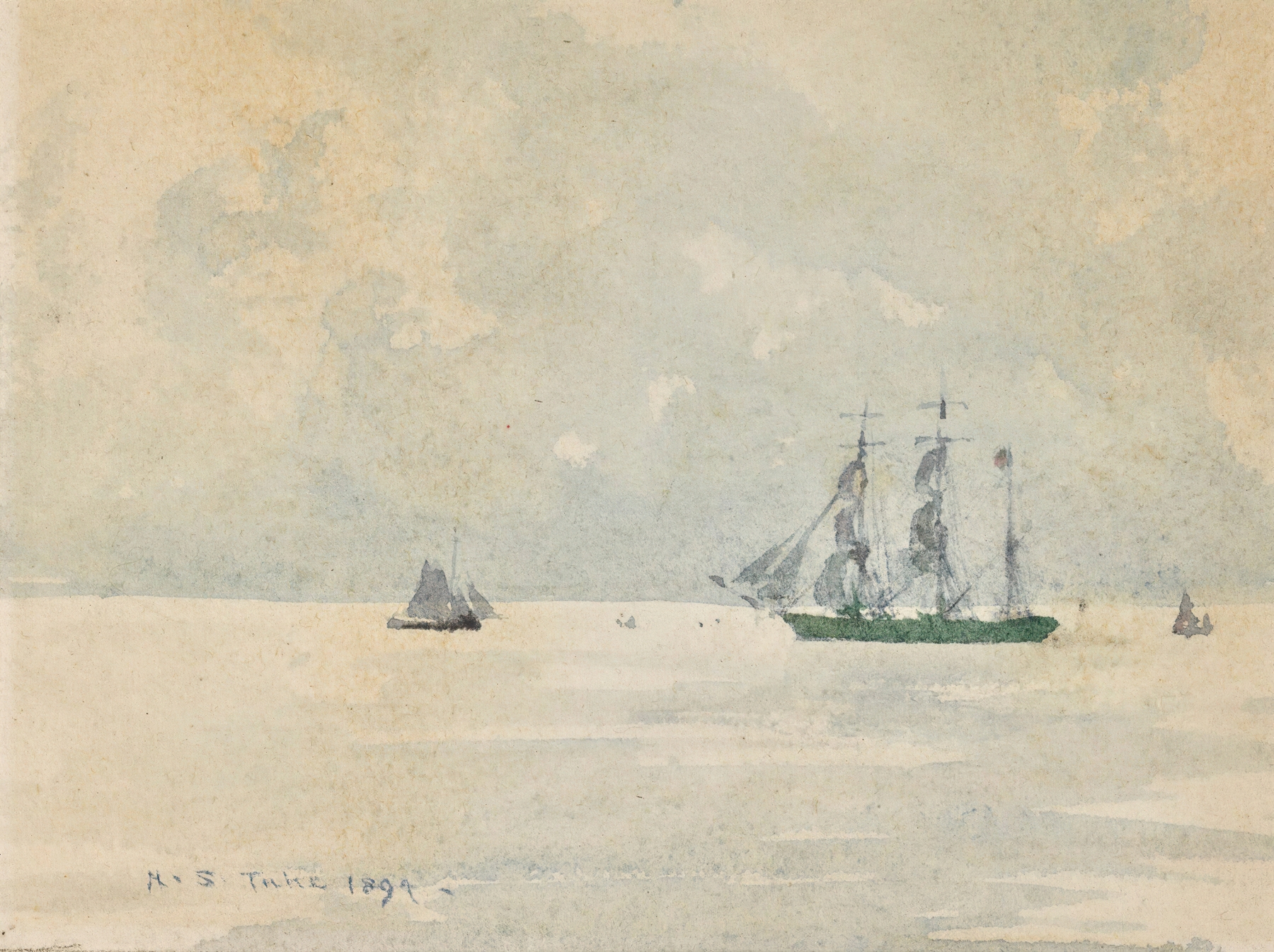
Three Masted Barque — History & Analysis
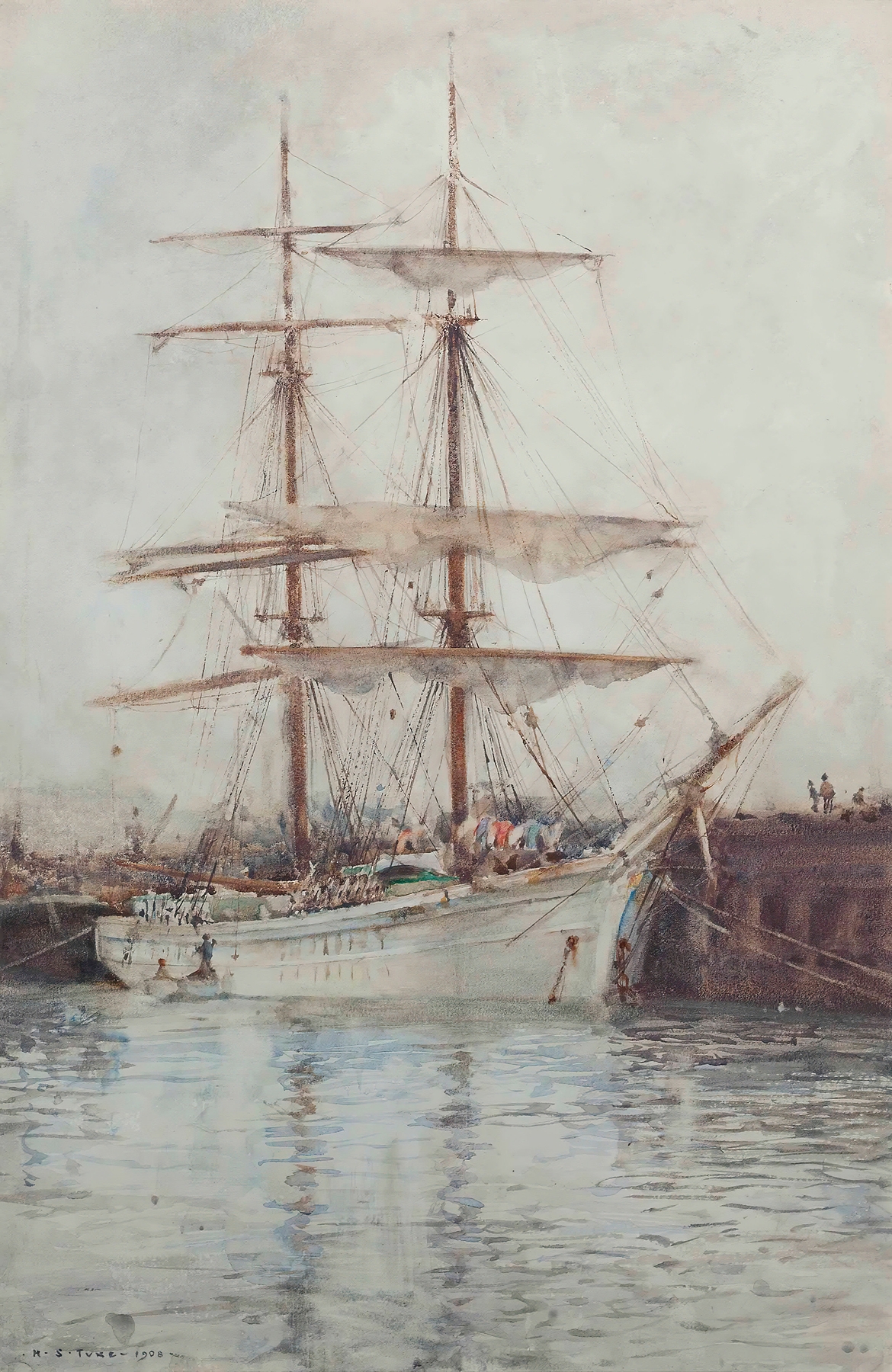
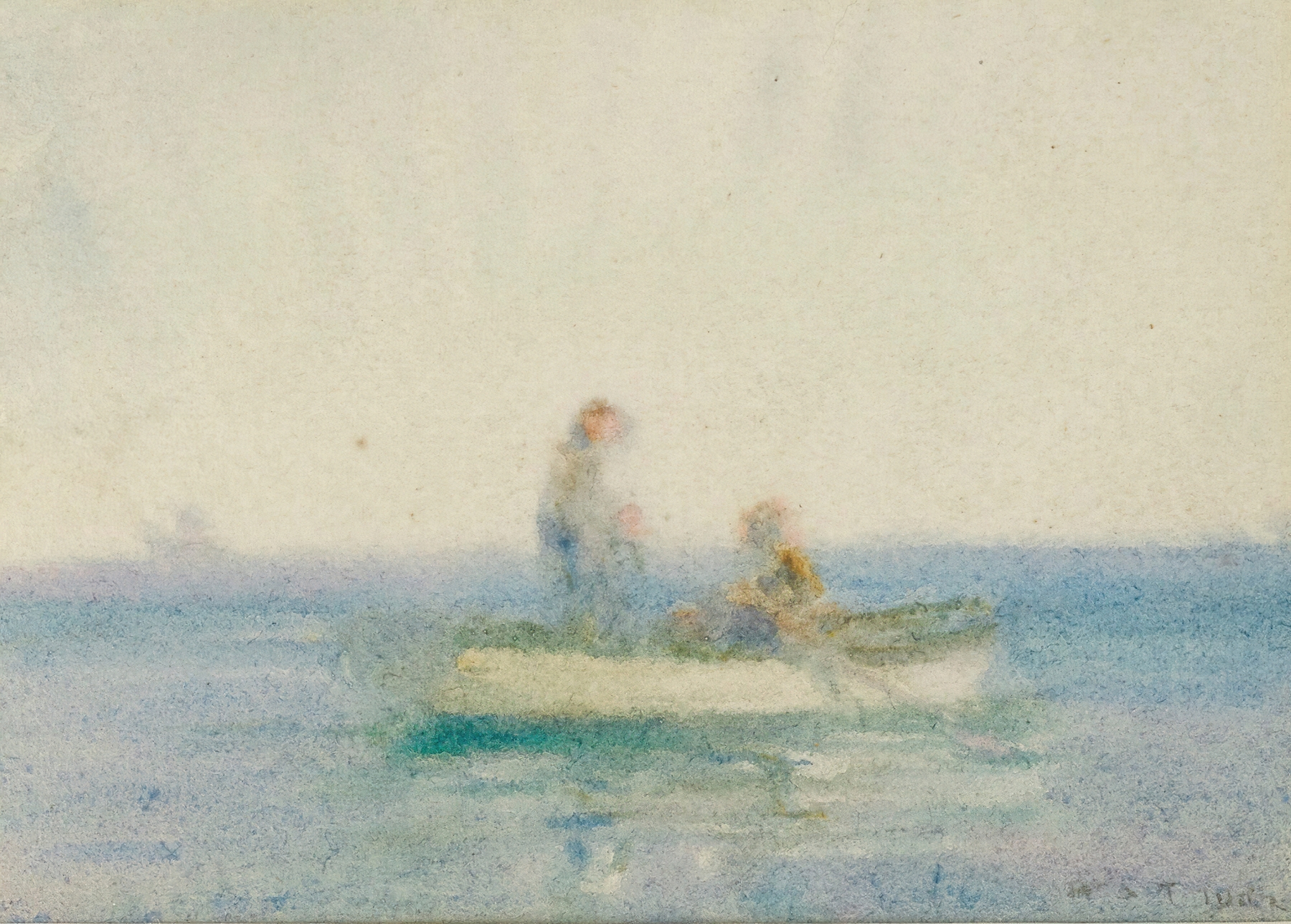
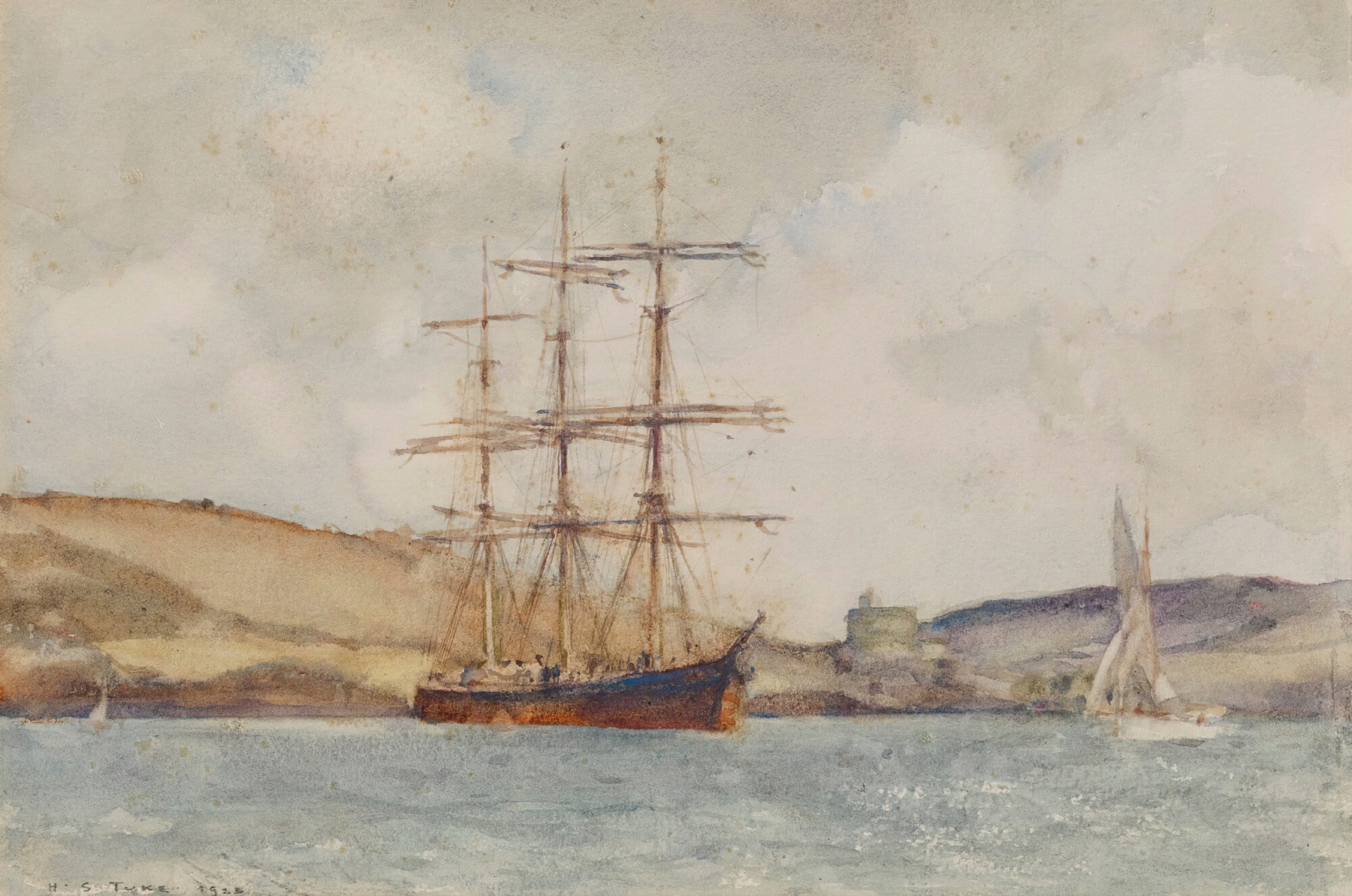
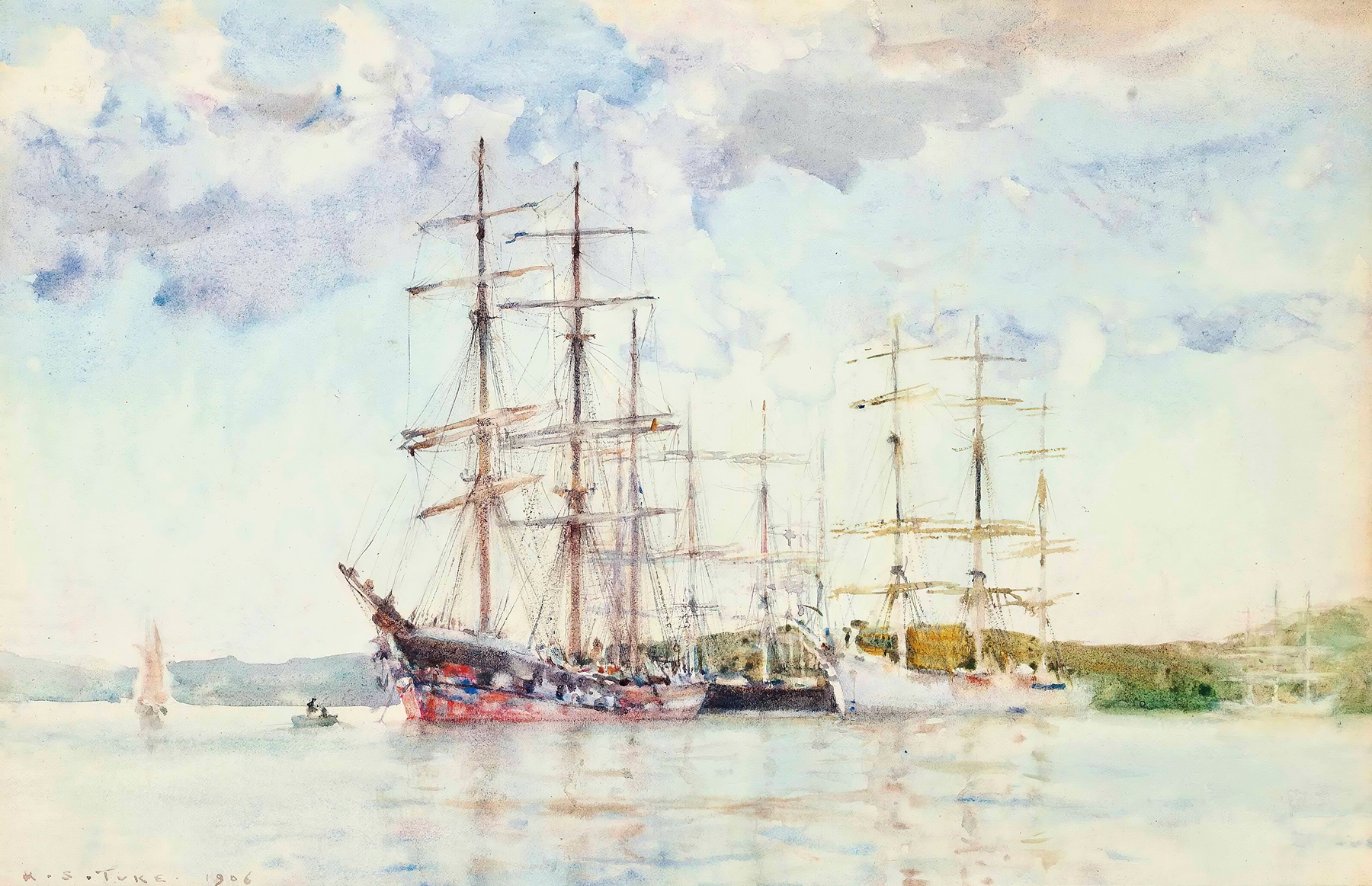
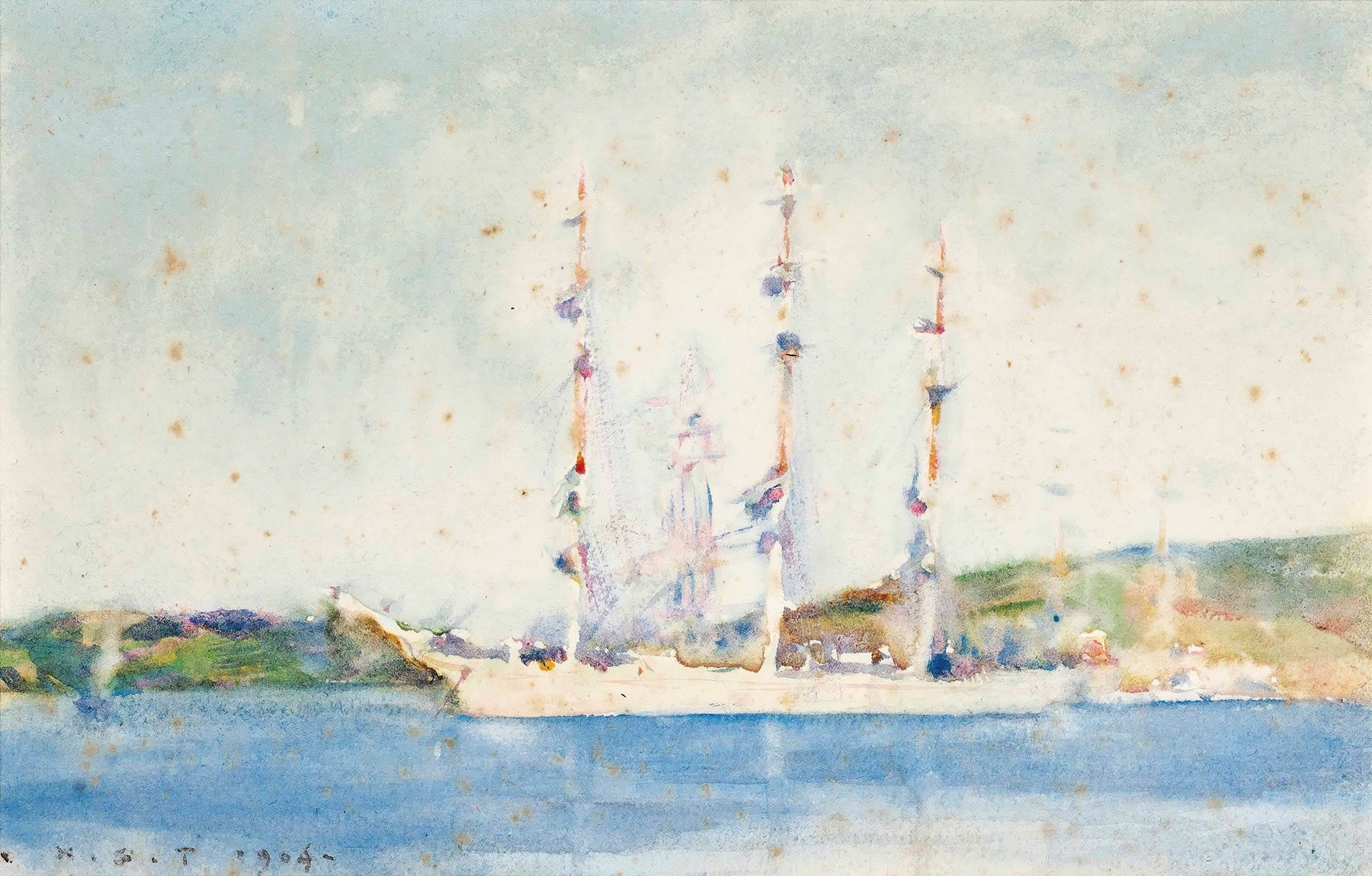
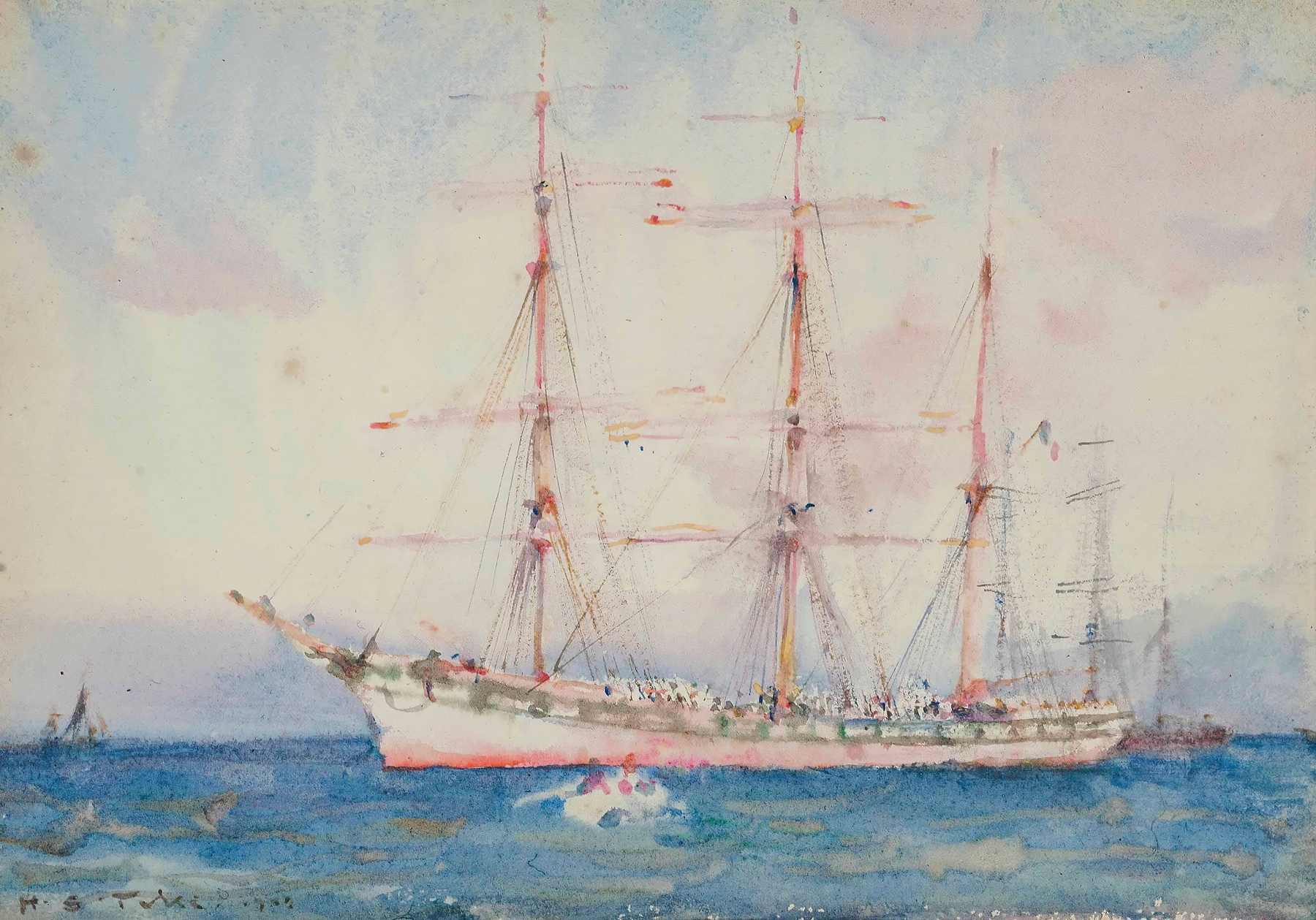
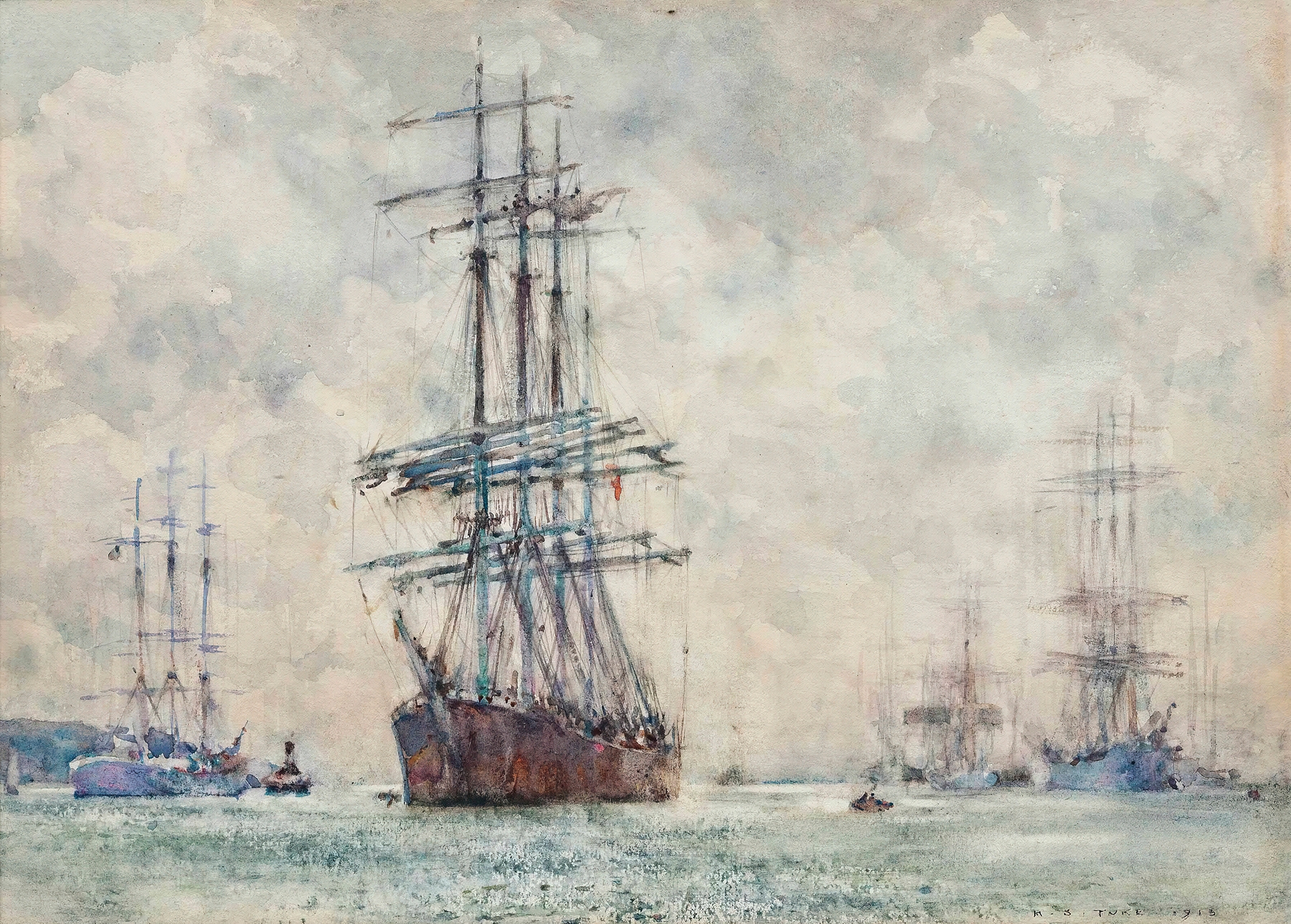
What secret hides in the quiet of the canvas? In a world often defined by chaos, there lies a profound balance waiting to be unveiled. Look closely at the composition: the three-masted barque dominates the canvas, gently cradled by the soft undulations of the sea. Notice how the light dances upon the ship’s polished wood, illuminating its rich tones and casting delicate reflections in the water below.
The sky, a gradient of muted blues and grays, frames the vessel, creating a serene backdrop that invites contemplation. The artist’s brushstrokes, fluid and harmonious, echo the rhythmic motion of the tides, emphasizing a tranquil yet dynamic interplay between sea and sky. Within the stillness, there is an unspoken tension between man and nature, represented by the ship’s bold presence against the vastness of the ocean. The masts, reaching skyward, signify ambition and adventure, while the steady horizon whispers of solitude and introspection.
The careful balance of elements within the painting evokes a sense of serenity, while also hinting at the untamed spirit of the sea, reminding us of the fragility of human endeavors against nature’s might. In 1894, Henry Scott Tuke created this work during his time in Cornwall, where he immersed himself in maritime scenes and the coastal landscape. This period marked a significant evolution in his style, influenced by the Pre-Raphaelite movement and the burgeoning Impressionist techniques of the era. As Tuke navigated his personal journey and the shifting tides of the art world, Three Masted Barque captured not just a moment on the water, but the essence of balance in life’s unpredictable voyage.