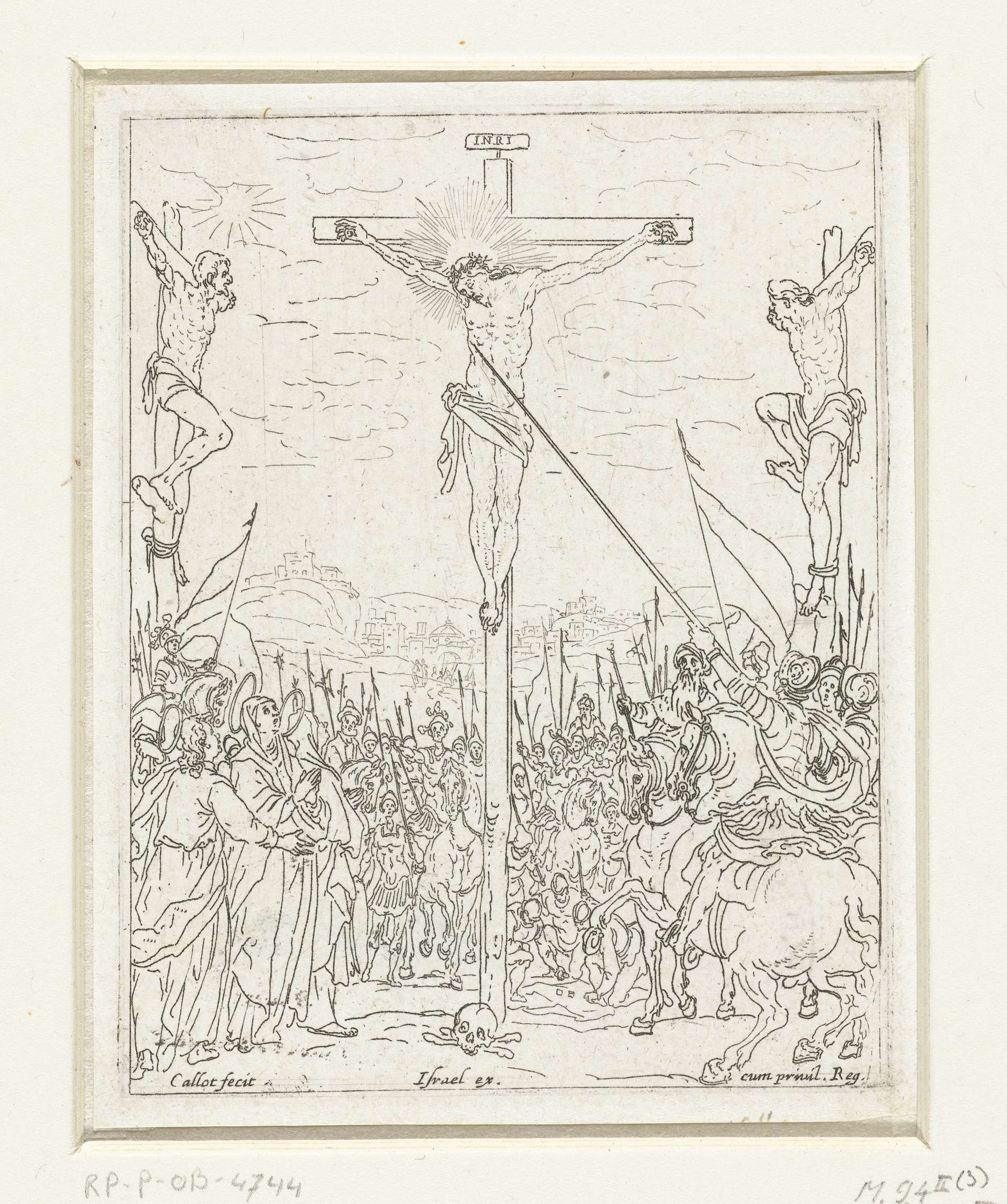
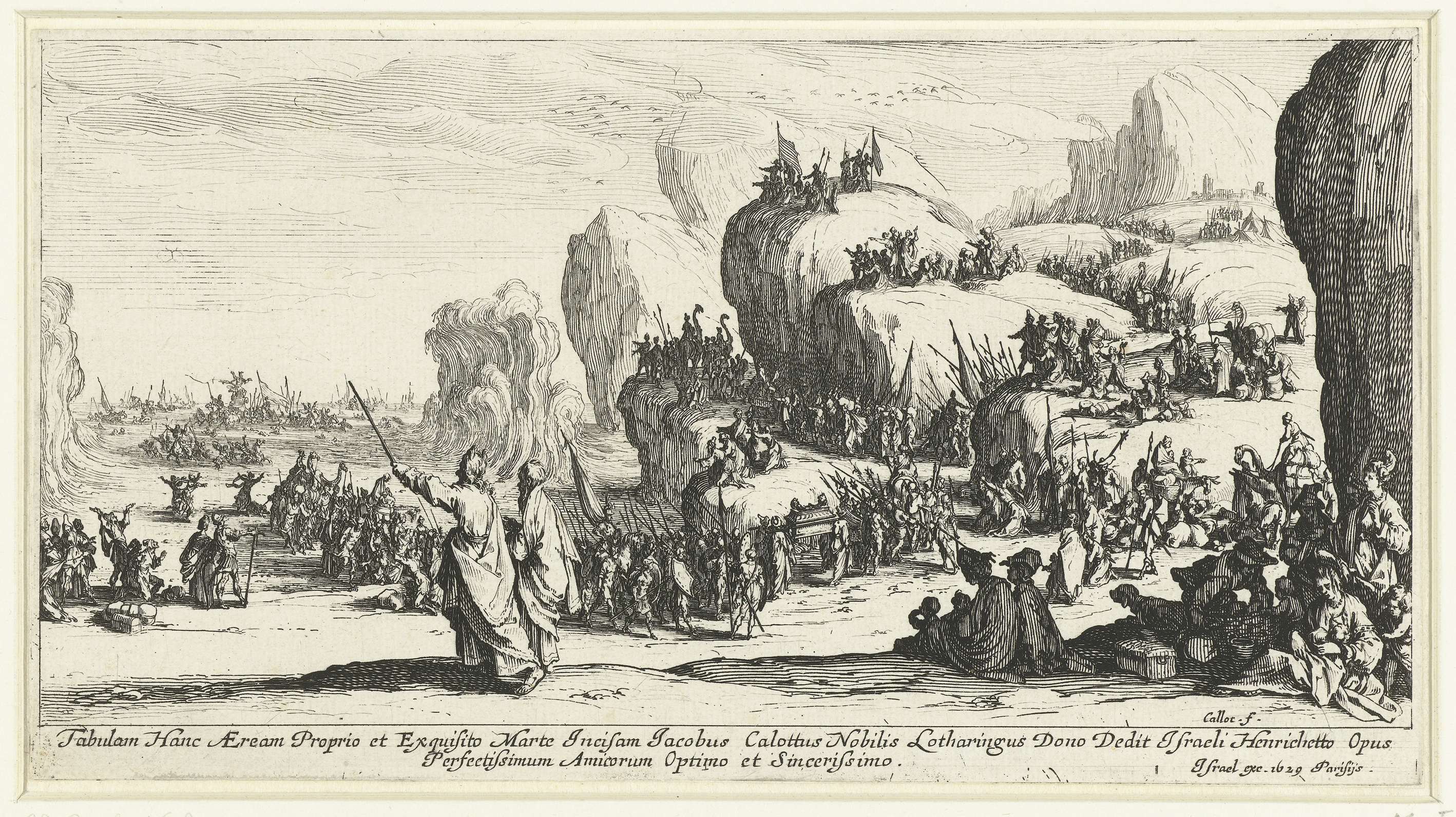
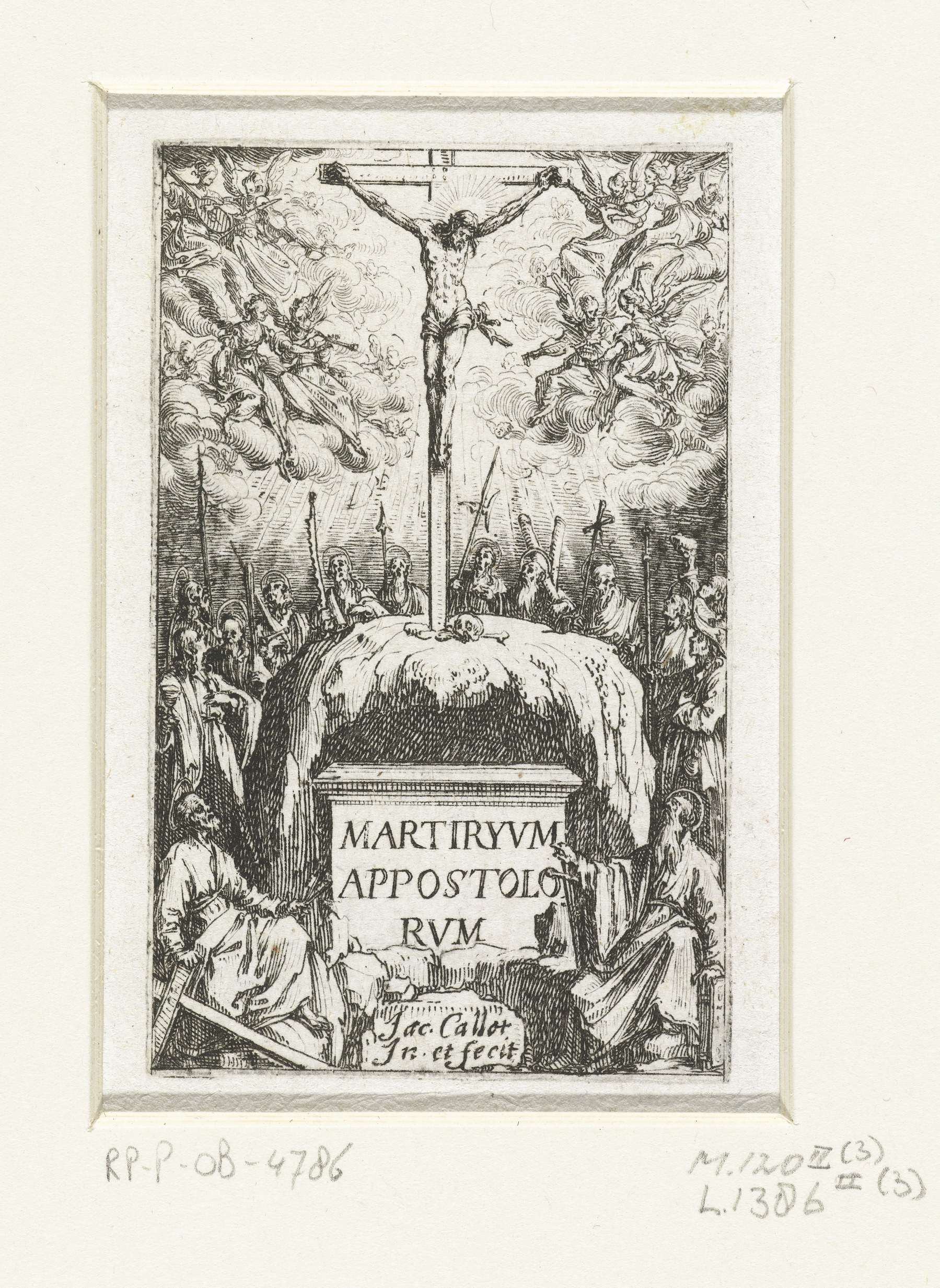
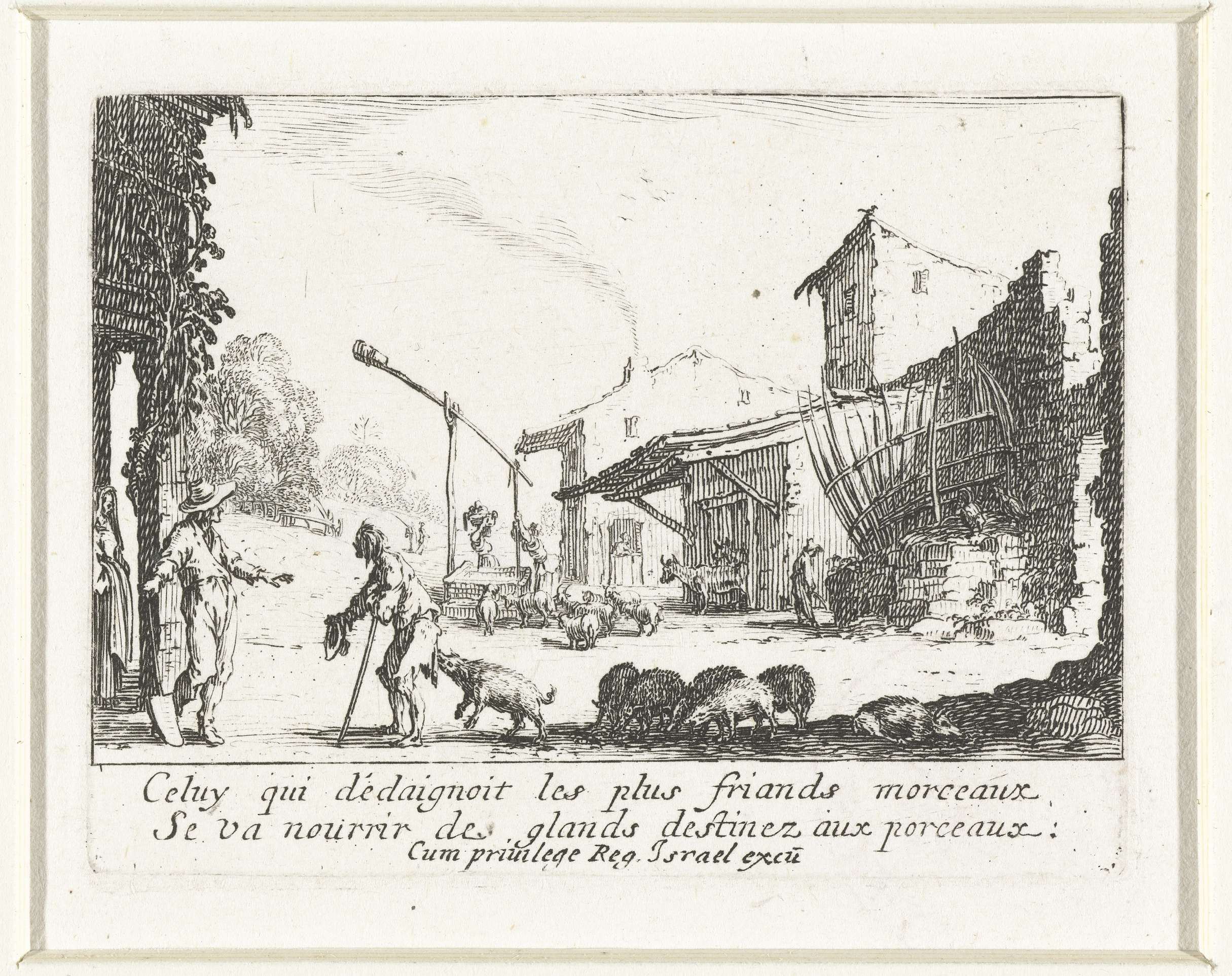
Portret van de Heilige Franciscus — History & Analysis
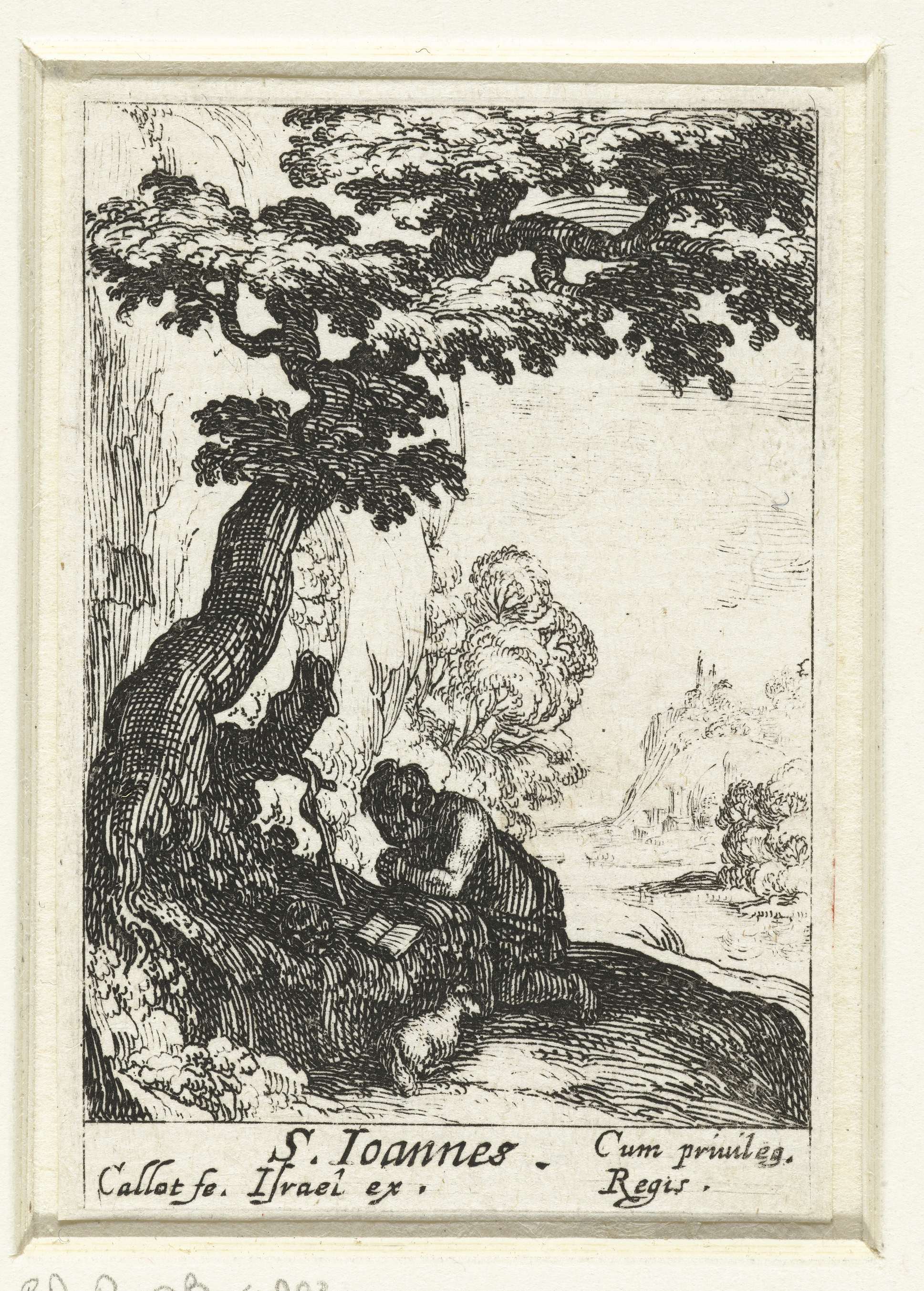
“Every silence here is a confession.” In the stillness of this portrait, one can almost hear the weight of solitude pressing down on the figure of Saint Francis. The artist captures an essence of profound loneliness, a moment suspended between the sacred and the human experience, inviting the viewer to reflect on the depths of isolation. Look to the left at the saint's downcast gaze, a poignant expression that draws you into his inner world. Notice the soft, muted palette—earthy tones of browns and greens that evoke a sense of humility and simplicity.
The composition centers on his figure, draped in a coarse habit, with light illuminating his face while shadows cling to the edges, exemplifying the contrast between his divine calling and earthly struggles. In the gentle folds of his robe lie echoes of sacrifice; the subtle creases suggest a life marked by hardship and devotion. The composition's asymmetry highlights a tension between the saint's spiritual duty and his inherent human frailty. This duality resonates through the painting, as it captures not only the essence of Saint Francis but also a universal experience of loneliness and yearning for connection.
Jacques Callot painted this work between 1620 and 1621, during a period when he was deeply engaged with themes of spirituality and humanity. Living in Lorraine, he balanced his artistic endeavors amidst the turmoil of the Thirty Years' War, drawing from his insights into the human condition to create powerful, emotive representations. This portrait not only reflects his artistic prowess but also the profound emotional landscapes of his time.