Titelprent voor prentreeks 'De verloren zoon' — History & Analysis
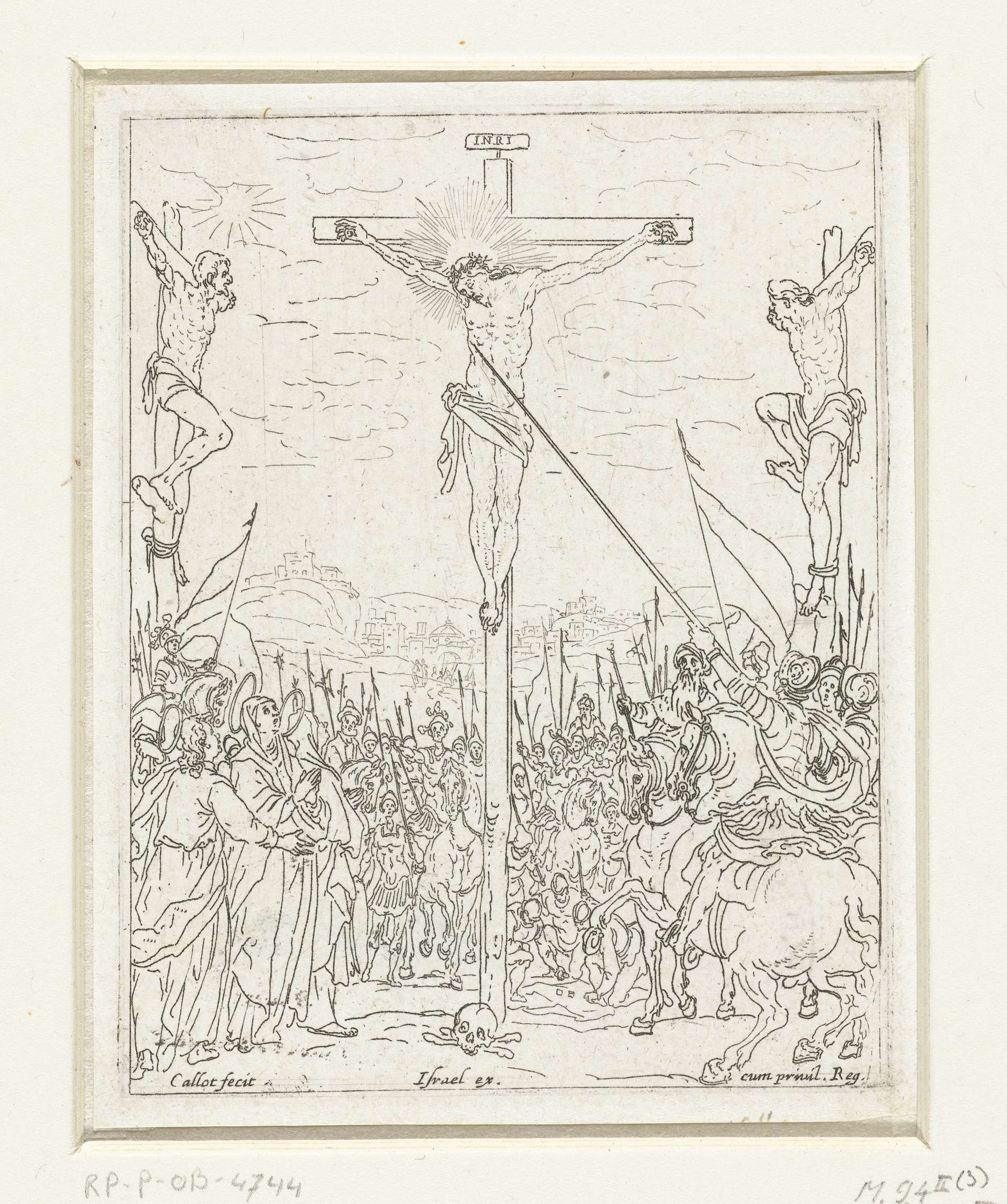
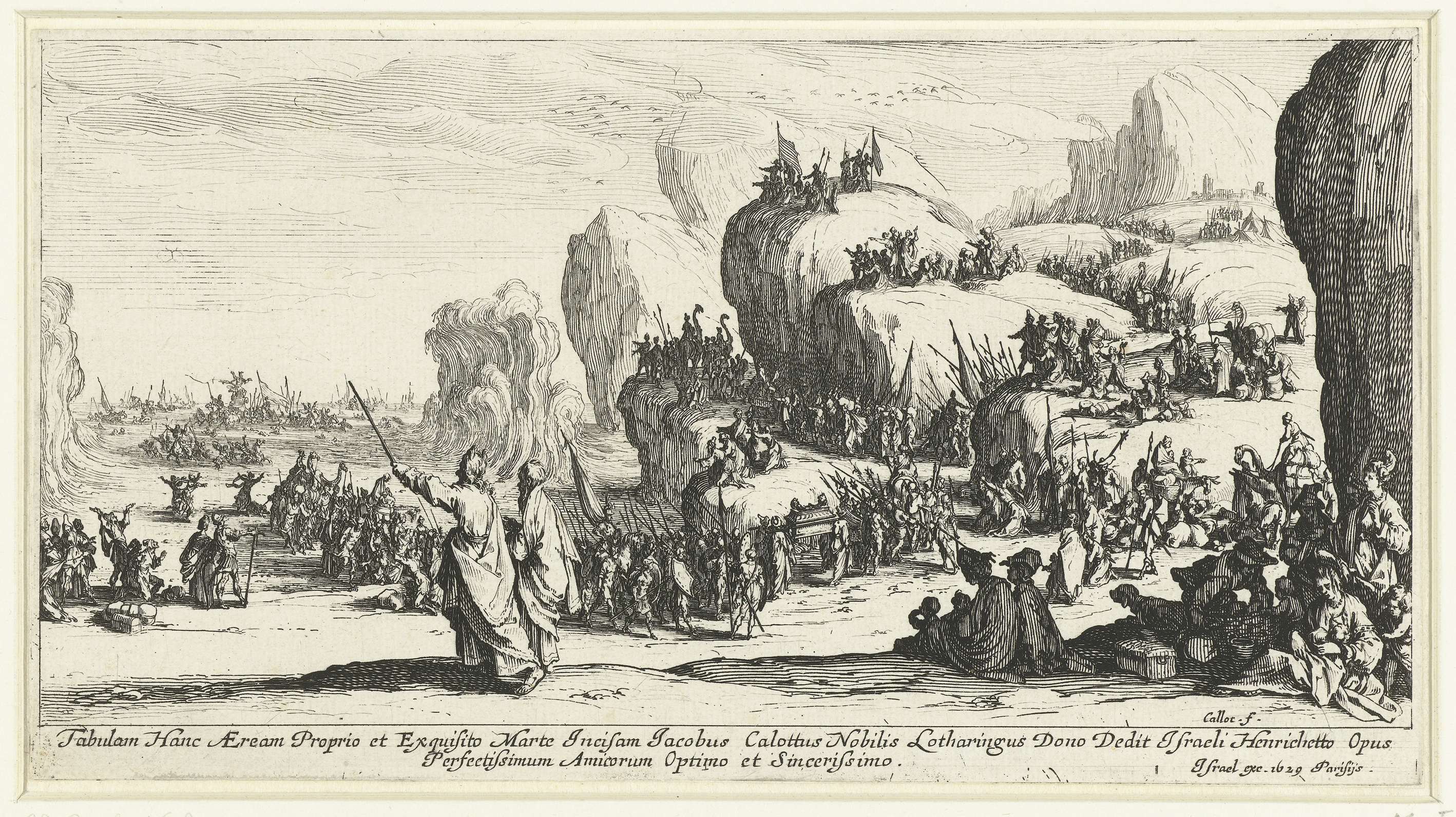
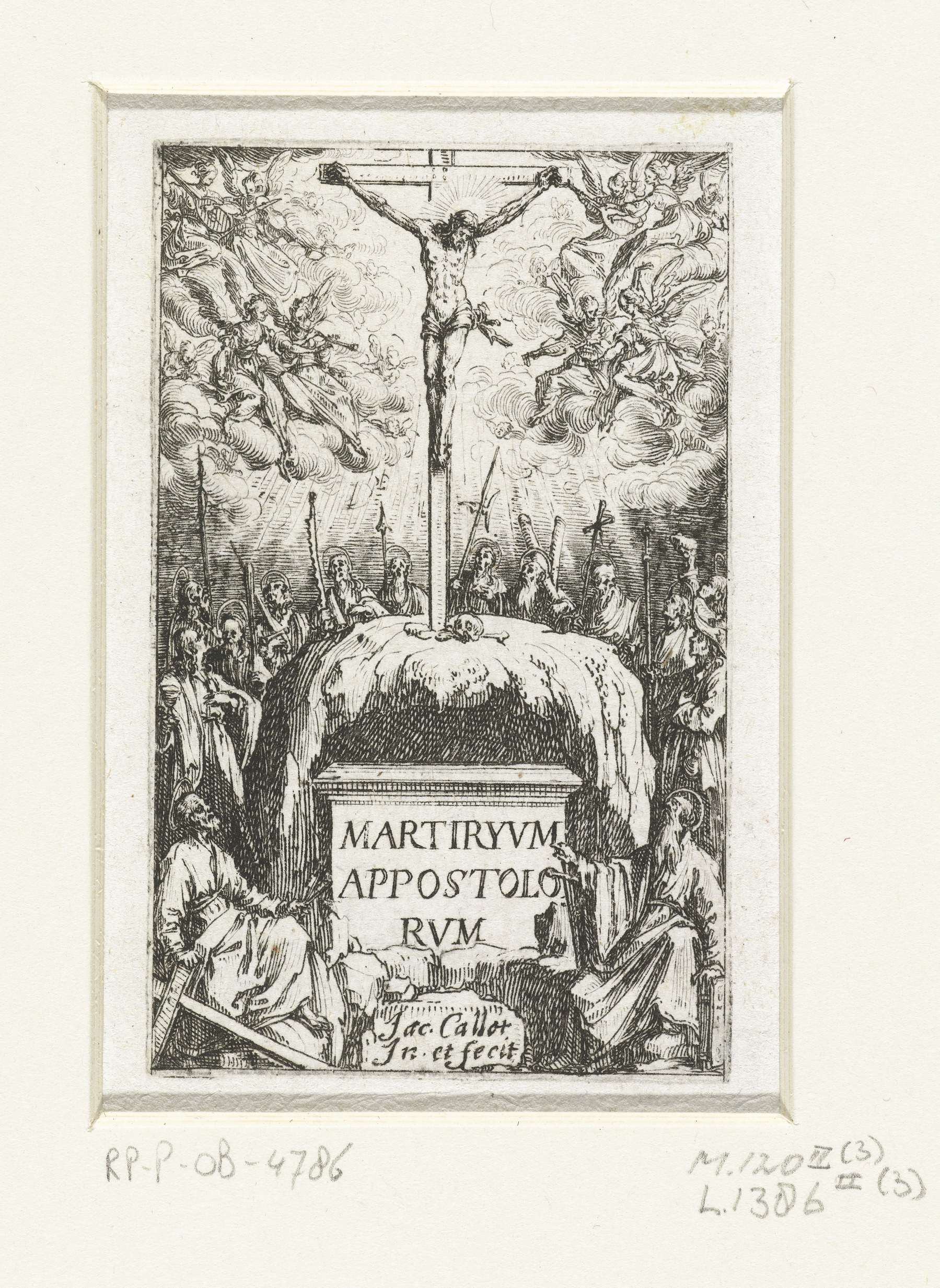
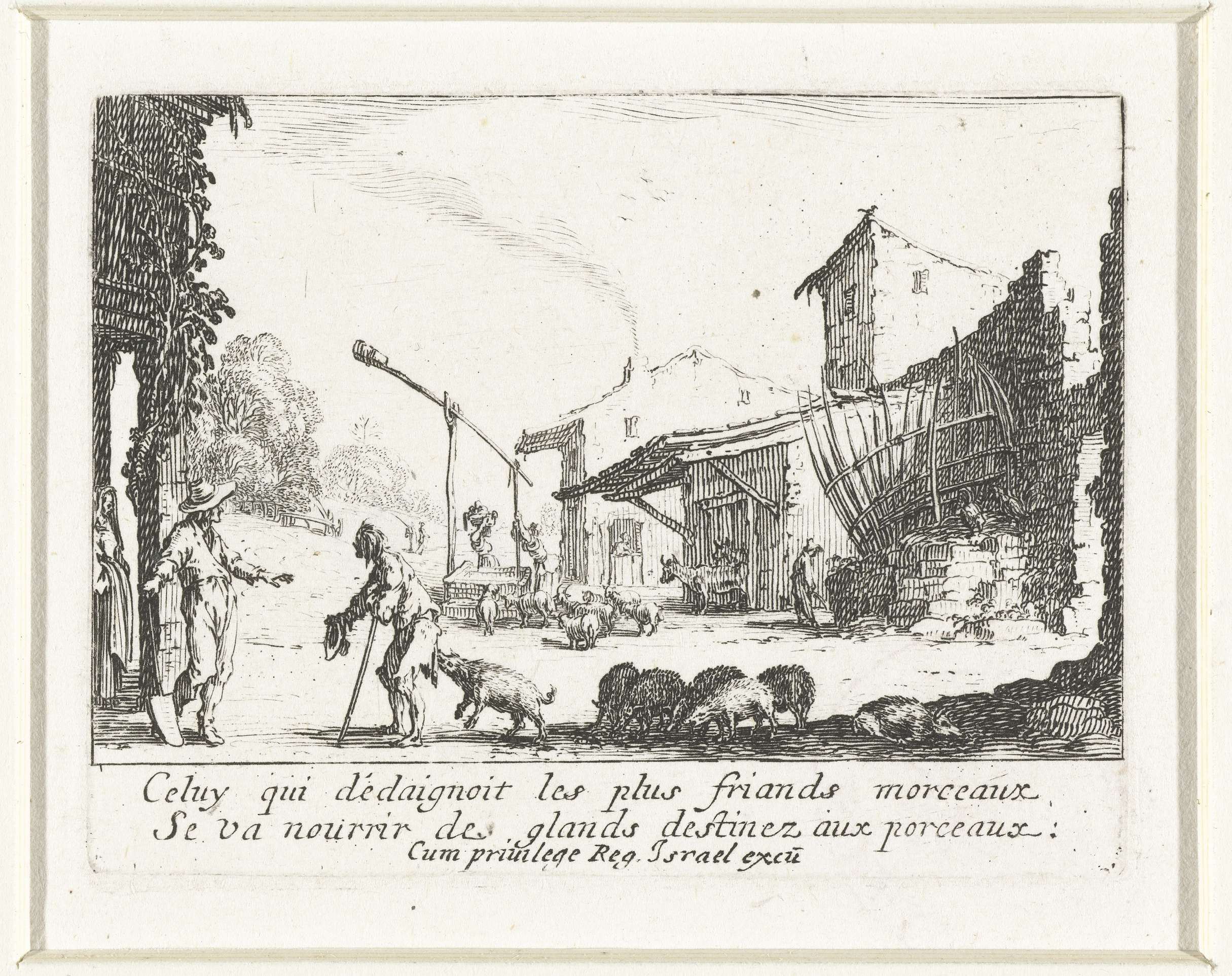
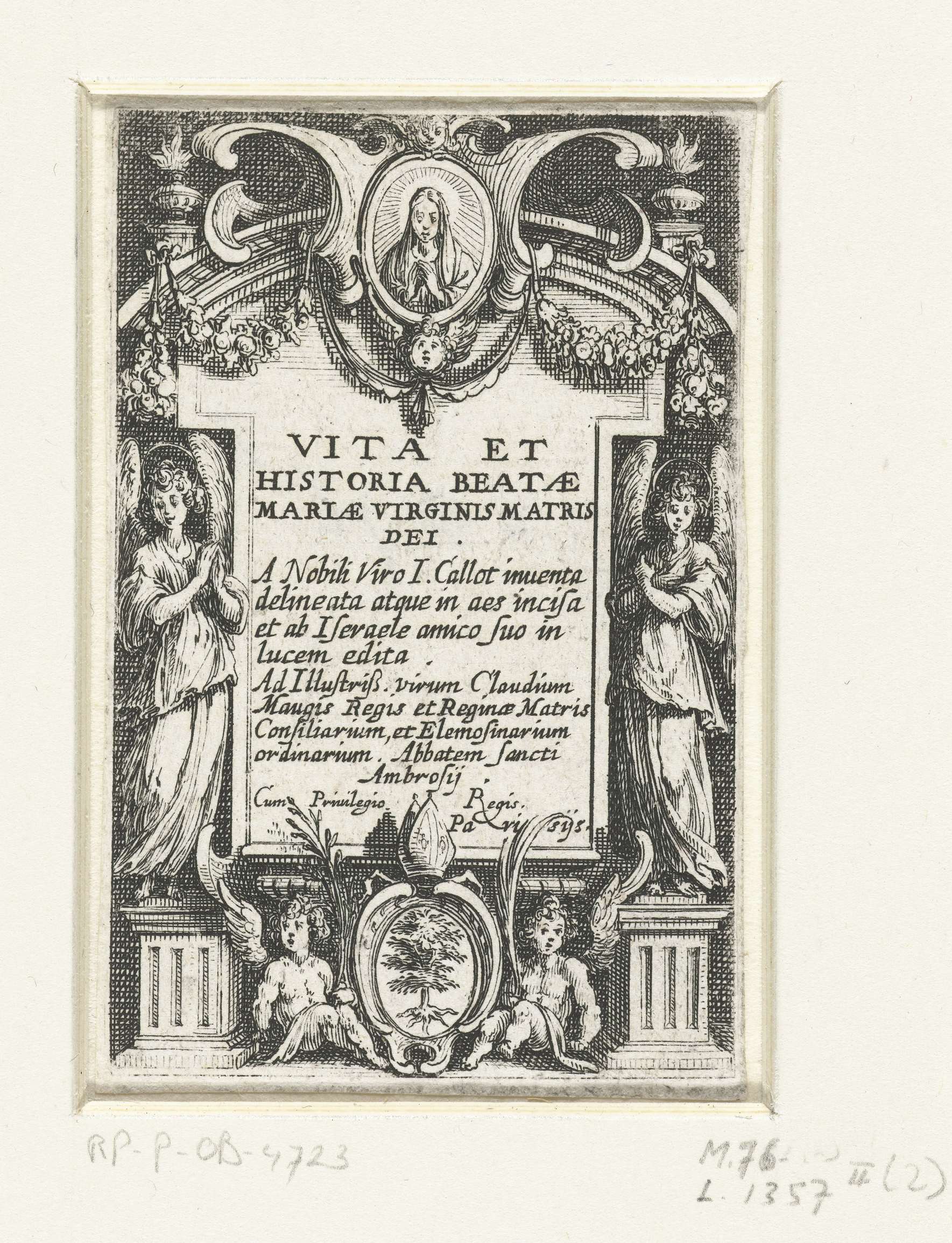
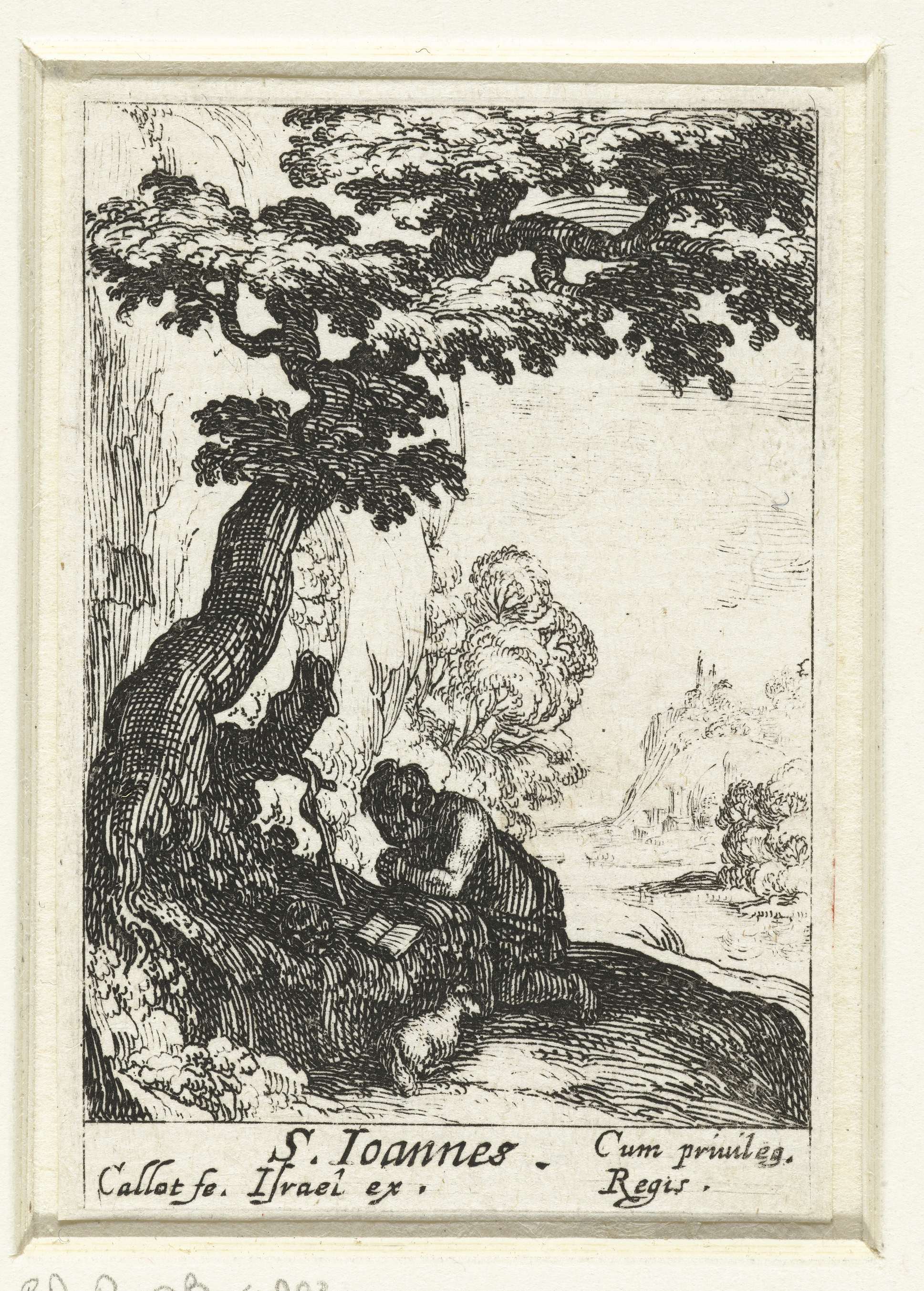
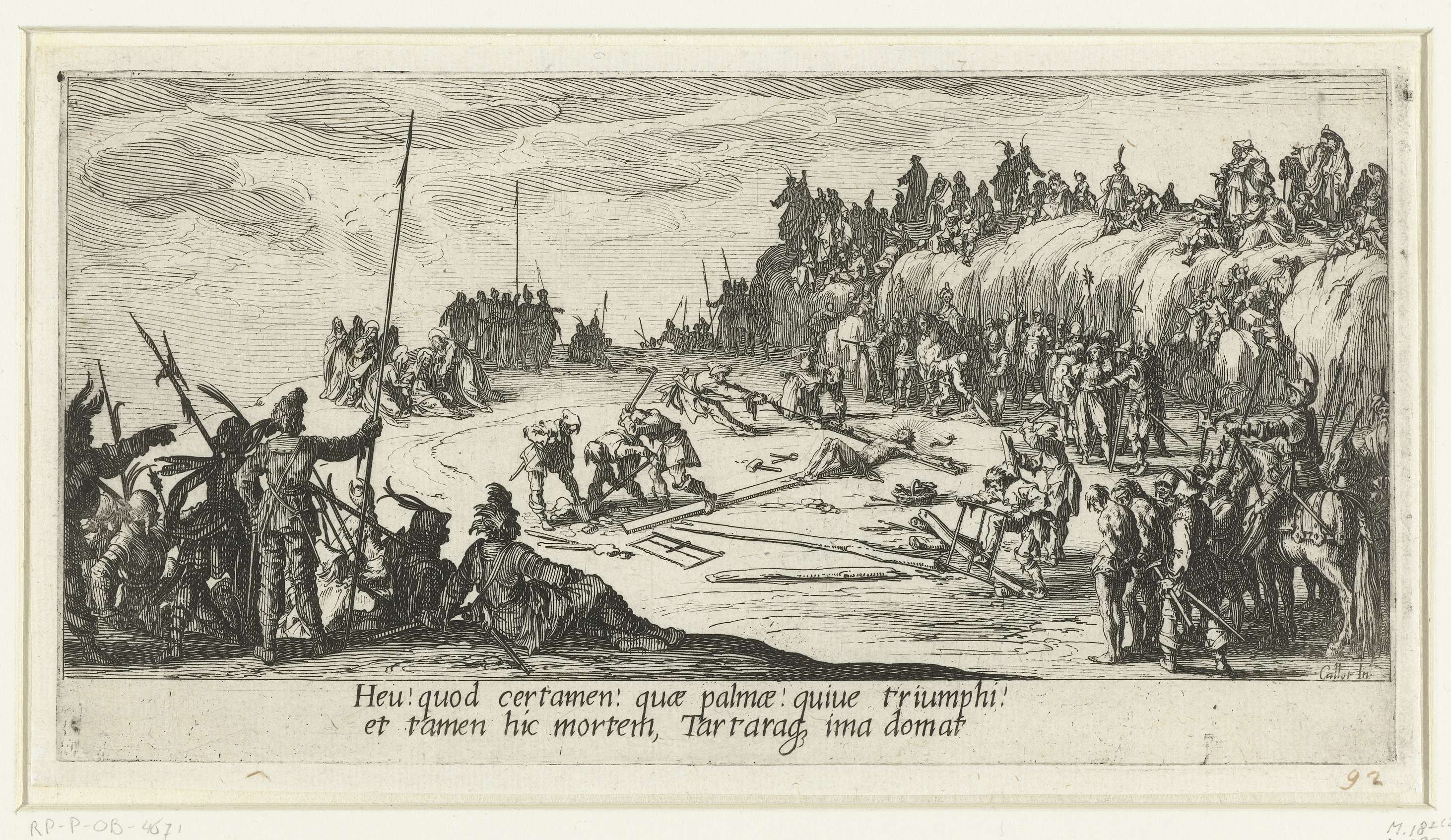
What if beauty was never meant to be finished? In Titelprent voor prentreeks 'De verloren zoon', the delicate interplay of grace and violence invites us to ponder the fragility of existence amidst chaos. Look closely at the intricate details that fill the composition. The figures are poised at the center, their expressions a mix of hope and despair, while around them, an elaborate tapestry of textural contrasts unfolds. Notice how the muted colors—soft ochres and deep umbers—create a somber, almost haunting atmosphere, amplifying the emotional weight of the scene.
The meticulous linework showcases Callot’s exceptional skill, guiding your eye through a landscape steeped in narrative depth. Yet beneath the surface lies an undercurrent of tension. The juxtaposition of the gentle embrace and the looming shadows evokes the inevitable conflict between love and loss. Each figure embodies a story of struggle; their postures whisper of impending upheaval.
The arching forms and swirling movements suggest an almost choreographed dance of fate, where beauty intertwines with violence, portraying the complexity of the human experience in its rawest form. In 1635, while living in Nancy, Jacques Callot created this piece during a time rife with political turmoil and social upheaval in Europe. His work was a response to the realities of war and suffering, reflecting not only personal experiences but also the collective anguish of a continent. This engraving stands as a testament to the artist’s profound engagement with the conflicts of his time, blending historical narrative with emotional resonance.