Tomb of Sultan Iltutmysh in old Delhi — History & Analysis
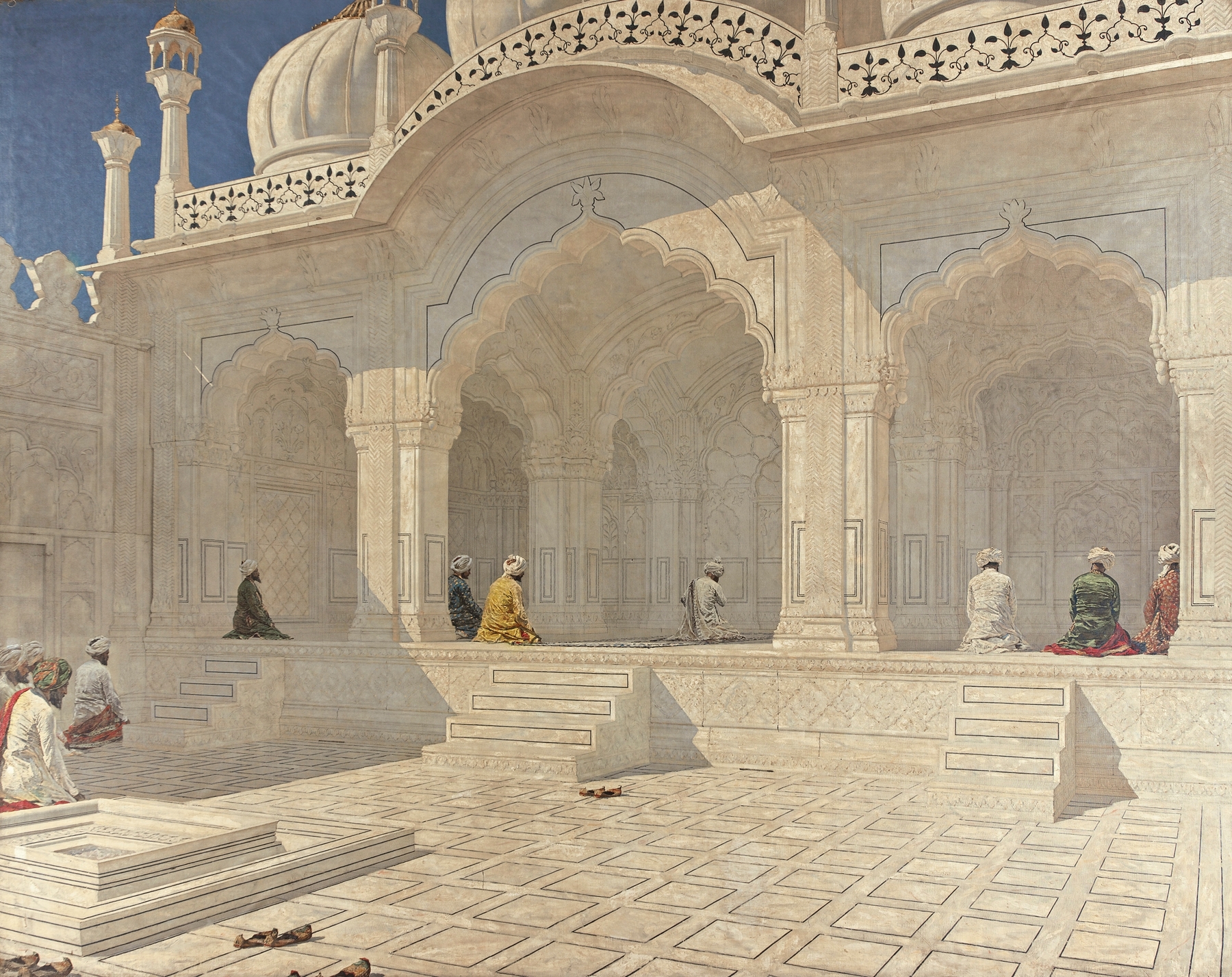
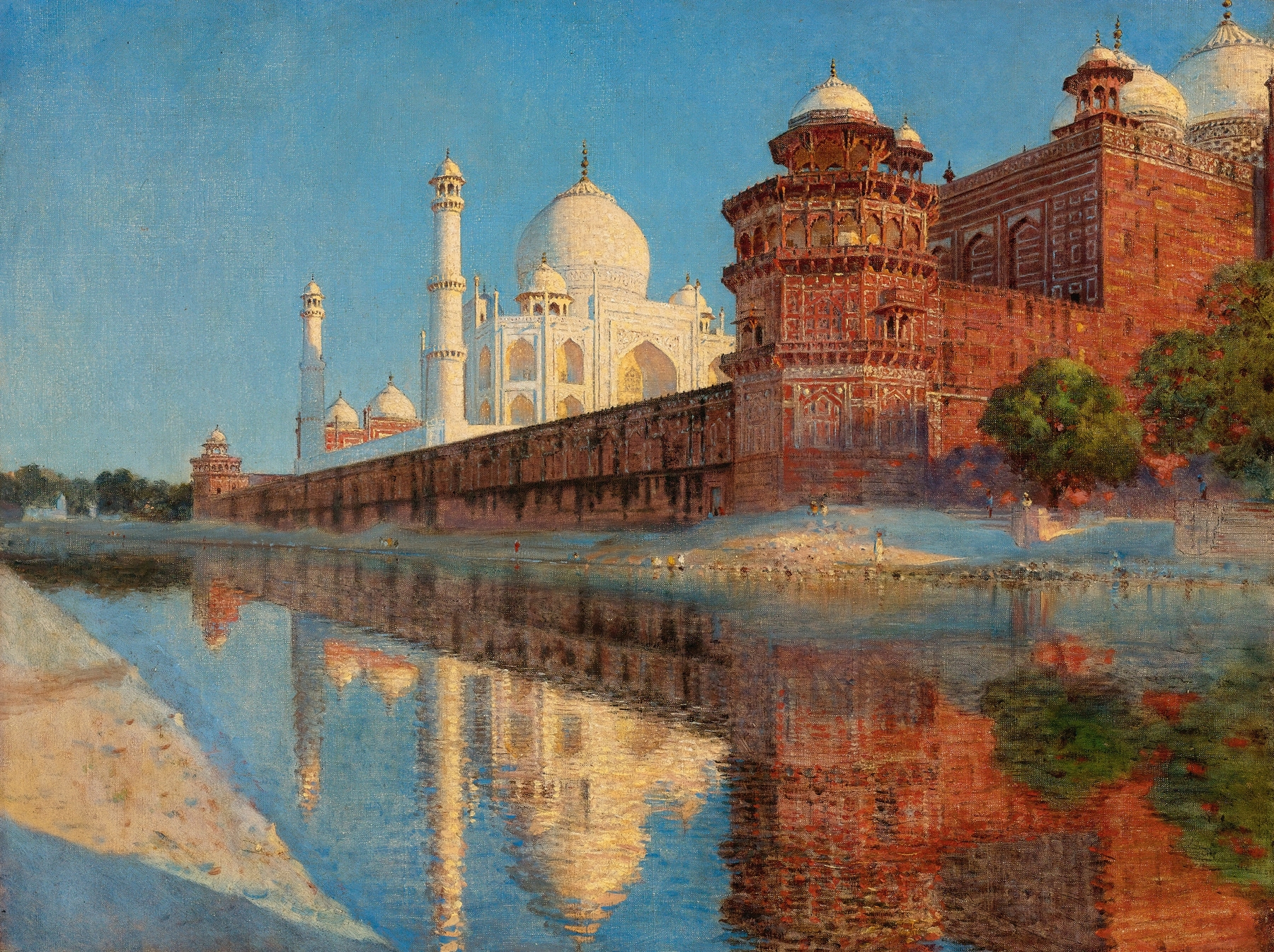
Could beauty survive in a century of chaos? This poignant question lingers in the air as we approach the intricately adorned tomb, an emblem of resilience amid the decay of time. The monument stands as a testament to obsession, whispering stories of a past both glorious and sorrowful. Look closely at the ornate carvings that embellish the facade, each detail meticulously crafted to capture the viewer’s gaze.
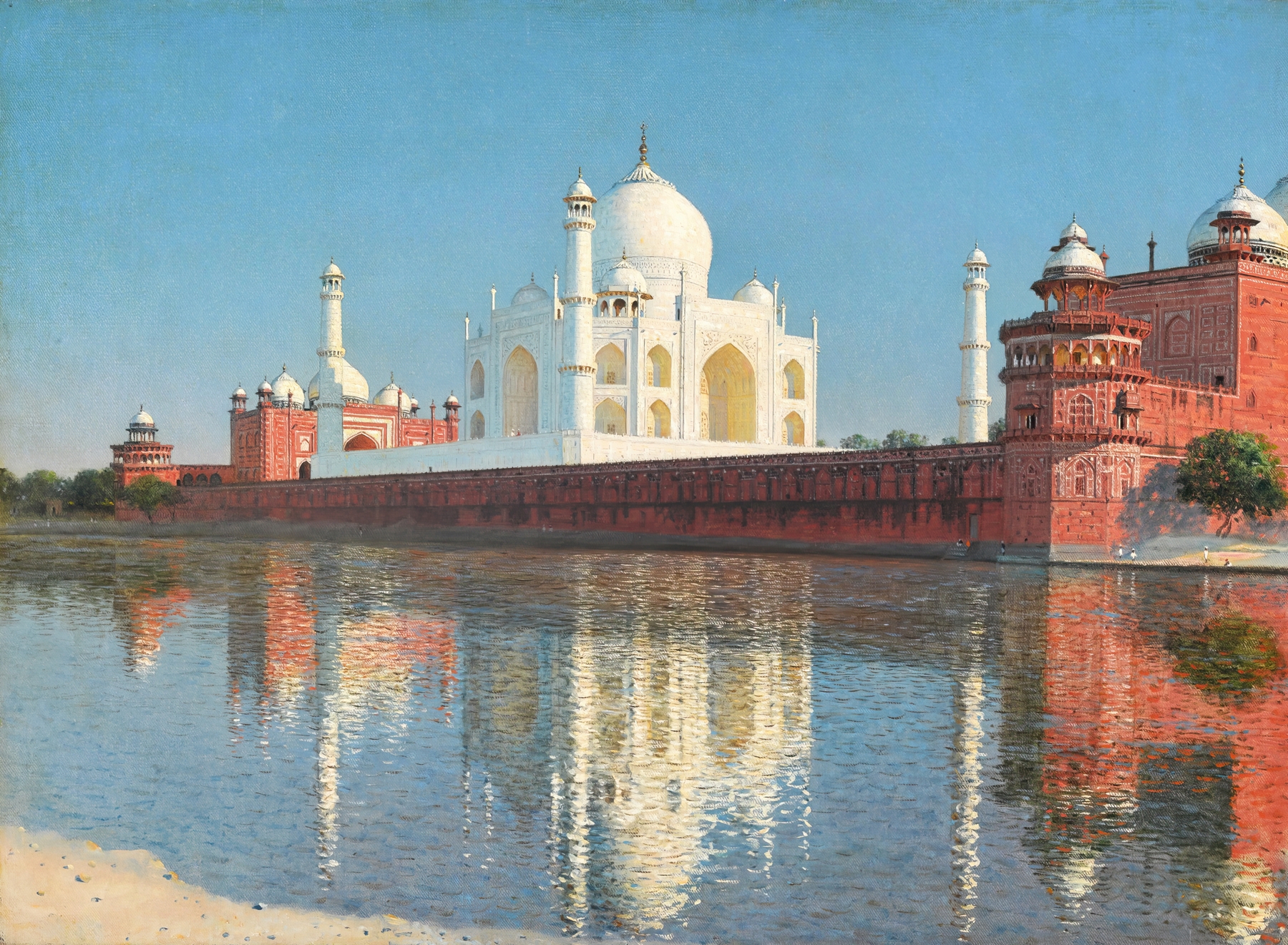
The interplay of light across the intricate stonework highlights the remnants of color in the faded frescoes, drawing attention to the delicate patterns that speak of the artisans' dedication. Surrounding this architectural marvel, the earthy tones of the landscape create a stark contrast, emphasizing the monument's once-majestic presence against the backdrop of the encroaching chaos of modernity. Beneath the surface lies a profound tension—between the permanence of stone and the transience of life, between the sacred and the profane. As the viewer's eyes traverse the scene, they may notice the wear and tear on the tomb, a physical manifestation of time’s relentless passage.
Each crack and flake is not just a flaw but a narrative thread interwoven with the tales of those who once revered this space, underscoring an obsession with legacy in the face of inevitable decay. Created in 1875 during his travels through India, the artist found himself captivated by the rich history and vibrant cultures of the subcontinent. At this time, the artistic movement was shifting, with Western influences beginning to permeate traditional forms. Vereshchagin, known for his focus on war and its aftermath, turned his lens to the architectural beauty of the East, seeking to document the profound contrasts of existence within a world caught between glory and decline.