Toulon — History & Analysis
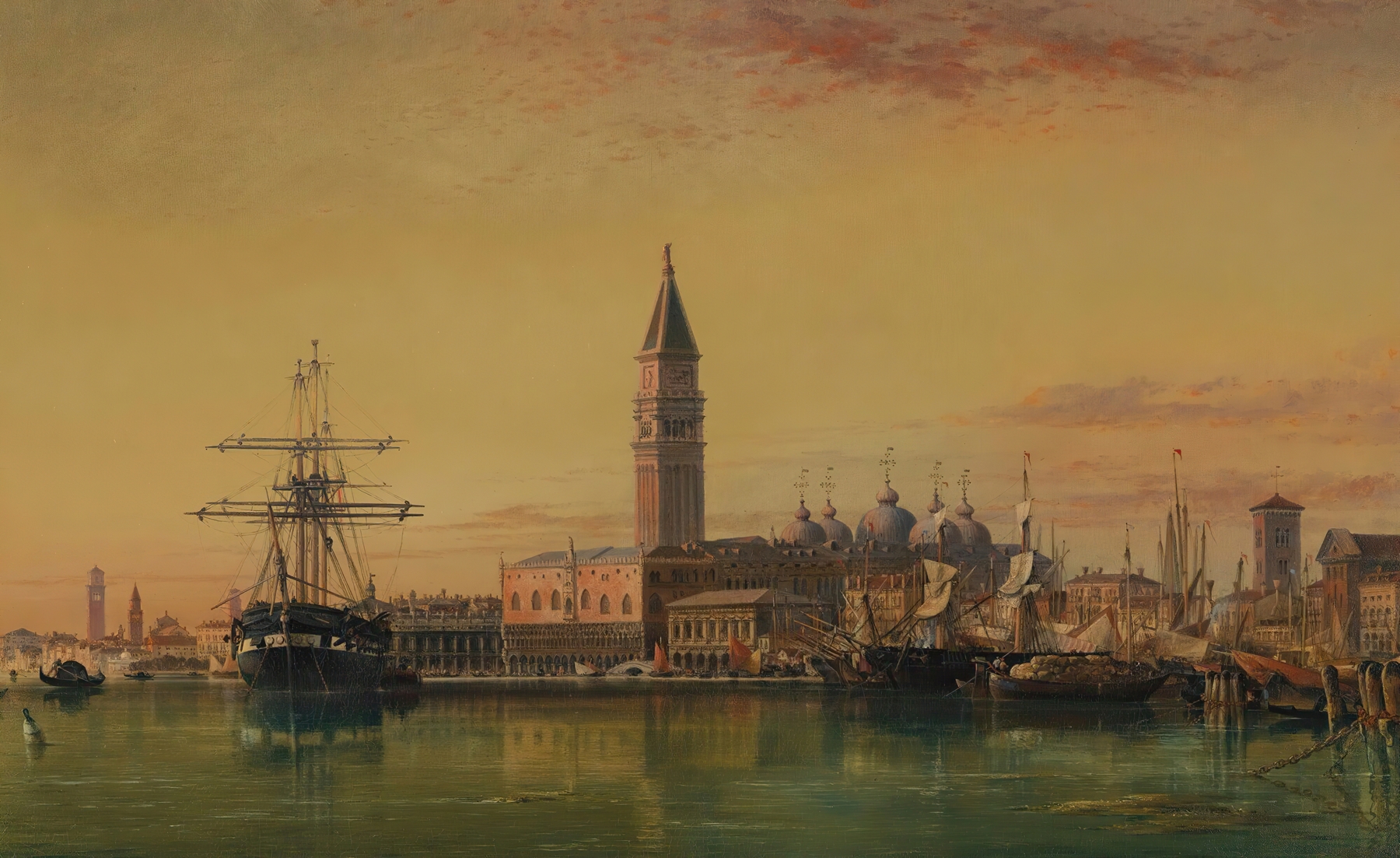
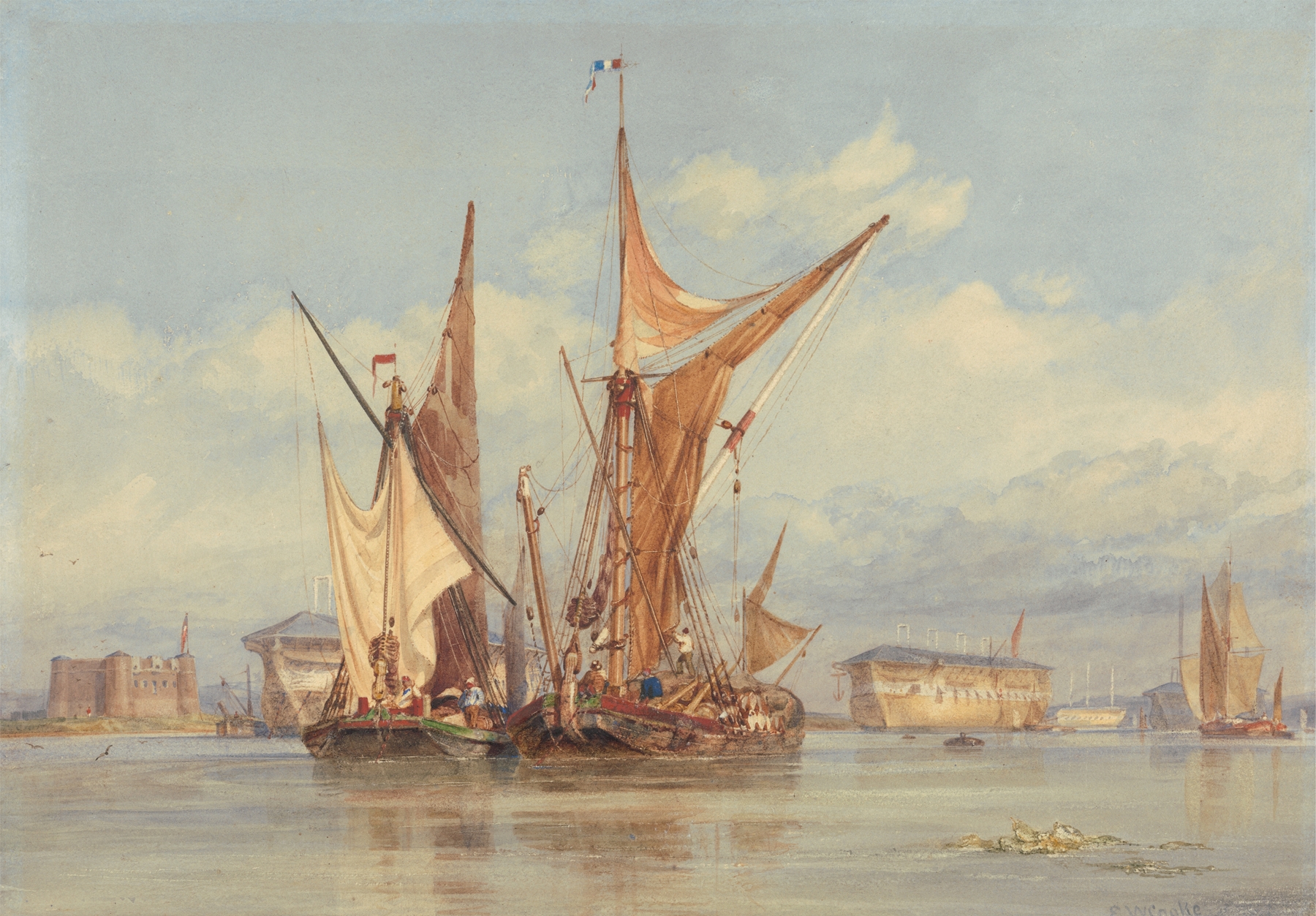
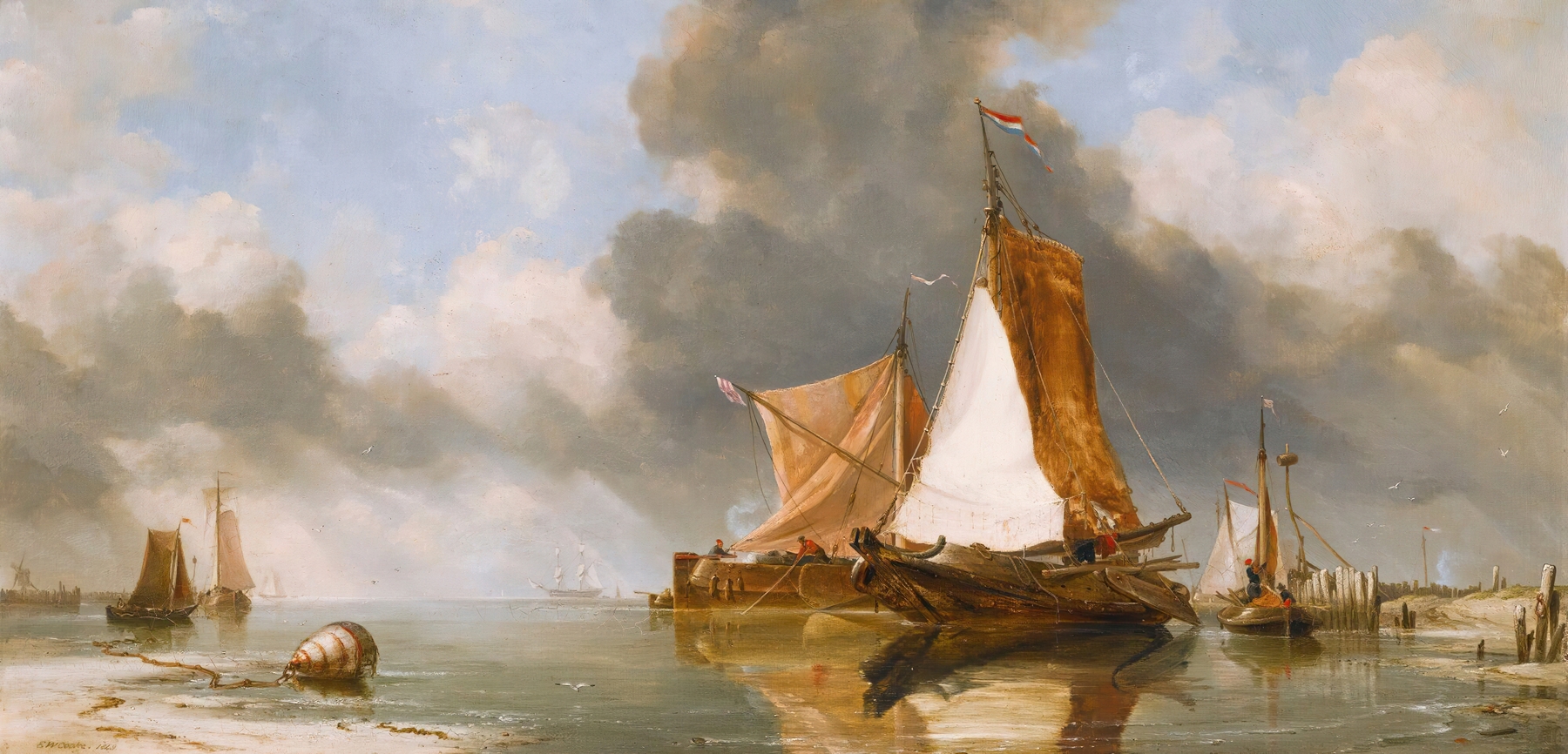
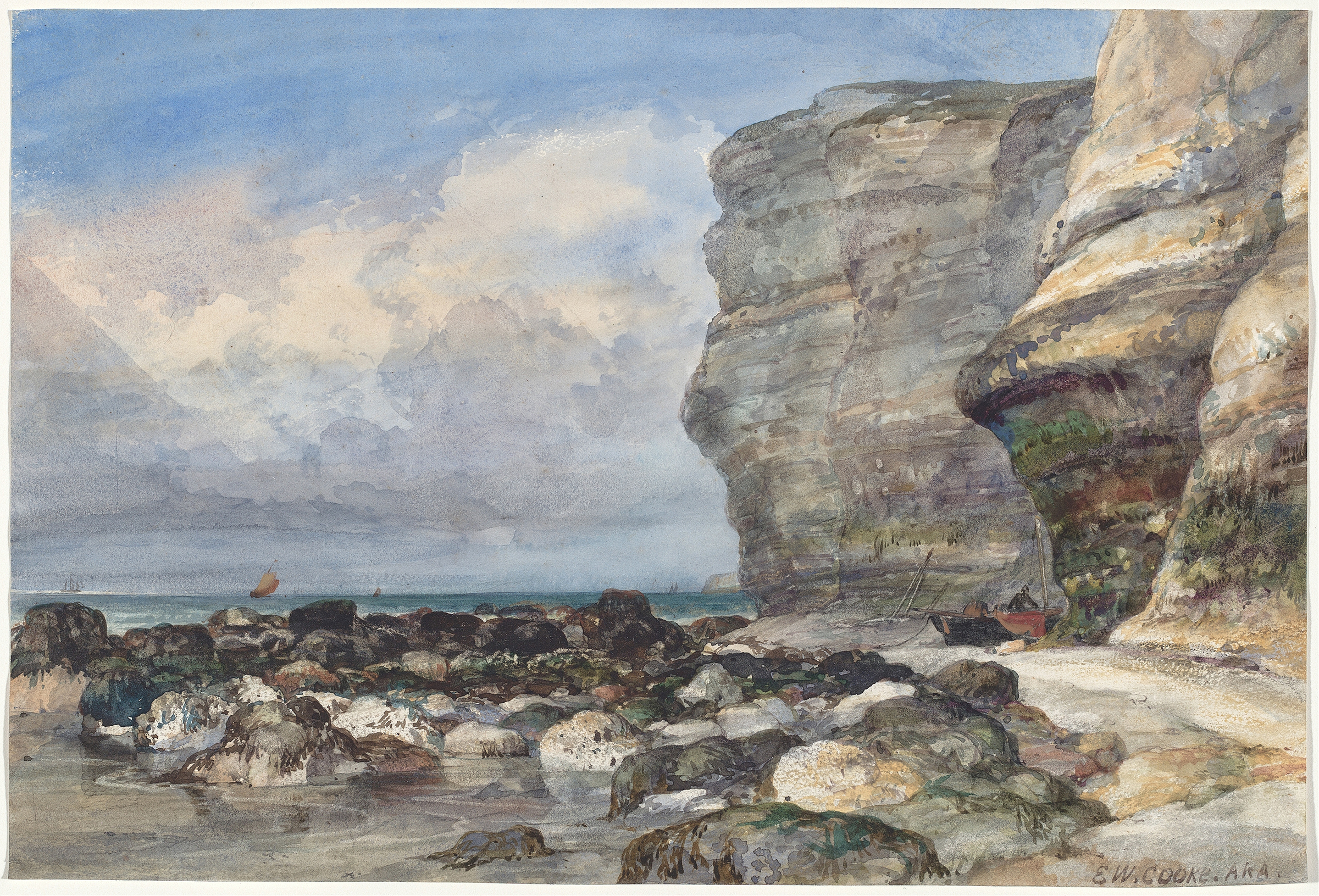
“The canvas doesn’t lie — it simply waits.” In a world where moments slip through fingers like sand, one can’t help but ponder how art captures the essence of loss, both personal and collective. Look to the center, where the sun-drenched port of Toulon unfolds, its tranquil waters cradling reflections of aged boats and bustling docks. Notice the warm palette that bathes the scene, with soft ochres and muted blues harmonizing, inviting the viewer to linger. Edward William Cooke's brushwork reveals a meticulous attention to detail, from the rustic texture of the vessels to the delicate dance of light upon the waves, guiding your gaze deeper into the tangible world he has created.
Yet beneath this serene surface lies an undertow of deeper emotions. The boats, though lively, carry an air of abandonment, hinting at stories of sailors lost to the horizon. The distant hills loom, seemingly indifferent to the human endeavor, suggesting an isolation amidst activity. Cooke encapsulates the duality of existence — the vibrant life of the harbor contrasts starkly with a sense of inevitable loss, evoking reflections on time and memory.
In 1845 or after 1863, Edward William Cooke painted this work during a period of personal exploration and artistic development. He was deeply influenced by the French coastline and the dramatic presence of maritime life, which resonated with the Romantic notions prevalent in his era. This painting emerged as he navigated his own artistic identity, amidst a broader movement that sought to capture the sublime beauty and complexity of the natural world.