Tour aux Archives a Vernon — History & Analysis
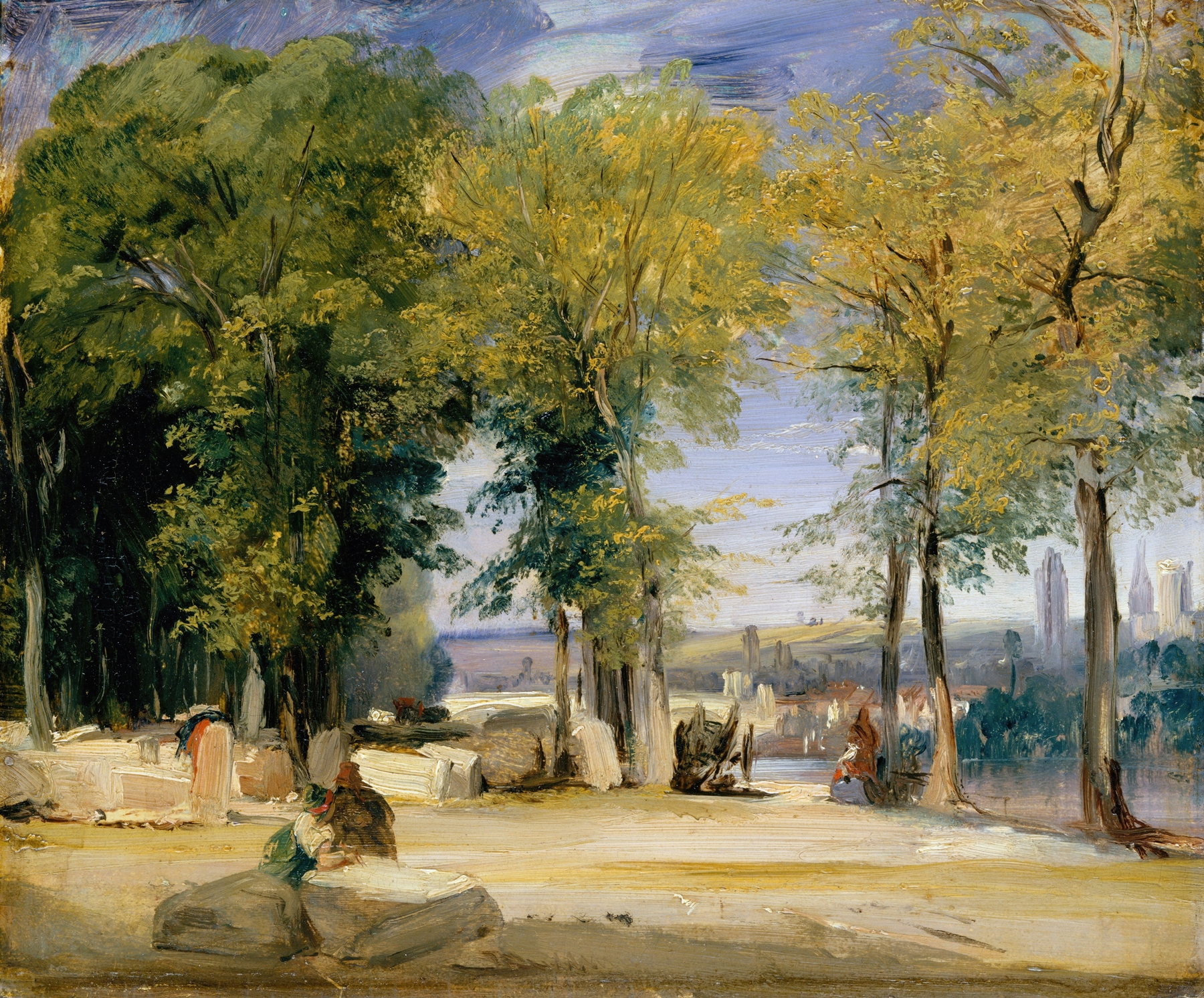
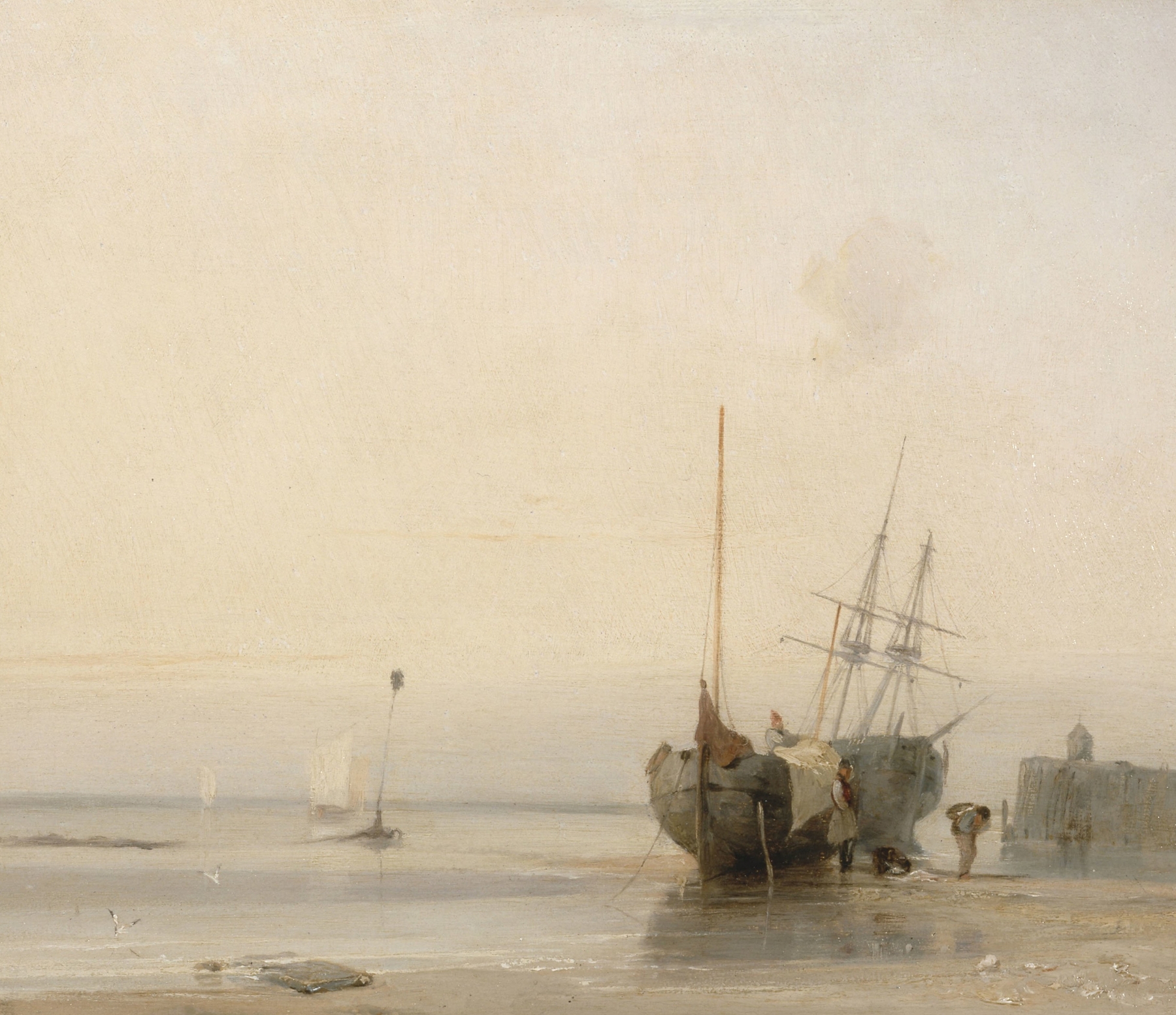
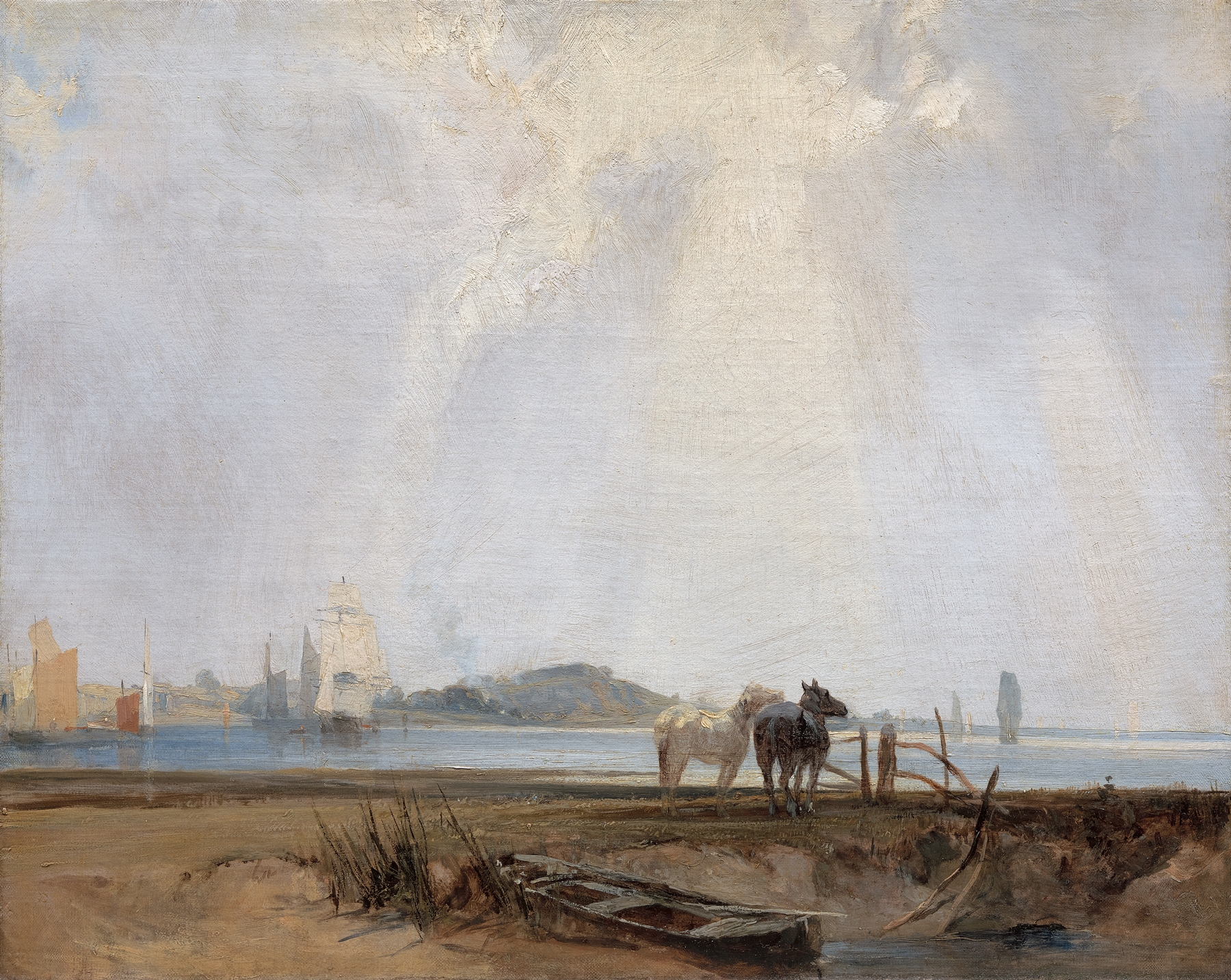
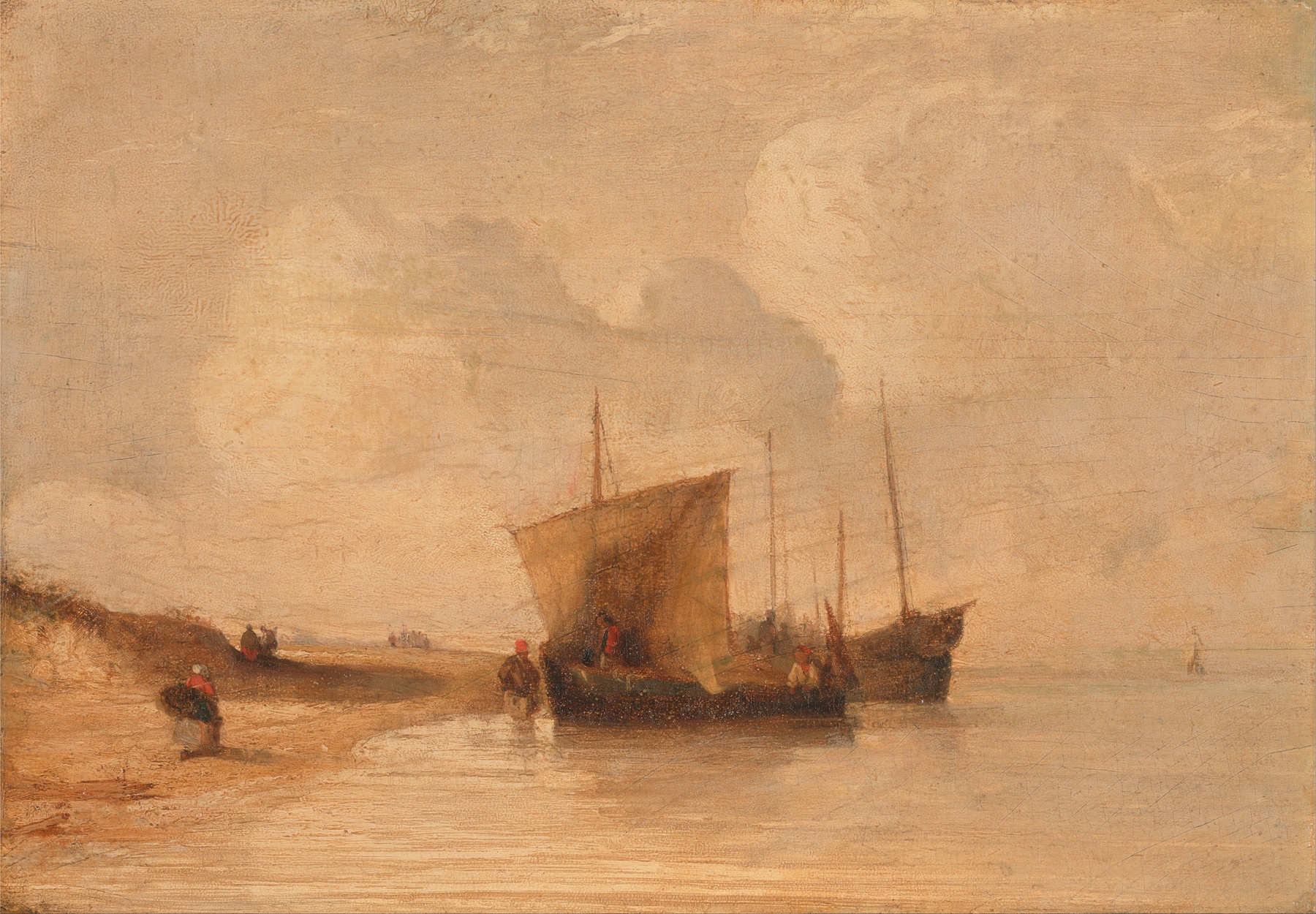
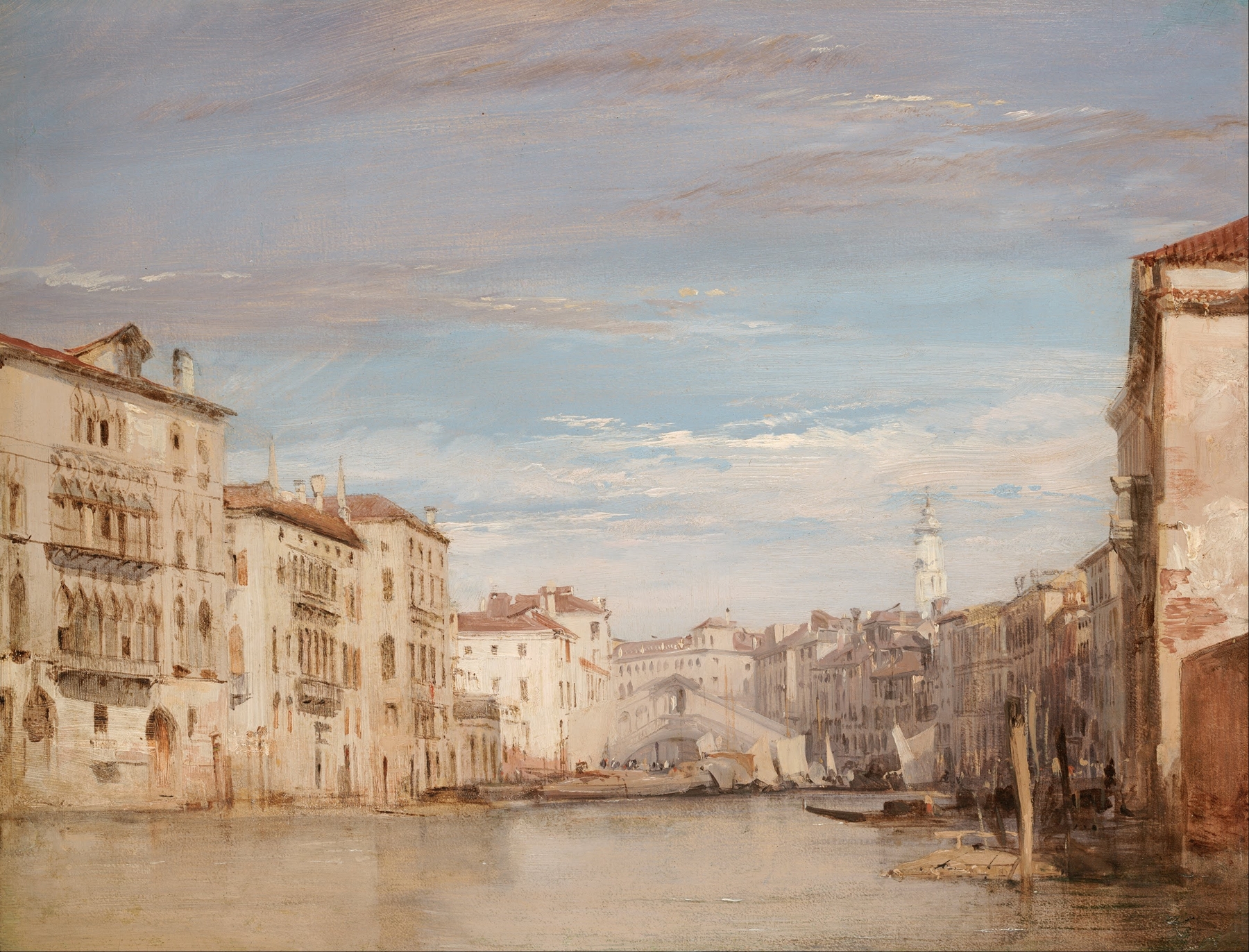
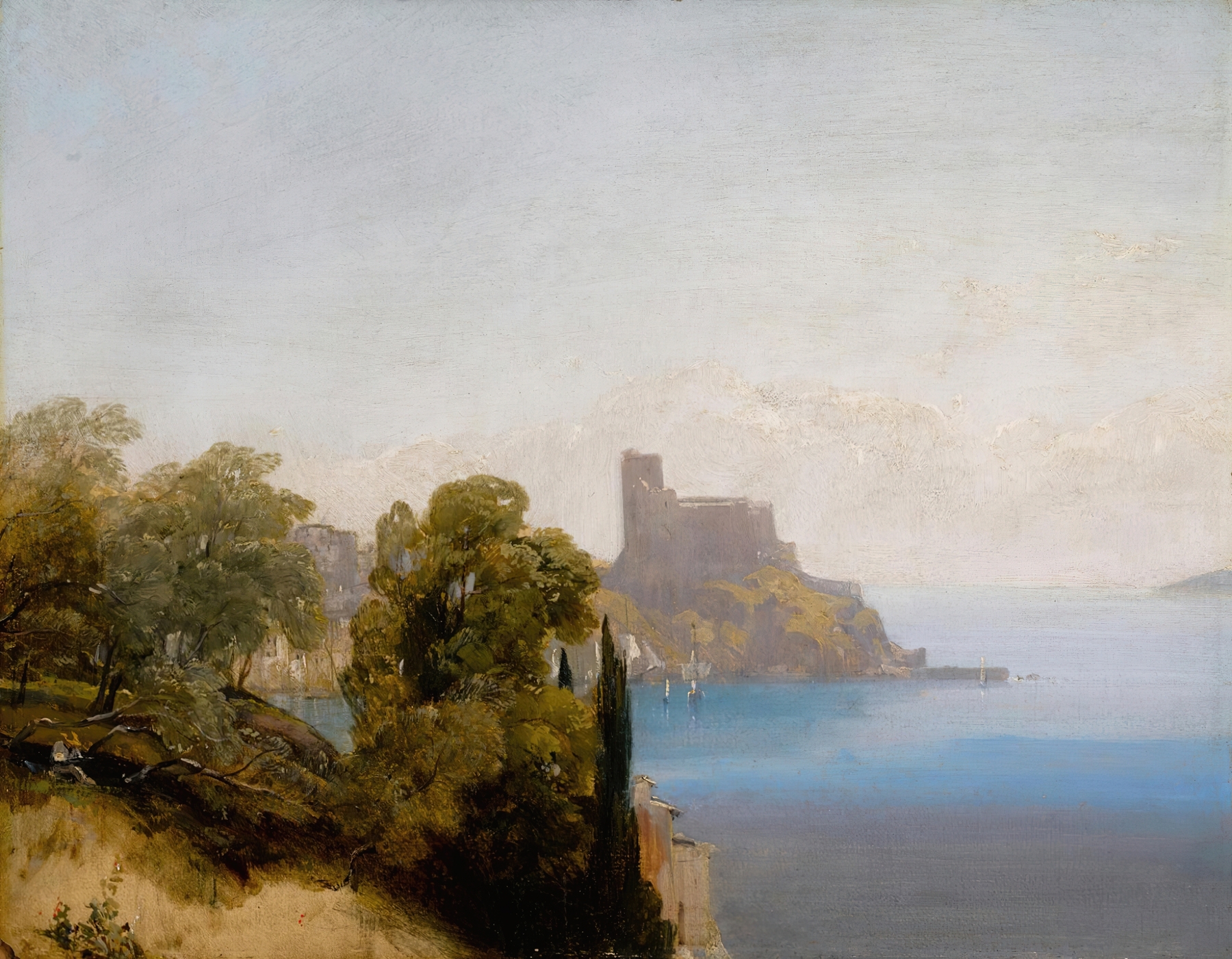
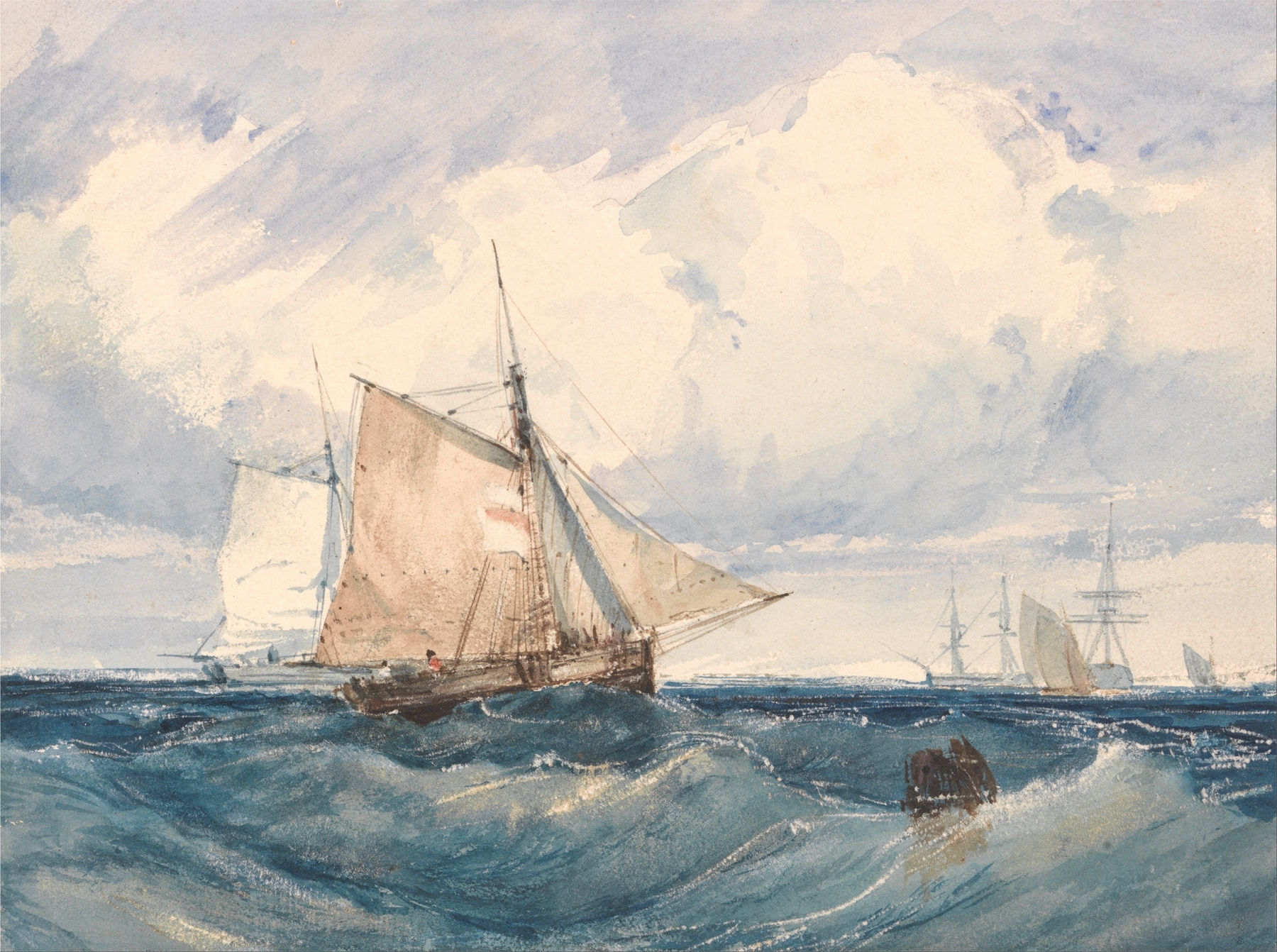
Can beauty exist without sorrow? In Tour aux Archives a Vernon, the answer lies in the nuanced interplay of light and shadow, as the landscape awakens with a delicate vibrancy that speaks both of joy and the passage of time. Look to the foreground, where the gentle curvature of the river draws your gaze into its shimmering surface, reflecting the soft hues of dawn. The water, painted with strokes of azure and hints of gold, contrasts beautifully against the muted greens and browns of the surrounding landscape.
Notice how the clouds above hang low, almost caressing the horizon, adding a sense of depth and quiet contemplation to the scene. Every brushstroke seems intentional, capturing a fleeting moment steeped in the tranquility of early morning. Yet beneath this serene exterior lies a tension between the fleeting nature of beauty and the permanence of history, as represented by the weathered architecture in the background. The distant buildings stand as silent witnesses to the passage of time—a reminder that every light-filled moment is shadowed by the weight of memory.
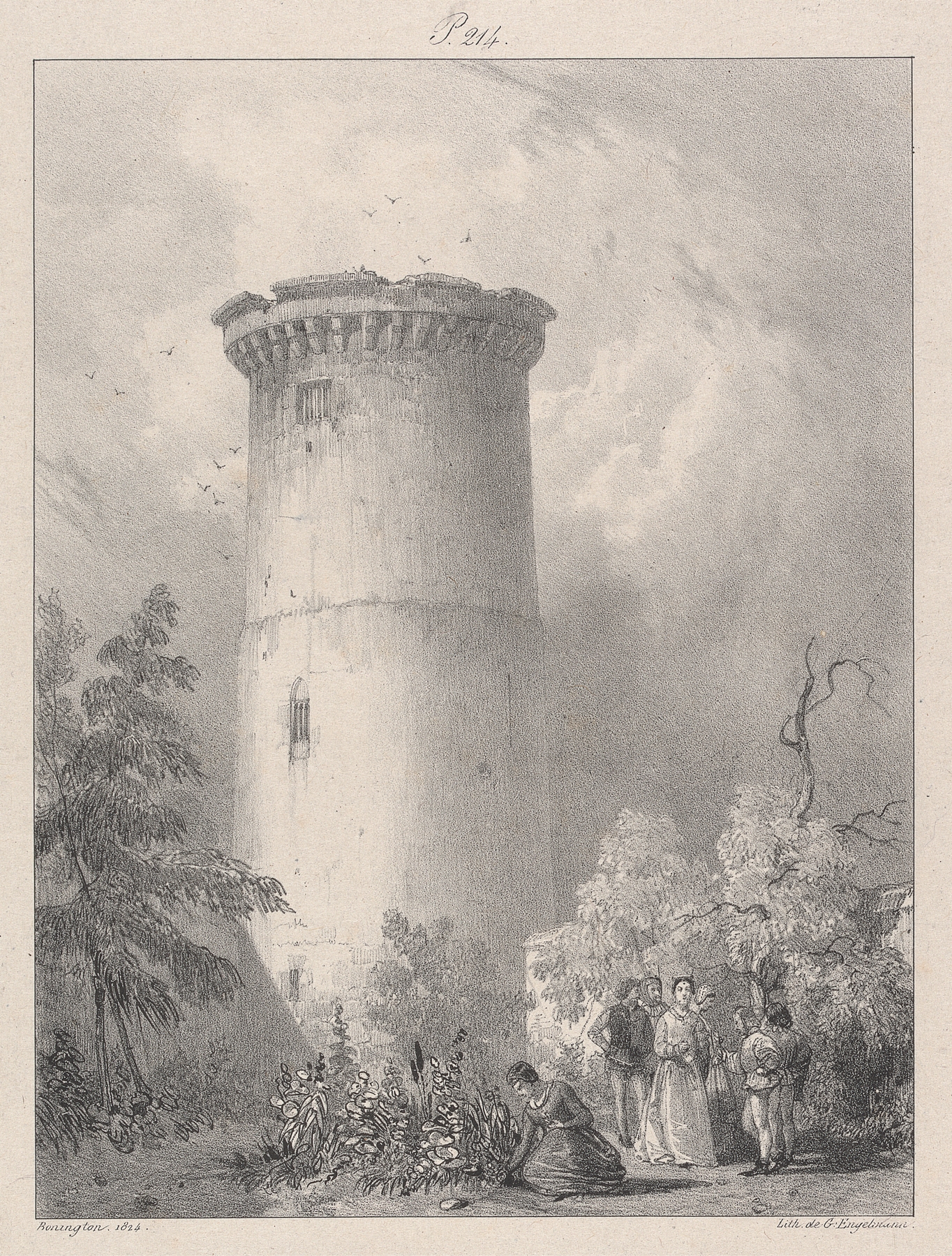
This juxtaposition of transient beauty and enduring structures evokes a sense of longing, prompting viewers to consider their own experiences with ephemerality and permanence. Richard Parkes Bonington painted this piece in 1824 during his time in France, where he became a significant figure in the Romantic landscape movement. At twenty-one, he was deeply influenced by the natural world and contemporary artistic innovations, contributing fresh interpretations of light and color to the prevailing artistic dialogues. His work from this period reflects not only personal awakening but also a broader cultural shift toward appreciating the emotional resonance of landscapes amid a rapidly changing society.