Tour du Gros-Horloge, Evreux — History & Analysis
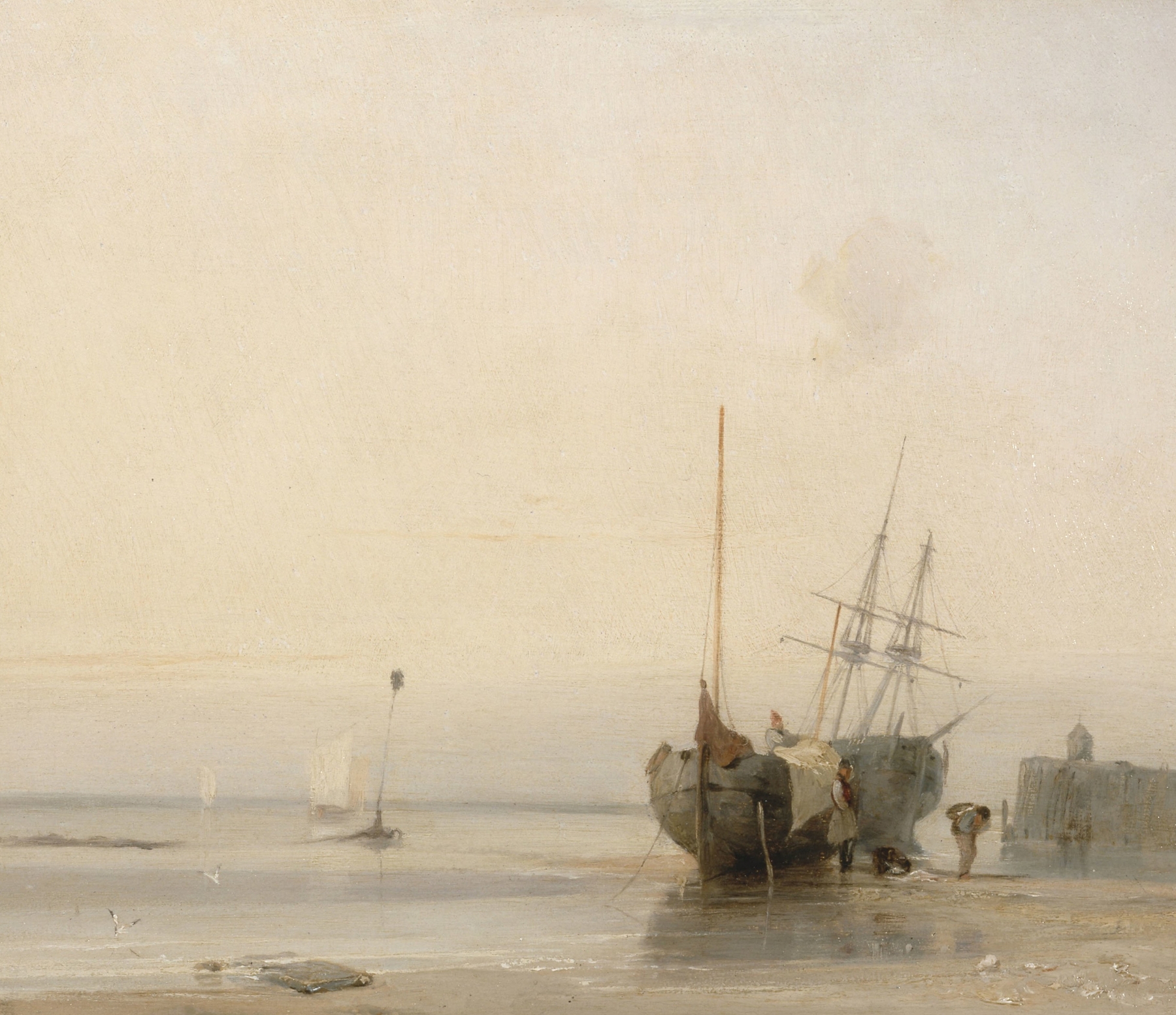
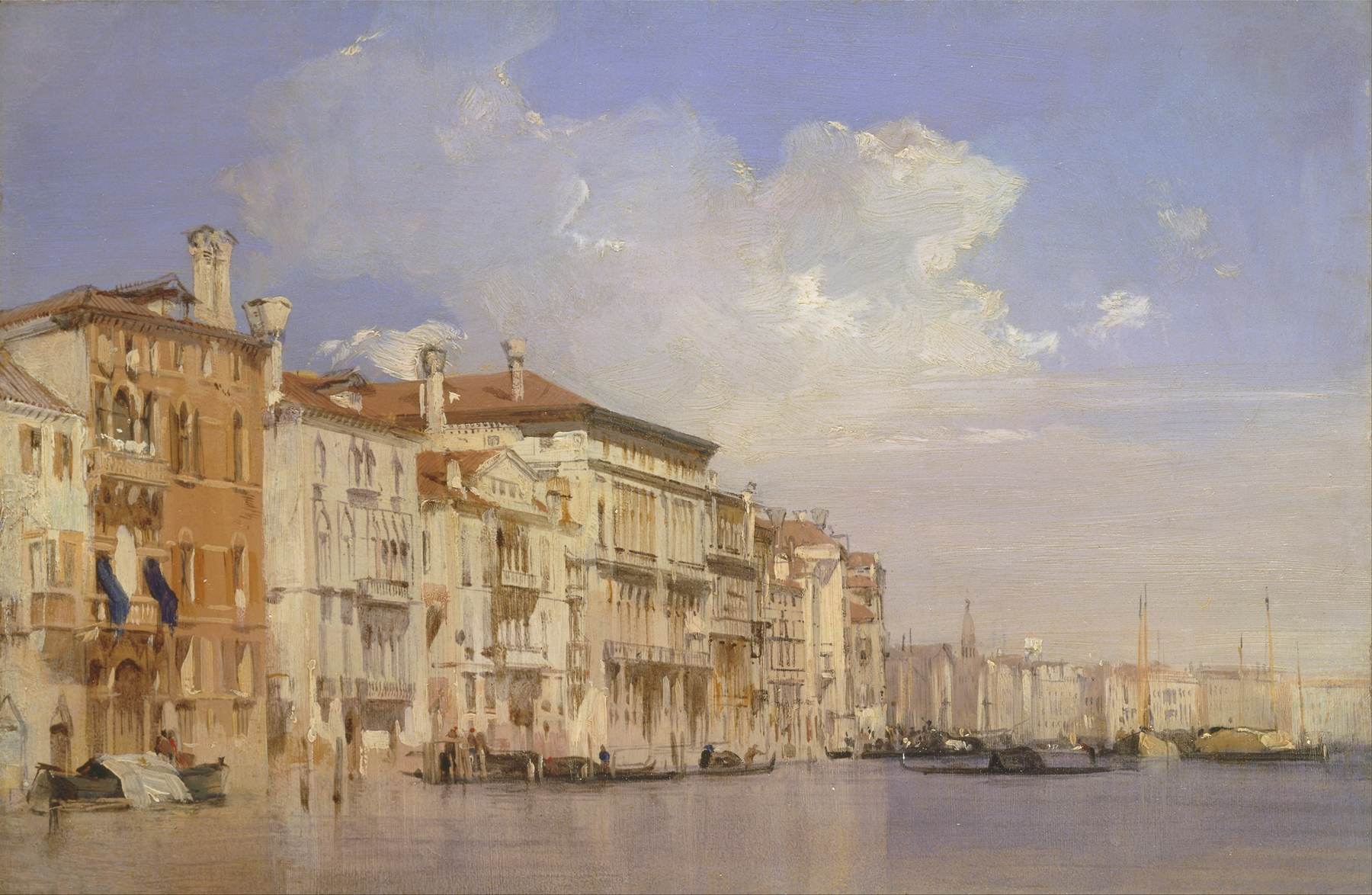
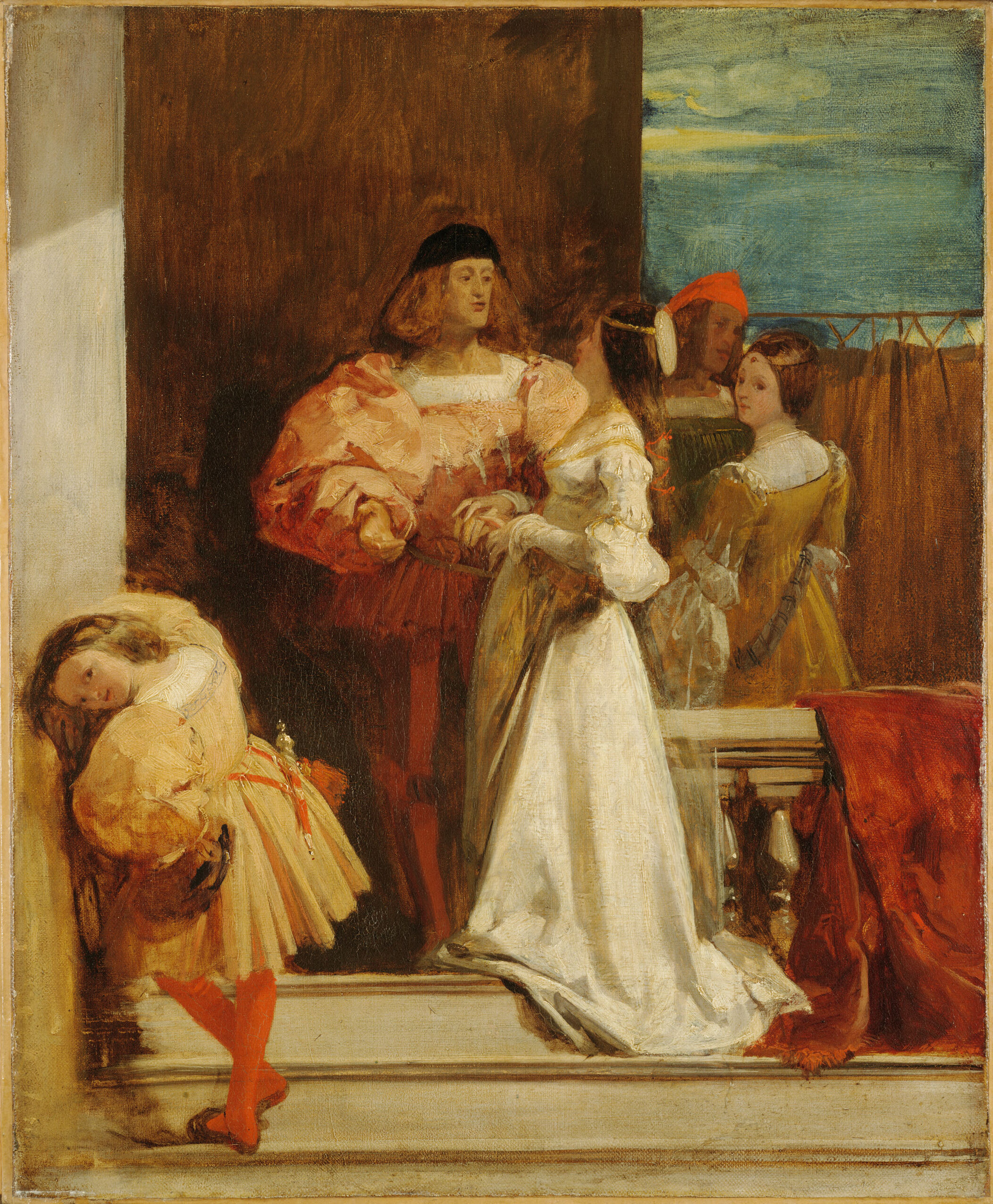
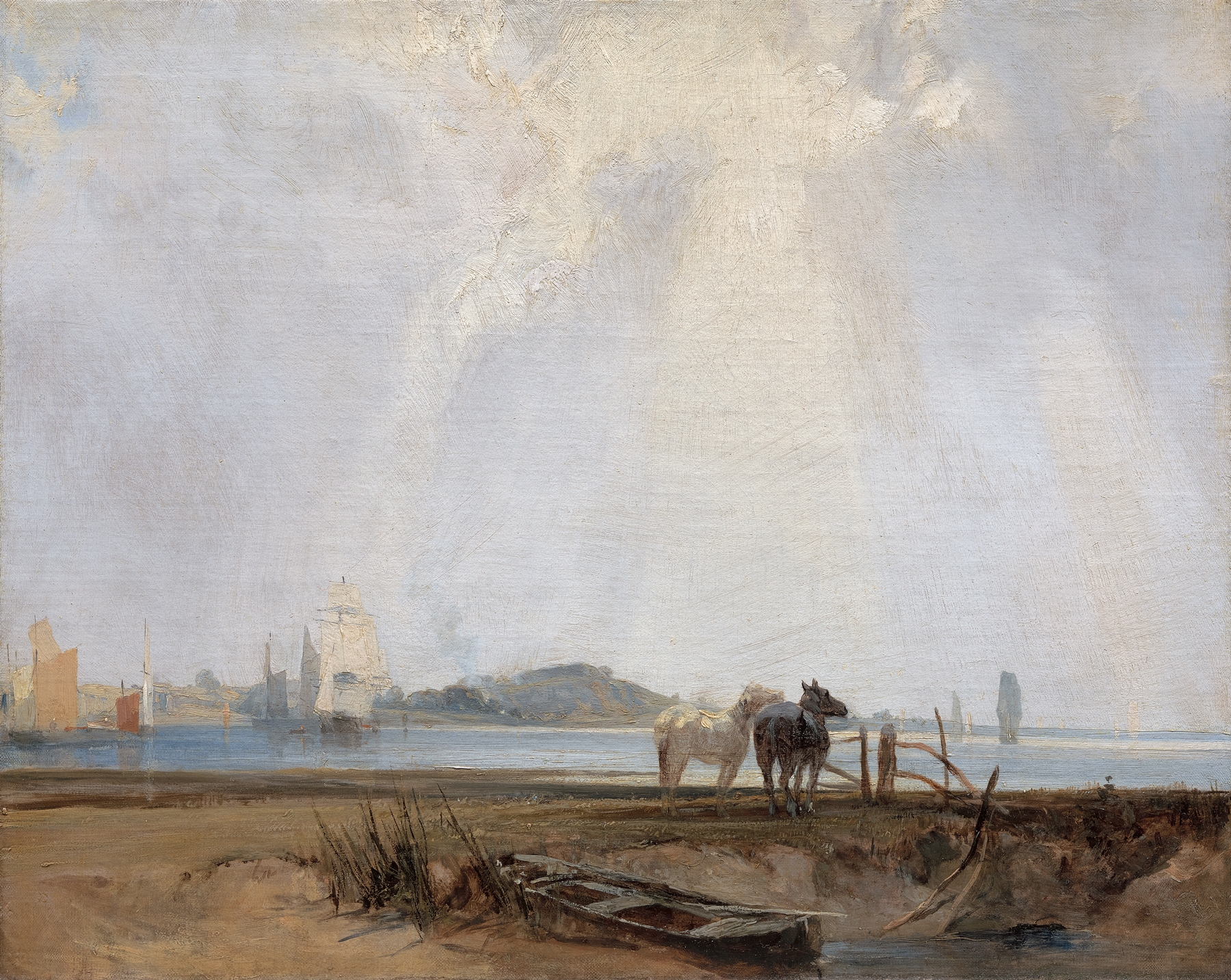
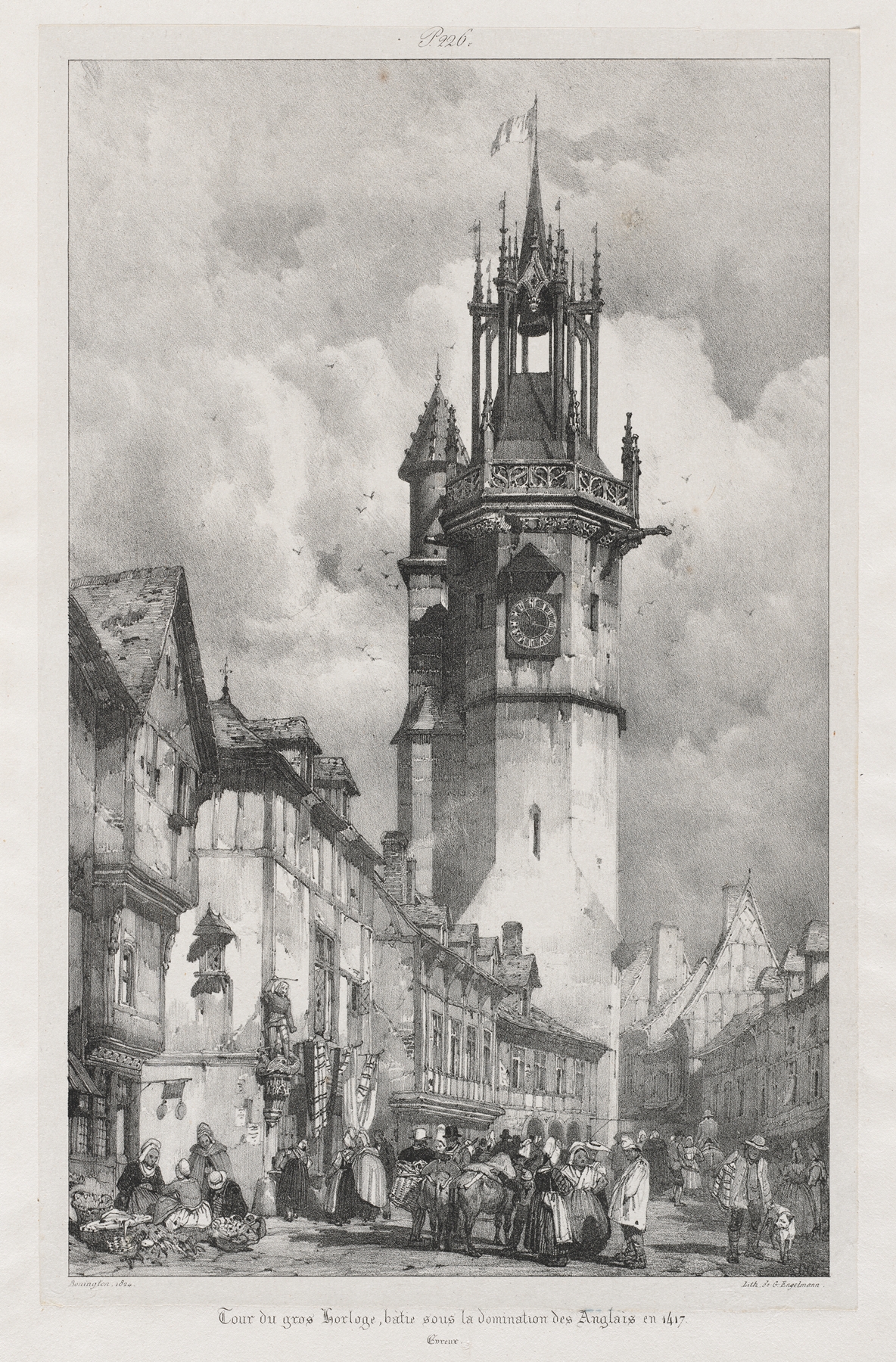
Could beauty survive in a century of chaos? This question lingers in the air as we gaze upon the delicate depiction of Tour du Gros-Horloge, Evreux. The artwork invites us to explore the juxtaposition of architectural elegance and the shadows of history, leaving an emotional imprint that resonates deeply within. Look to the left, where the imposing clock tower rises majestically against a backdrop of soft blues and grays. Notice how the light falls upon the textured stone, illuminating its intricate details and casting subtle shadows that enhance its grandeur.
The careful brushwork captures not just the physical presence of the tower but also an ethereal quality, drawing the eye into the tranquil scene that unfolds at its base. Color choices blend harmoniously, evoking a sense of calm amid the whispers of time. Beneath the surface, the painting reveals a tension between permanence and transience. The graceful lines of the tower contrast sharply with the fleeting figures below, suggesting the ephemeral nature of human existence against the steadfastness of architecture. There is a sense of betrayal in the stillness, as if the tower stands as a sentinel to all that has transpired — a reminder of the chaos surrounding it, yet untouched by it.
This duality invites contemplation, prompting viewers to consider what remains when beauty and history collide. In 1824, Bonington was living in France, where he was deeply influenced by the Romantic movement and the emerging fascination with landscape painting. His life was marked by personal struggles and a relentless pursuit of artistic expression. The world of art was beginning to shift, with increasing interest in capturing the sublime and the picturesque, and Bonington's work reflected this transition with its enchanting balance of realism and imagination.