Traveller In The Snow — History & Analysis
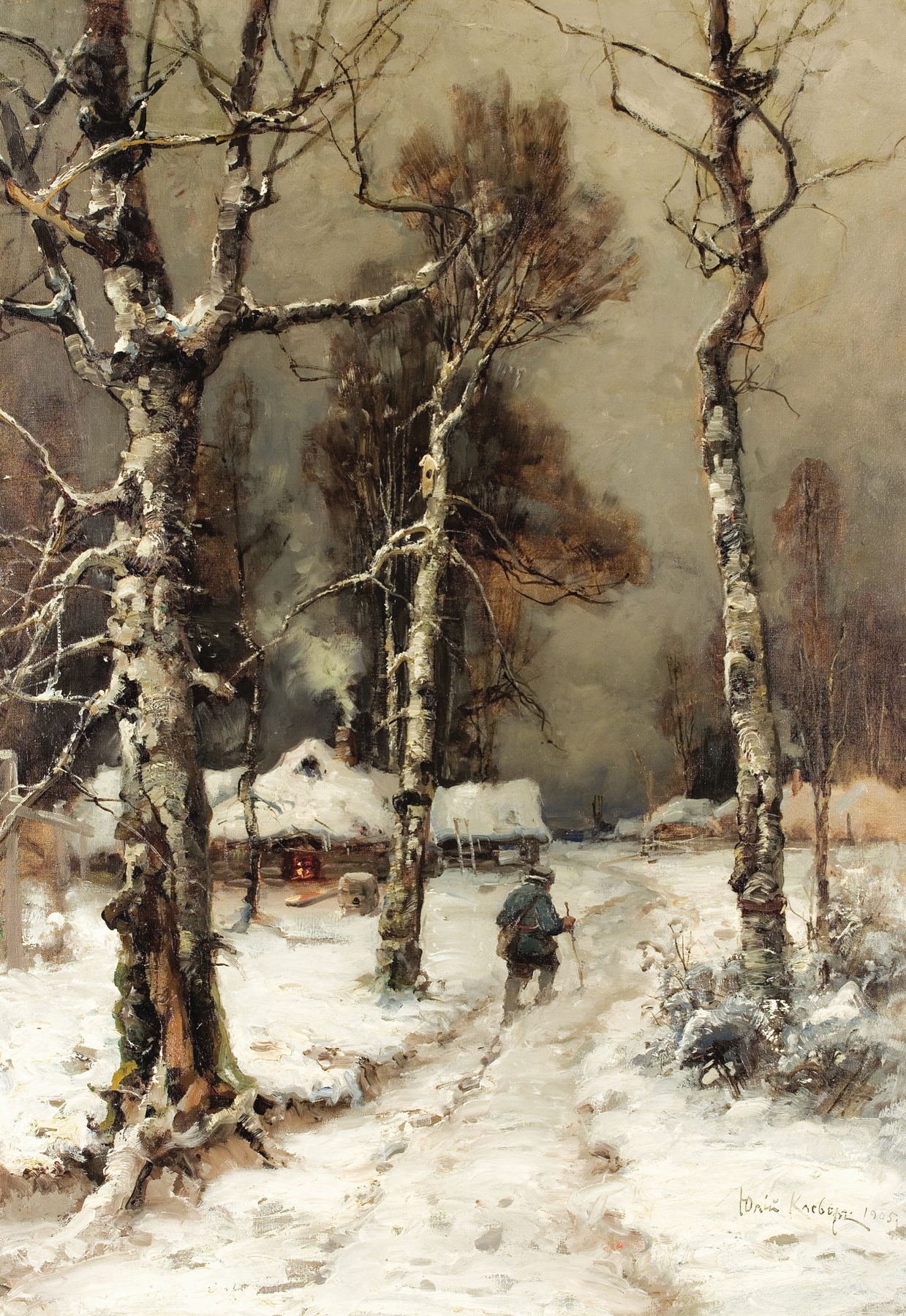
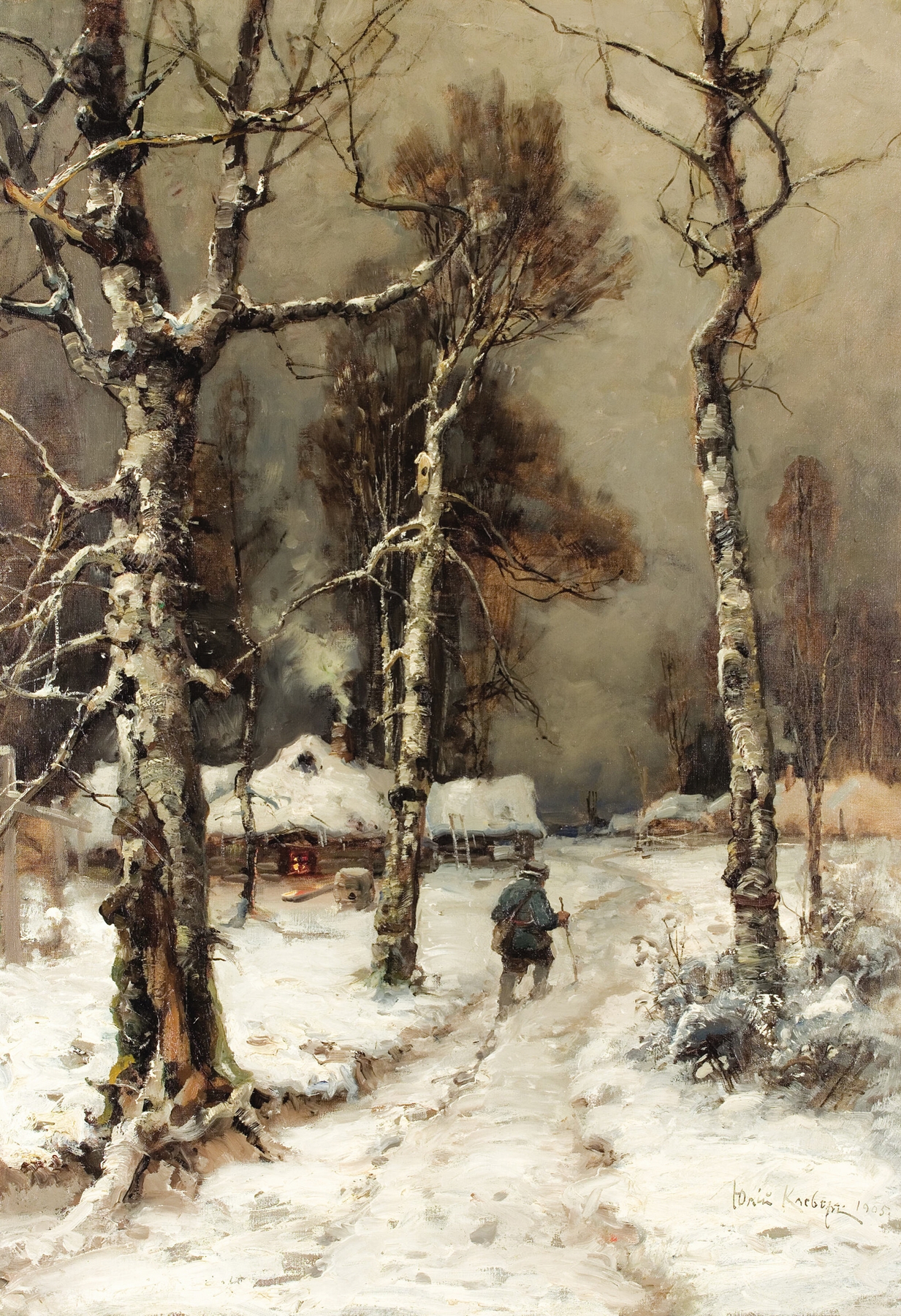
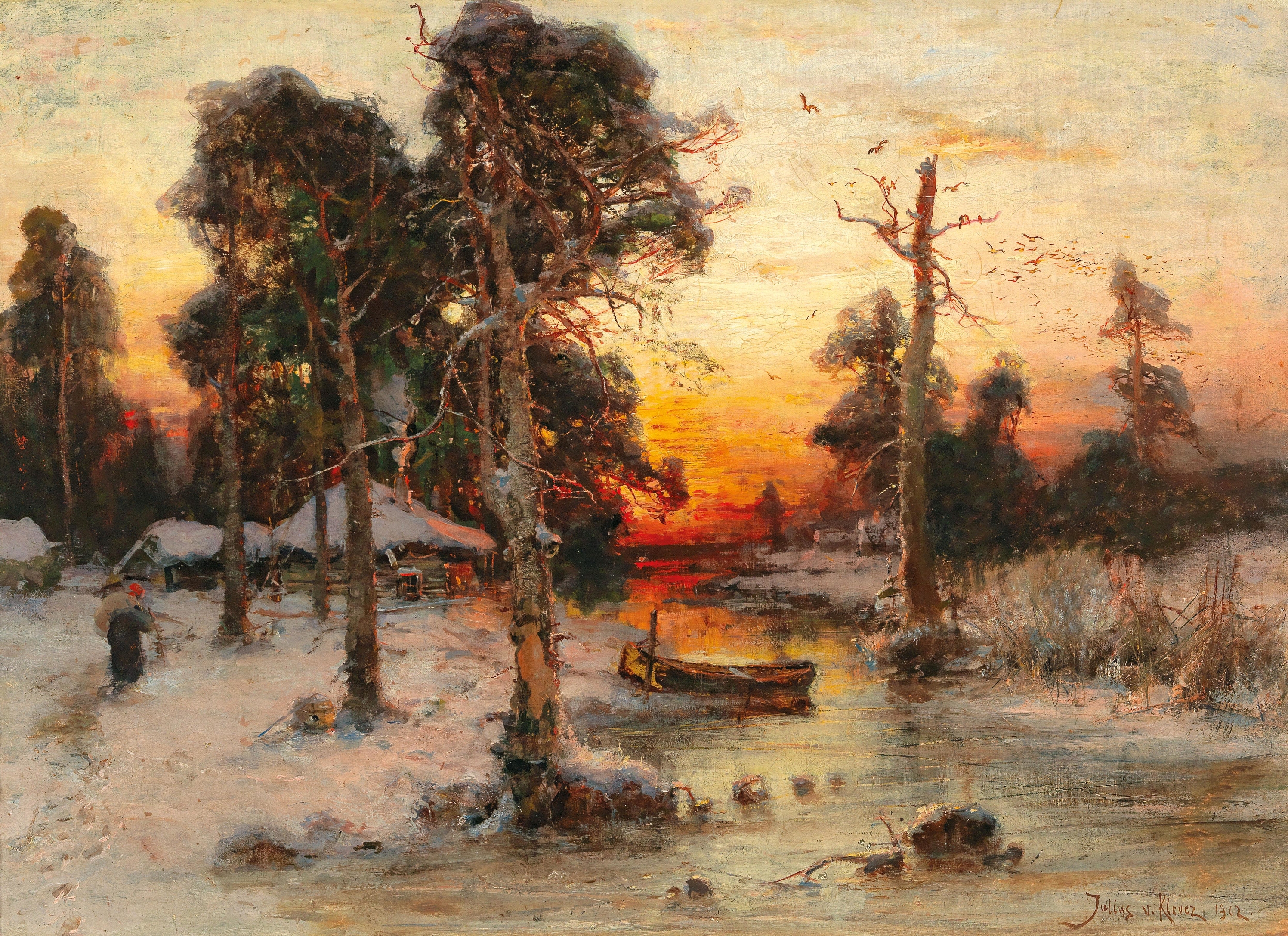
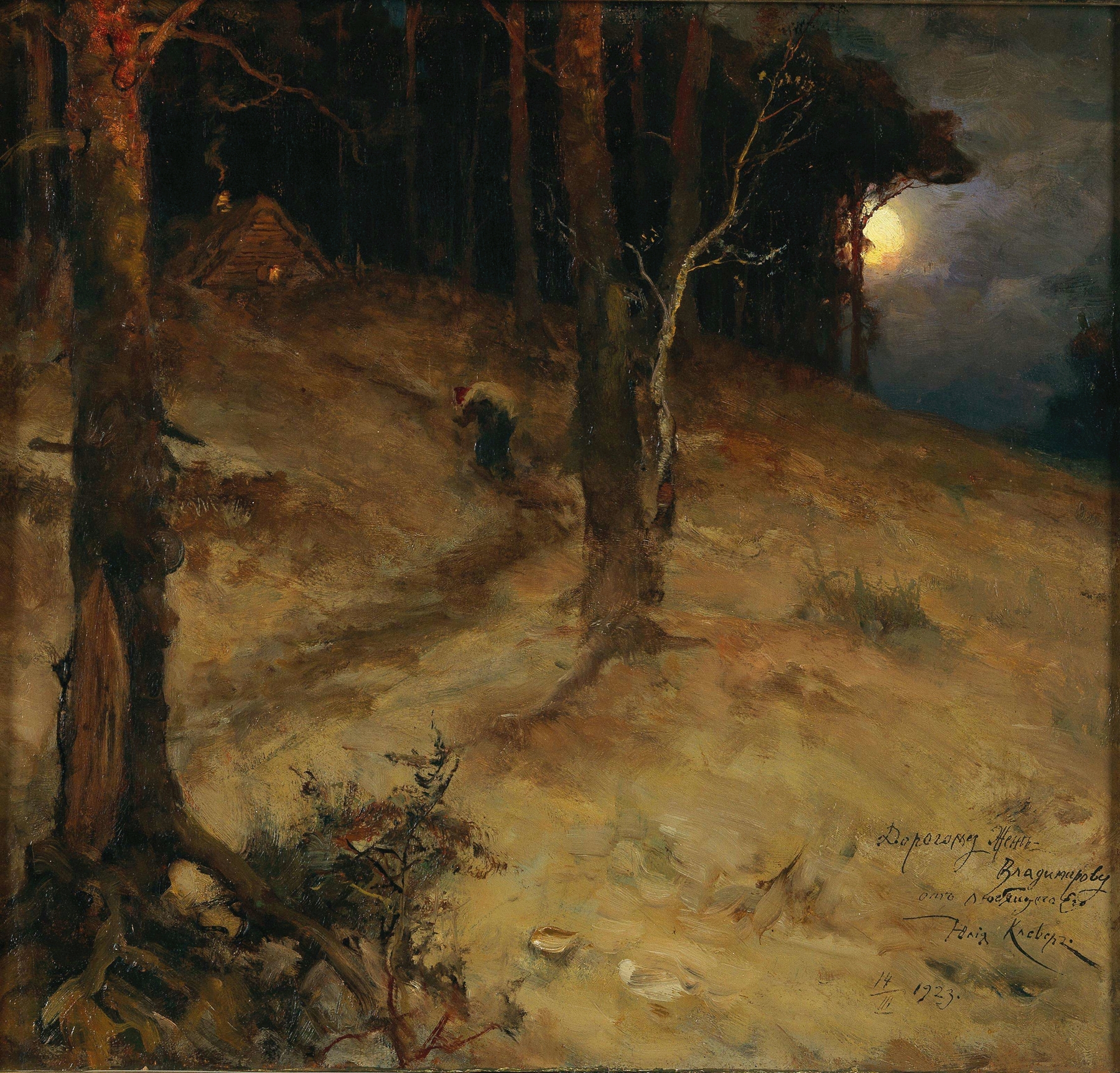
“Art reveals the soul when the world turns away.” In the delicate interplay of shadow and light, Traveller in the Snow invites us to find beauty in solitude and reflection. Here, the essence of a journey transcends the physical, revealing deeper layers within the human experience. Look to the left at the solitary figure, cloaked in a dark garment that seems to absorb the surrounding light. The snow, rendered in various shades of white and blue, contrasts sharply against the traveler, suggesting both anonymity and isolation. Notice how the soft, muted hues create an atmosphere of calm, while the careful brushstrokes convey the texture of the snow underfoot, enhancing the sensation of the freezing air.
The distant trees, their limbs adorned with white, rise like sentinels, adding a sense of scale and depth to this winter landscape. The painting exudes a profound emotional tension; the journeyer’s quiet demeanor hints at introspection and perhaps even melancholy. The starkness of the white landscape serves as a metaphor for the loneliness that often accompanies life’s travels, while the play of shadows suggests an unseen presence, perhaps the memories left behind or the burdens carried along. The viewer is compelled to ponder their own journeys and the shadows they walk through, casting reflections both personal and universal.
In 1908, when this piece was created, Klever was immersed in the burgeoning art movement of Russia, a period marked by a fascination with nature and the human condition. Living in St. Petersburg, he drew inspiration from the dramatic landscapes of his homeland, reflecting the changing social landscape of the time. The early 20th century was a time of exploration and innovation in art, with artists like him seeking new ways to convey emotion through the interplay of light and shadow.