Tree Top — History & Analysis
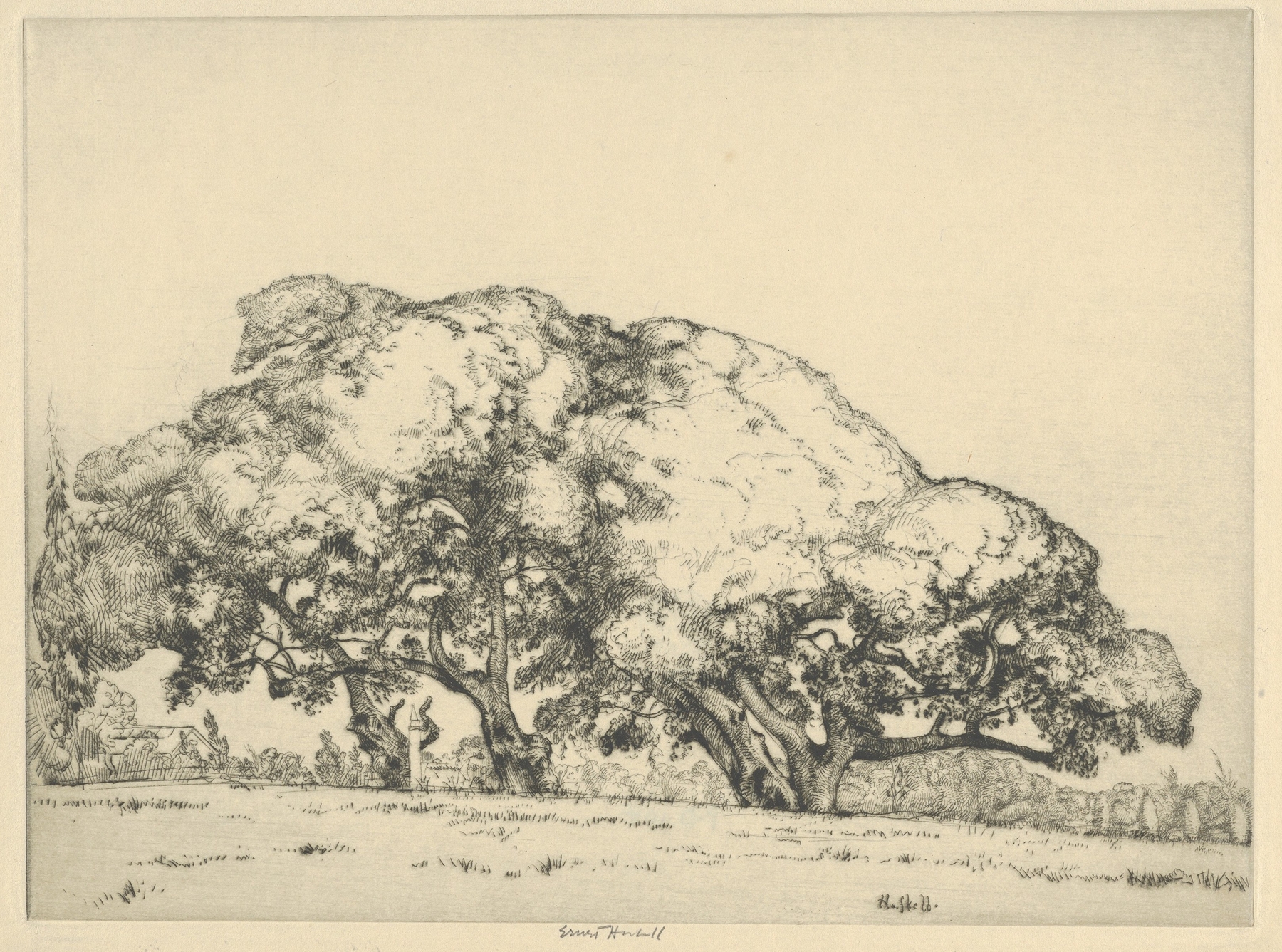
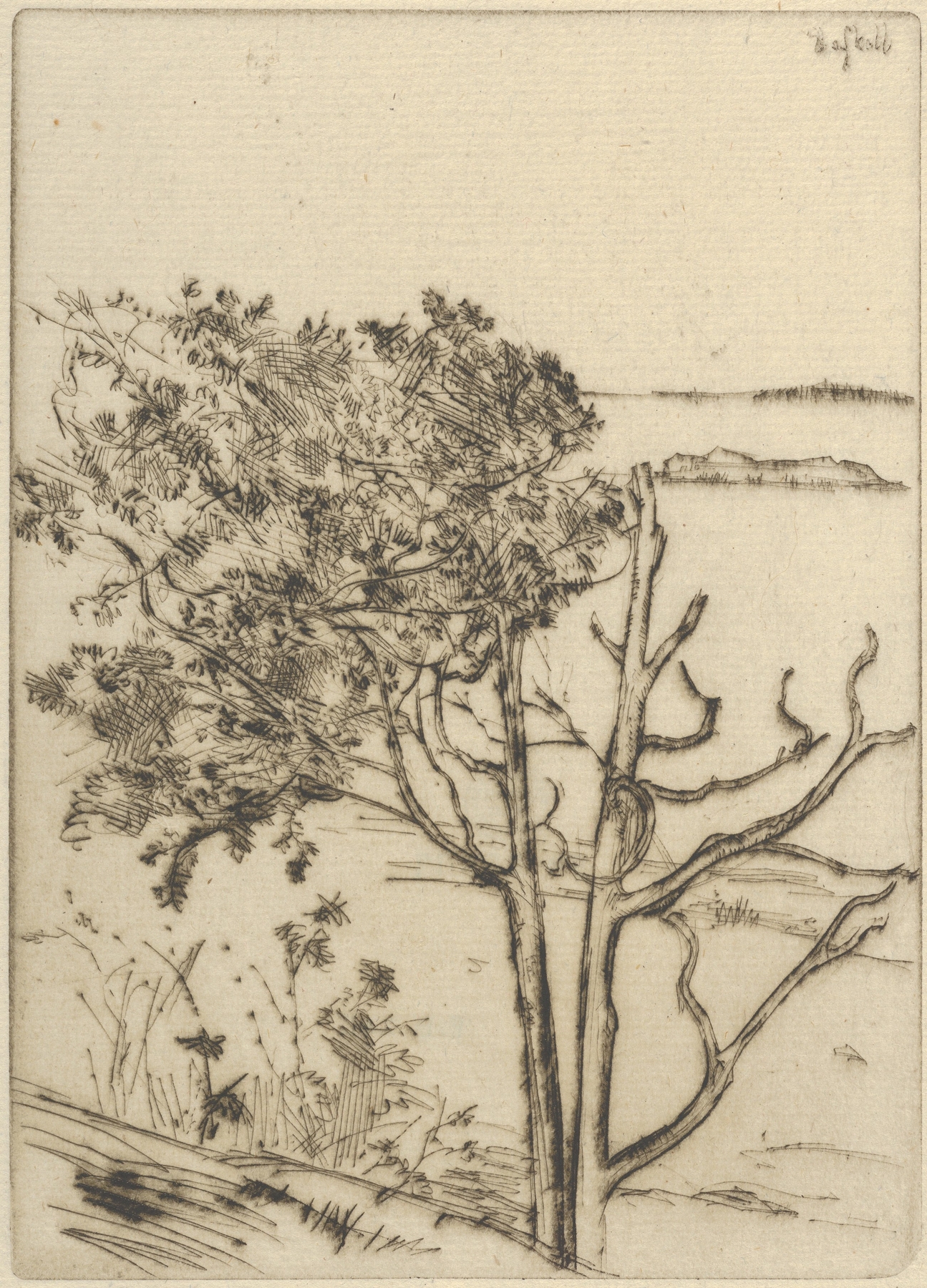
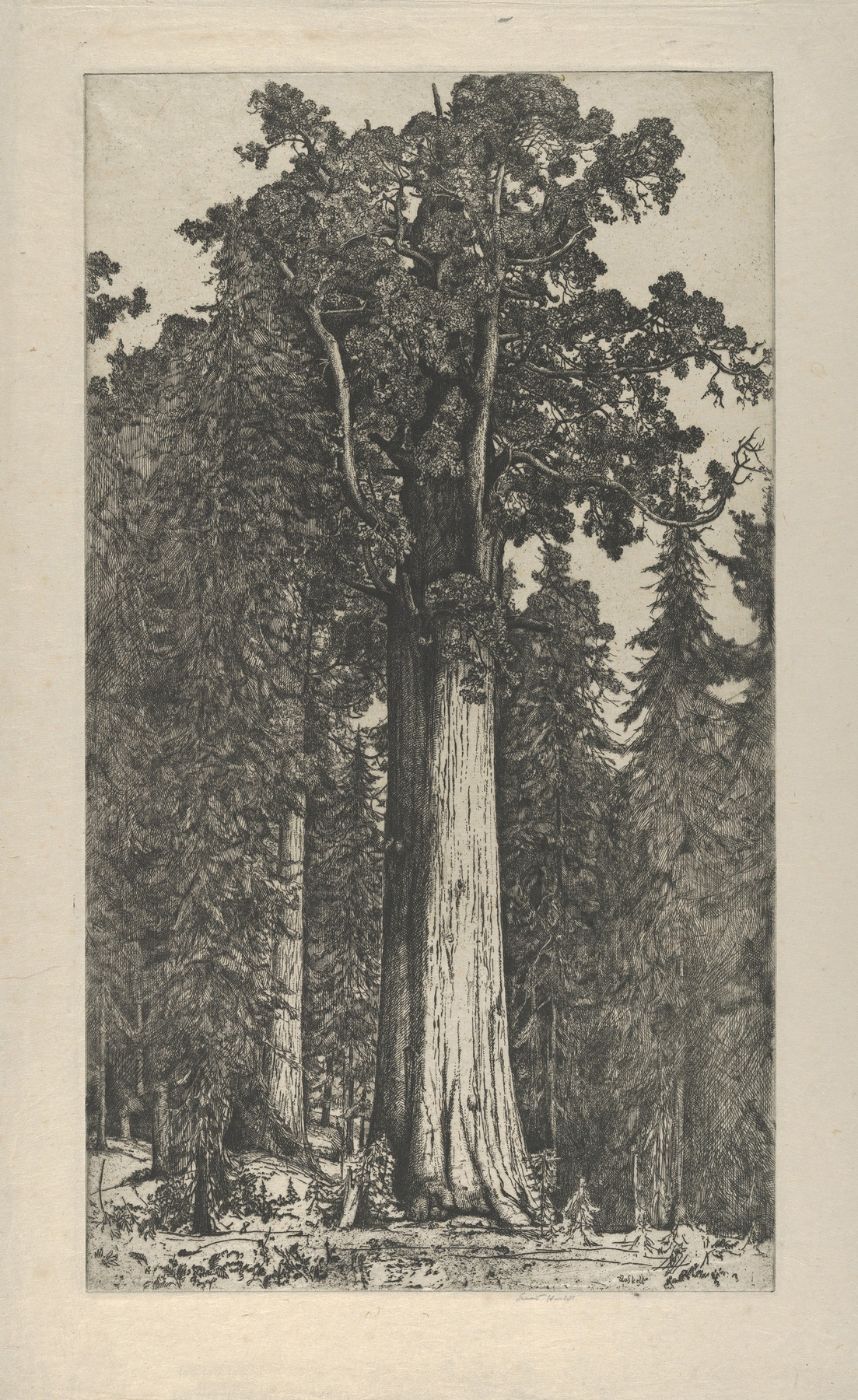
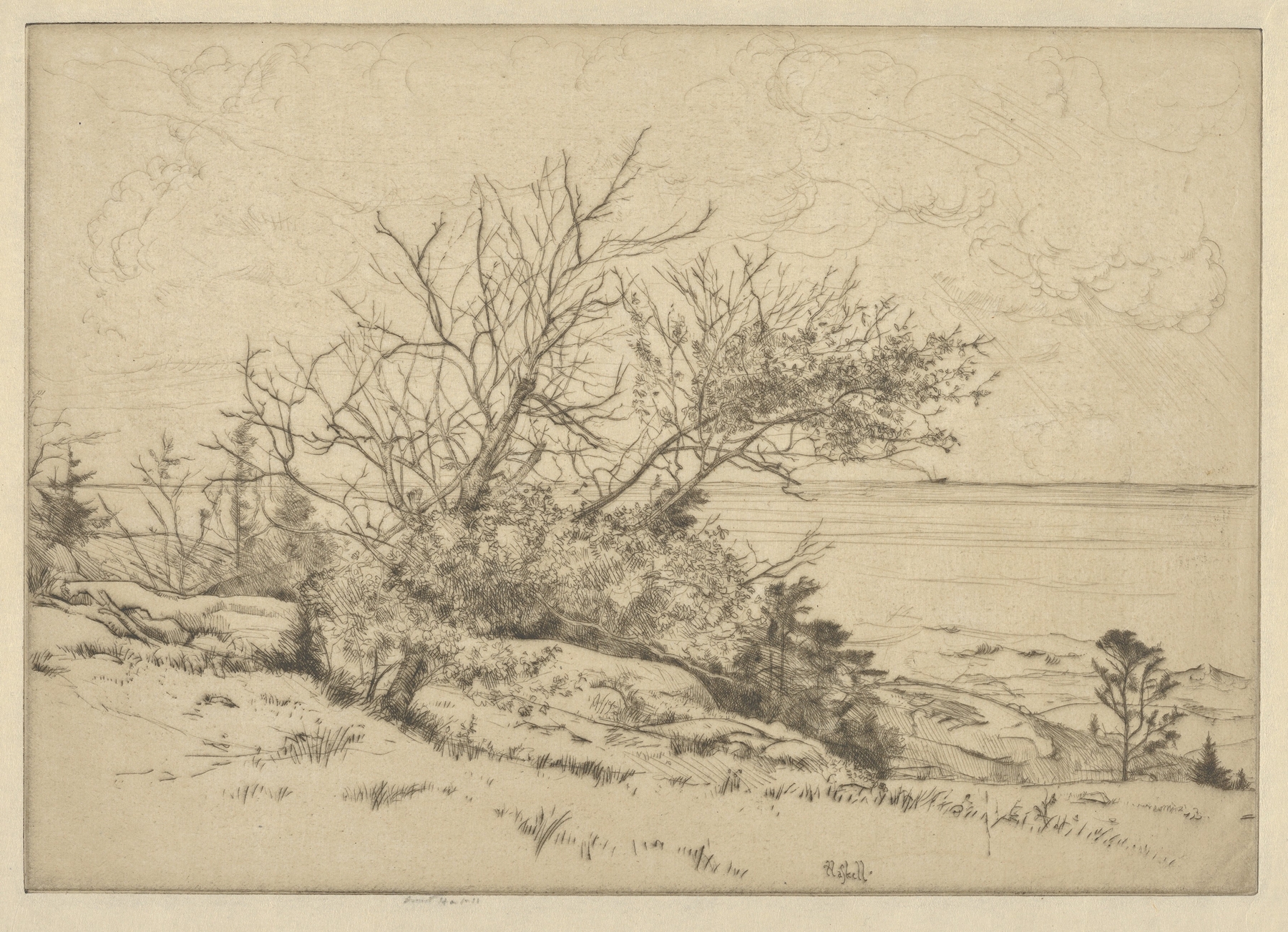
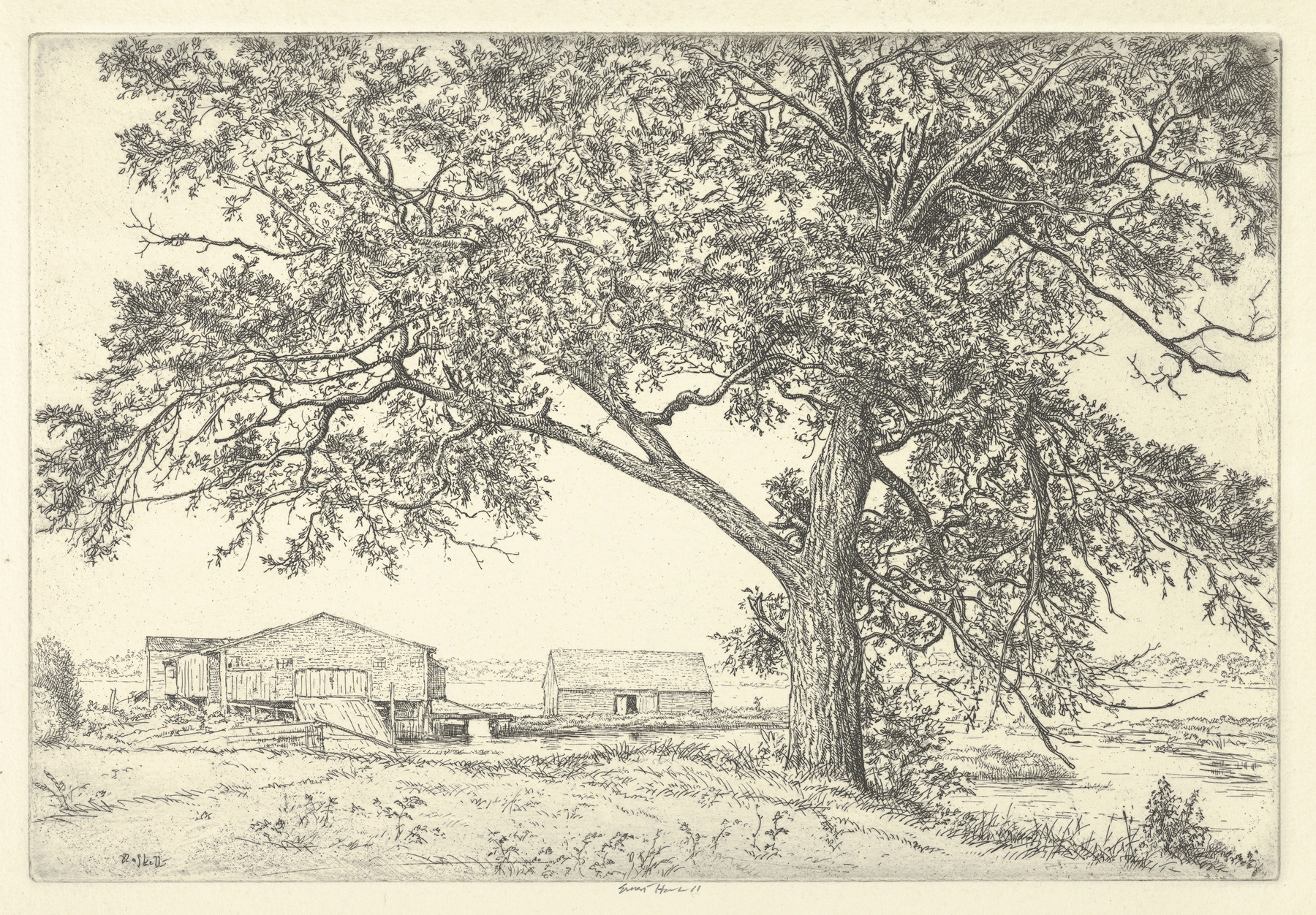
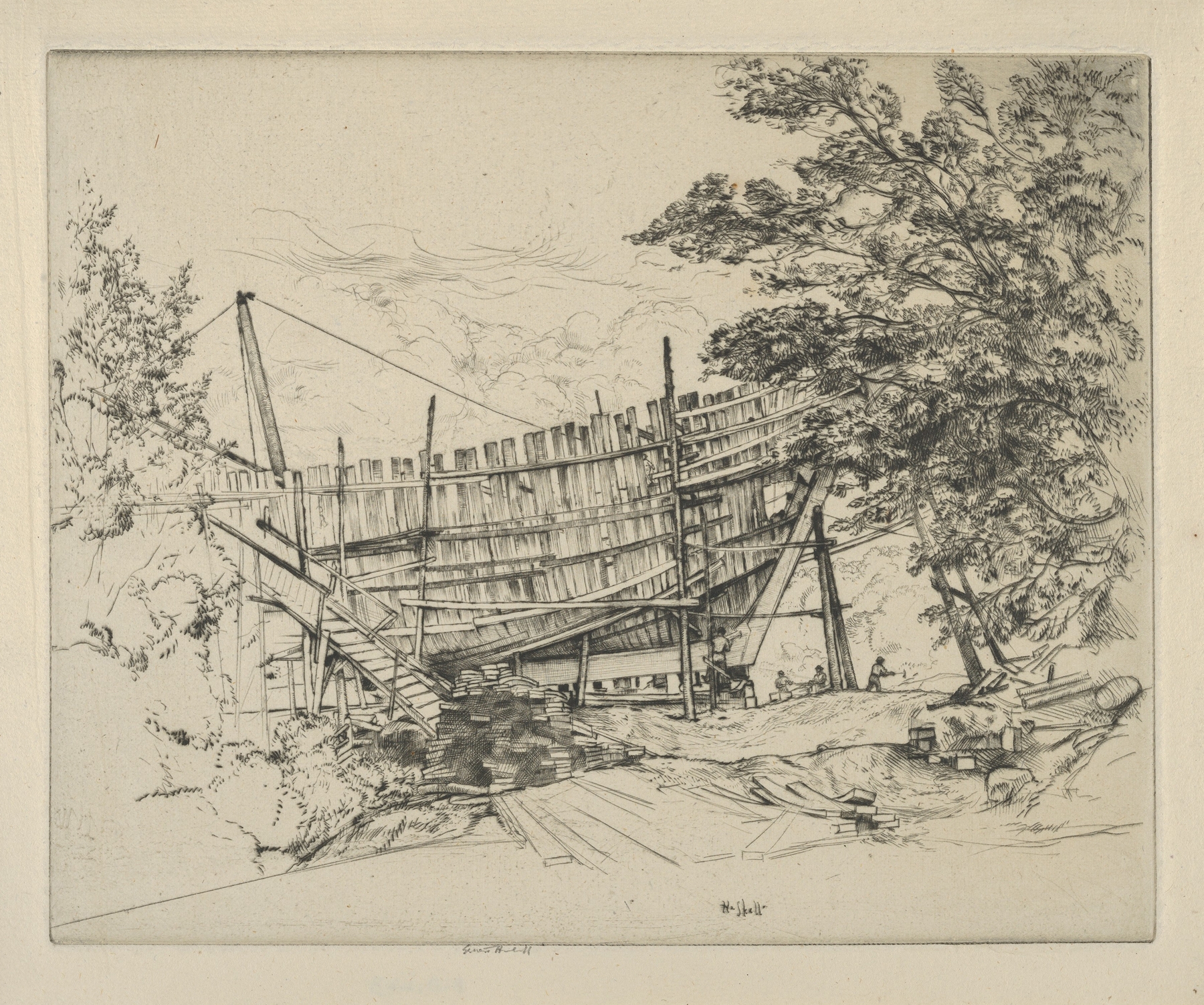
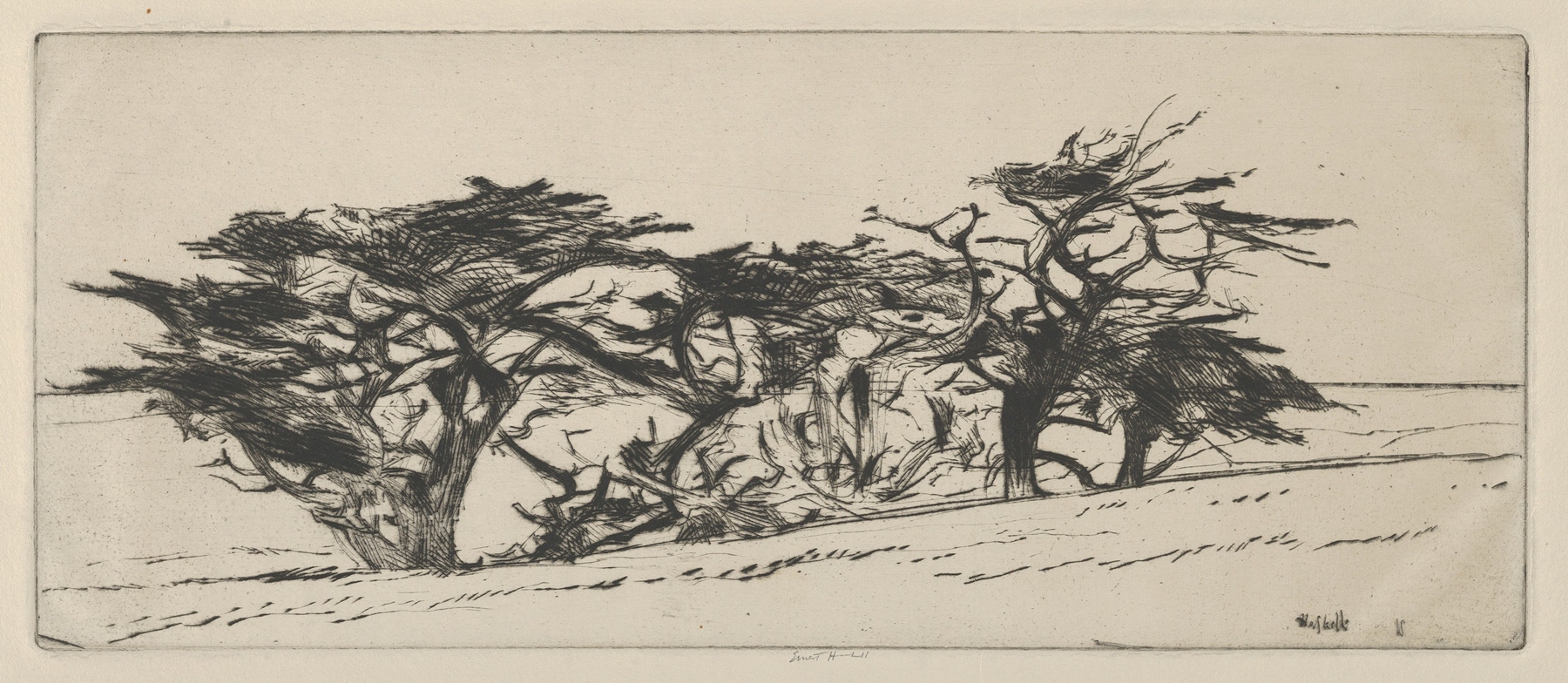
When did color learn to lie? In a world abundant with innocence, hues often whisper truths only the heart can perceive. Look to the center of the canvas, where vibrant greens and browns intertwine, creating a tapestry of life. The leaves of the trees, painted with a vivid, almost ethereal quality, seem to pulse with their own vitality. Notice how the dappled sunlight filters through the branches, casting a dance of light and shadow that draws your eye deeper into the natural world.
The delicate brushwork evokes both movement and stillness, a paradox that invites a moment of reflection. In this piece, the tension between the purity of nature and the complexities of human emotions emerges. The expansive sky overhead, rendered in soft blues, hints at vast possibilities, while the tree's intricate trunk stands as a testament to resilience. The shadows lurking beneath the foliage may suggest hidden depths, evoking the duality of innocence — a fleeting state often tinged with the shadows of subsequent knowledge.
Each element resonates with a sense of wonder yet carries an undertone of nostalgia, reminding us of the ephemeral quality of innocence. Ernest Haskell painted Tree Top between 1900 and 1925, a period marked by both personal exploration and broader artistic movements seeking to capture the essence of modern life. Living in an era where Impressionism was giving way to more abstract forms, Haskell was navigating his own path while reflecting the beauty of nature. This piece embodies his desire to connect with the viewer through the serene and profound aspects of the world around him, capturing a moment where innocence takes center stage.