Tserkov’ Vasiliia Blazhennago — History & Analysis
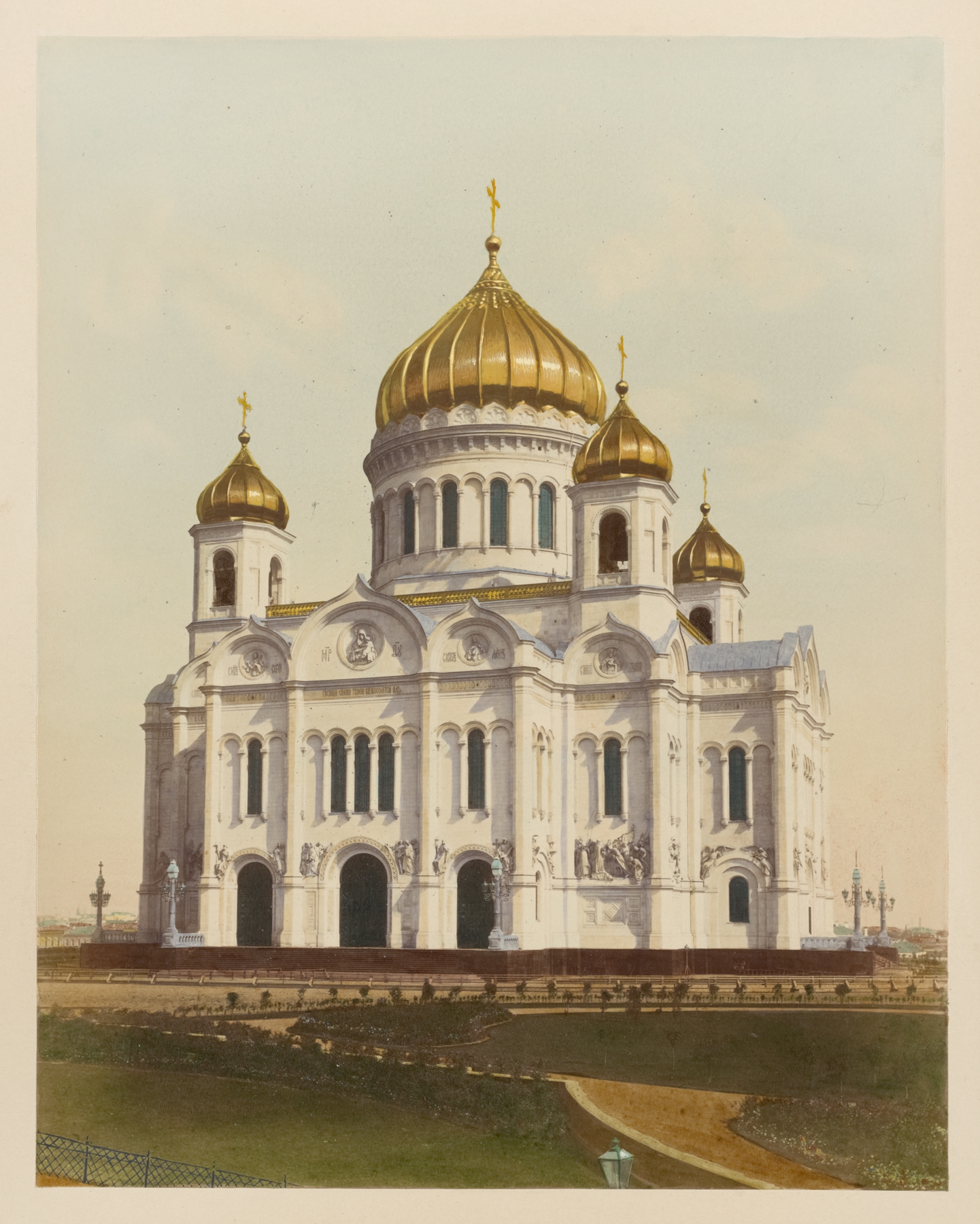
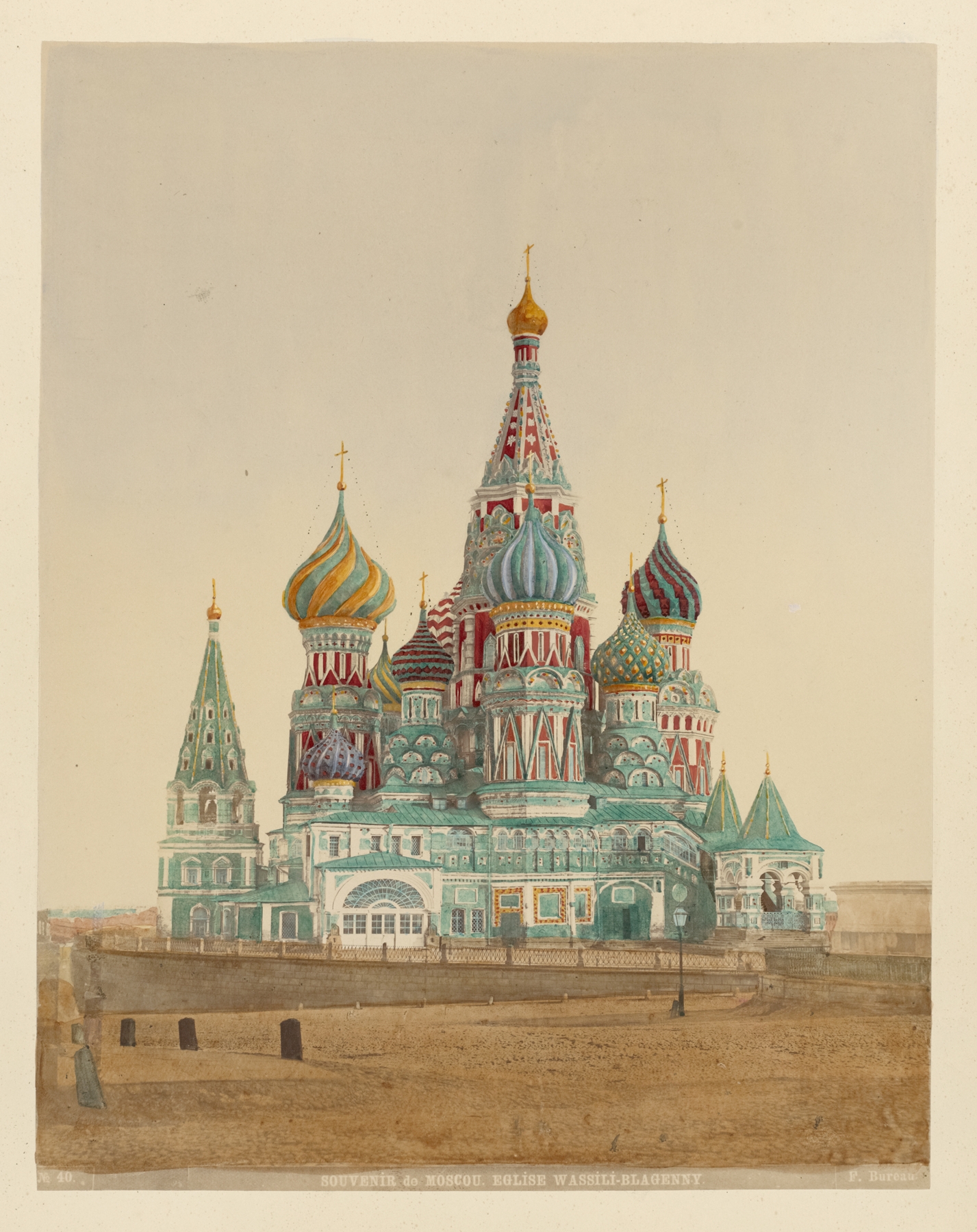
Can beauty exist without sorrow? J. Daziaro’s Tserkov’ Vasiliia Blazhennago invites the viewer to ponder the intricate relationship between triumph and grief, legacy and loss. Focus your gaze on the delicate interplay of light and shadow dancing across the ornate façades of the church.
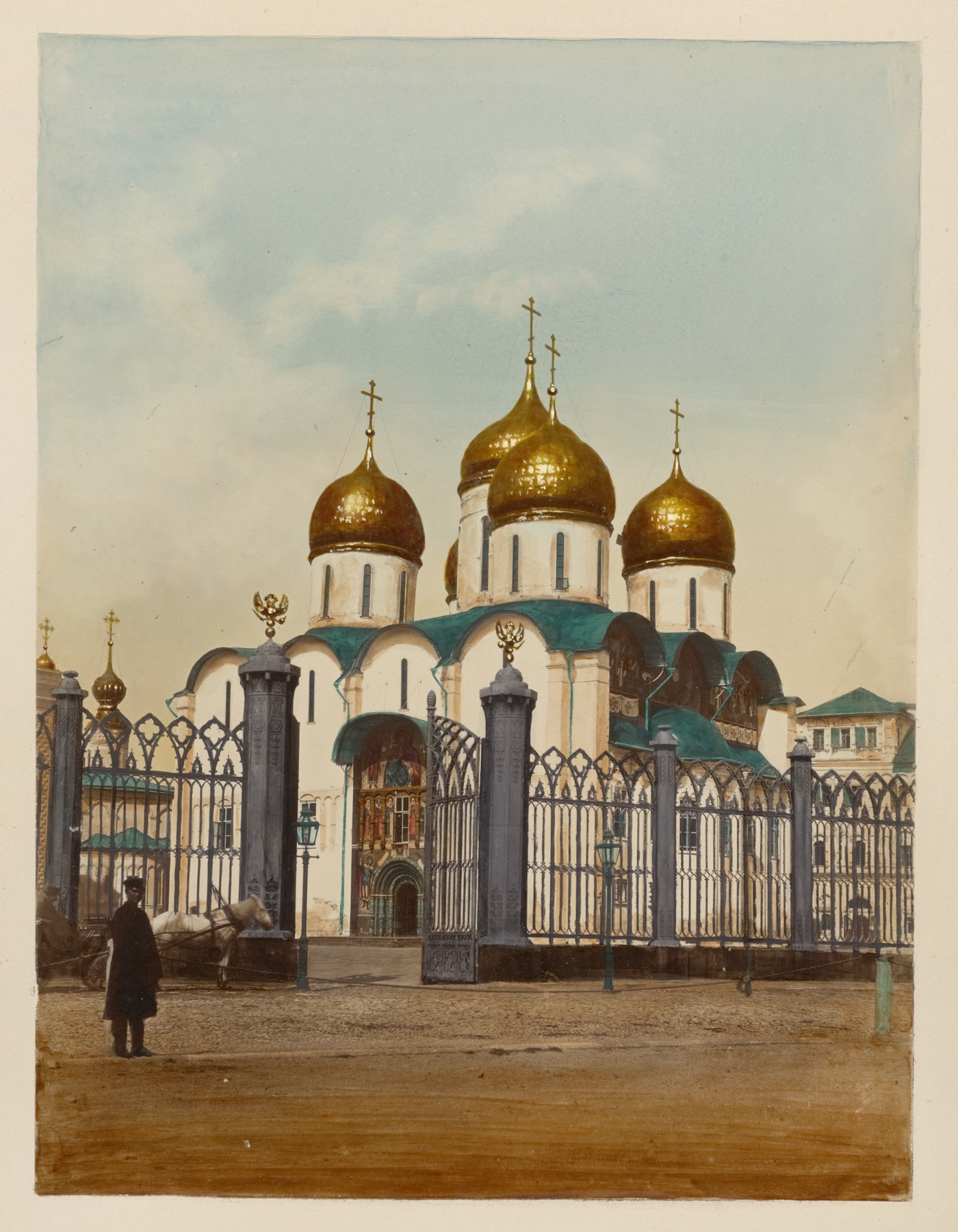
The striking blues and golds envelop the scene, capturing the ethereal quality of the architecture while simultaneously evoking a sense of reverence. Notice how the twin domes rise triumphantly, yet their intricate details whisper stories of time passed, hinting at the fragility of human endeavor amidst a vast, indifferent universe. In the foreground, the contrasting figures of the onlookers draw attention. Their muted expressions, painted in soft earth tones, stand in stark contrast to the vibrant church, symbolizing the tension between the enduring beauty of religious devotion and the quiet melancholy of everyday life.
Each brushstroke weaves a narrative of longing and hope, inviting contemplation on what it means to leave behind a legacy marked by both glory and heartache. Daziaro painted this masterpiece in 1880 in Russia, a period marked by cultural transformation and political upheaval. Artists and intellectuals were grappling with the tensions of tradition and modernity, and the church's grandeur in the artwork reflects both a beloved past and the shifting realities of the time. The painting serves as a poignant reminder of the enduring nature of faith and the complexities inherent in the human experience.