Tunis – Strand — History & Analysis
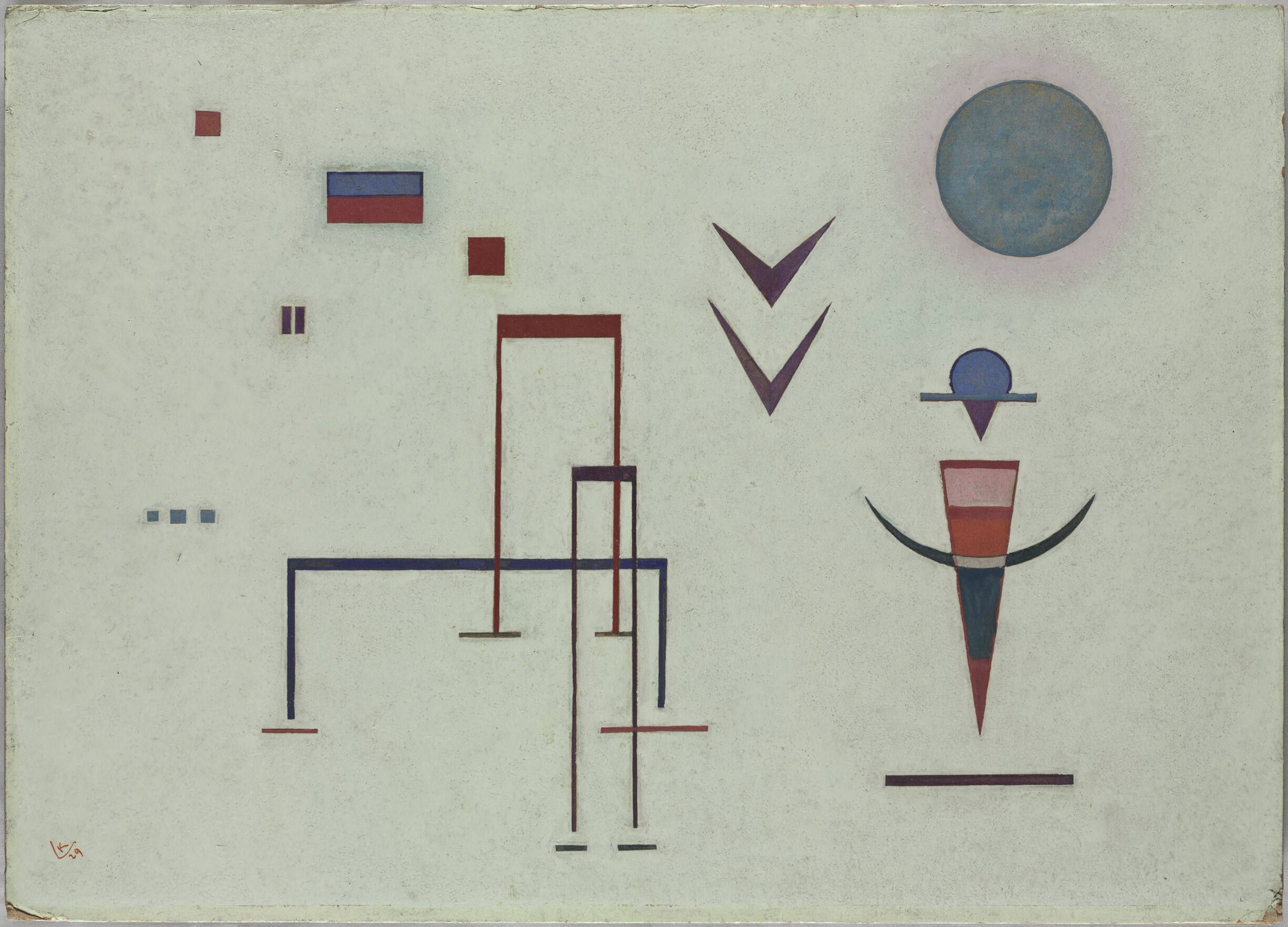
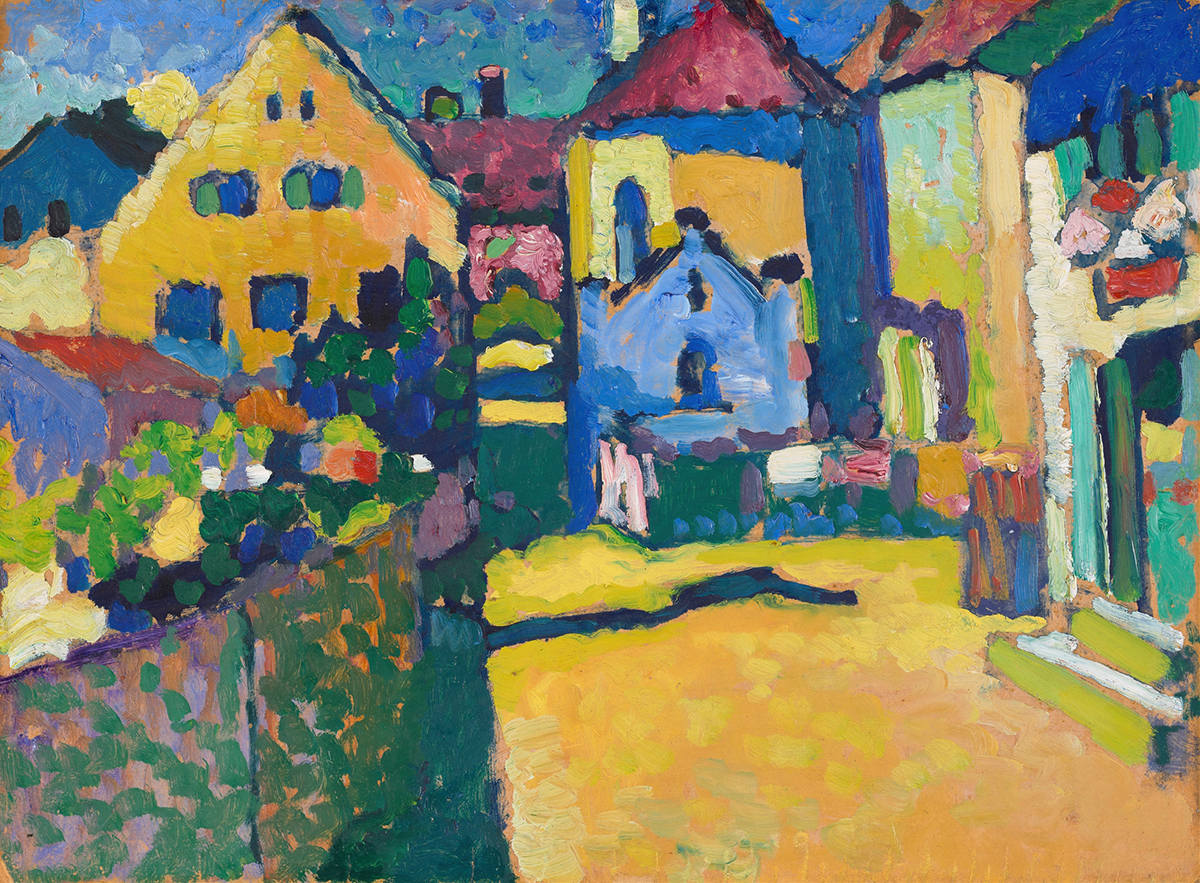
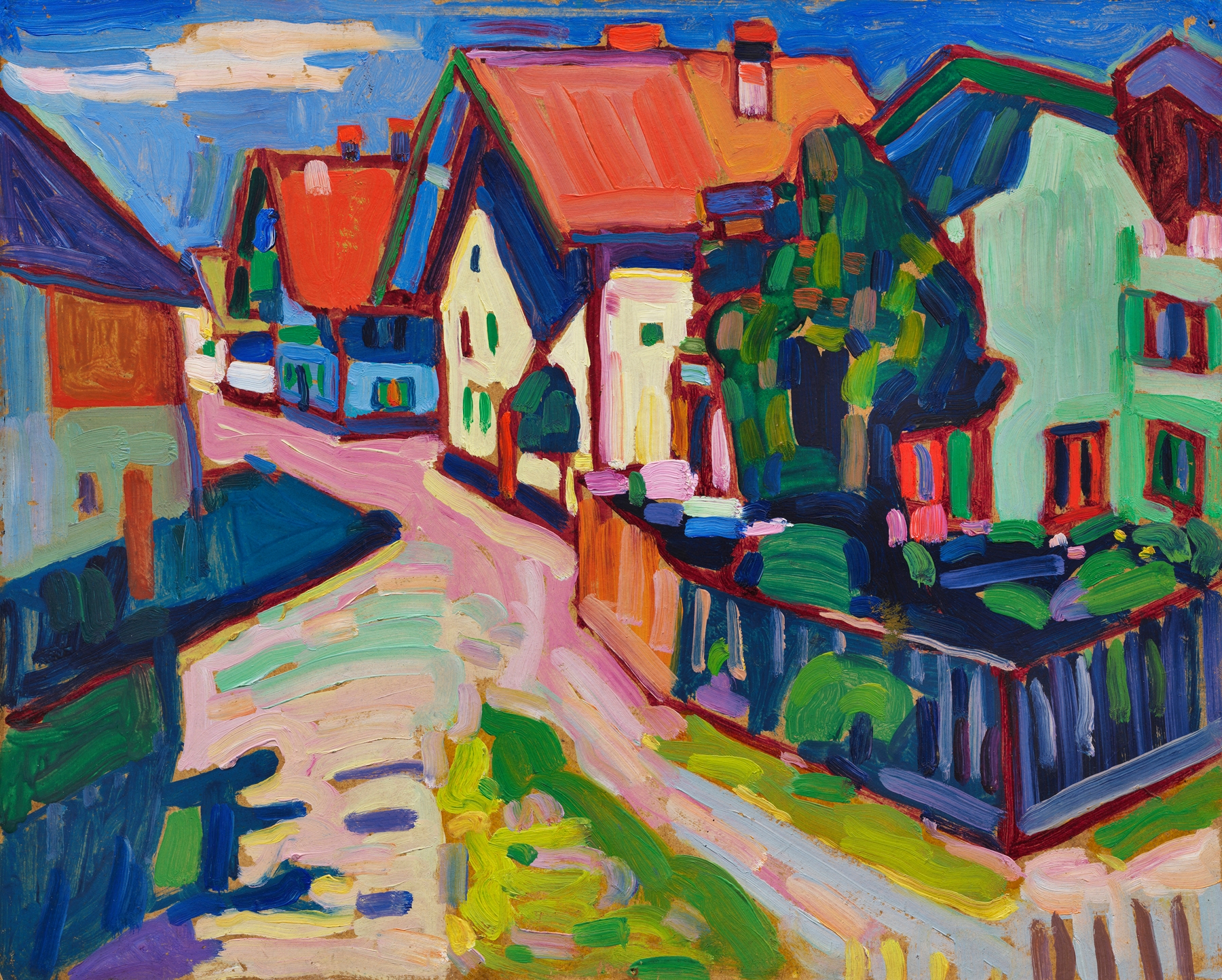
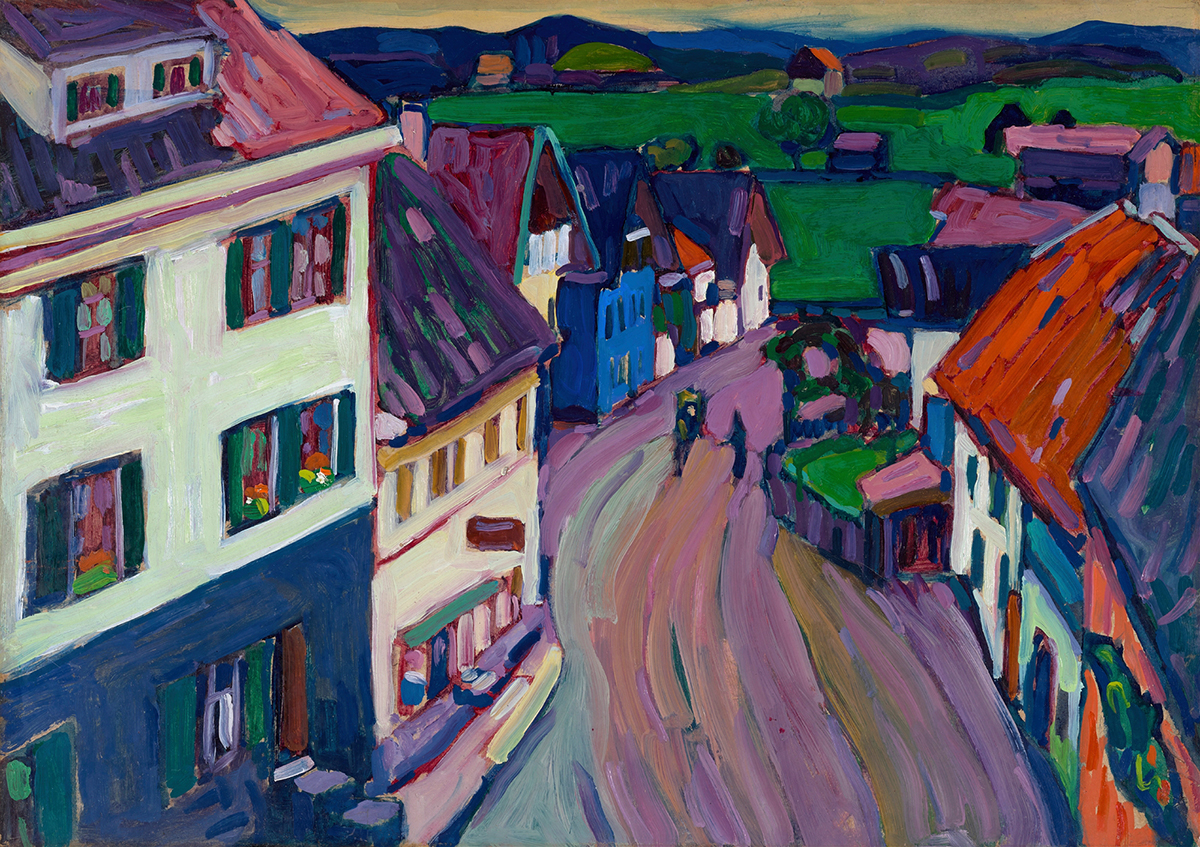
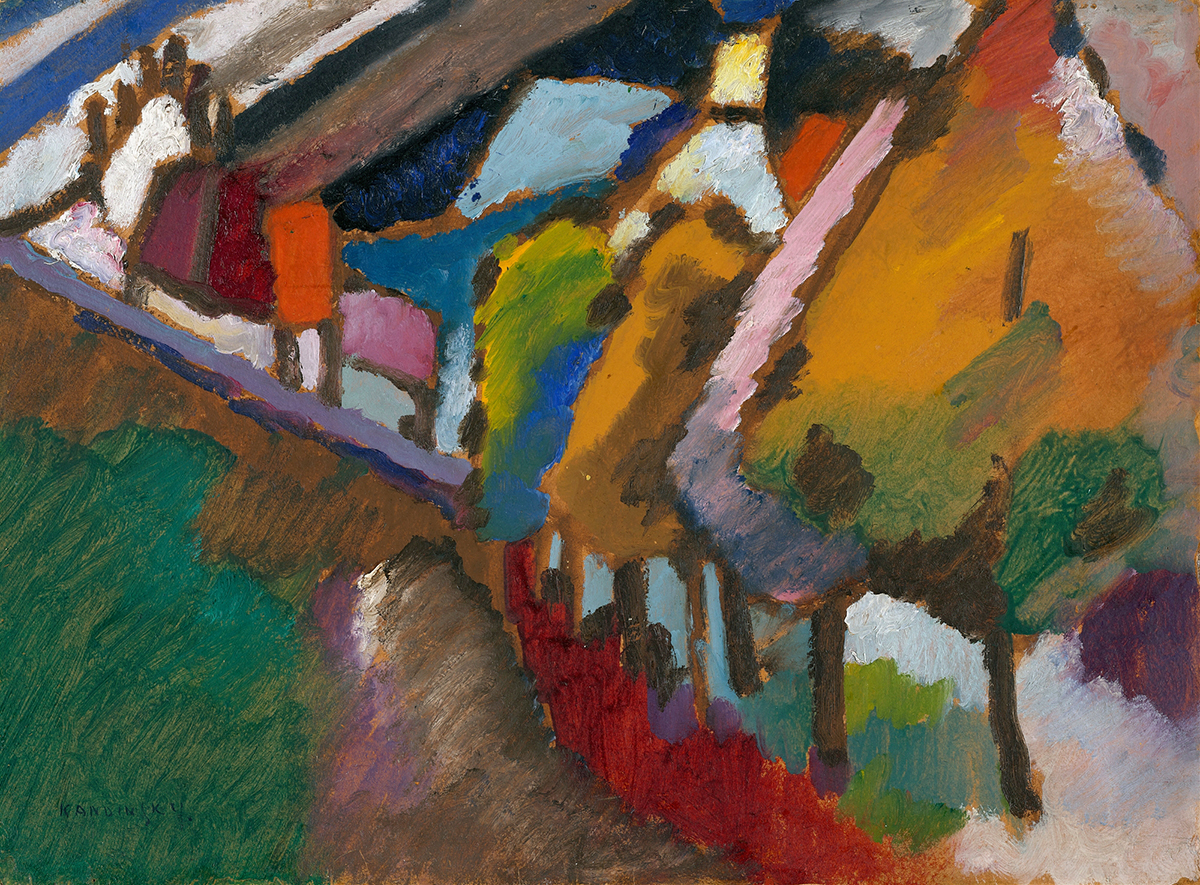
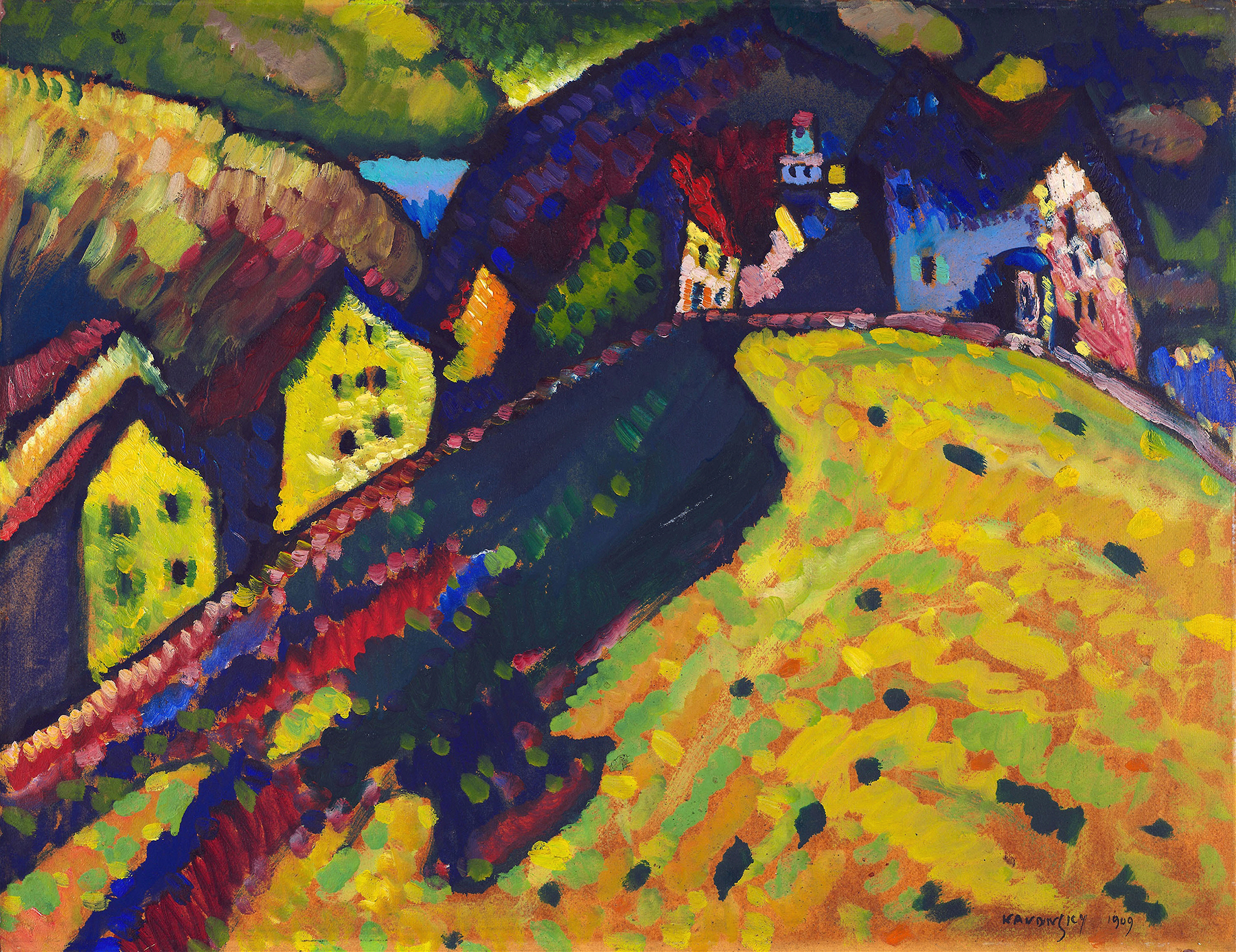
“Under the brush, chaos becomes grace.” This notion of transcendence dances through the vibrant chaos of color and form, inviting viewers to lose themselves in a realm beyond the mundane. Look to the right at the swirling forms of bright orange and deep blue, where shapes collide and meld into one another, echoing the lively energy of the scene. The composition is alive with overlapping circles and dynamic lines, leading the eye across the canvas in a rhythmic flow. The colors celebrate a joyful spontaneity, with each hue pulsating alongside the others, creating a harmonious yet complex dialogue.
In this work, hidden meanings emerge amid the vibrant chaos. The interplay of warm and cool tones suggests a dichotomy between emotion and intellect, illustrating the struggle for balance within the artist's mind. The circular shapes may represent unity and wholeness in a world full of contradictions, while the jagged lines hint at the turbulence that often accompanies the quest for enlightenment. This tension invites a personal reflection on the viewer's own journey toward transcendence.
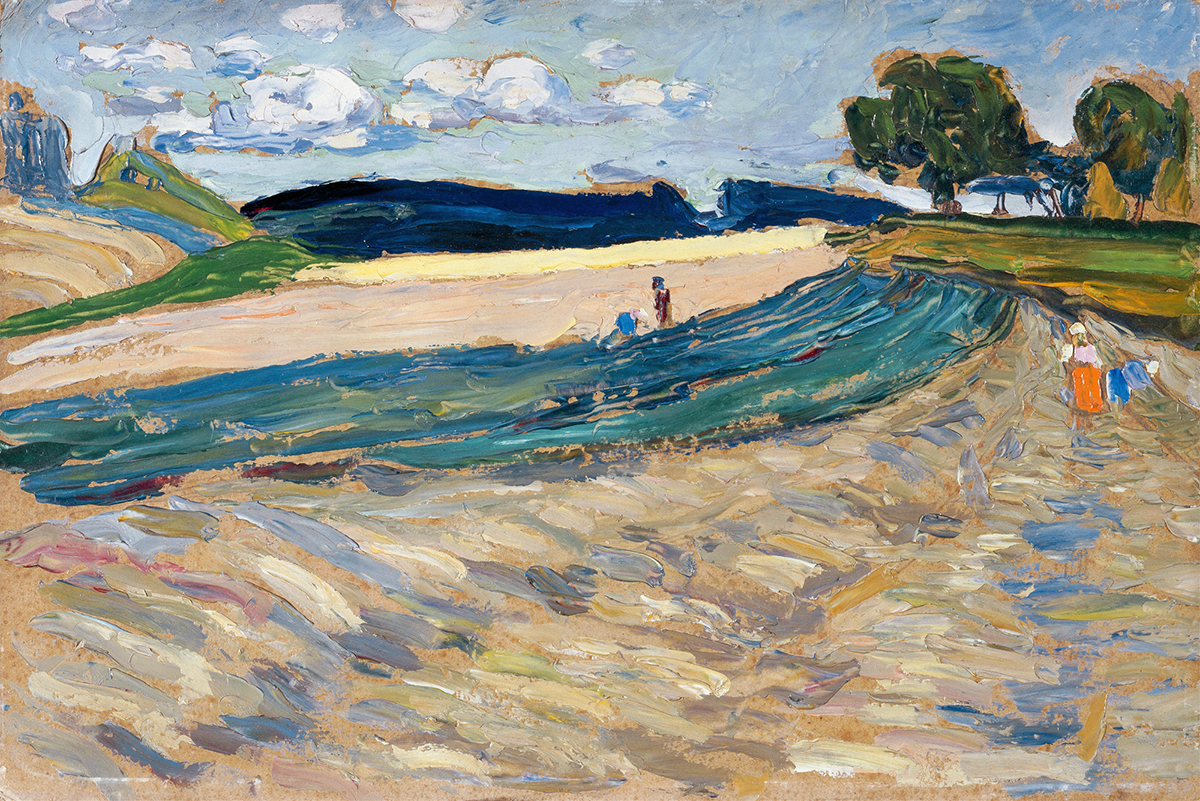
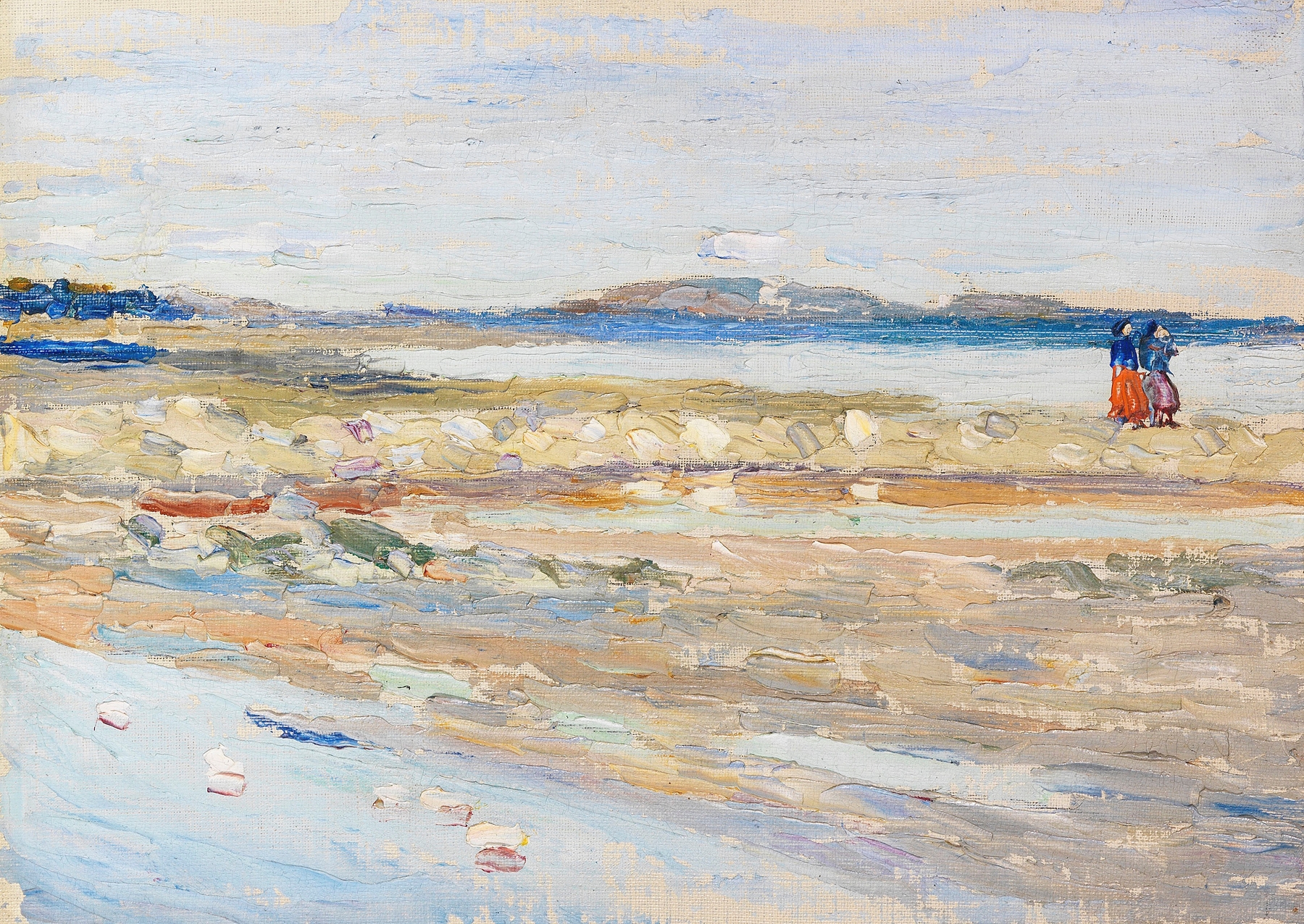
Painted in 1905 during his time in Tunisia, the artist embraced the vibrant landscapes and culture, a stark contrast to his earlier European experiences. At this juncture, he was beginning to explore abstraction, moving away from representational art toward a deeper understanding of color and form. The world of art was shifting, and Kandinsky’s bold exploration was a response to the burgeoning movements that sought to redefine the boundaries of creative expression.