Two Sailing-Boats at the Elbe — History & Analysis

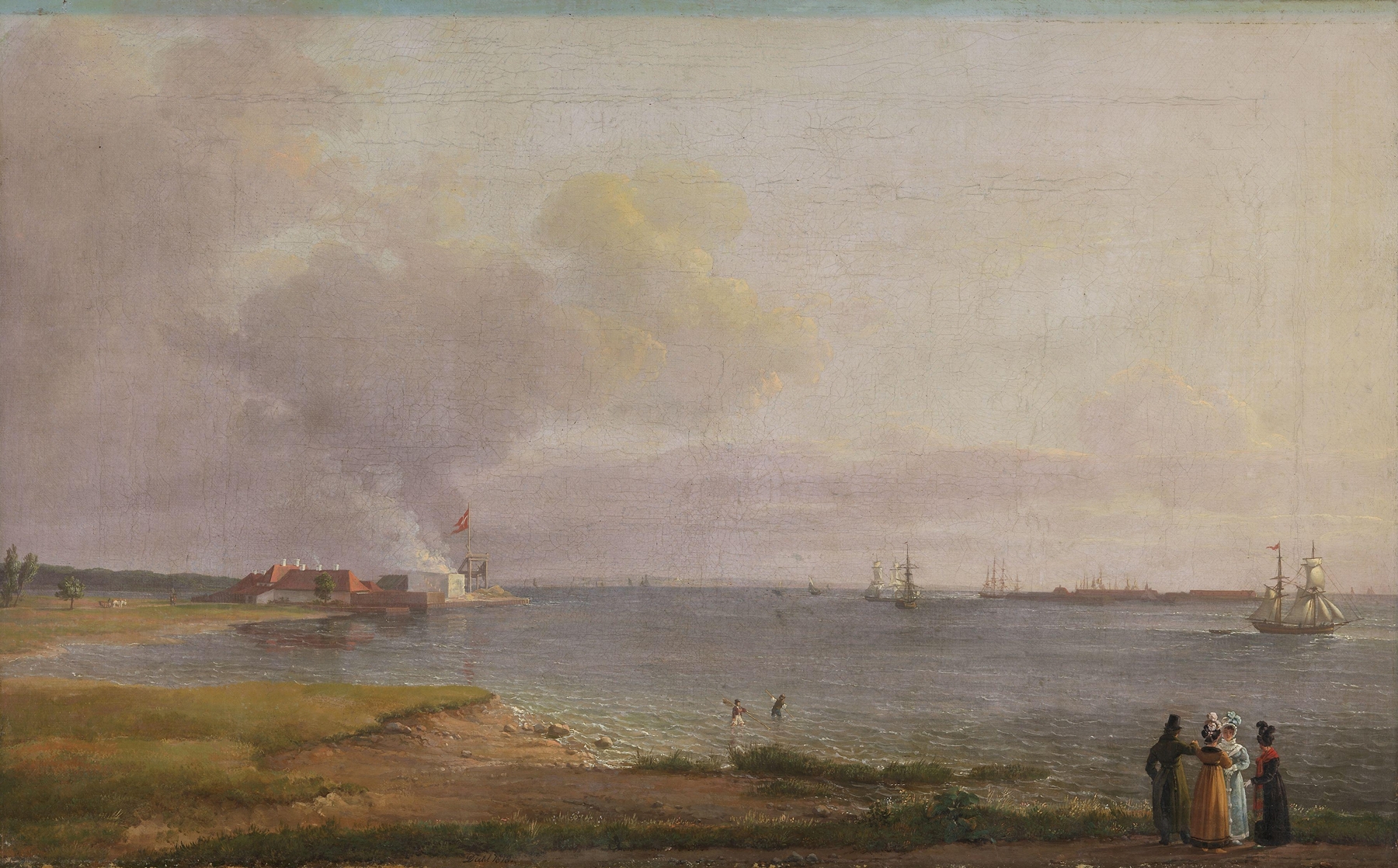
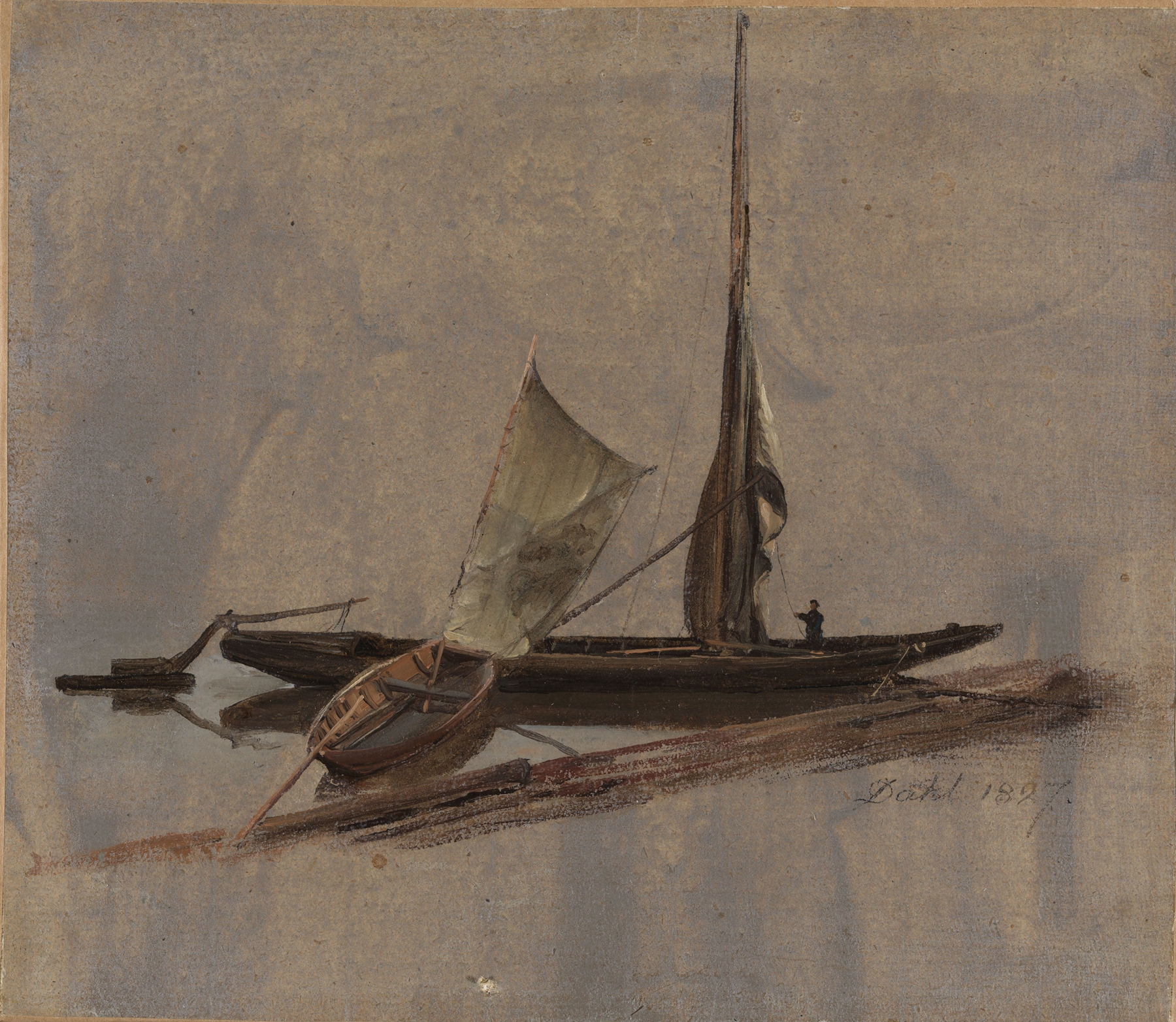
“Art reveals the soul when the world turns away.” In the stillness of a moment captured on canvas, we are invited to confront the fragility of existence, where life and death dance delicately upon the water’s surface. Look to the center, where two boats glide gracefully across the Elbe's tranquil expanse, their sails taut against a whispering breeze. Notice the gentle play of light shimmering on the water, each ripple reflecting hues of gold and azure, illuminating the transient nature of the scene. The composition, with its harmonious balance of sky and water, guides the eye into the horizon where the dreamlike landscape merges with a faded silhouette of land.
Beneath this serene beauty, hidden tensions emerge. The boats, symbols of exploration and freedom, remind us of the fleeting moments that define our journey. The tranquility of the water contrasts with the inherent uncertainty of life, hinting at unseen depths and the inevitable passage of time. Each brushstroke speaks to the duality of existence, inviting contemplation on the impermanence that lies beneath the surface of this idyllic tableau.
In 1827, Johan Christian Dahl crafted this piece during his formative years in Dresden, a time marked by a burgeoning Romanticism in art. Influenced by the natural beauty of the German landscape and the tumultuous changes in society, Dahl sought to capture nature's sublime essence while reflecting on human experience. The work stands as a testament to both his artistic growth and the deeper existential questions that permeated the era.