Two Trees Silhouetted Behind A Water Course — History & Analysis
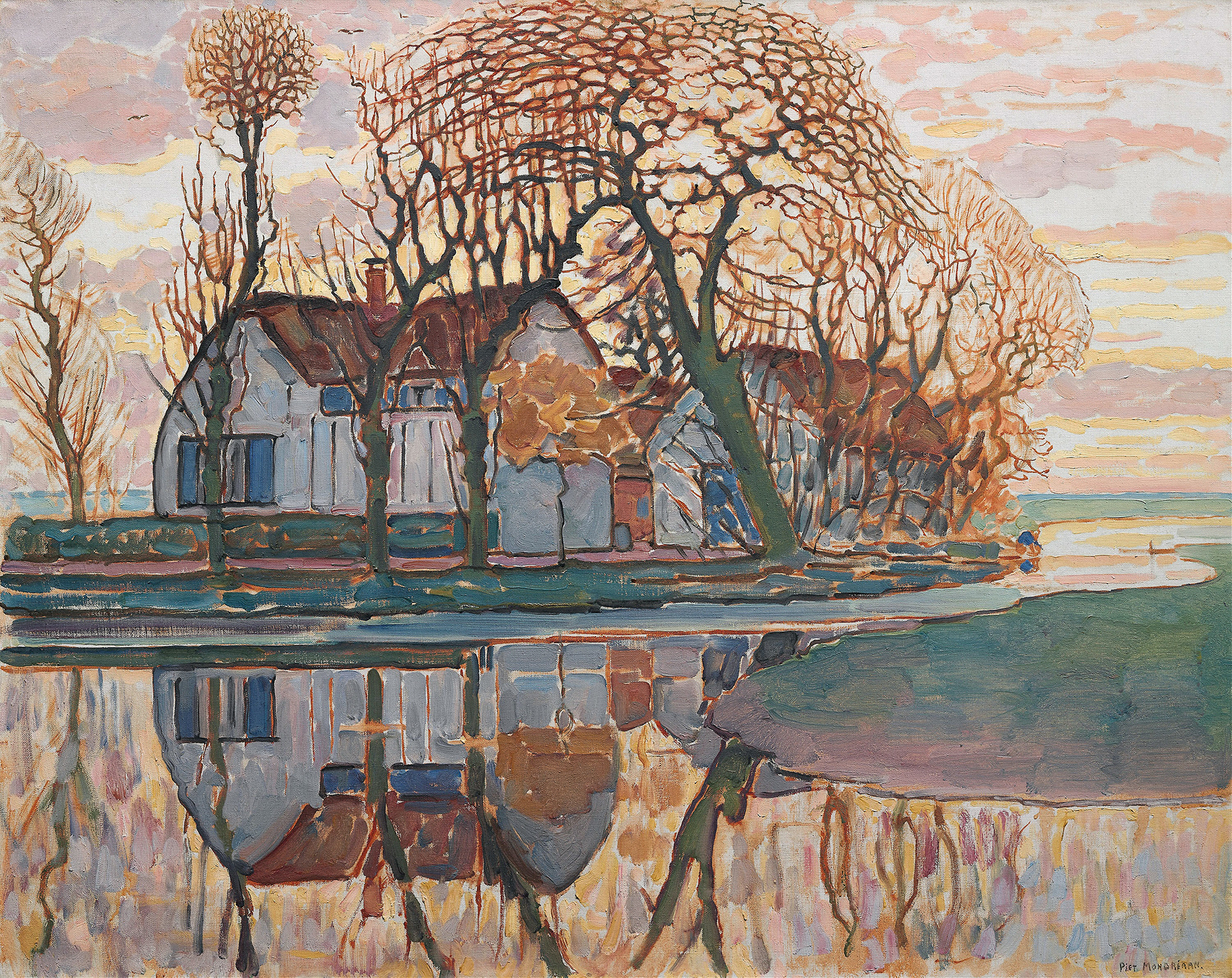
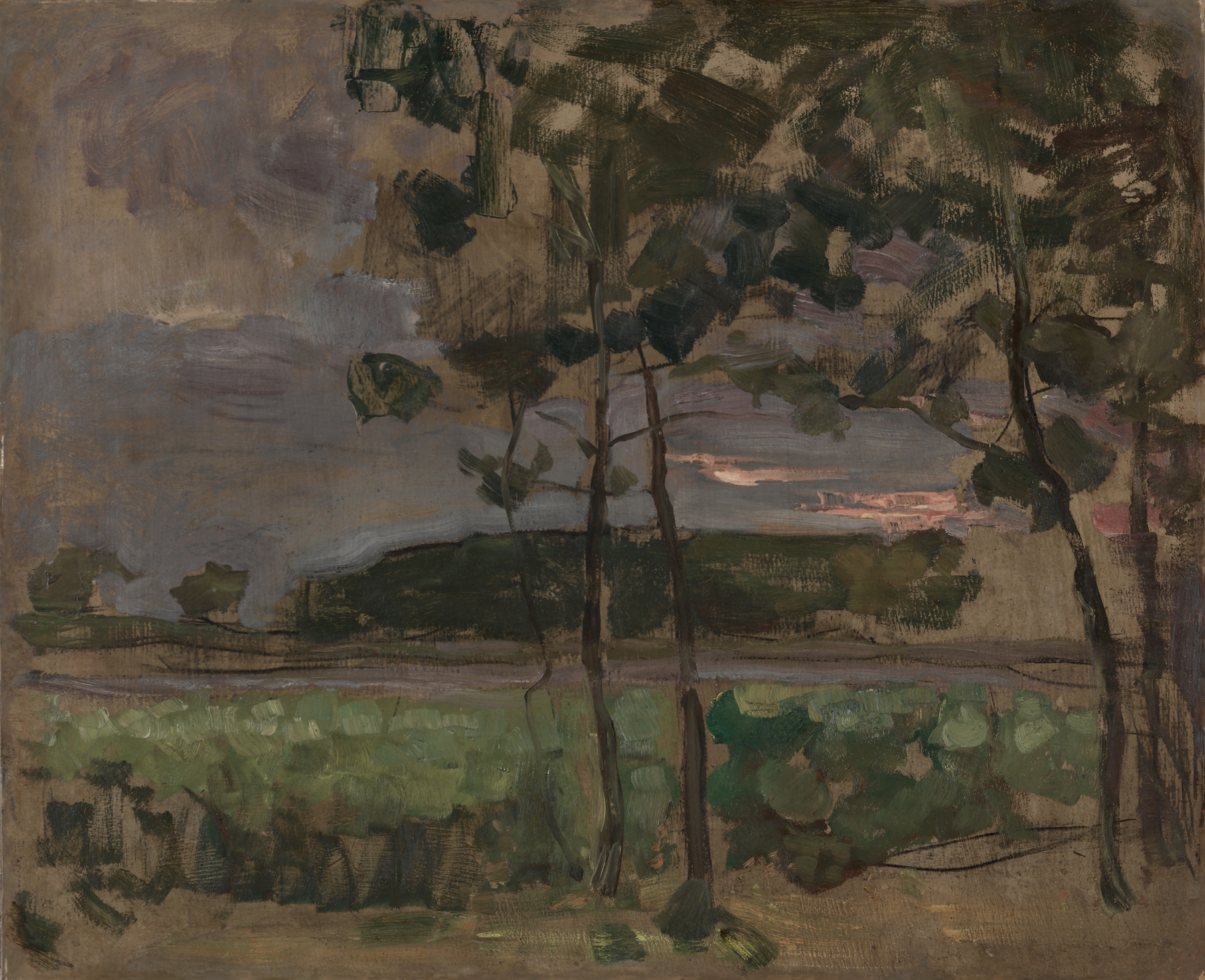
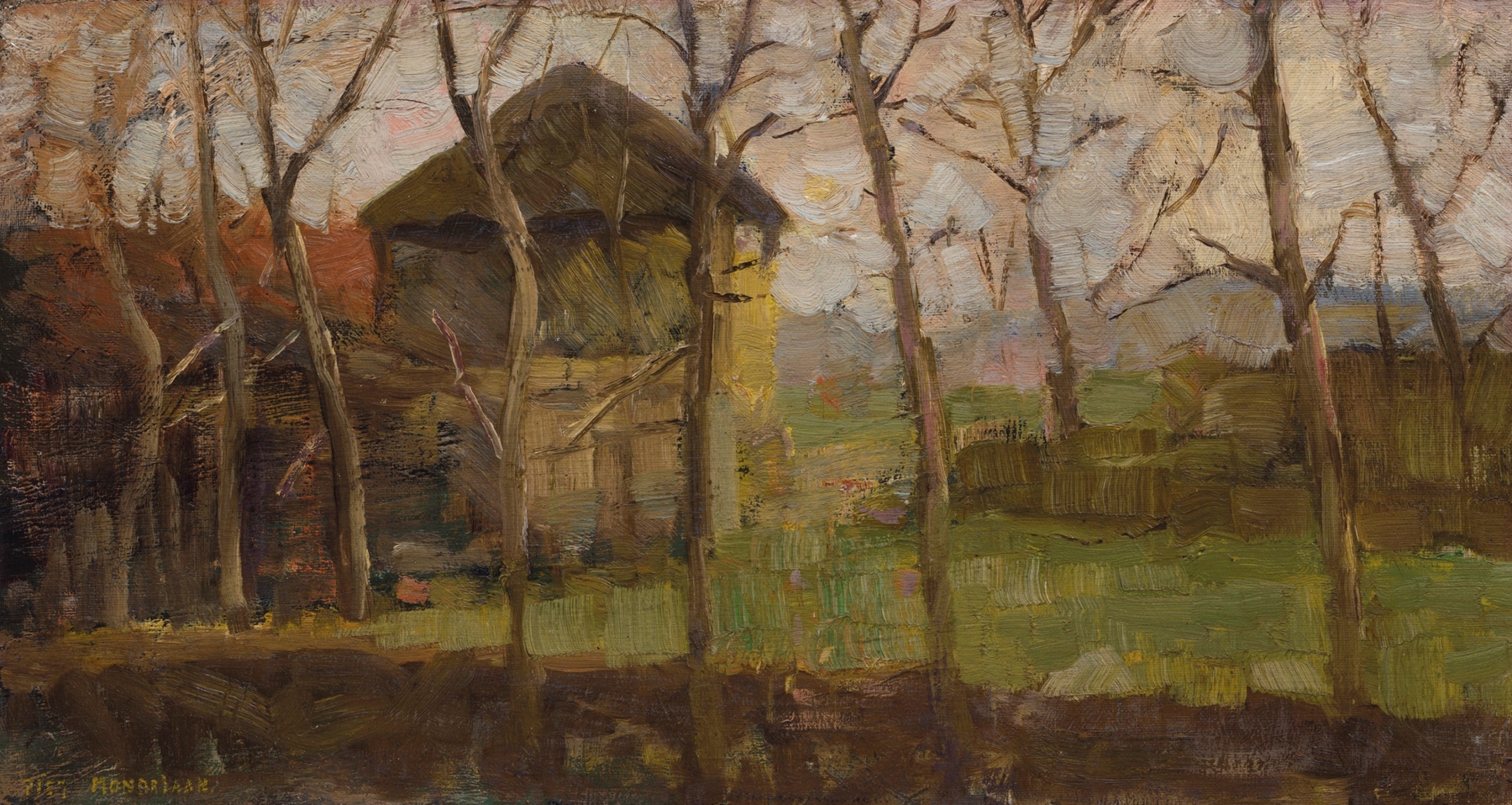
What if silence could speak through light? In Two Trees Silhouetted Behind A Water Course, the stillness of nature whispers profound truths, inviting reflection. Focus on the stark contrast between the deep blues of the water and the bold, dark forms of the trees. The simplicity of the composition draws your eye to the horizon, where the subtle interplay of shadow and light evokes a sense of tranquility. Notice how the horizontal band of water stretches across the canvas, creating a serene balance with the vertical lines of the trees.
The palette, dominated by muted tones, reveals a quiet harmony, offering a moment of stillness in an often chaotic world. Yet, beneath this calm exterior lies a tension between the natural elements. The silhouettes of the trees stand firm against the flowing water, embodying a struggle between permanence and change. The scene captures the duality of existence, where the tranquility of nature is paired with the fleeting reflections on the water's surface—each ripple a reminder of the transitory nature of life.
This juxtaposition speaks to a deeper revelation about the interconnectedness of all things. During the years 1900 to 1902, the artist was deeply engaged in exploring the essence of form and color, influenced by the burgeoning modernist movement. While living in Amsterdam, he began to move away from representational art, focusing instead on abstraction and the spiritual qualities of natural forms. This period marked a pivotal shift in his journey, as he sought to distill the world around him into pure, harmonious compositions.