Vaches sur le pré — History & Analysis
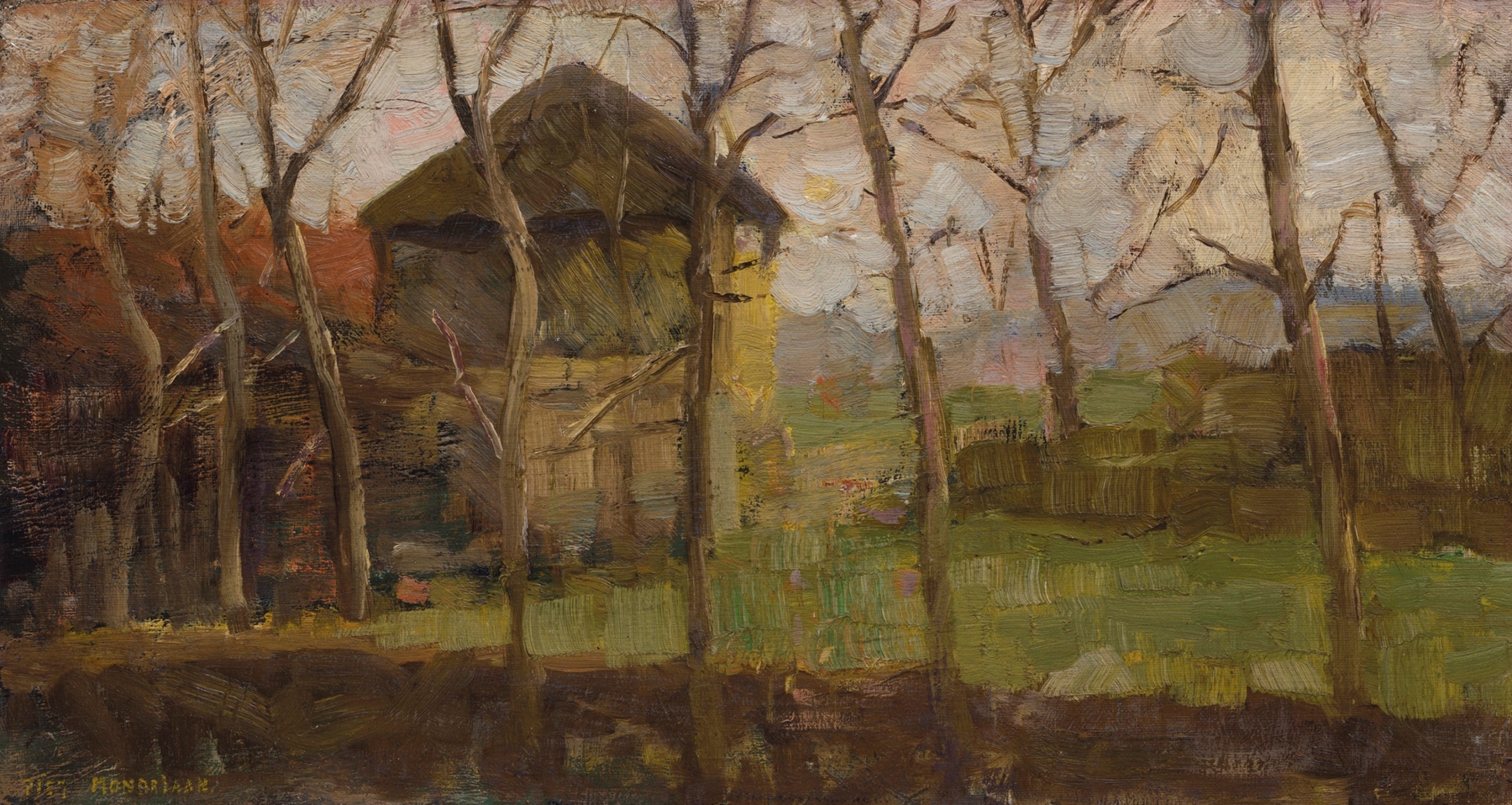
What secret hides in the quiet of the canvas? The simplicity of a rural scene belies a deeper chaos lurking beneath the surface. Look to the center, where a trio of cows stands amidst the lush green pasture. The delicate brushstrokes form a tapestry of colors that blend harmoniously, yet there’s a frenetic energy in the way the cows are depicted. Notice how the light captures the texture of their coats, juxtaposed with the surrounding vibrant hues of the grass and the subtle blue sky.
The composition is an intriguing balance of soft forms and dynamic movement, luring the viewer’s gaze through an alluring interplay of colors. Beyond the visible, the painting speaks to the tension between pastoral tranquility and the chaos of modern existence. The cows, though serene, are caught in a world where nature and the encroaching influence of human civilization coexist uneasily. Their stillness contrasts sharply with the energy of their environment, evoking a feeling of interruption in life’s natural rhythm. This duality reflects the artist's struggle to harmonize the chaos of urban life with the calm of nature.
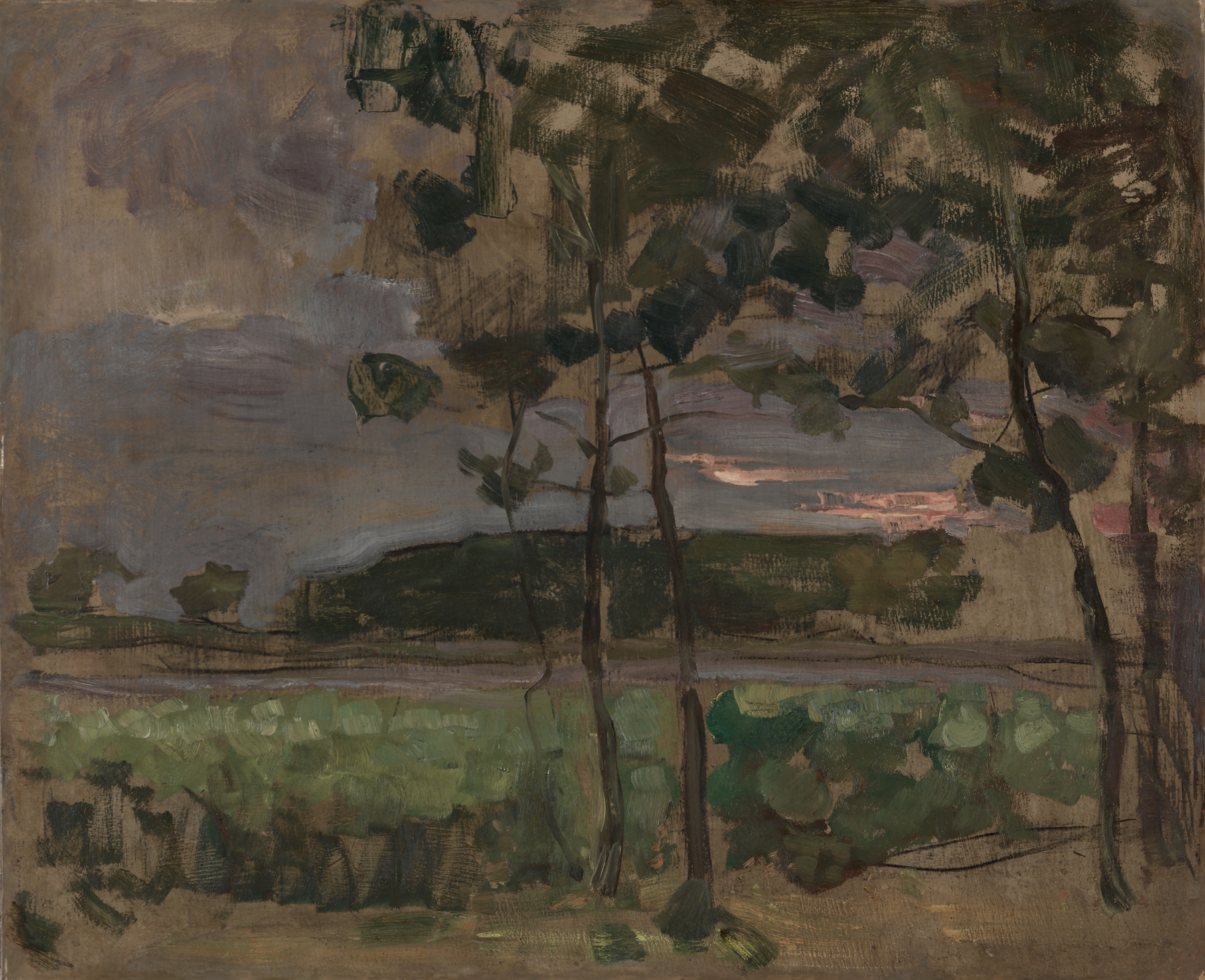
In 1905, Mondrian created this work during a formative period of his artistic journey in the Netherlands. At this time, he was exploring the transition from traditional representation to abstraction, seeking to convey deeper truths through his art. The late 19th and early 20th centuries were filled with upheaval, not just in the art world but also in society, as modernism was beginning to take root. This painting encapsulates those tensions, revealing a glimpse of the artist’s evolving vision amidst a landscape of change.