Vaprio d’Adda — History & Analysis
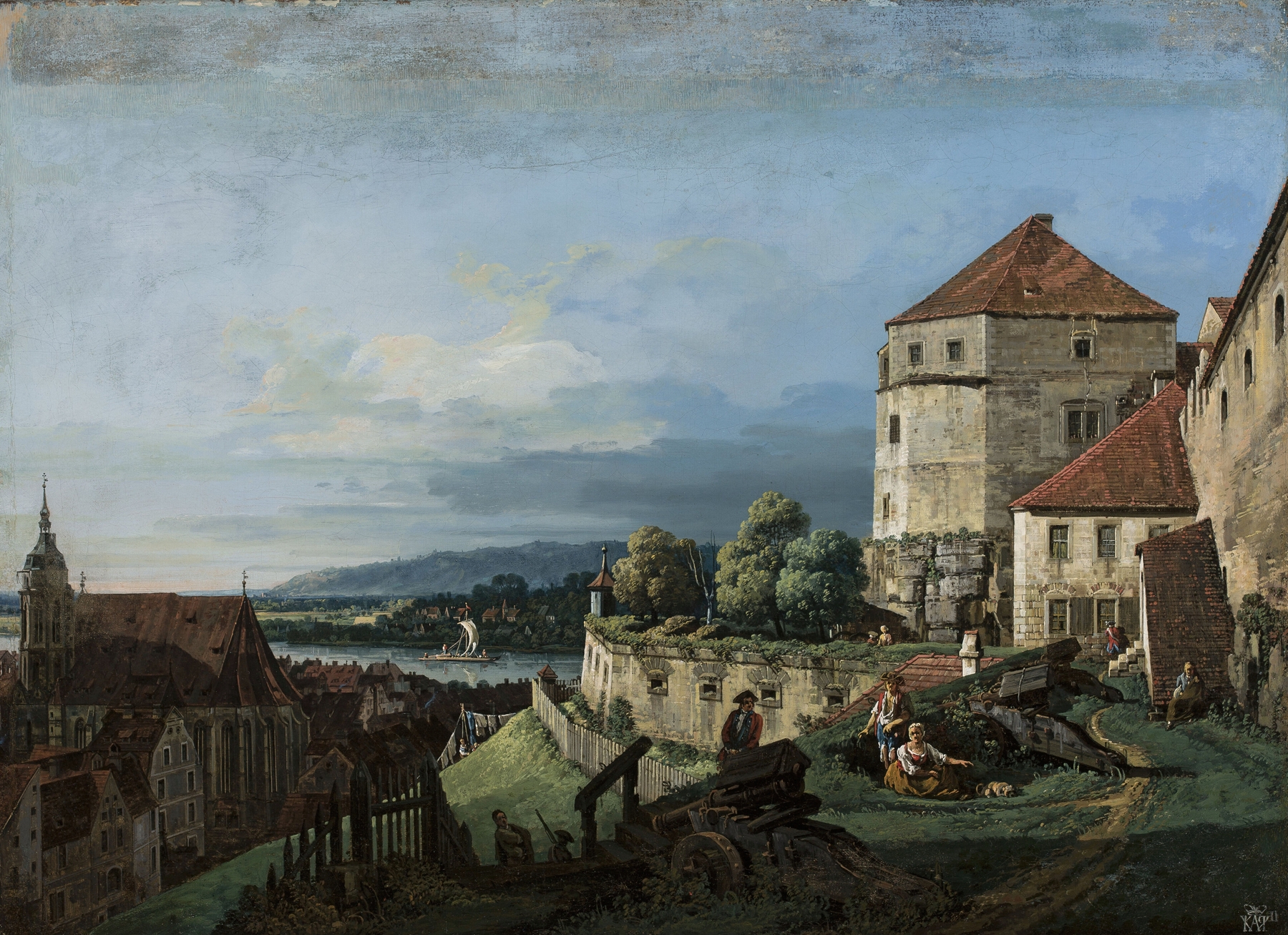
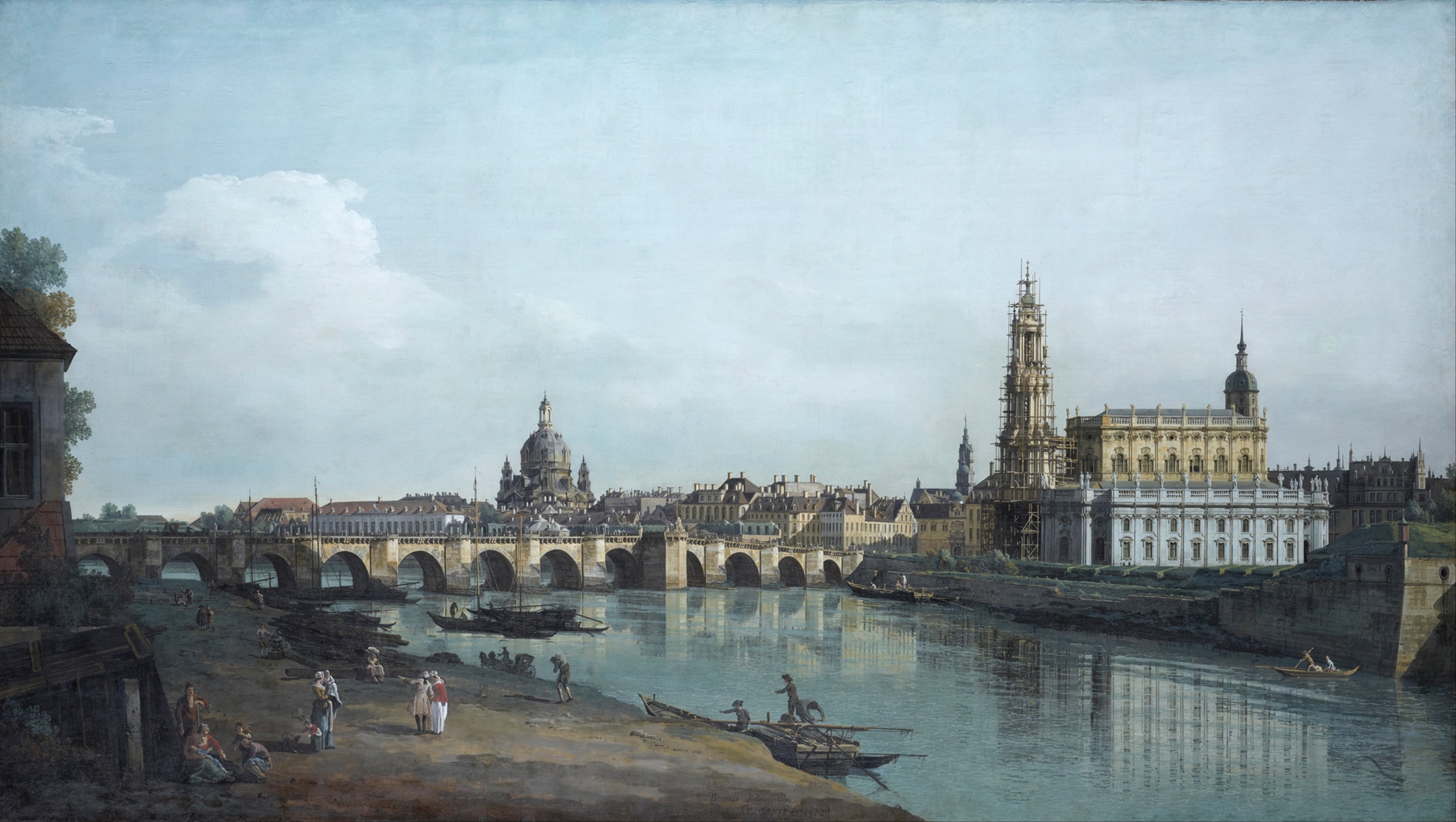
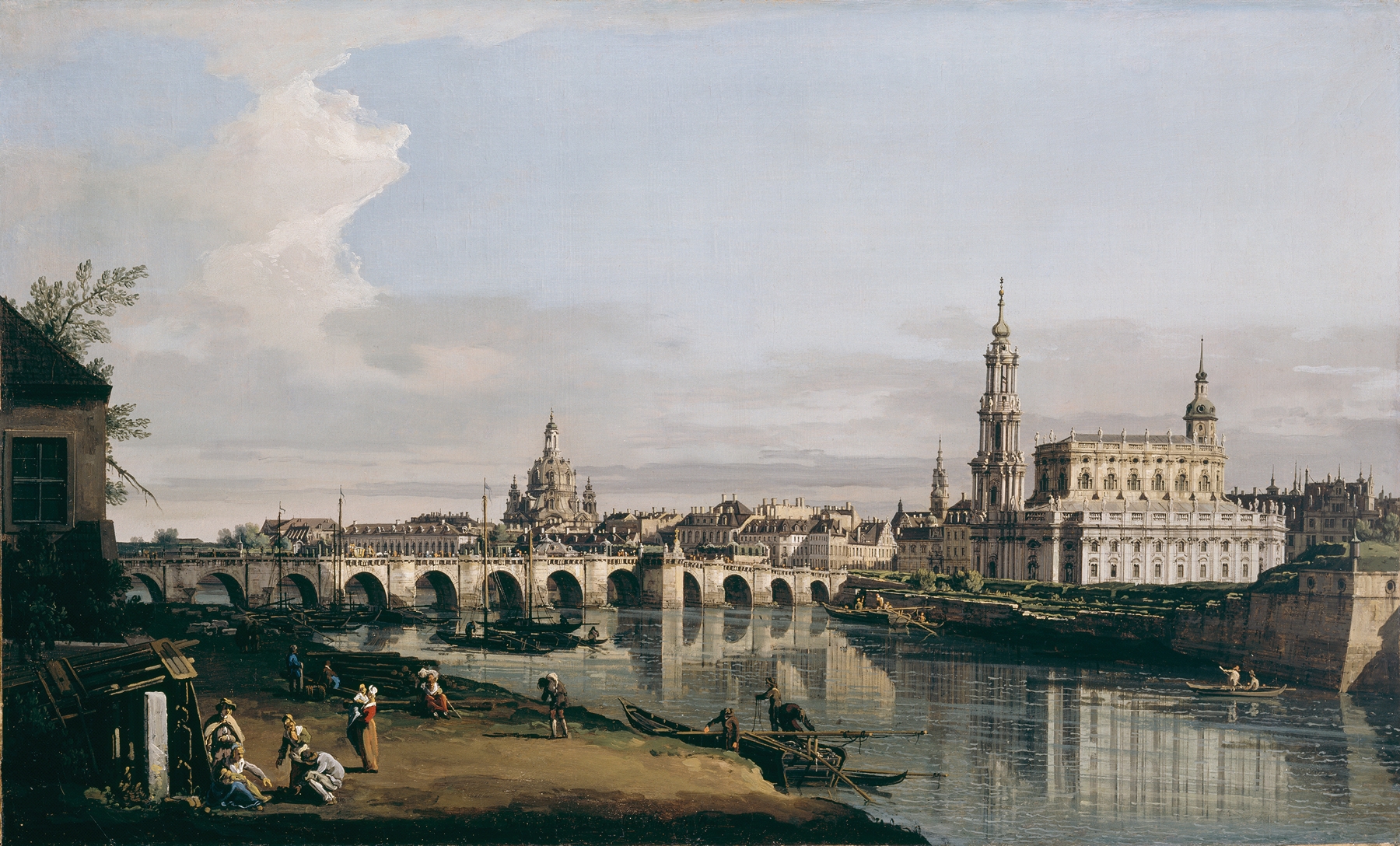
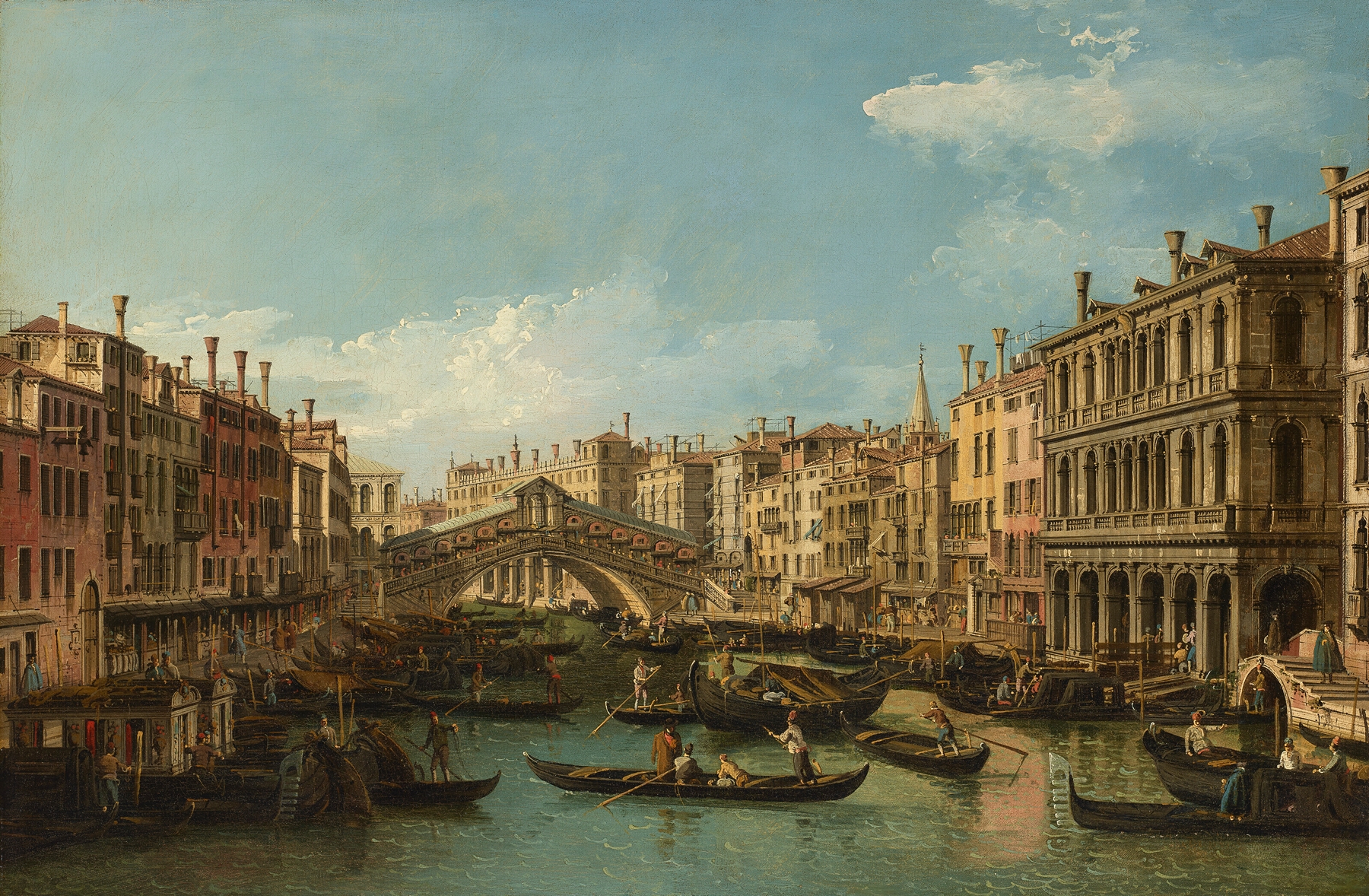
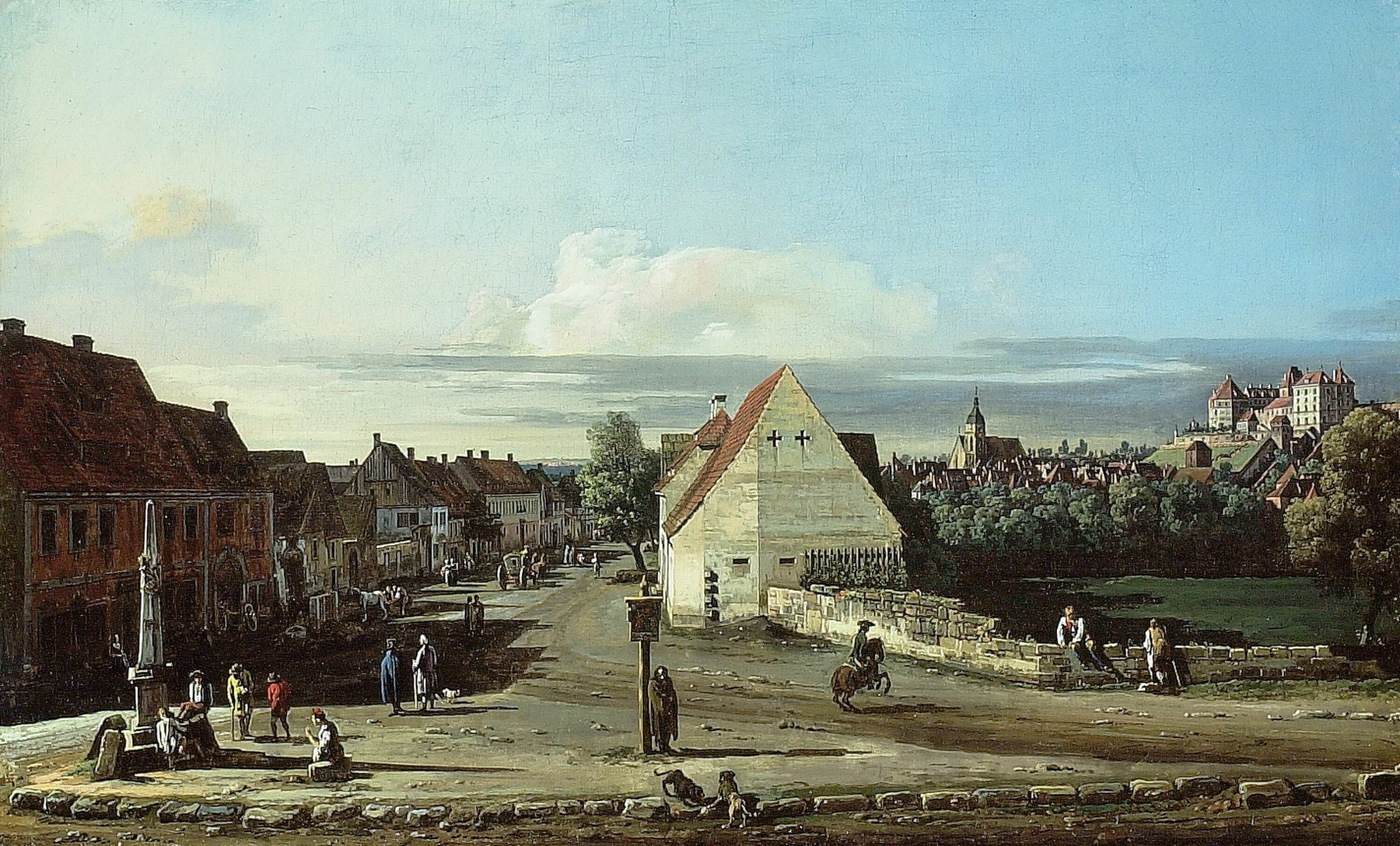
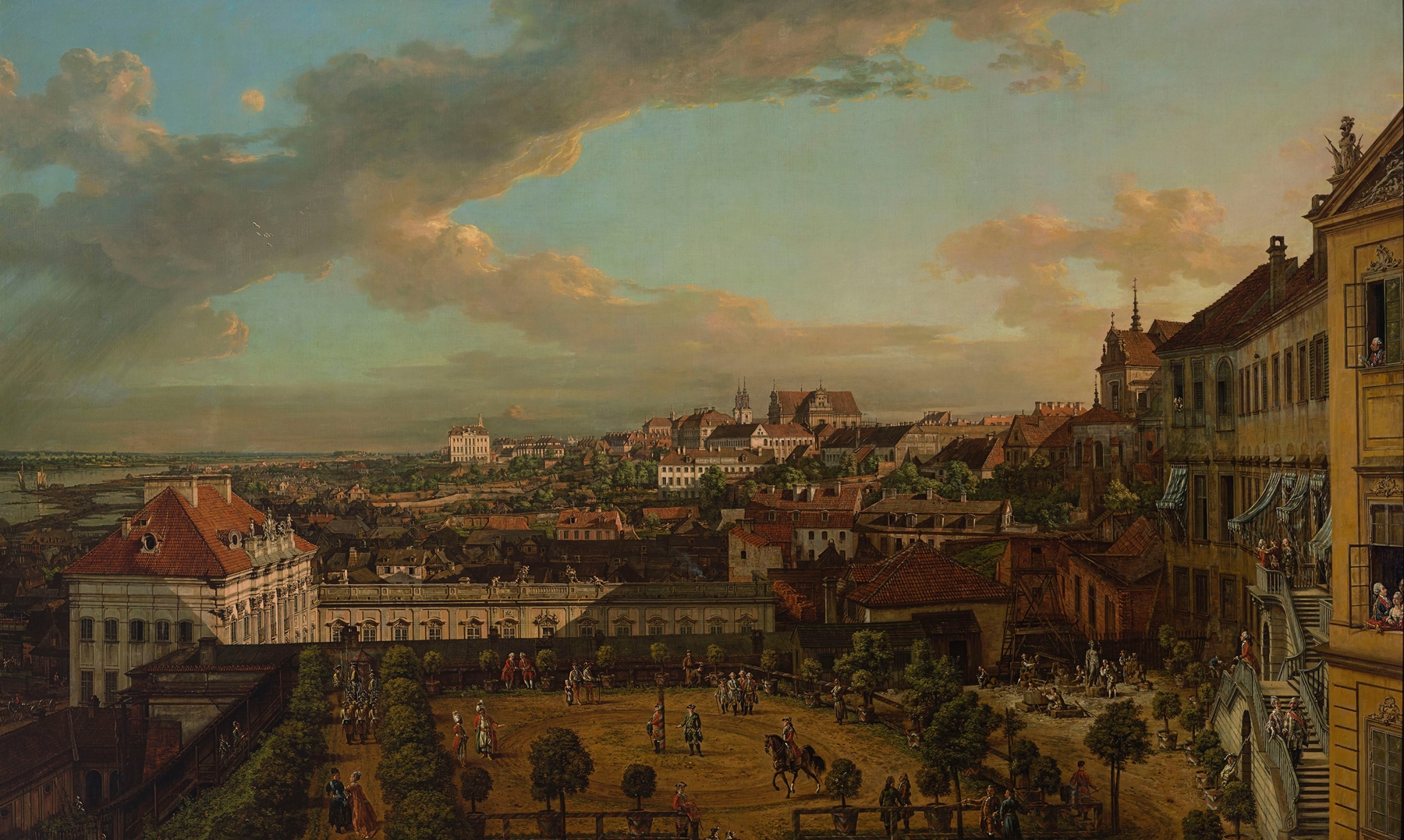
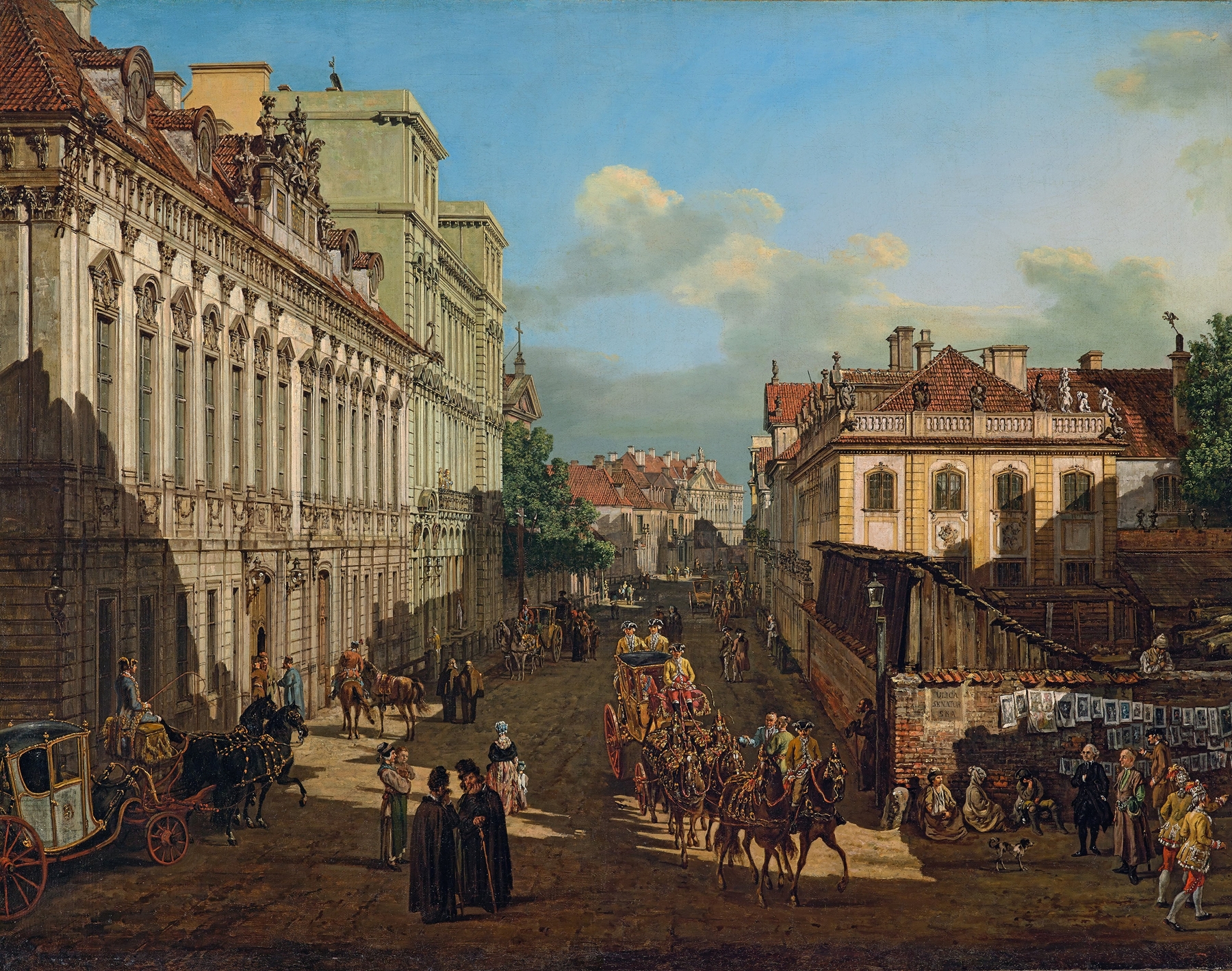
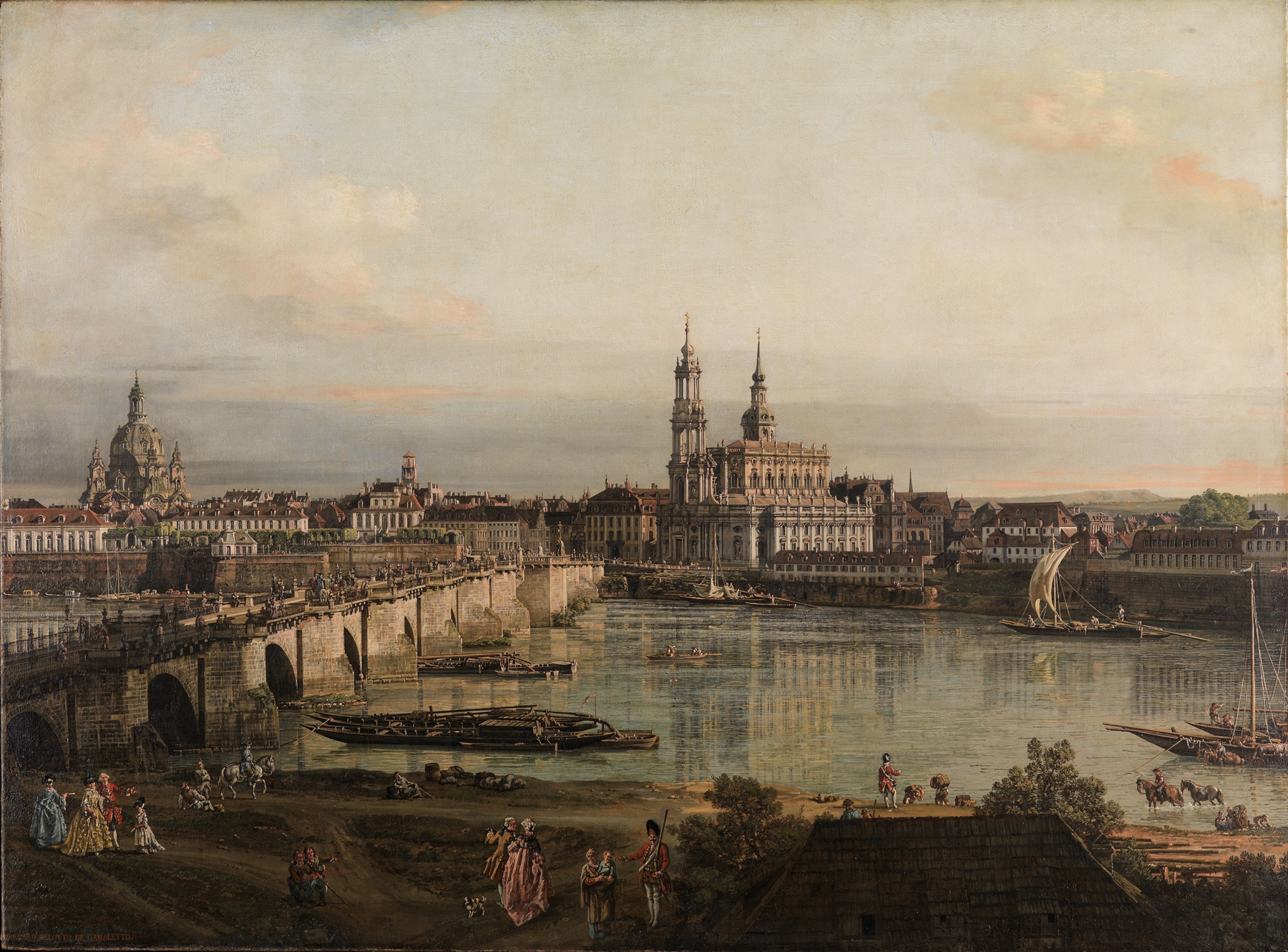
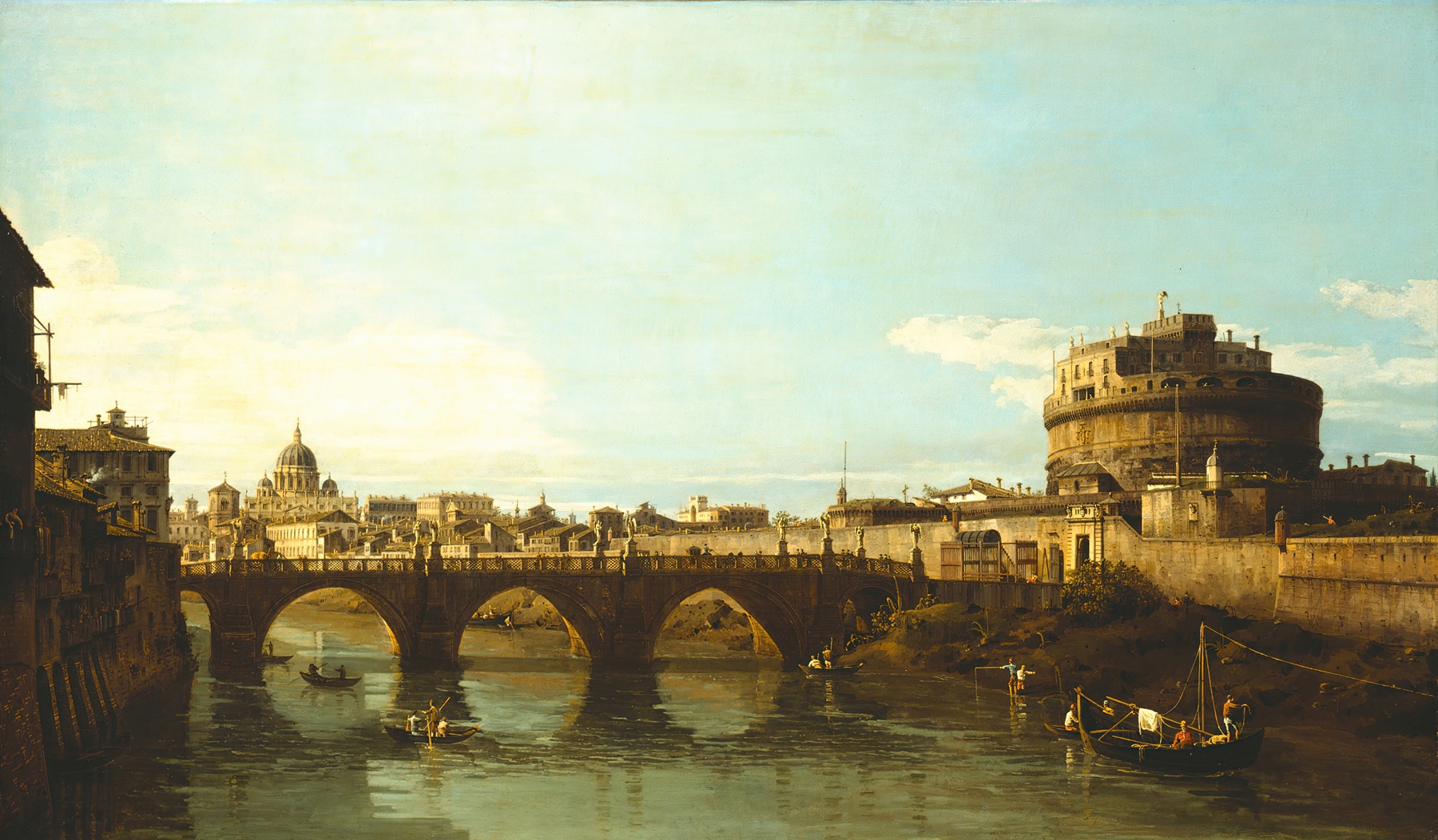
Can beauty exist without sorrow? In the painting Vaprio d’Adda, the interplay of serene landscapes and the looming presence of mortality invites us to confront this poignant question. Look to the left at the delicate arch of the bridge, its elegant forms leading the eye towards the gently flowing river. Notice how the soft light bathes the scene, casting long shadows and illuminating the vibrant greens of the trees, while the bluish hues of the sky evoke a sense of ethereal calm.
The architecture, both firm and fleeting, mirrors the transient nature of life itself, creating a stunning juxtaposition of permanence against the ephemeral. This artwork subtly encapsulates themes of nostalgia and impermanence. The tranquil water reflects not just the landscape but also the contemplative state of the viewer, urging introspection about our own temporal existence. The figures scattered throughout, engaged in their daily activities, appear blissfully unaware of the inevitable passage of time—a stark contrast to the timelessness of the natural world surrounding them.
Each brushstroke whispers of stories untold, hinting at the weight of memory and the burden of loss. Bernardo Bellotto painted Vaprio d’Adda in 1744 while based in Venice, a period marked by his exploration of urban landscapes and architectural precision. During this time, the artist was navigating the shifting tides of his career, moving beyond the shadow of his uncle, Canaletto, and establishing his own voice in the world of art. This work reflects not only his mastery of detail and composition but also the broader European movement towards capturing the sublime in nature—a glimpse into the delicate balance between beauty and the inevitability of mortality.