Vüe de Nion — History & Analysis
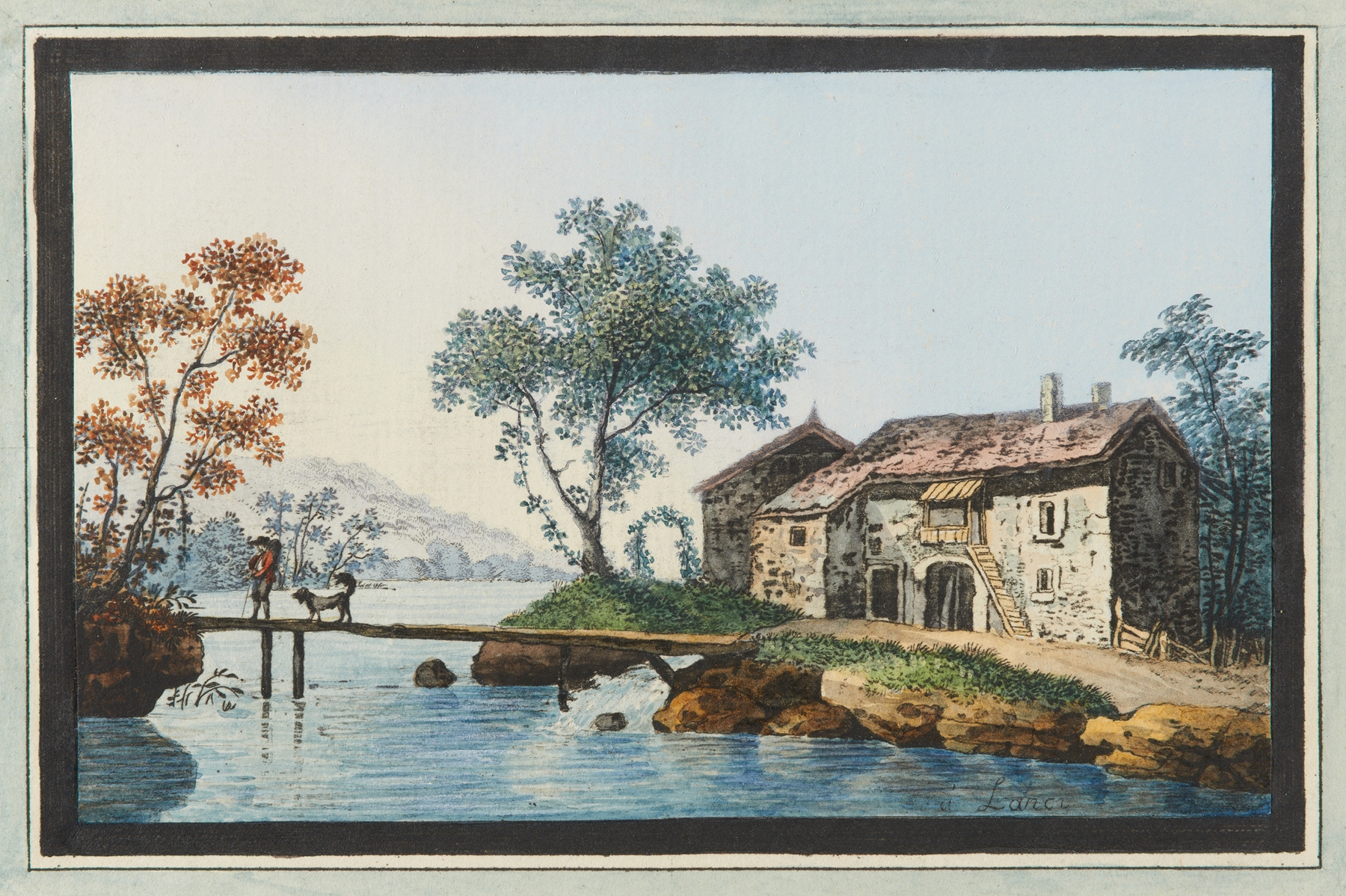
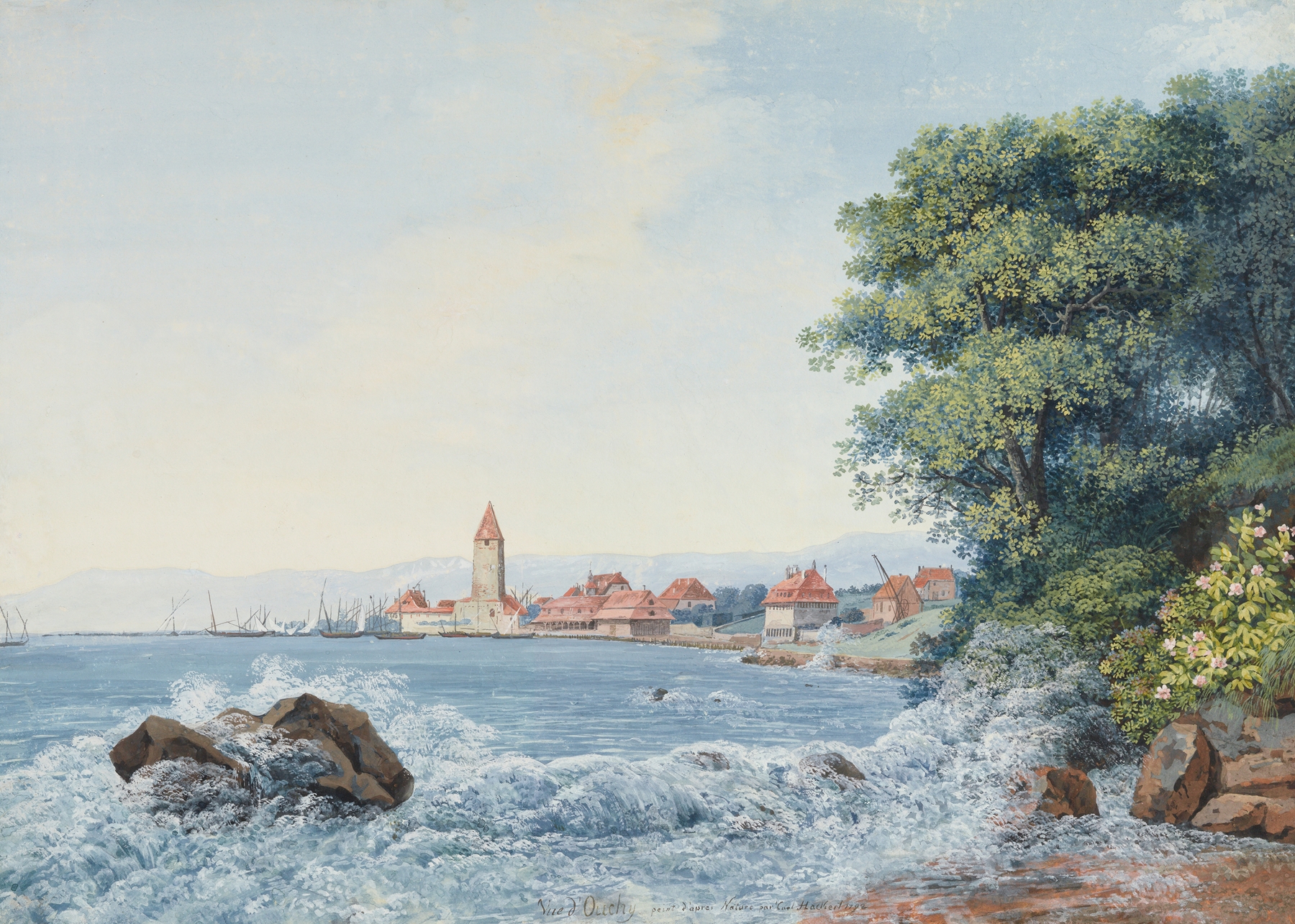
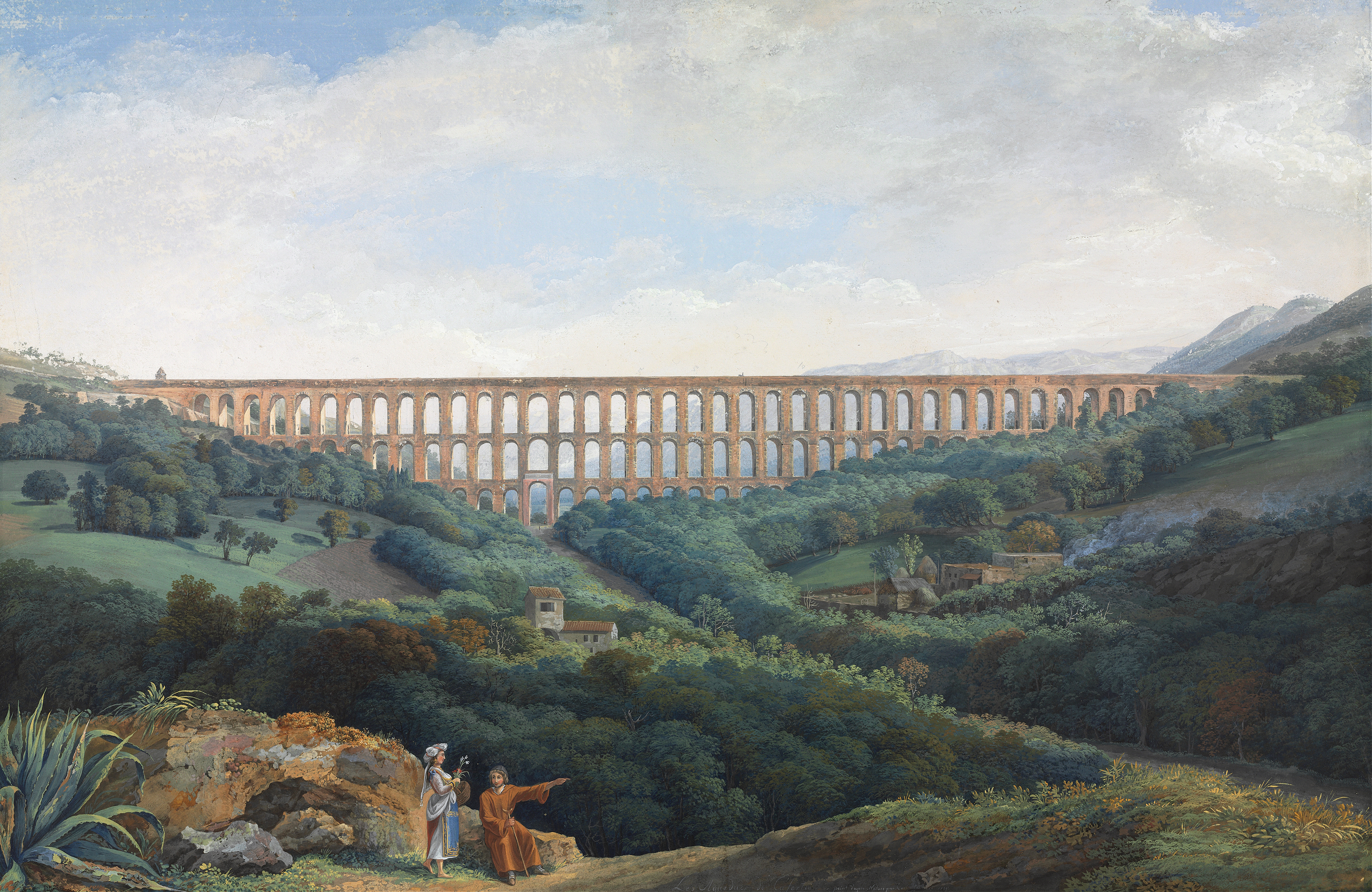
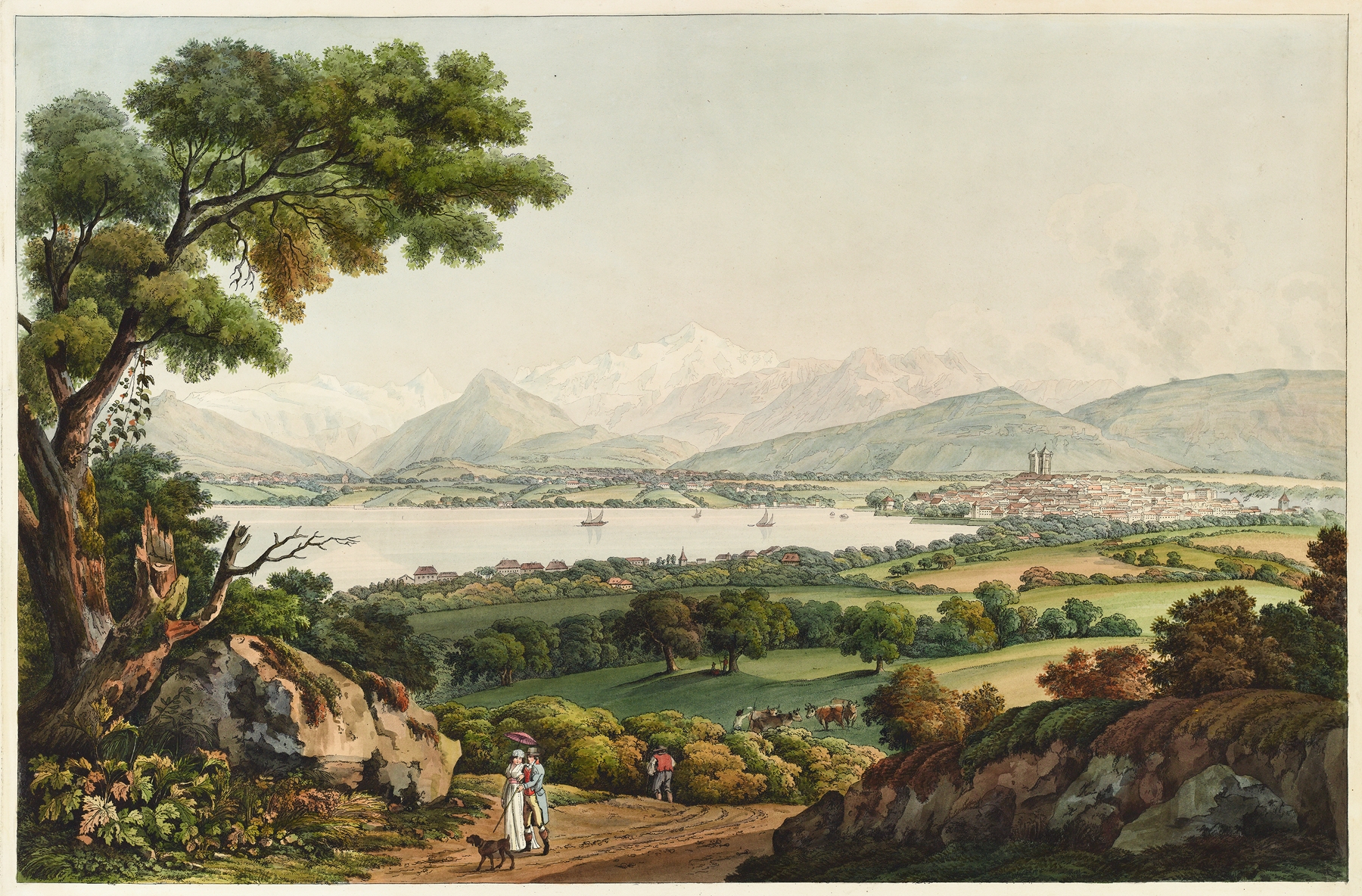
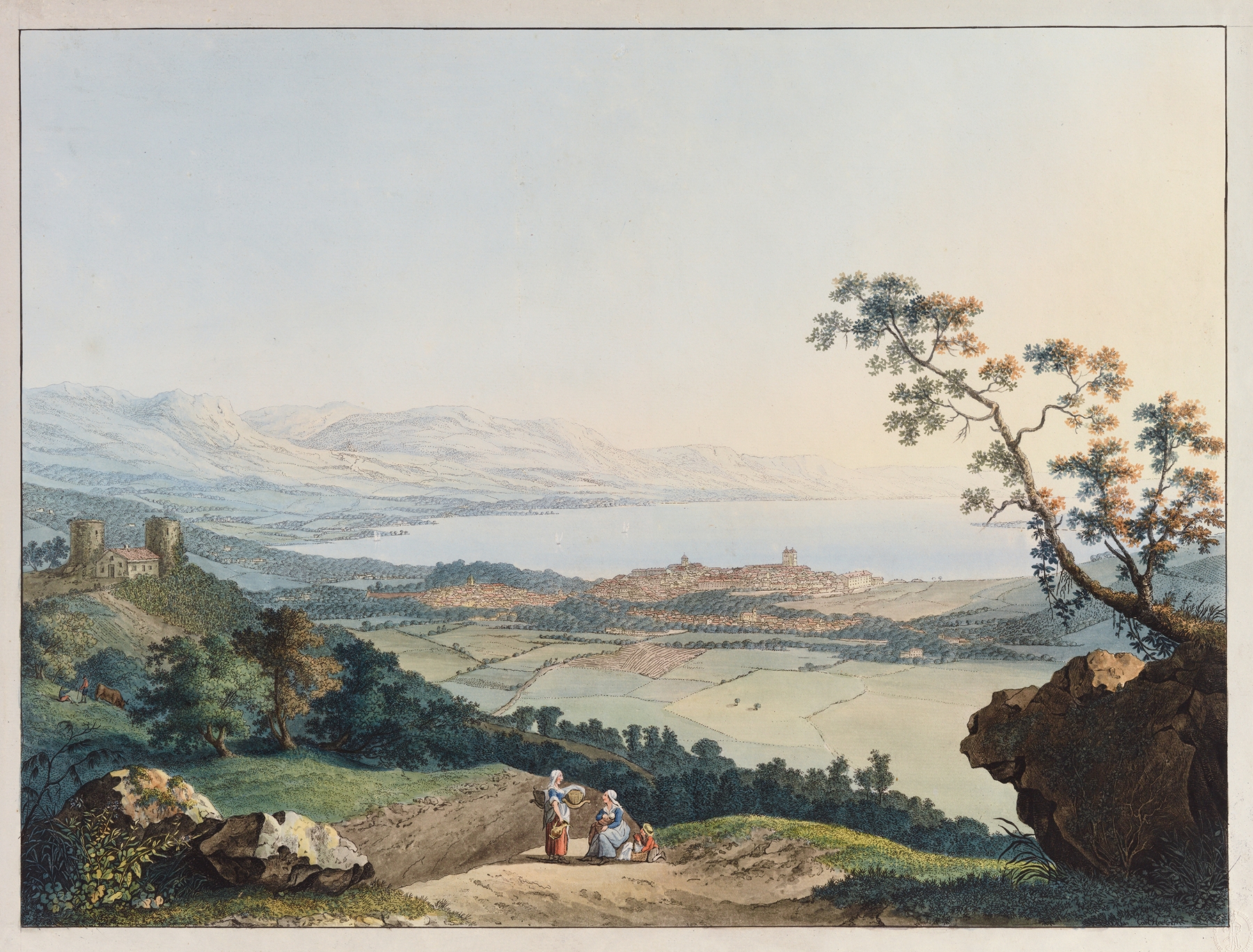
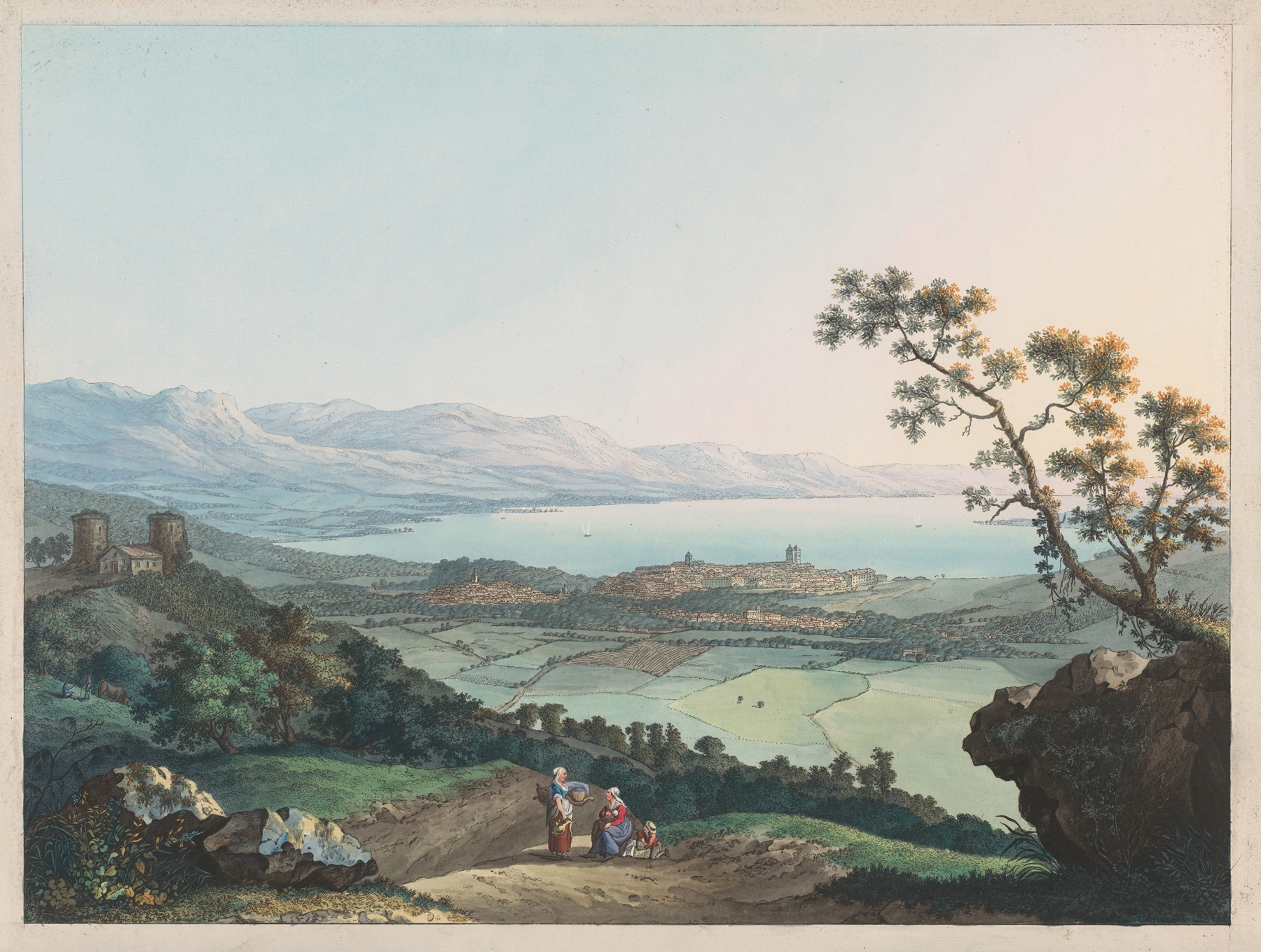
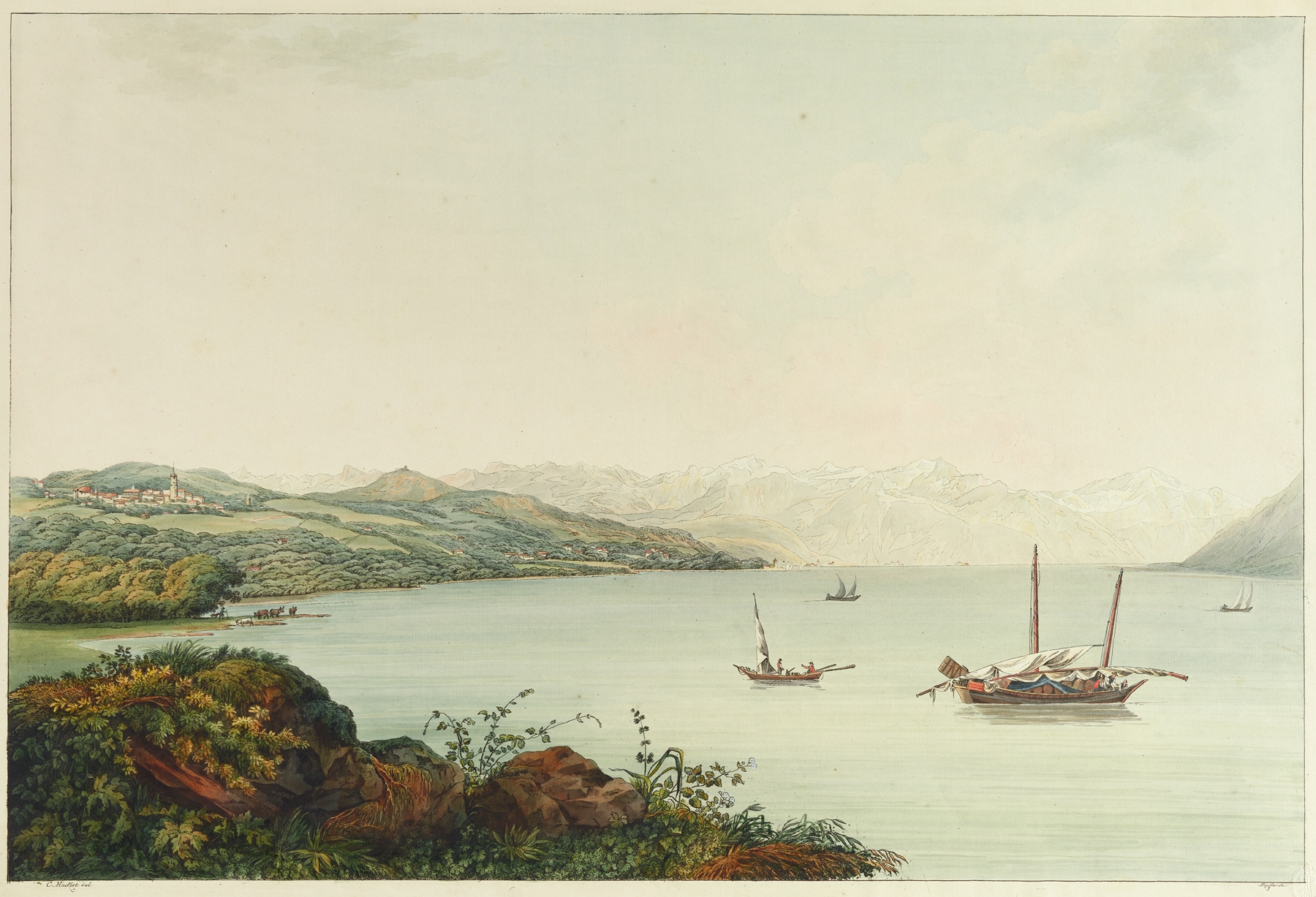
“Every brushstroke is a heartbeat remembered.” In the delicate balance of nature and memory, the fragility of existence is revealed through art. Look to the foreground, where a gentle cascade of soft greens and browns draws you into a serene landscape. The viewer's gaze is first met by the quaint structures that dot the rolling hills, their muted colors harmonizing with a sky that hints at twilight. Notice how the light filters through the clouds, casting a warm yet transient glow over the scene, enveloping everything in an ethereal embrace that beckons exploration.
In the distance, the rippling water reflects a sense of calm, yet beneath its surface lies a current of hidden emotions. The interplay of light and shadow suggests both the beauty and impermanence of life, urging us to consider what lies beyond the visible. Each detail—be it the careful rendering of foliage or the subtle outlines of distant mountains—contributes to a narrative of nostalgia and loss, echoing the fragility of the picturesque moment captured by the artist.
Carl Ludwig Hackert painted this masterpiece in the mid-18th century, a period marked by the transition of artistic styles and ideals. Living between 1740 and 1796, he navigated the shifting tides of neoclassicism and romanticism, all while being influenced by the beauty of the Italian landscape. This painting reflects both personal introspection and the broader cultural sentiments of his time, as the world began to embrace the complexities of nature and emotion.