Venice — History & Analysis
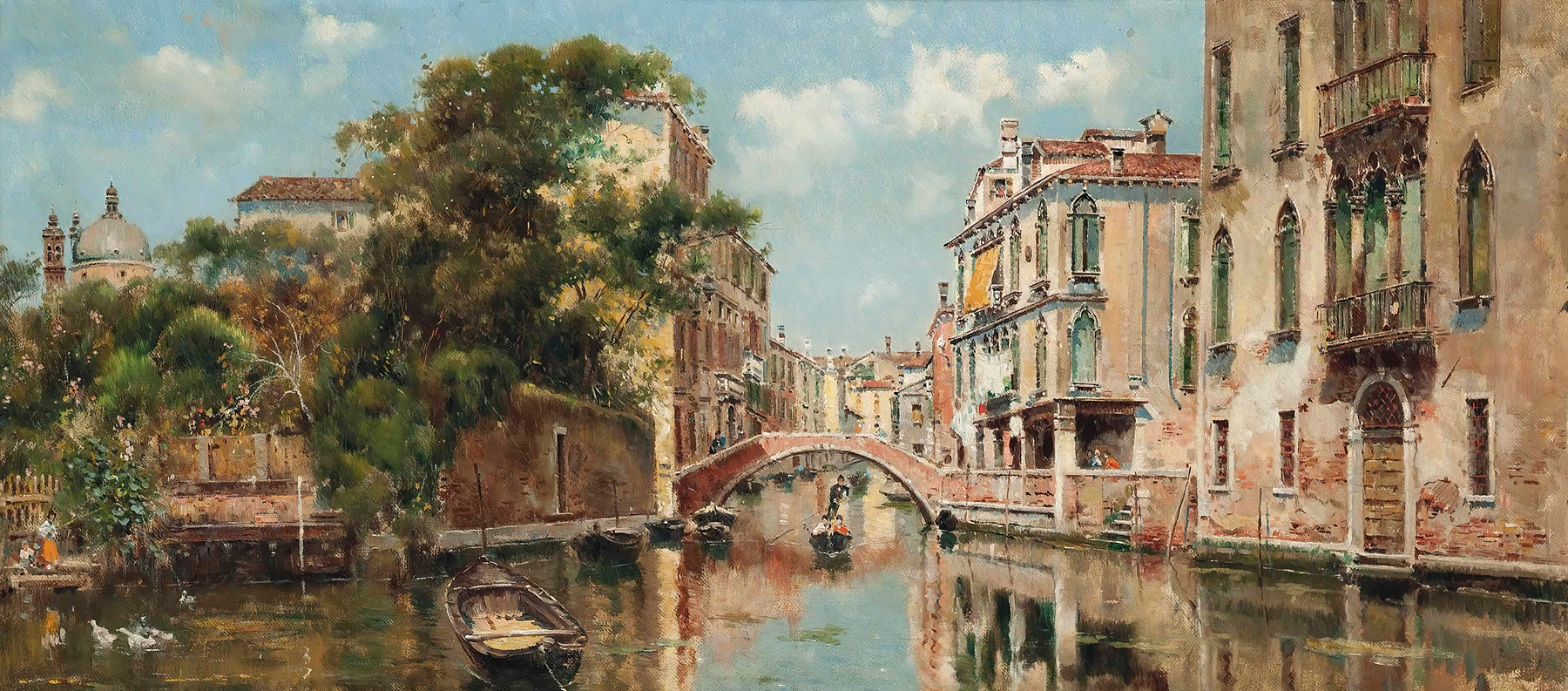
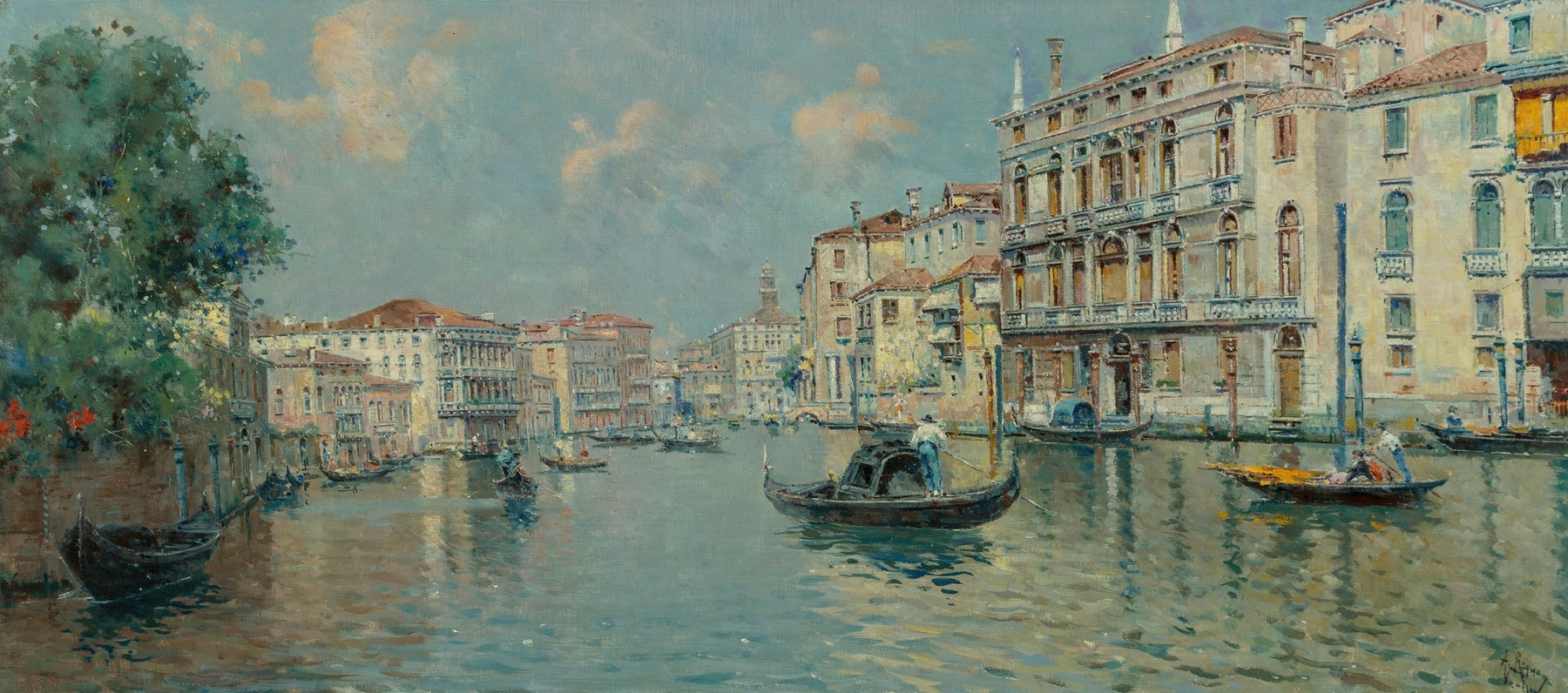
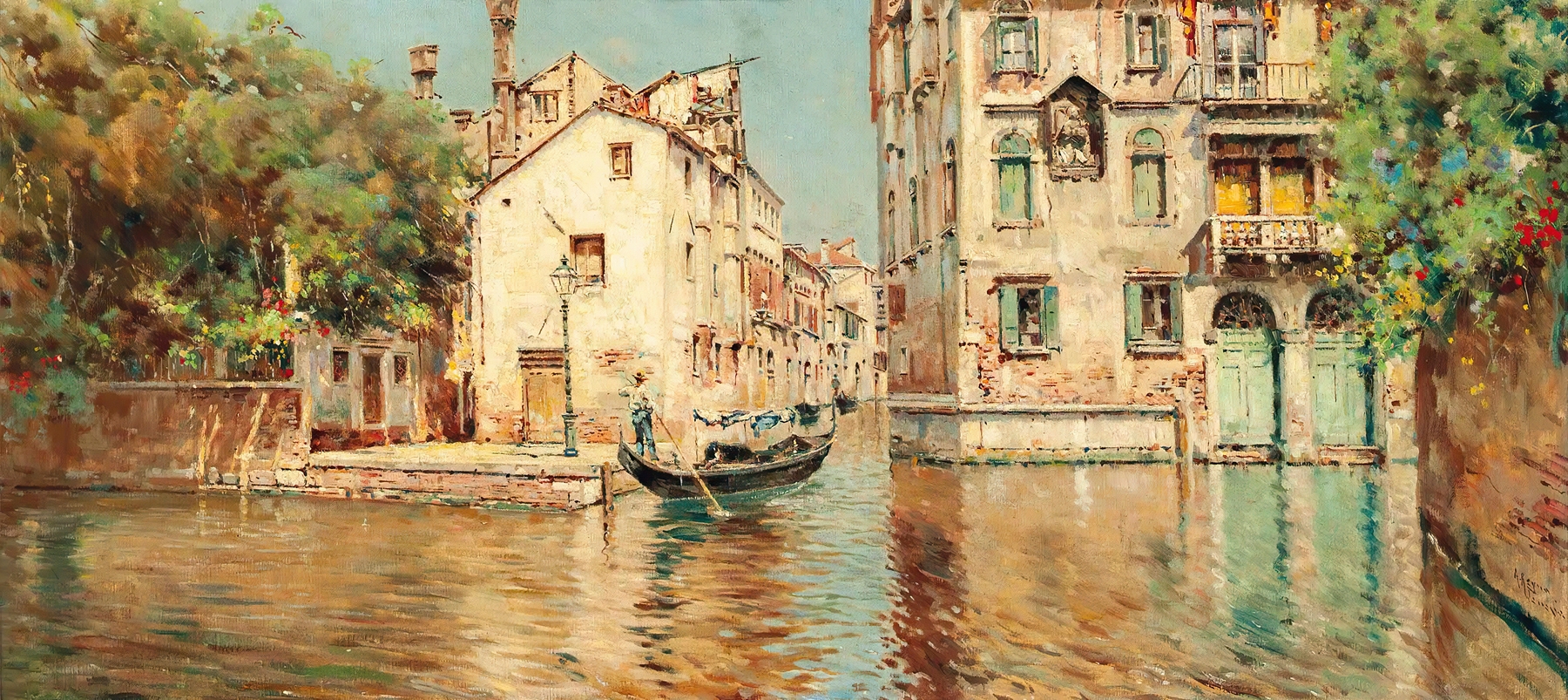
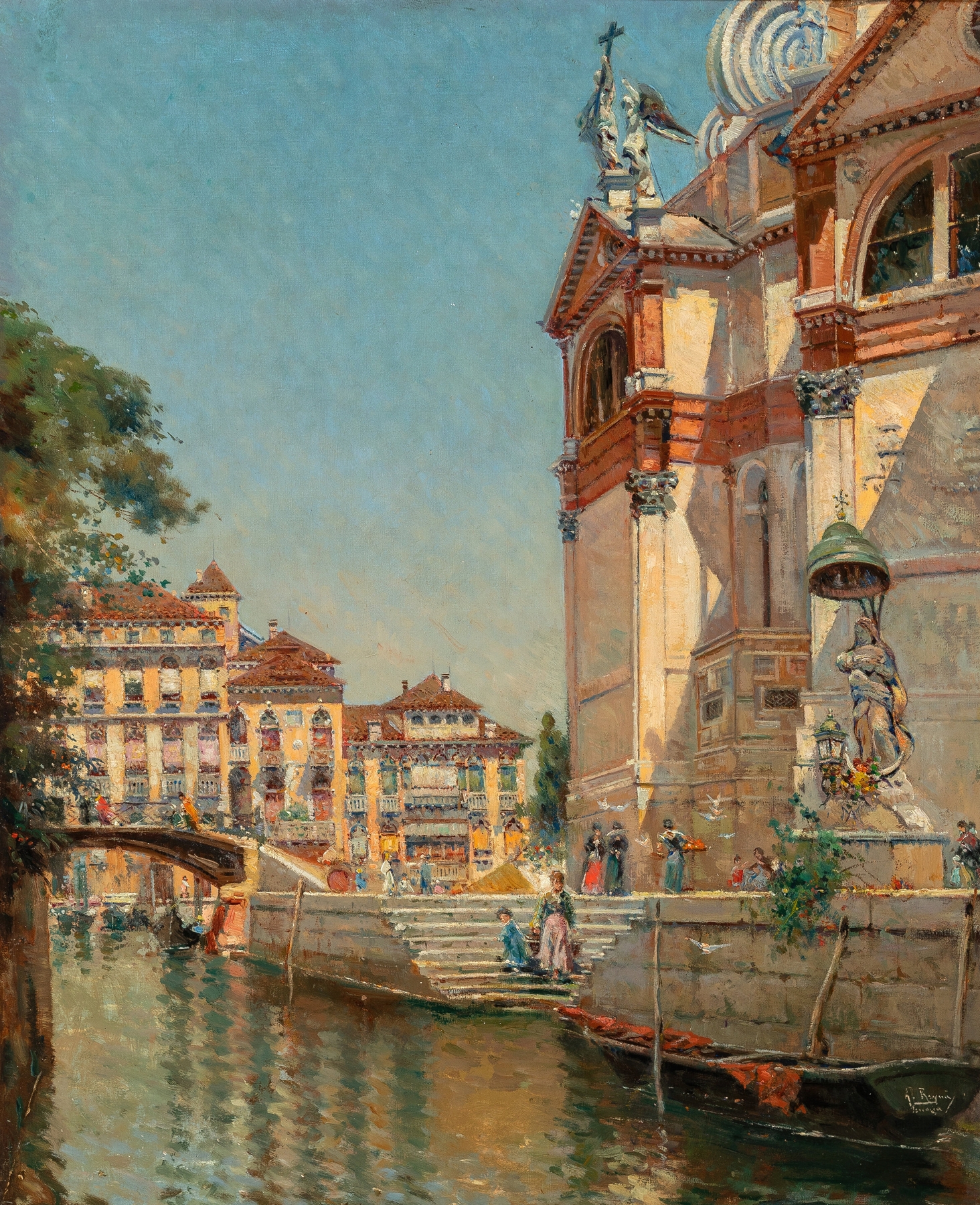
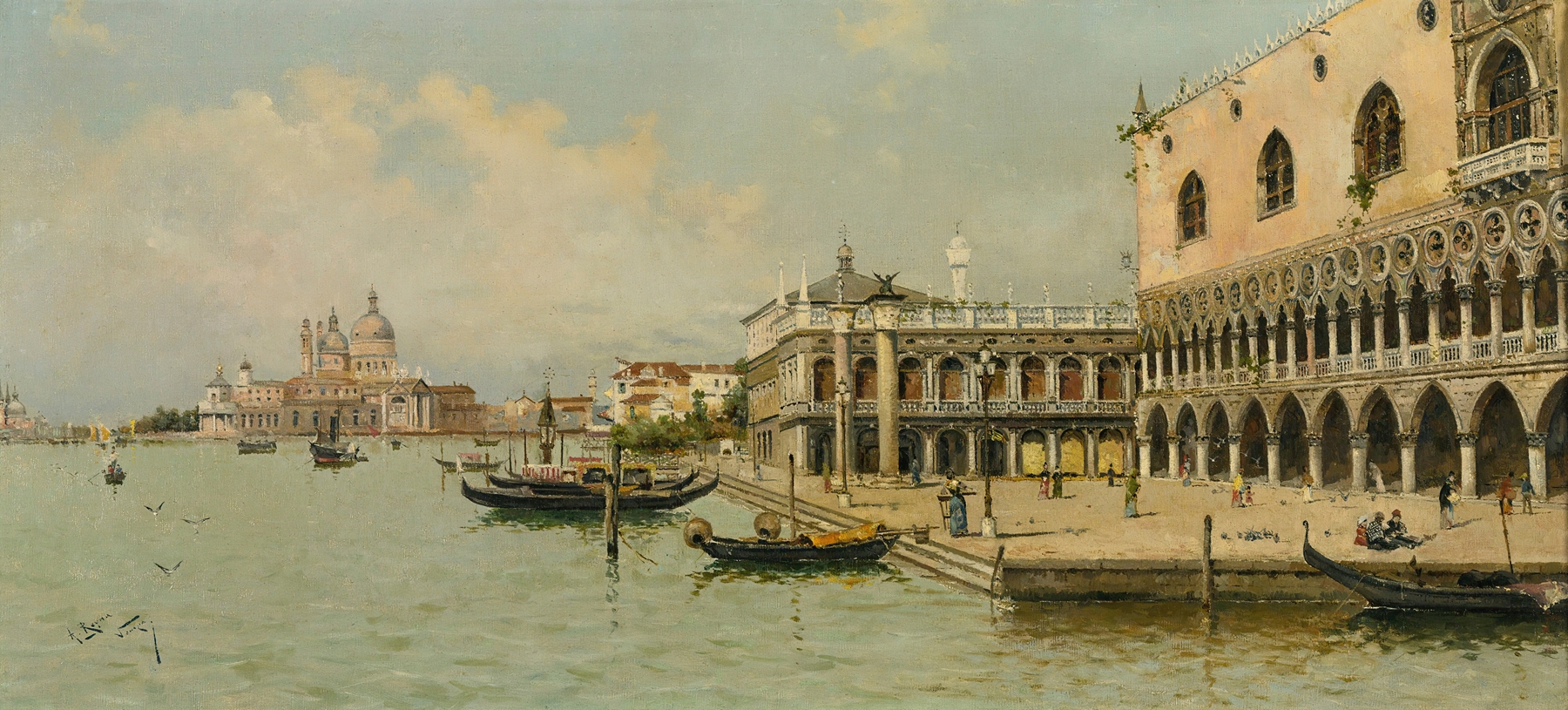
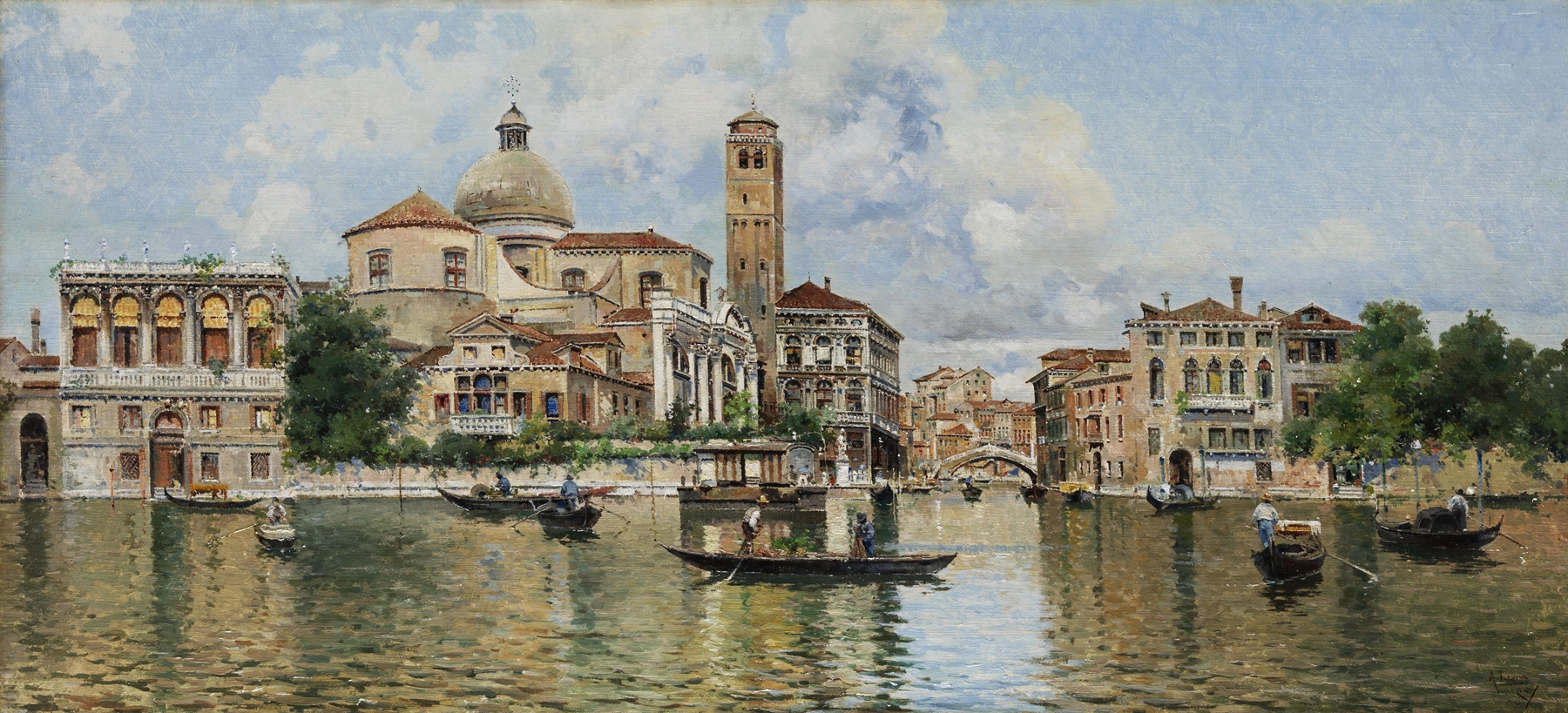
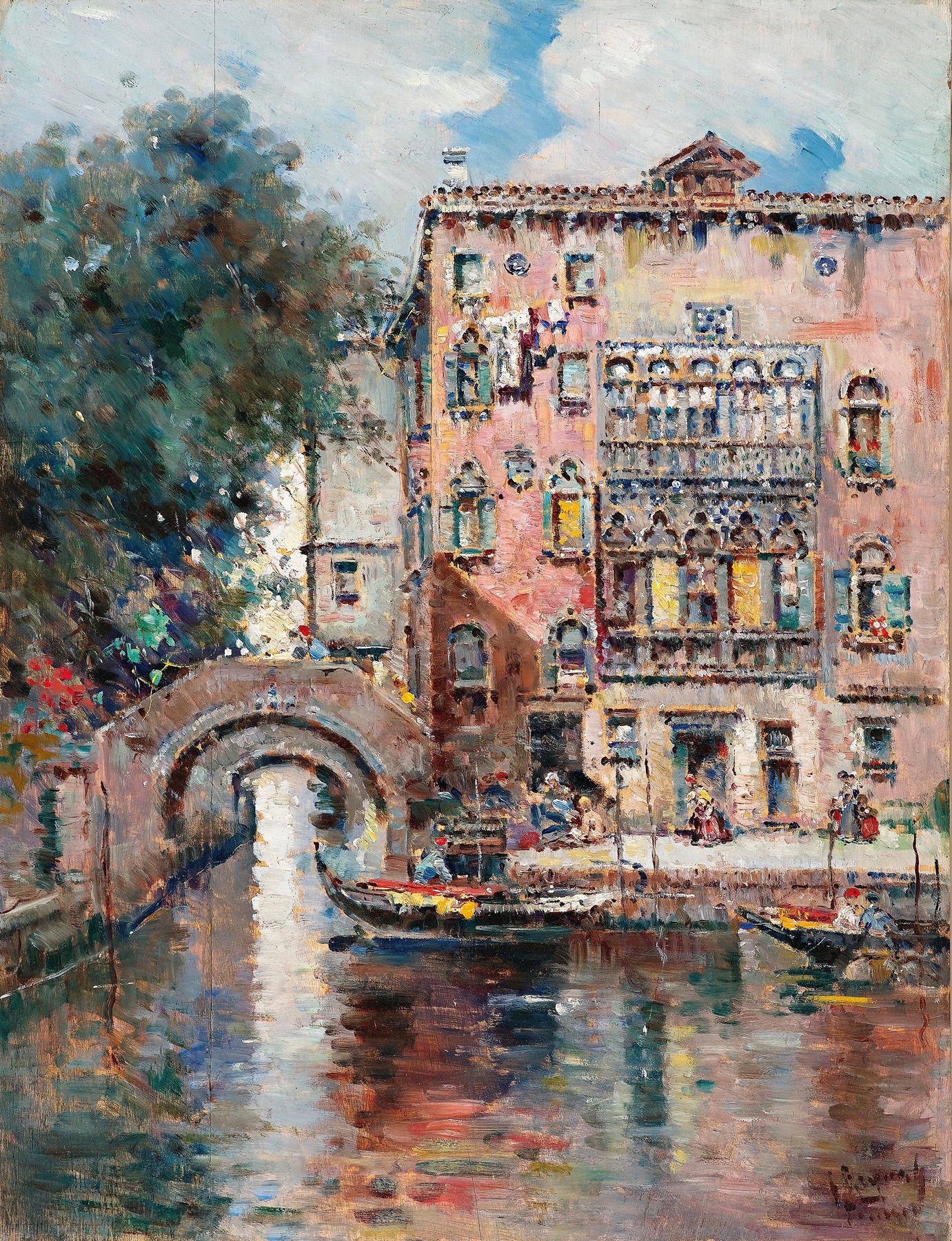
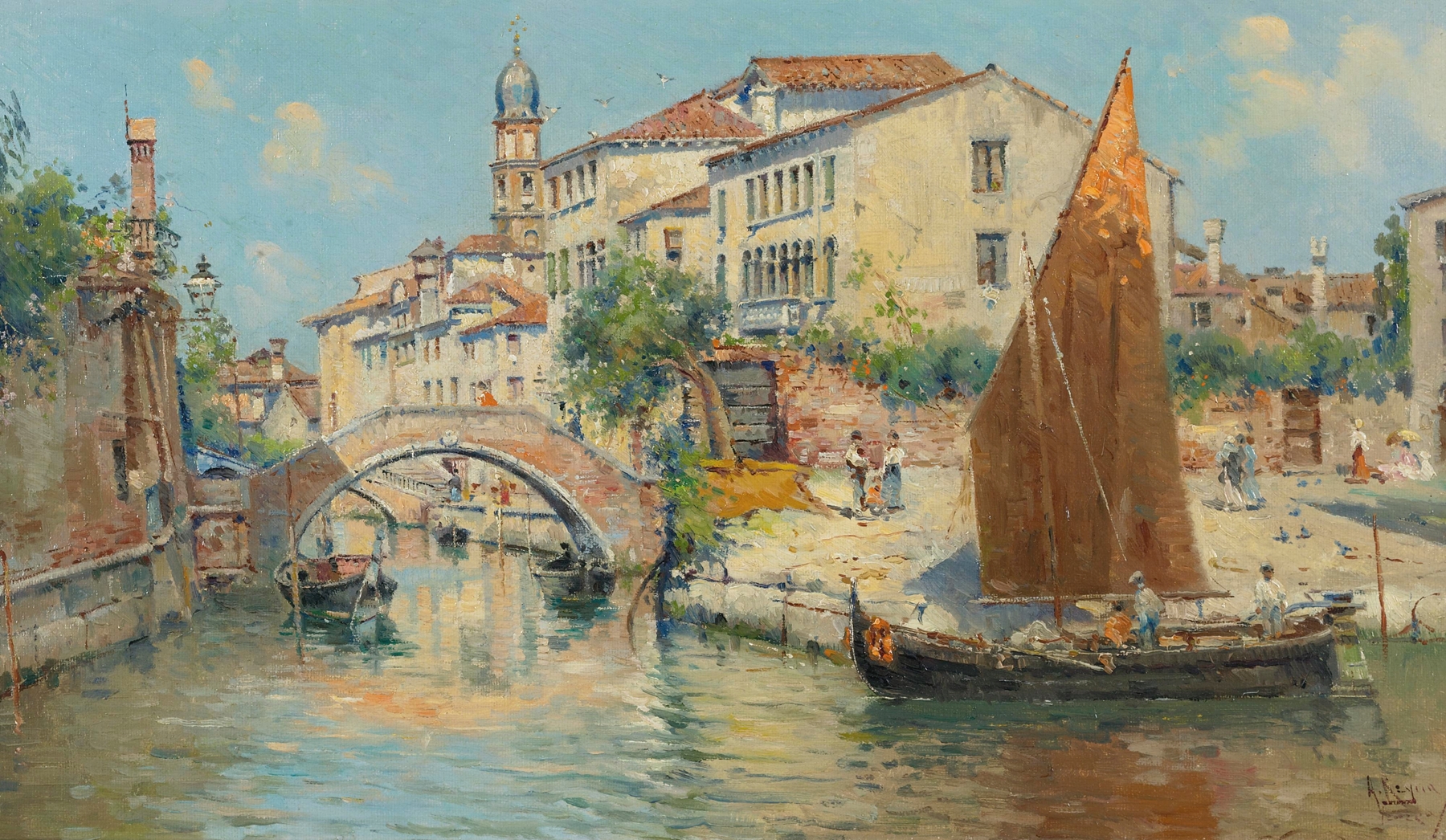
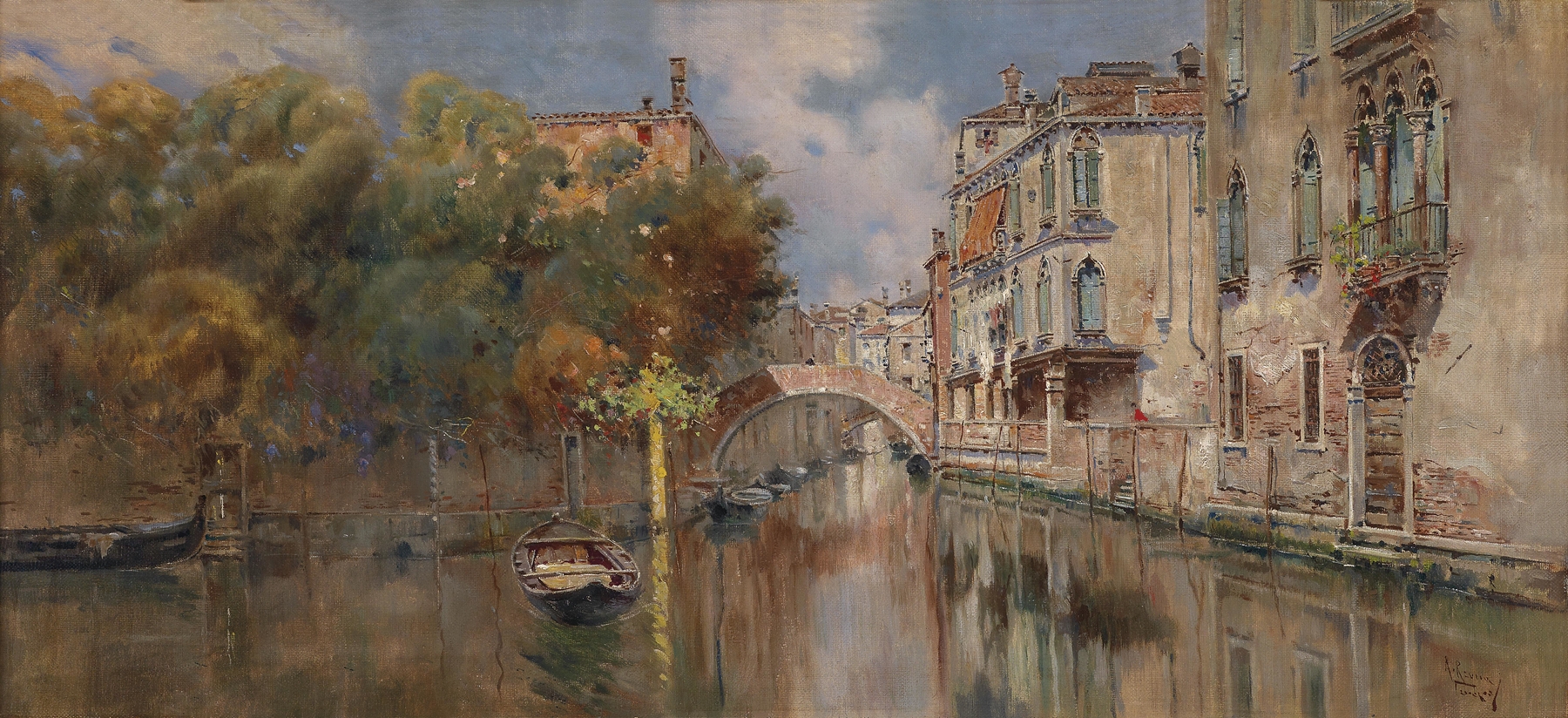
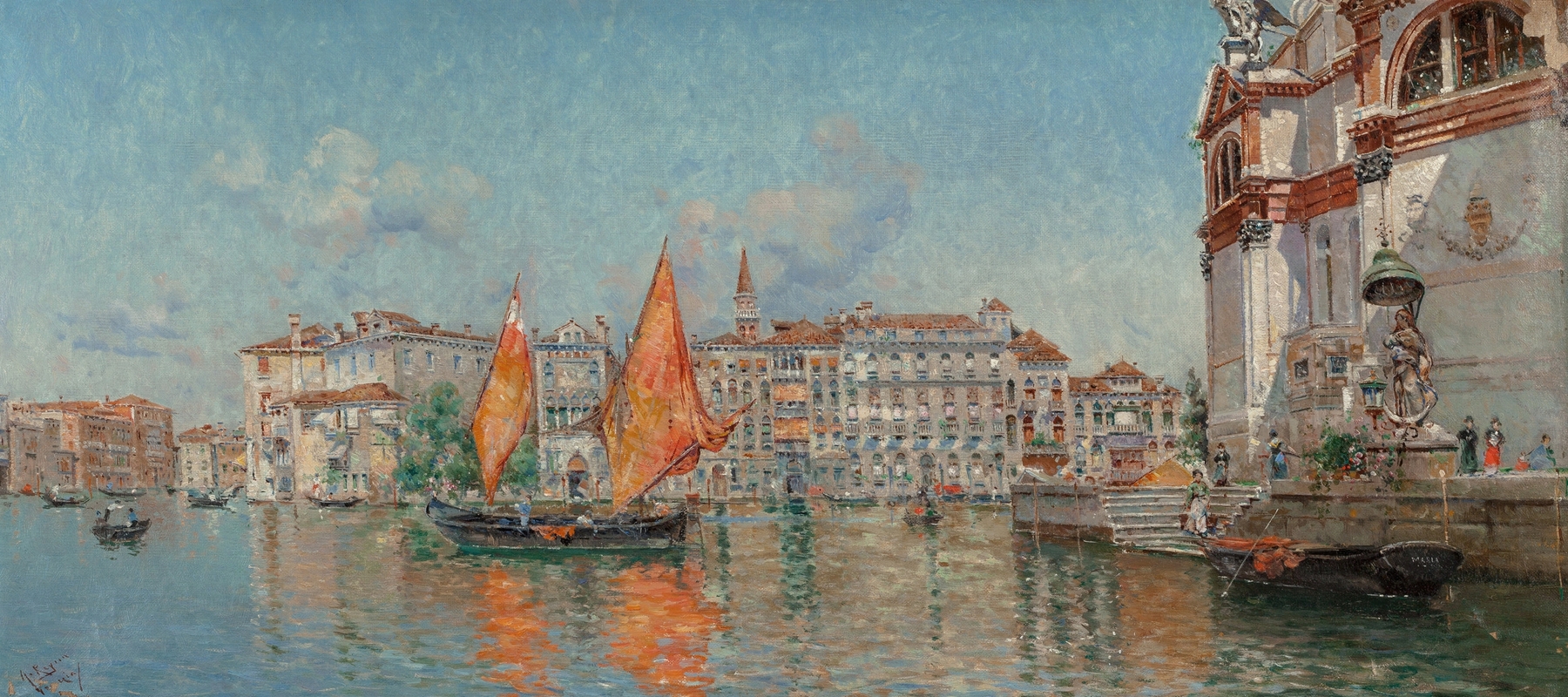
Can paint confess what words never could? In the stillness of Venice, the world unveils its secrets, whispering through vibrant hues and delicate brushstrokes. Focus on the enchanting interplay of colors that dance across the canvas, where blues and greens merge seamlessly with strokes of gold. Notice how the light reflects off the water’s surface, creating a shimmering path that draws the eye toward the far-off horizon. The composition invites viewers to wander, exploring the labyrinthine canals and the ethereal architecture that rises like dreams from the depths below.
Each brushstroke feels intentional, as if the artist is revealing not just a city, but an entire emotion. Hidden within this luminous scene lies a tension between nostalgia and fleeting beauty. The serene waters evoke a sense of tranquility while hinting at the impermanence of life. Look closely at the shadows cast by the structures; they speak of time slipping away, a reminder of the fragility of moments we hold dear.
The juxtaposition of light and dark suggests a deeper story—one of longing and revelation, as if the essence of Venice itself is captured in this fleeting snapshot. Antonio María de Reyna Manescau created Venice during a period that saw a blossoming interest in romanticized landscapes and architectural studies. Working in the late 19th century, he was influenced by the picturesque qualities of the city, which was often celebrated in art and literature. This painting reflects both personal exploration and broader artistic trends, as the artist sought to capture the beauty and complexity of a city that has long been a muse for creatives.