Venice Harbor — History & Analysis
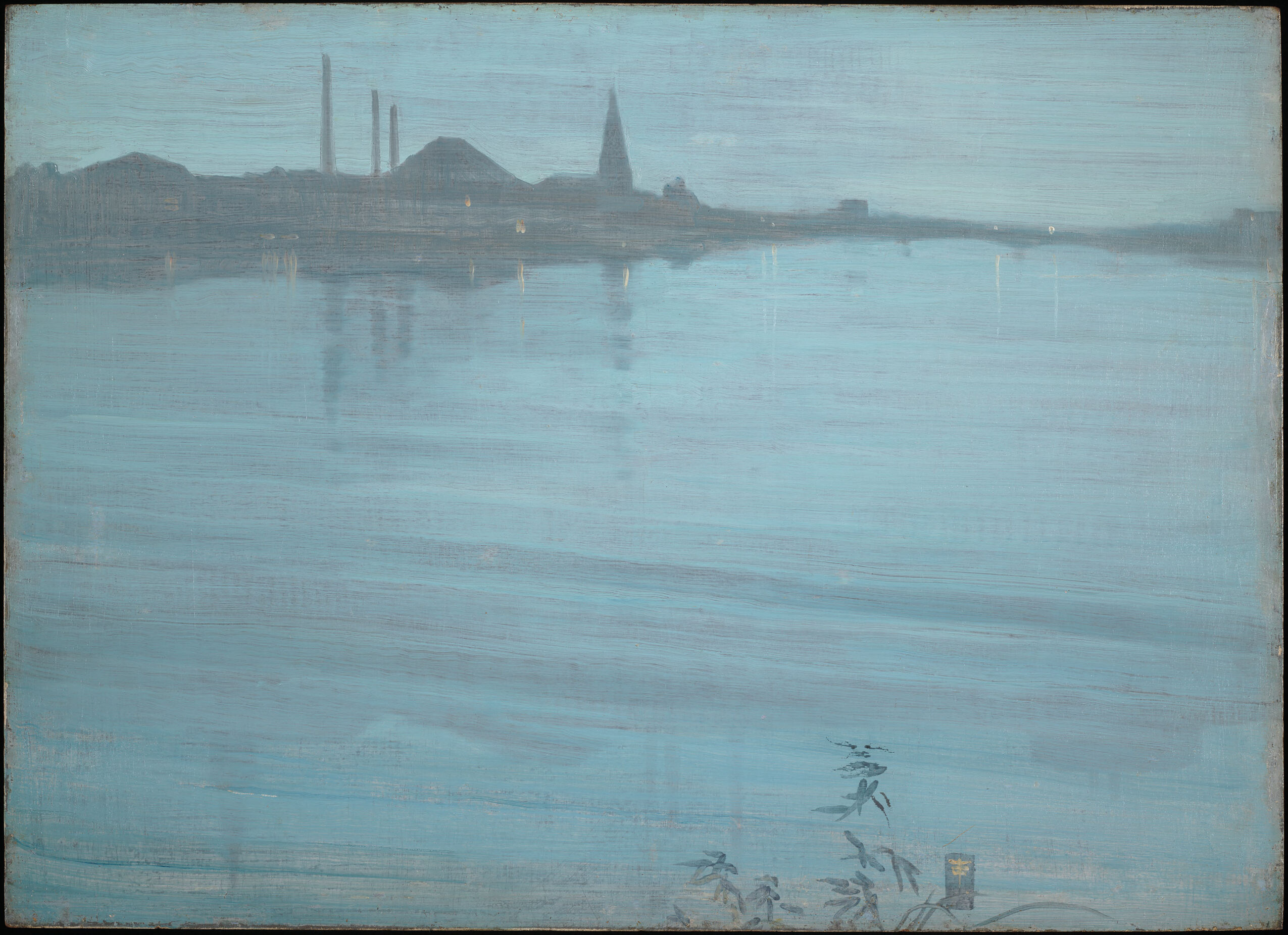
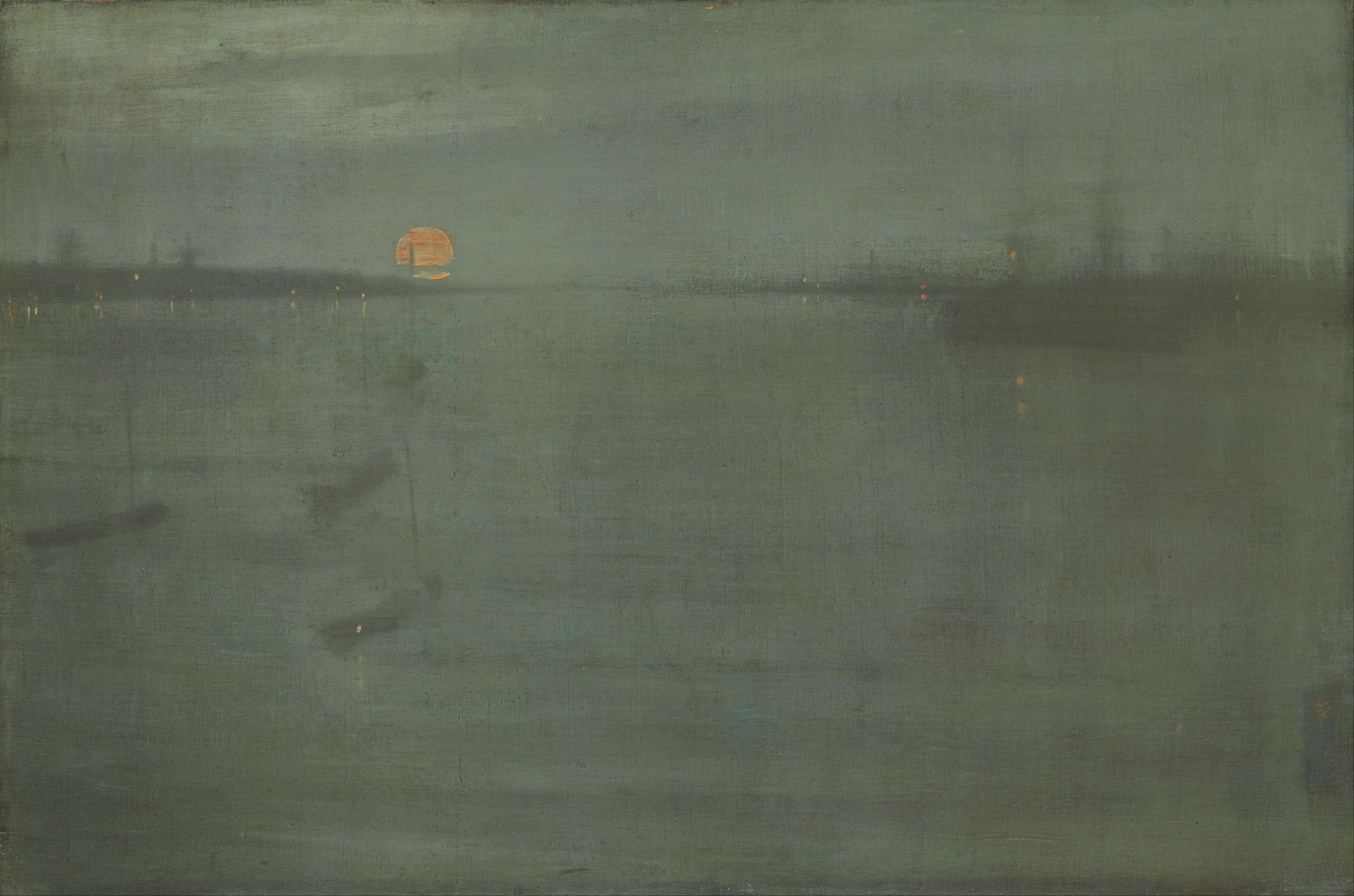
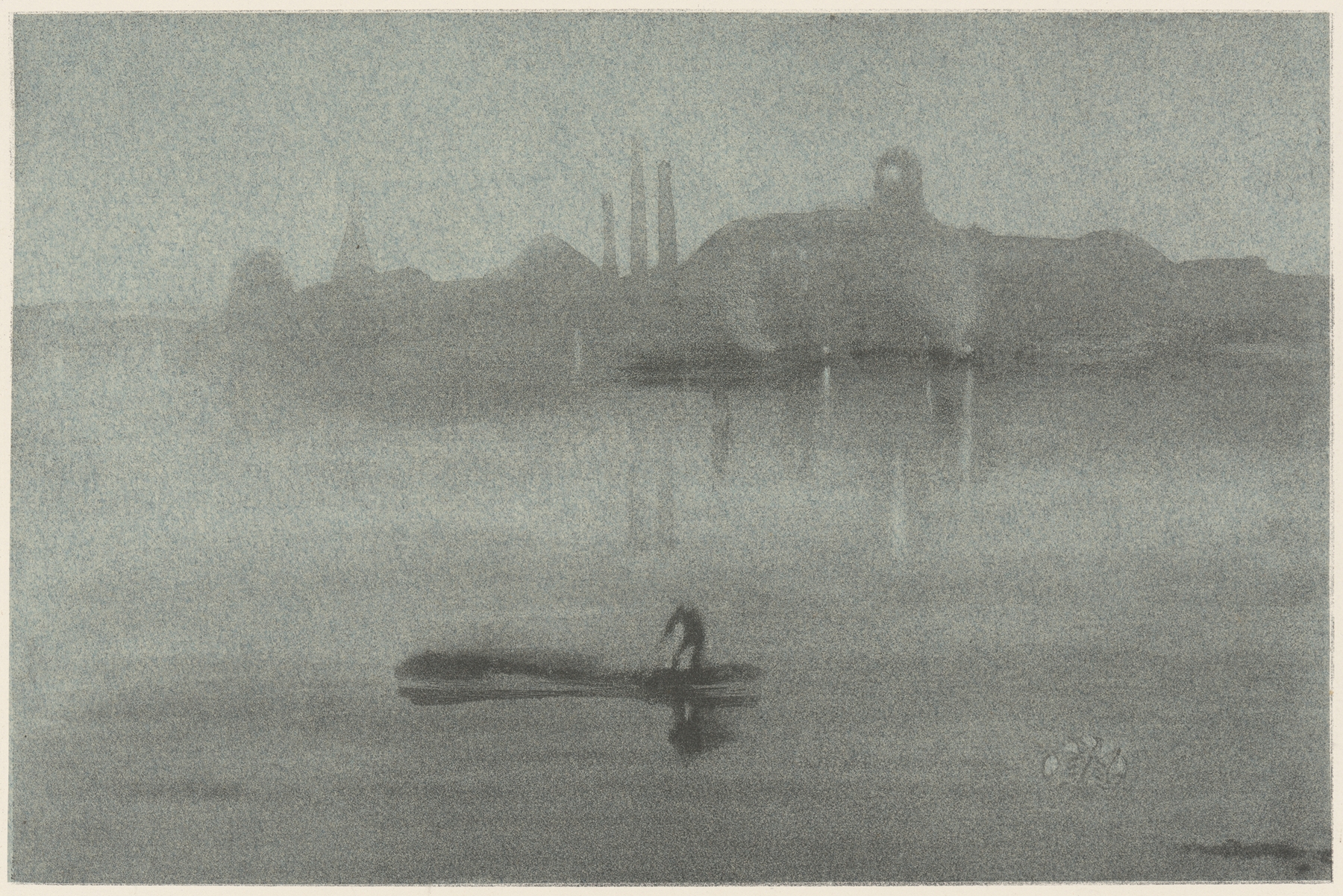
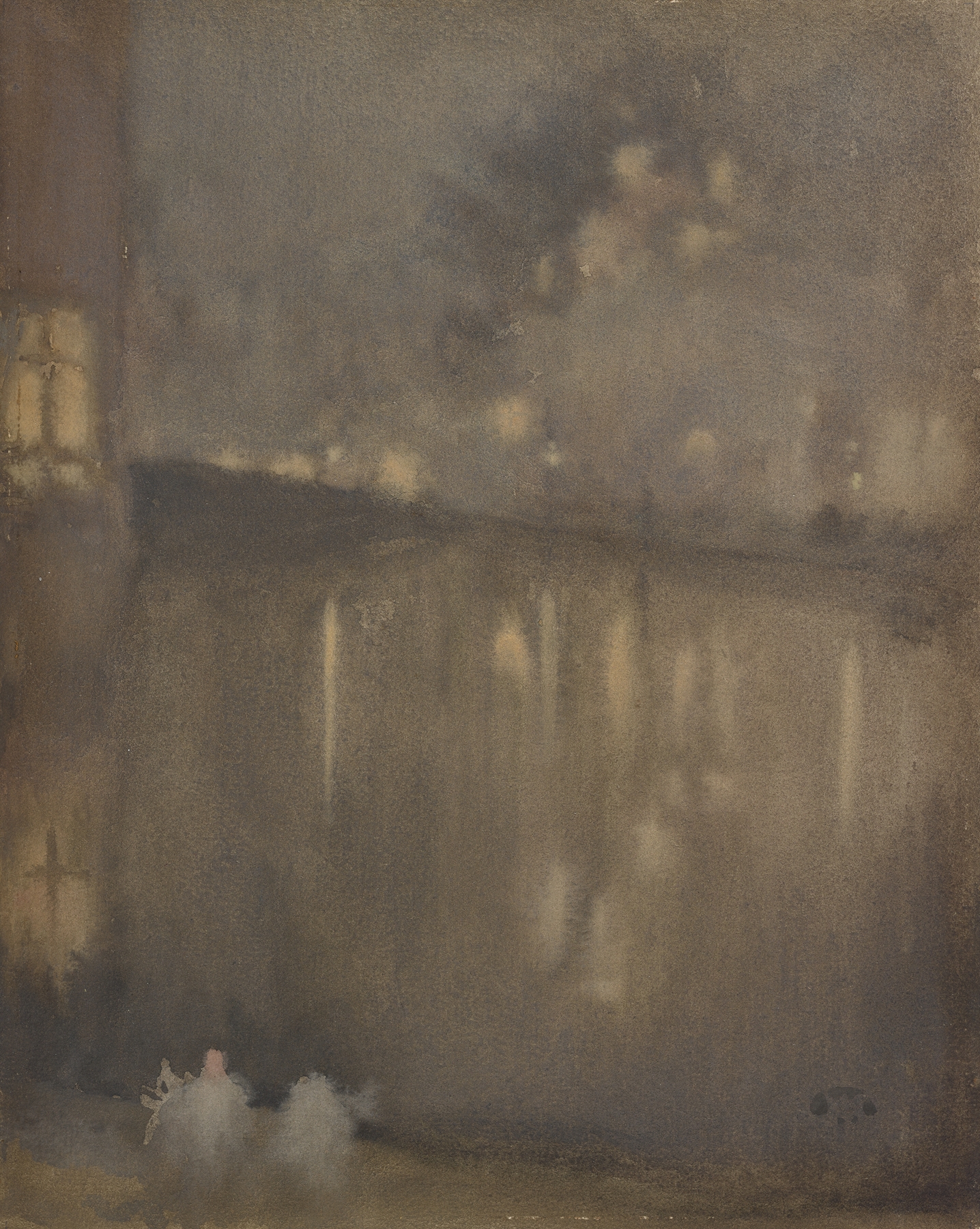
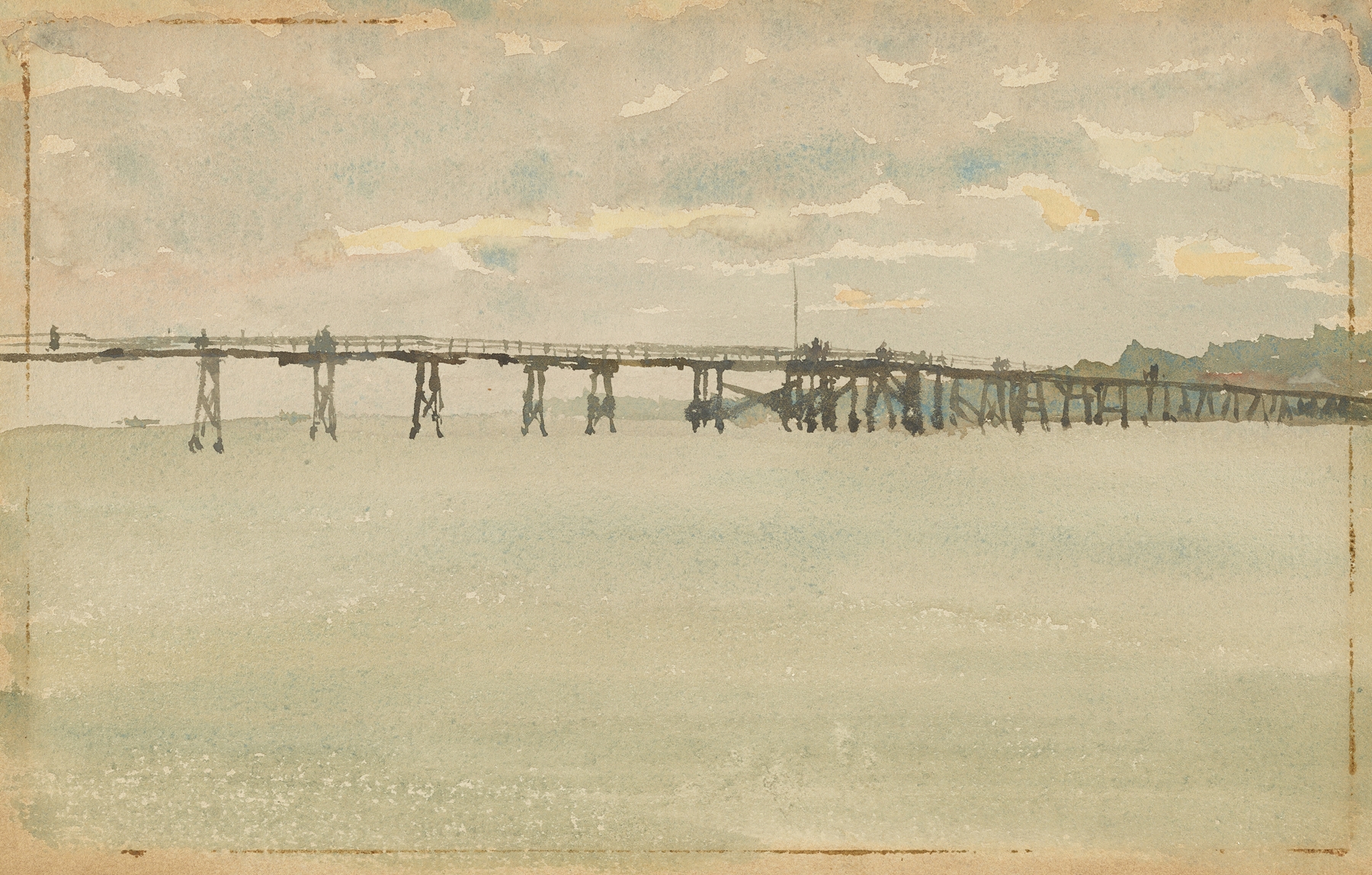
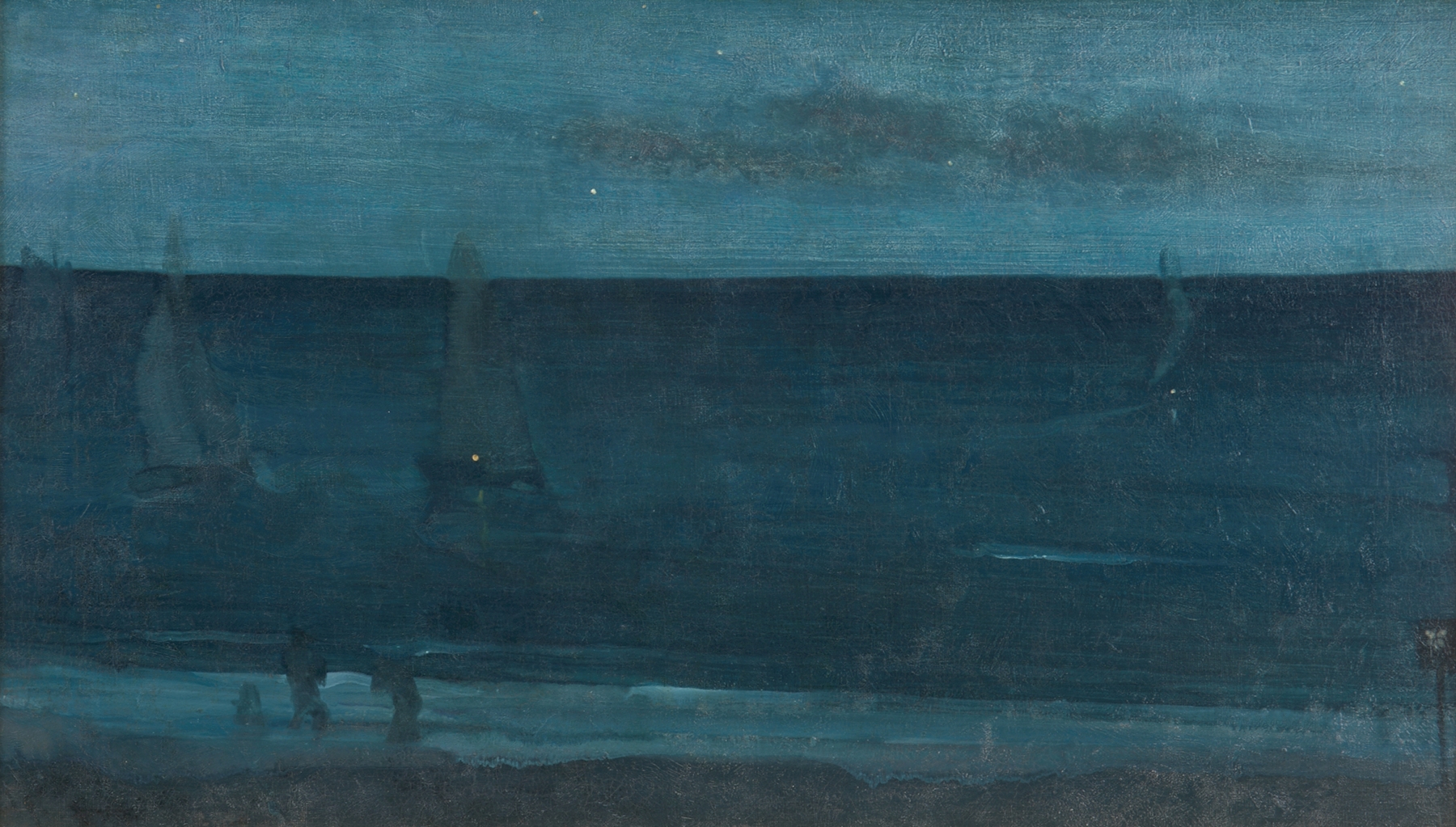
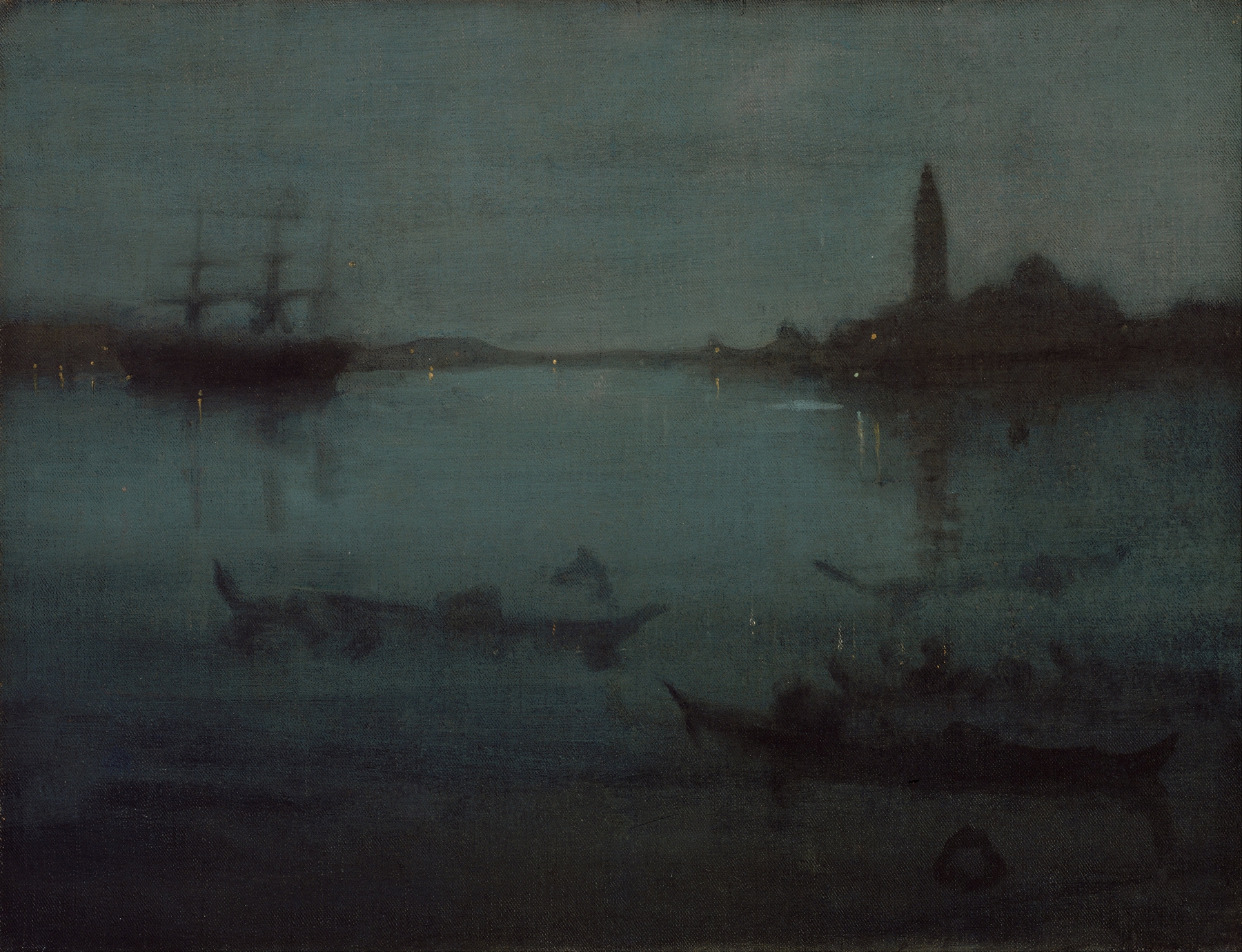
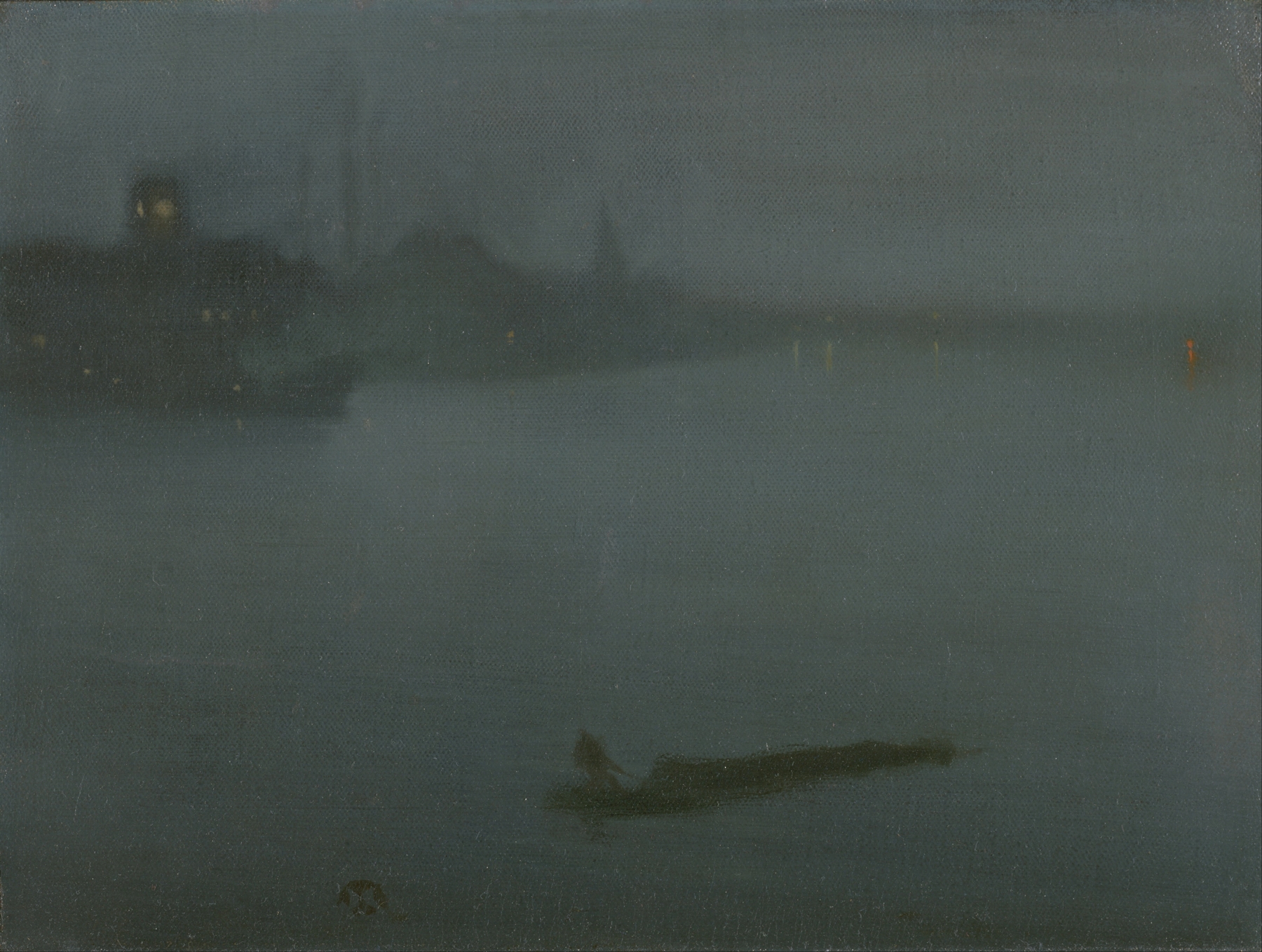
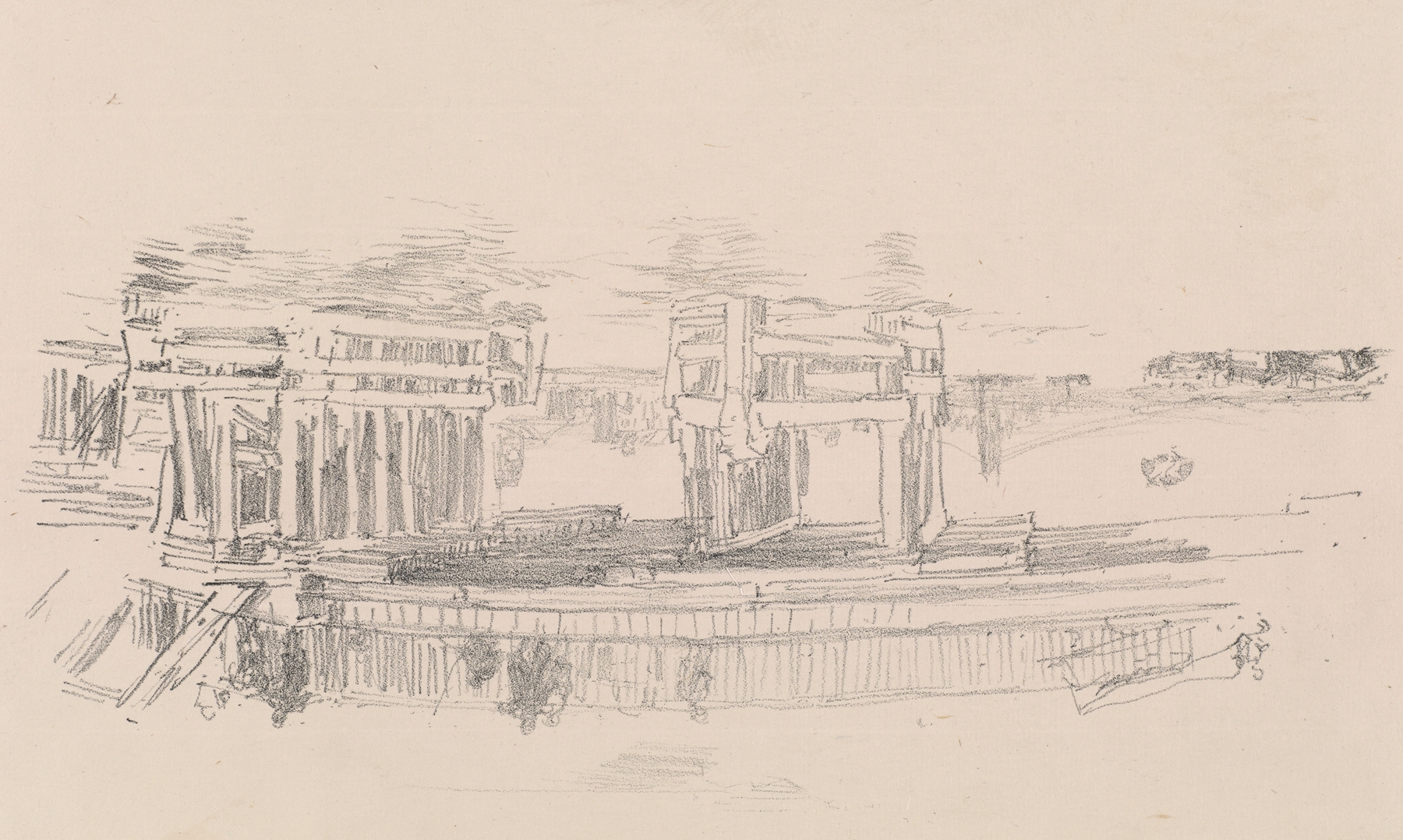
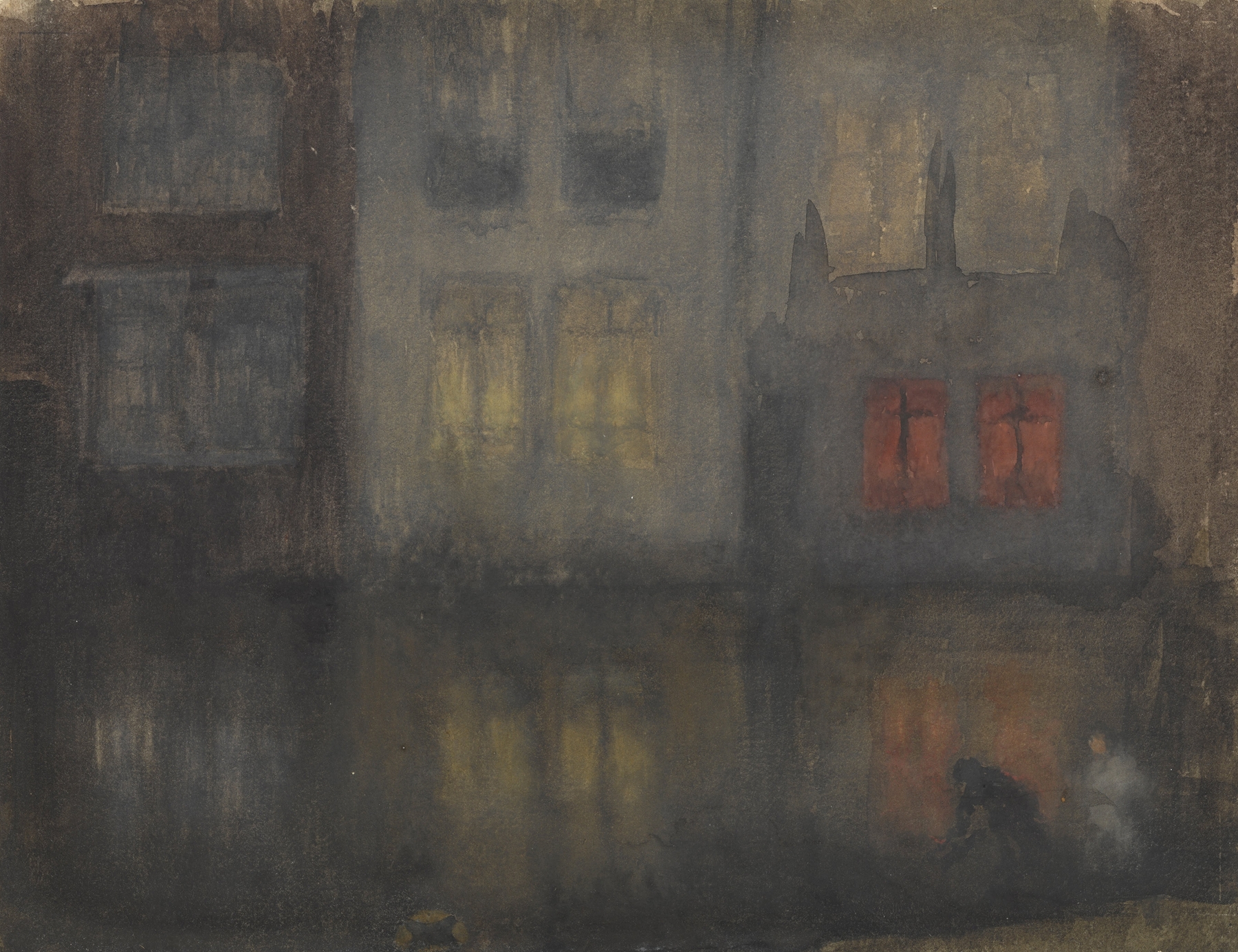
“To paint is to remember what time wants us to forget.” In the delicate brushstrokes of the late 19th century, memories intertwine with the ephemeral beauty of life, and art immortalizes moments that might otherwise fade away. Focus on the shimmering water, where hues of blue and gray dance together, capturing the fleeting reflections of boats and structures. The composition draws the eye toward the horizon, where the soft glow of twilight blurs the line between earth and sky. Notice how the muted palette evokes a sense of tranquility, a moment frozen in time, echoing the stillness of a harbor at dusk.
The play of light suggests an atmosphere drenched in nostalgia, as if each wave carries whispers of memories long past. Examining the intricate details, one finds a juxtaposition between movement and calm. The spectral silhouettes of boats suggest life bustling beneath the surface, while the serene sky holds a solemn stillness that envelops the scene. Whistler’s choice of color and light not only reflects the physical landscape of Venice but also evokes the emotional landscape of memory, hinting at the transient nature of beauty and existence.
This tension creates a profound contemplation on what it means to remember, wrapped in the veil of twilight. In the late 1870s, Whistler was living in Paris, immersed in the avant-garde movements of the time. Venice Harbor was completed between 1879 and 1880, during a period when he was exploring the tonal harmony of color, influenced by Japanese aesthetics and the rise of Impressionism. This work formed part of his broader investigation into the interplay of light and color, reflecting both personal experiences and the shifting tides of the art world.