Verschneite Waldlandschaft — History & Analysis
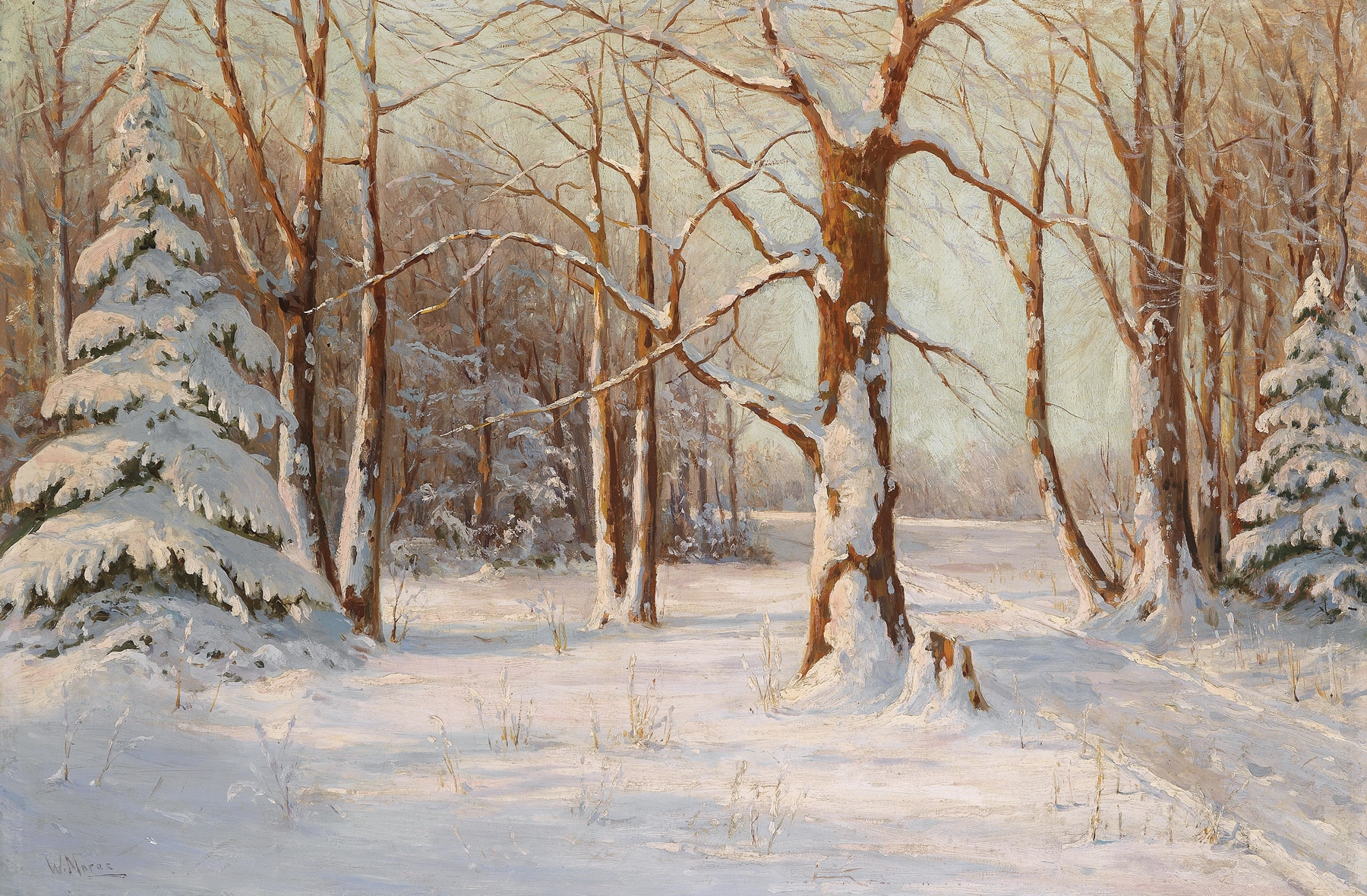
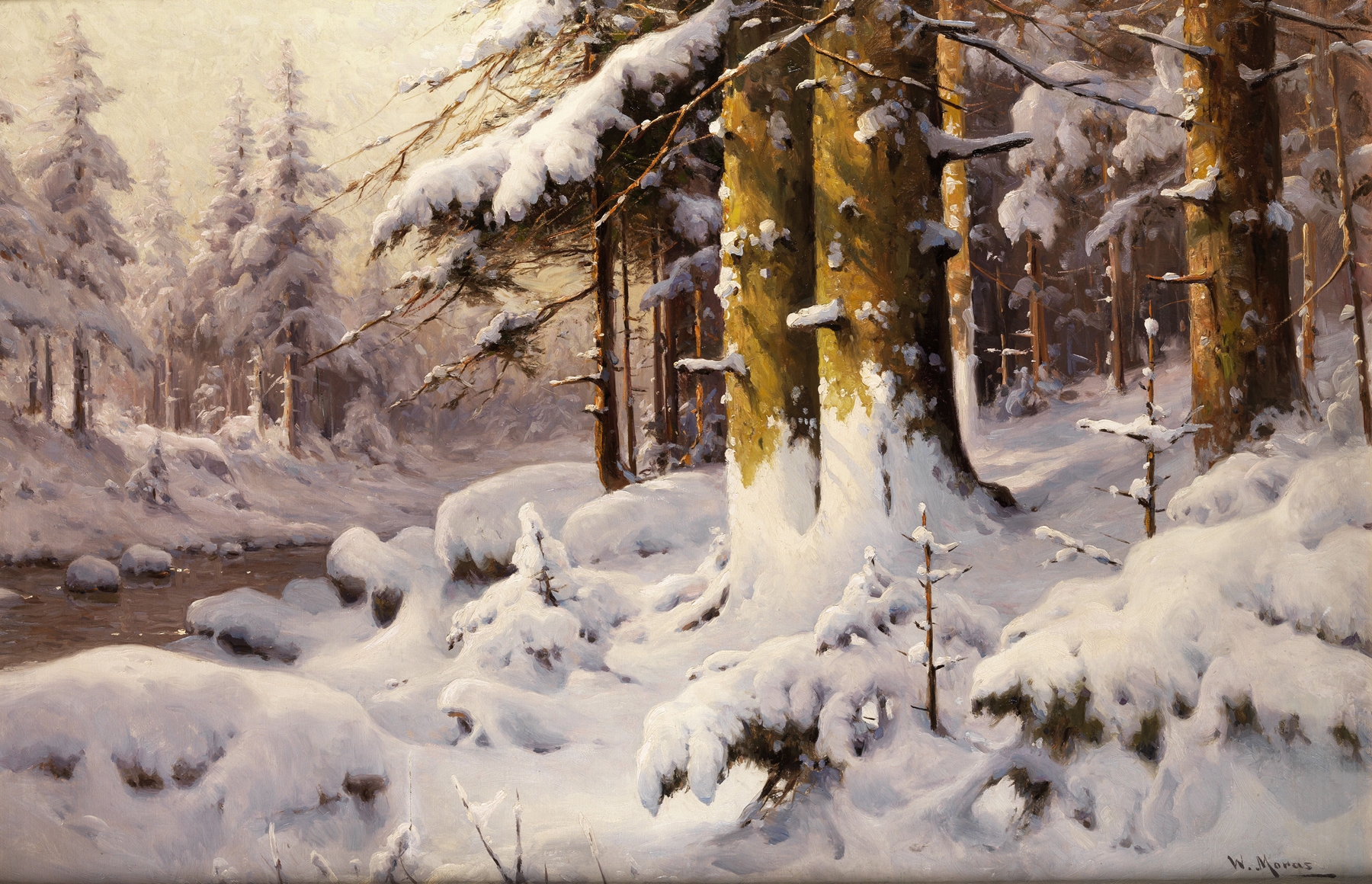
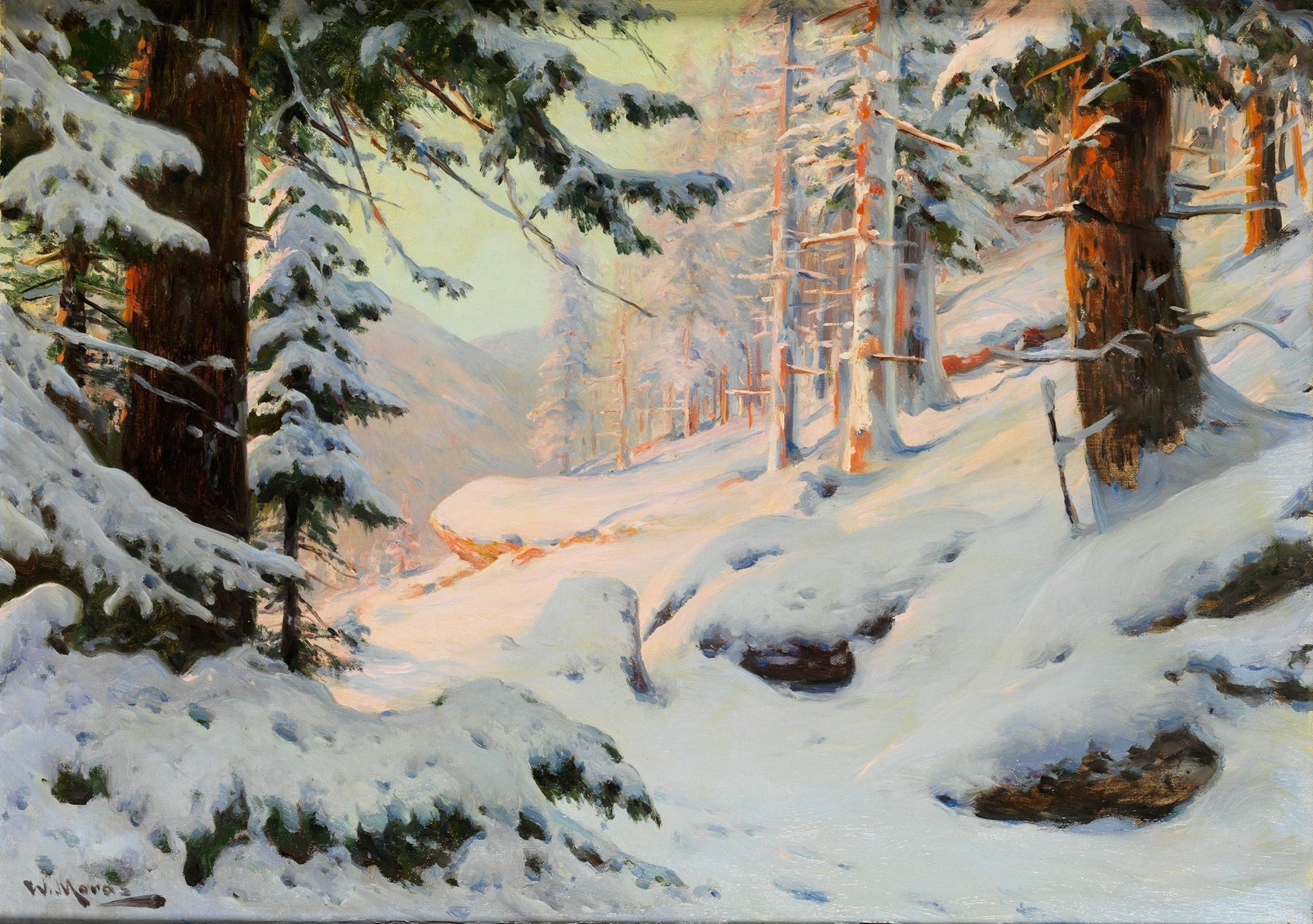
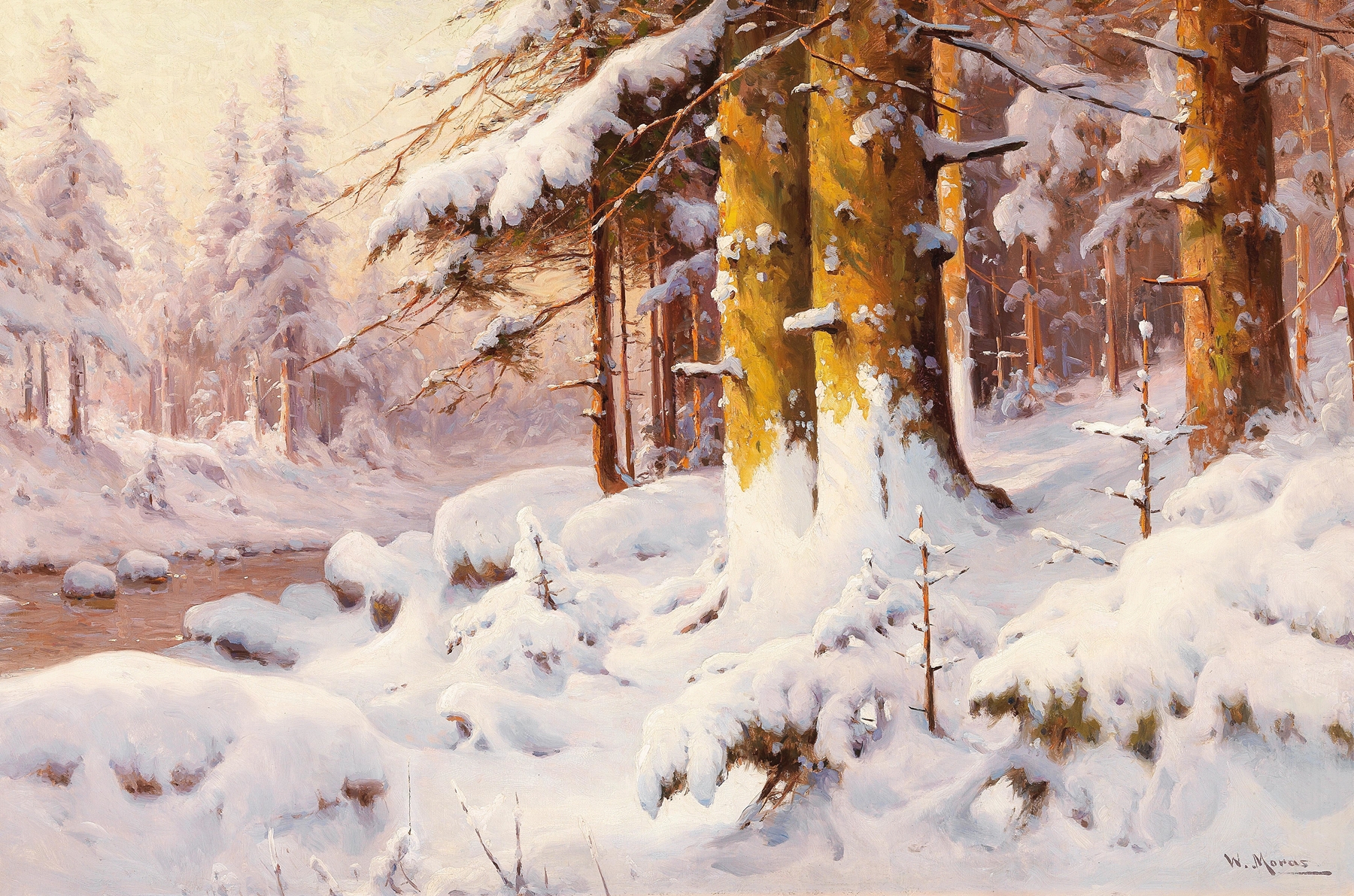
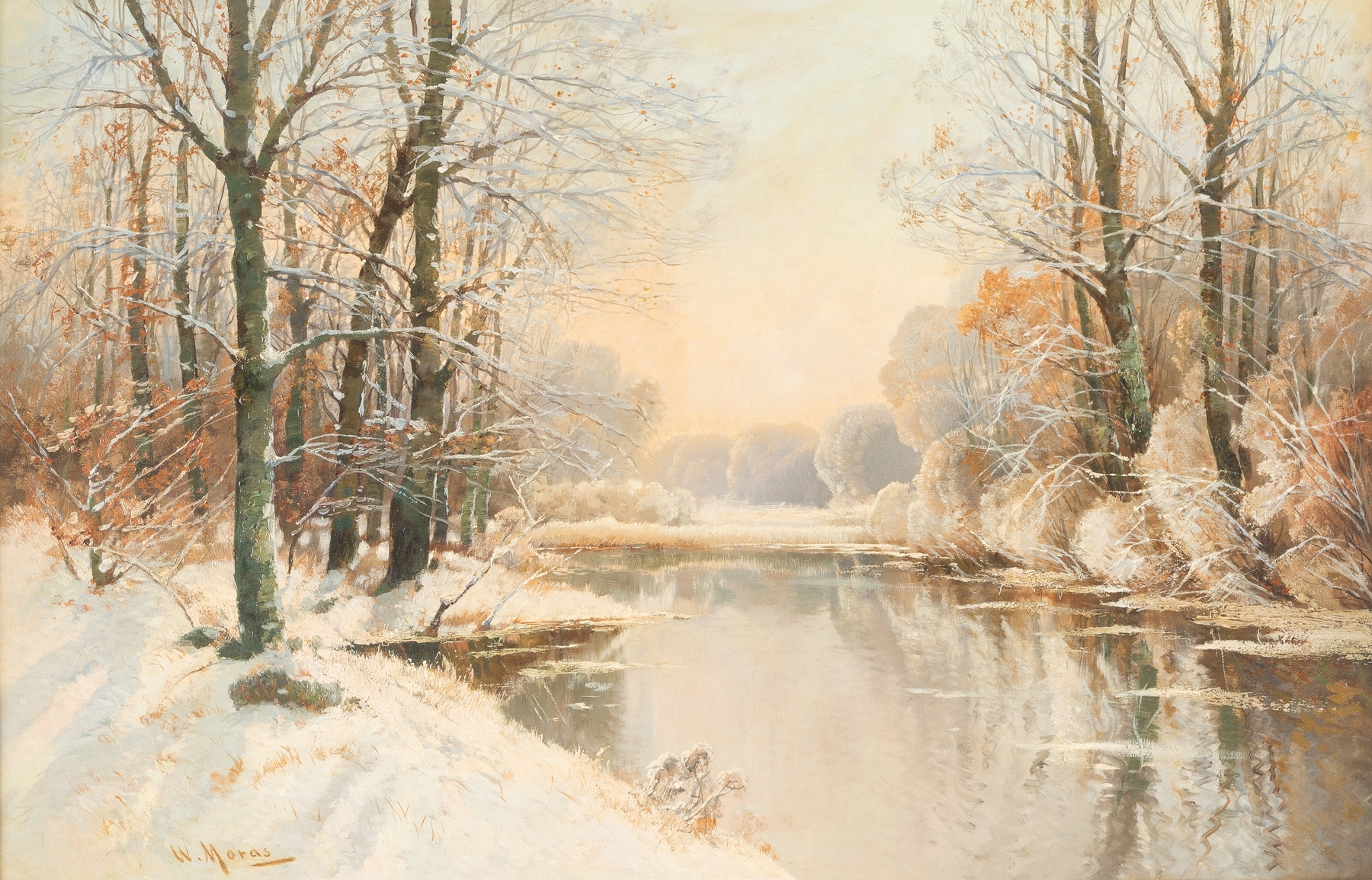
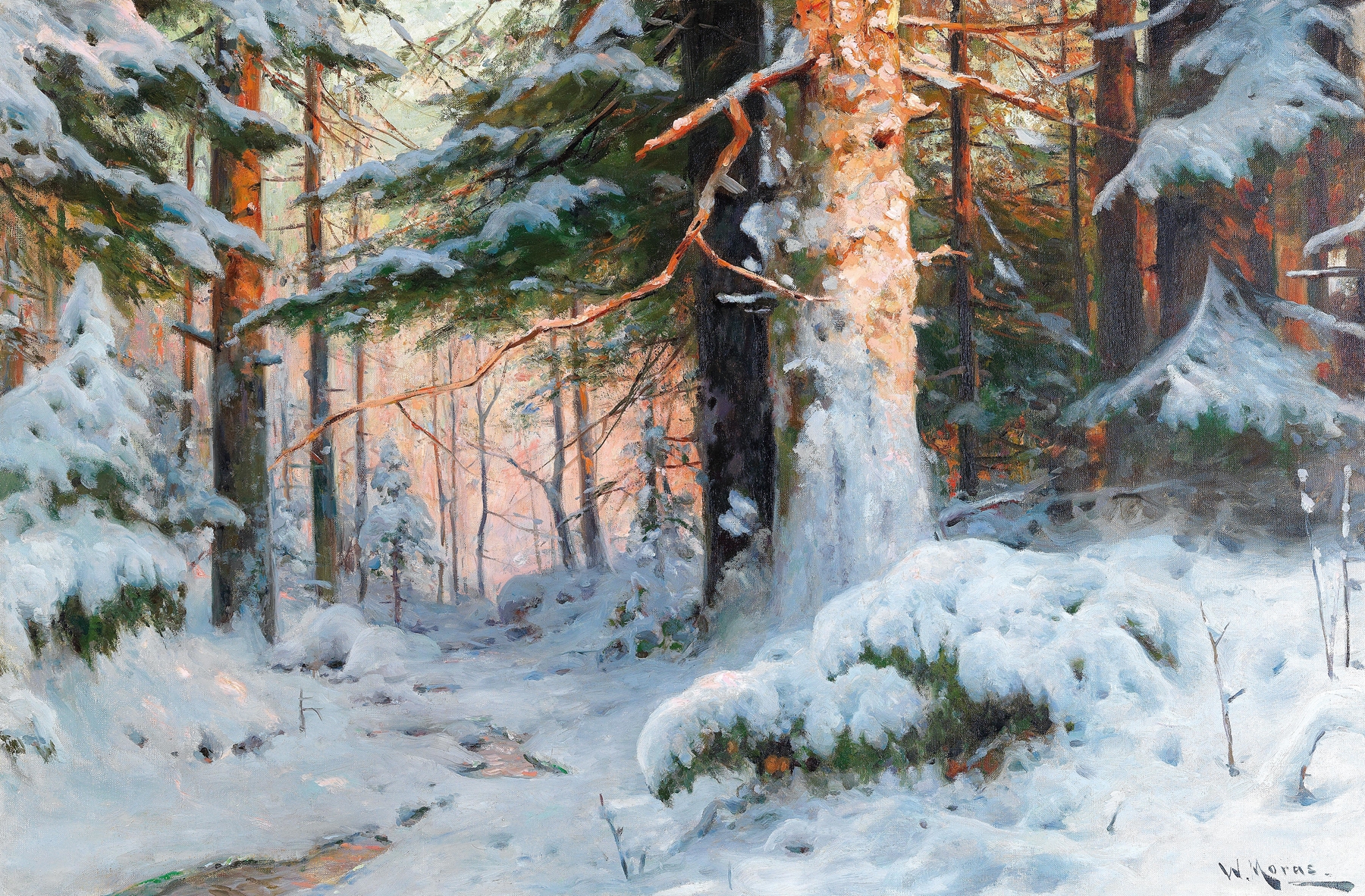
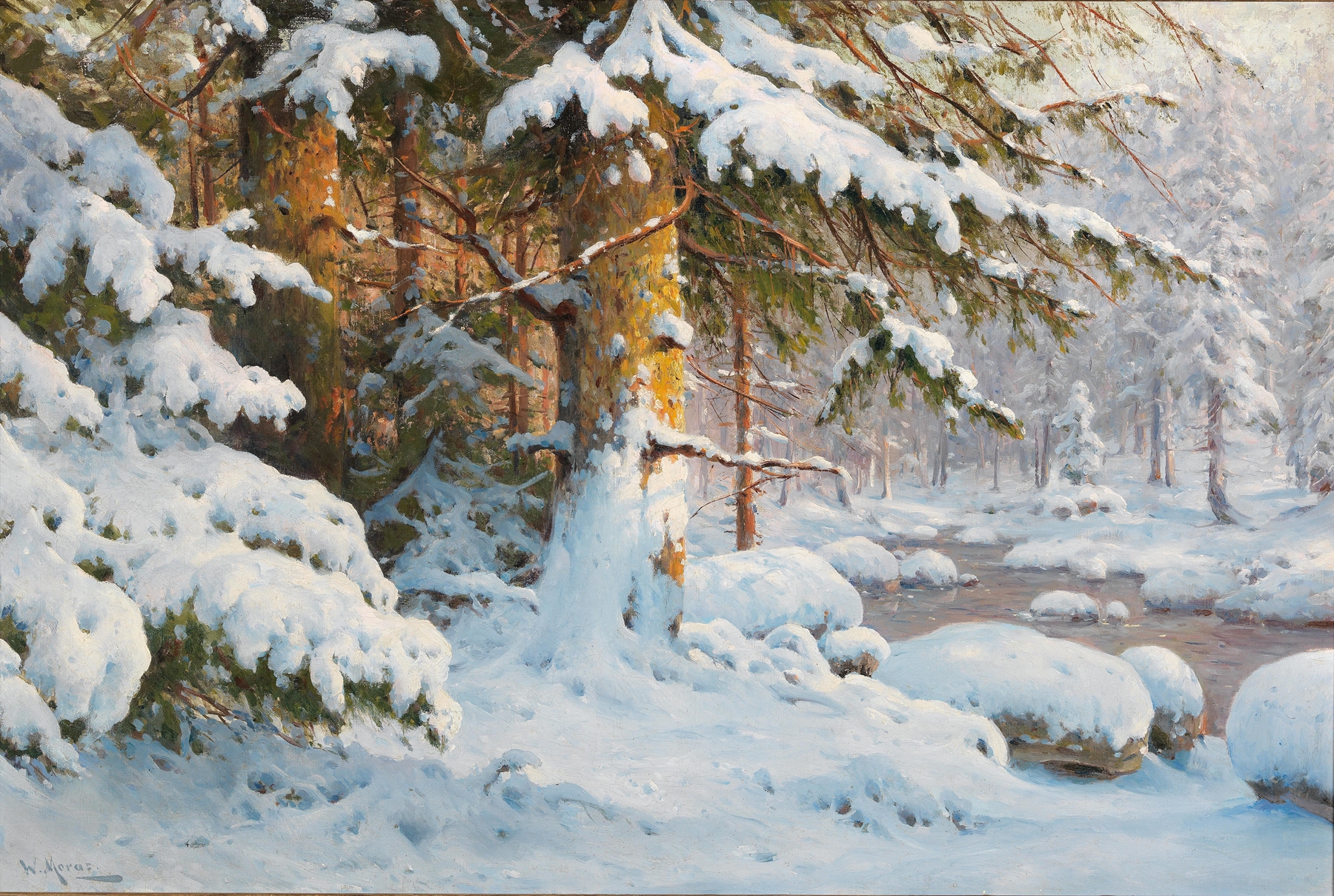
“The canvas doesn’t lie — it simply waits.” In the hushed stillness of a snow-laden forest, memories linger like the gentle flakes that drift softly from above, each one carrying a whisper of the past. This scene evokes a powerful nostalgia, beckoning us to reflect on the fleeting moments of serenity that life often offers. Look to the foreground at the delicate interplay of pure white snow and the deep greens of the evergreens. The artist meticulously renders the intricate details of each branch, their weight bowed under the snow’s embrace. Notice how the light filters through the trees, casting a soft glow that highlights the crispness of the cold air, almost inviting you to step into this tranquil world.
The contrasting colors and textures conjure an atmosphere that resonates with both warmth and chill, a beautiful dichotomy that holds the viewer captive. Beneath the surface, the composition speaks volumes about solitude and reflection. The quietude of the forest suggests a pause in time, allowing for introspection amidst nature's stark beauty. The absence of human presence heightens this sentiment; it’s as if the landscape itself is a guardian of cherished memories and unspoken stories.
Here, nostalgia dances with longing, reminding us of the simplicity of untouched moments. In 1919, Verschneite Waldlandschaft emerged during a transformative period for Walter Moras, as Europe was grappling with the aftermath of World War I. Moras, a prominent painter of the German impressionist movement, sought solace in nature, reflecting the desire for peace and tranquility amid turmoil. His work during this time was marked by a deep connection to the landscape, revealing a yearning for harmony in a world that had been so profoundly unsettled.