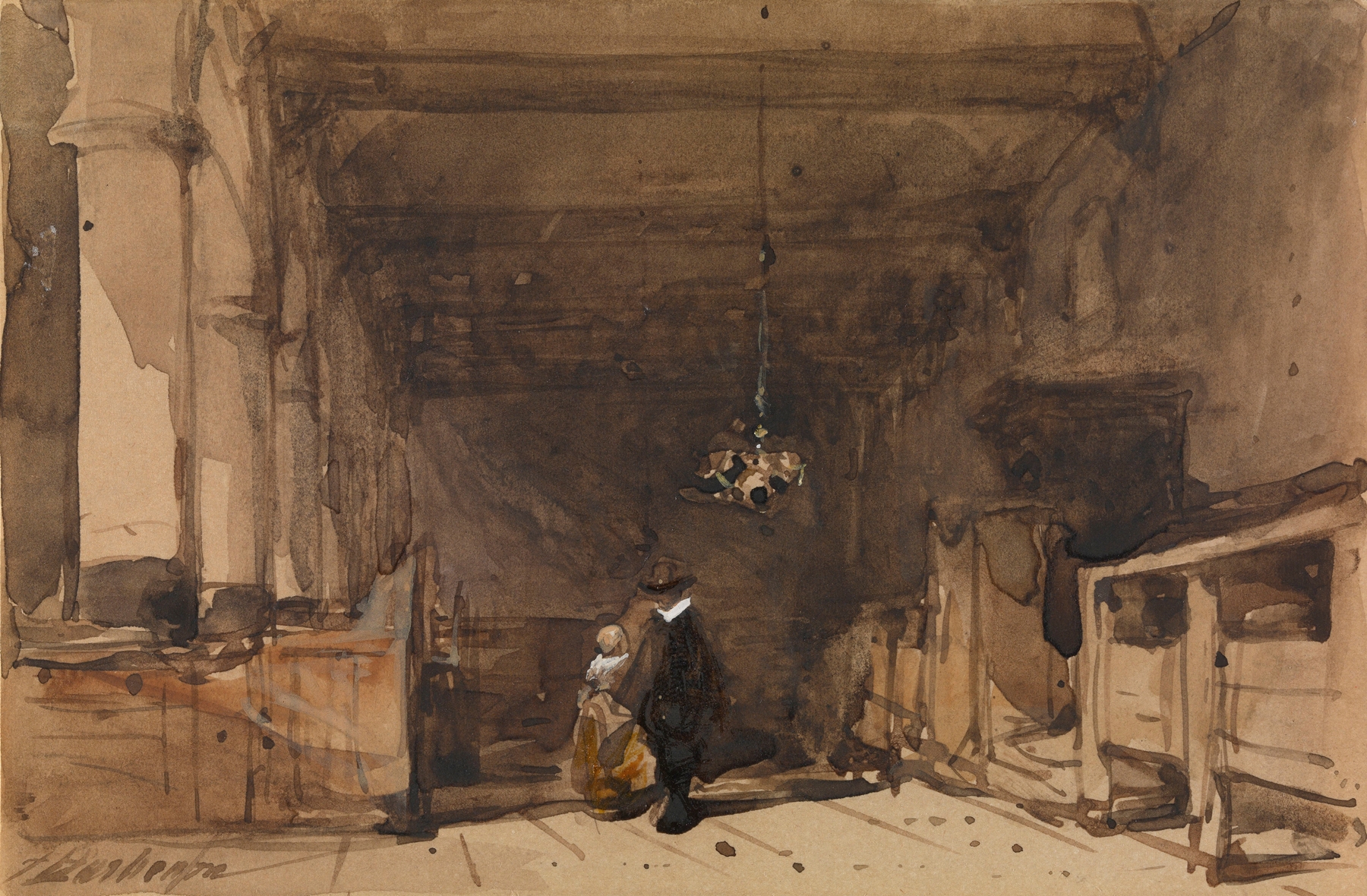
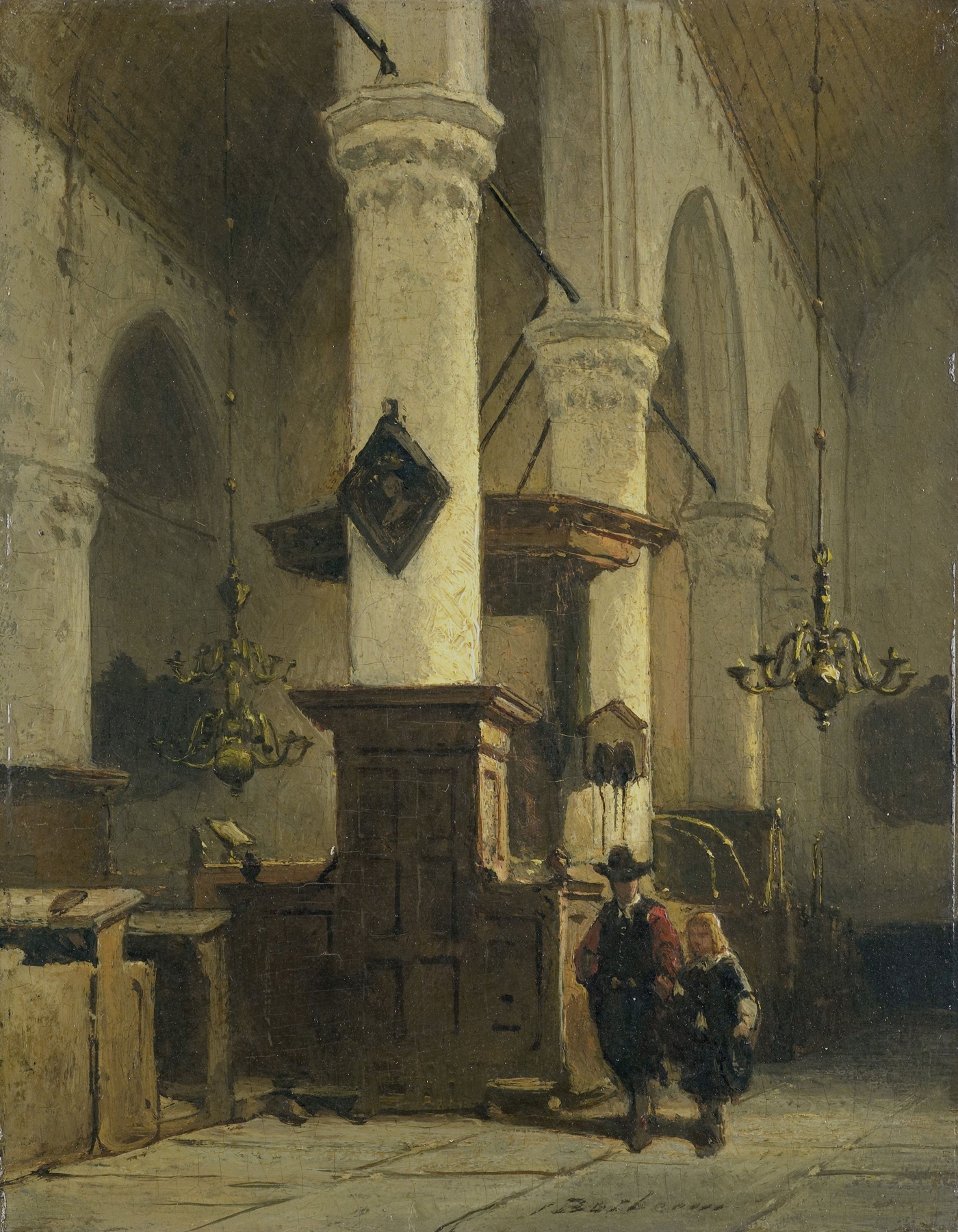
Vestry of the Church of St Stephen in Nijmegen — History & Analysis
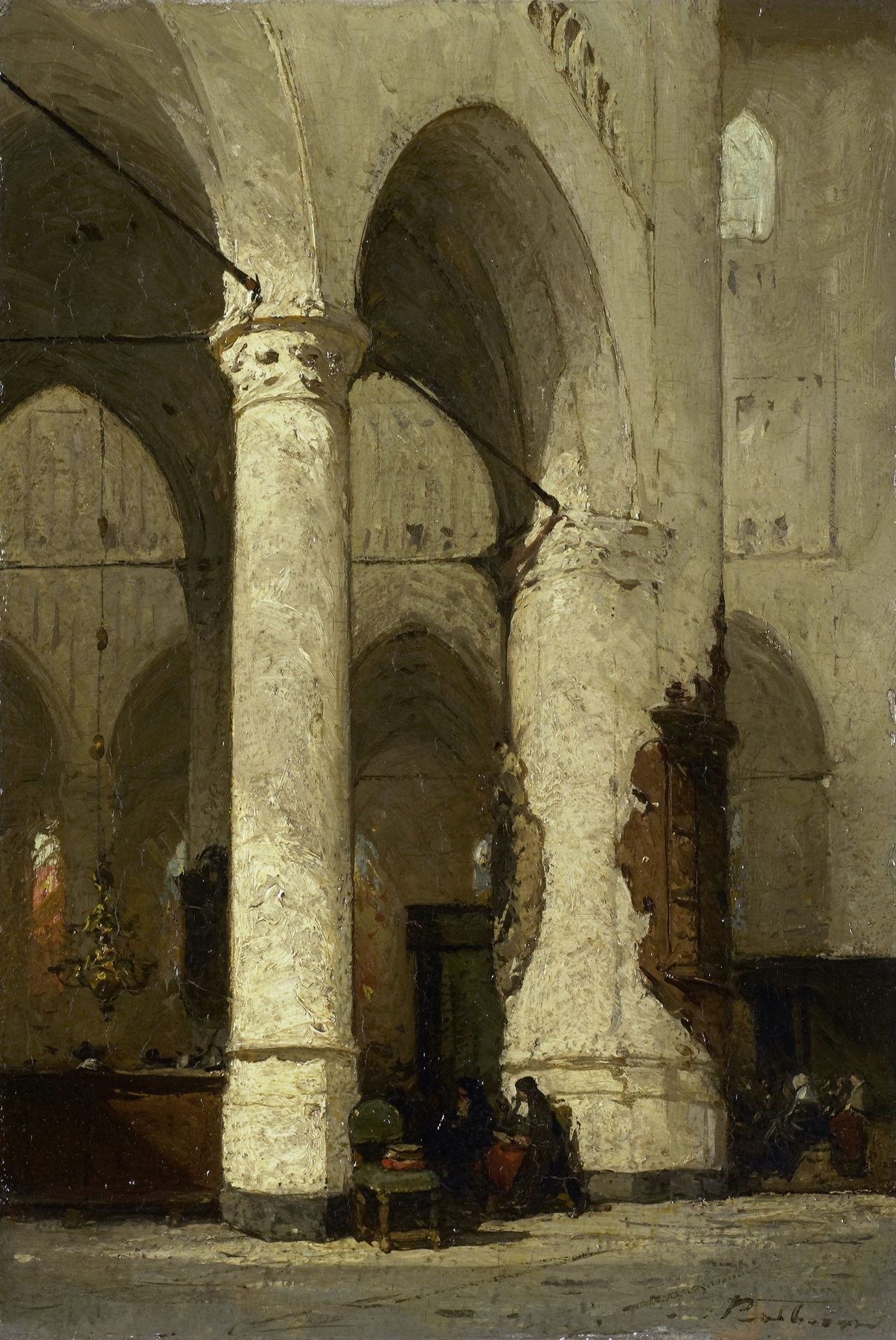
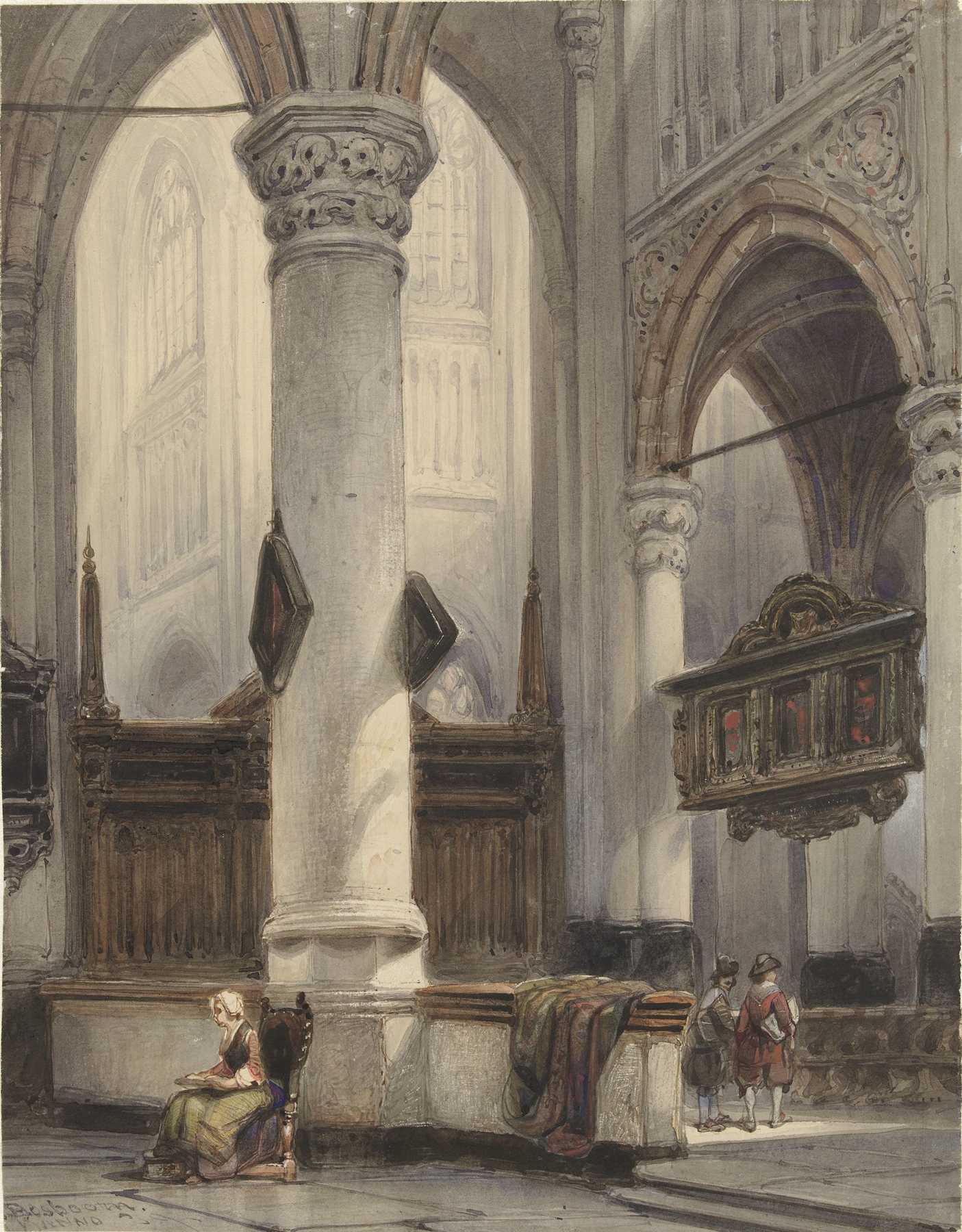
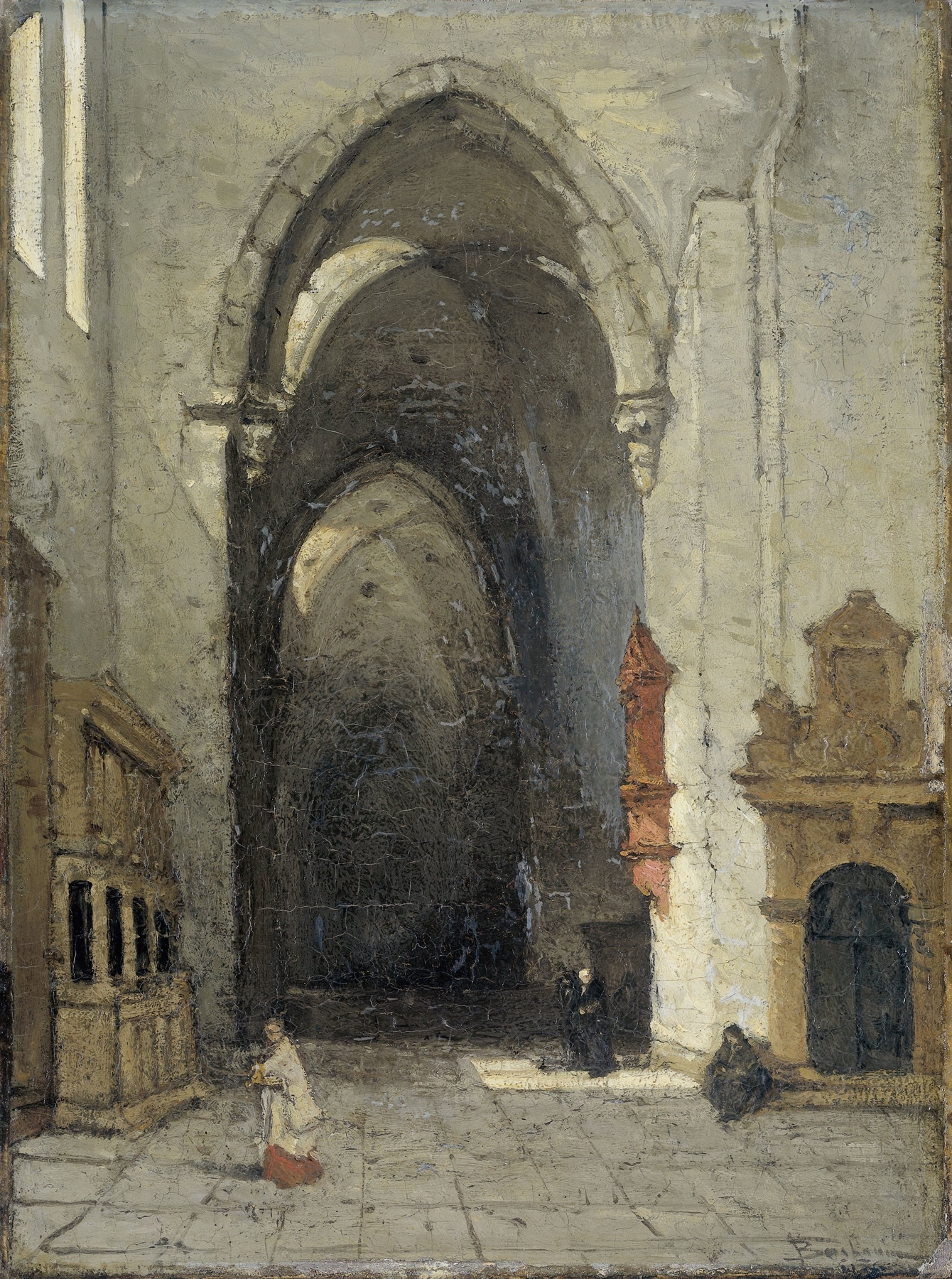
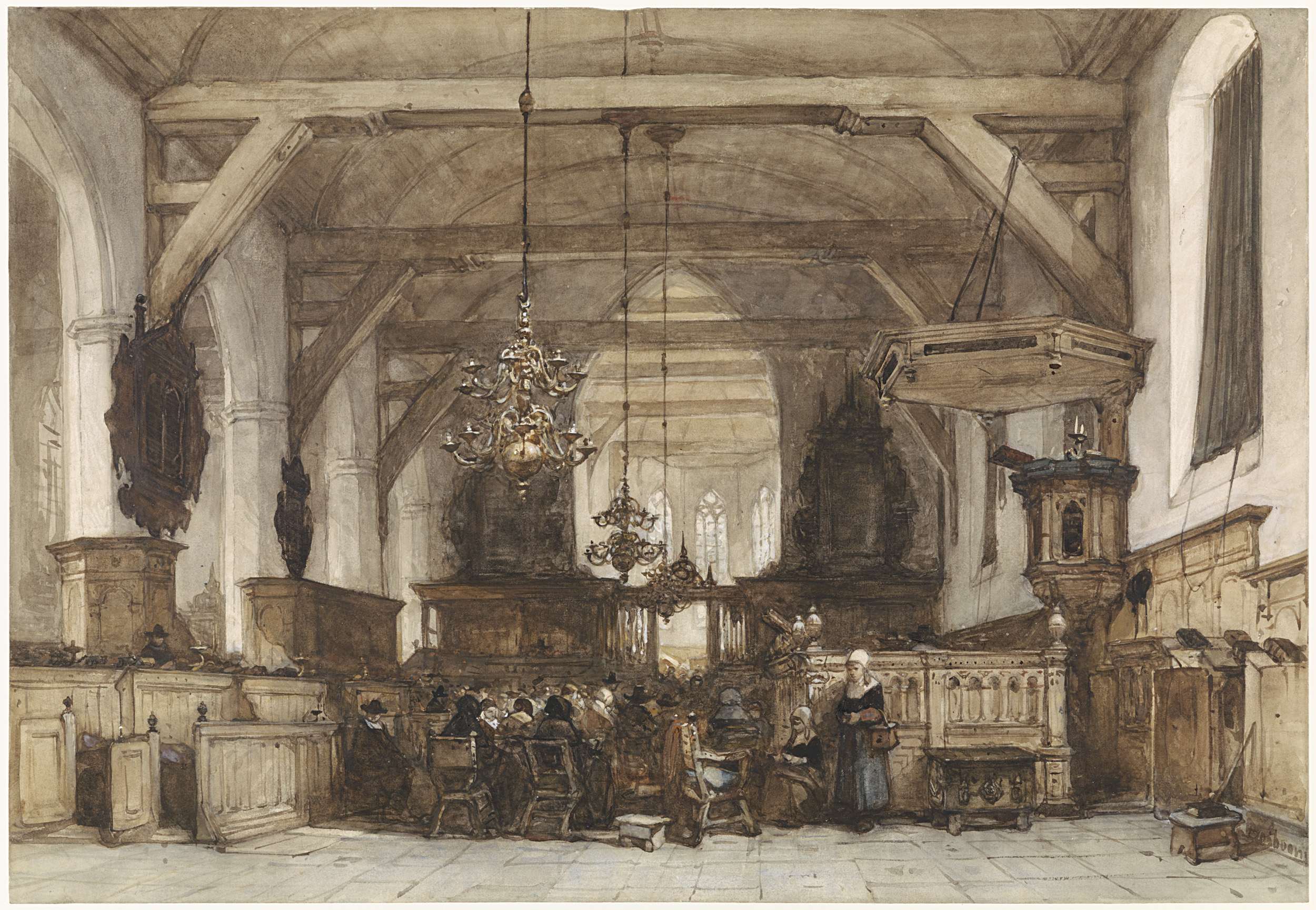
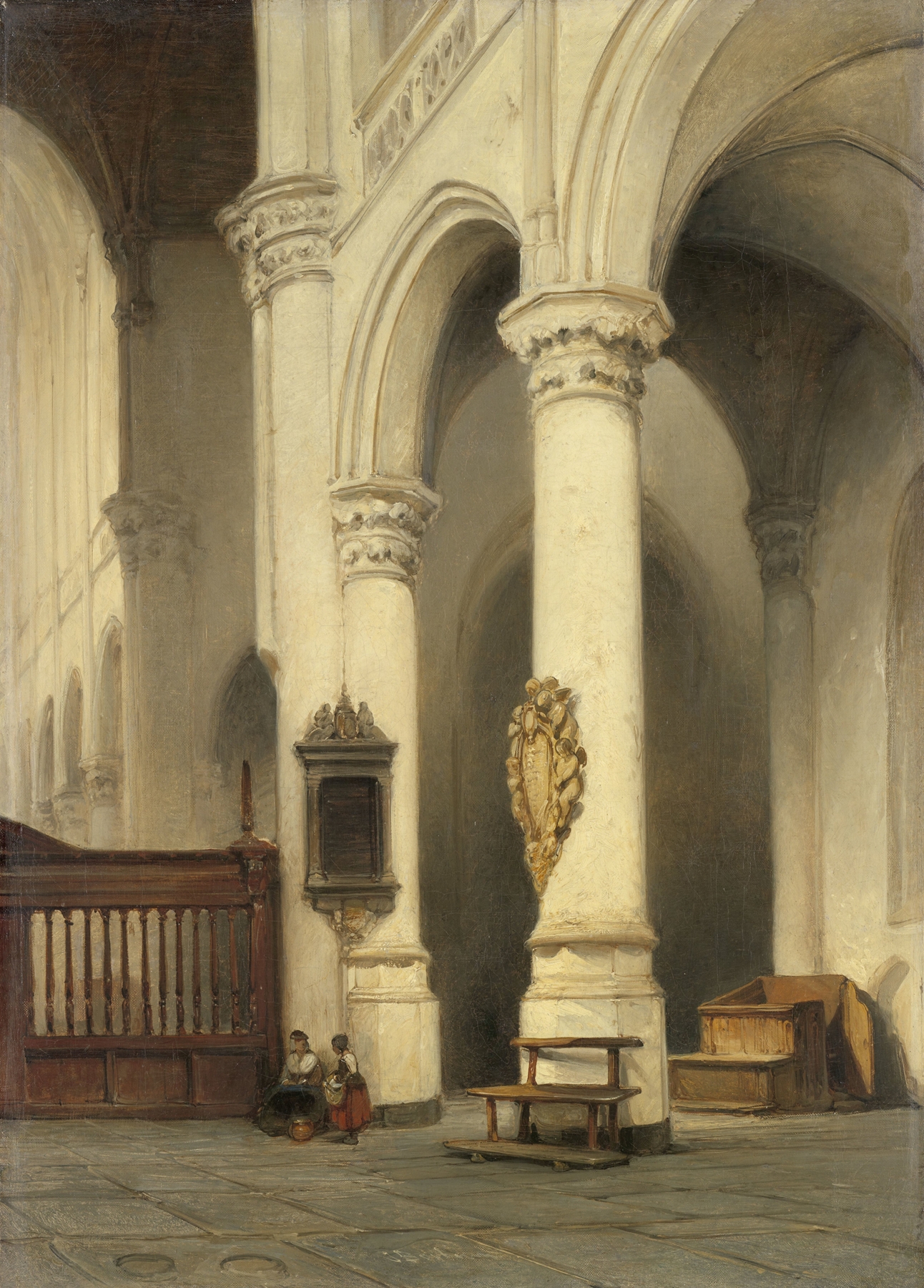
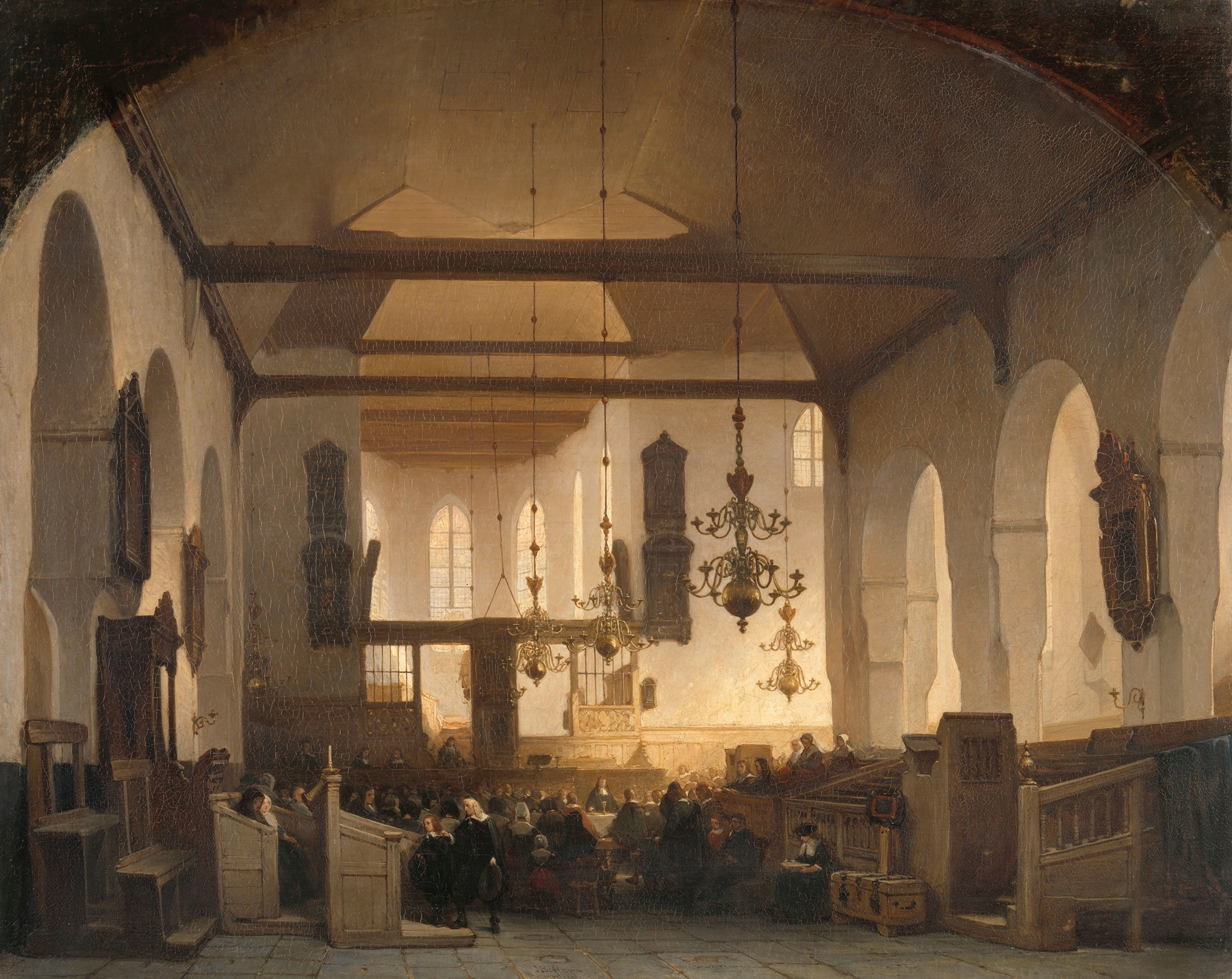
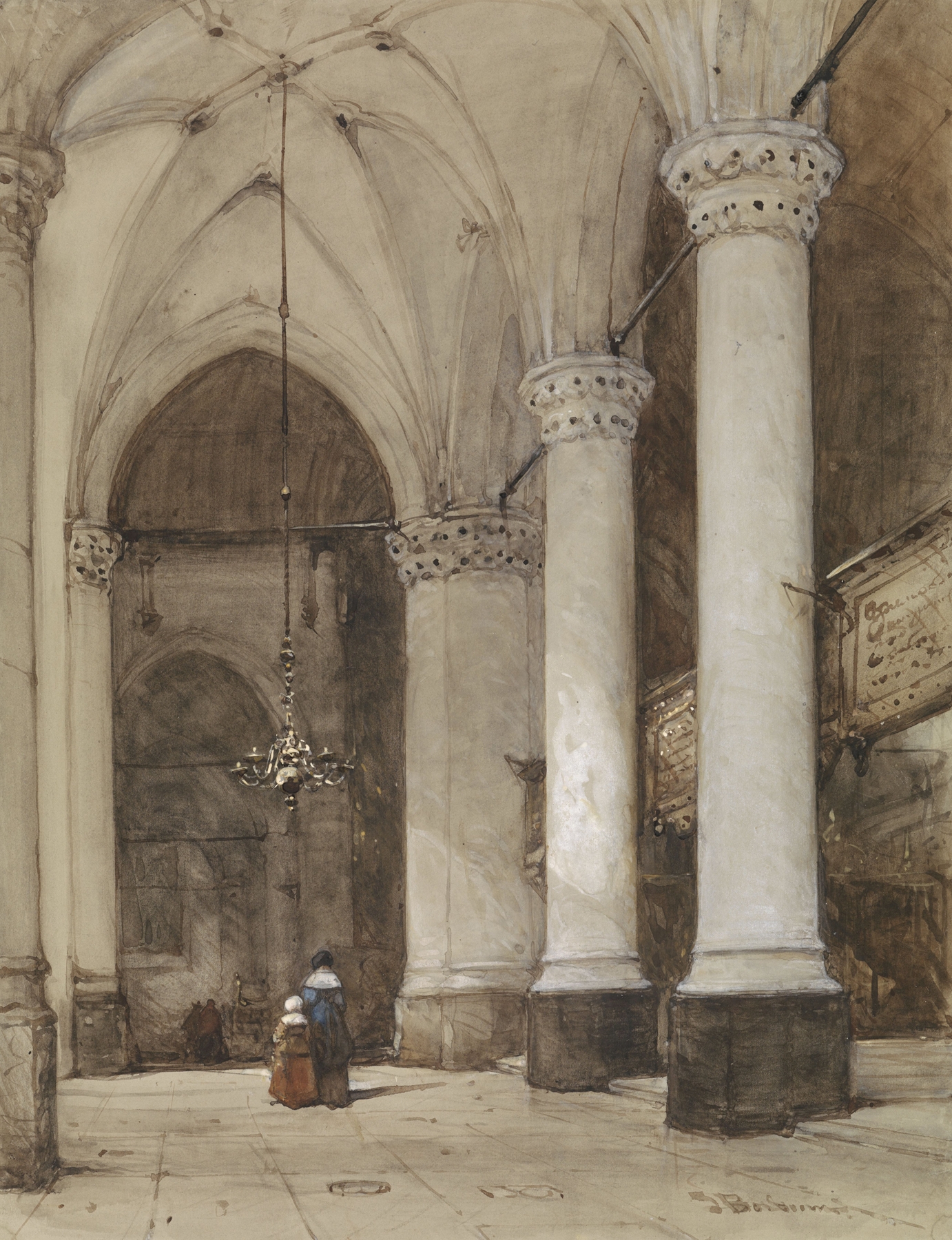
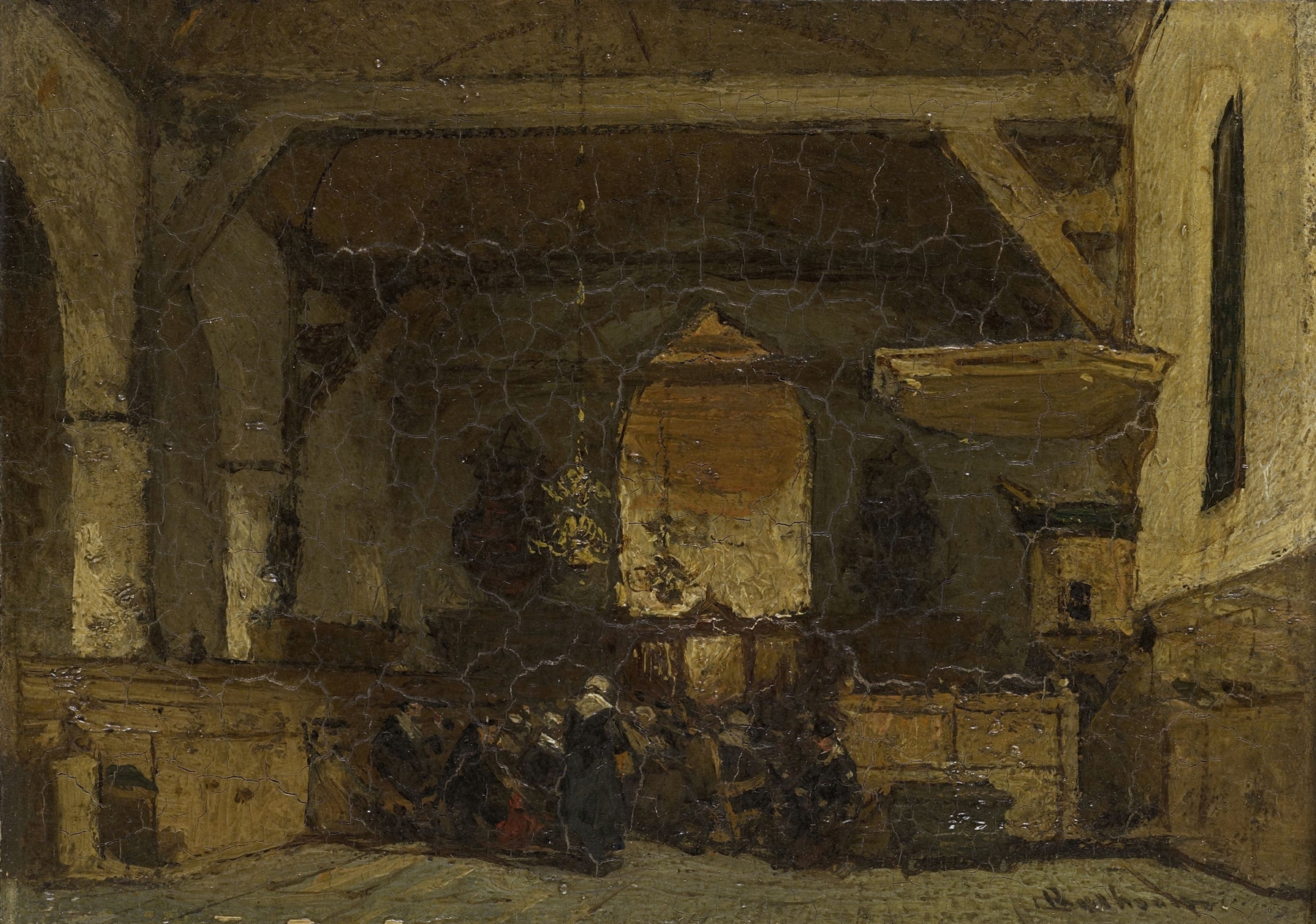
“Sometimes beauty is just pain, disguised in gold.” This sentiment resonates deeply within the intricate layers of time captured in a moment, urging us to explore the delicate interplay between the sacred and the ephemeral. Begin your gaze at the light streaming through the stained glass windows, casting vibrant hues of crimson and emerald across the vestry. Notice how the artist’s brushwork transforms ordinary materials into a tapestry of texture and depth, directing your attention to the worn wooden pews that bear the weight of countless prayers. The warm glow of the interior contrasts with the cool shadows lurking in the corners, inviting contemplation amidst the sanctity of the space.
Within this serene setting, hidden meanings unfold. The juxtaposition of the vibrant colors and the muted tones evokes the passage of time, suggesting that beauty, while captivating, can be laden with sorrow and loss. The careful arrangement of objects — a solitary candle, a well-used hymn book — hints at the stories left untold, of lives intertwined with faith and fleeting moments.
This vestry is not merely a background; it is a silent witness to human experience, forever marked by the sacred rituals that have taken place within its walls. Johannes Bosboom painted this scene between 1850 and 1891 while residing in the Netherlands, during a period marked by a revival in interest for Gothic architecture and ecclesiastical subjects. His works reflect the profound connection between the physical and spiritual realms, and during this time, he navigated a flourishing Dutch art scene influenced by both Romanticism and Realism, carving out a niche that celebrated the beauty of sacred spaces.