Via Cassia bei Rom — History & Analysis
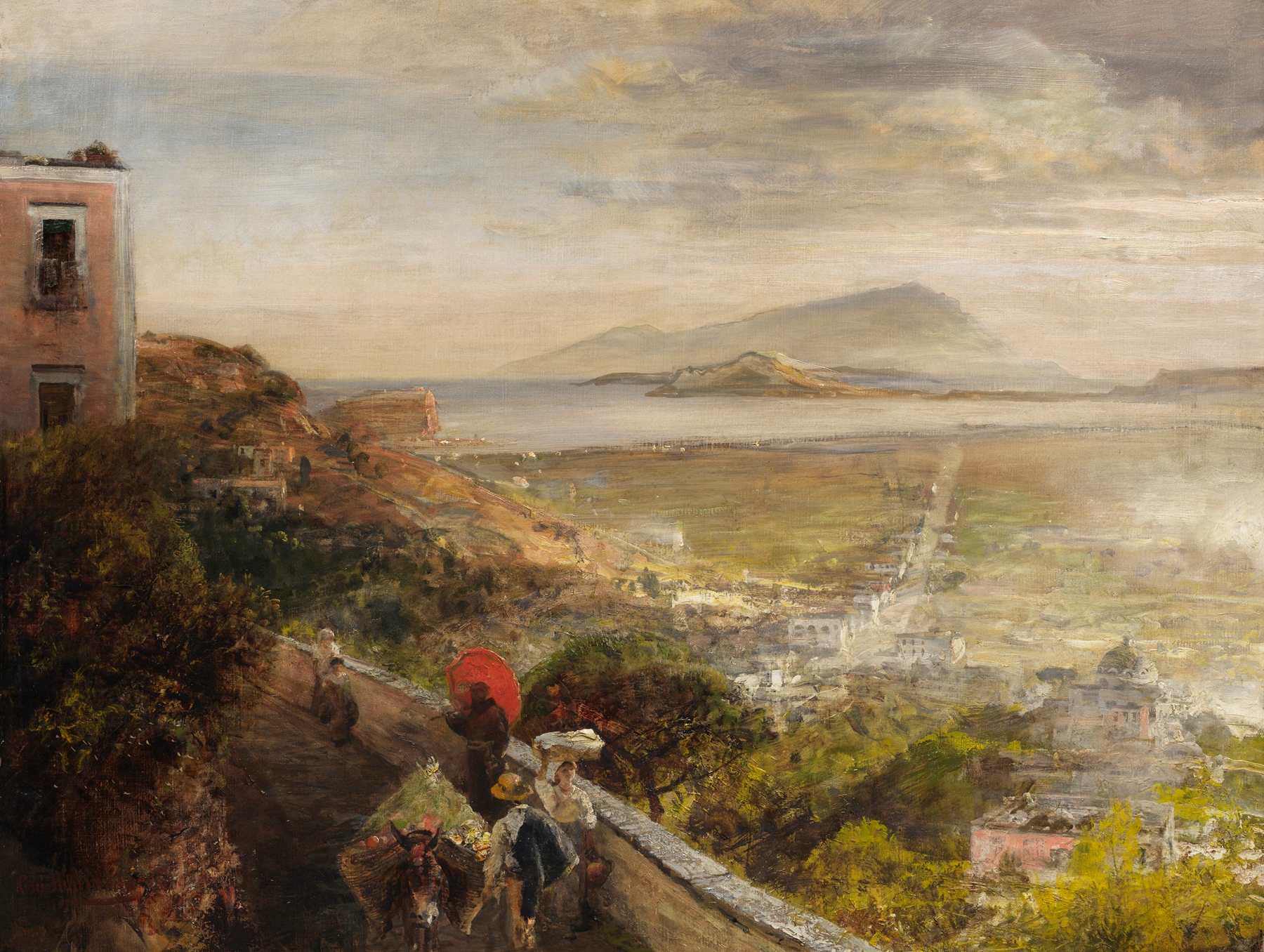
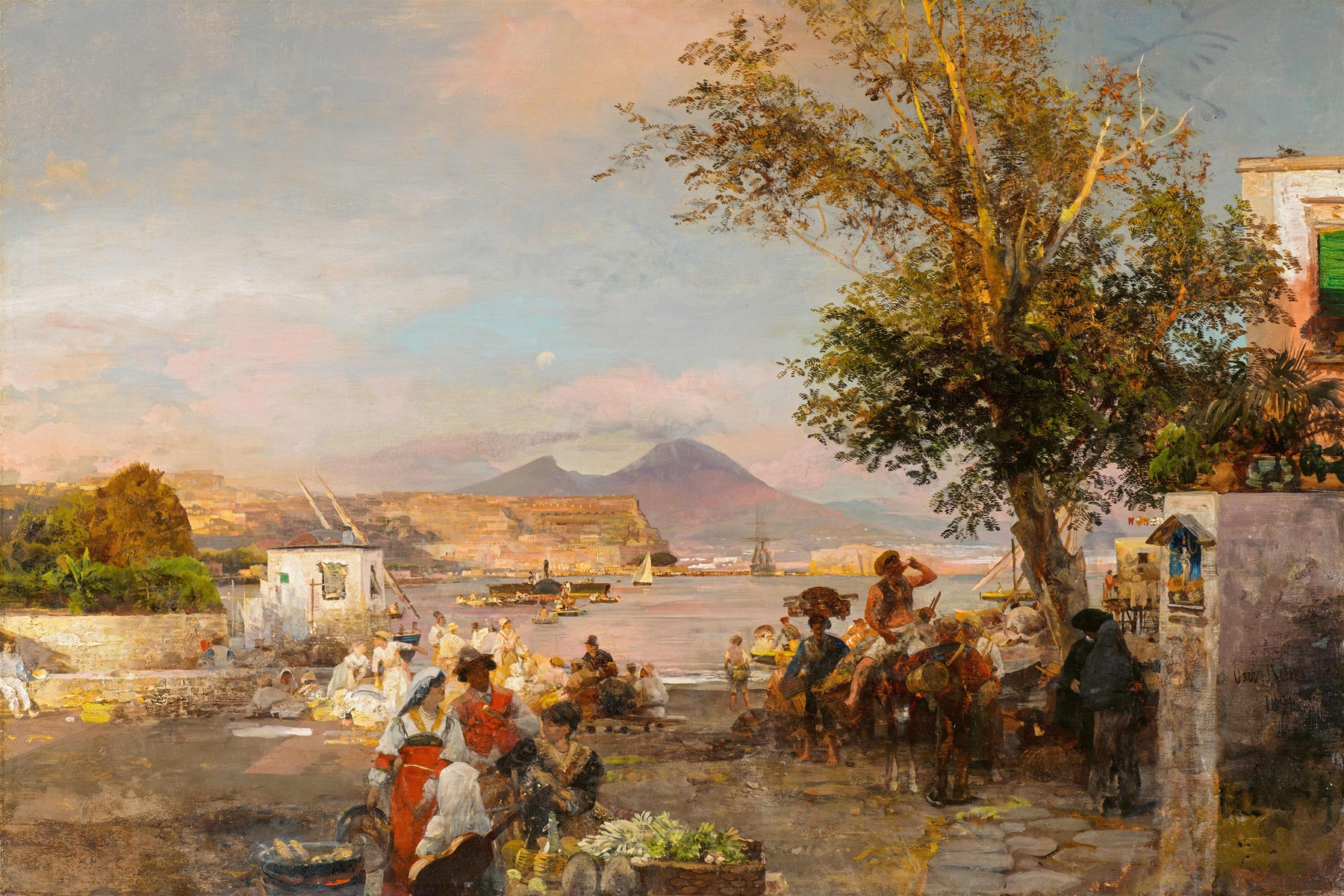
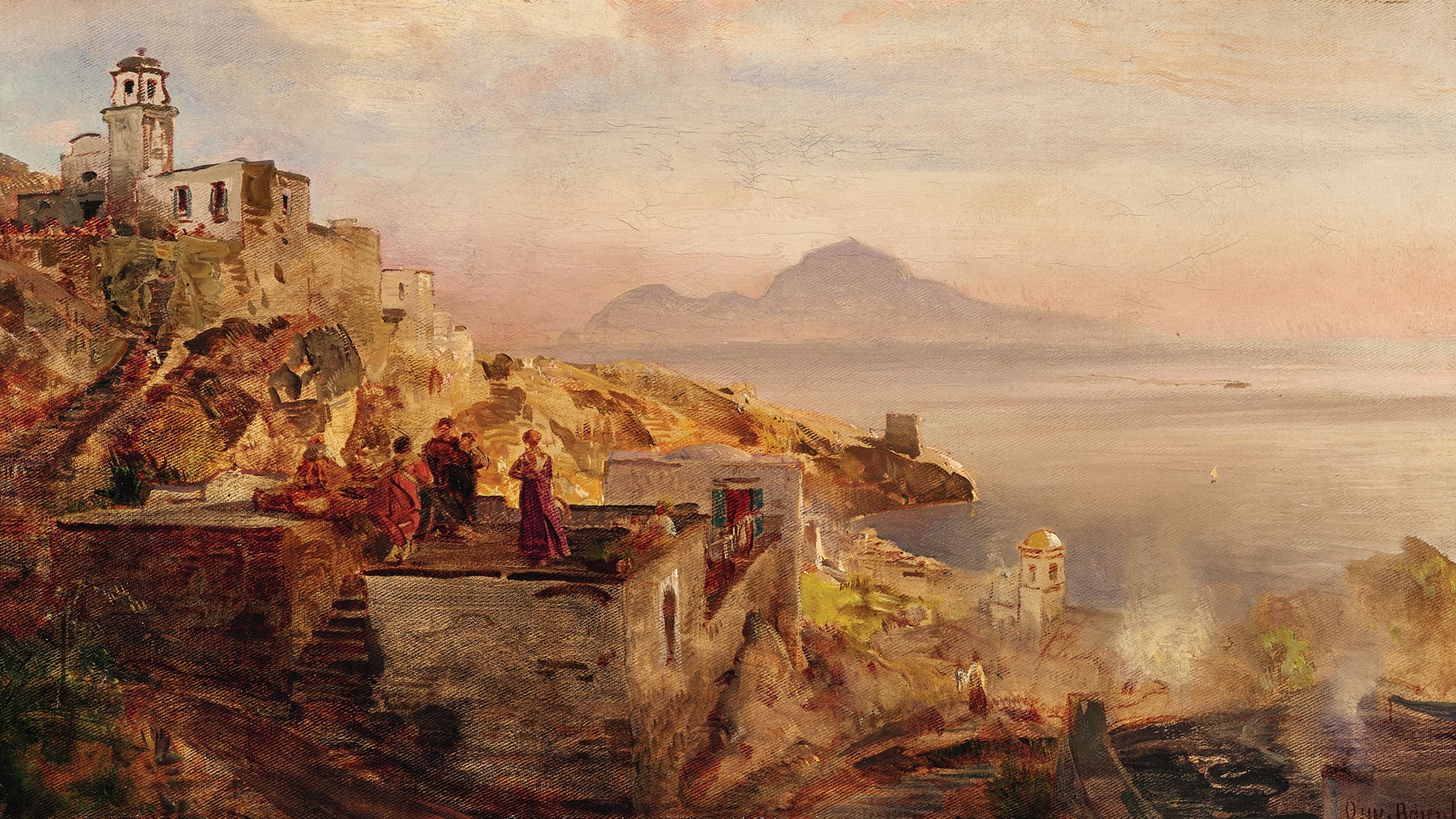
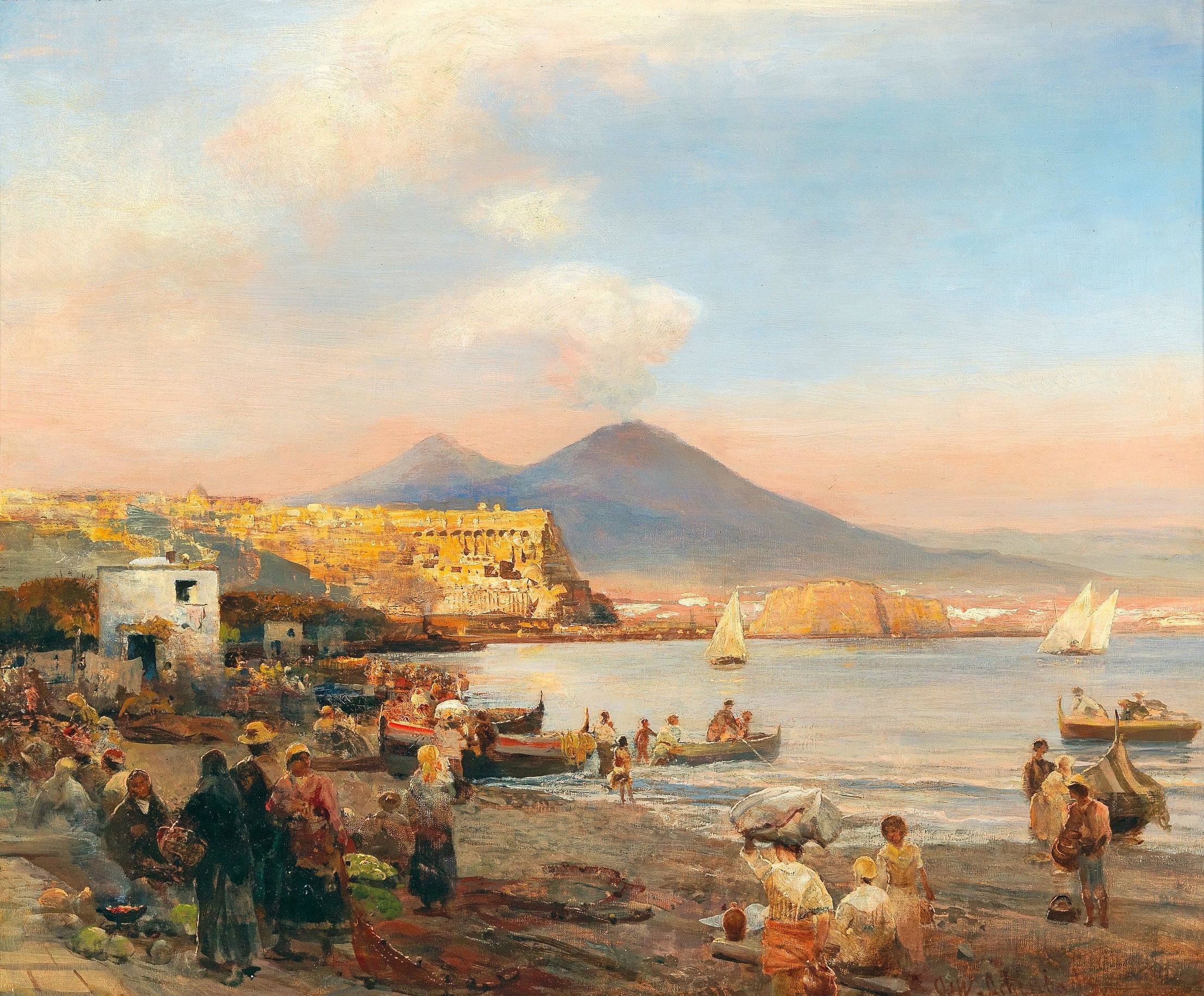
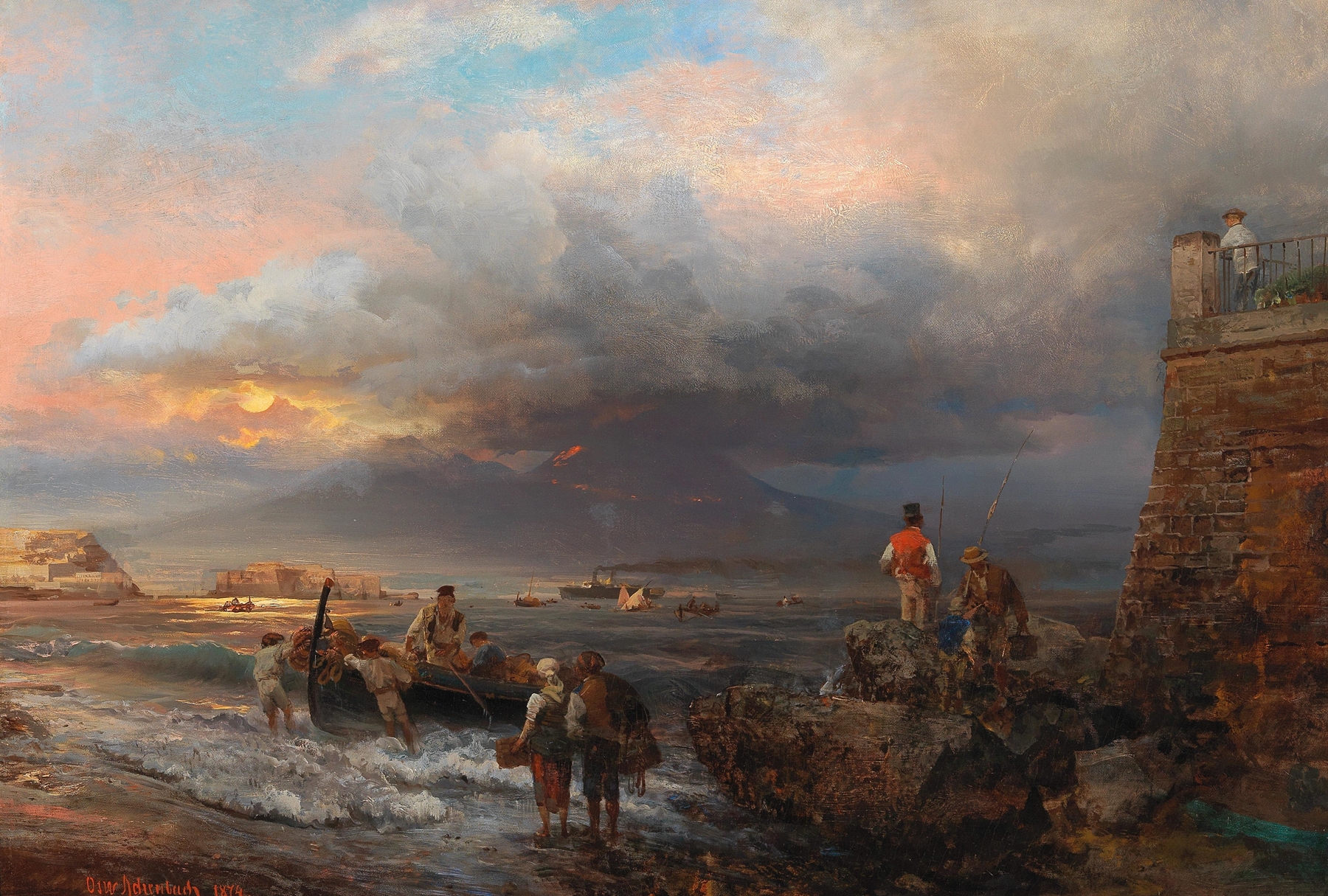
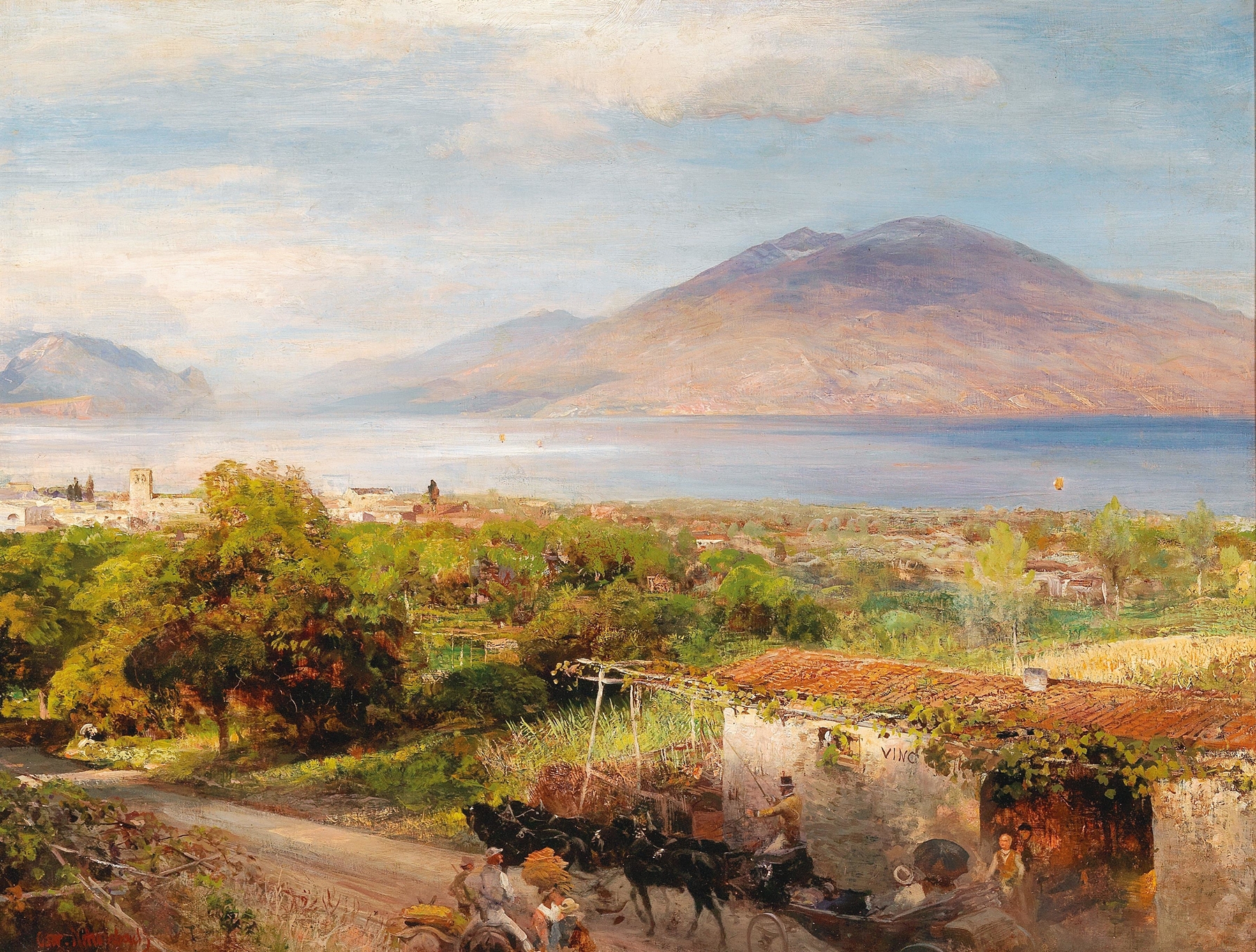
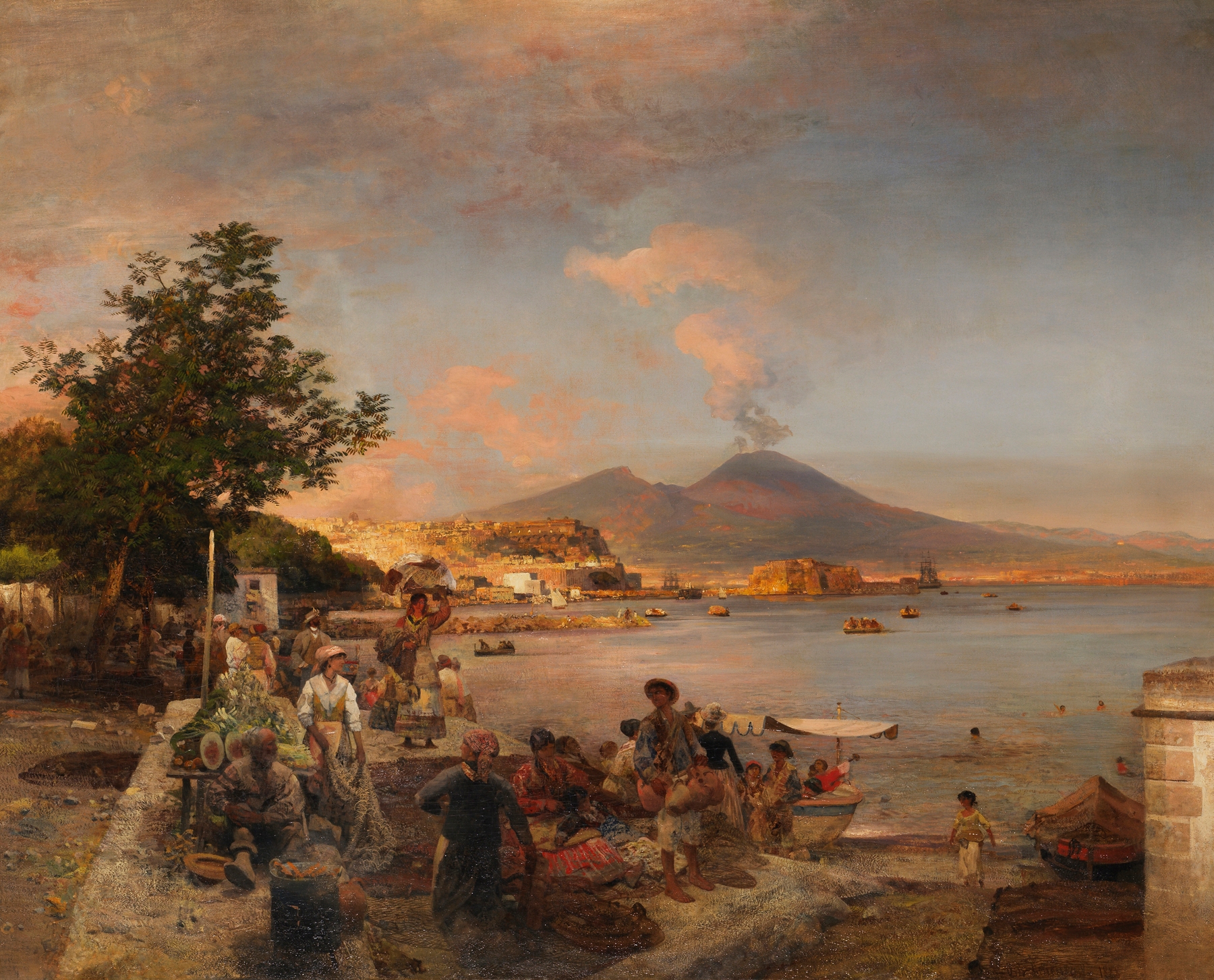
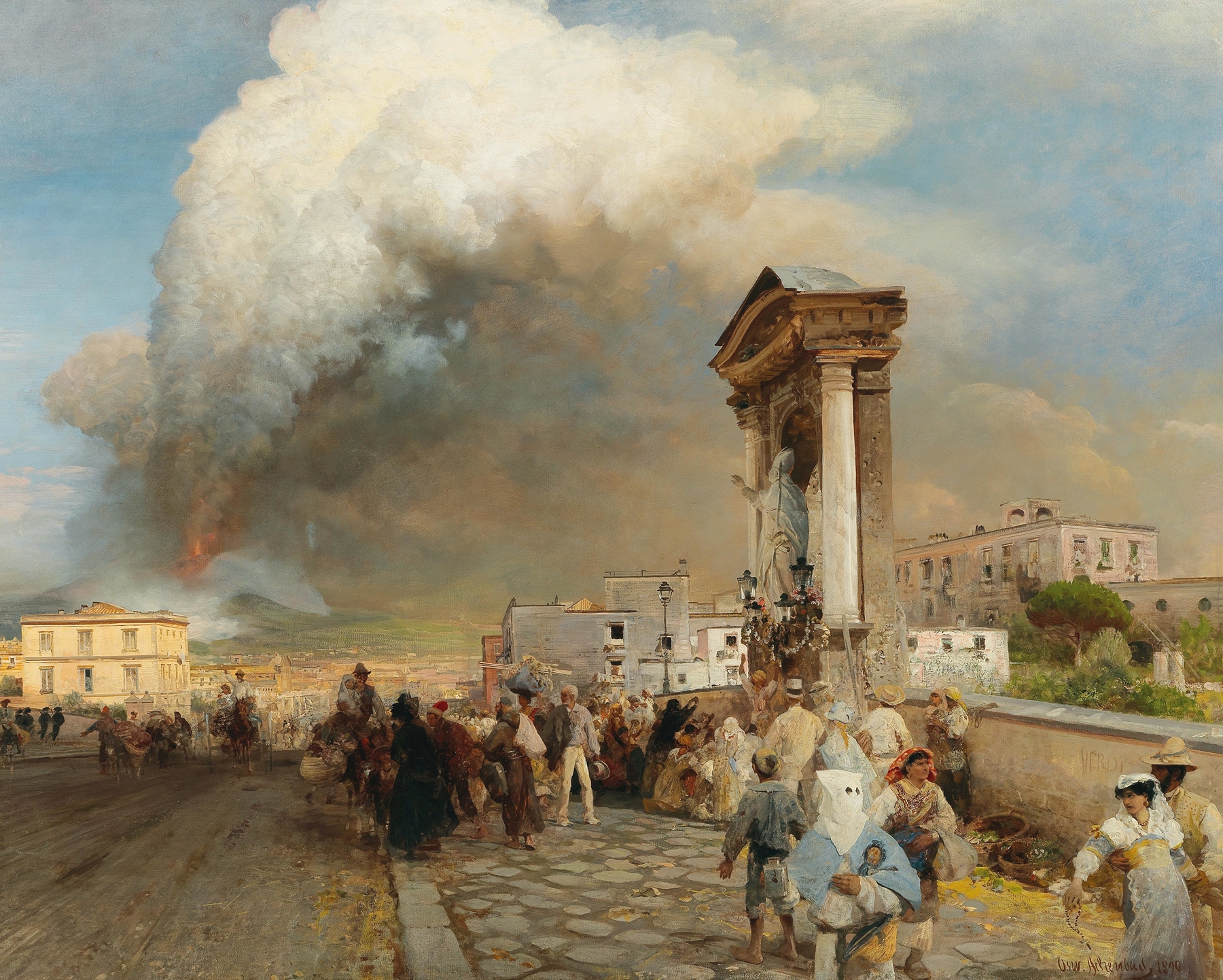
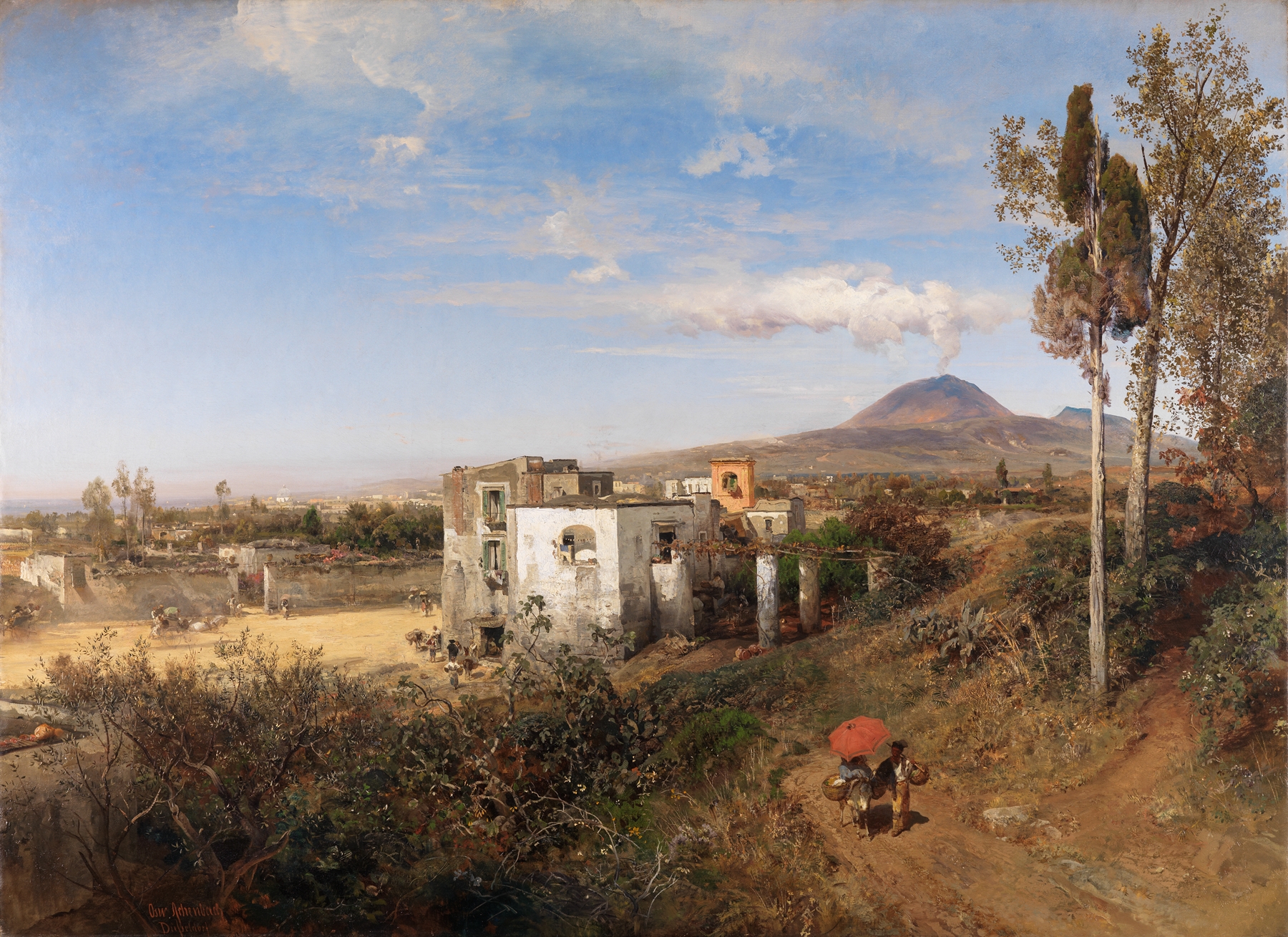
“Art reveals the soul when the world turns away.” In the stillness of a landscape, silence breathes life into the canvas, inviting us to pause and reflect. Look to the horizon, where gentle hills melt into the distant sky, bathed in the warm embrace of a late afternoon sun. Notice how the muted palette of greens and browns harmonizes, creating a sense of tranquility that envelops the viewer. The meticulously rendered trees along the Via Cassia stand almost like sentinels, their forms gracefully echoing the undulating terrain.
Each brushstroke captures not merely the scene but a moment suspended in time, evoking an intimacy with nature that feels profoundly personal. The contrasts in Via Cassia bei Rom hold deeper meanings; the soft glow of light speaks to hope, while the shadows hint at the passage of time. Achenbach juxtaposes the vibrant vitality of the natural world with an underlying stillness, suggesting both the beauty and impermanence of life. Perhaps it is this silence that resonates most—the quietude that invites contemplation, urging viewers to connect with their own inner journey as they traverse this serene road.
In 1878, Oswald Achenbach painted this piece in Germany during a period when Romanticism was giving way to Impressionism, and artists were increasingly exploring the emotional power of nature. This work reflects Achenbach’s deep appreciation for the Italian landscape, as he often traveled there for inspiration. The tranquil scene encapsulates a moment of artistic evolution, embodying a new sensitivity to light and atmosphere, signifying a pivotal moment in his career and the art world.