View from the Springhouse at Echo — History & Analysis
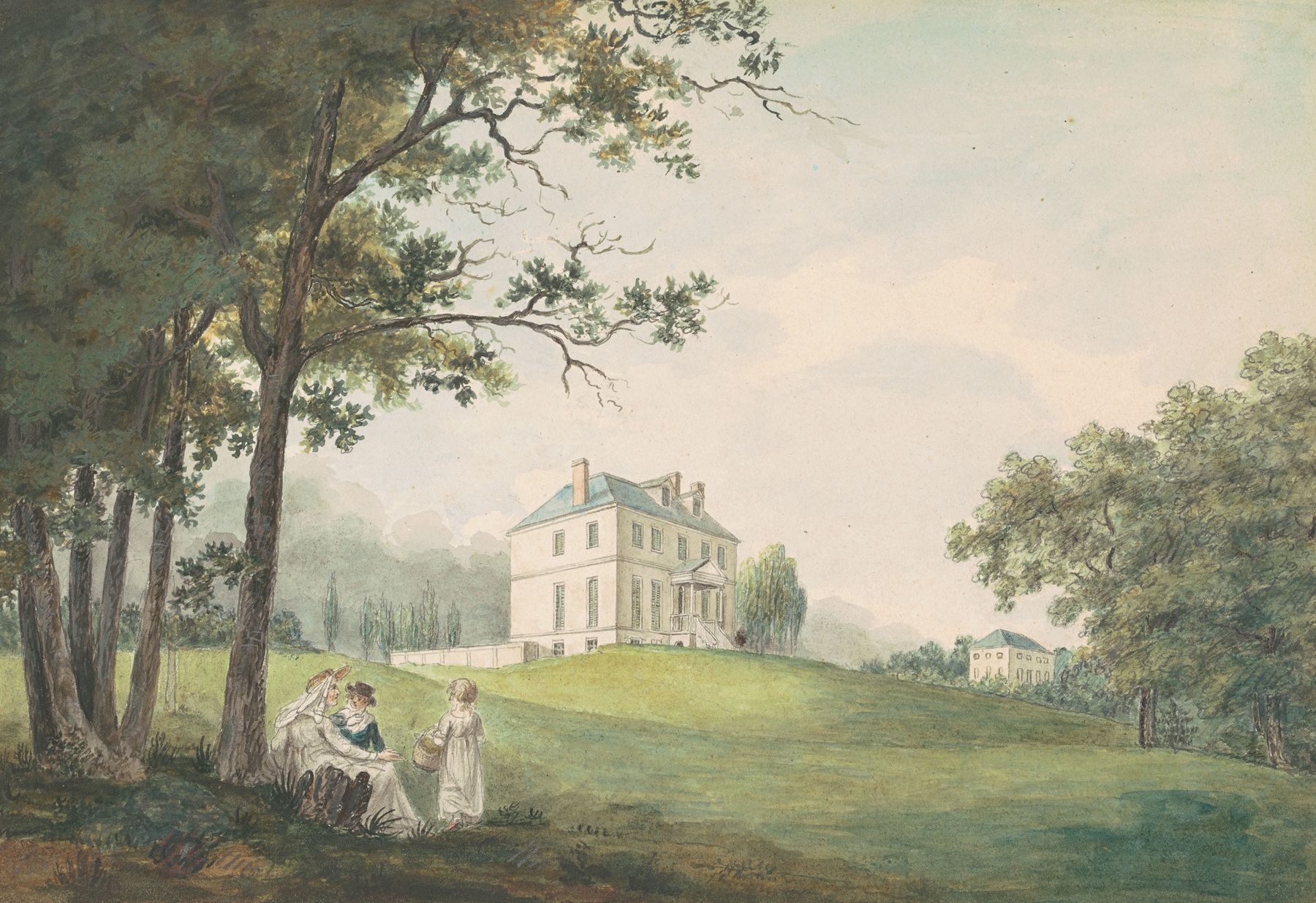
Can paint confess what words never could? In View from the Springhouse at Echo, Birch captures a moment of serene revelation, inviting viewers to witness nature's quiet dialogue with the mind. Look to the left at the gentle curve of the stream, where sunlight dances across the water's surface, creating a shimmering path that leads the eye into the distance. Notice how the verdant foliage frames the scene, with soft greens and warm earth tones harmonizing to evoke a profound sense of peace.
The perspective draws you in, as if you are standing at the springhouse yourself, inhaling the cool, crisp air of a bygone era. The painting whispers of hidden stories—the interplay between the natural world and human presence. The delicate balance between the vibrant life of the landscape and the quaint, rustic construction of the springhouse suggests a dialogue between humanity and nature. Birch's use of light and shadow captures fleeting moments, evoking nostalgia for a simpler life, while the meticulously rendered details reflect a longing for connection with the past.
In 1808, Birch was living in America, having left England for the New World to escape the political turmoil of the time. Settling in Pennsylvania, he embraced the burgeoning American landscape painting movement, finding inspiration in the breathtaking vistas around him. His artistic exploration during this period reflects the growing national identity and the desire to celebrate the beauty of the American landscape.
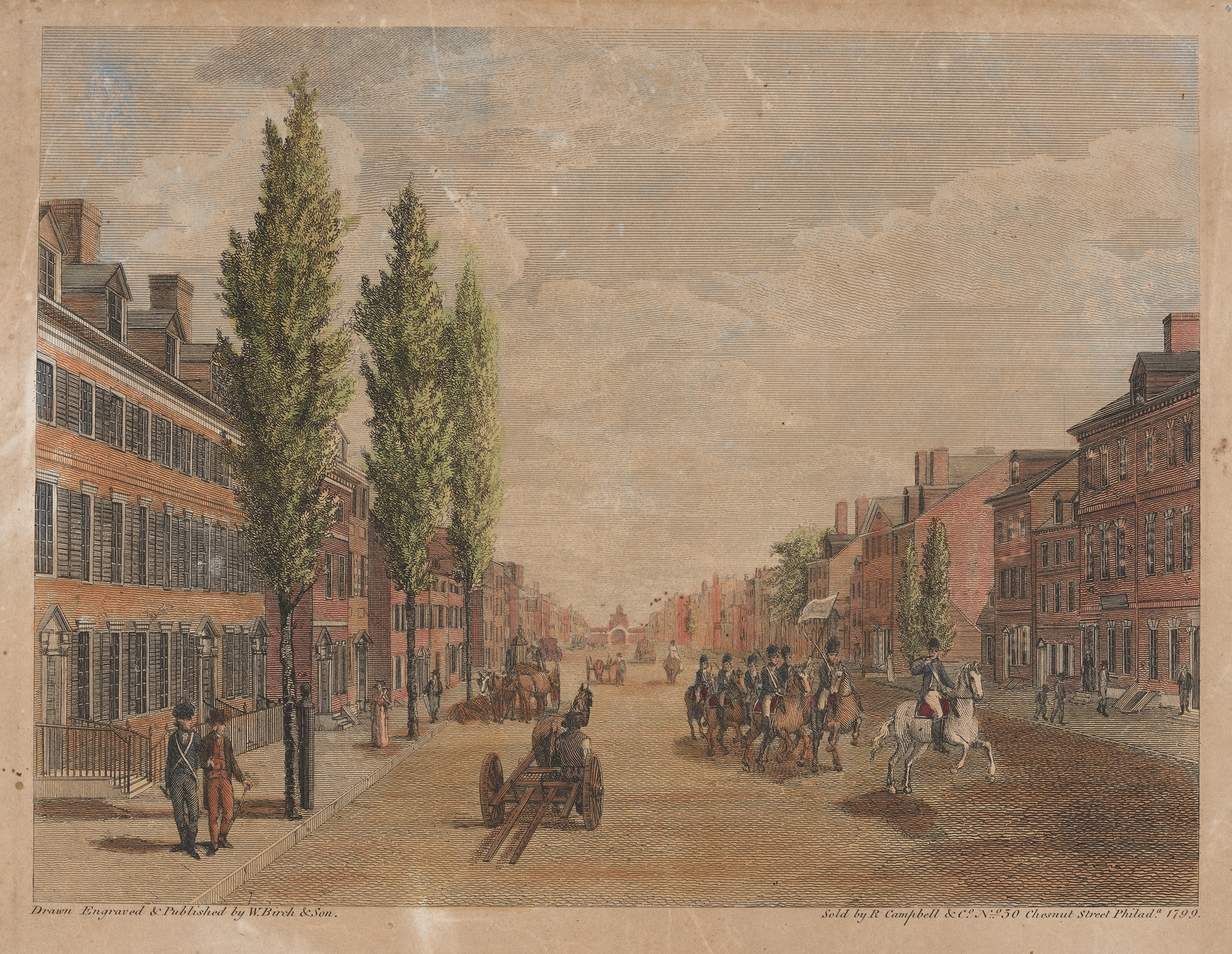
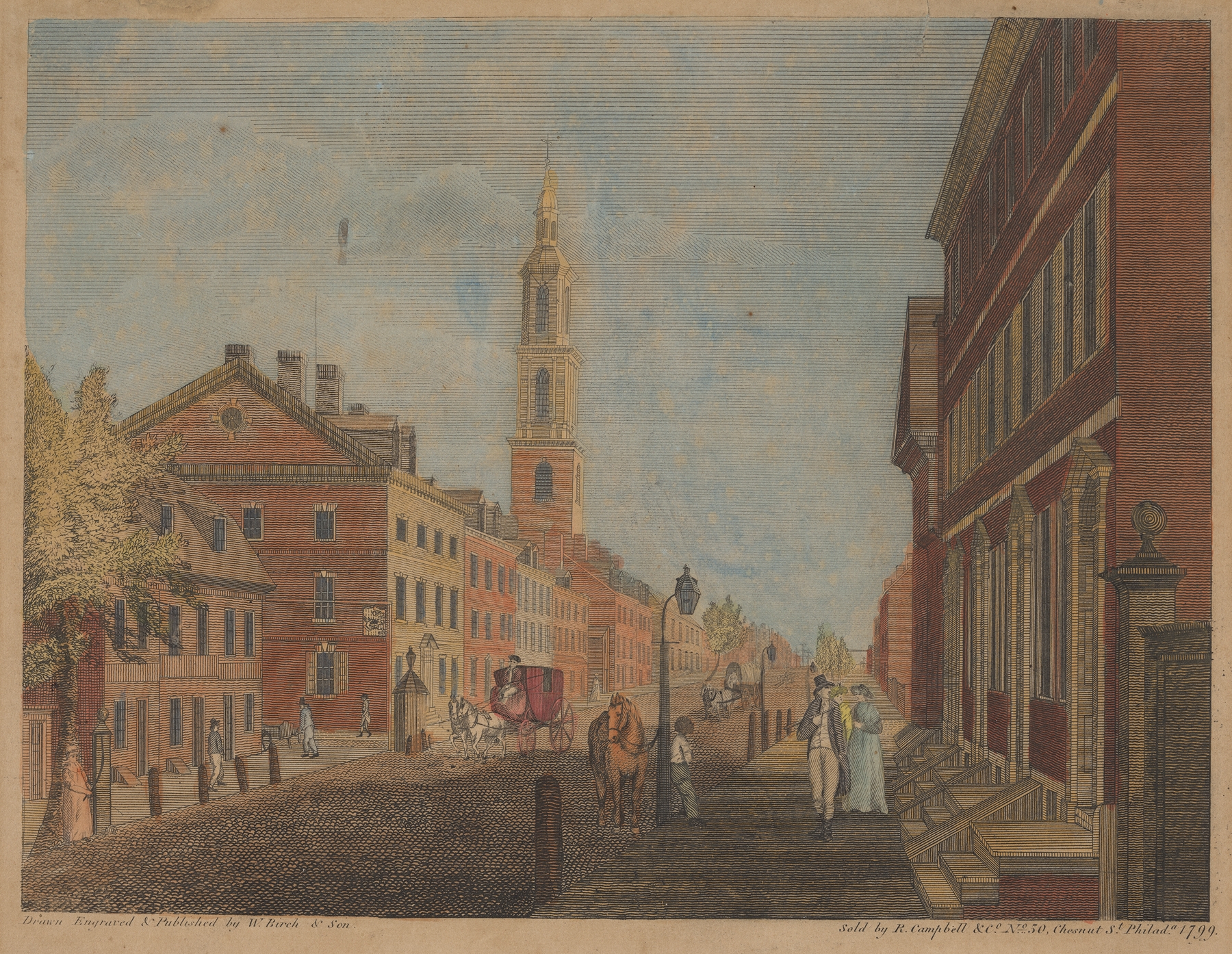
![Second Street north from Market St. w[i]th Christ Church. Philadelphia., by William Russell Birch, public domain](https://froigstrpvutwqtqikzt.supabase.co/storage/v1/object/public/art-images/artworks/ae10cefad1b4b09eab503db665d8f122c1796a118217ad99aa9afe67d3a02bd4.jpg)