View near Fishkill — History & Analysis
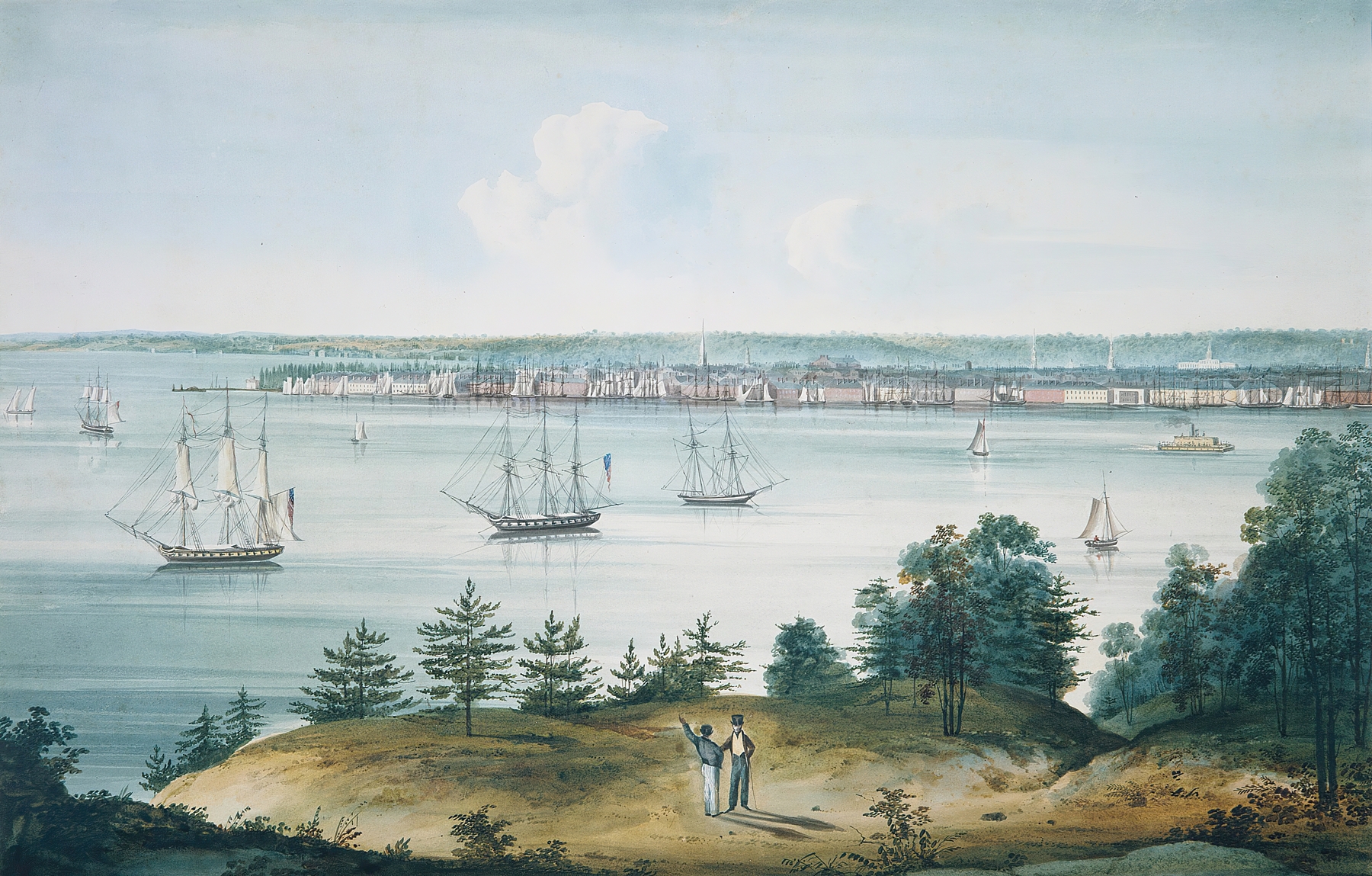
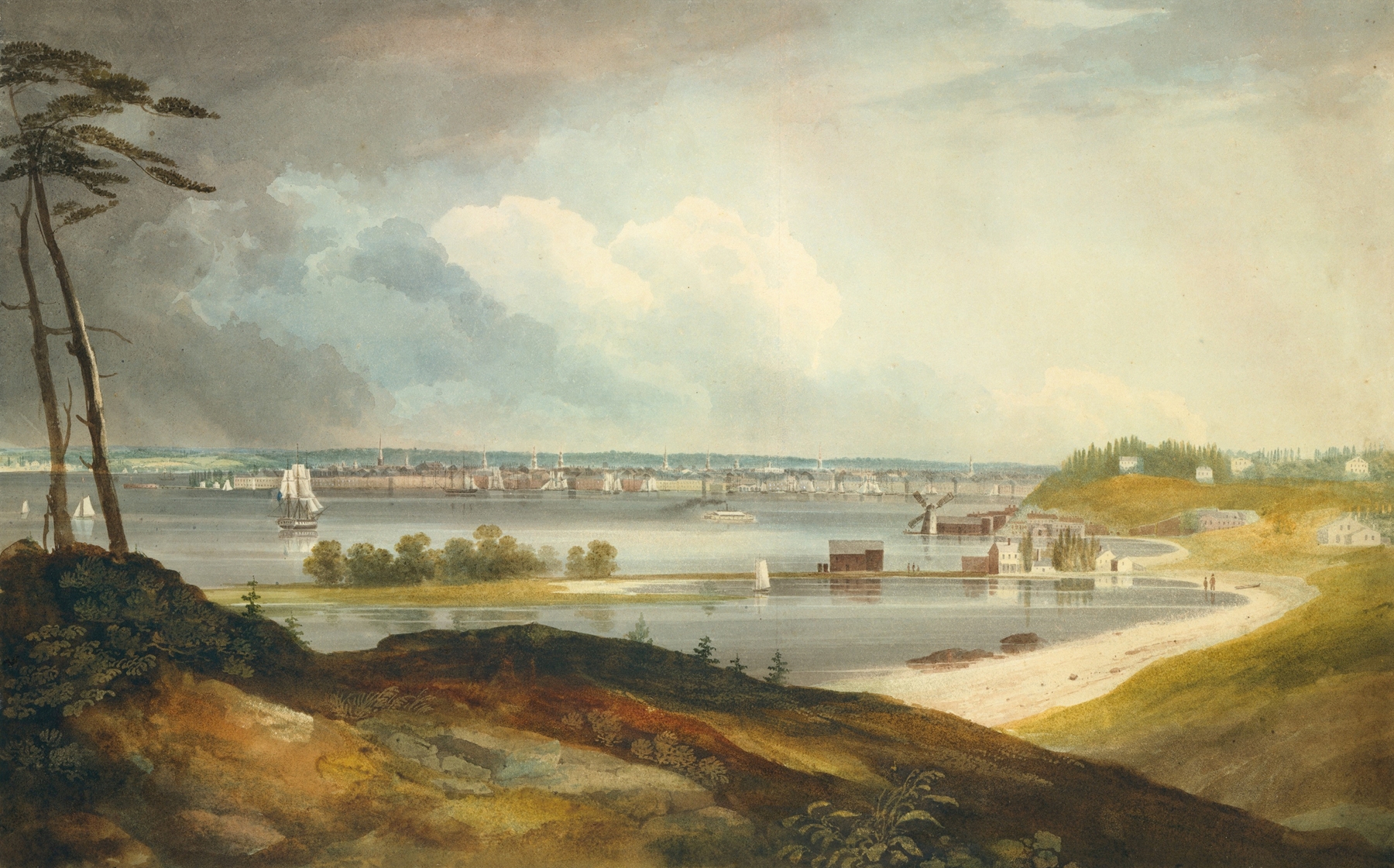
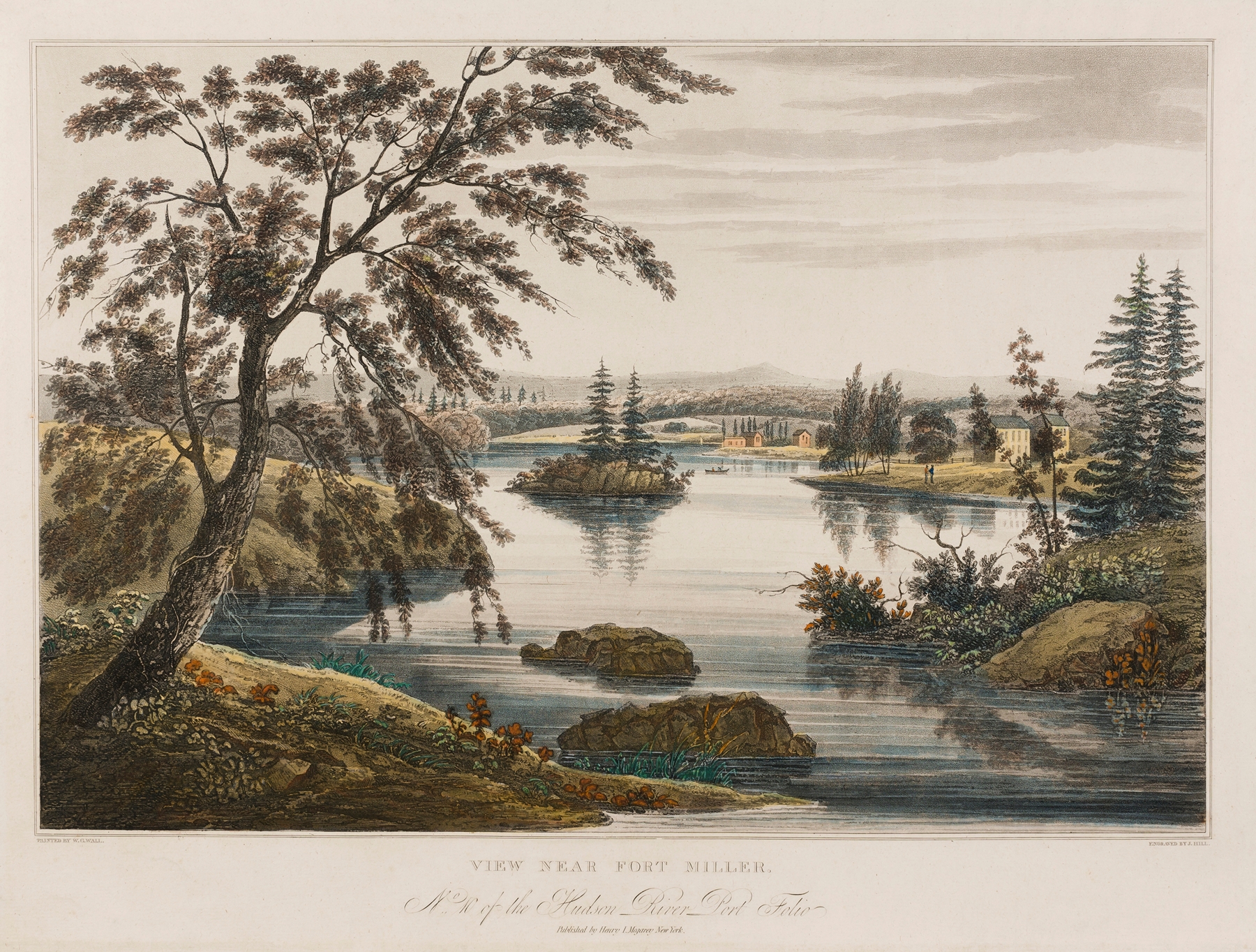
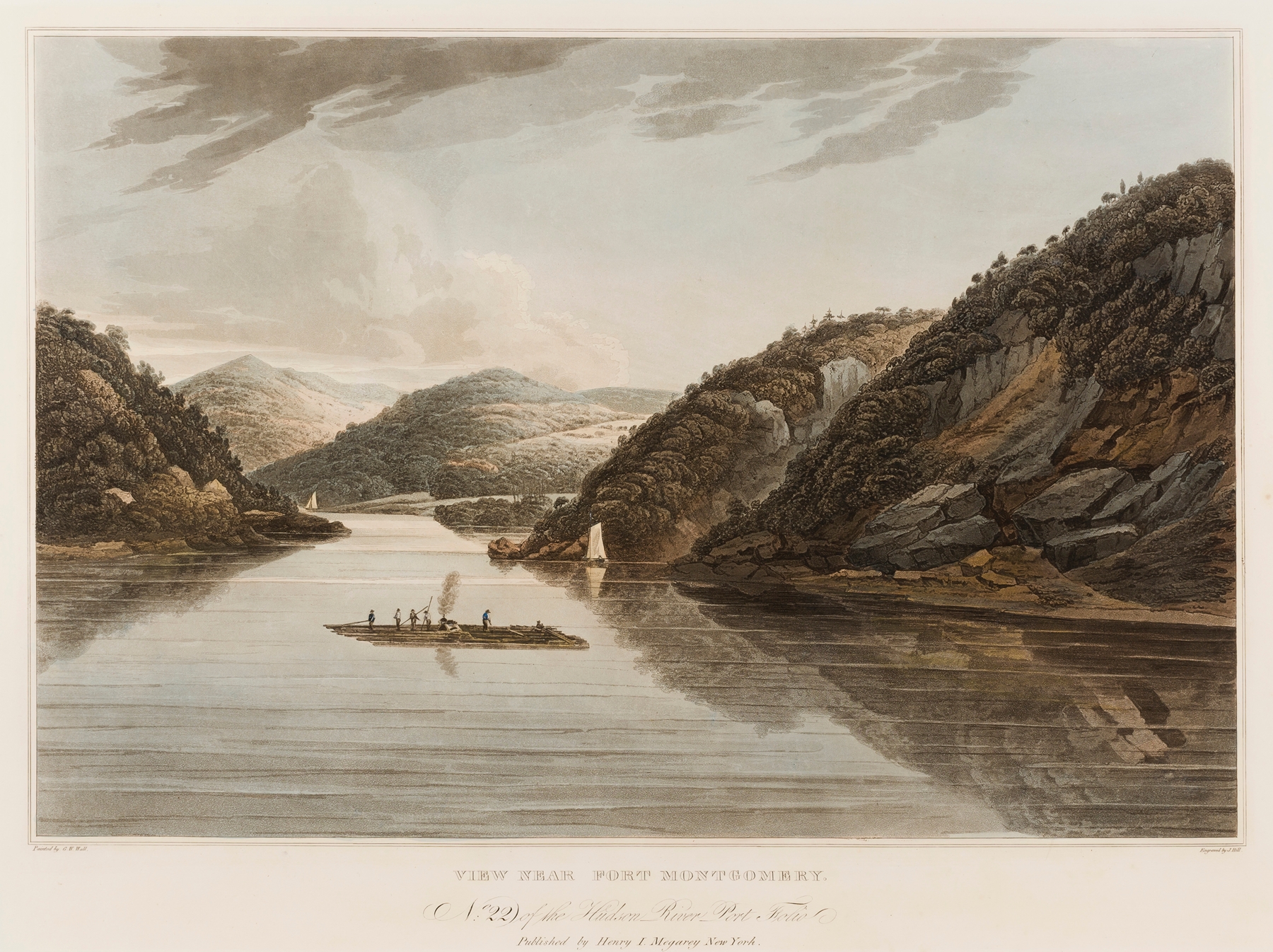
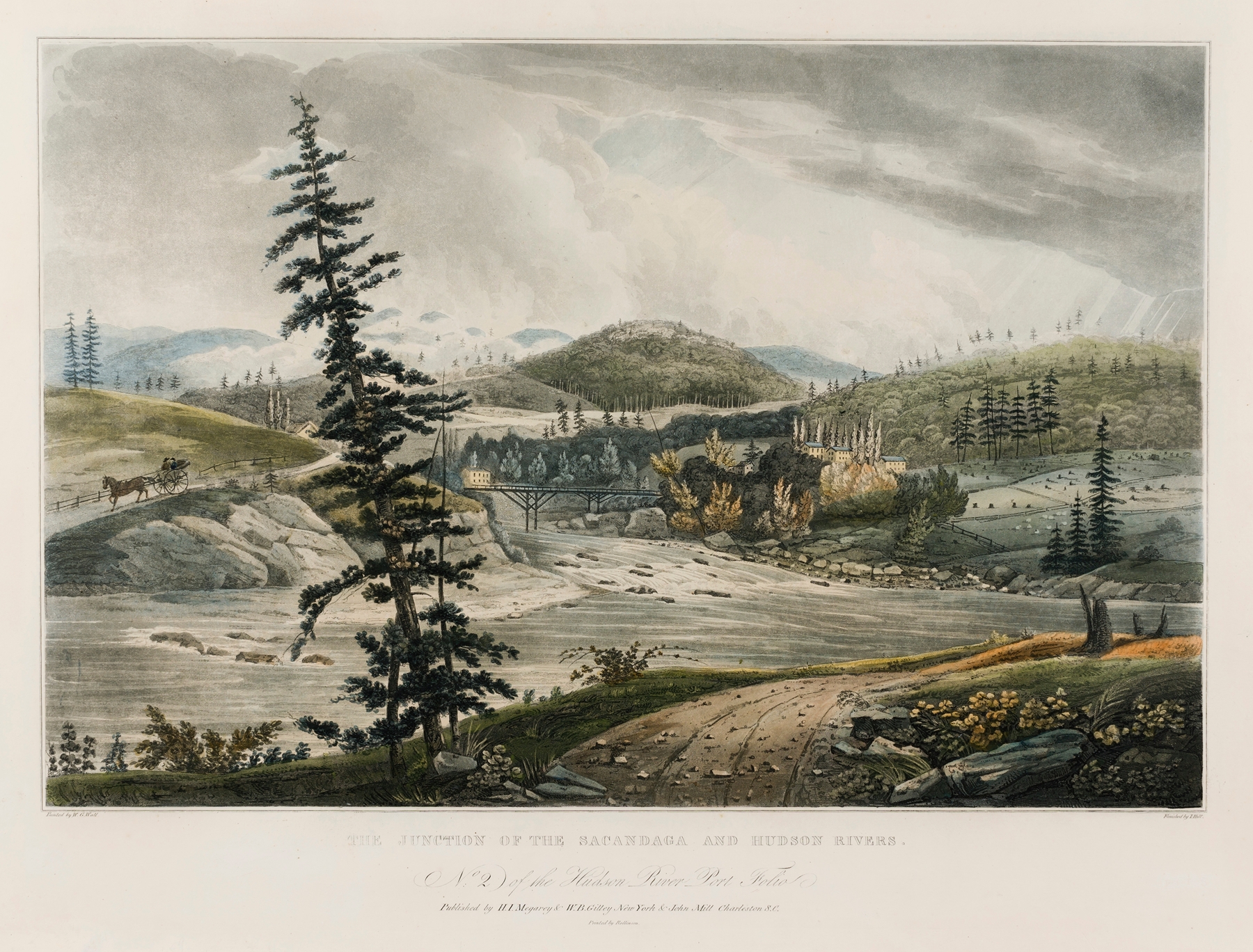
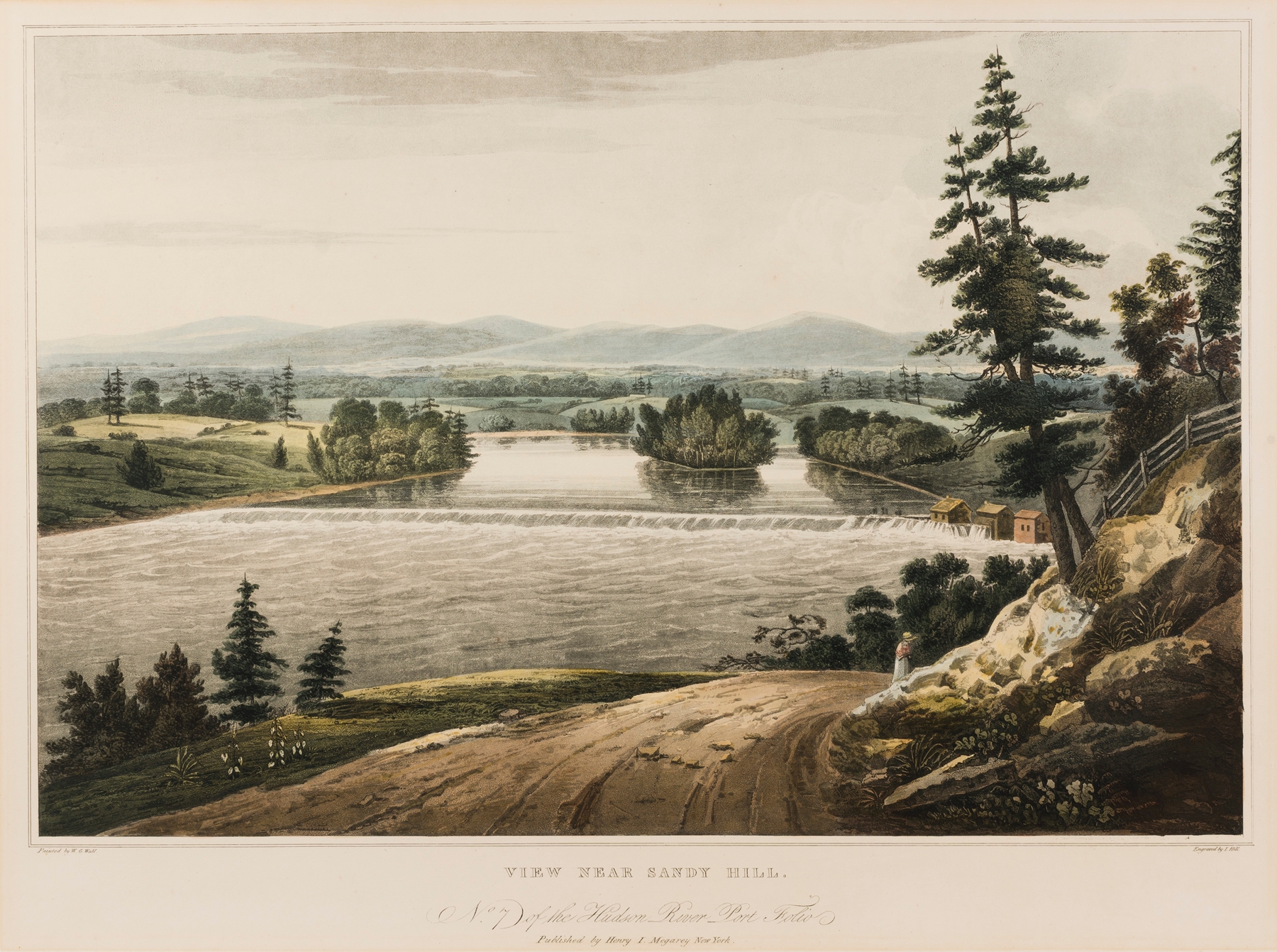
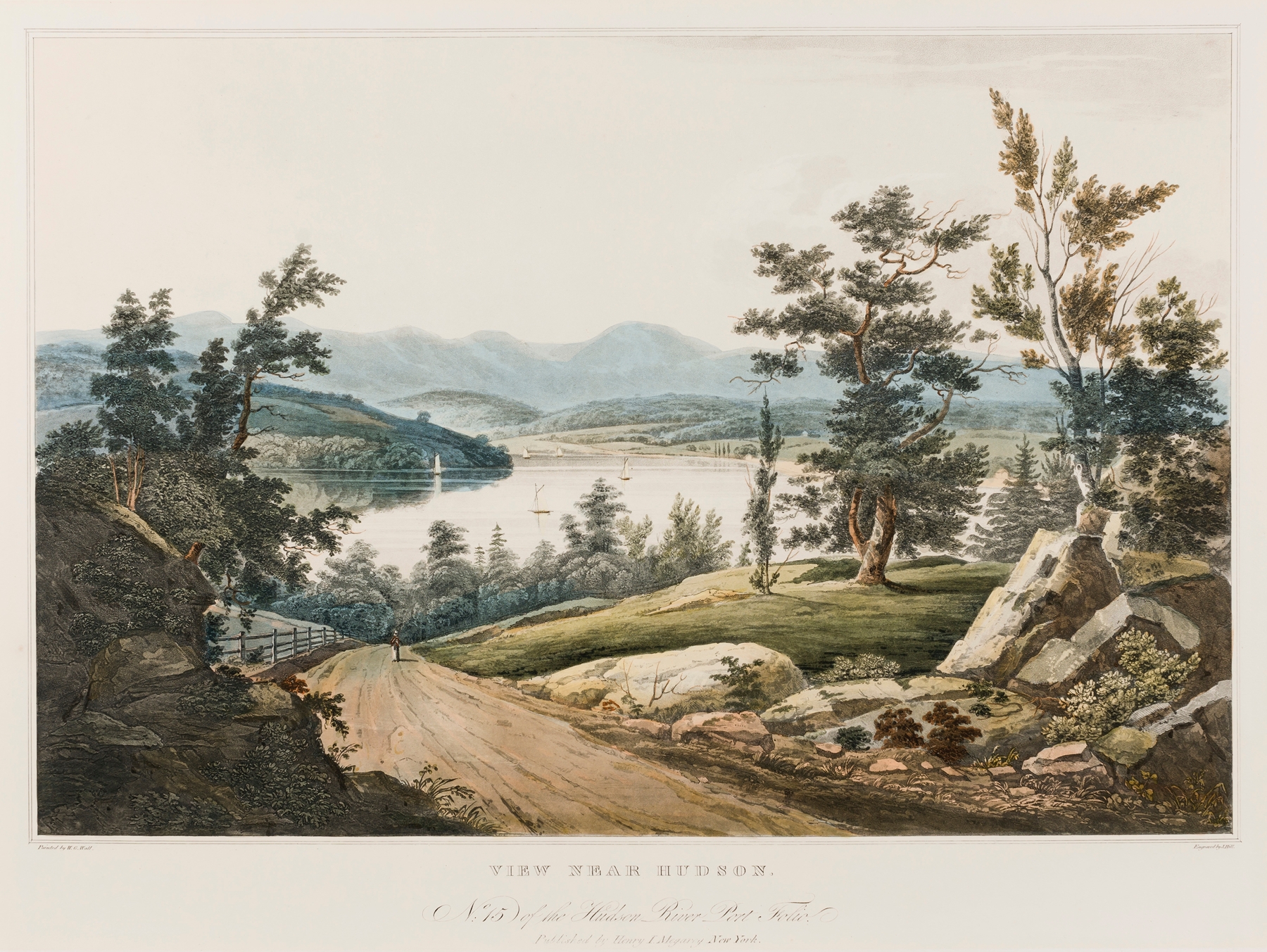
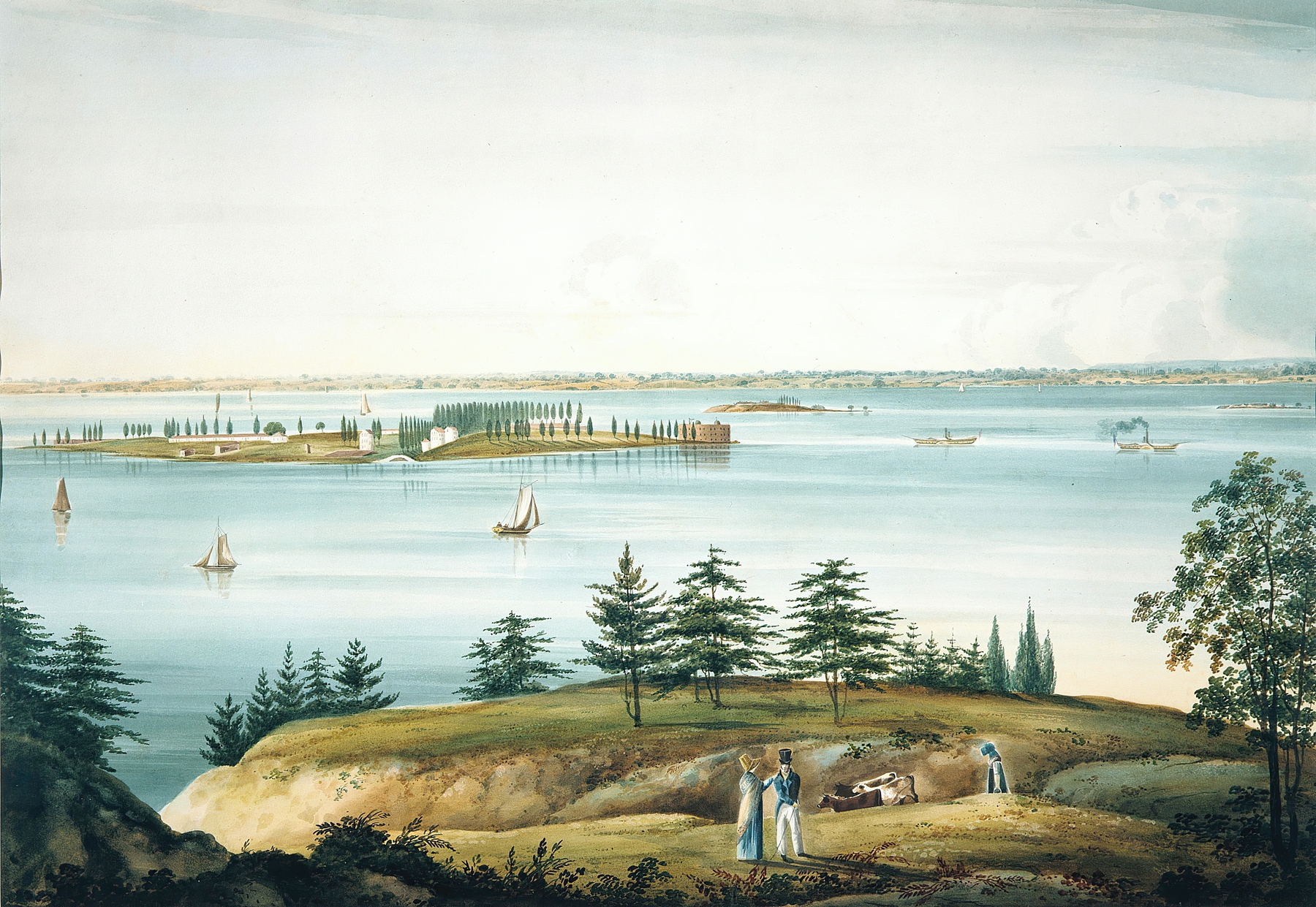
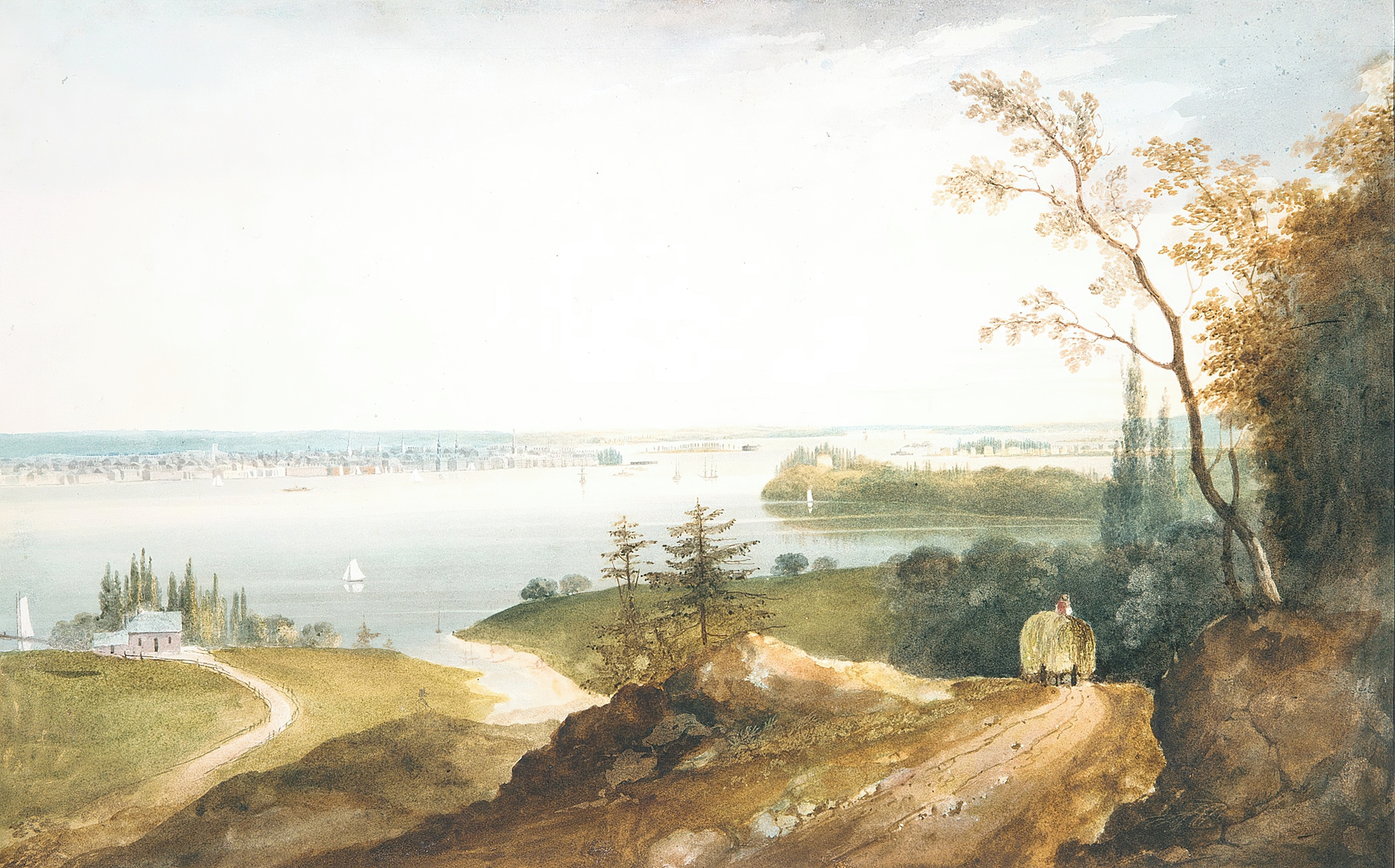
“Under the brush, chaos becomes grace.” In every stroke, there lies a revelation waiting to be unearthed, a delicate balance between turmoil and serenity. Look to the left at the gentle slope of the green hills, where a tranquil river meanders, its surface mirroring the sky. The artist employs a harmonious palette of greens and blues that draws the viewer's eye across the canvas, creating a sense of depth and perspective. Notice how the fluffy clouds float above, their soft whites contrasting with the darker tones of the foliage below, evoking an atmosphere of peaceful contemplation.
Each element is meticulously crafted, as if to remind us that nature itself is both structured and free. Delve deeper into the interplay of light and shadow, where the sun breaks through in patches, illuminating parts of the landscape while leaving others cloaked in mystery. This chiaroscuro effect not only enhances the three-dimensionality of the scene but suggests the complexities of existence—an invitation to reflect on the moments of clarity amidst life’s obscurities. The meandering water symbolizes the passage of time and the continual flow of life, while the distant mountains hint at the unknown, reminding us of the vastness beyond the immediate.
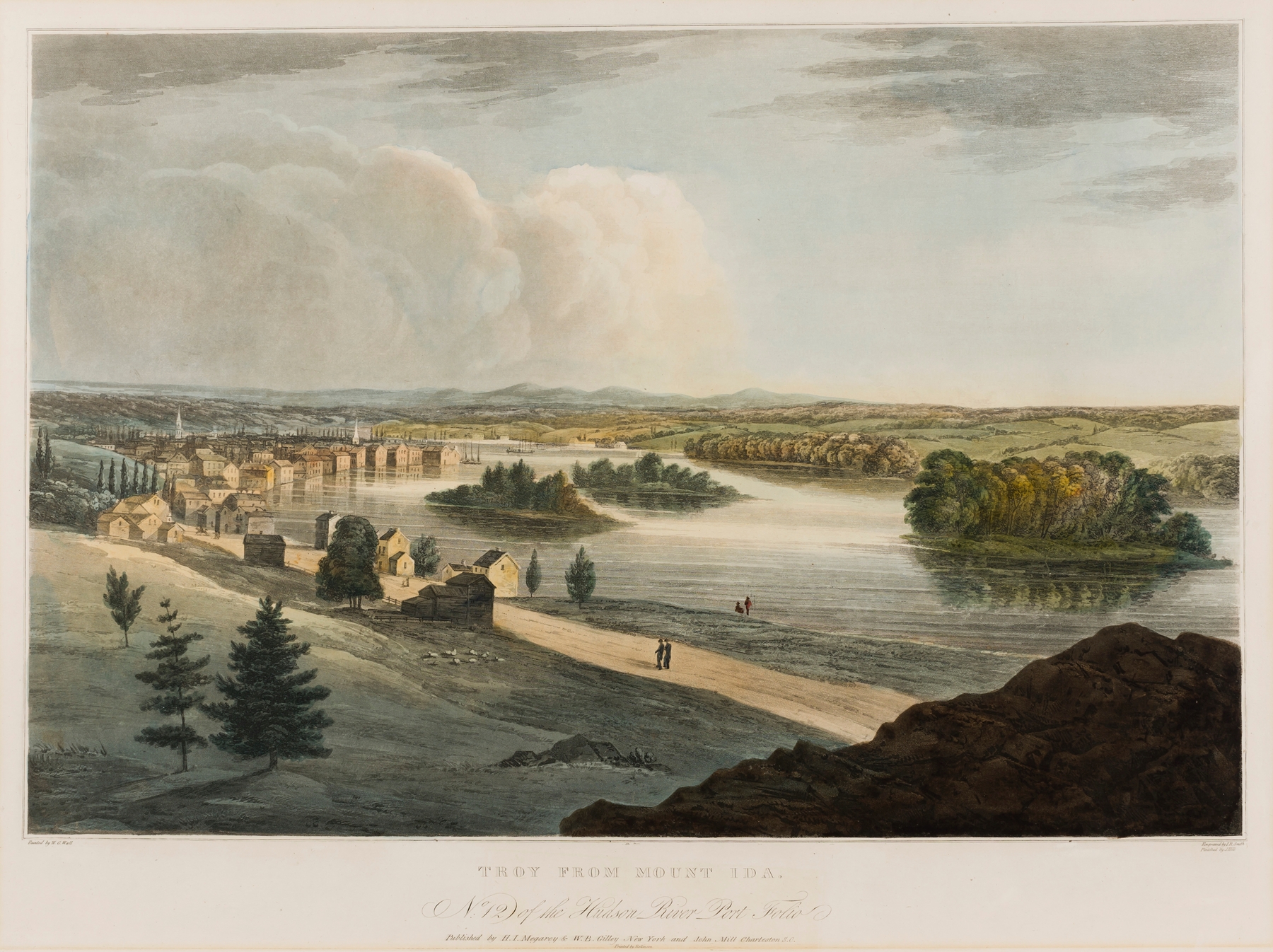
William Guy Wall painted this landscape between 1823 and 1824, during a period of romanticism in art that sought to capture the sublime beauty of nature. Living in New York and witnessing the early stages of America's expansion, Wall endeavored to document the untouched American landscape. This work reflects his commitment to portraying the natural world as both a source of inspiration and a canvas for deeper truths, echoing the broader artistic movements of the time.