View of a City along a River — History & Analysis
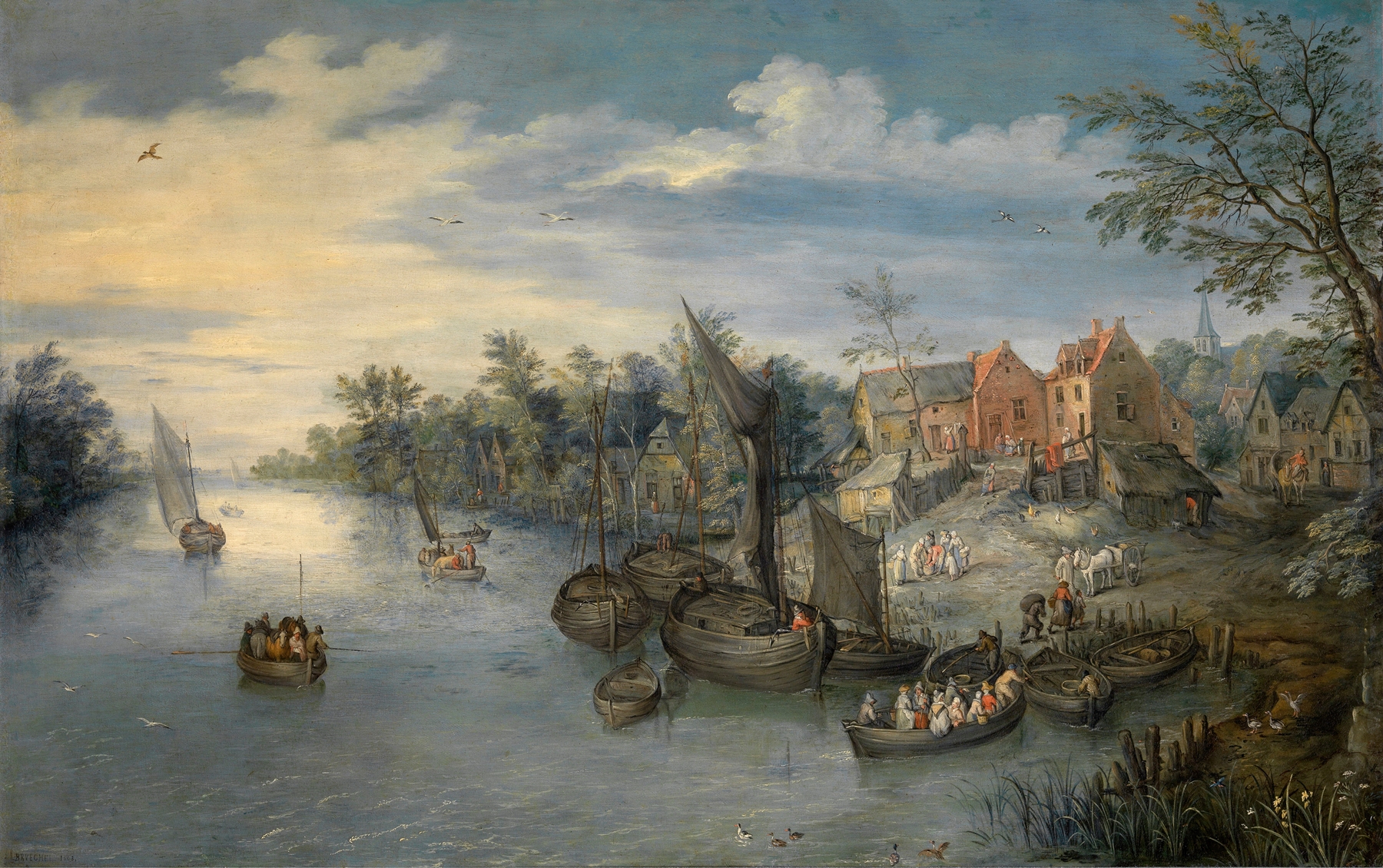
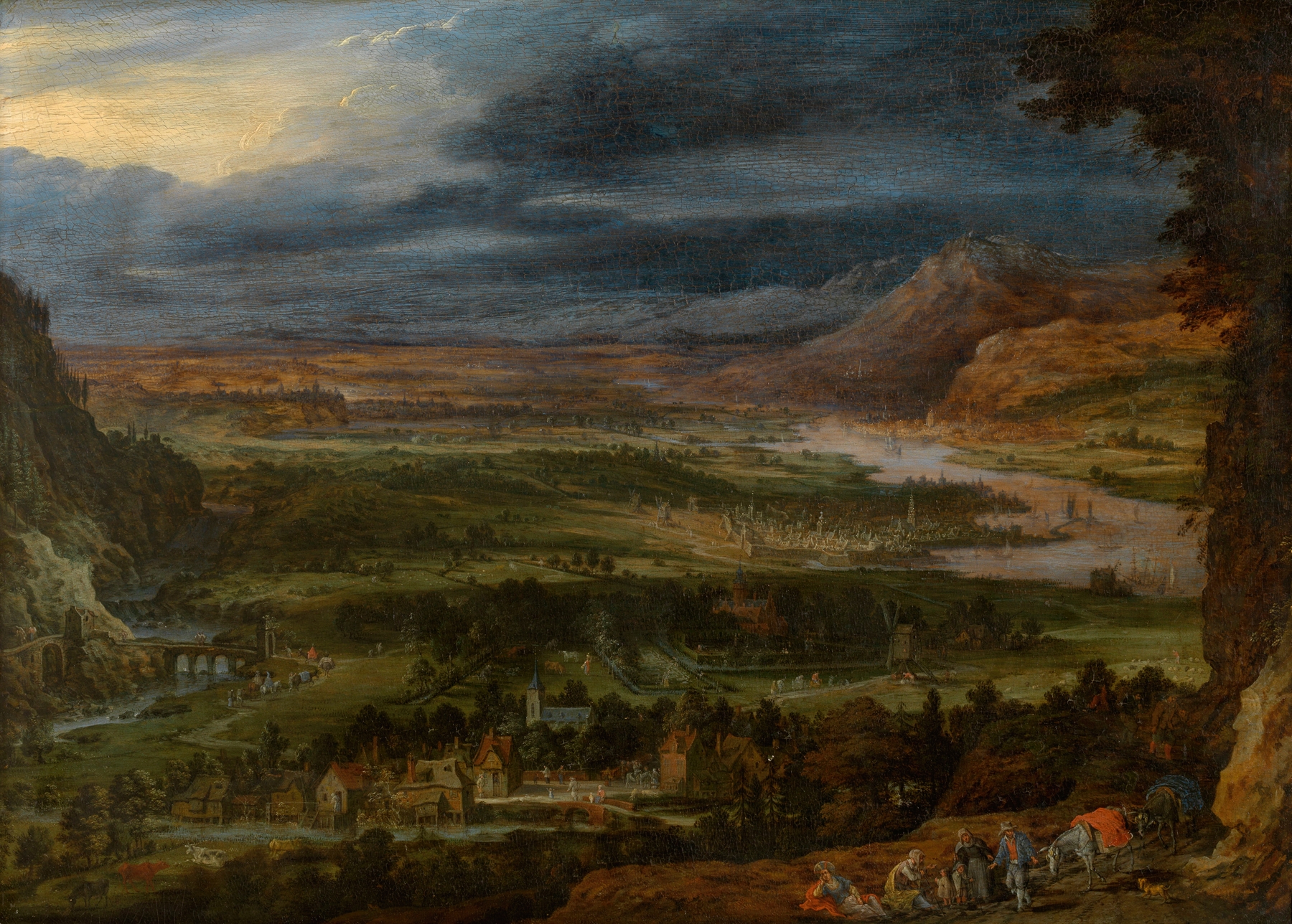
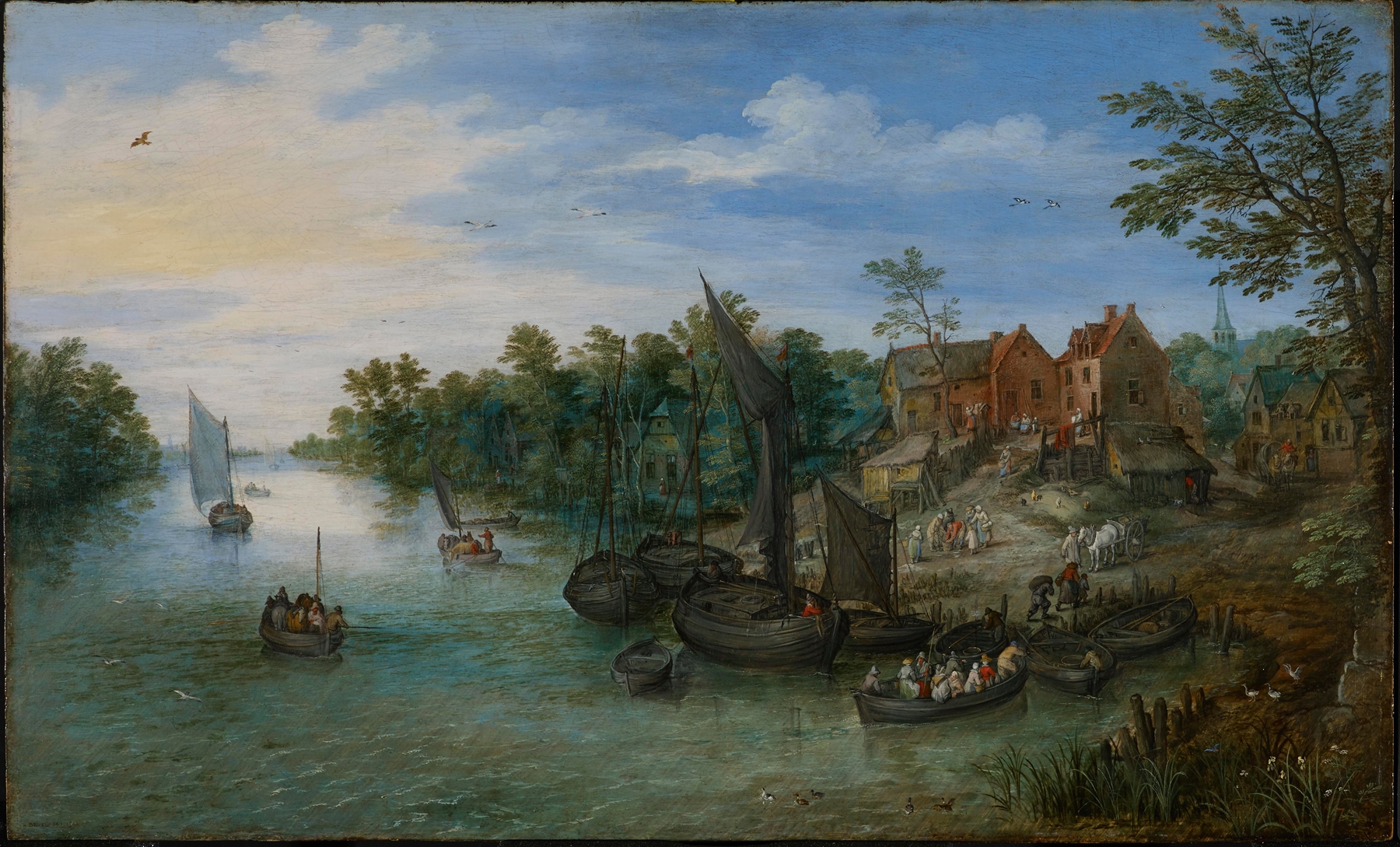
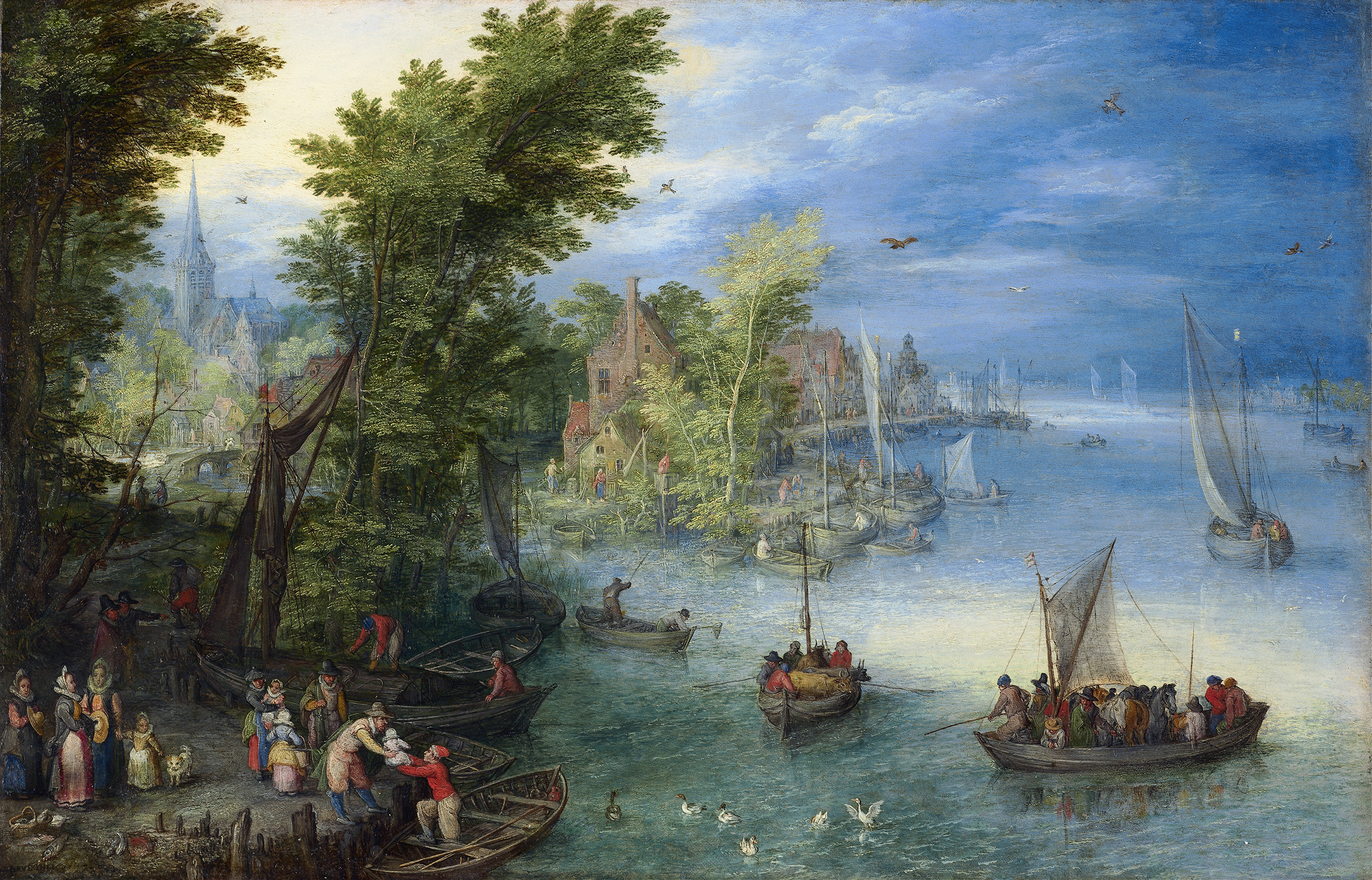
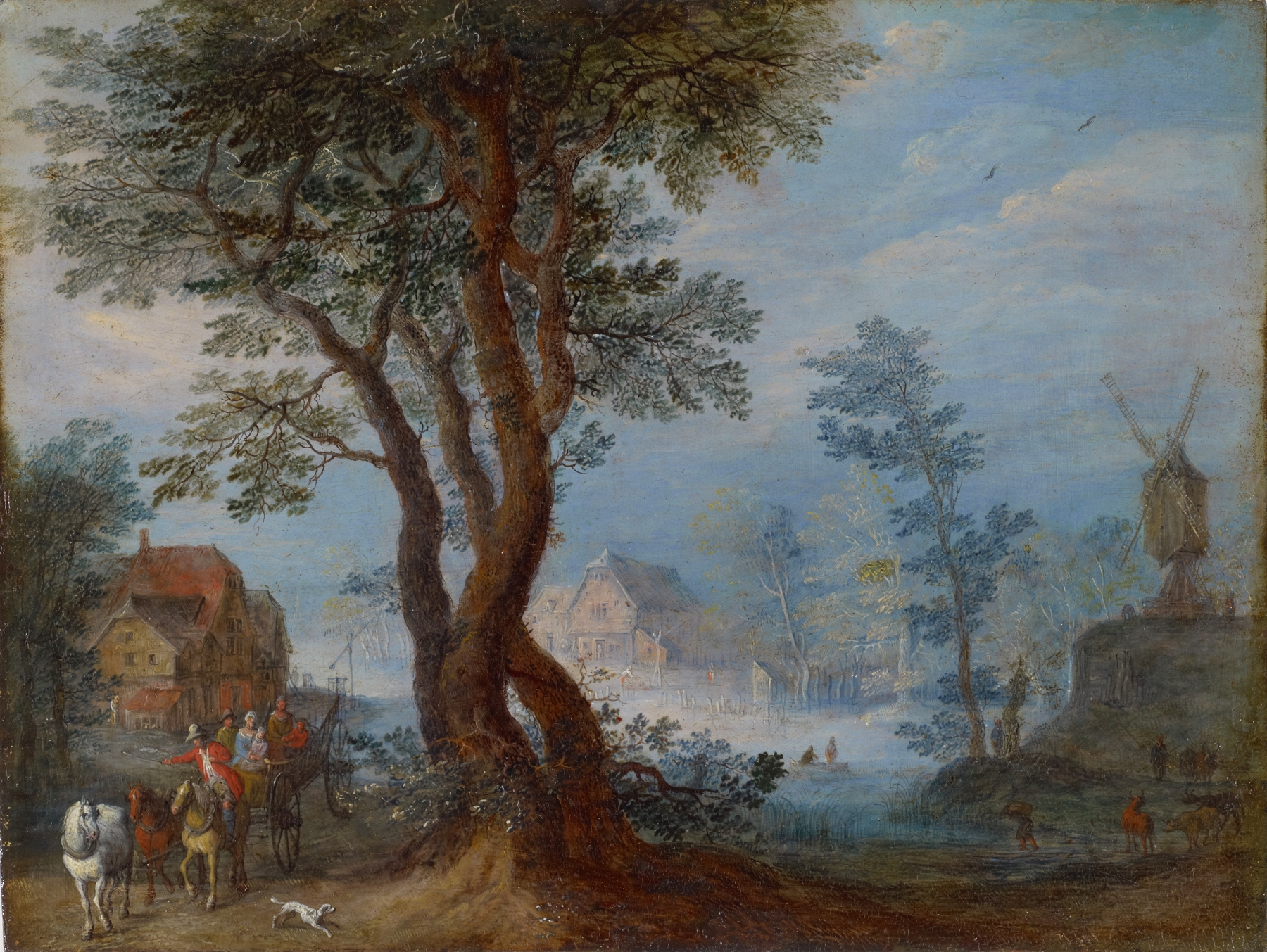
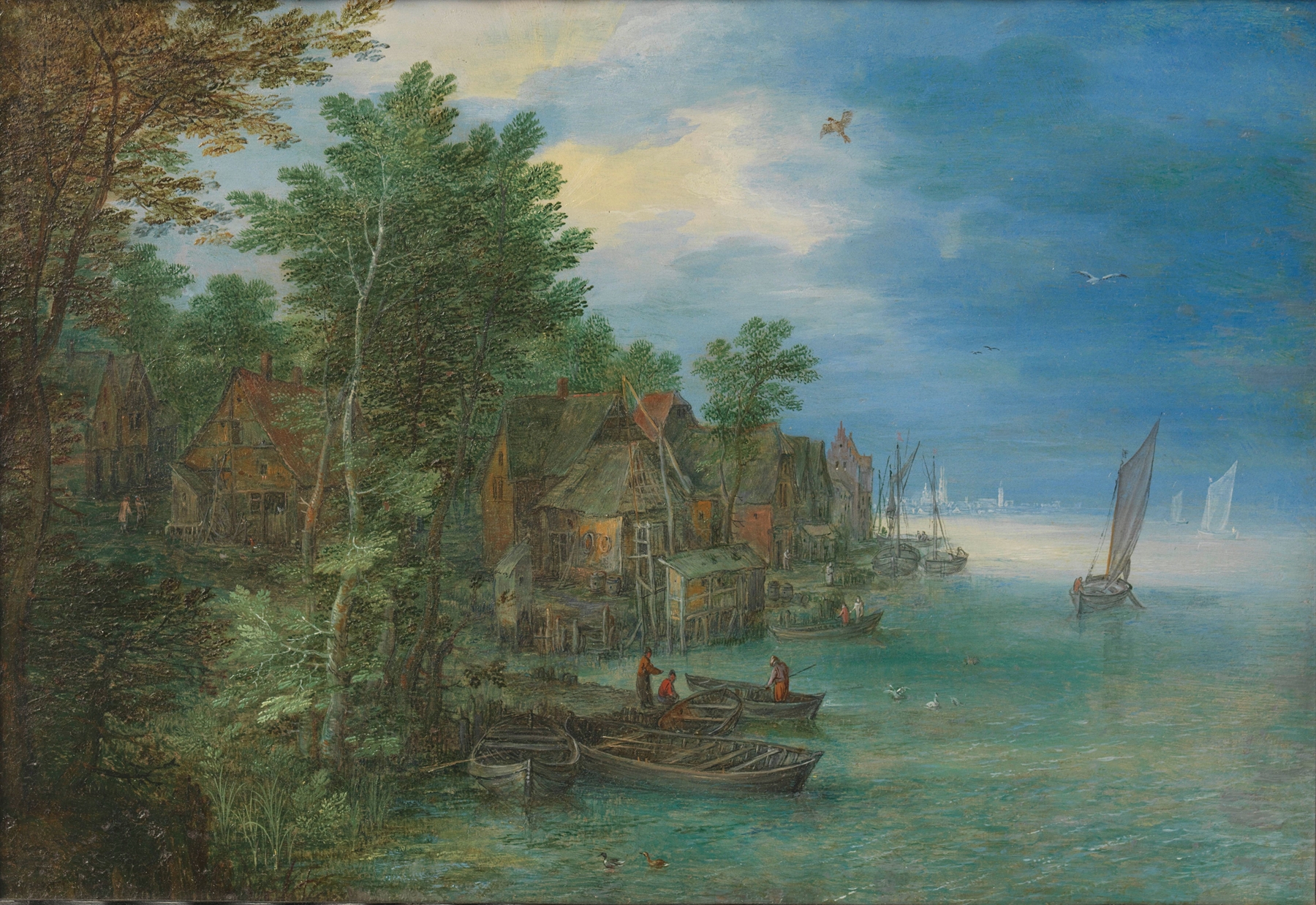
Could a single brushstroke hold eternity? In View of a City along a River, Brueghel invites us to contemplate the delicate balance of beauty and grief that defines our existence. Look to the right at the riverbank, where the artist's careful brushwork captures a bustling city alive with activity. The soft hues of blue and green blend seamlessly, evoking a serene atmosphere that belies the intricate details emerging throughout the scene.
Notice how the light dances upon the water, reflecting the vibrant architecture and the figures who inhabit this world, each a testament to life’s fleeting moments. The meticulous arrangement of buildings draws your gaze toward the horizon, where the sky meets the river, creating a sense of continuity and connection between the earthly and the divine. Amidst the vibrancy lies an undercurrent of melancholy. The flowing river, with its gentle currents, can be seen as a metaphor for time, ever-moving and relentless, while the distant city invites thoughts of the lives left behind and the inevitable passage of time that leads to loss.
Subtle shadows cast by the buildings suggest stories untold, whispering of the grief that accompanies every joyous moment within the city’s embrace. In the early 1630s, Jan Brueghel the Elder was painting during a time of personal and political turbulence in Europe. As the son of a renowned artist, he navigated the complexities of artistic expectation while experimenting with landscape and genre painting. His work during this period reflects not only the beauty of his surroundings but also the emotional depth that arises from his own experiences of loss and longing within the shifting tides of life and art.