View of Boulak, near Cairo, Egypt — History & Analysis
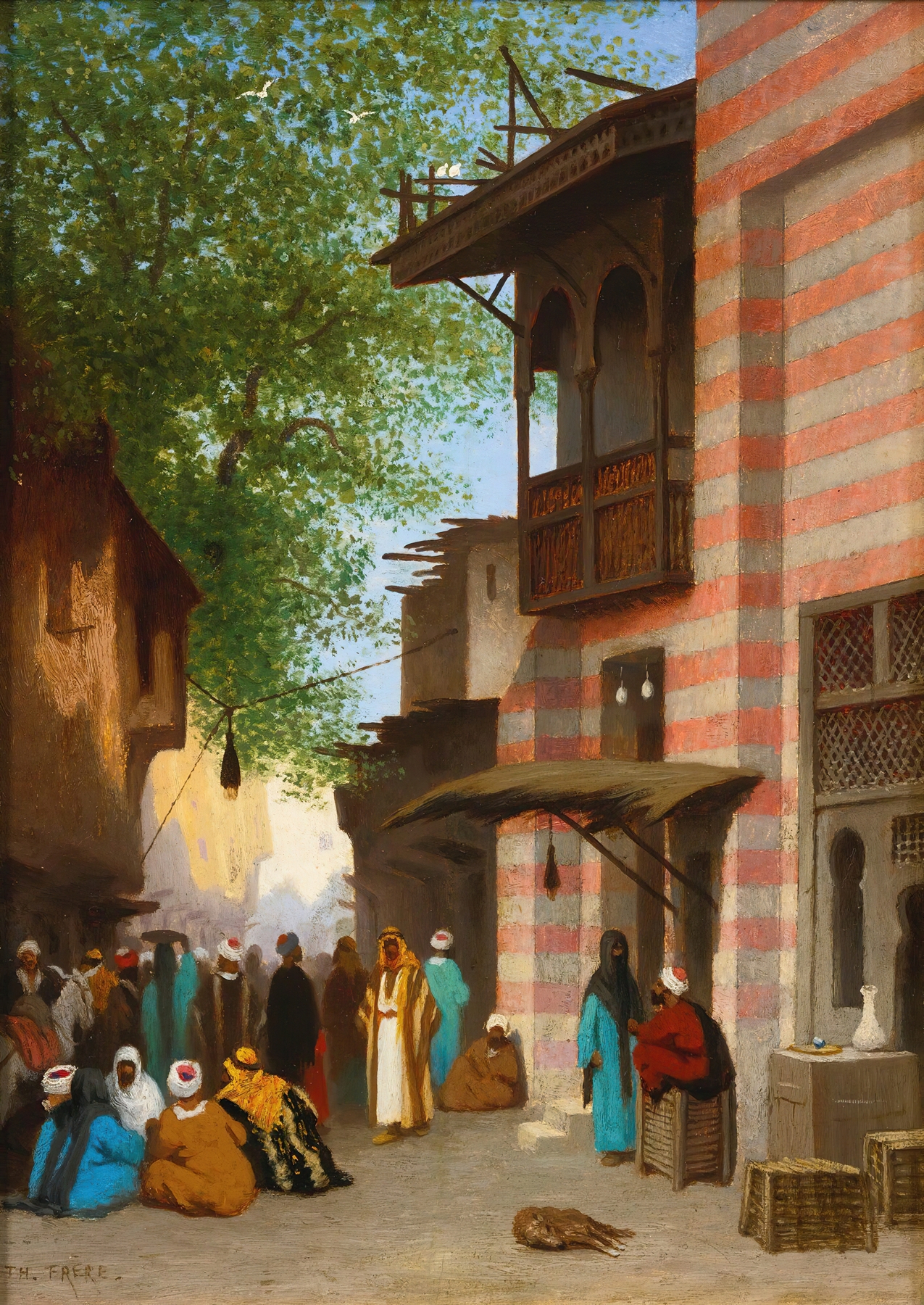
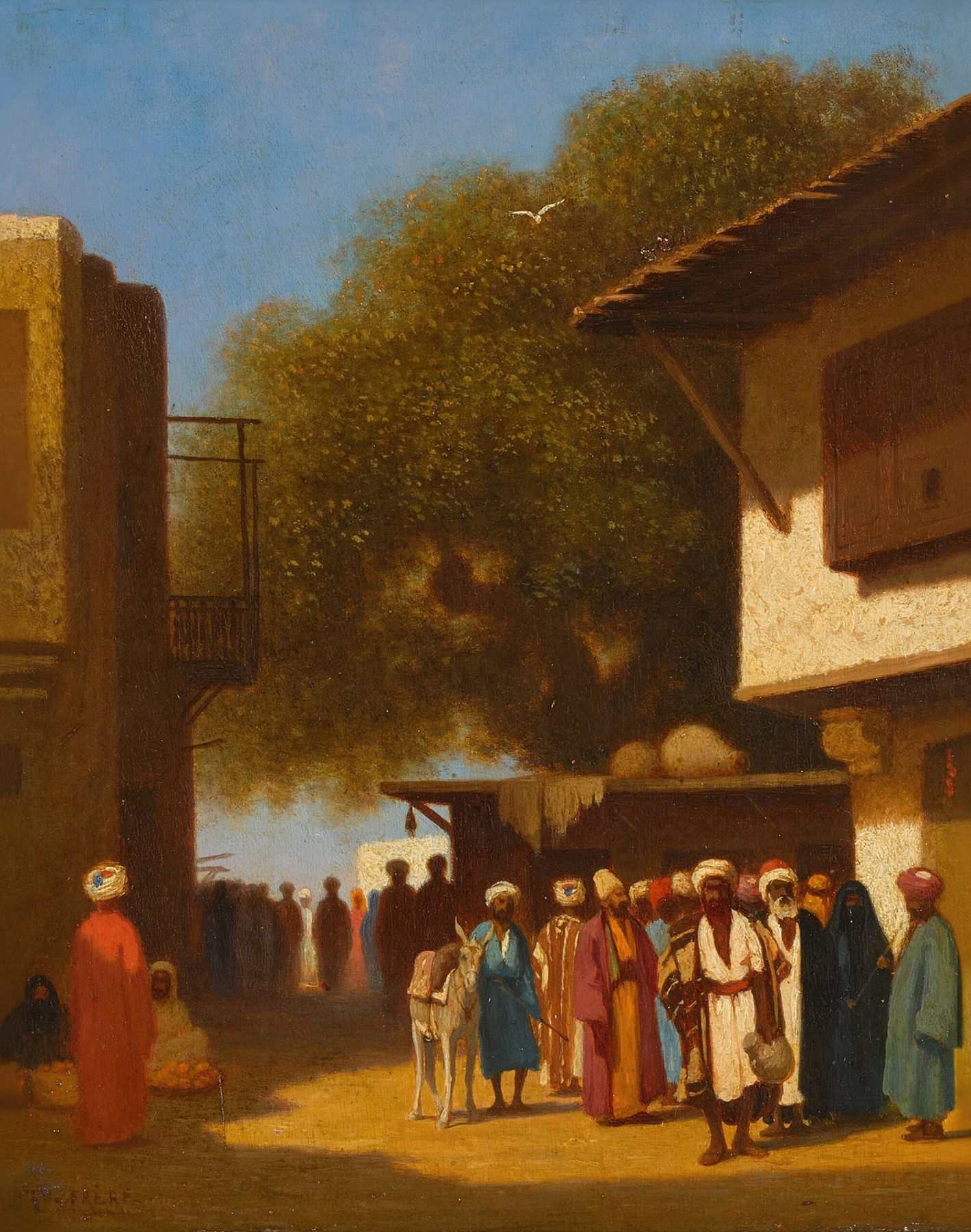
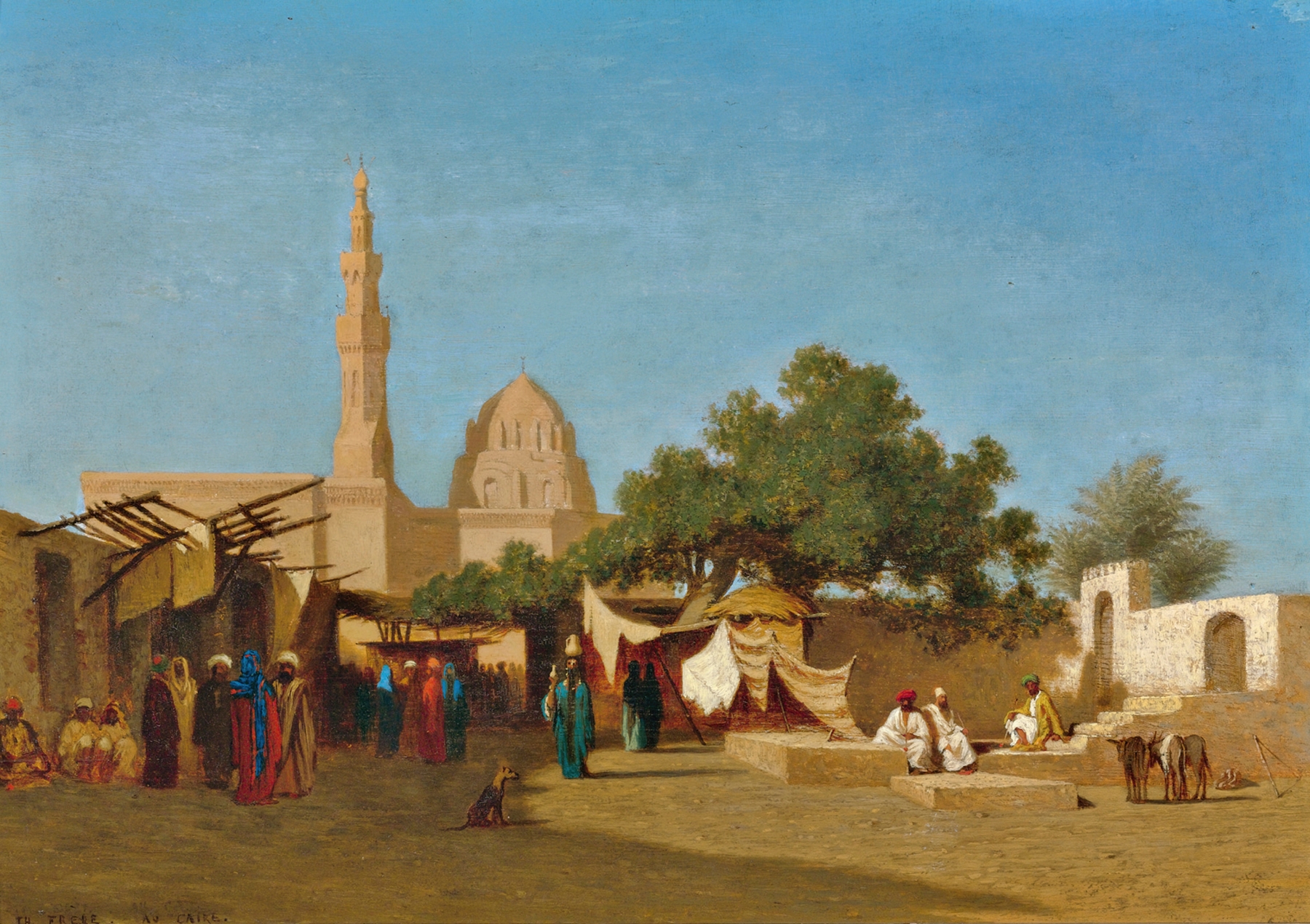
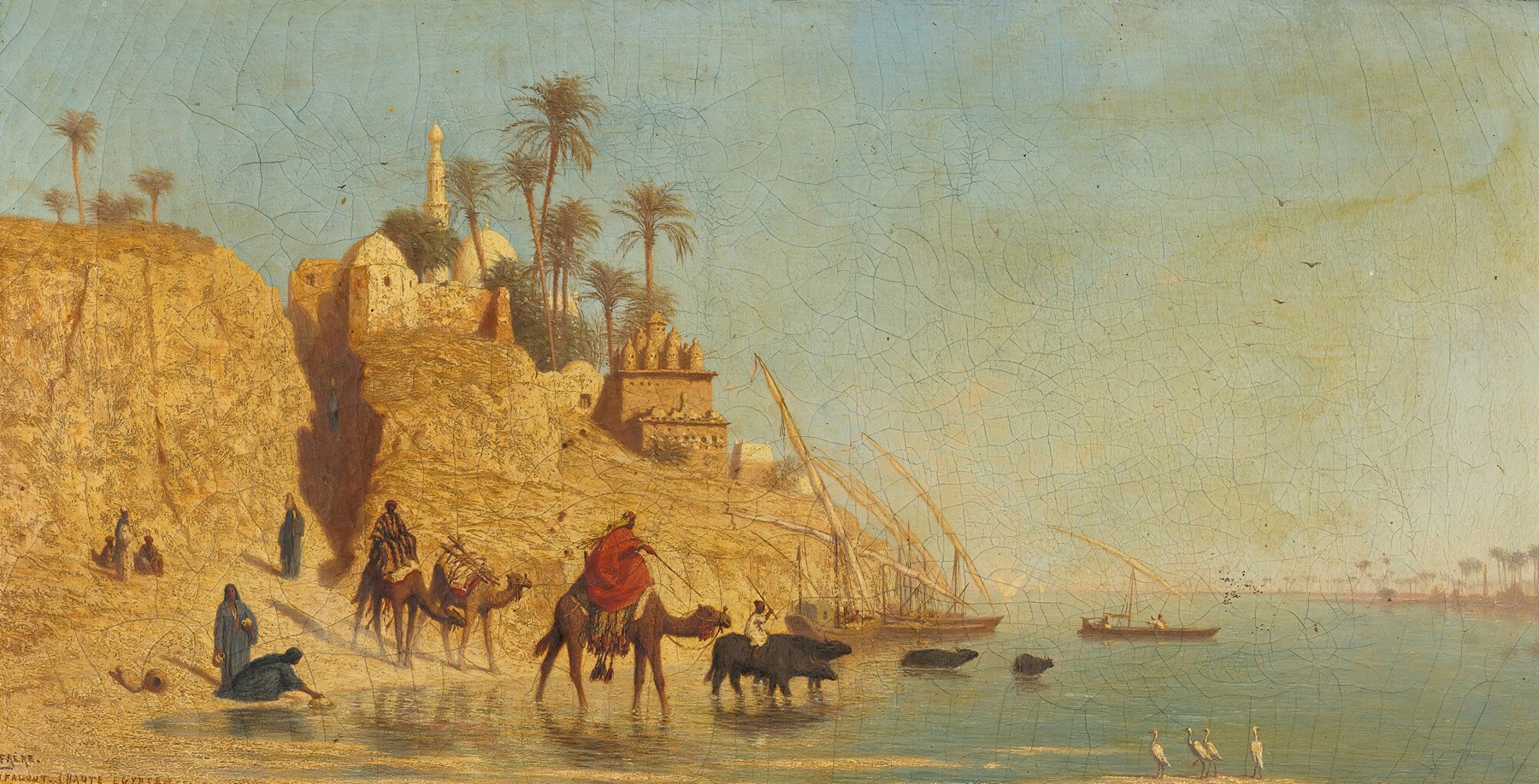
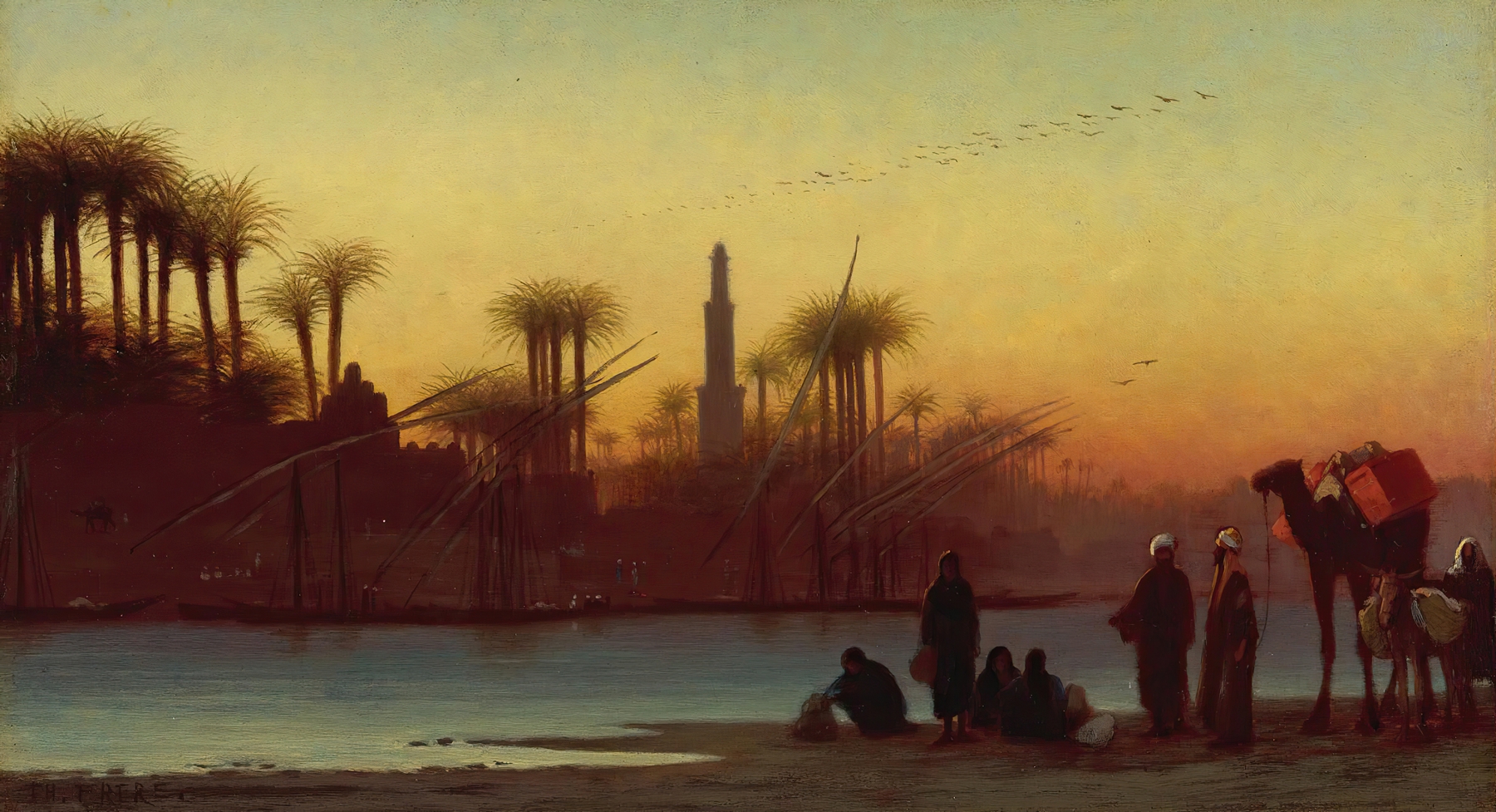
“Under the brush, chaos becomes grace.” This exquisite transformation is the essence of yearning—a longing for beauty, serenity, and connection to the world around us. Look closely at the vibrant colors that sweep across the canvas, and your eyes will first alight on the bustling scene of life along the banks of the Nile. The vivid blues and earthy ochres create a captivating contrast, while the gentle brushstrokes depict the movement of the river and the figures inhabiting its shores. Notice how the light dances on the water’s surface, reflecting the sun’s warmth and illuminating the rich textures of the palm trees swaying in the breeze.
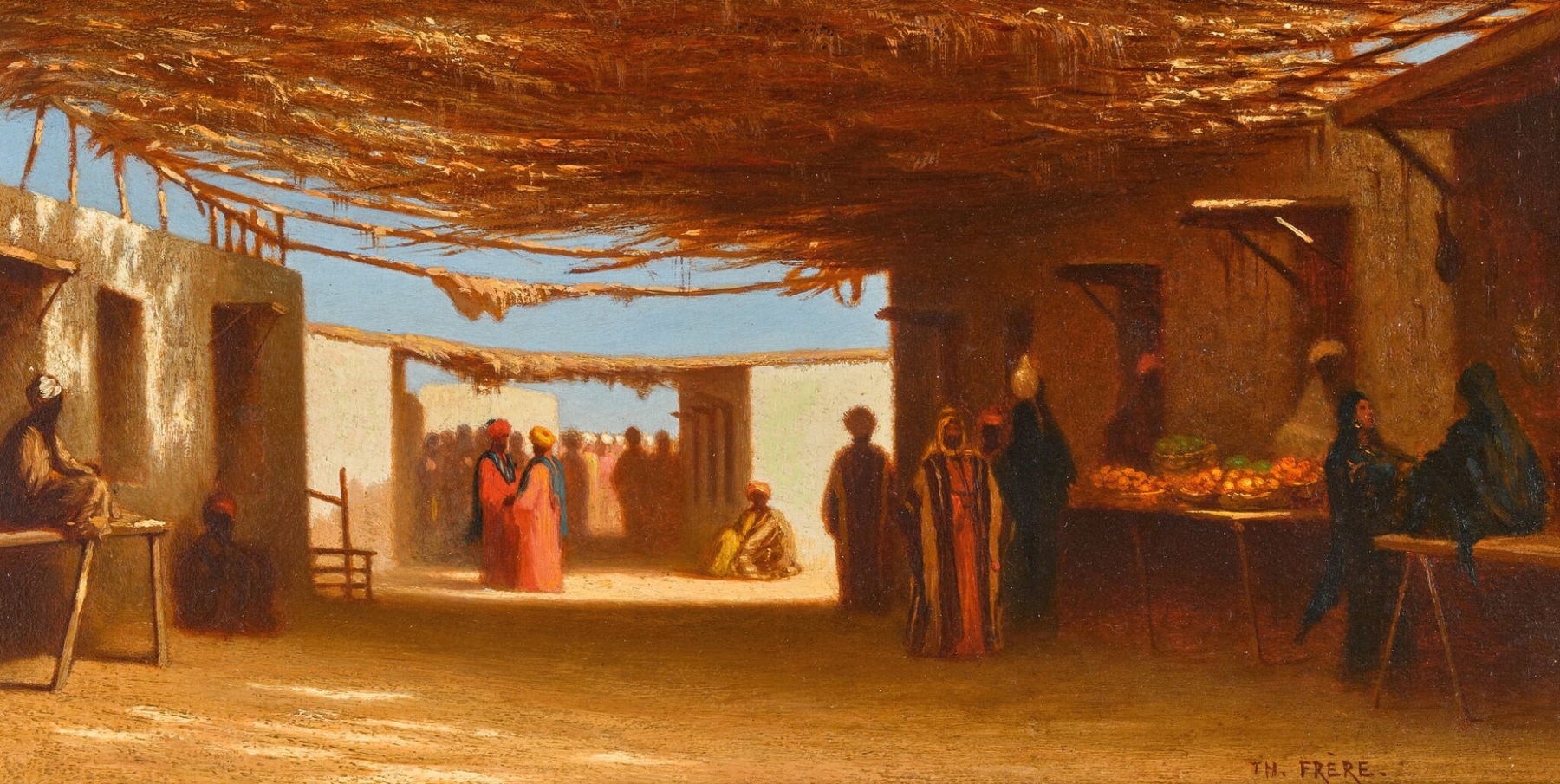
Delve deeper, and the emotional tension reveals itself. The figures, some engaged in their daily labors, others seemingly lost in thought, embody a spectrum of human experience. Their poses convey both the vibrancy of life and the quiet introspection of longing for something beyond the immediate—a desire for connection, perhaps, or a search for purpose against the backdrop of nature's beauty. The juxtaposition of the lively market scene with the tranquil river offers a poignant contrast between hustle and calm, evoking an intricate dance of chaos and grace.
During this period, the artist painted this remarkable work while he was immersed in the vibrant cultural milieu of 19th-century Egypt. Known for his depictions of Middle Eastern landscapes and life, Frère captured the essence of a region steeped in history and transformation. At this time, the art world was grappling with the romanticism of the East, and in this work, Frère contributes to that dialogue, reflecting the complexities of his surroundings through vivid imagery and emotional depth.