View of Saint Peter’s in Rome — History & Analysis
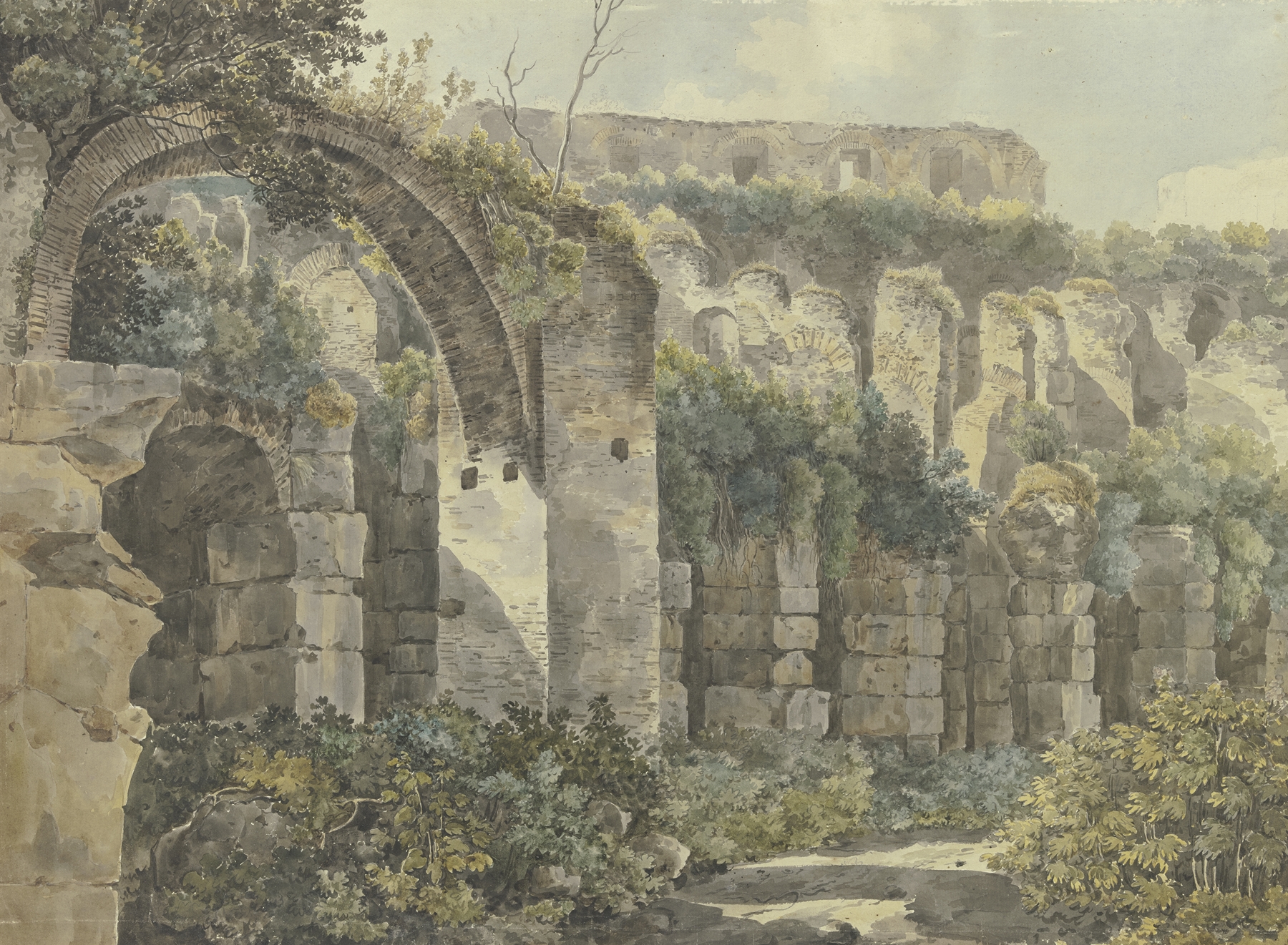
What secret hides in the quiet of the canvas? In the stillness of View of Saint Peter’s in Rome, destiny unfolds, whispering tales of faith and ambition through its serene hues and calculated composition. Look to the foreground, where soft greens and blues gracefully cradle the iconic dome of Saint Peter's Basilica. The way Hackert captures light reveals a moment frozen in time; the sun kisses the stone, illuminating its majesty against the deep, shadowed sky. Your eyes are drawn to the delicate interplay of light and shadow, emphasizing not just the architecture, but the very spirit of the city.
Every brushstroke feels intentional, each detail meticulously considered, from the tiny figures moving along the paths to the gentle roll of the hills that encircle this famed site. Beneath this tranquil surface lies a profound commentary on human aspiration. The contrasting vibrant vitality of the landscape juxtaposes with the solemn grandeur of the basilica, hinting at the dichotomy between nature and human endeavor. The serene sky looms overhead, suggesting both the divinity associated with the church and the humility of those who gaze upon it.
This balance evokes a sense of hope, drawing parallels between the eternal and the ephemeral. In 1774, Jacob Philipp Hackert created this piece during a time of burgeoning neoclassicism in Europe, amidst a shift towards the appreciation of natural beauty and historical grandeur. Living in Rome, he was deeply influenced by the city’s rich artistic heritage while also striving to carve his own path in a competitive art world. The painting reflects not only his personal journey as an artist but also the era's search for meaning and connection within nature and architecture.