View of the Campagna Romana from the Via Appia — History & Analysis
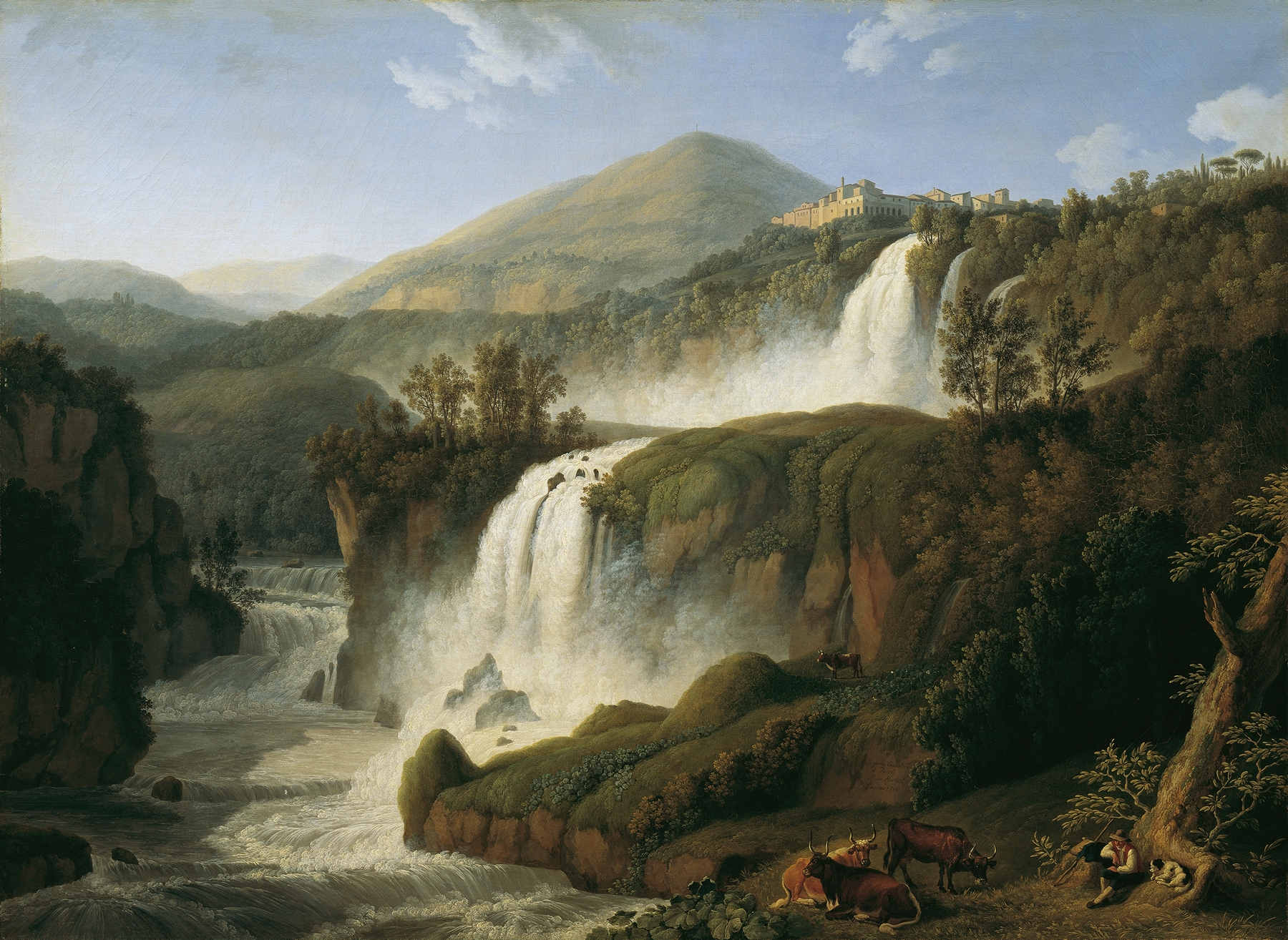
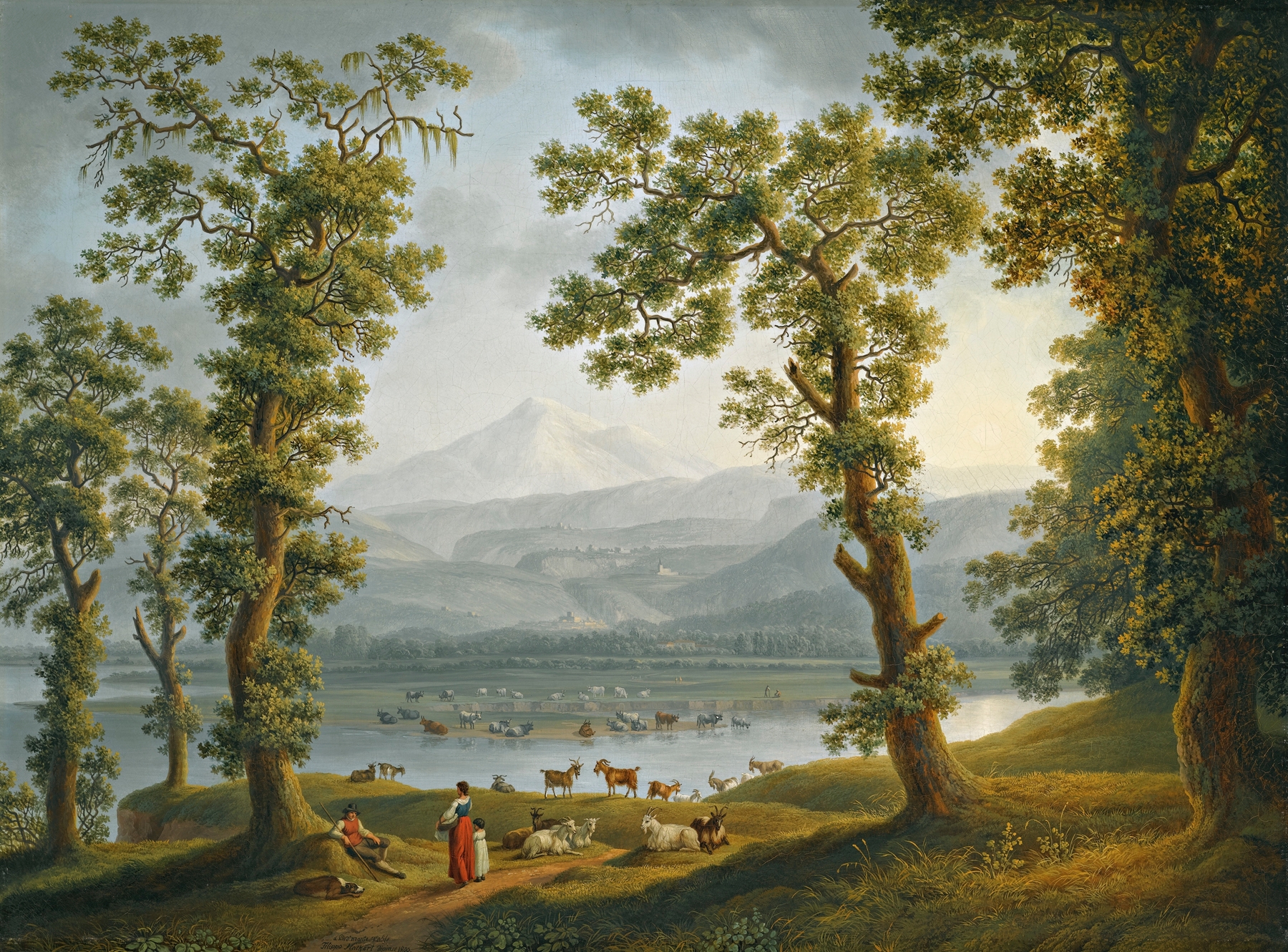
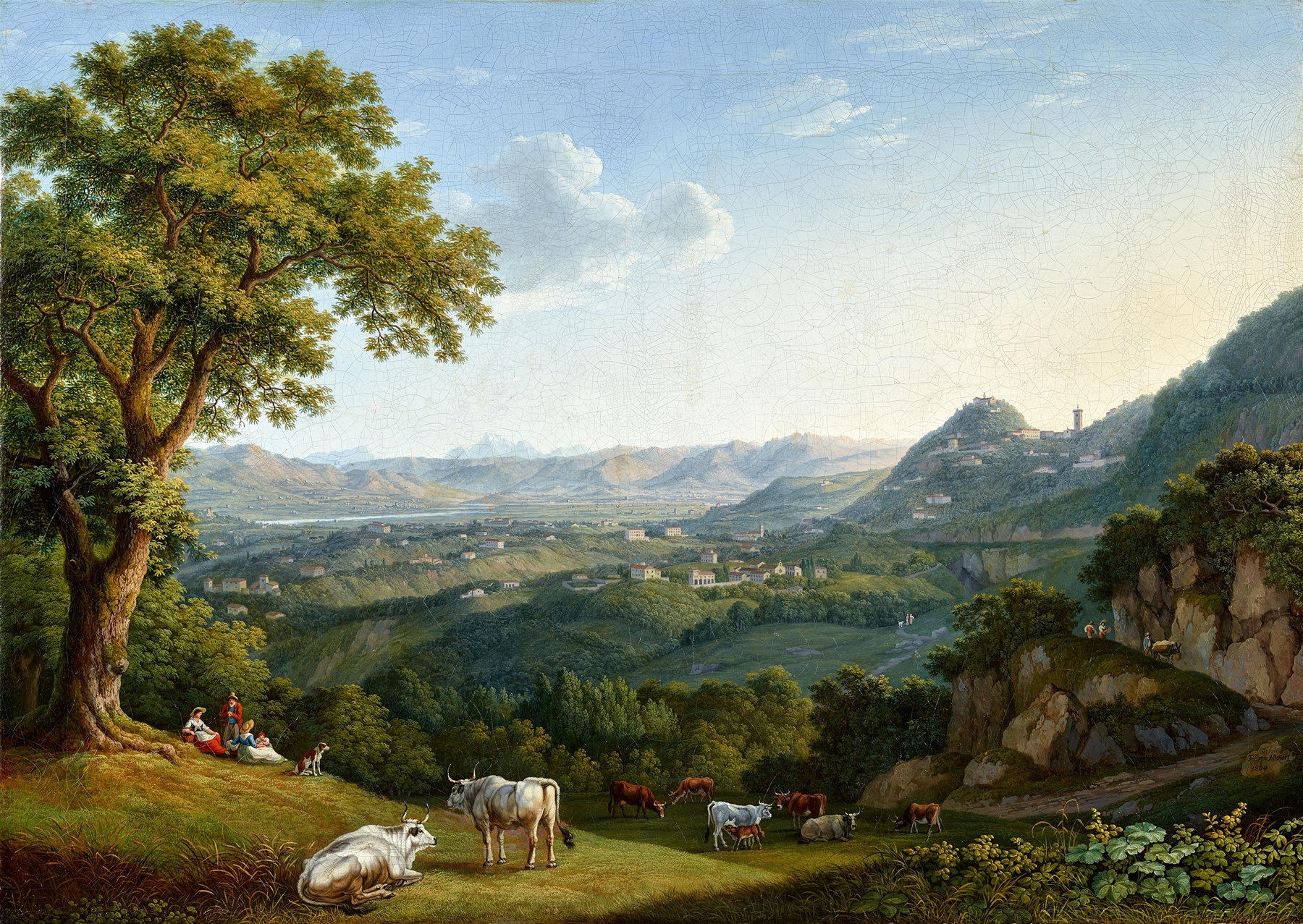
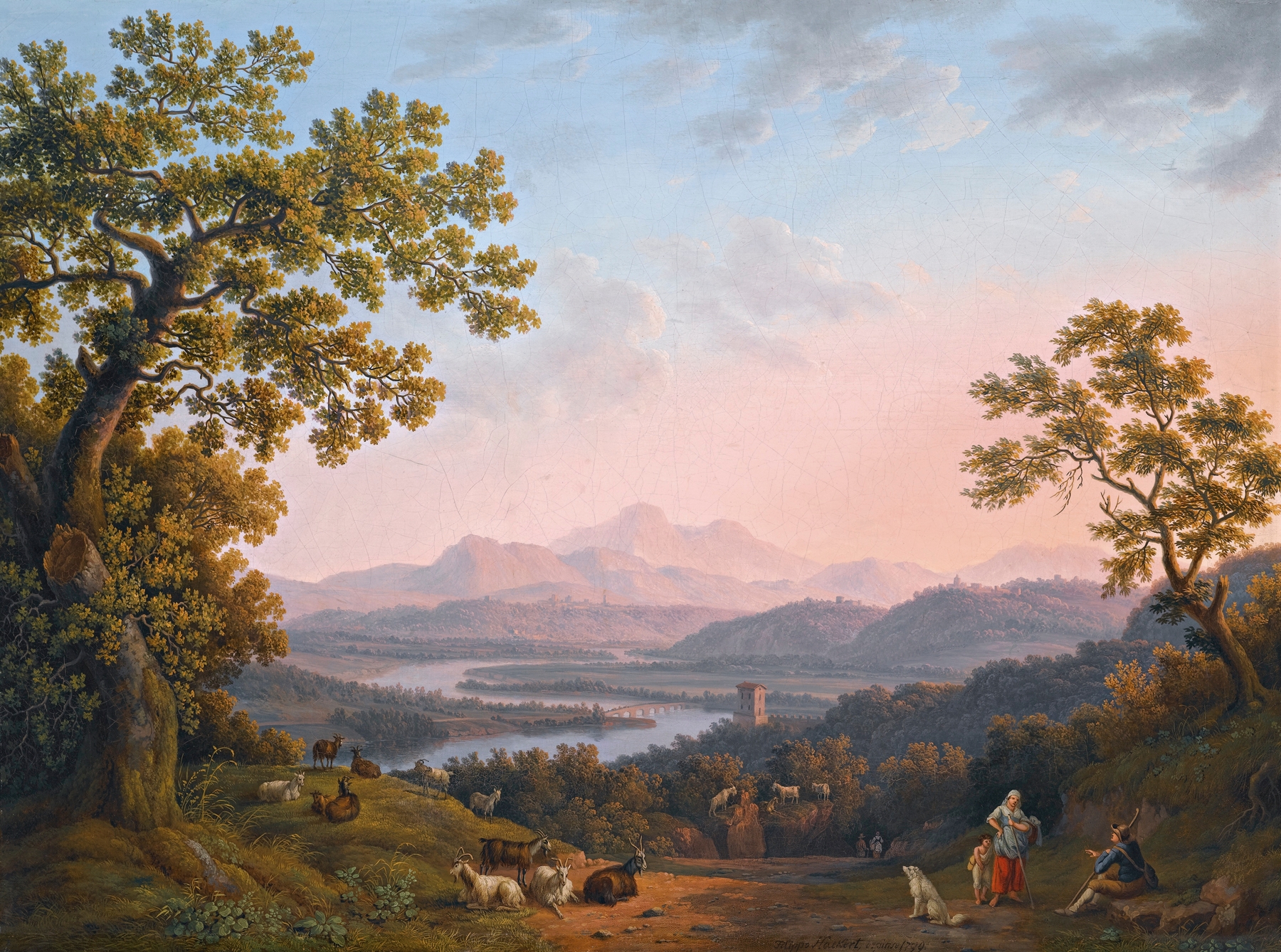
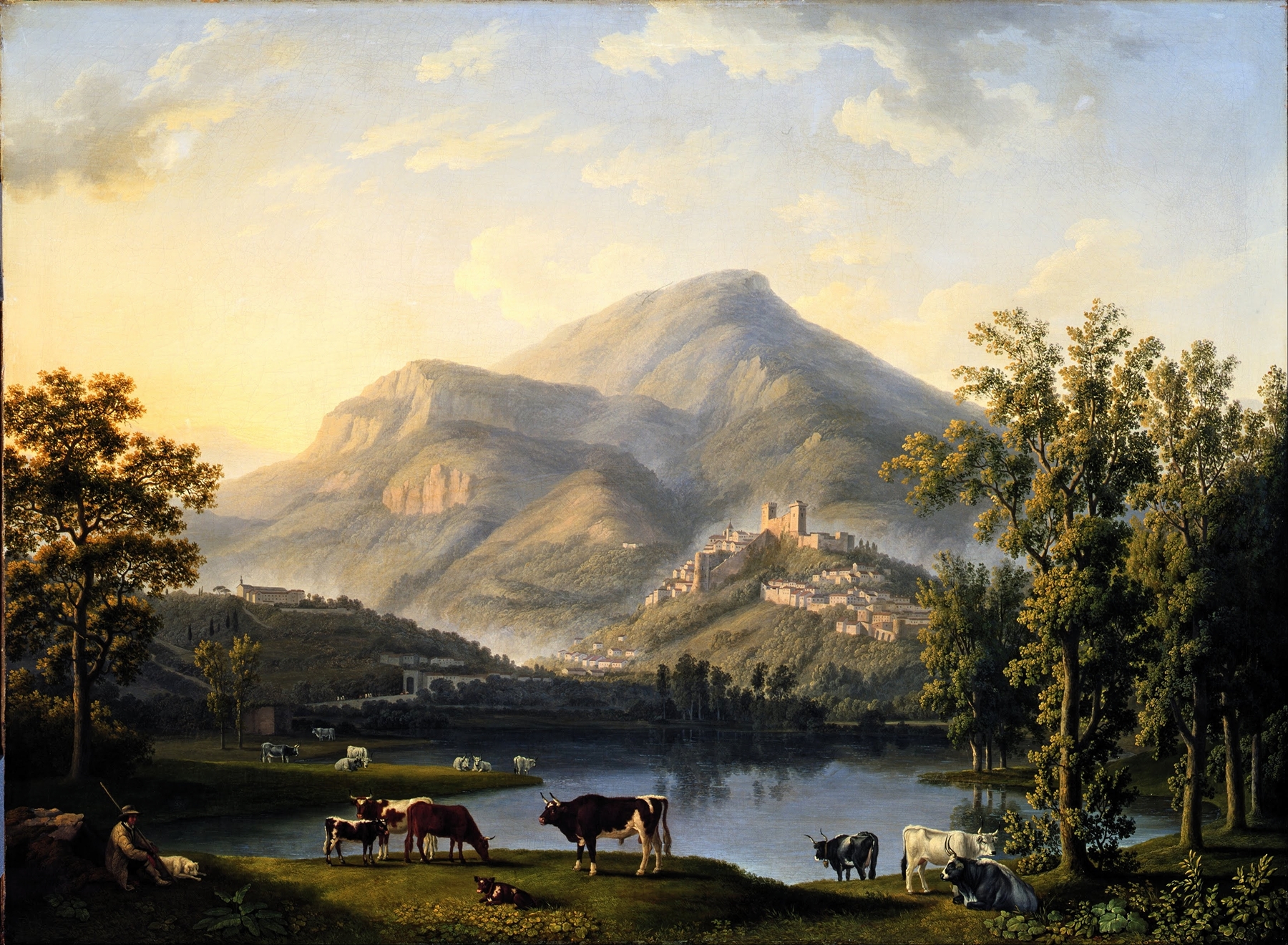
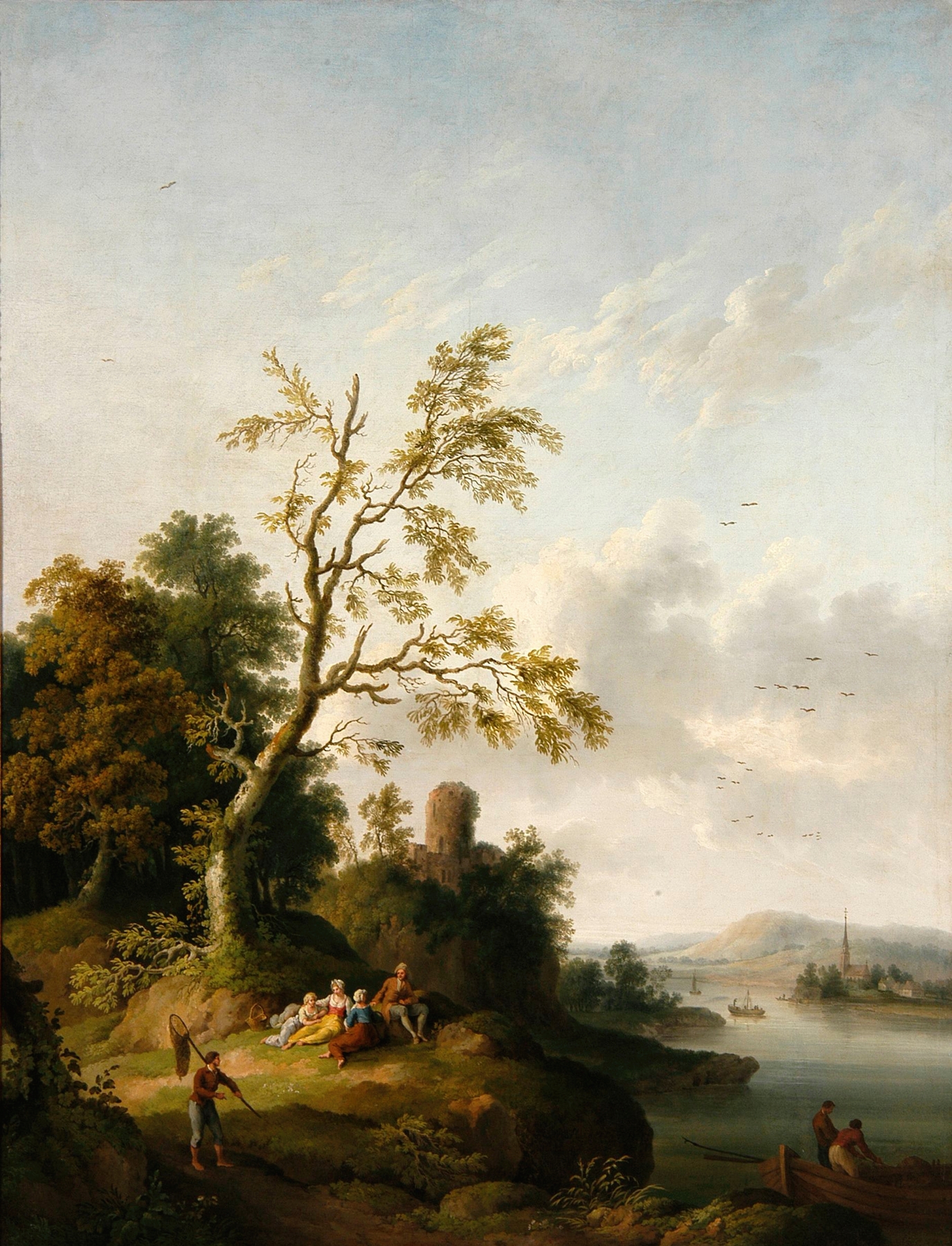
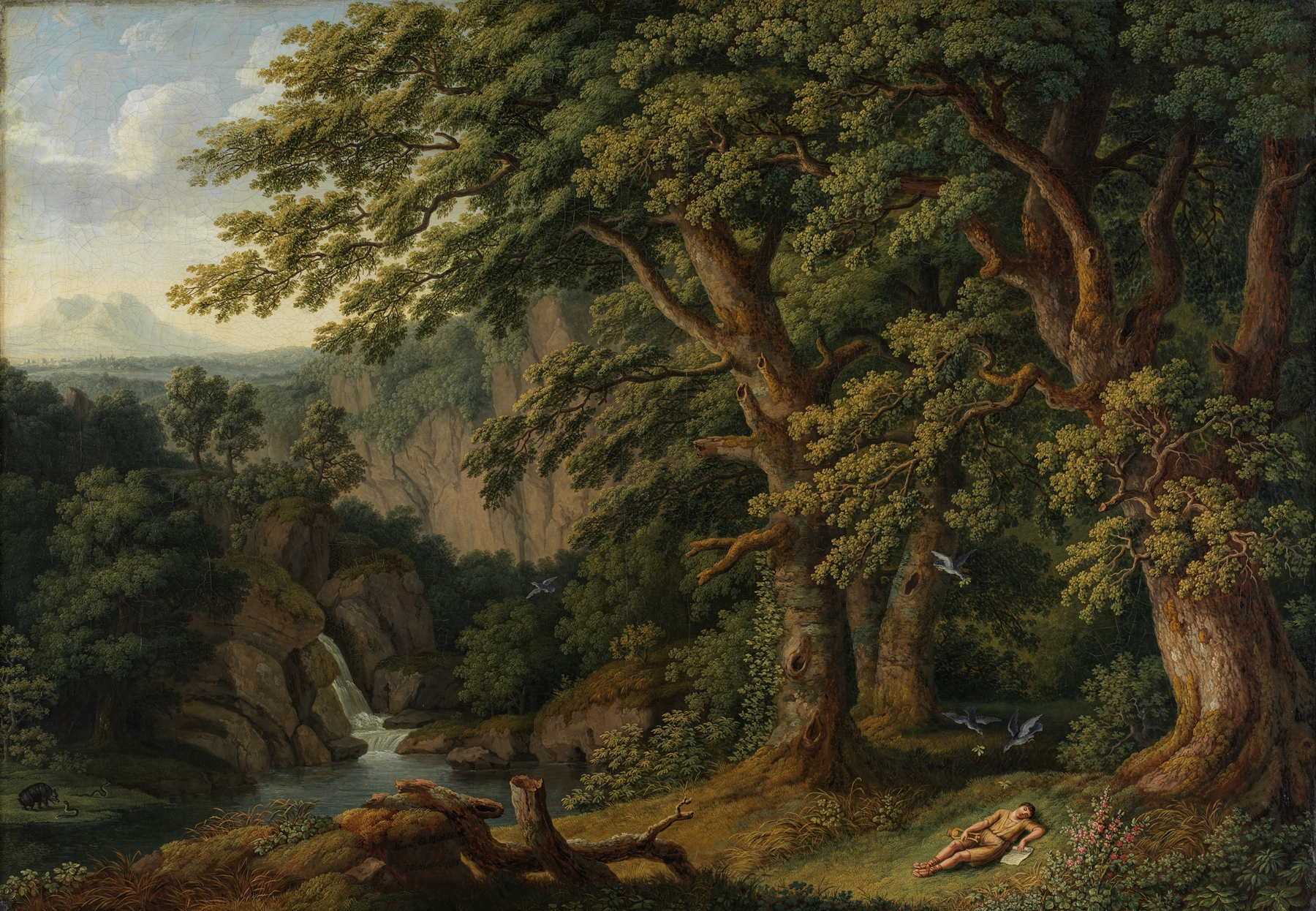
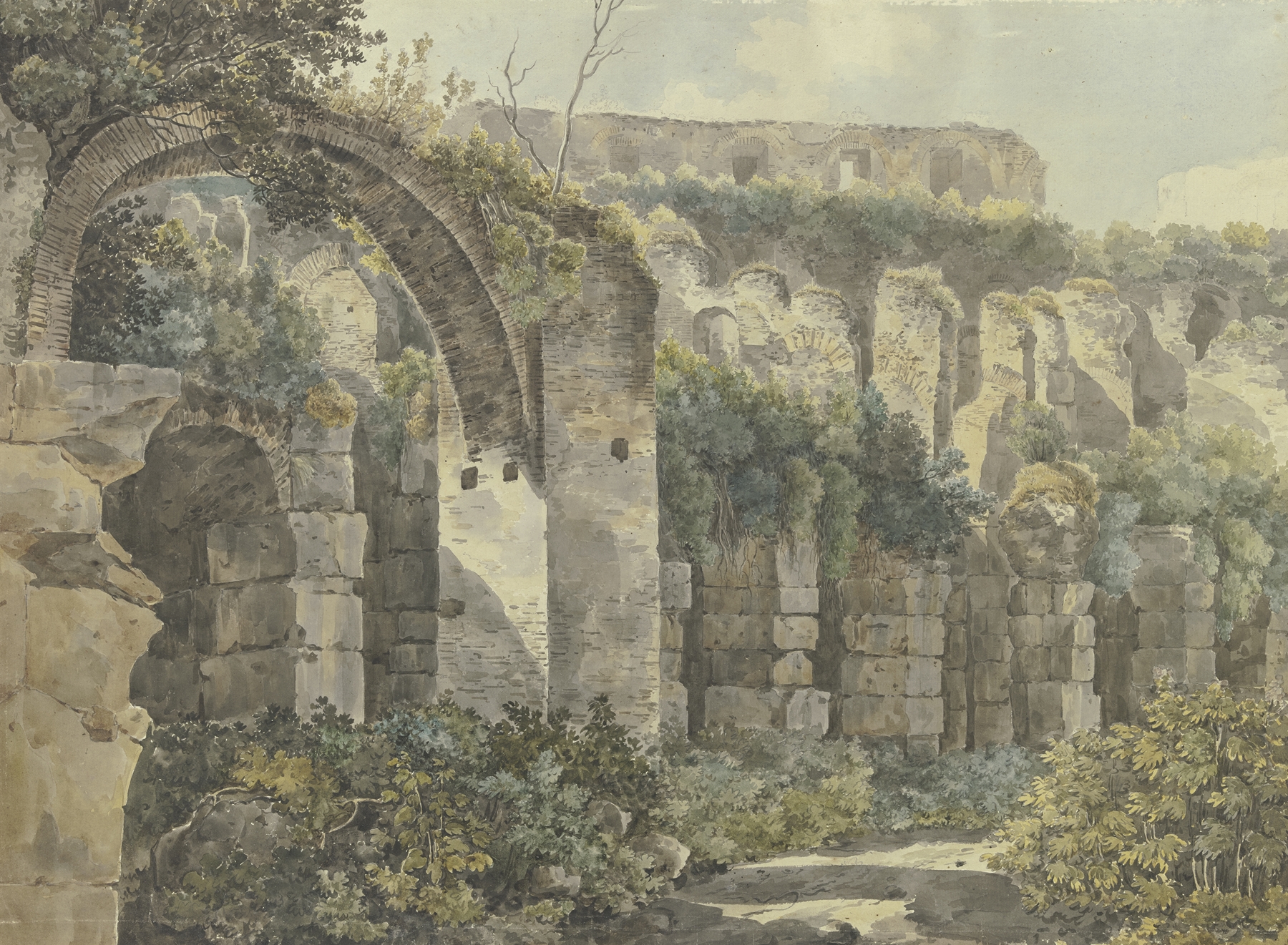
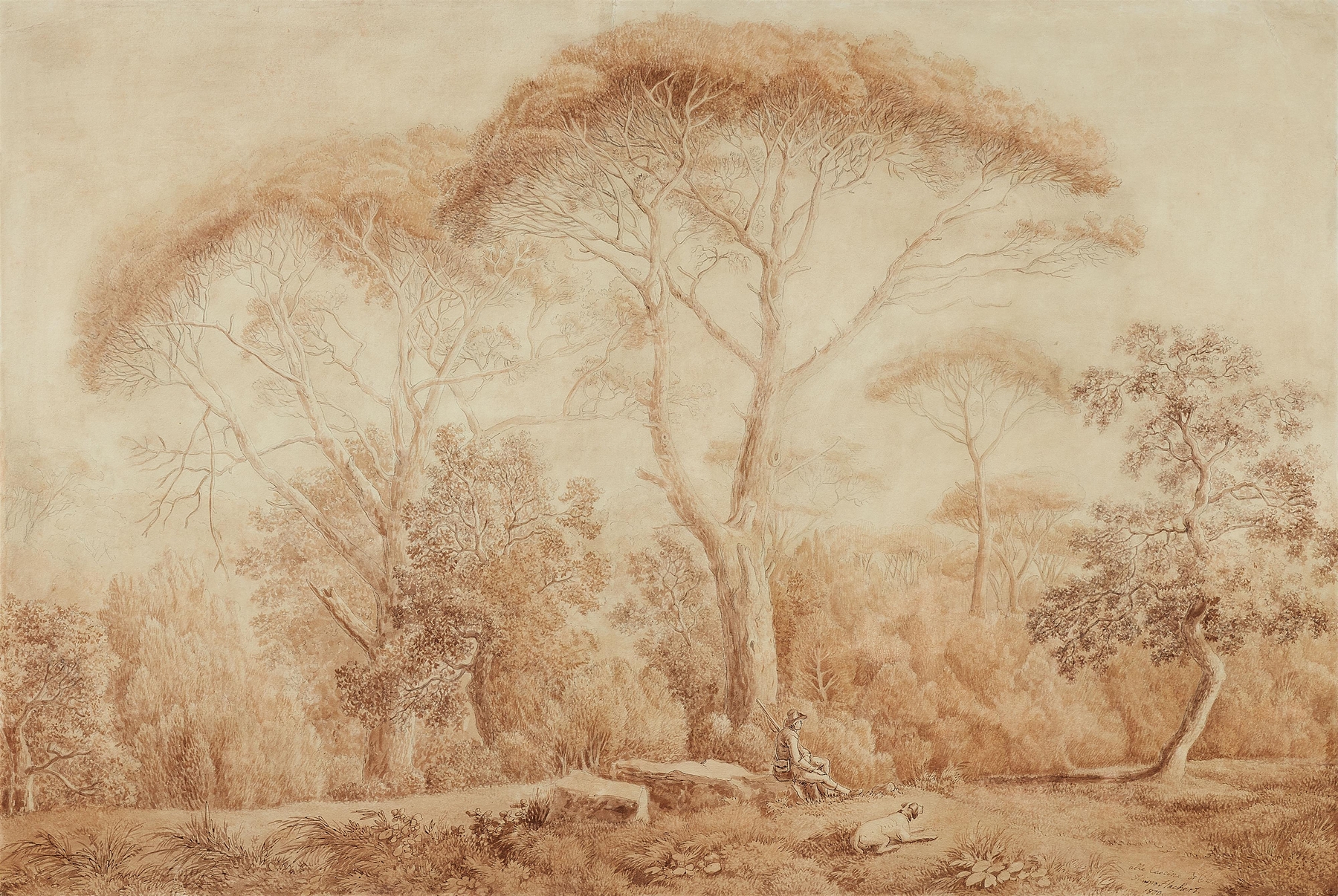
“The canvas doesn’t lie — it simply waits.” It encapsulates the balance between nature and civilization, revealing the tension inherent in our coexistence with the world around us. Begin your exploration of View of the Campagna Romana from the Via Appia by looking to the expansive horizon where soft, rolling hills meet a brilliant sky. Notice how the warm light bathes the landscape, casting gentle shadows that breathe life into the verdant fields below. The meticulous brushwork brings texture to the grass and trees, while the subtle gradations of green and gold create a sense of depth, drawing your eye deeper into the composition.
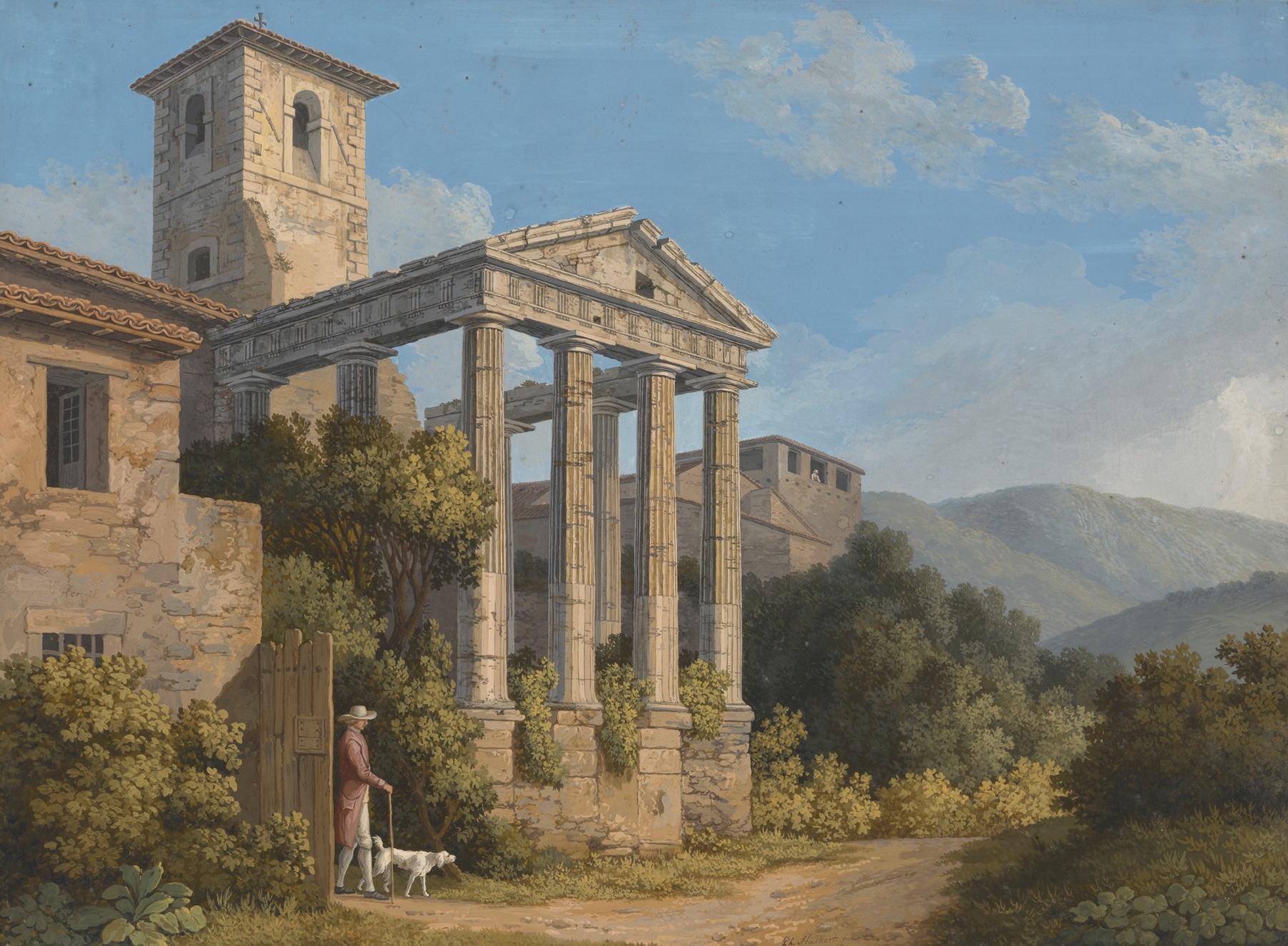
As you absorb the scene, consider the contrasts present in this peaceful setting. The natural beauty of the Campagna Romana is framed by the remnants of ancient structures, hinting at the passage of time and human intervention. The stillness of the landscape is punctuated by the distant figures, who appear almost as an afterthought, emphasizing both the insignificance and resilience of humanity against the grandeur of nature. This balance between man and earth, permanence and transience, resonates with the viewer on a profound level.
In 1775, Jacob Philipp Hackert created this work during a pivotal moment in his career while residing in Italy, where he was influenced by the breathtaking vistas that surrounded him. This period marked a burgeoning interest in capturing the beauty of landscapes, reflecting the Enlightenment's values of reason and observation. The artist’s dedication to realism and his integration of classical themes positioned him as a significant figure in the transition towards Romanticism within the art world.