View of Ujazdów and Łazienki — History & Analysis
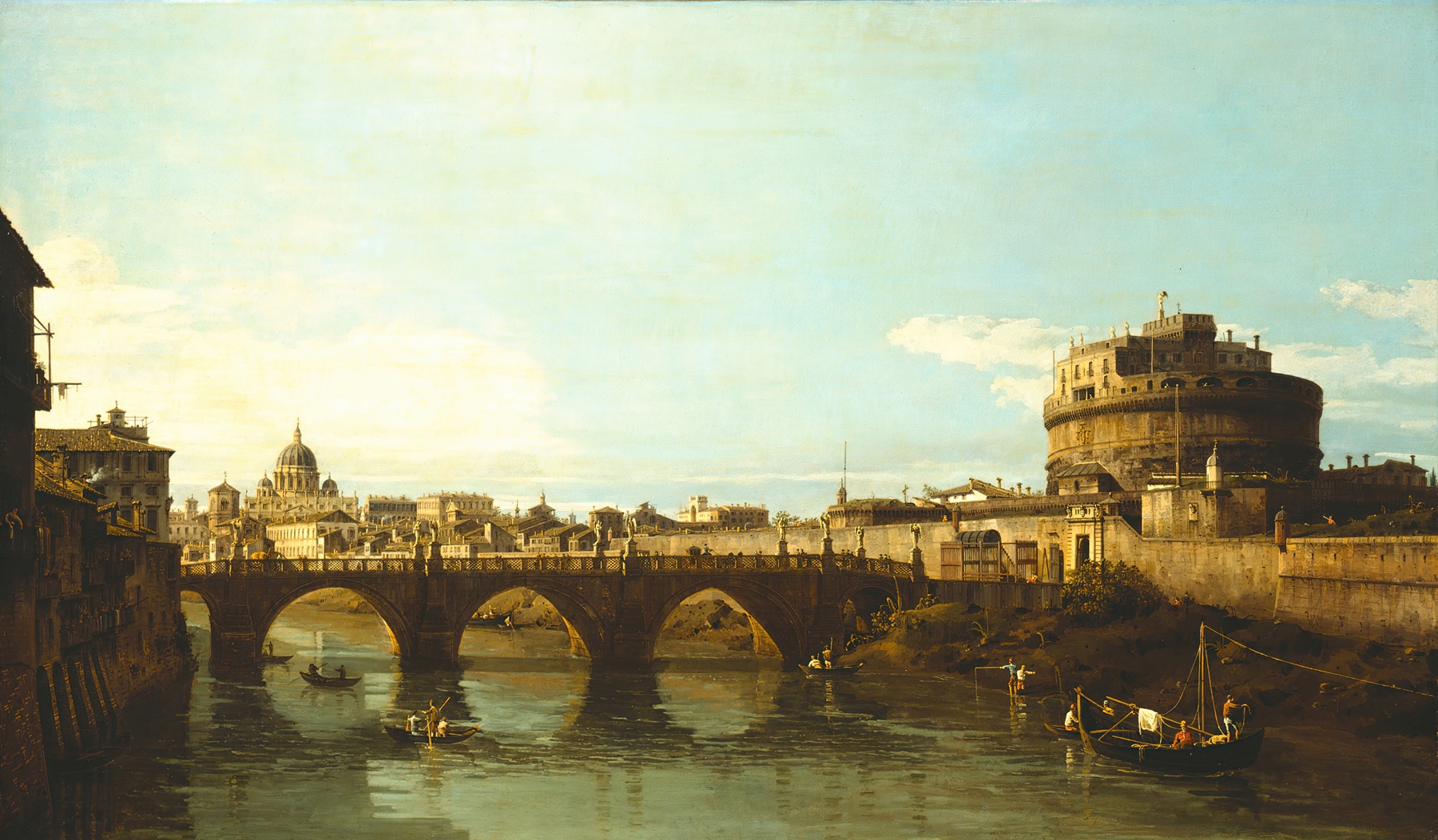
“Art reveals the soul when the world turns away.” In View of Ujazdów and Łazienki, illusion becomes reality, beckoning us into a delicate world of architectural beauty intertwined with nature’s bounty. Look to the foreground where Bellotto meticulously captures the curved banks of the river, reflecting the soft brushstrokes of trees that dance in the gentle breeze. Notice how the light filters through the foliage, casting dappled shadows that animate the landscape. The pastel palette—blues, greens, and soft earth tones—creates a serene yet vibrant atmosphere, while the grand structures in the background draw the eye upward, suggesting both human ambition and the transient beauty of the natural world.
Beneath this tranquil surface lies an exploration of contrasts; the harmony of nature against the rigidity of man-made structures speaks to the delicate balance between progress and preservation. The interplay of light and shadow echoes the fleeting nature of existence, as trees whisper secrets of time while the buildings stand as stoic witnesses. Each detail is imbued with emotional weight, inviting viewers to ponder what is seen and what remains unsaid in the dialogue between art and life.
In 1776, Bellotto painted this scene while residing in Warsaw, a time when the city was undergoing significant transformation amid political change. As a leading figure in the landscape tradition, he was both capturing the essence of his surroundings and responding to the evolving artistic movements of Europe. This work reflects not only his technical prowess but also a poignant commentary on the era's shifting realities.