View of Verona — History & Analysis
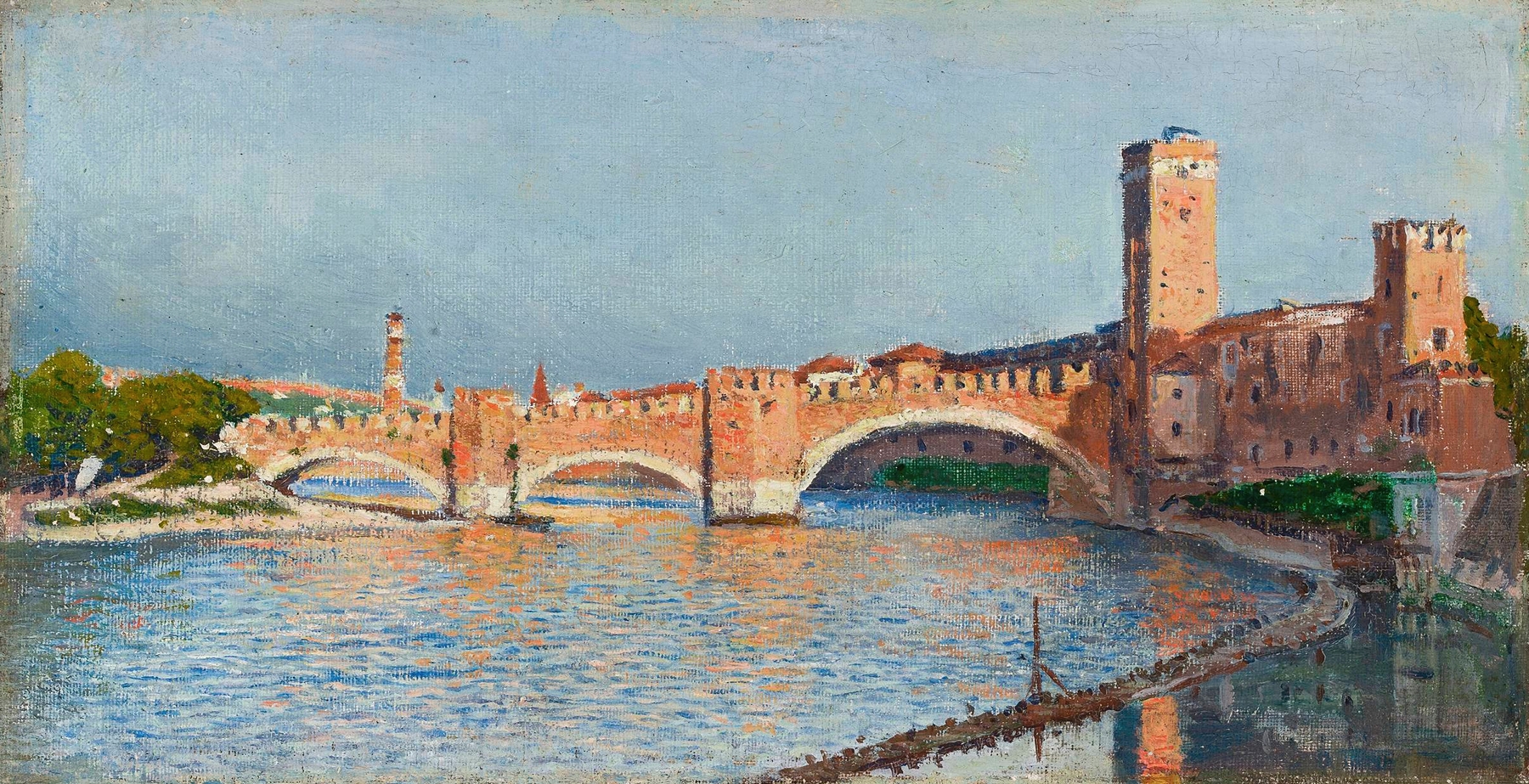
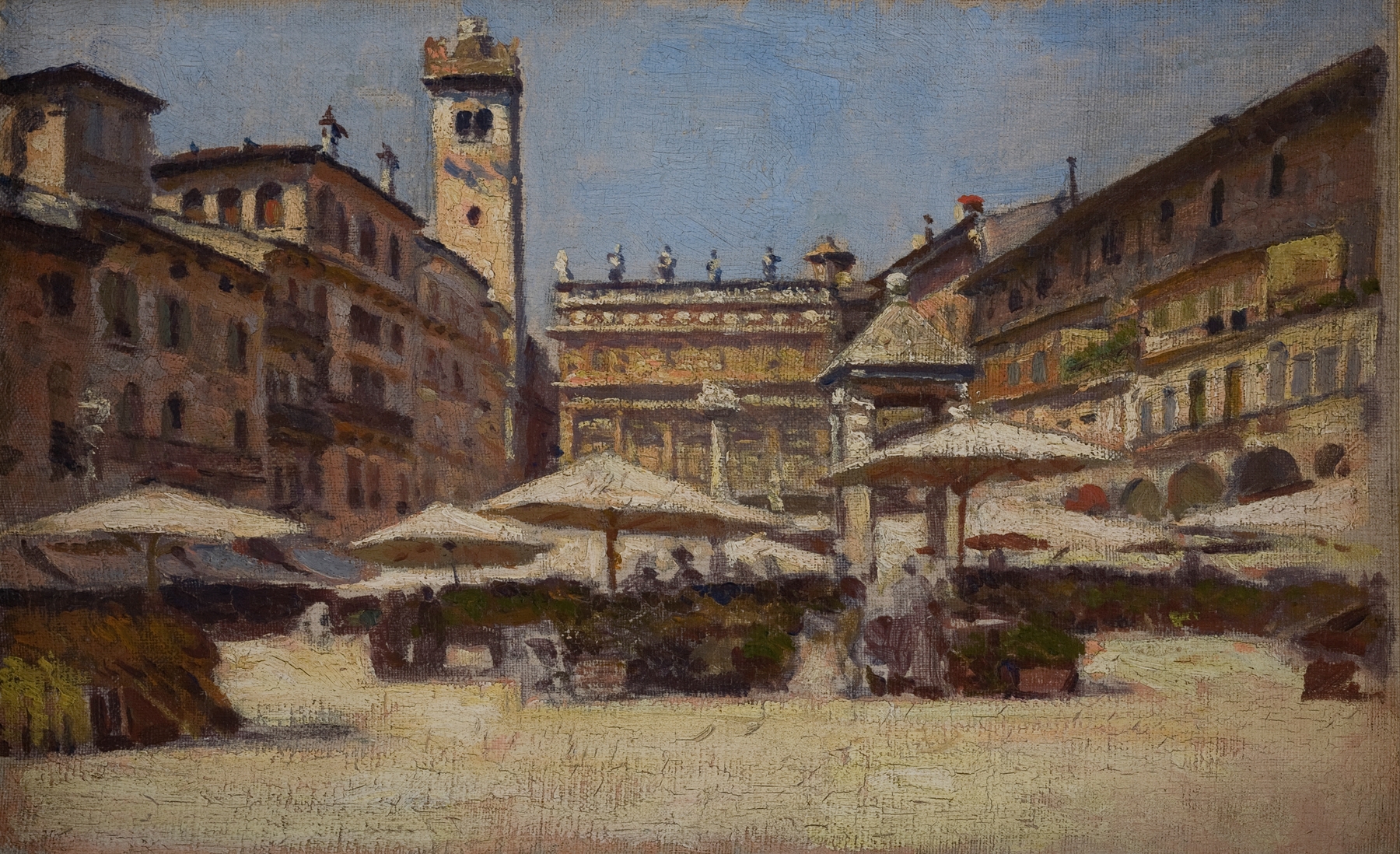
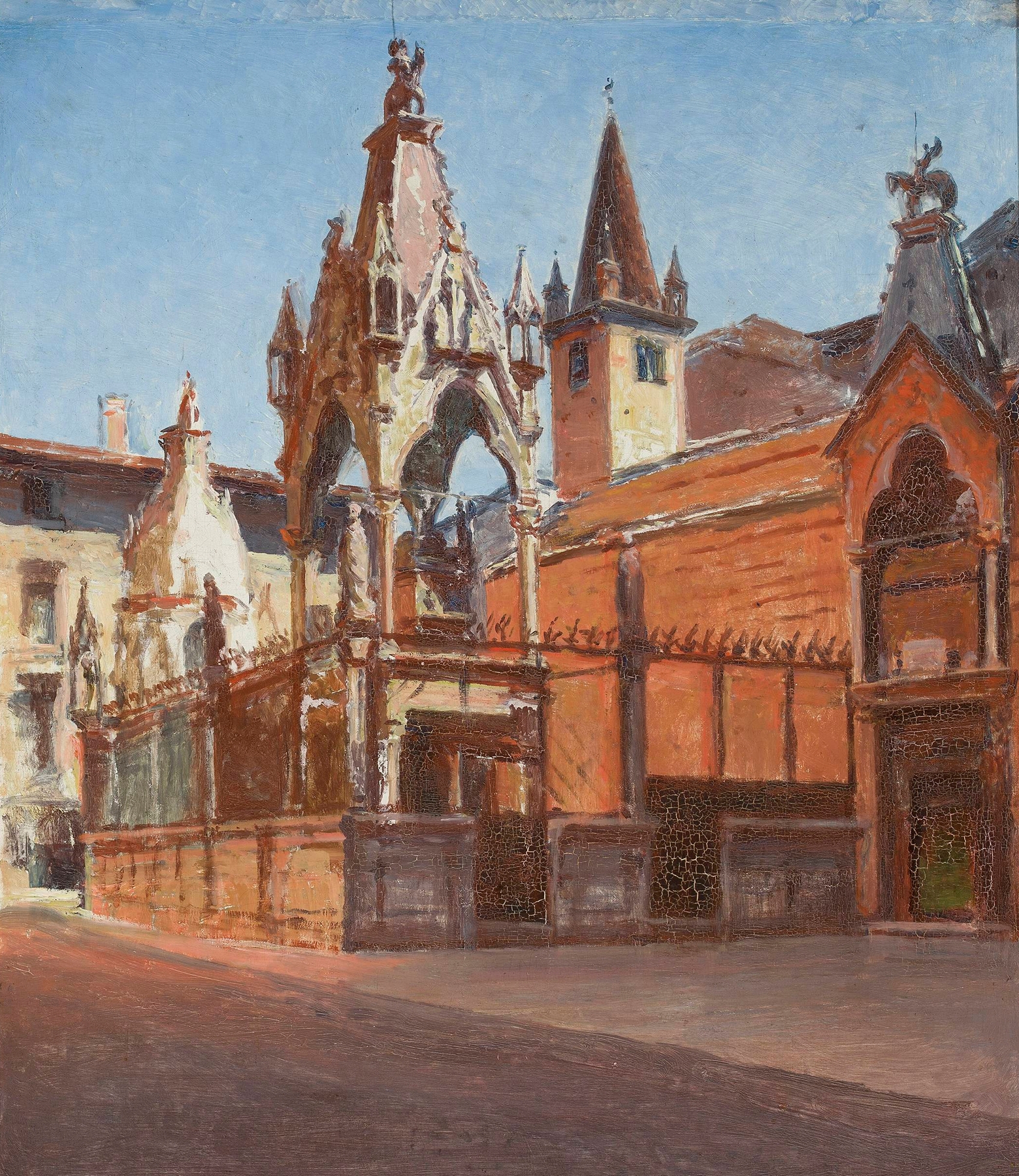
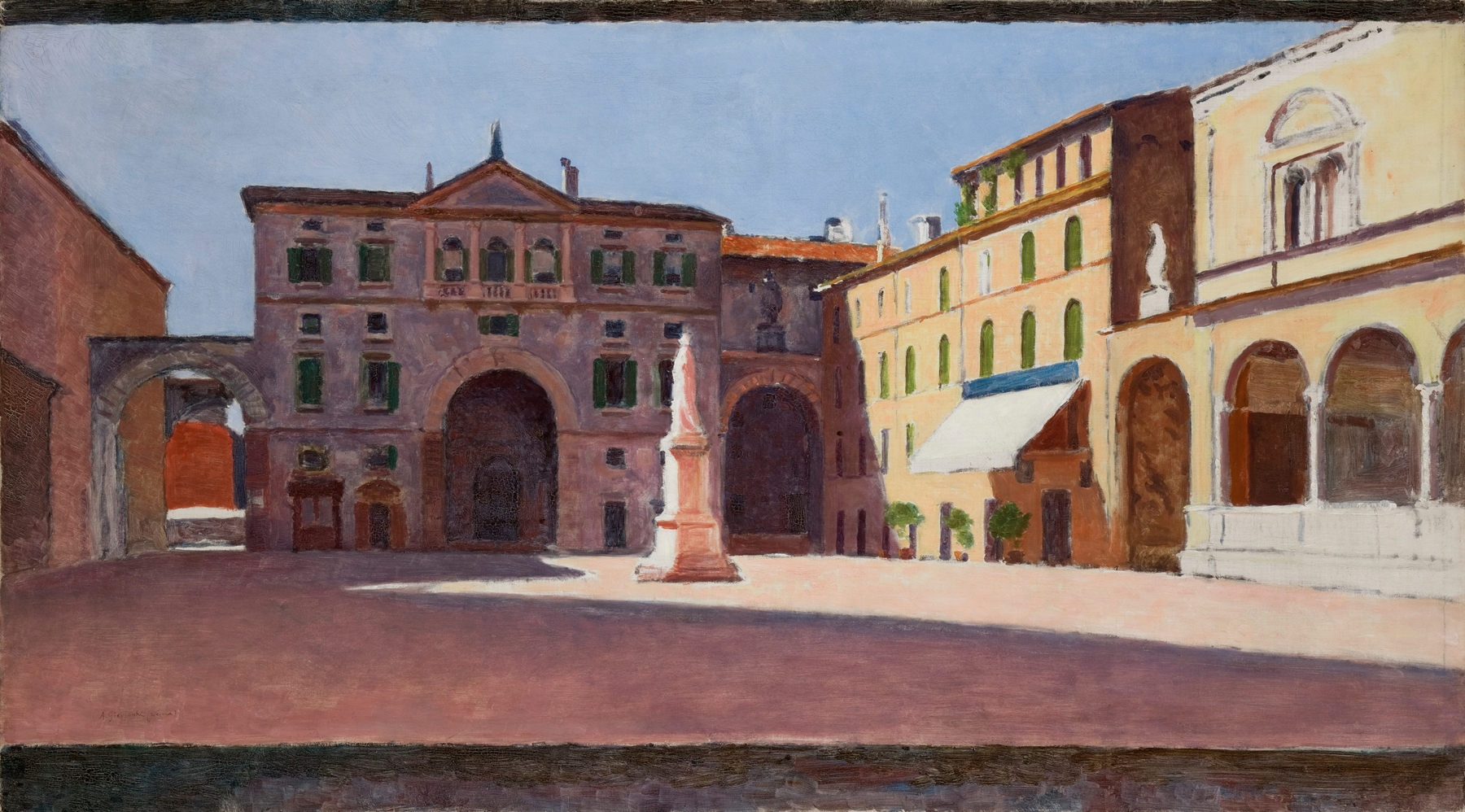
What secret hides in the quiet of the canvas? Beneath the serene surface of View of Verona, whispers of revolution and the pulse of a changing world linger, inviting the viewer to look deeper. Focus on the horizon where the sun dips below the ancient skyline. Notice how the warm hues of oranges and pinks bleed into the cooler blues, suggesting both the end of day and the dawn of change.
The delicate brushwork captures the essence of the city, from the grandeur of its architecture to the subtle movement of life below, while the stillness invites a moment of reflection, allowing the viewer to feel the weight of history. In the foreground, the tranquil river reflects the fading light, acting as a mirror to the city’s soul. Small figures, seemingly insignificant against the monumental backdrop, reveal an intricate dance of everyday life, hinting at the stories of hopes and struggles that pulse beneath Verona’s surface. This juxtaposition of the serene landscape and the weight of its historical context creates an intimate tension, evoking both beauty and the inevitability of change.
Created in 1900, View of Verona encapsulates a pivotal moment for Aleksander Gierymski, who was deeply influenced by the artistic movements of his time. Living in an era marked by social and political upheaval, Gierymski’s work reflects an appreciation for the beauty of the familiar, while subtly acknowledging the winds of revolution sweeping through Europe. His exploration of light, color, and emotion offers a captivating glimpse into the interplay between a city’s rich heritage and the transformative forces at play.