View of Winchelsea, Sussex — History & Analysis
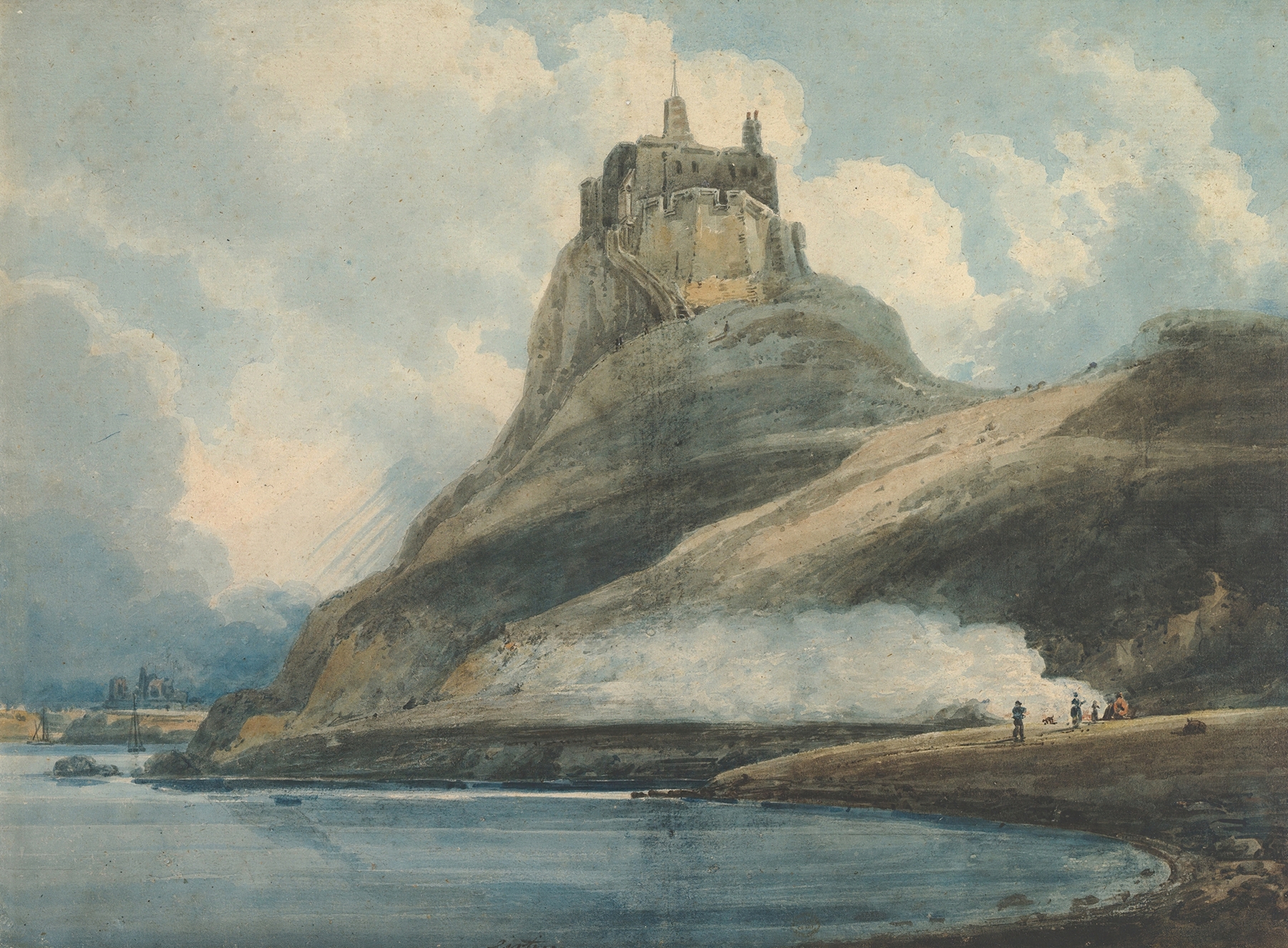
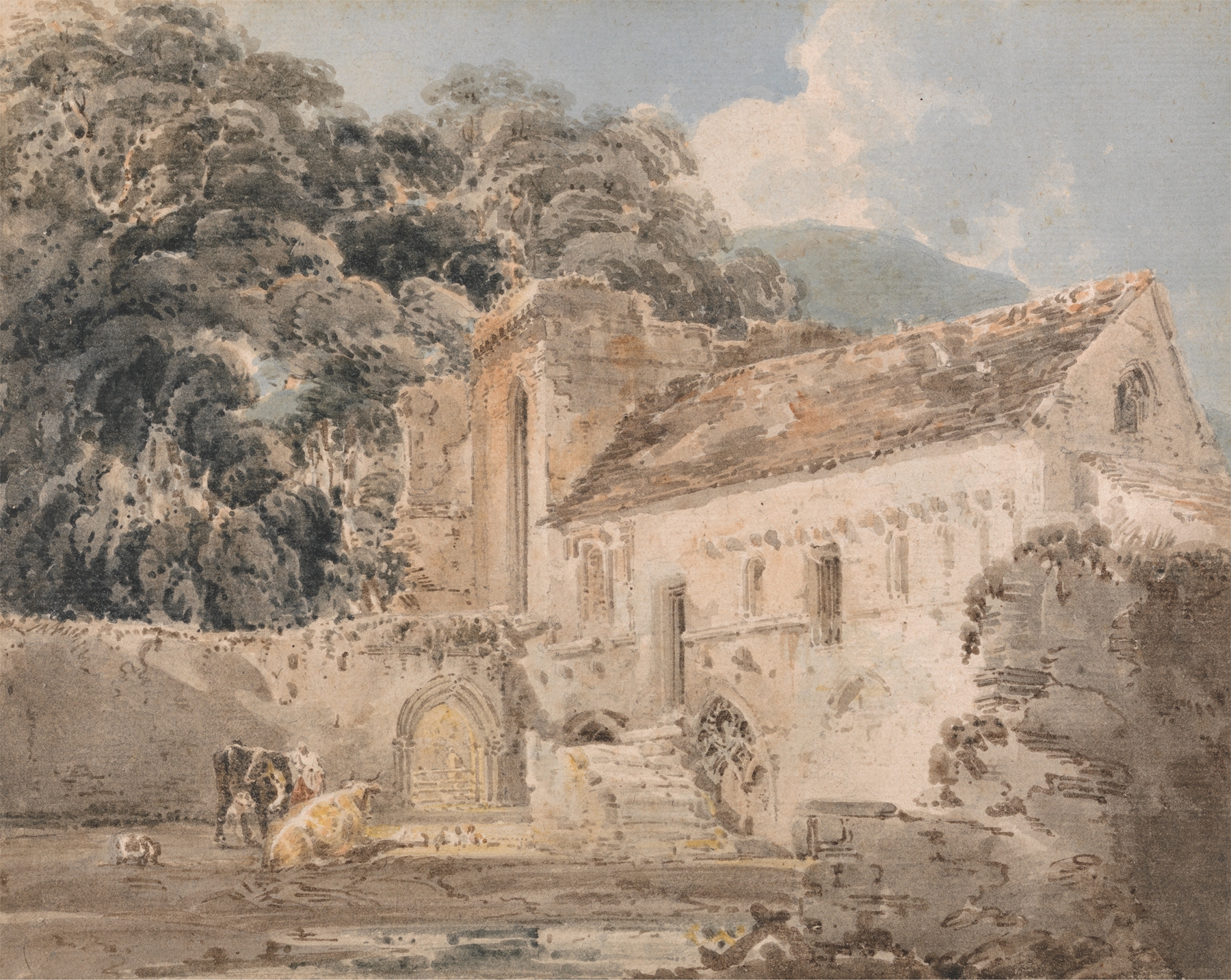
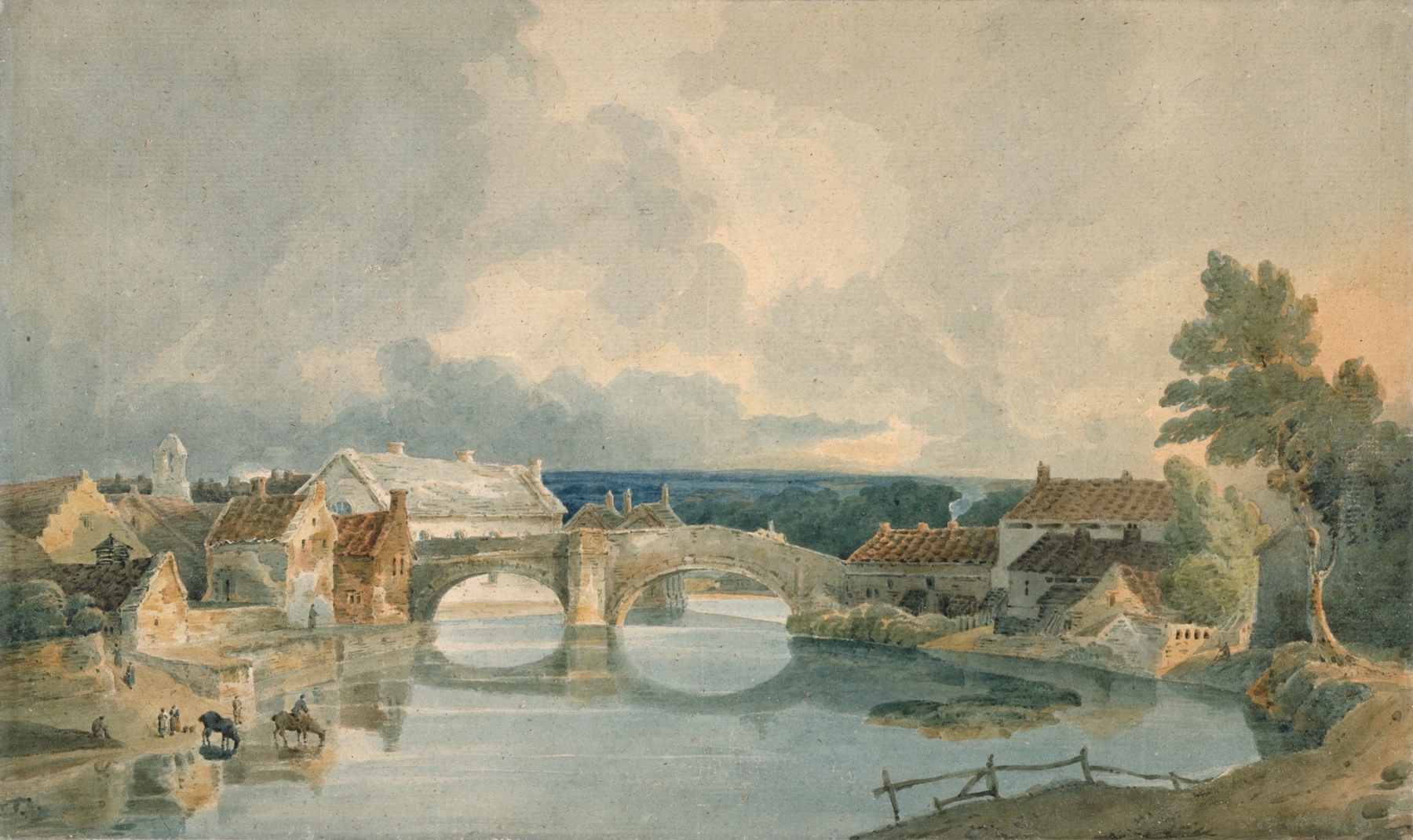
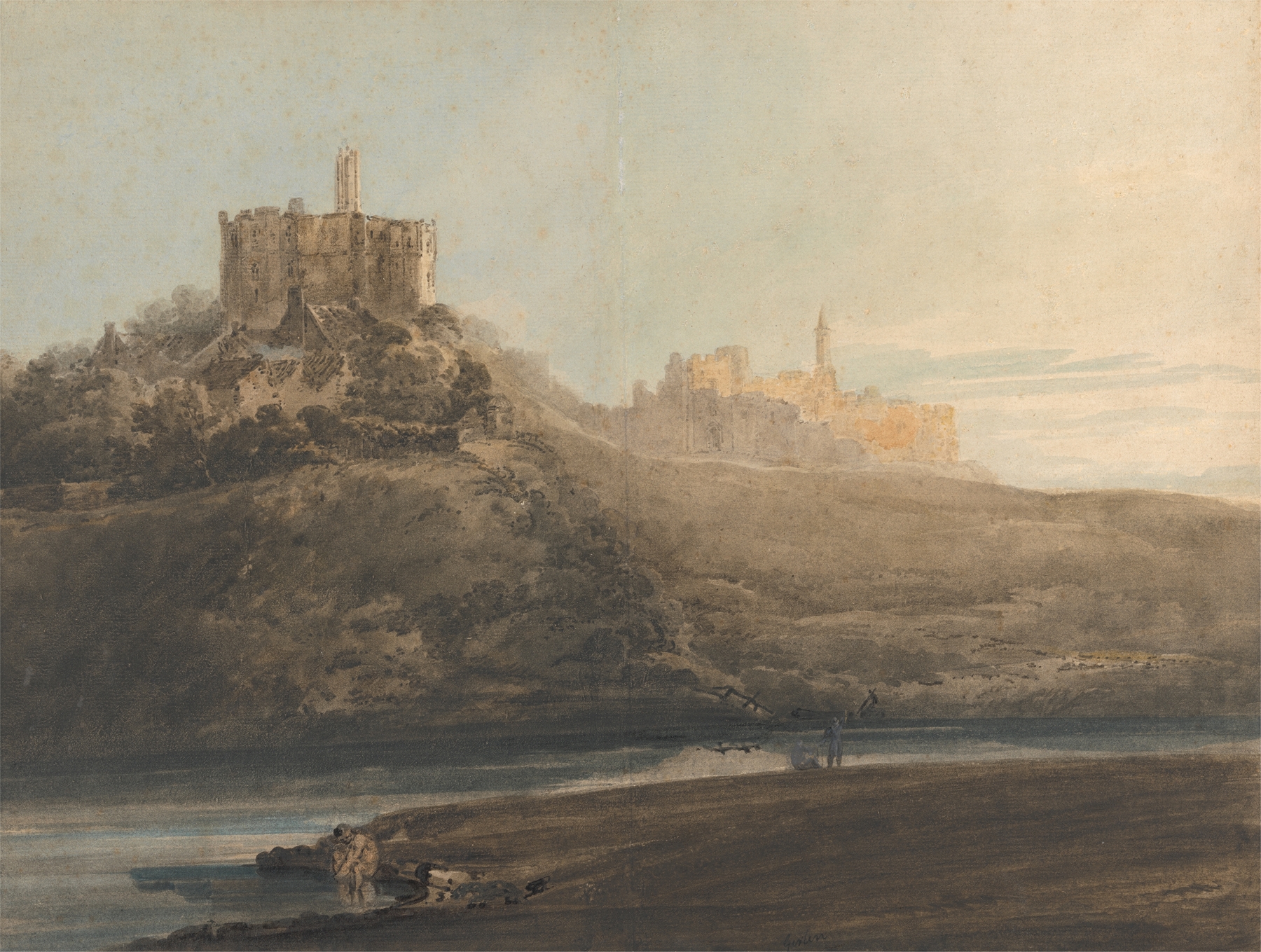
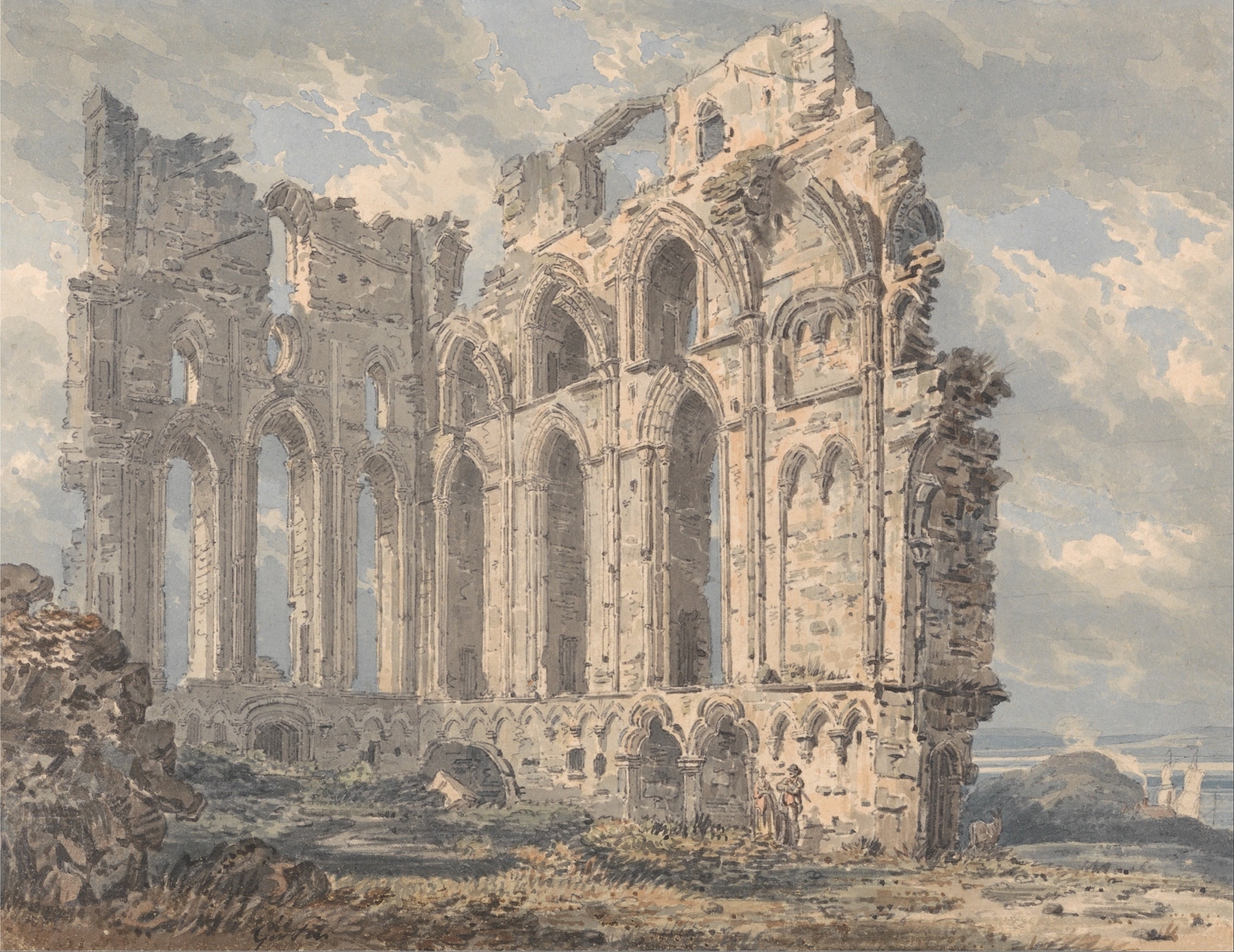
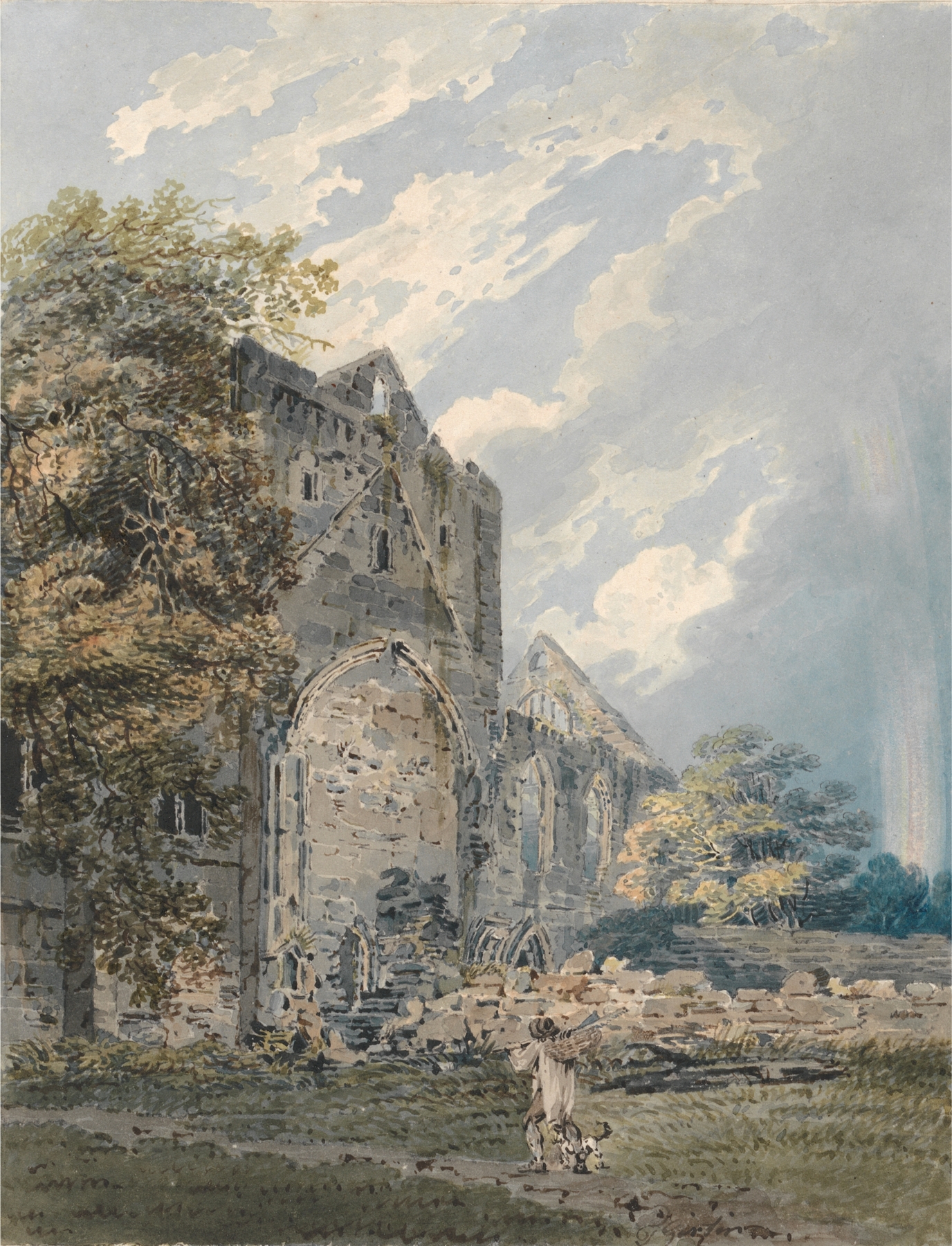
When did color learn to lie? In a world awash with hues and shades, how do we discern truth from the vibrant deception that can sway our understanding? In View of Winchelsea, Sussex, the viewer's gaze is immediately drawn to the rich purples and greens that define the landscape. Look to the foreground where the gentle undulations of the hills cradle the quaint town, its rooftops peeking out with a warmth that invites exploration.
The sky, a delicate gradient from cerulean to soft lavender, hints at an impending dusk, creating a serene yet charged atmosphere. Girtin’s masterful use of watercolor reveals layers of transparency that breathe life into the scene, showcasing clouds that seem to dance as they shift across the horizon. The contrast between the tranquil town and the dynamic sky invites reflection on the passage of time and the fragility of human endeavor against nature’s grandeur. Small details, such as the winding path leading to the town and the distant silhouettes of trees, evoke a sense of journey and connectivity, reminding one of the transient nature of existence.
This delicate interplay between the elements encourages a dialogue on faith—faith that the beauty of the world is not just an illusion, but a genuine feeling that resides within the heart of the viewer. In 1795, Thomas Girtin painted this landscape during a time of artistic exploration and personal growth. Living in a period marked by the burgeoning Romantic movement, he sought to capture the essence of nature with a fresh perspective. The artistic community was beginning to shift away from classical ideals, embracing emotions and personal experience, and Girtin was at the forefront, paving the way for future generations to find meaning in the natural world.