Views Across Frenchman’s Bay from Mt. Desert Island, After a Squall — History & Analysis
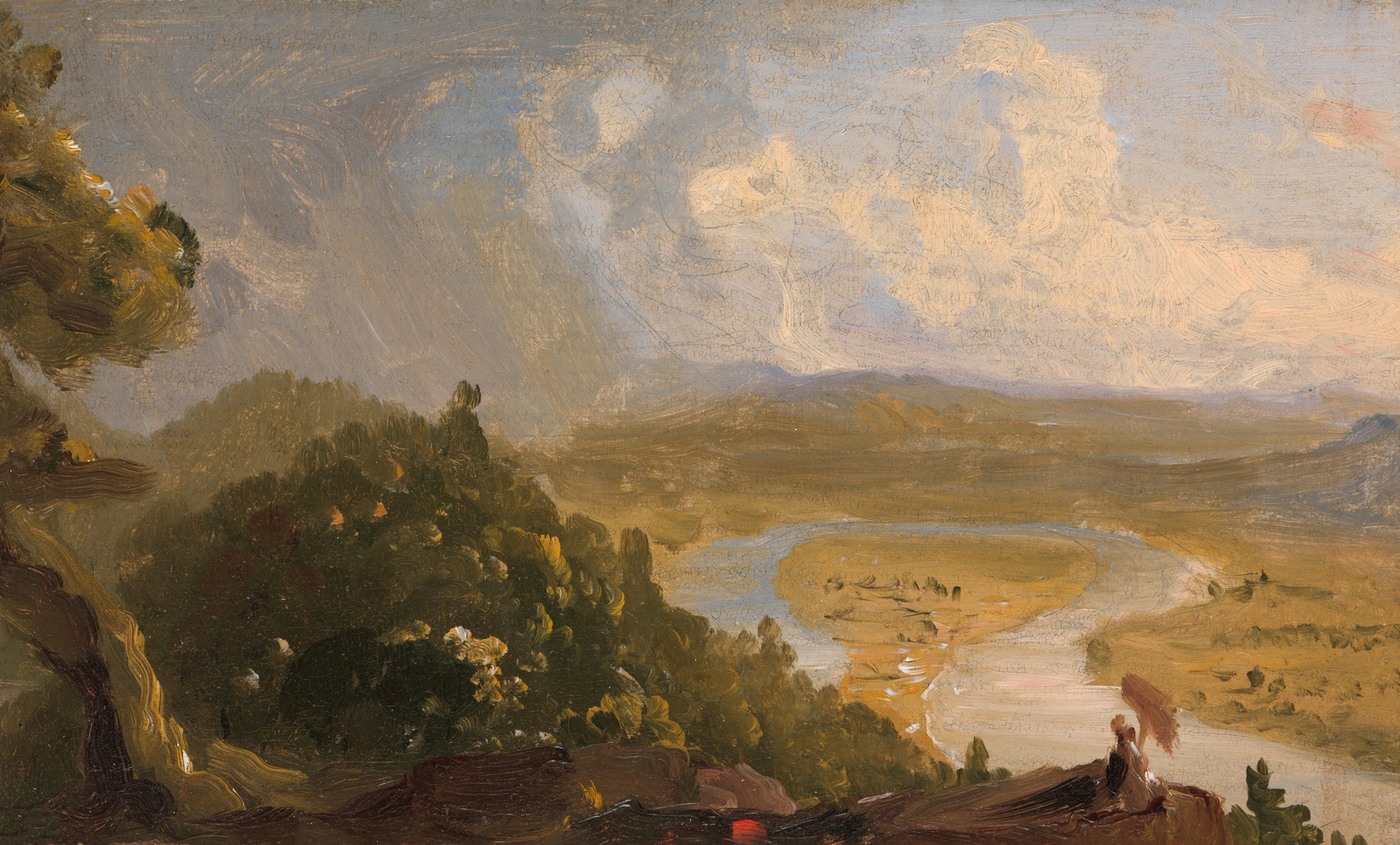
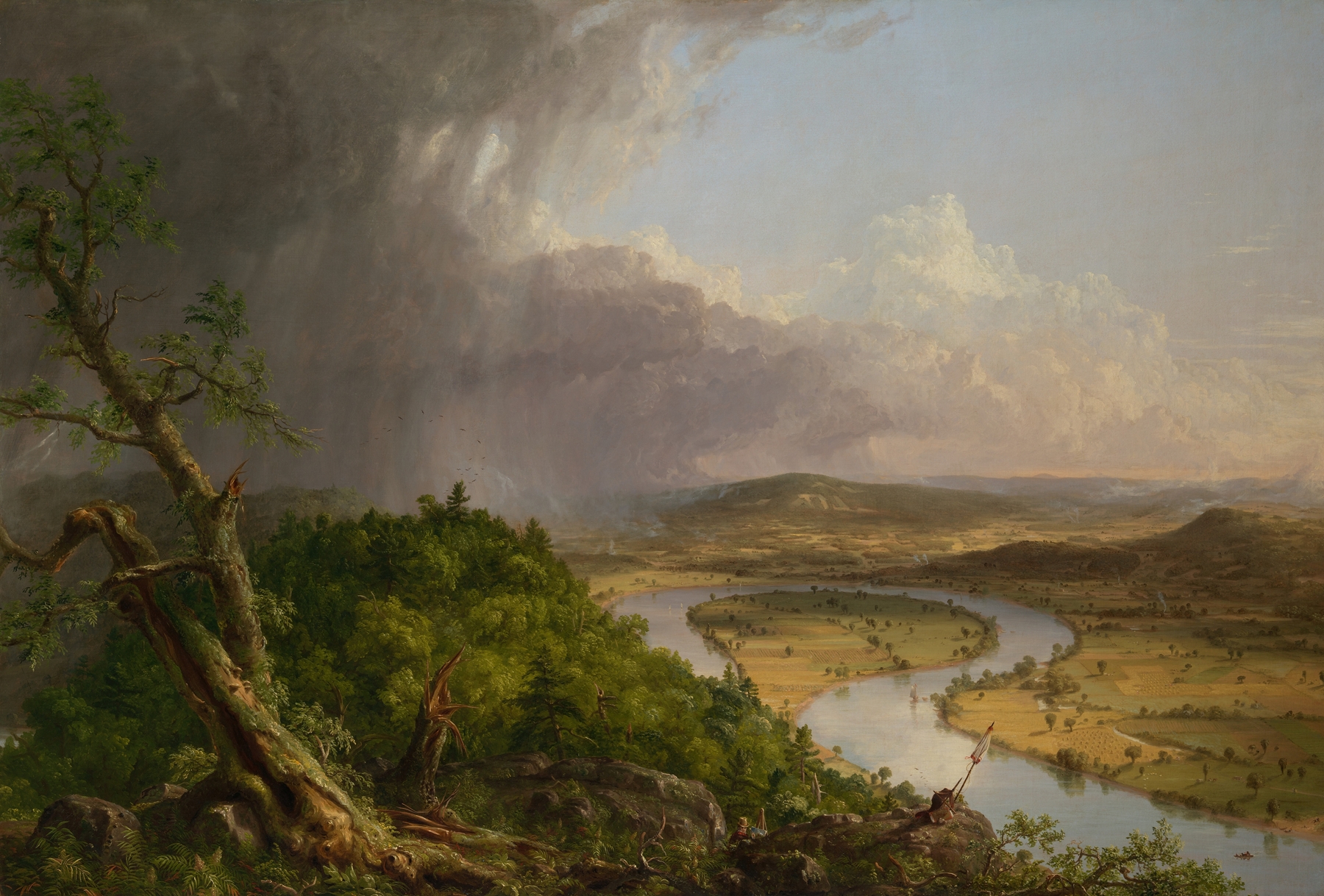
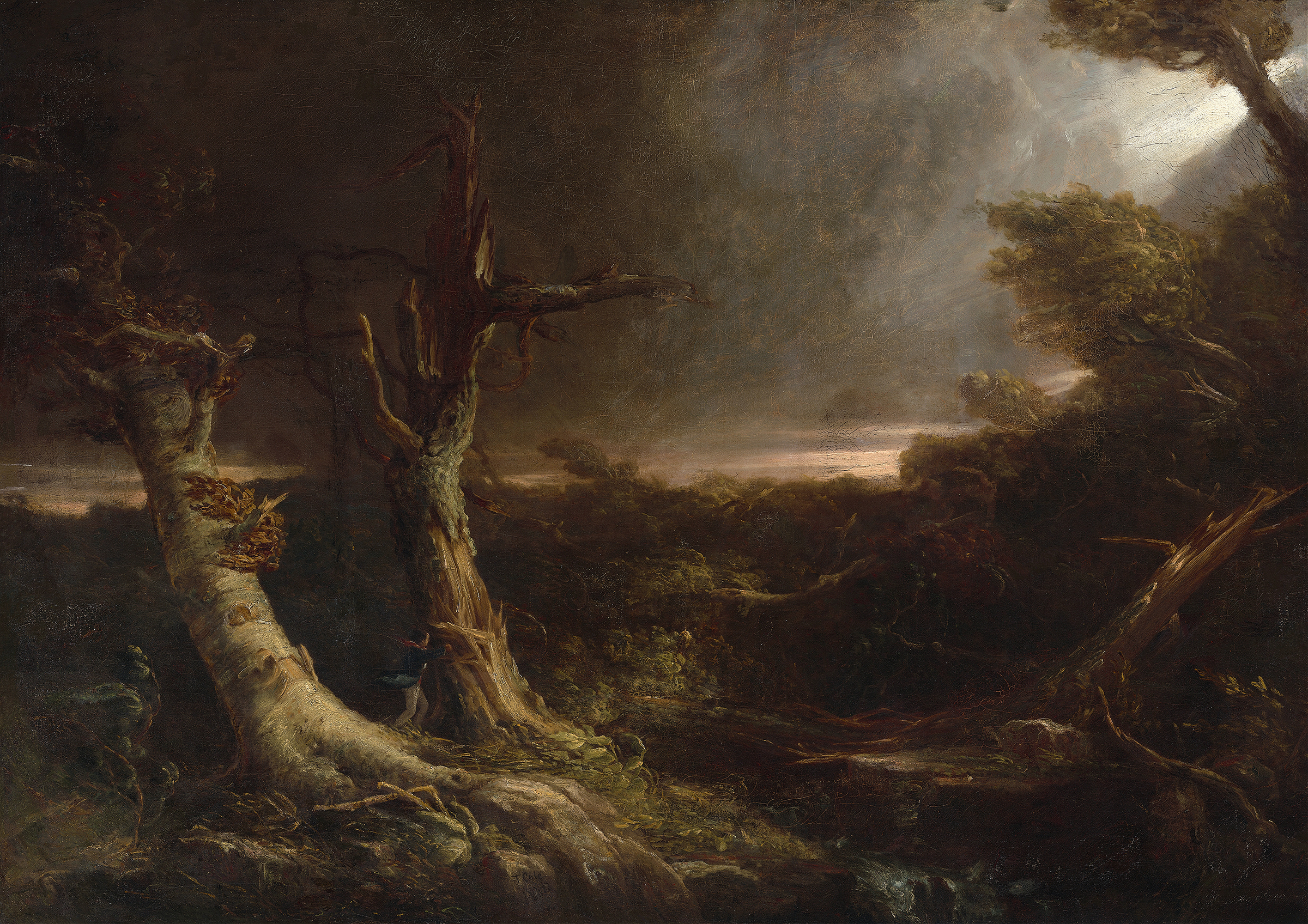
“Under the brush, chaos becomes grace.” In Views Across Frenchman’s Bay from Mt. Desert Island, After a Squall, the tumult of nature transforms into sublime beauty, inviting contemplation on the interplay of disorder and harmony. Focus on the foreground, where a vibrant clash of greens and browns rises from the aftermath of the storm. The tumultuous clouds recede, yielding to patches of cerulean sky that promise clarity. Notice how the light cascades across the landscape, illuminating the serene waters of the bay, while the gleaming surface reflects the remnants of a tempest.
The artist’s deliberate brush strokes masterfully blend the frenetic energy of nature with a tender tranquility that envelops the scene. In the painting, contrasts abound: dark, heavy clouds loom above, while the sunlit horizon hints at renewal. The juxtaposition of the still waters and the jagged coastline speaks to the transience of nature’s fury and the resilience of beauty in its aftermath. This moment captures both the chaos of a recent squall and the delicate balance that follows, evoking a sense of calm after turmoil.
The viewer is drawn into a dialogue between tumult and peace, reflecting the duality of life itself. Thomas Cole painted this work in 1845, during a period when he was establishing himself as a leading figure in the Hudson River School. Living in New York while engaged with the Romantic movement, he sought to convey the sublime beauty of the American landscape. His exploration of nature’s magnificence was not only an artistic endeavor but also a response to the changing attitudes toward the natural world in an era marked by industrial expansion.