Villa Borghese — History & Analysis
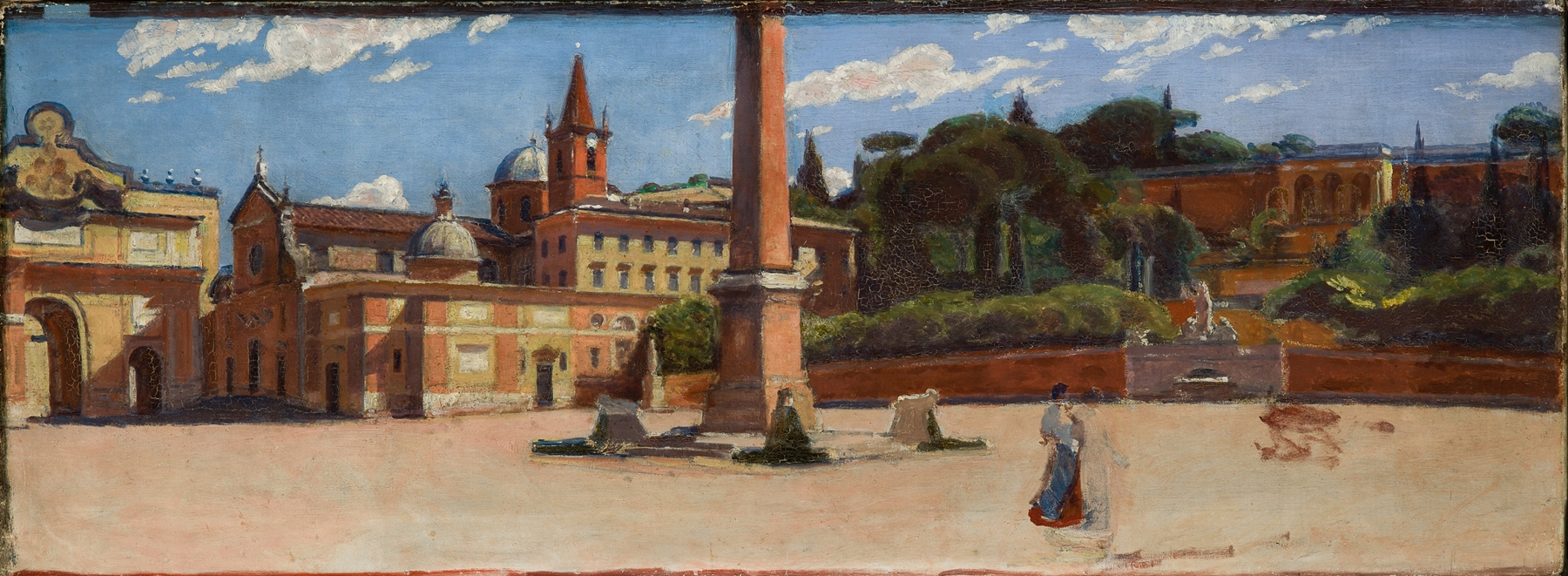
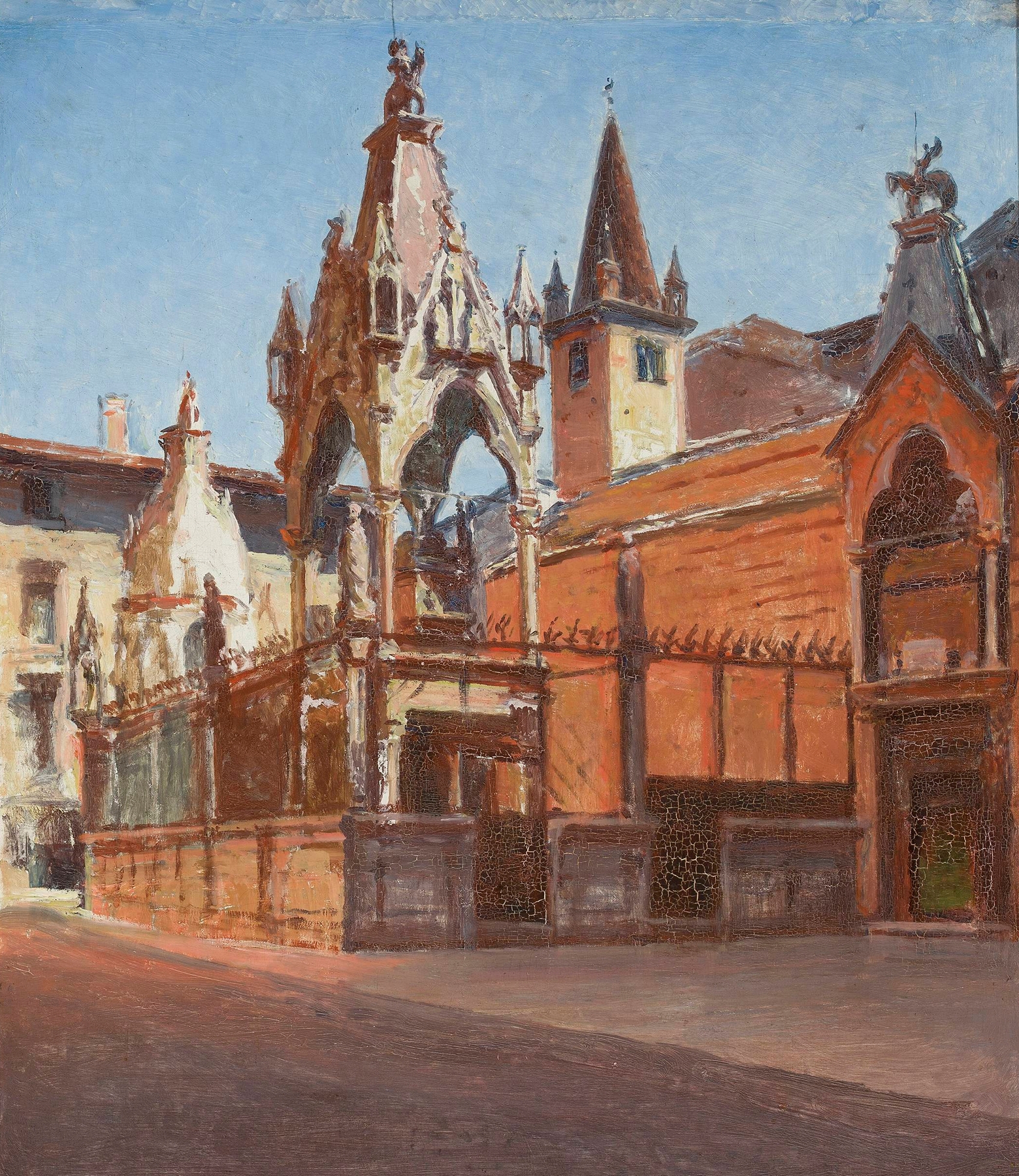
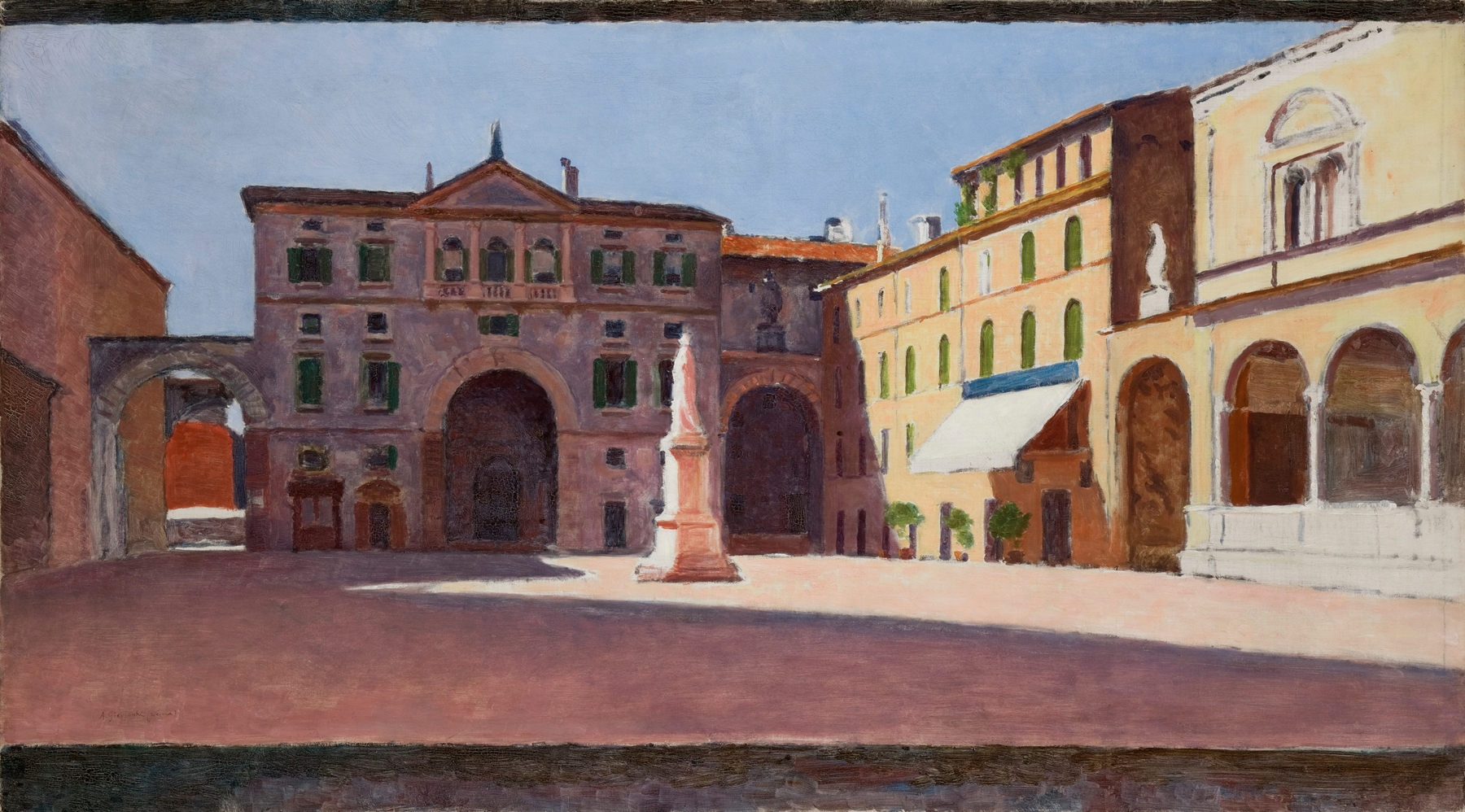
“The canvas doesn’t lie — it simply waits.” In its silence, it holds the weight of memories and the echoes of what once was. The passage of time seeps through the paint, imbuing each brushstroke with a sense of longing and melancholy. Look to the left where the architecture stands firm against the soft, hazy backdrop. The delicate interplay of light and shadow draws your eye to the low-hanging branches, which frame the villa and create a natural arch.
Notice how muted greens and earth tones coexist harmoniously, evoking tranquility while hinting at a deeper sense of nostalgia. The way Gierymski applies the paint suggests a fluidity that echoes the gentle breeze rustling the leaves, drawing us into a moment suspended in time. As you gaze upon the painting, the contrasts become apparent: the stillness of the villa juxtaposed with the vibrancy of the surrounding nature; the sun-dappled ground speaks to life and growth, yet there’s an unshakeable feeling of absence. Each detail, from the flowering plants to the serene reflections on the water, evokes a bittersweet sense of loss—perhaps for the fleeting moments of youth or the impermanence of beauty itself.
The artwork invites contemplation, urging the viewer to reflect on what has been cherished and what has slipped away. In 1900, Gierymski was entrenched in his artistic journey, primarily in Paris, where he became influenced by the Impressionist movement. This was a time of personal growth and exploration for the artist, as he sought to convey emotion through landscapes and intimate scenes. Amidst the shifts in the art world, he created Villa Borghese, capturing not only a beautiful location but also the ephemeral nature of existence itself.