Villa Borghese in Rome — History & Analysis
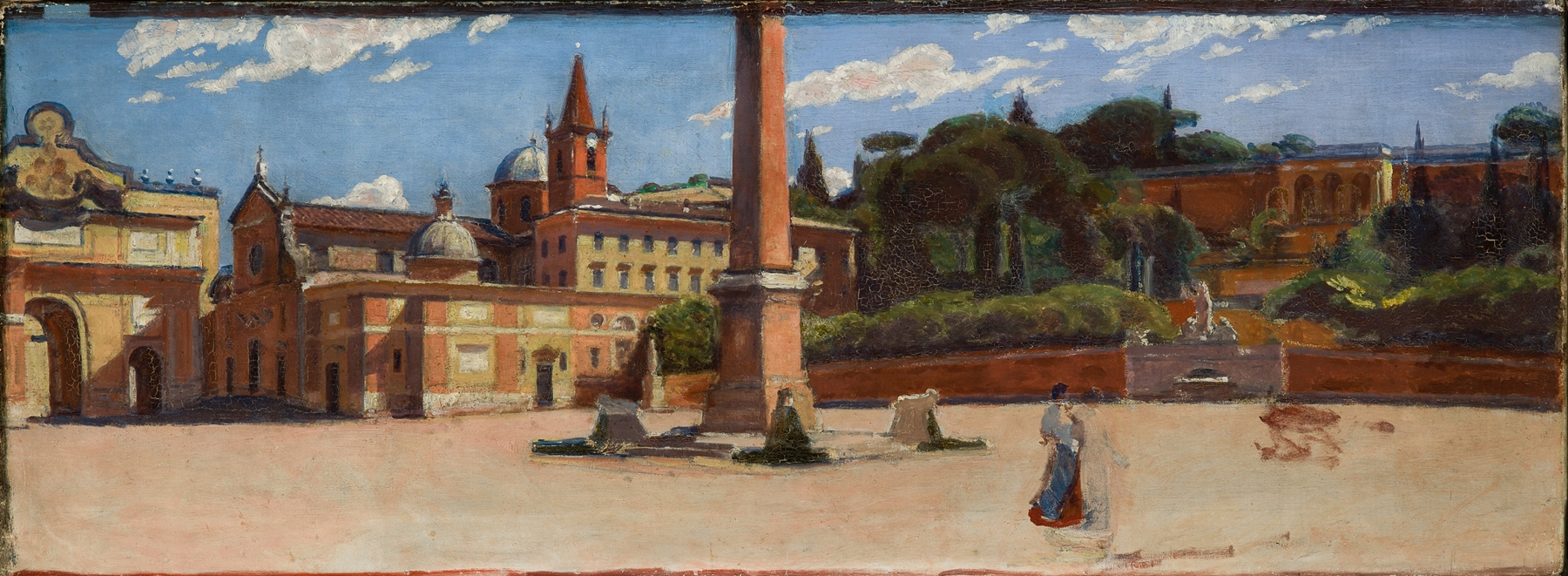
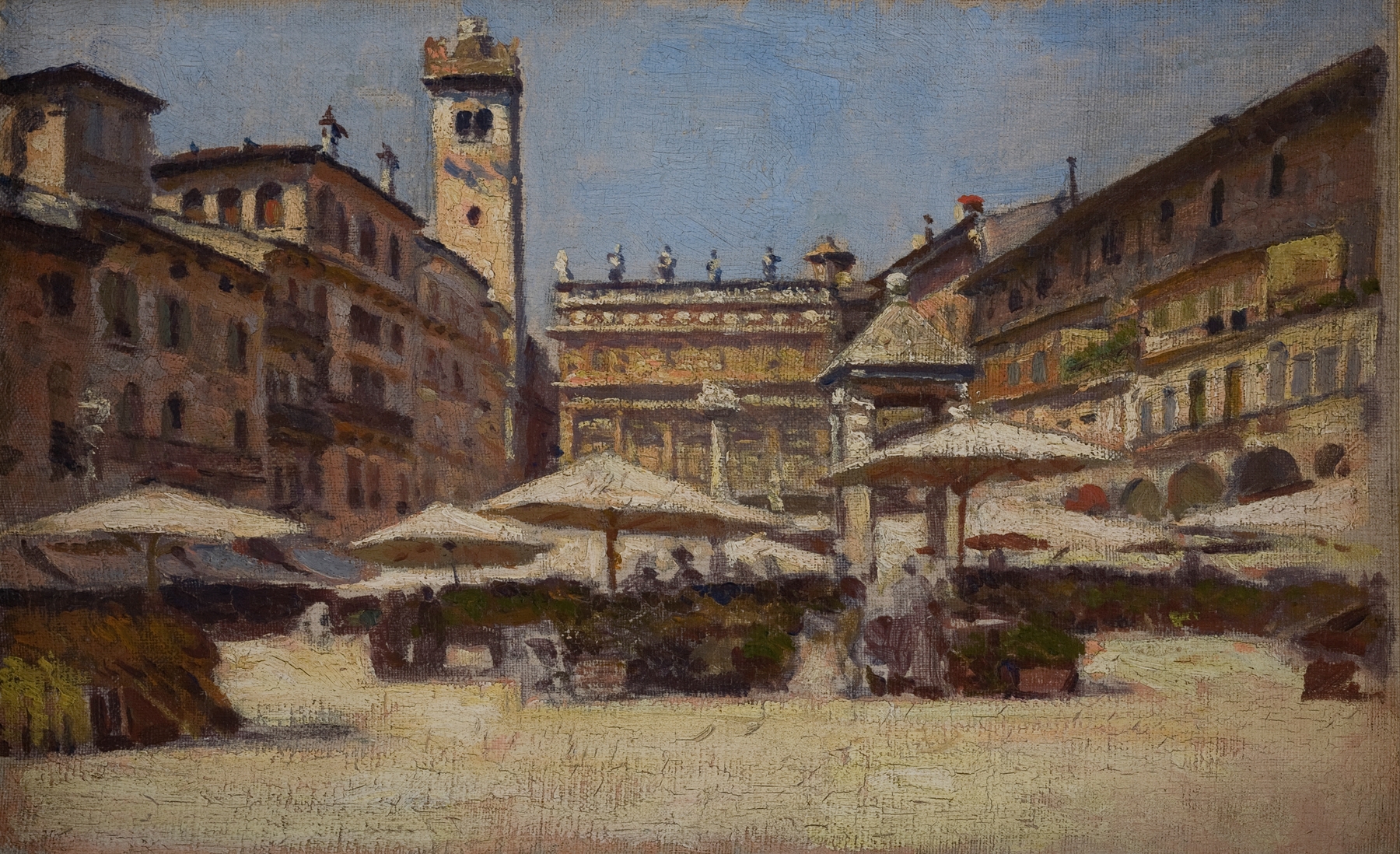
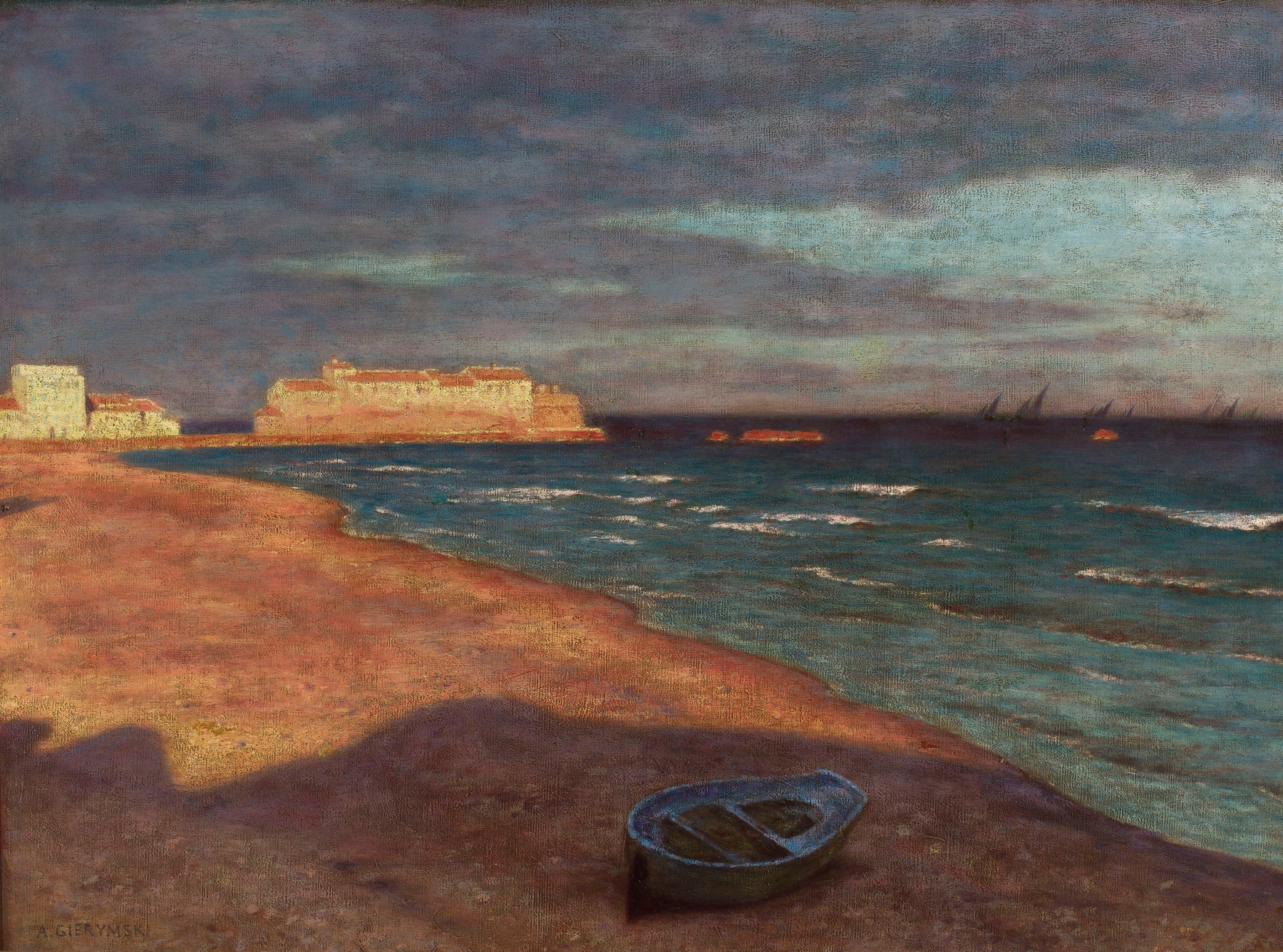
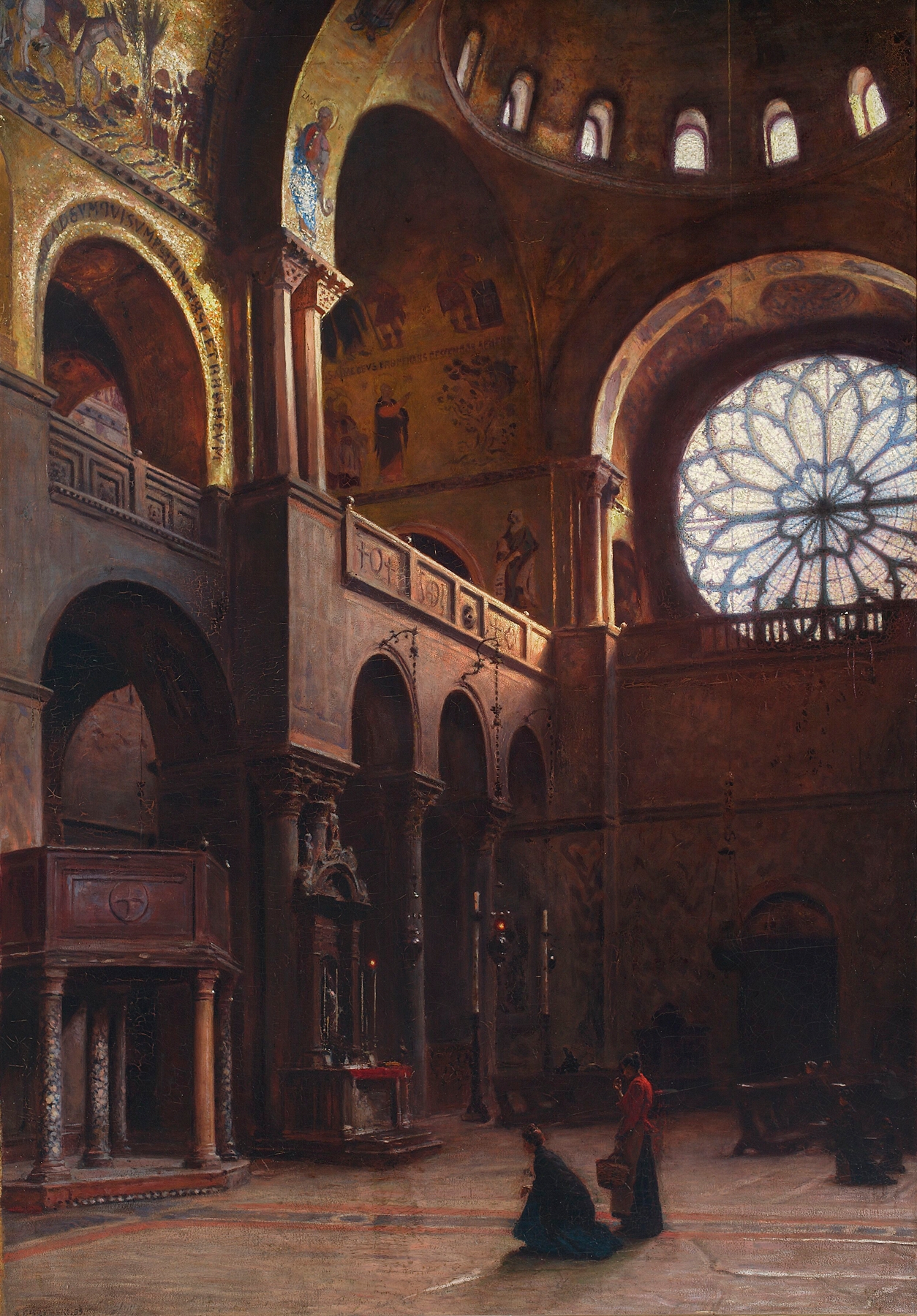
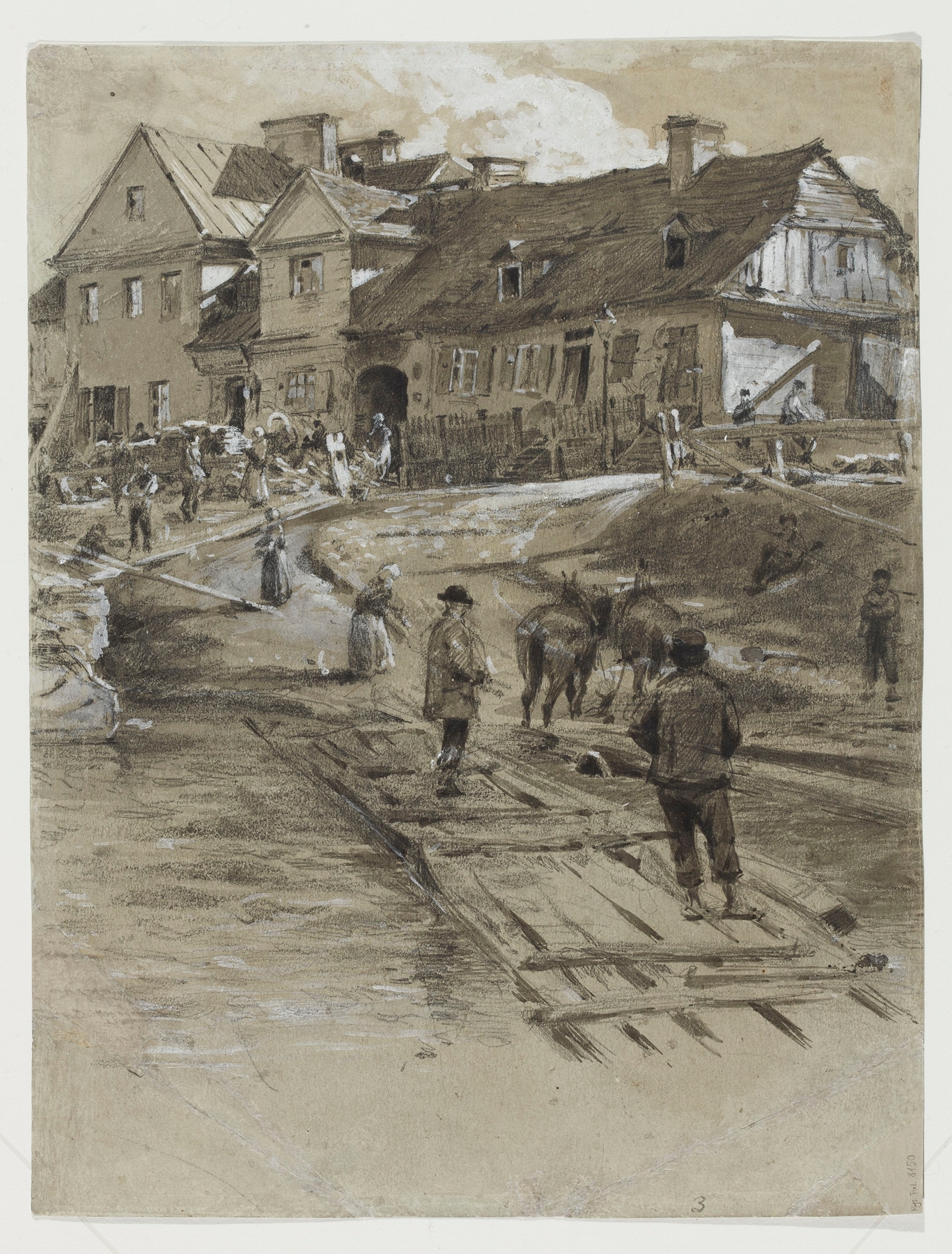
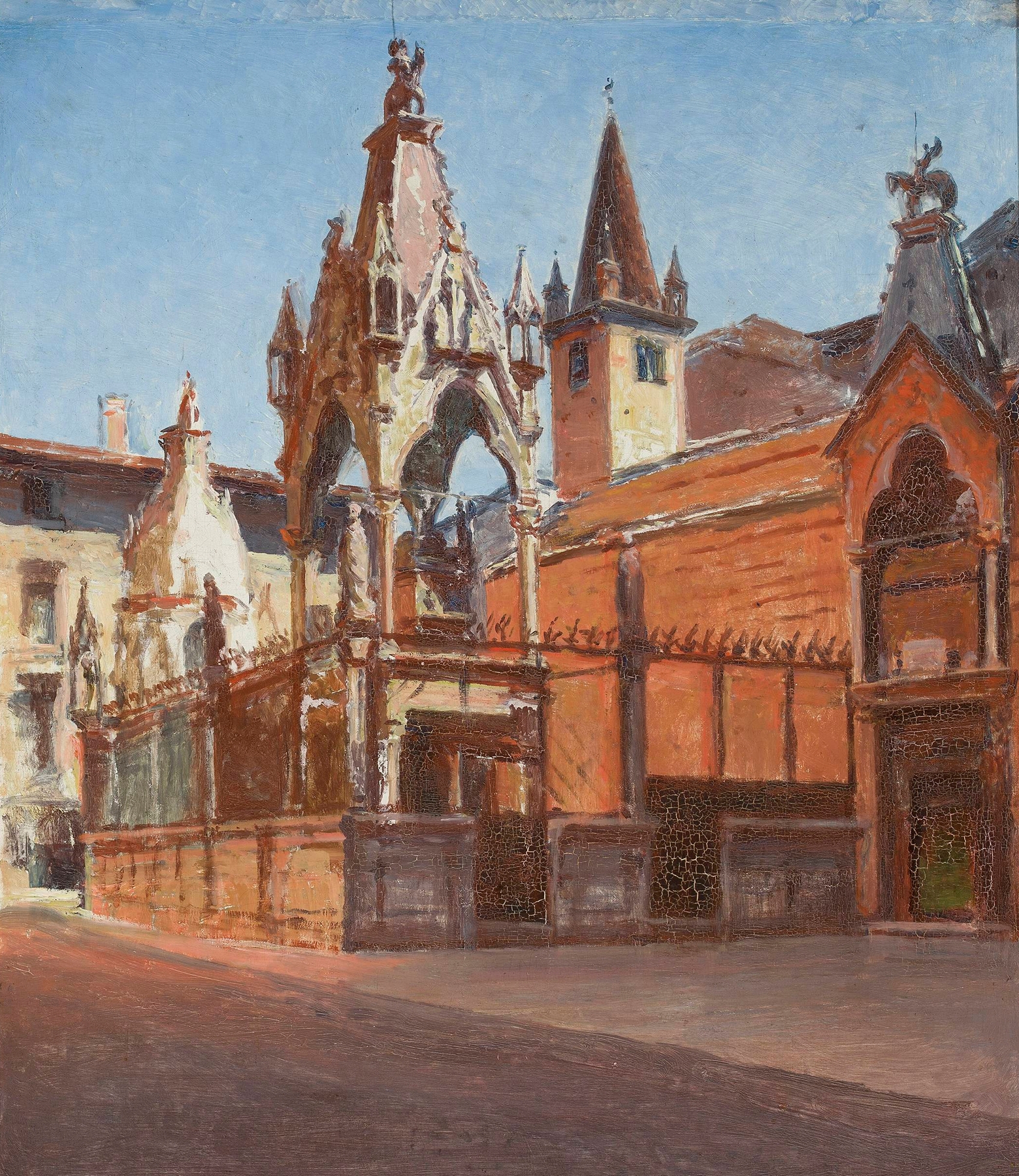
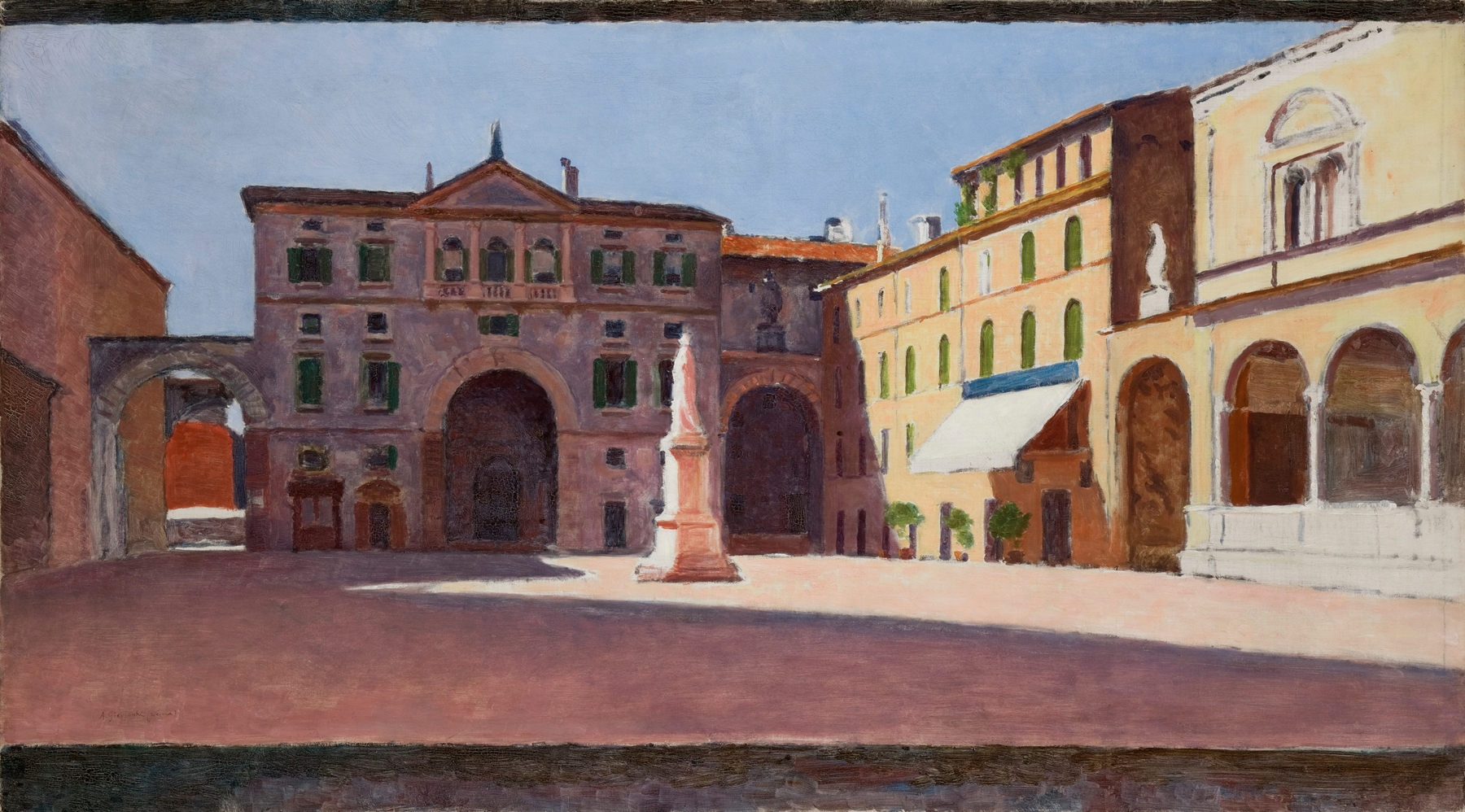
Could beauty survive in a century of chaos? In Villa Borghese in Rome, the answer lies in the tranquil embrace of nature, a sanctuary amidst the storm of modernity. Look to the center of the canvas where the gentle curves of trees frame a serene pathway, drawing the viewer's eye toward a hidden retreat. Soft greens and golden browns suggest a warm afternoon, while dappled light filters through the leaves overhead, creating a harmonious dance of shadow and illumination.
The composition invites contemplation, with delicate brushstrokes that evoke texture and time, as if the viewer can feel the warmth of the sun on their skin. At first glance, the painting exudes a sense of peace, but upon closer inspection, subtle elements reveal a more profound narrative. The juxtaposition of vibrant life against the backdrop of looming architecture hints at the encroachment of civilization on nature. It whispers a story of preservation and the fleeting nature of beauty, urging viewers to consider the fragility of such havens as the world hurtles forward into a new century.
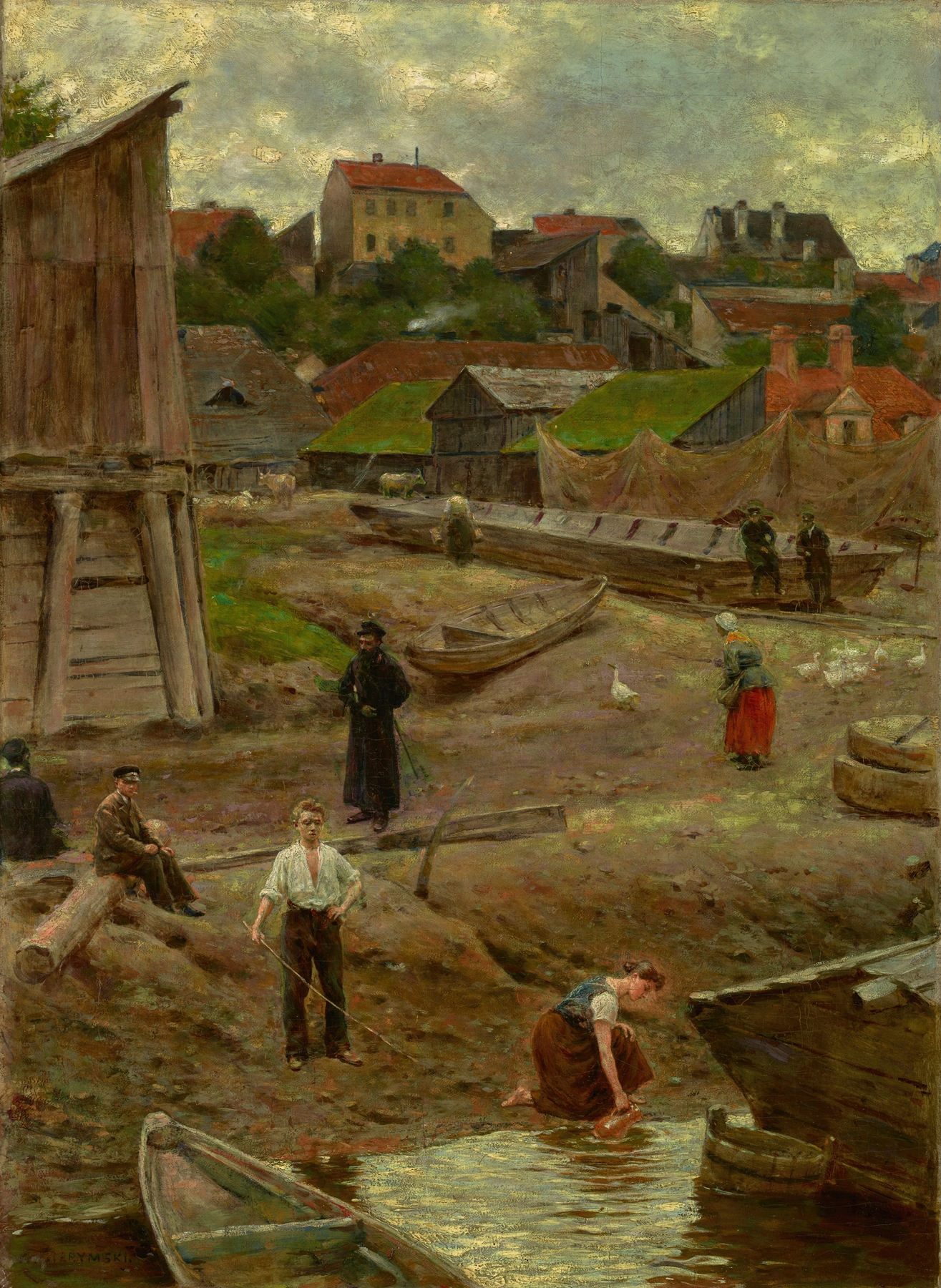
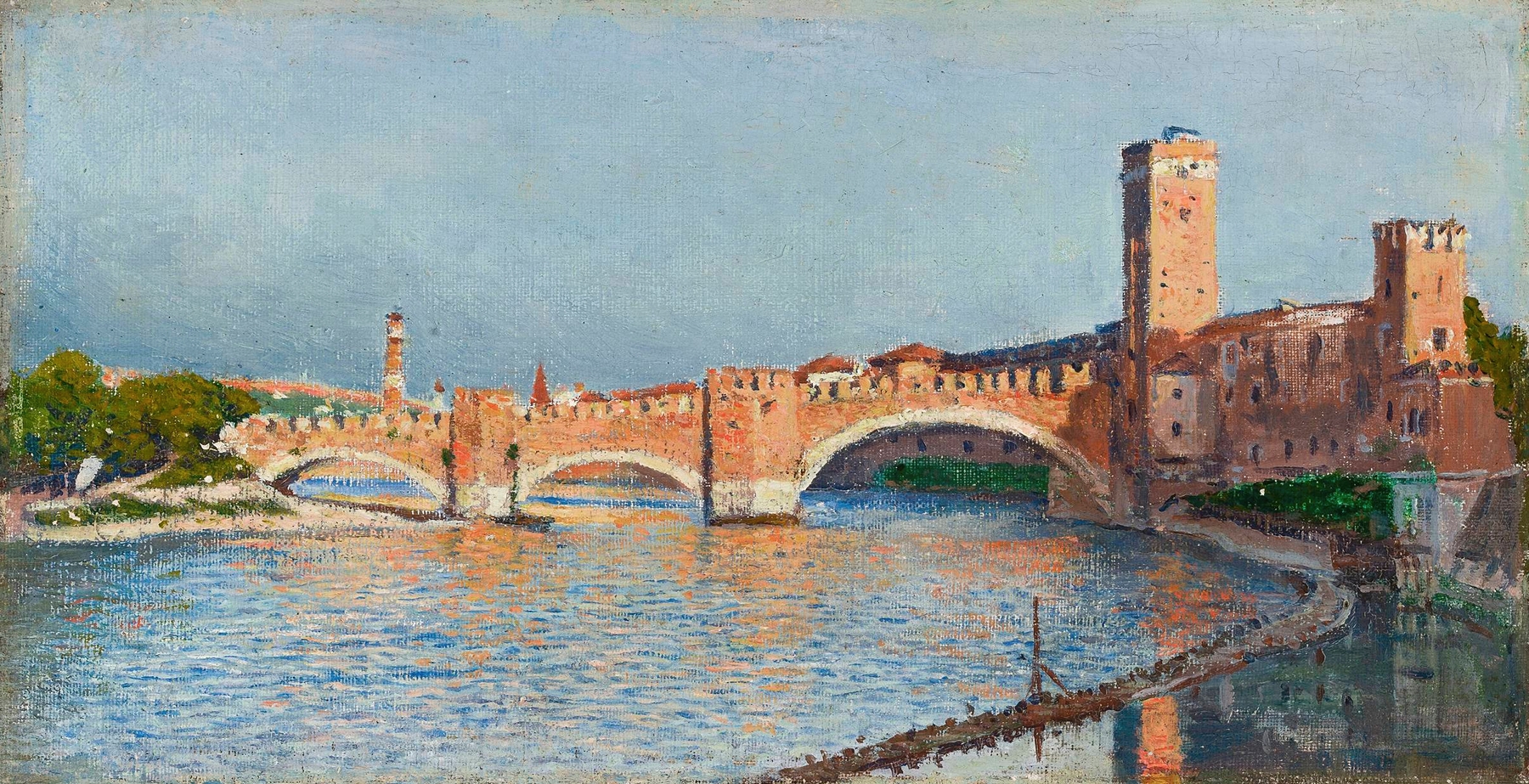
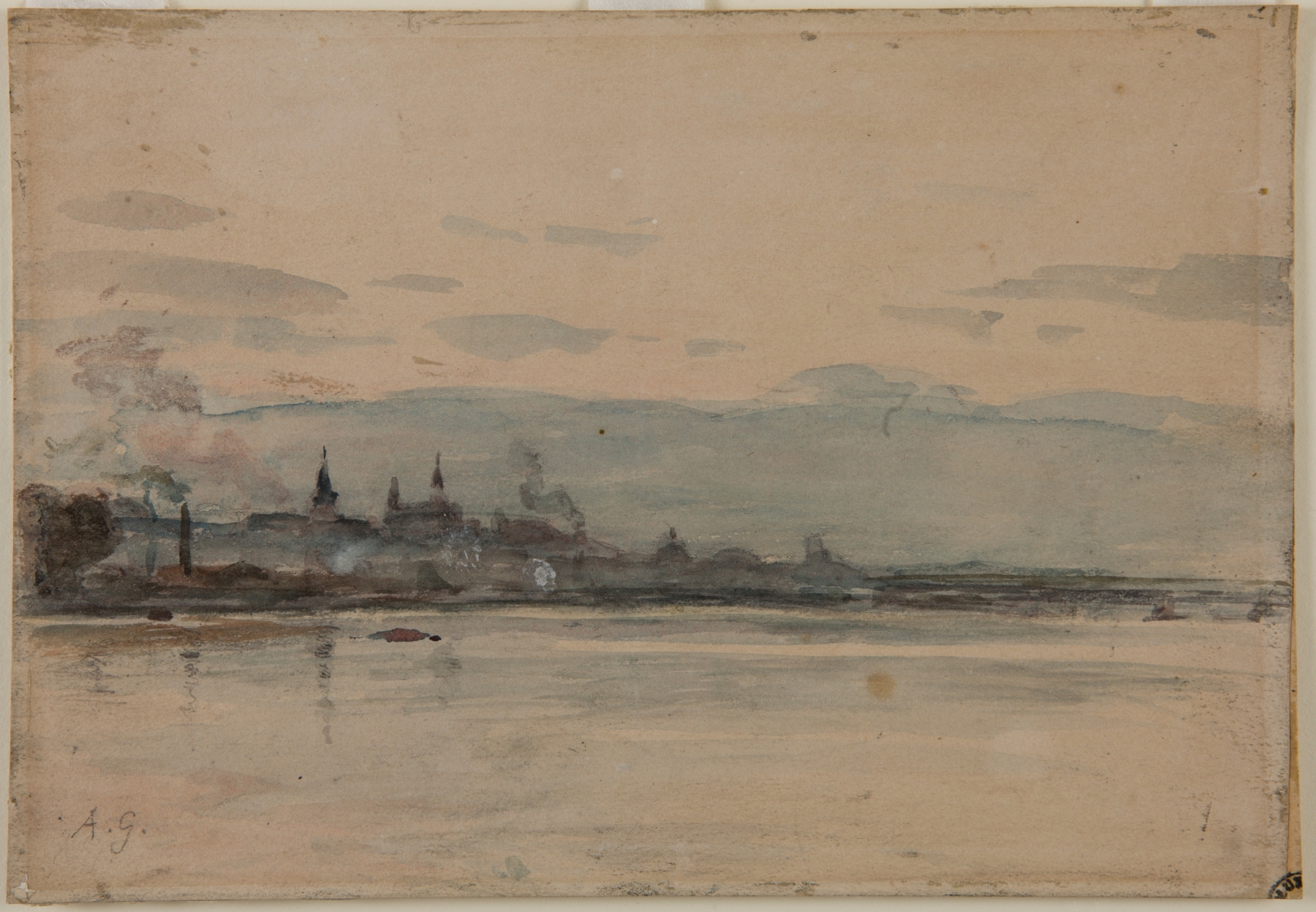
In 1900, as Aleksander Gierymski painted this scene, he found himself in an era marked by artistic fervor and social change in Europe. Living in Poland but influenced by his time in Italy, he captured a moment of nostalgia, reflecting a longing for simpler times amidst the growing chaos of modern life. This work stands as both a celebration and a lament, a reminder of the beauty that persists even as history unfolds.