Village — History & Analysis
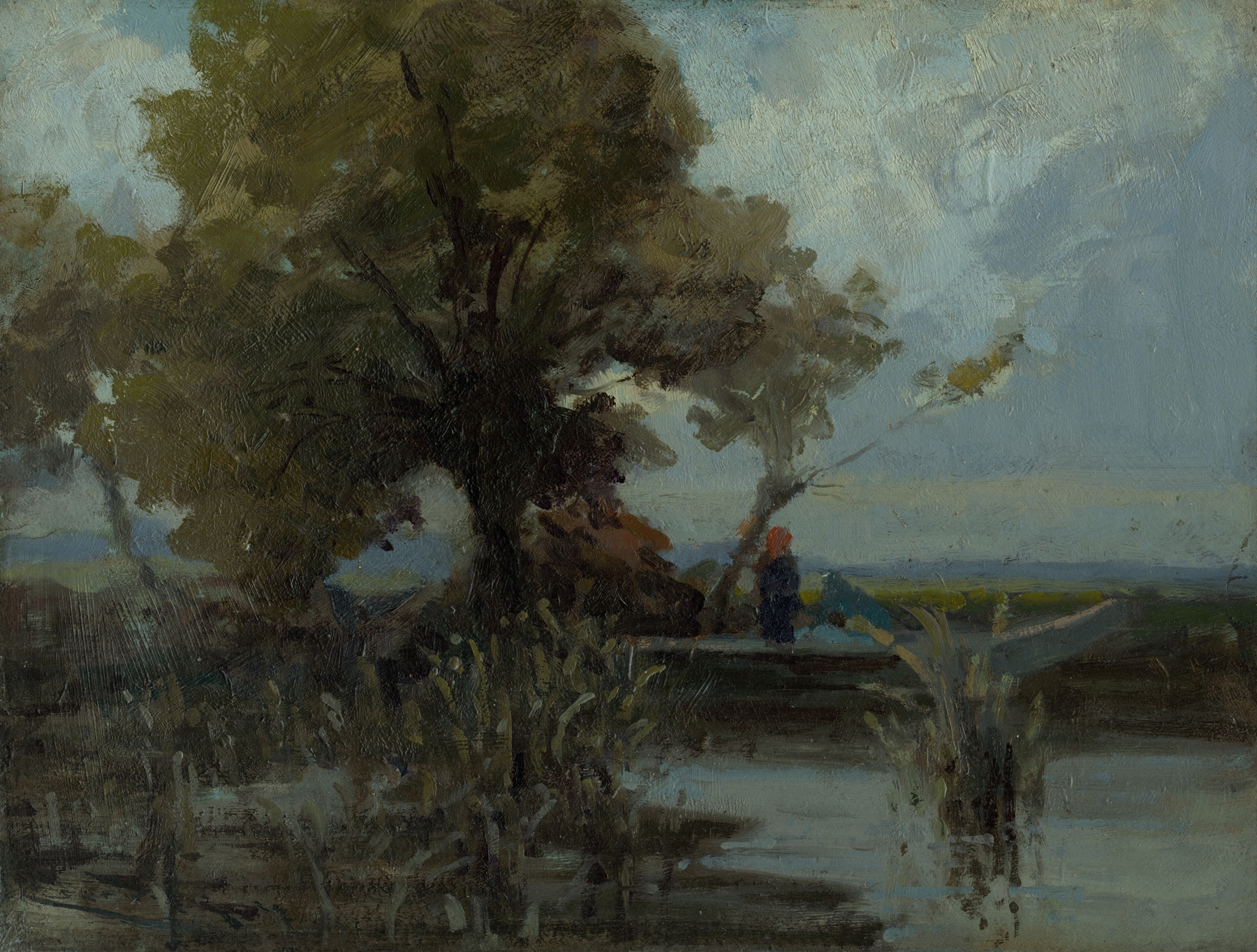
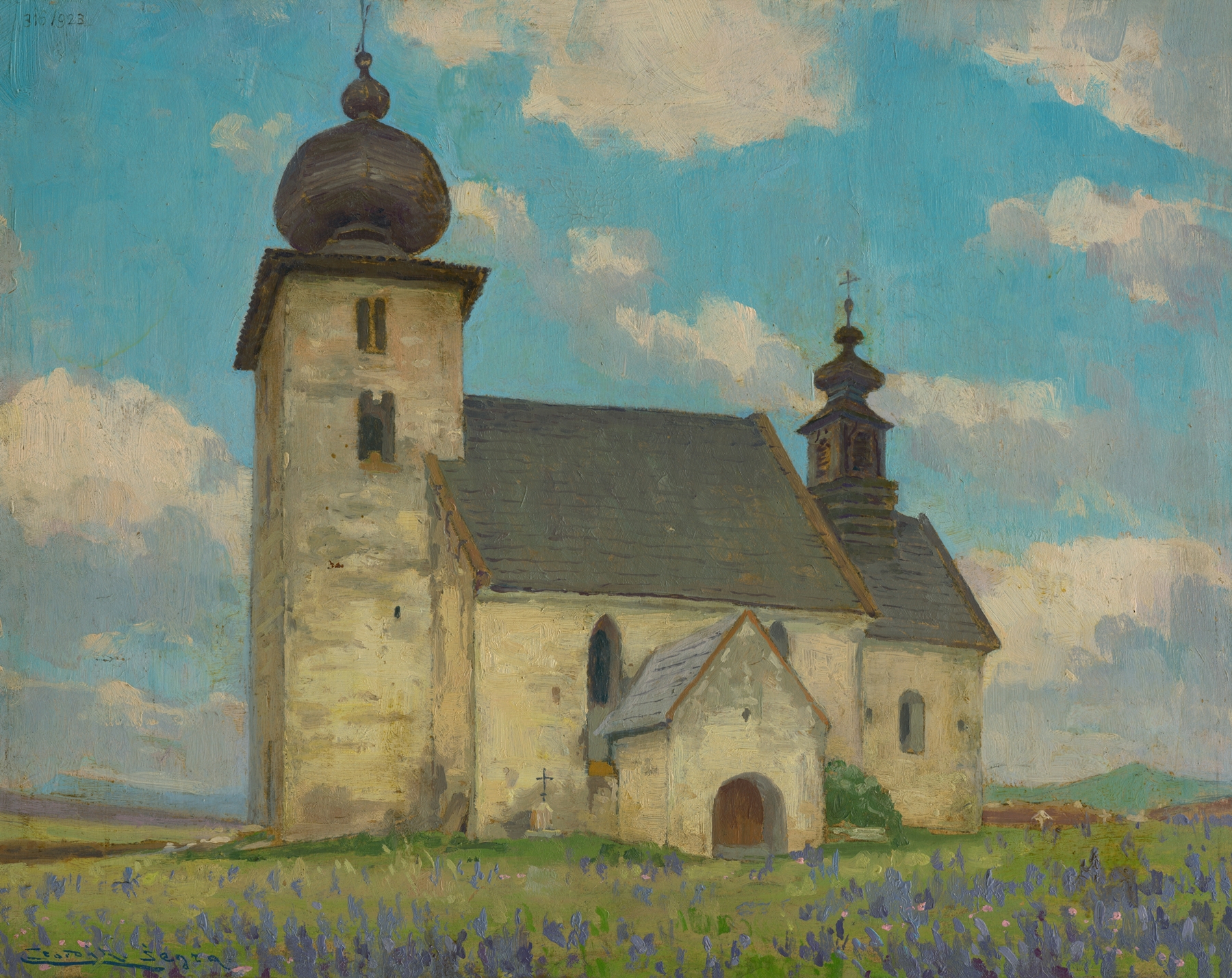
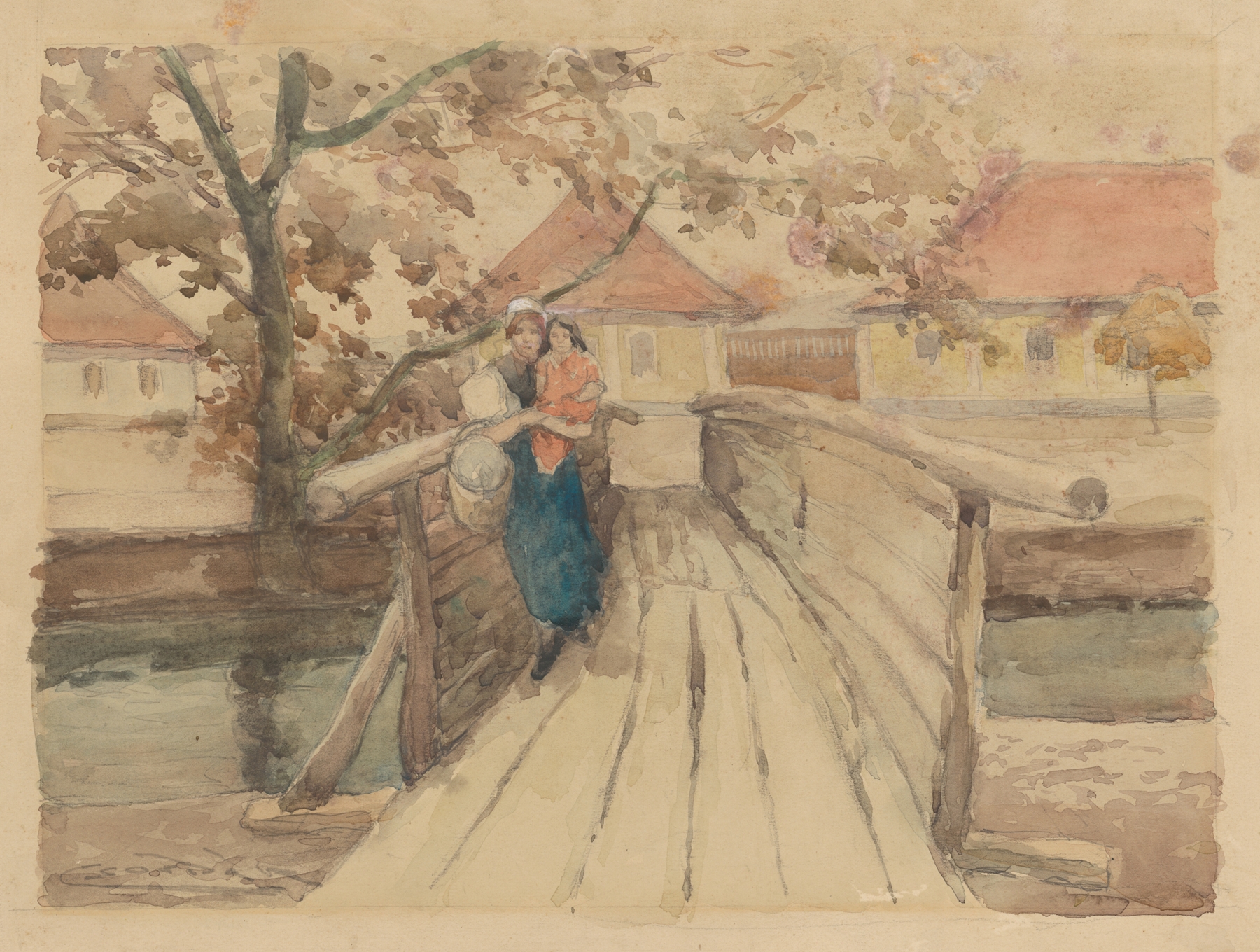
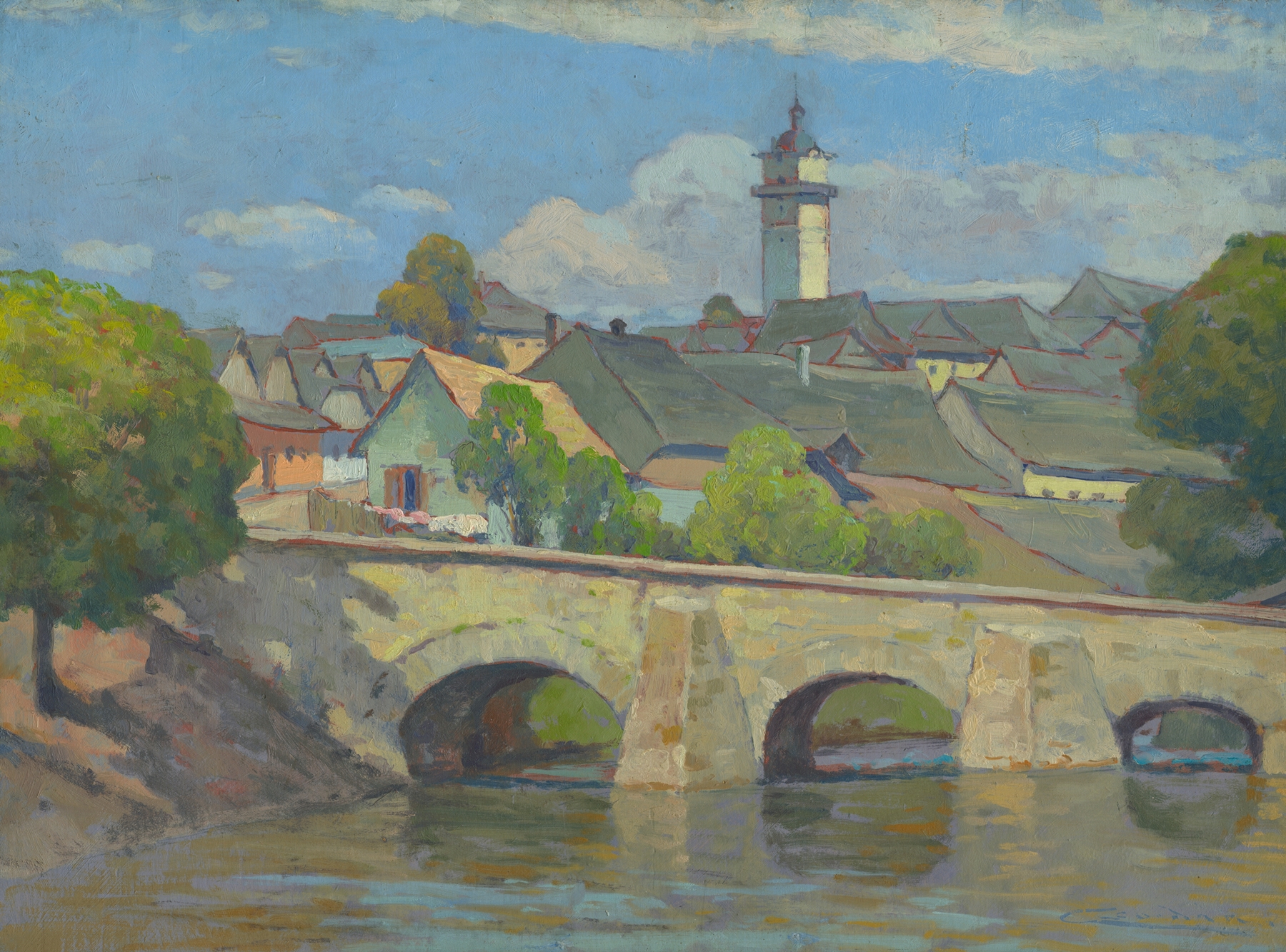
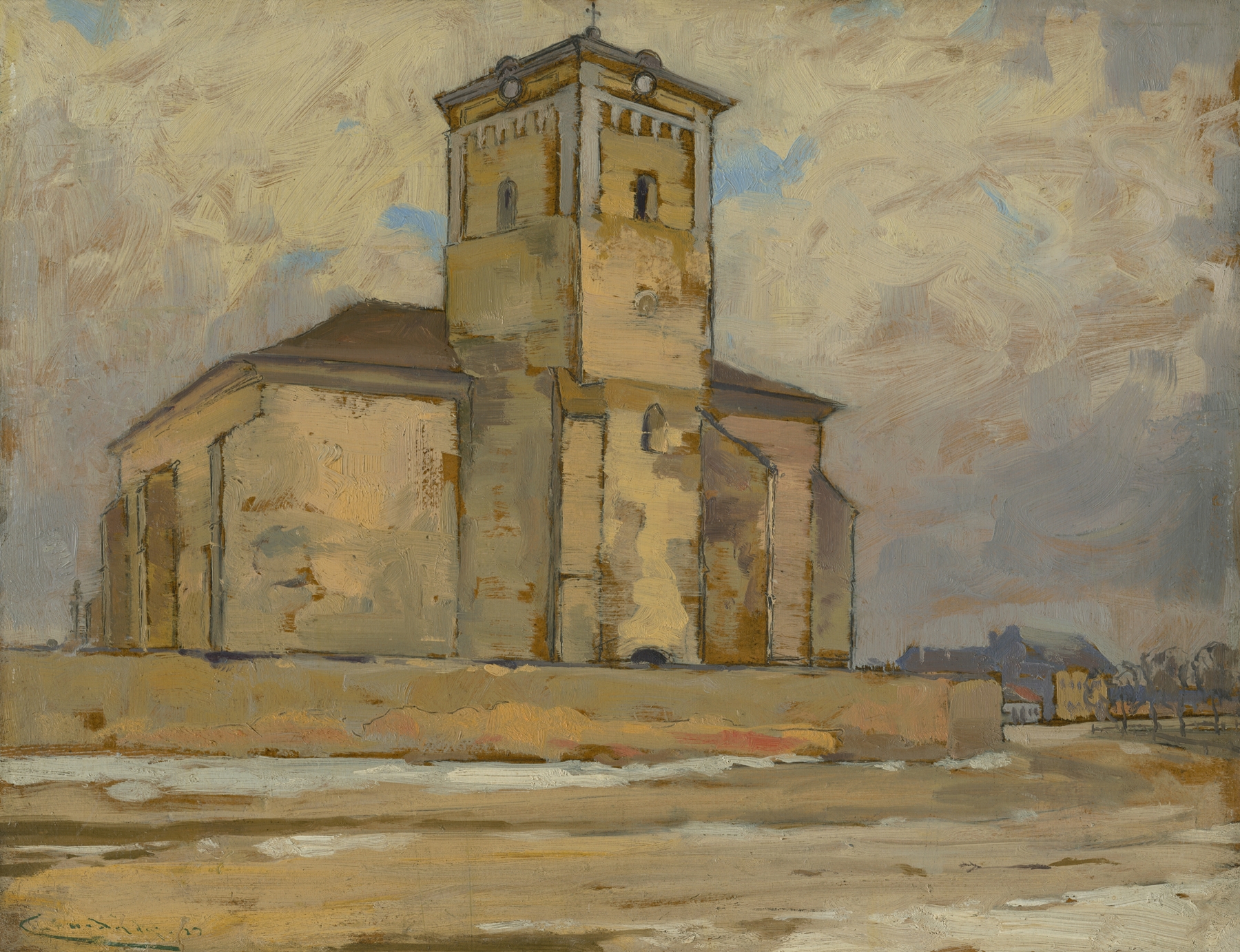
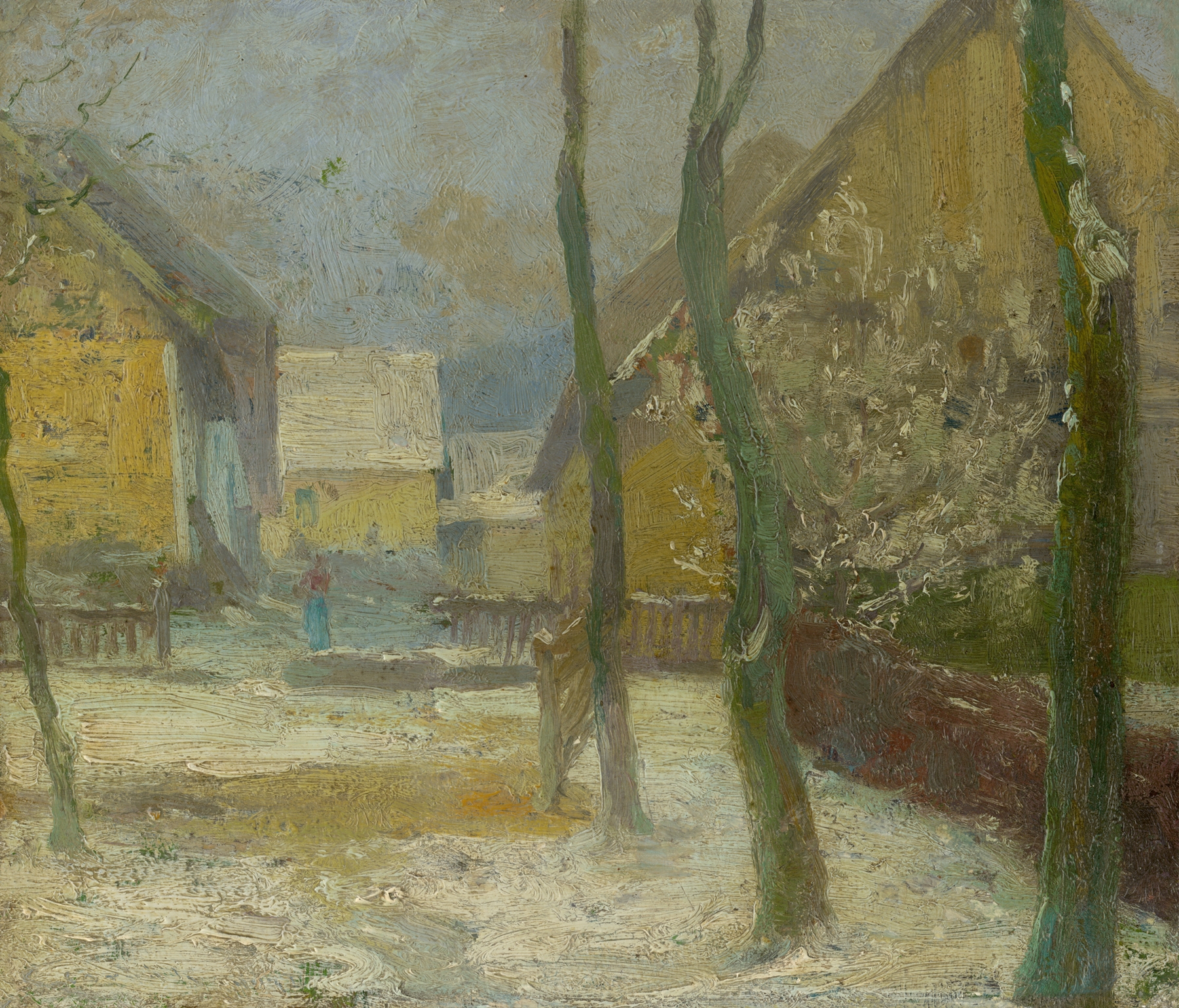
Is this a mirror — or a memory? The boundaries between reality and reflection blur in a world that seems steeped in fate and longing. Look to the center of the composition, where a row of quaint houses emerges, each one a testament to a life lived, yet carrying whispers of stories untold. The soft, muted palette of earth tones evokes nostalgia, while dappled light spills through the trees, casting gentle shadows on the cobblestone path.
Notice how the artist employs delicate brushwork to create texture, making the roofs appear as if they breathe within the tranquil atmosphere of the village. Yet, hidden within this serene landscape lies an emotional tension. The juxtaposition of nature and architecture hints at the transient nature of existence, as the trees encroach upon the manmade structures, suggesting a reclamation by time. The absence of people leaves a haunting silence, inviting viewers to ponder who once inhabited this space and what destinies intertwined within those walls.
The composition invites introspection, urging an exploration of the relationship between the individual and the community. During the years 1908 to 1910, Ľudovít Čordák created this piece amidst a rising tide of nationalism and artistic innovation in Slovakia. As an advocate for the Slovak identity, he sought to capture the essence of his homeland through his art. This work reflects not only a personal connection to his roots but also a broader movement within the art world, where artists were increasingly focused on portraying cultural narratives and the beauty of everyday life.