Violet and Rose: La Belle de Jour — History & Analysis
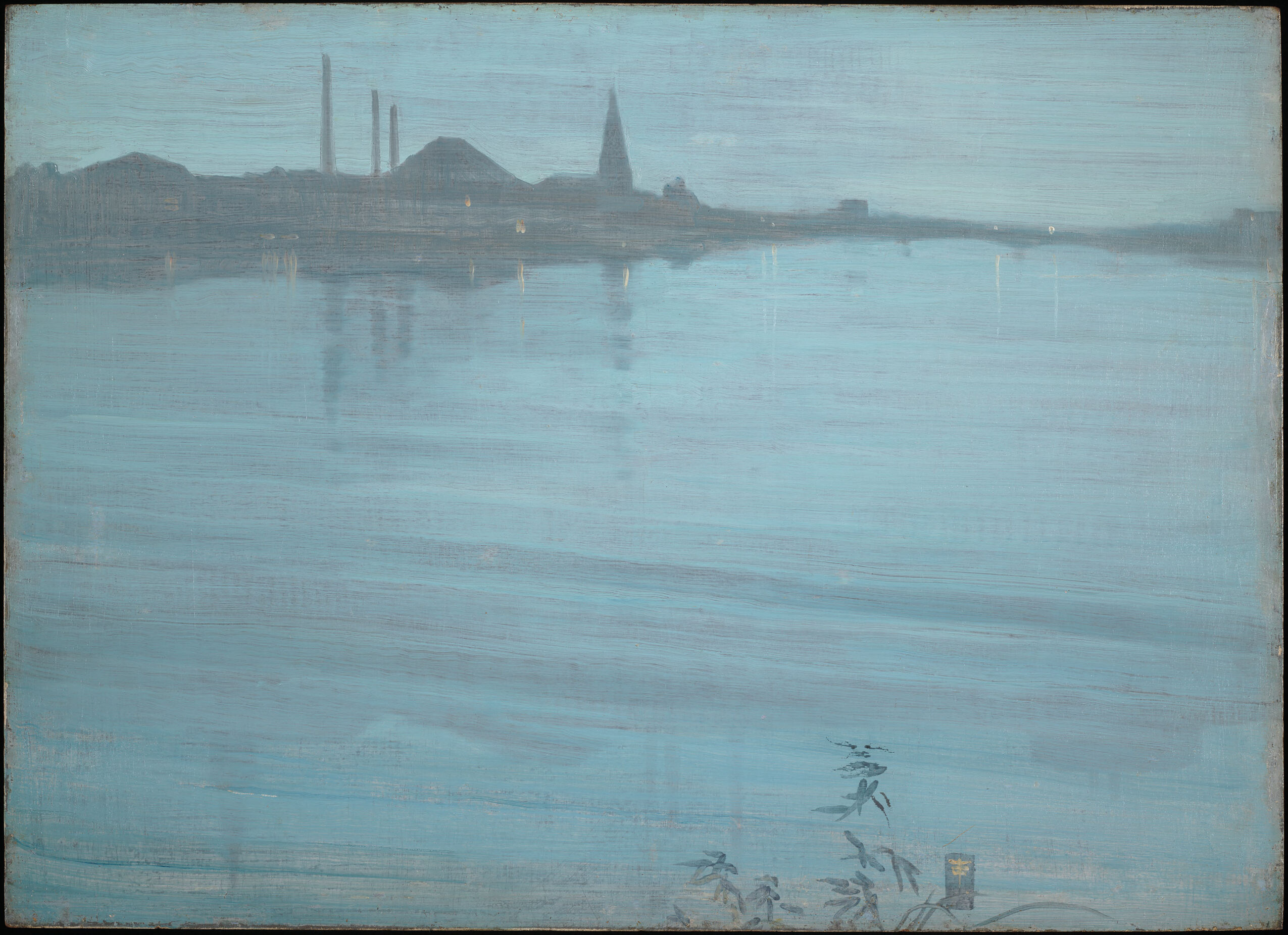
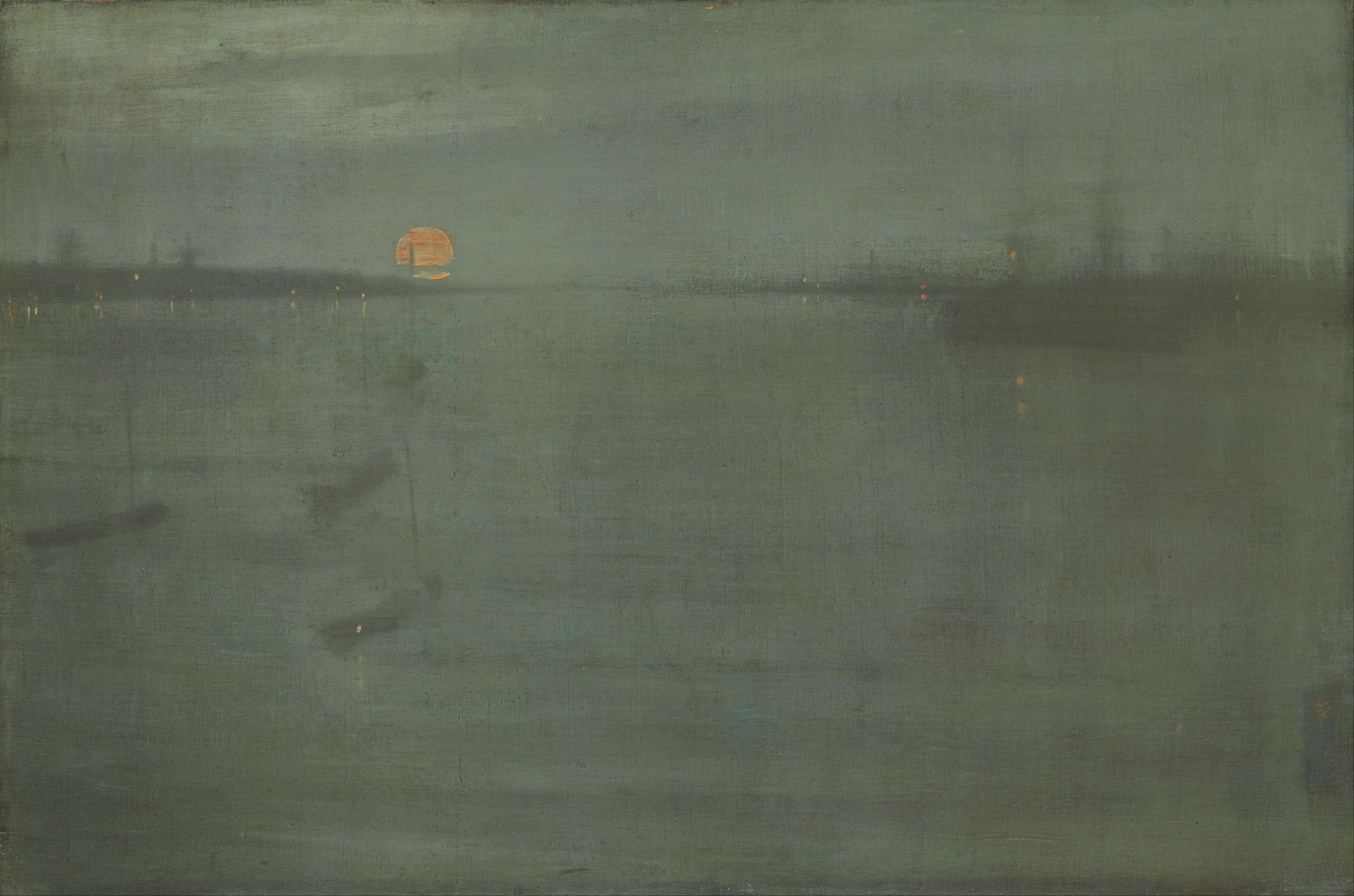
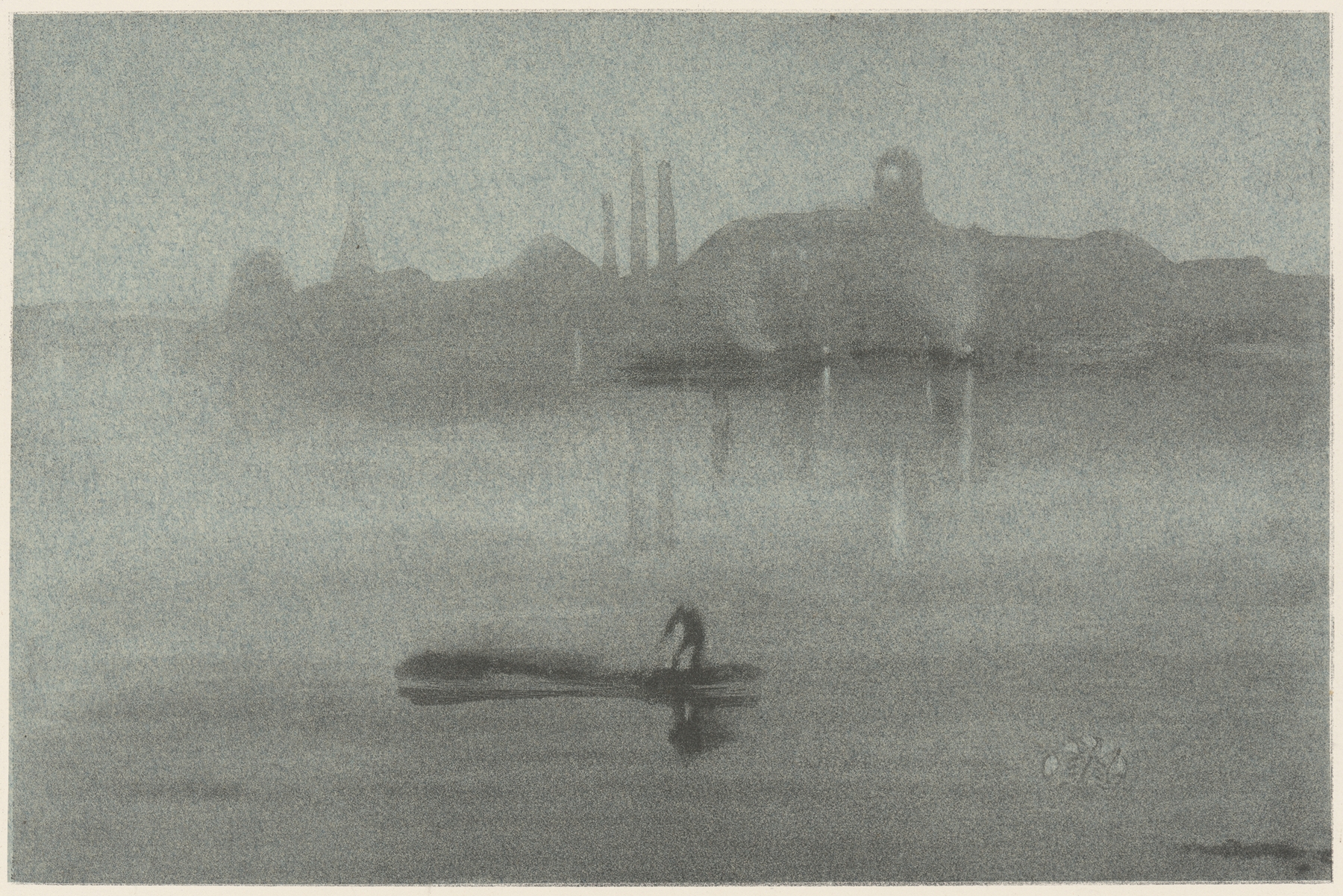
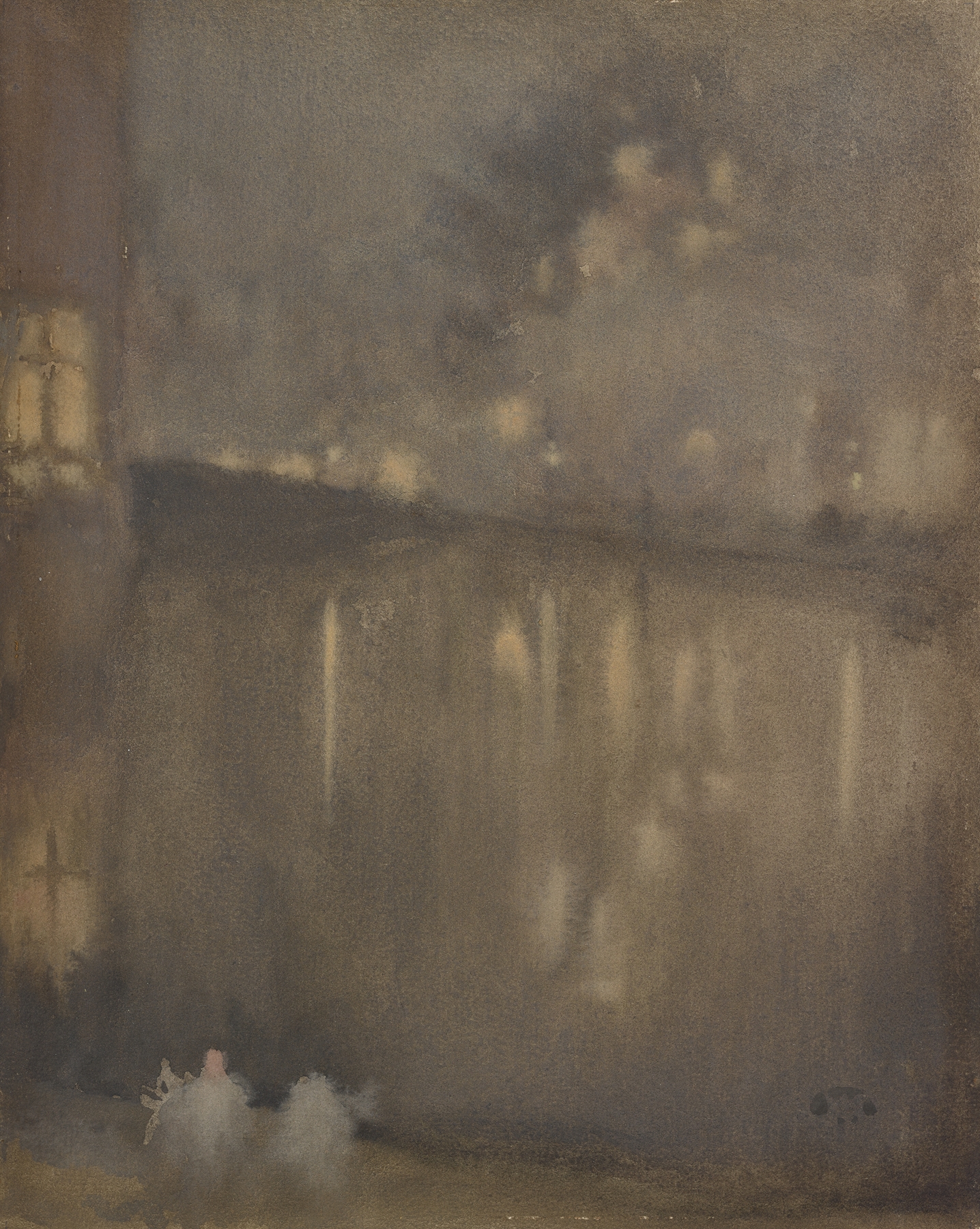
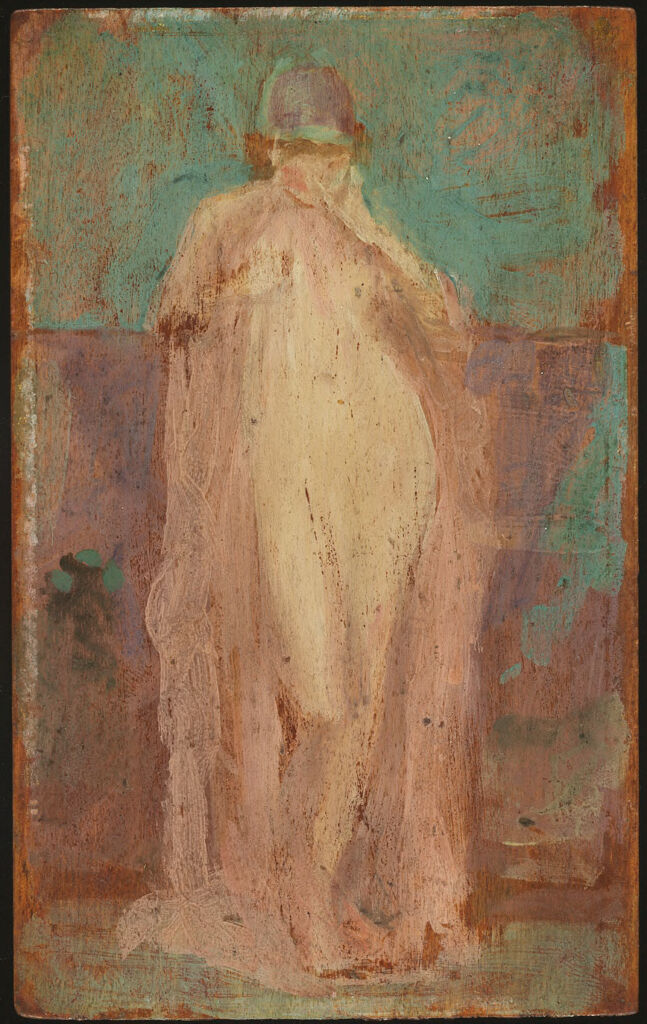
What if silence could speak through light? In Violet and Rose: La Belle de Jour, an ethereal stillness envelops the canvas, where hues intermingle like whispered secrets, inviting contemplation on the fragility of beauty and the pang of loss. Focus on the delicate interplay of colors as they blend seamlessly. The gentle wash of violet and rose fills the background, illuminating the figure draped in soft fabric. Look closely at the light's caress on her face—its warm embrace defines her features with a haunting grace.
The composition is carefully balanced, yet the subject's slight turn suggests a moment paused between presence and absence, inviting the viewer into an intimate dialogue. Beneath the calm surface, a tension simmers. The woman's gaze, directed away from the viewer, hints at unspoken thoughts, perhaps a poignant memory. The contrast of her vibrant attire against the muted backdrop amplifies a sense of yearning. Each brushstroke whispers of beauty tinged with melancholy, evoking emotions tied to fleeting moments.
In this serene space, loss lingers like a shadow, reminding us of the impermanence of joy. In the late 19th century, amidst a rapidly changing artistic landscape, the artist created this work in Paris. At this time, Whistler was deeply engaged with the aesthetic philosophy of art for art's sake, experimenting with color and composition to evoke mood rather than depict narrative. This painting reflects his fascination with the nuances of light and emotion, capturing a moment where beauty and sorrow coexist.