Voerman en de Dood — History & Analysis
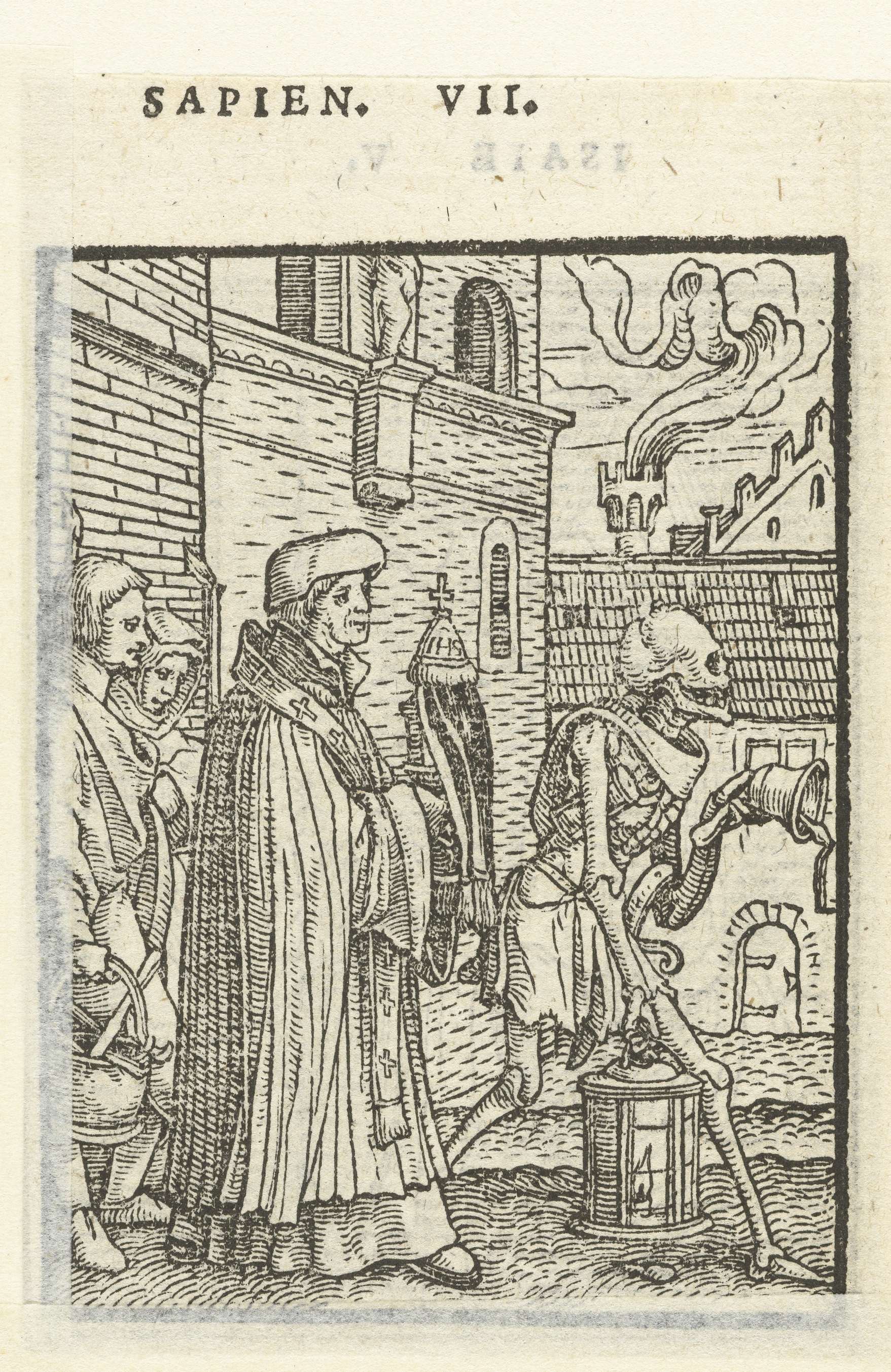
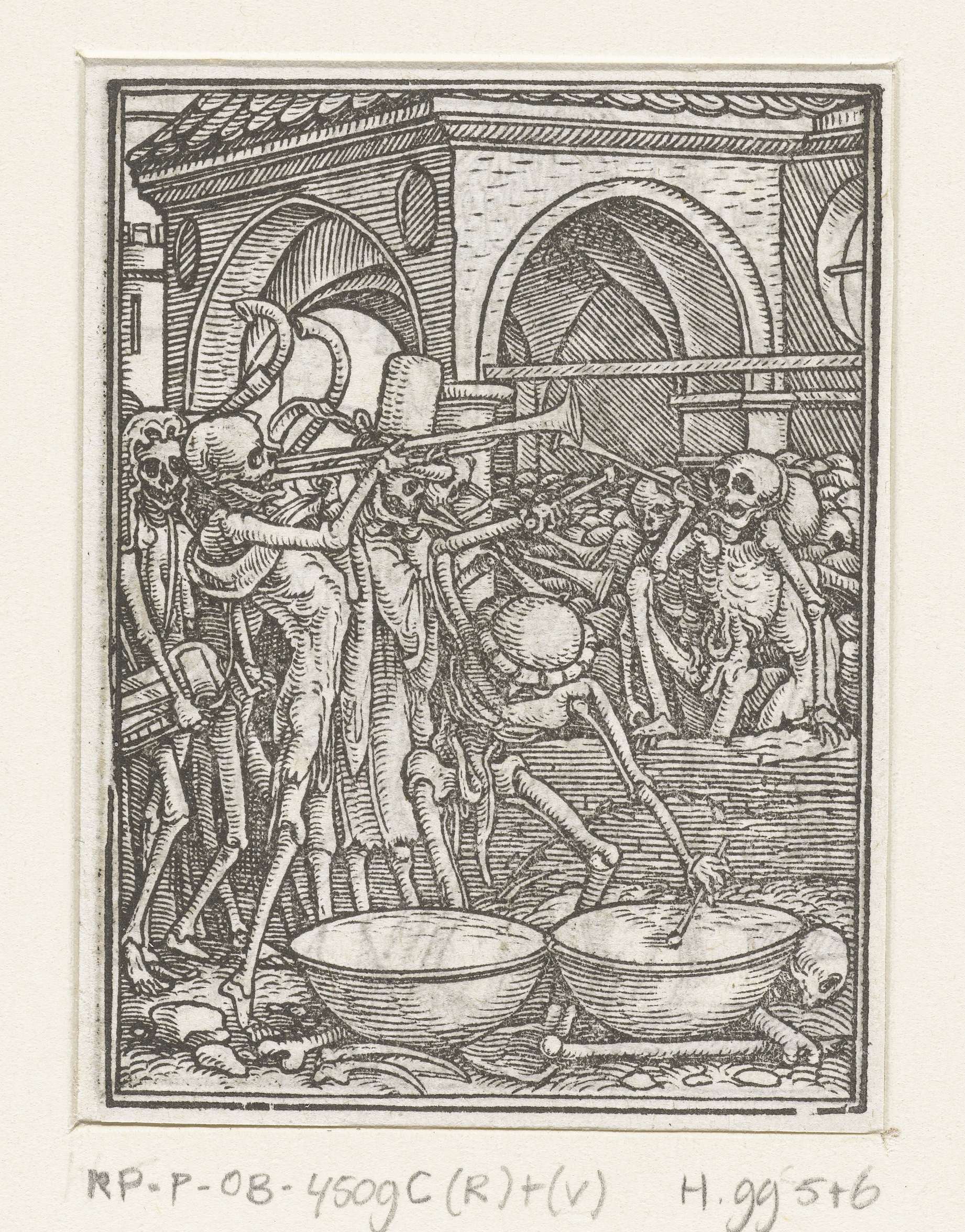
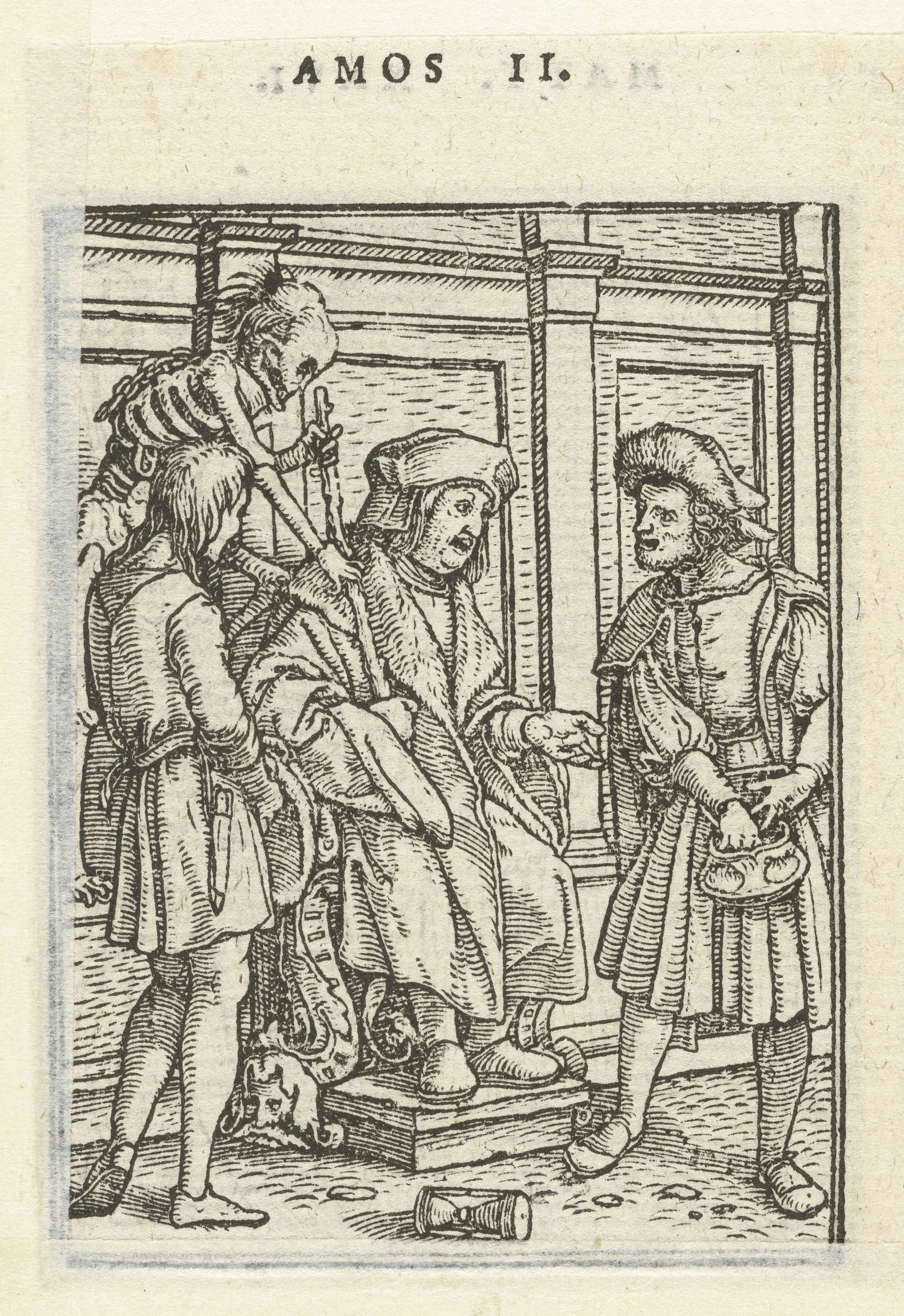
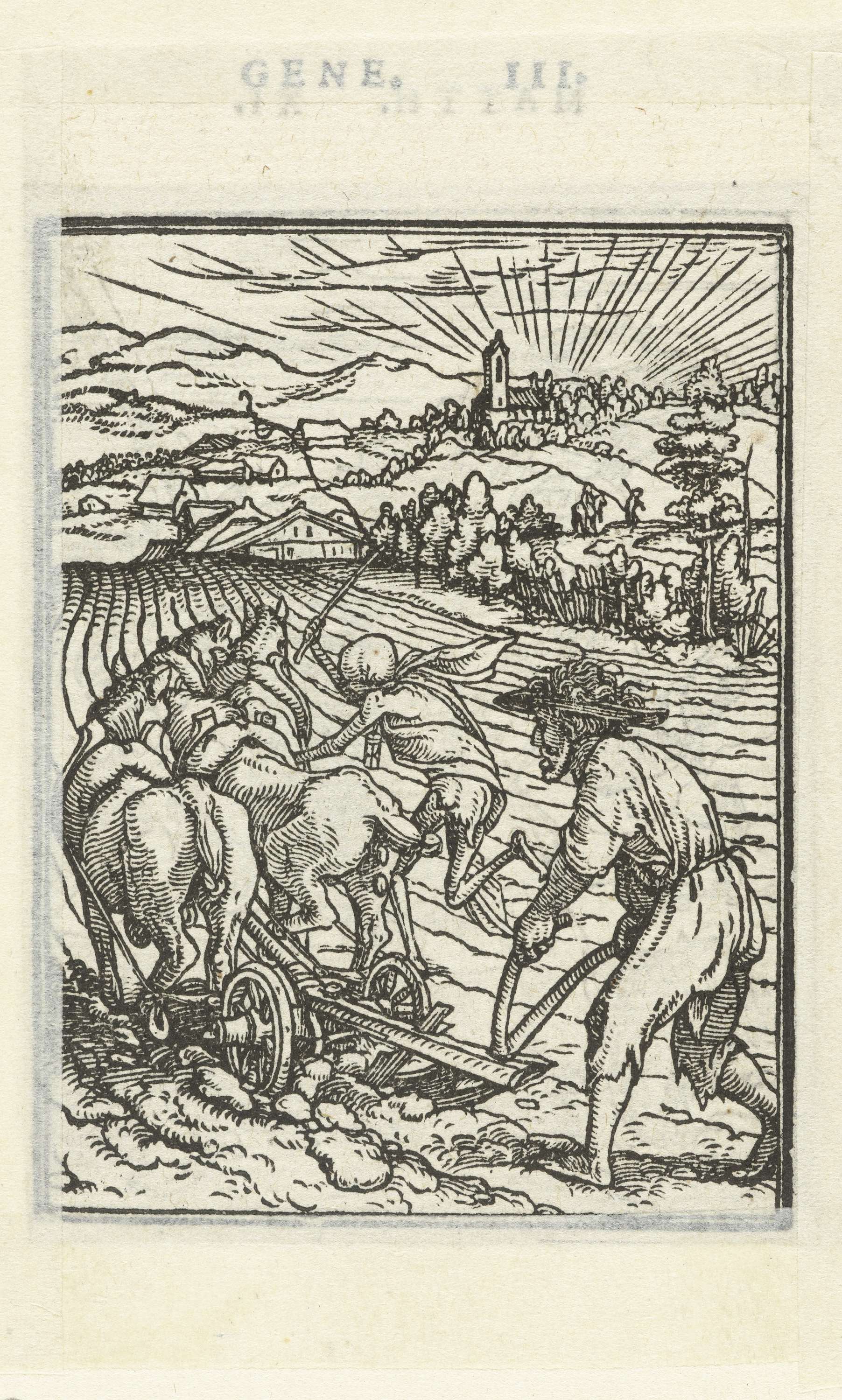
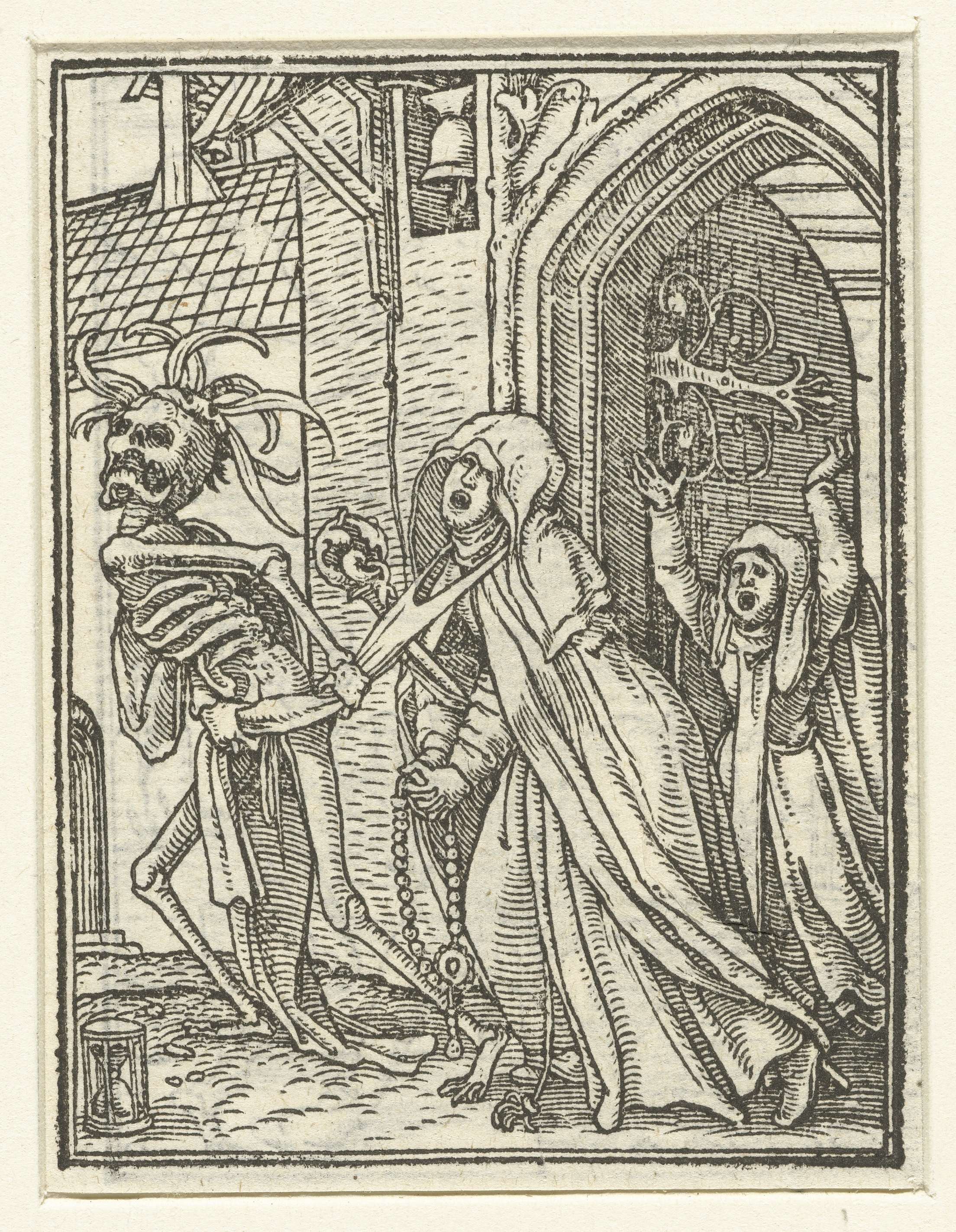
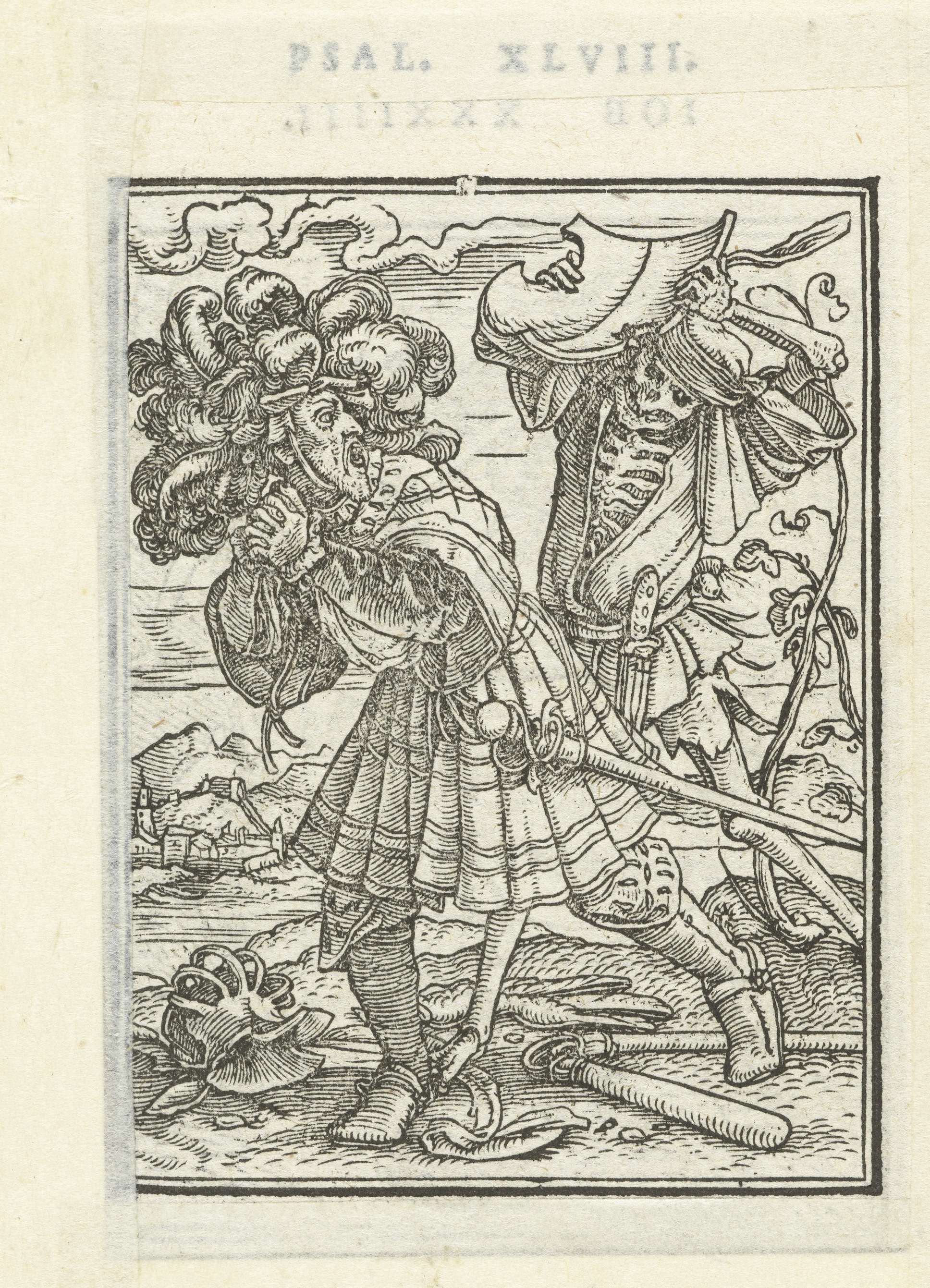
Could a single brushstroke hold eternity? In Voerman en de Dood, time intertwines with the fragile nature of existence, inviting contemplation on mortality and the passage of life. Focus on the figure at the center, draped in stark, dark garments, the embodiment of death itself. Notice how the light casts an eerie glow on the pale skin and skeletal features, illuminating the tension between the living and the dead. The contours of the face are sharply defined, a striking contrast to the muted tones that surround it.
The swirling background suggests an otherworldly mist, evoking both mystery and a sense of imminent dread, while the figures’ gazes lock in an unsettling embrace. Delve deeper into the details that haunt this composition. The juxtaposition of the human figure and the personification of death reveals a conversation—one that examines the inevitability of fate. The shadows play upon the surface, reflecting the internal struggle between acceptance and fear.
Each brushstroke is deliberate, emphasizing the transient nature of life, while the somber palette speaks of a world caught between sorrow and reflection, a reminder of our shared mortality. Hans Holbein II created this piece in 1547 during a period marked by the Protestant Reformation and significant socio-political upheaval in Europe. Living in Basel, he was deeply engaged with themes of life and death, which resonated with the artistic and philosophical currents of his time. The tension between faith and doubt, protest and tradition, influenced his work, making Voerman en de Dood an enduring exploration of existential themes that continue to resonate today.