Vraatzucht — History & Analysis
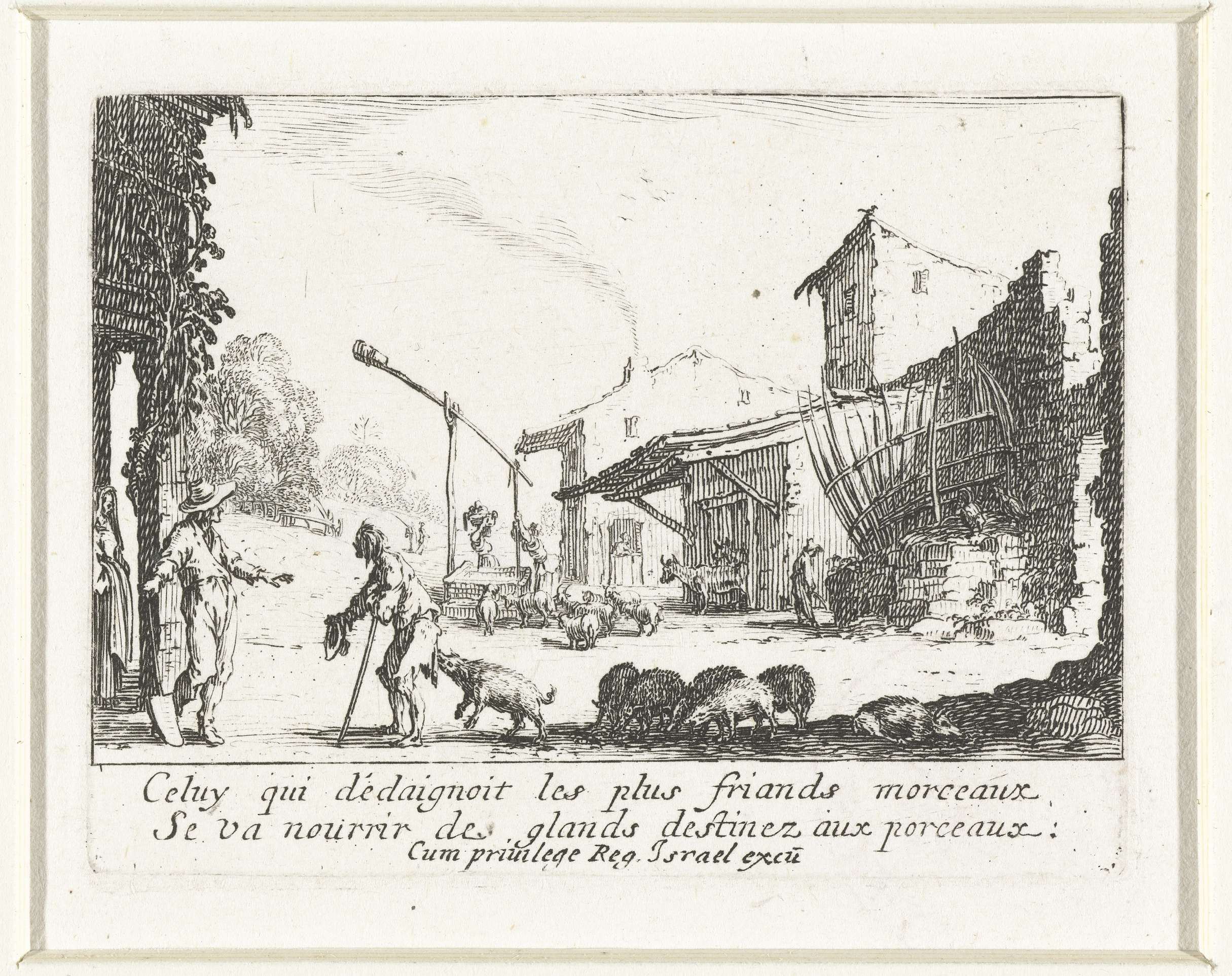
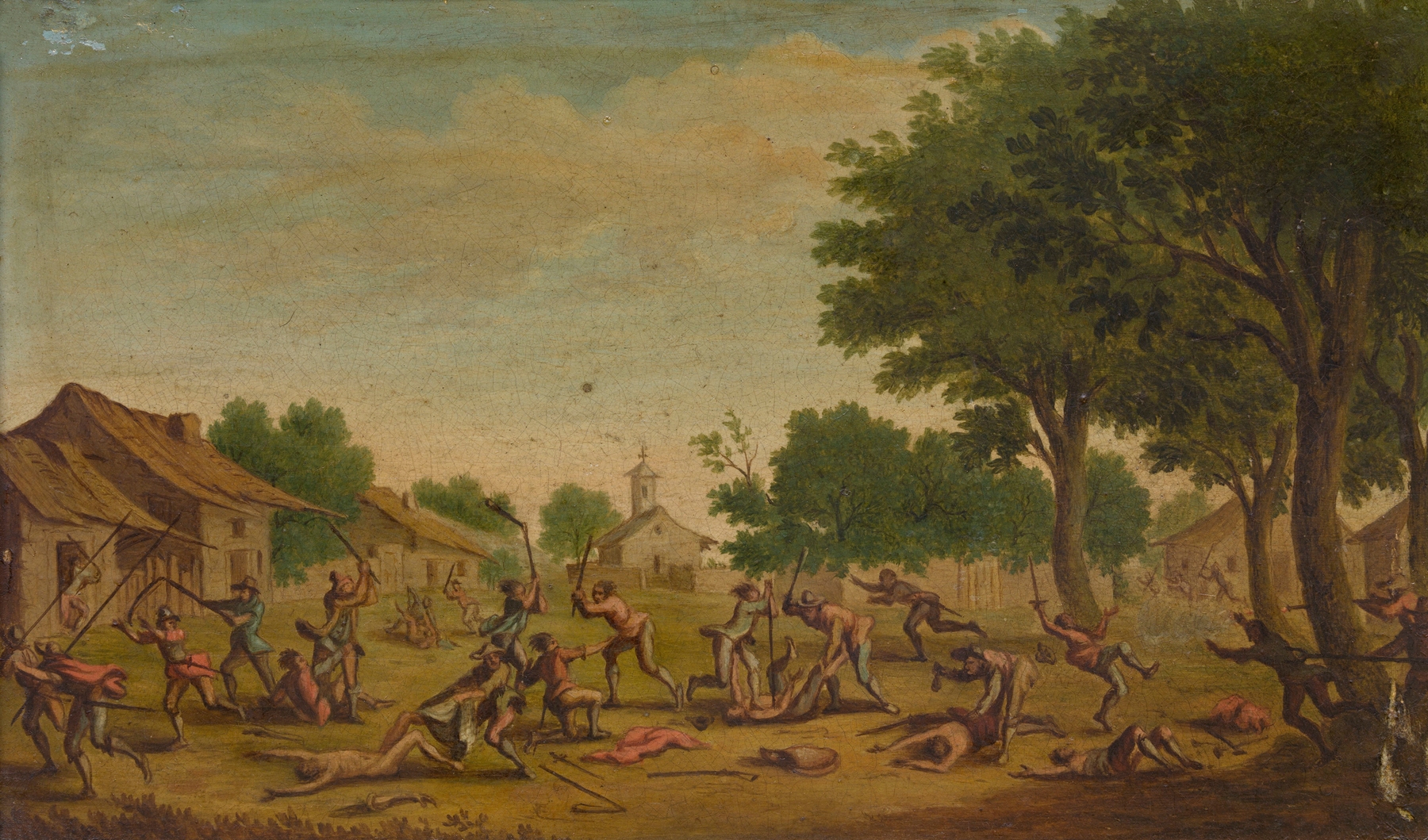
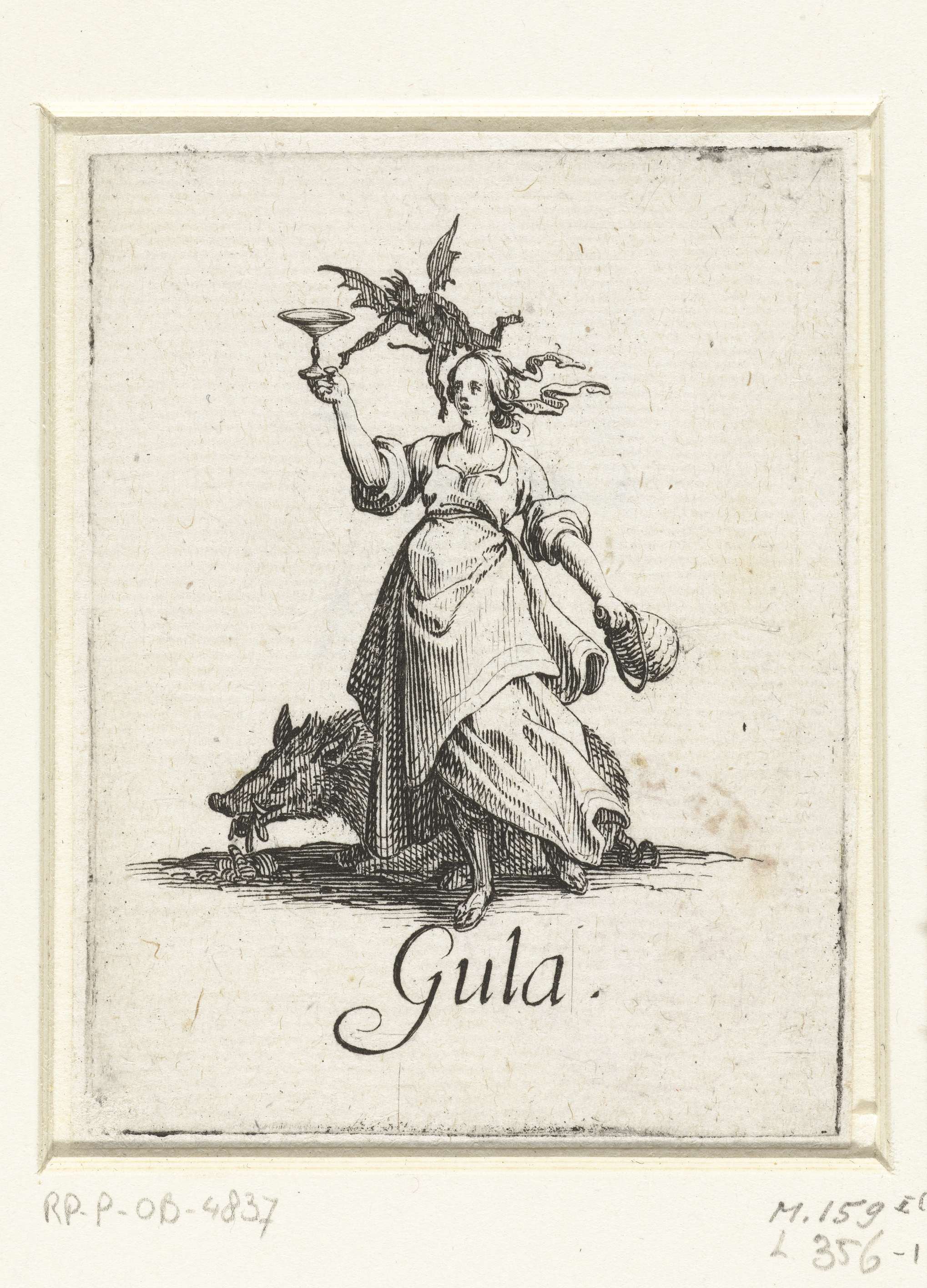
What if beauty was never meant to be finished? In Vraatzucht, Jacques Callot captures the relentless desire that drives humanity toward excess and obsession, revealing the fragile line between allure and ruin. Begin by looking to the center of the piece, where grotesque figures, twisted and engaged in their pursuits, draw the eye with a magnetic pull. Notice the intricate details in their expressions—each face tells a story of longing and desperation. Shadows dance across the figures, accentuated by a palette of muted earth tones and dark hues, creating an atmospheric depth that suggests both a bustling activity and an unsettling stillness.
The delicate lines intertwine, guiding the viewer’s gaze from one character to another, as if urging you to uncover the chaos behind the façade of beauty. Beneath the surface lies a profound commentary on excess and the human condition. The frenzied movement and exaggerated gestures of the figures suggest a blind pursuit of gratification, hinting at the futility of their desires. One can sense the tension between indulgence and greed, as the characters seem caught in a vortex of relentless craving.
Callot masterfully weaves a narrative that questions whether the pursuit of beauty ultimately leads to fulfillment or despair. During the period from 1618 to 1625, Callot was developing his remarkable etching techniques in Nancy, France. This was a time marked by the Baroque movement, which embraced emotional intensity and intricate detail. As an artist navigating the complexities of his era, Callot’s work reflects not only personal obsessions but also broader societal themes about the nature of desire, making Vraatzucht a poignant exploration of humanity's ceaseless chase for unattainable beauty.