Vue de la Source de L’Arveron — History & Analysis
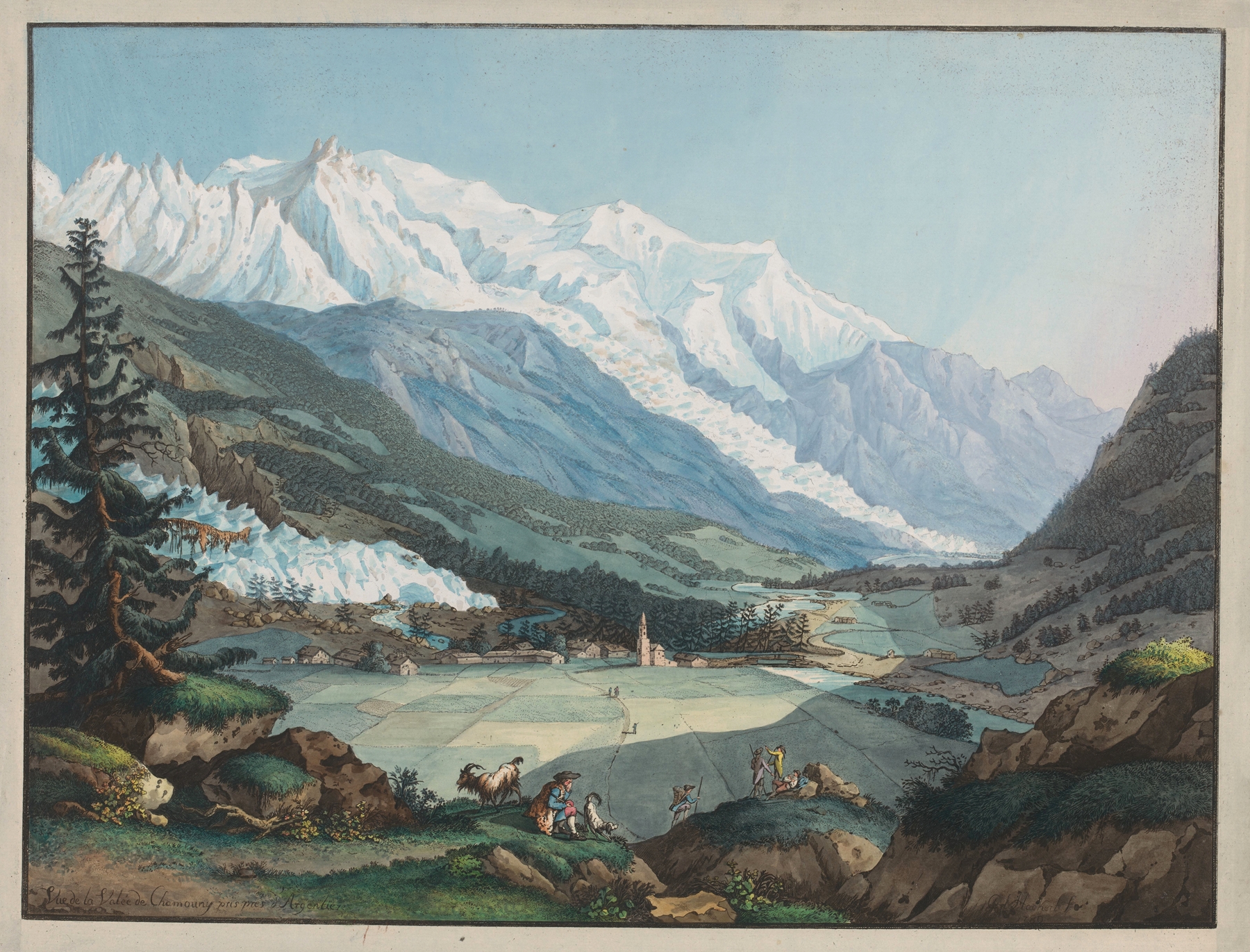
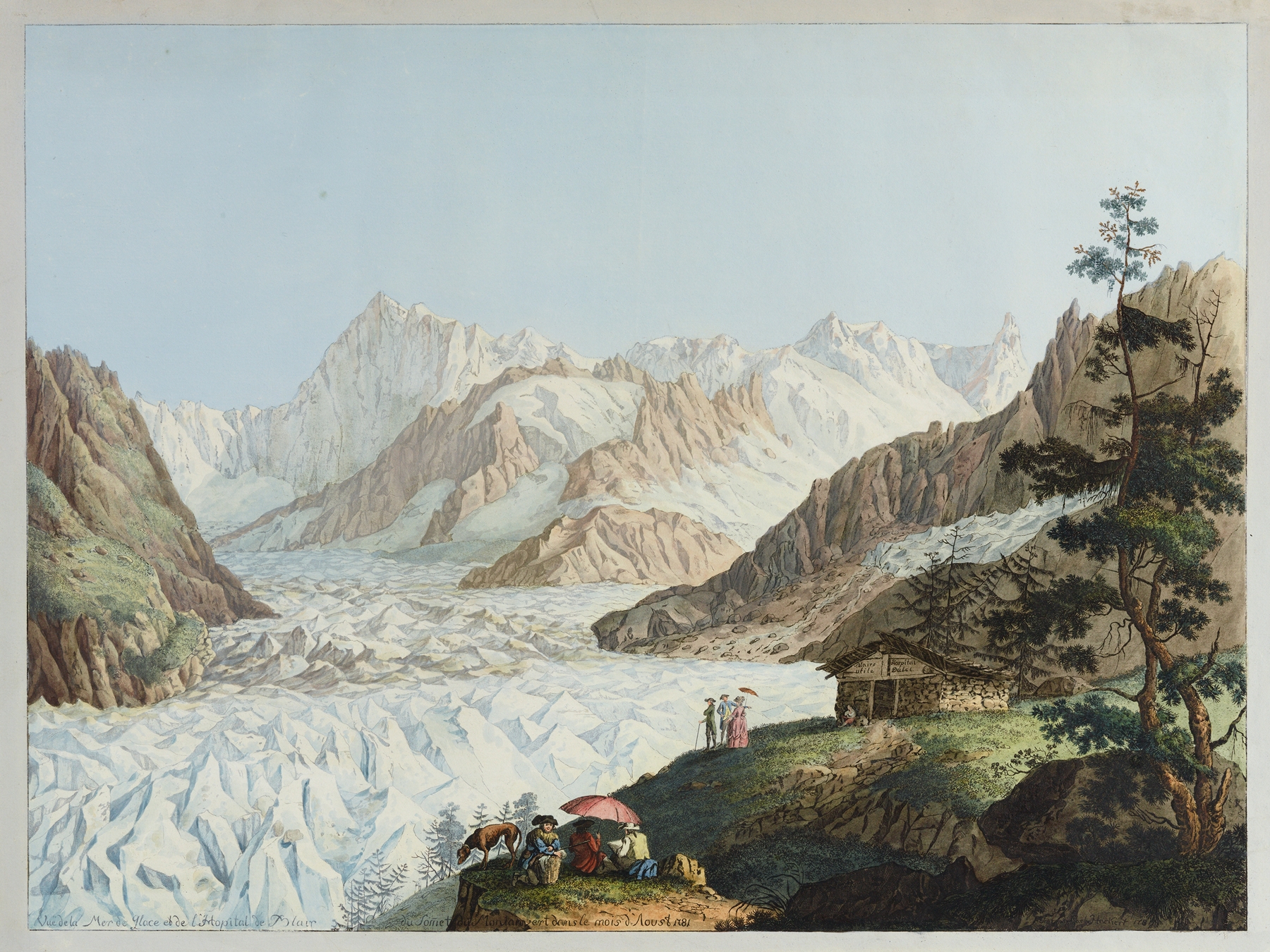
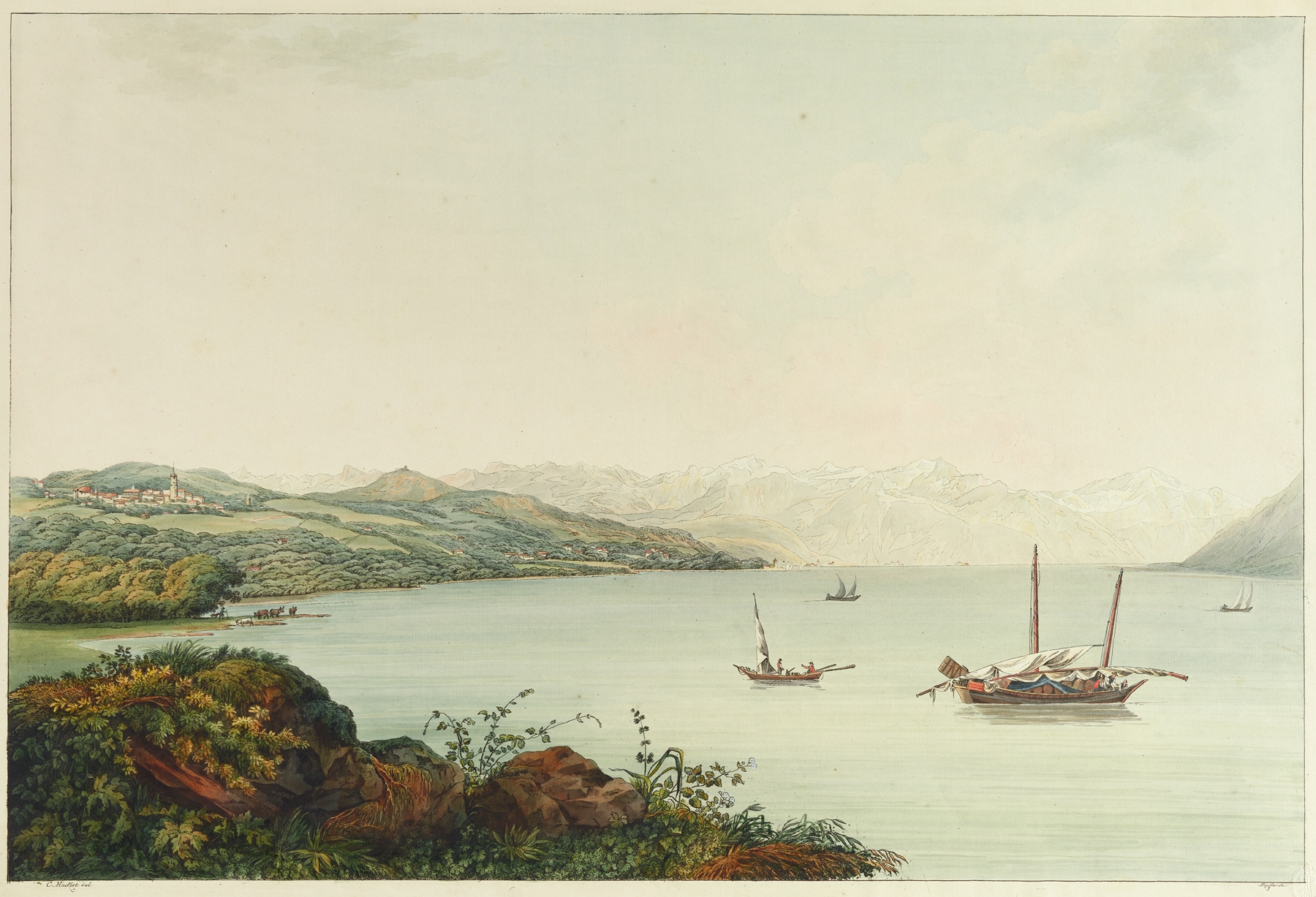
Can paint confess what words never could? In Carl Ludwig Hackert's Vue de la Source de L’Arveron, fragility envelops the natural world, whispering secrets of transience through its delicate brushwork. Look to the center of the piece where the crystalline waters emerge from the earth, their surface glistening under a gentle cascade of light. The soft greens and blues meld seamlessly, creating a serene harmony that invites the viewer closer.
Notice how the rugged rocks frame the water’s edge, grounding the scene while simultaneously echoing the soft curves of the foliage, emphasizing the balance between strength and delicacy. The interplay of shadow and light not only highlights the natural beauty but also evokes a tranquil yet fleeting moment in time. Upon closer examination, subtle contrasts emerge: the robust, earthy textures of the rocks juxtapose with the ethereal qualities of water, suggesting the fragile relationship between permanence and impermanence. The way the sunlight dances upon the rippling surface evokes a fleeting tranquility, while the surrounding trees stand as silent witnesses to the passage of time.
Hackert’s careful attention to these details encapsulates an emotional tension, where nature’s beauty is both a celebration and a reminder of its ephemeral nature. Created between 1740 and 1796, this work reflects a period of rising appreciation for landscape painting, as artists began to explore nature’s subtleties with increasing fervor. During this time, Hackert resided in Italy, where he was influenced by the classical ideals of beauty and harmony. As part of the late Baroque movement, he sought to capture the essence of the natural world, drawing viewers into moments that are serene, yet tinged with the inevitability of change.