Vue de Lustri — History & Analysis
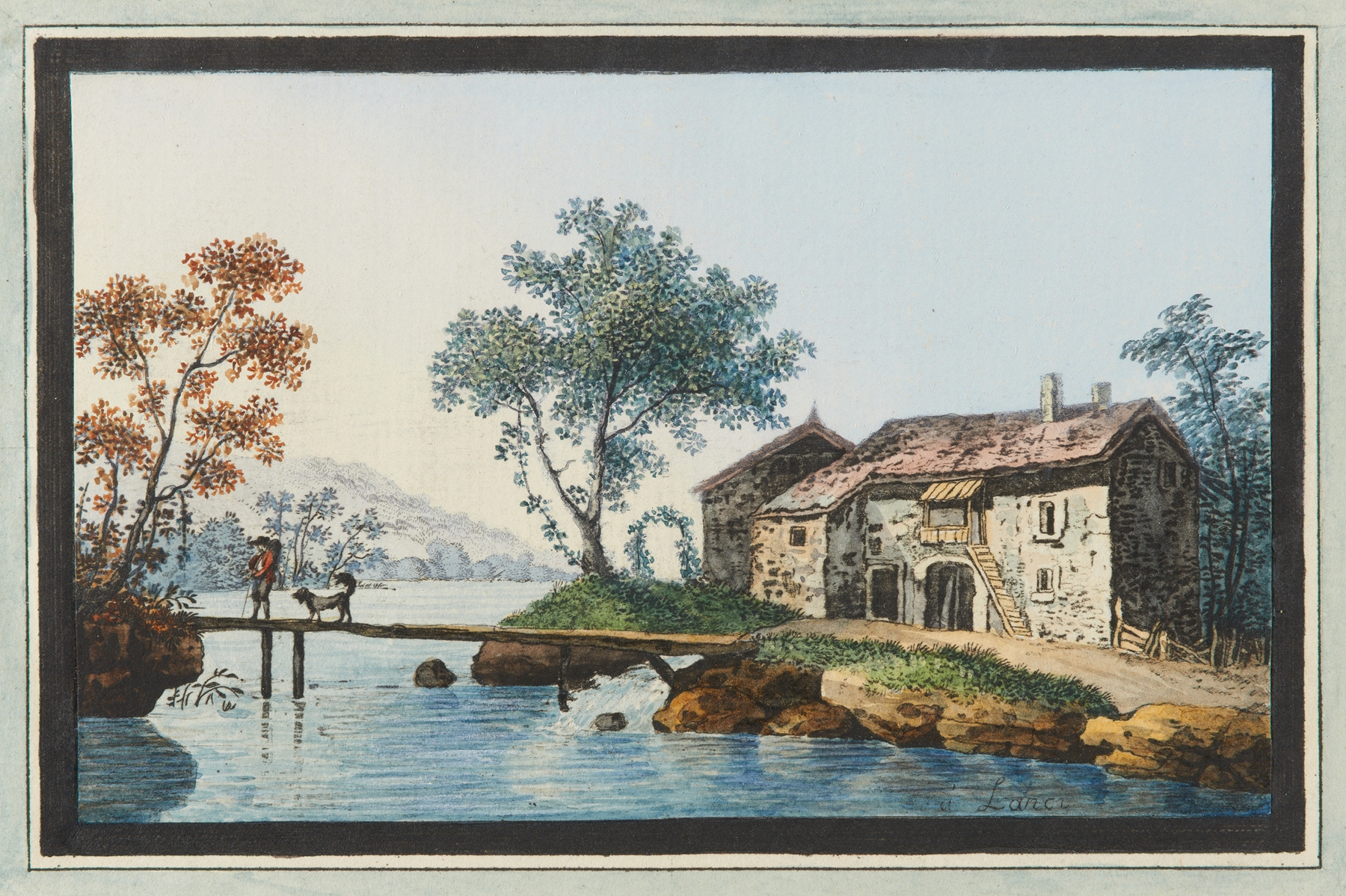
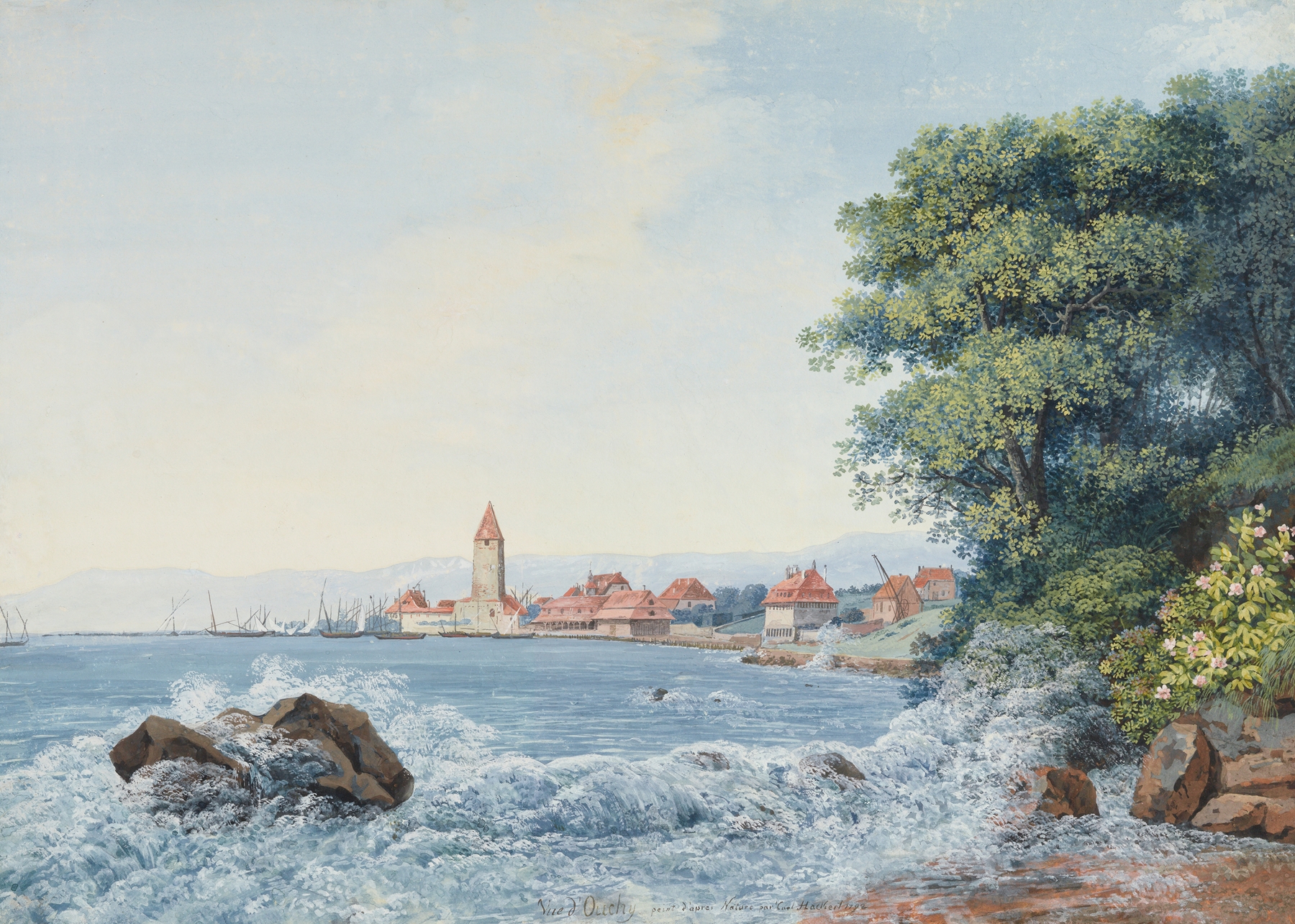
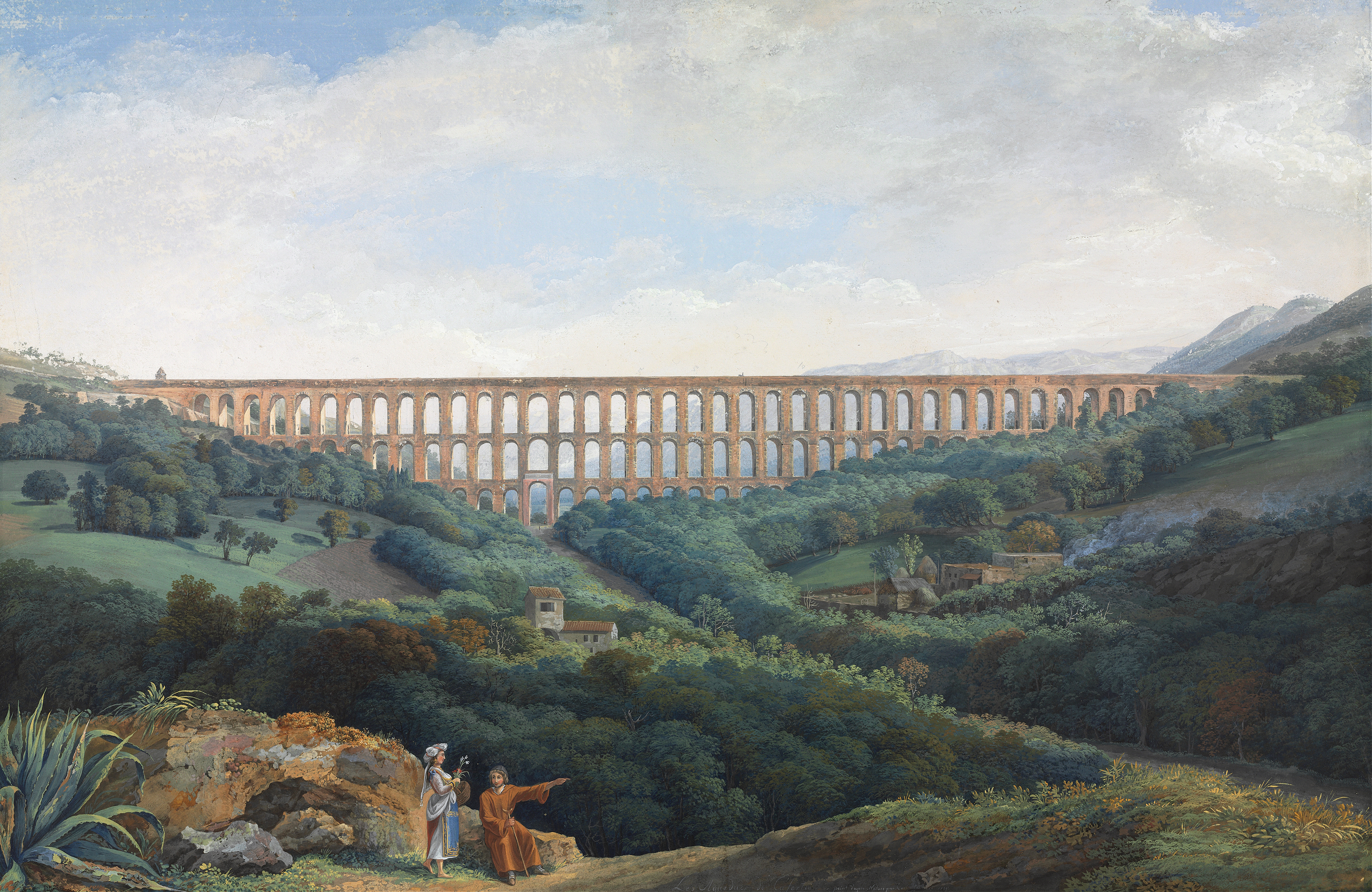
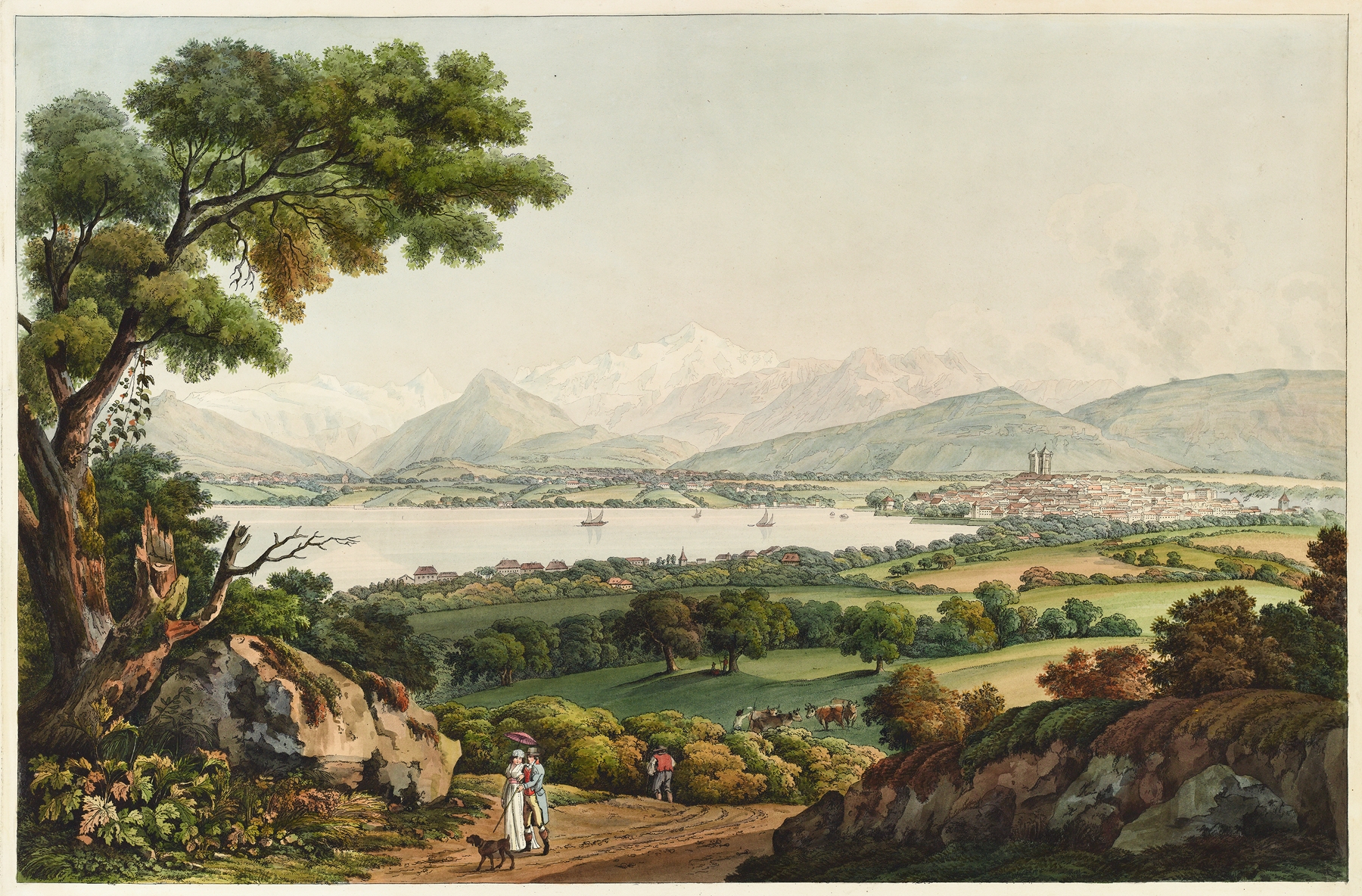
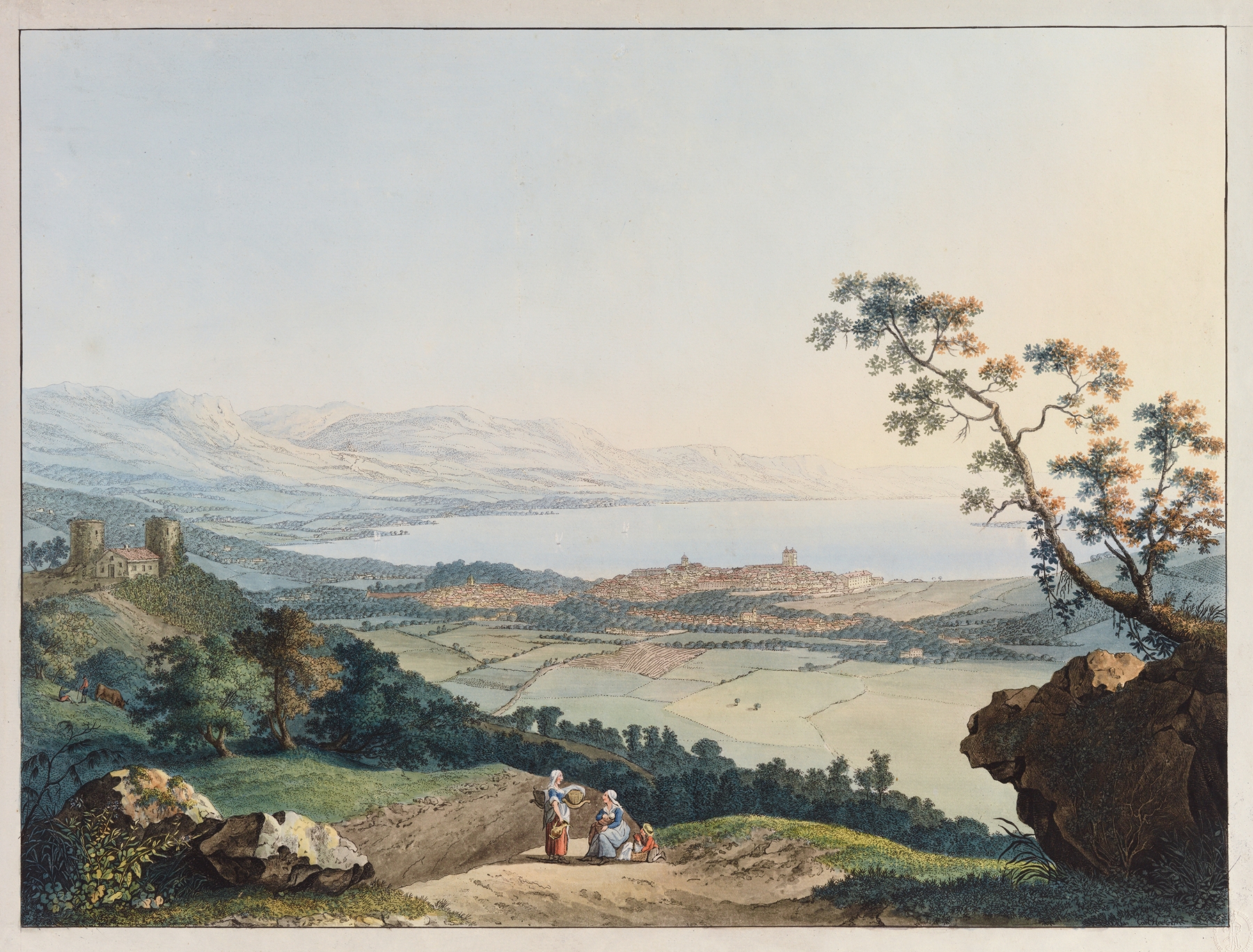
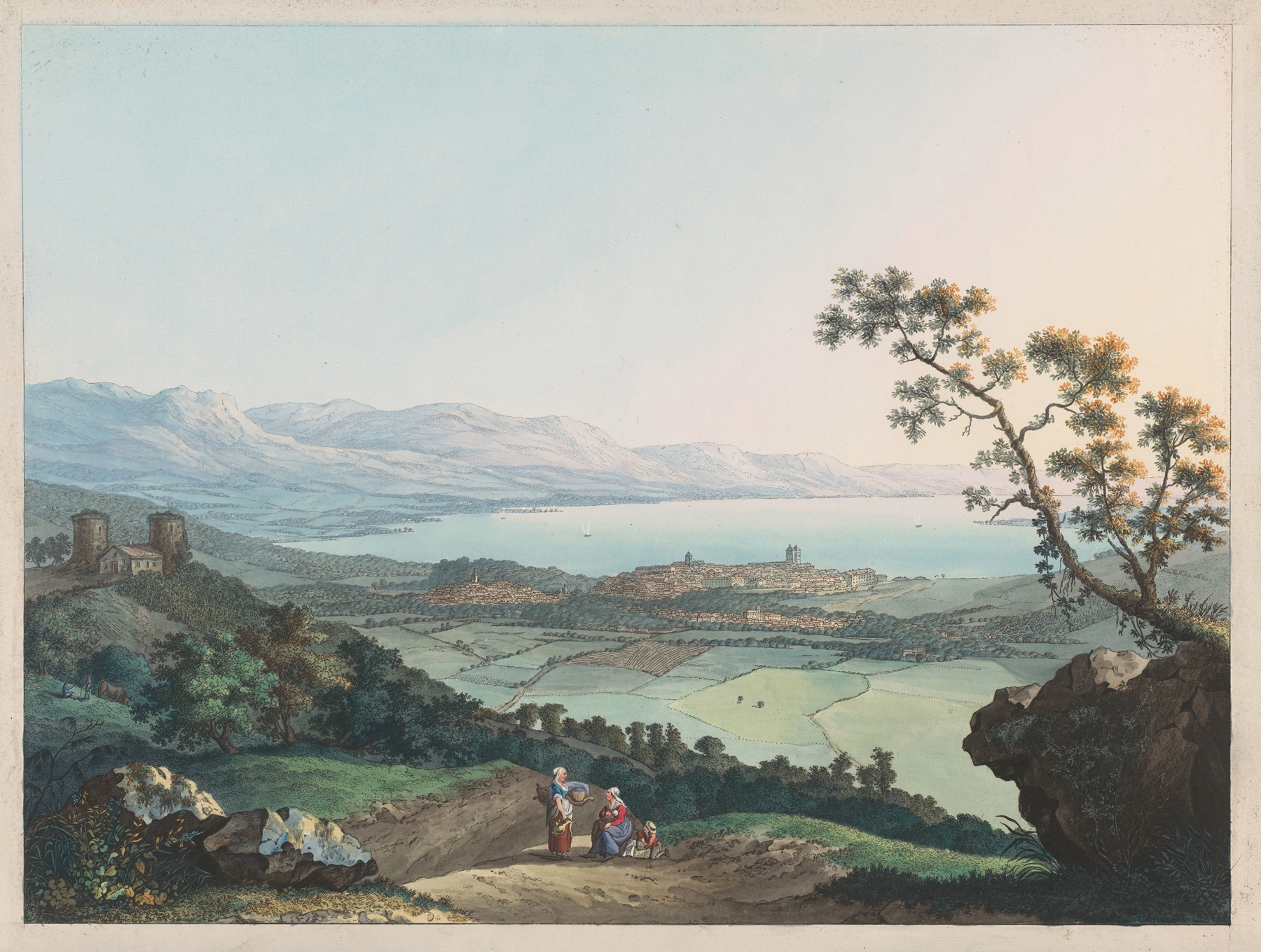
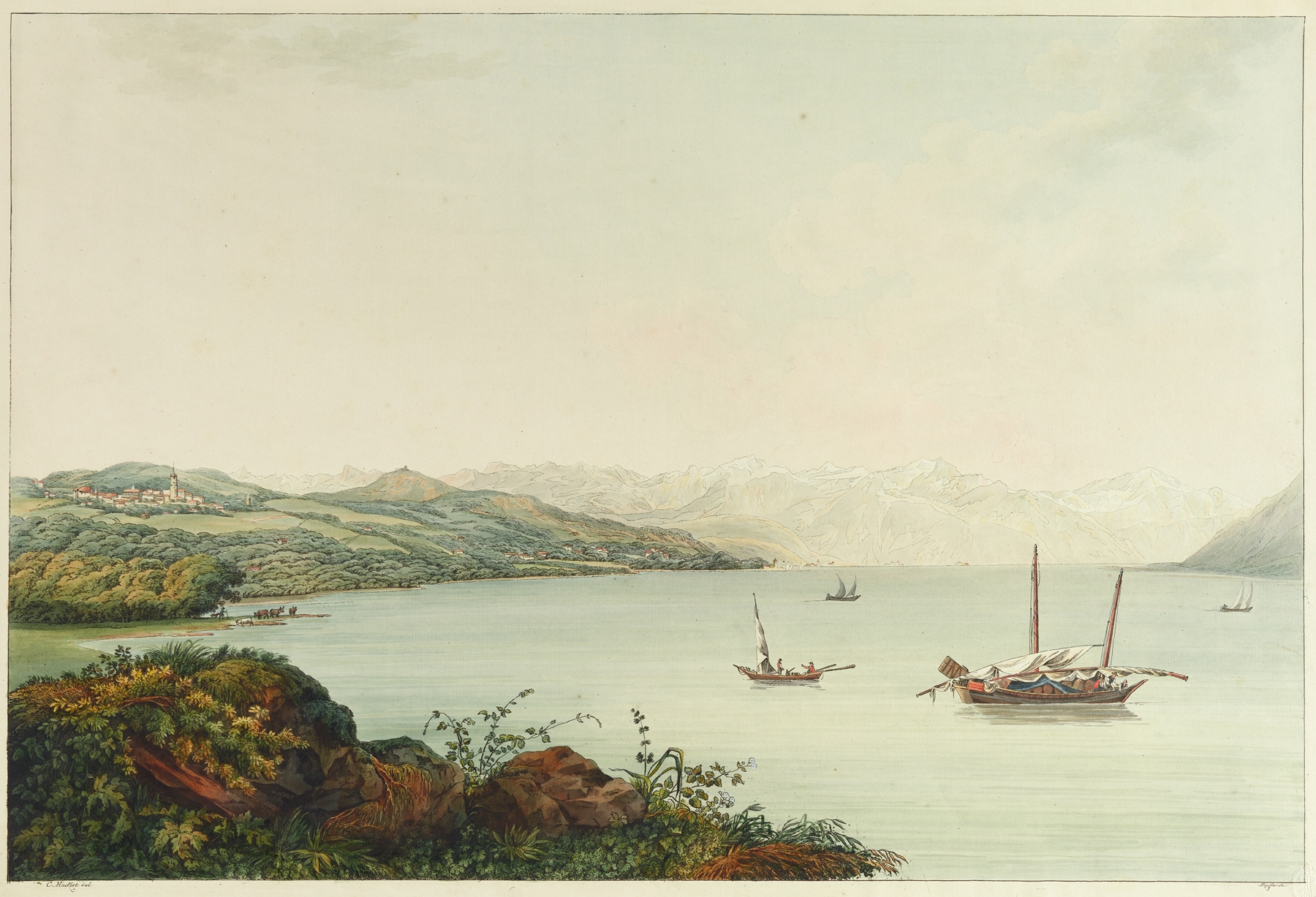
“Every brushstroke is a heartbeat remembered.” In a world where decay intertwines with beauty, both flourish in harmony, echoing the passage of time. Look to the left at the crumbling ruins, their once-proud stones softened by the embrace of nature. The verdant green vines and delicate flowers weave through the remnants, breathing life into decay. Notice how the artist expertly captures the play of light, spilling softly across the landscape, illuminating the vibrant colors while casting gentle shadows that heighten the sense of transience.
The contrast of rich blues and earthy tones invites the viewer deeper into this serene, yet poignant moment. Beneath the surface, this piece speaks to the duality of existence — the inevitable decay of the man-made against the resilience of nature. The ruins serve as a silent testament to the past, while the flourishing flora suggests renewal and the cyclical nature of life. Each detail, from the distant hills to the intricate textures of the foliage, underscores a profound reflection on time’s relentless march forward, revealing both loss and regeneration in a single glance.
During the late 18th century, Carl Ludwig Hackert created Vue de Lustri amidst a burgeoning interest in the Romantic landscape and the picturesque. Living in Italy during this period, he found inspiration in the breathtaking scenery and the ruins of classical antiquity that dotted the landscape. As artists began to shift their focus from strict representation to emotional resonance and personal interpretation, Hackert's work emerged as a bridge between tradition and emerging Romantic ideals.