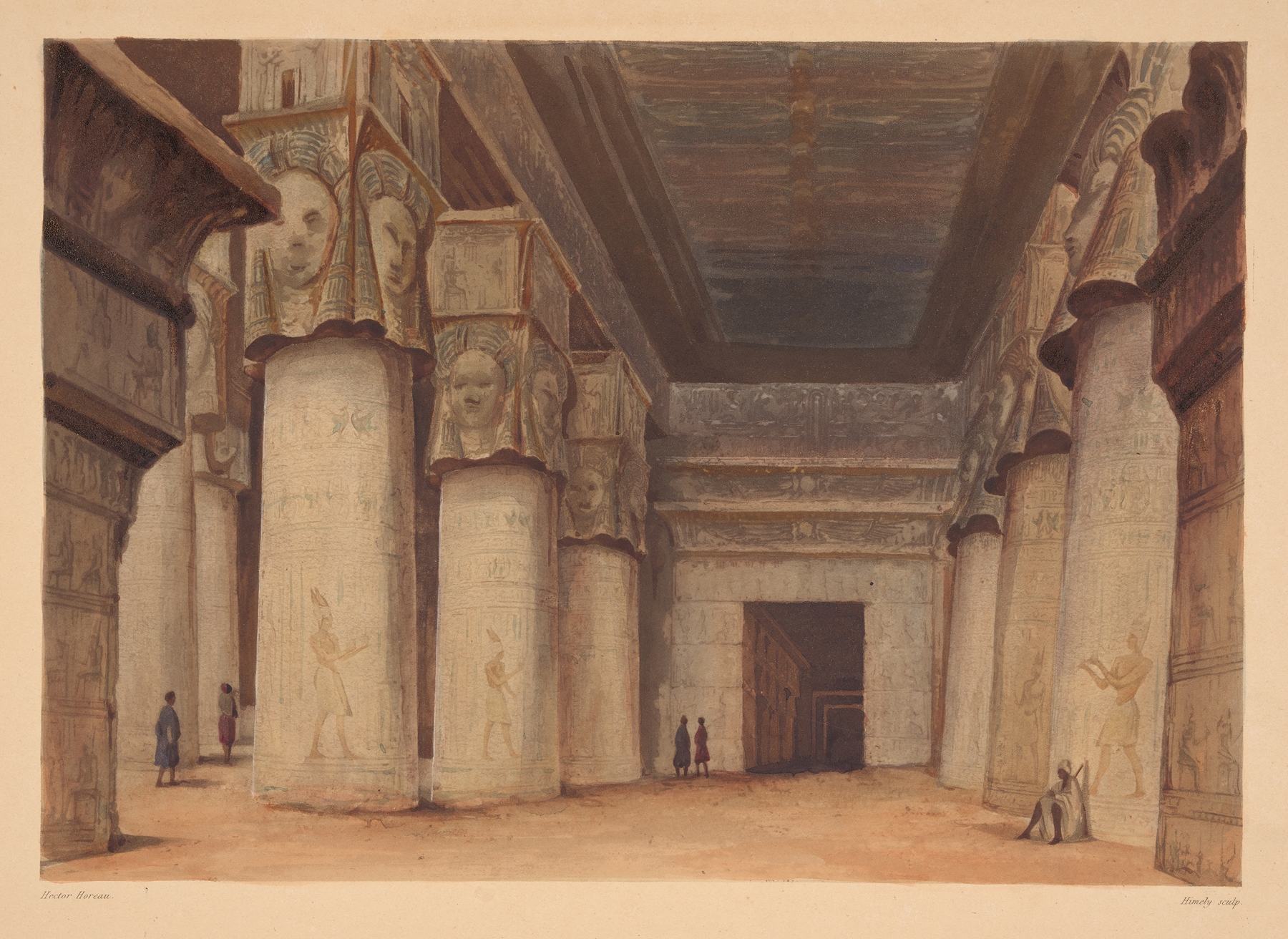
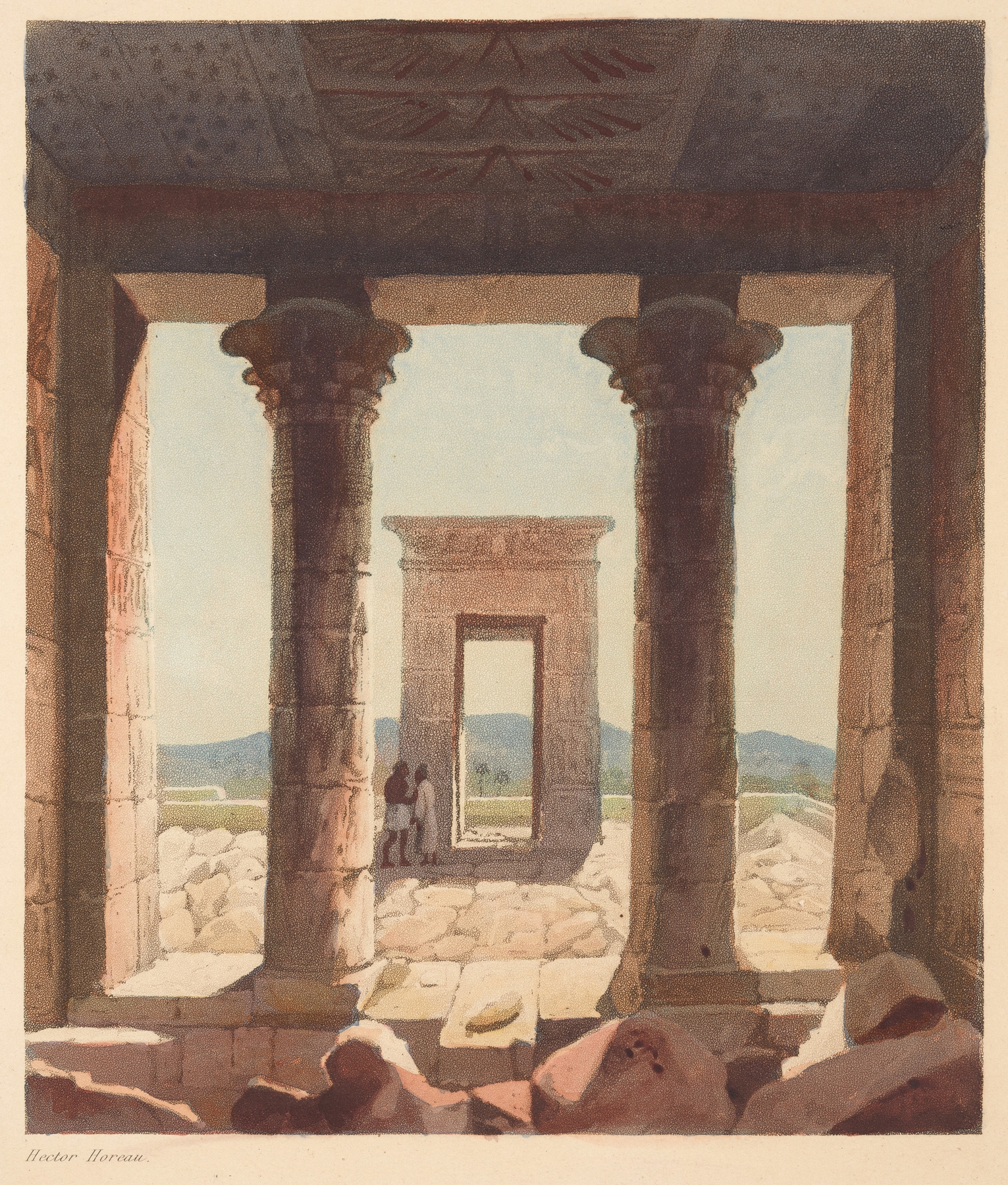
Vue interieure (Interior view) — History & Analysis
“Art reveals the soul when the world turns away.” In Vue interieure, the essence of ecstasy transcends the boundaries of mere representation, beckoning the viewer to delve deep into the emotional landscape that exists within the walls of this intimate space. Look first to the left, where a cascade of light spills through an open window, illuminating the delicate patterns of a richly textured curtain. The interplay of shadows and light breathes life into the room, inviting you to explore every corner. Notice the intricate details etched into the furniture and the subtle hues that harmonize in the color palette, each stroke revealing a careful balance between shadow and illumination, serenity and vibrancy.
Hidden in the composition are layers of significance; the juxtaposition of calm interiors against the potential chaos of the outside world suggests a moment of respite, an invitation to both the soul and the viewer. The open window symbolizes a yearning for freedom, while the meticulously arranged elements within the room evoke a sense of order and control. It is a dance between the mundane and the profound, encapsulating a fleeting moment of ecstasy, captured within the confines of domesticity.
In 1839, Hector Horeau painted this work in Paris, a time when the art world was on the brink of new movements, wrestling with the tension between realism and romanticism. Horeau was deeply influenced by his surroundings, reflecting the shifting dynamics of the burgeoning modern age. His exploration of interior life mirrors the broader societal changes occurring around him, as artists sought to capture the essence of human experience against an evolving backdrop.
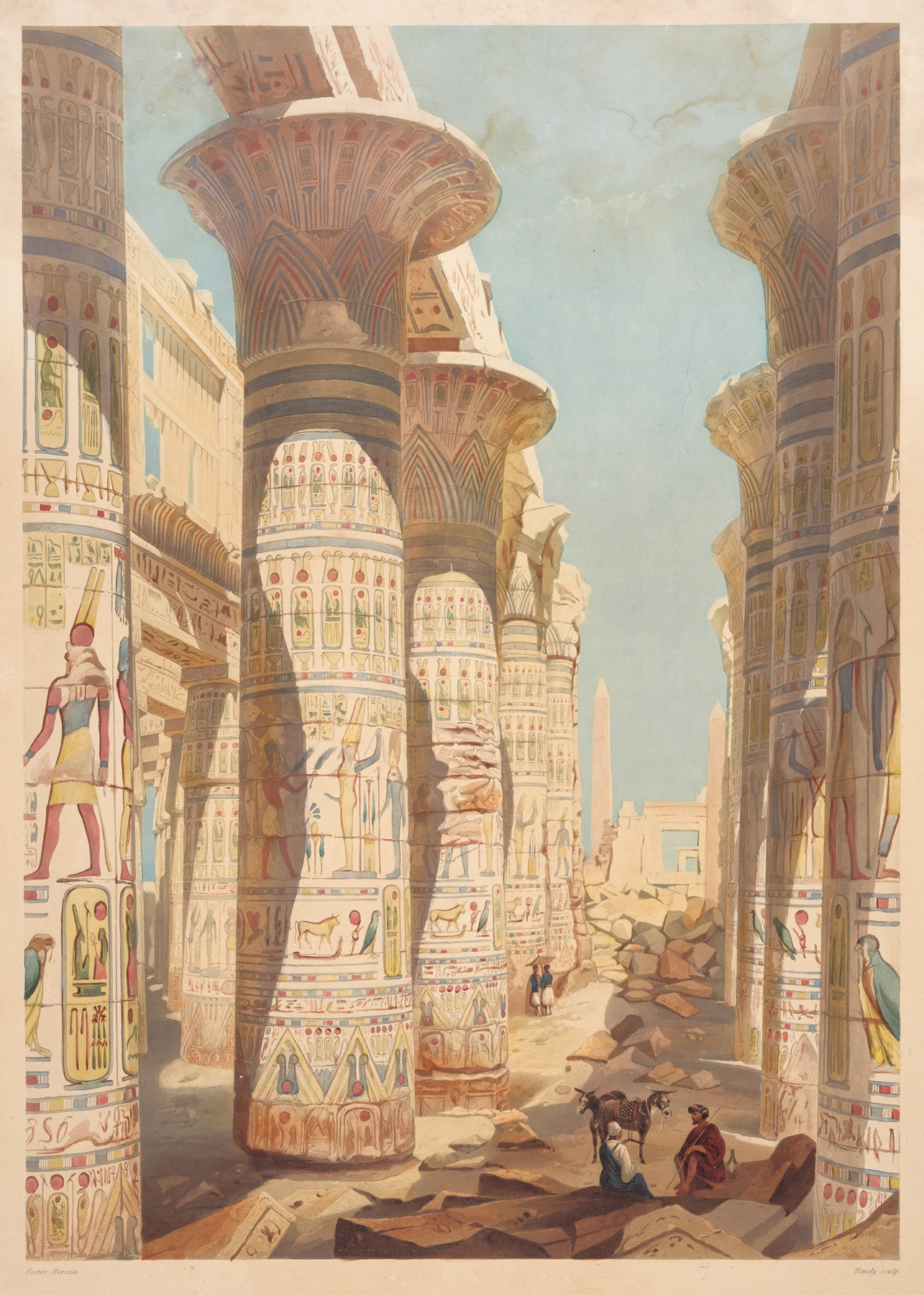
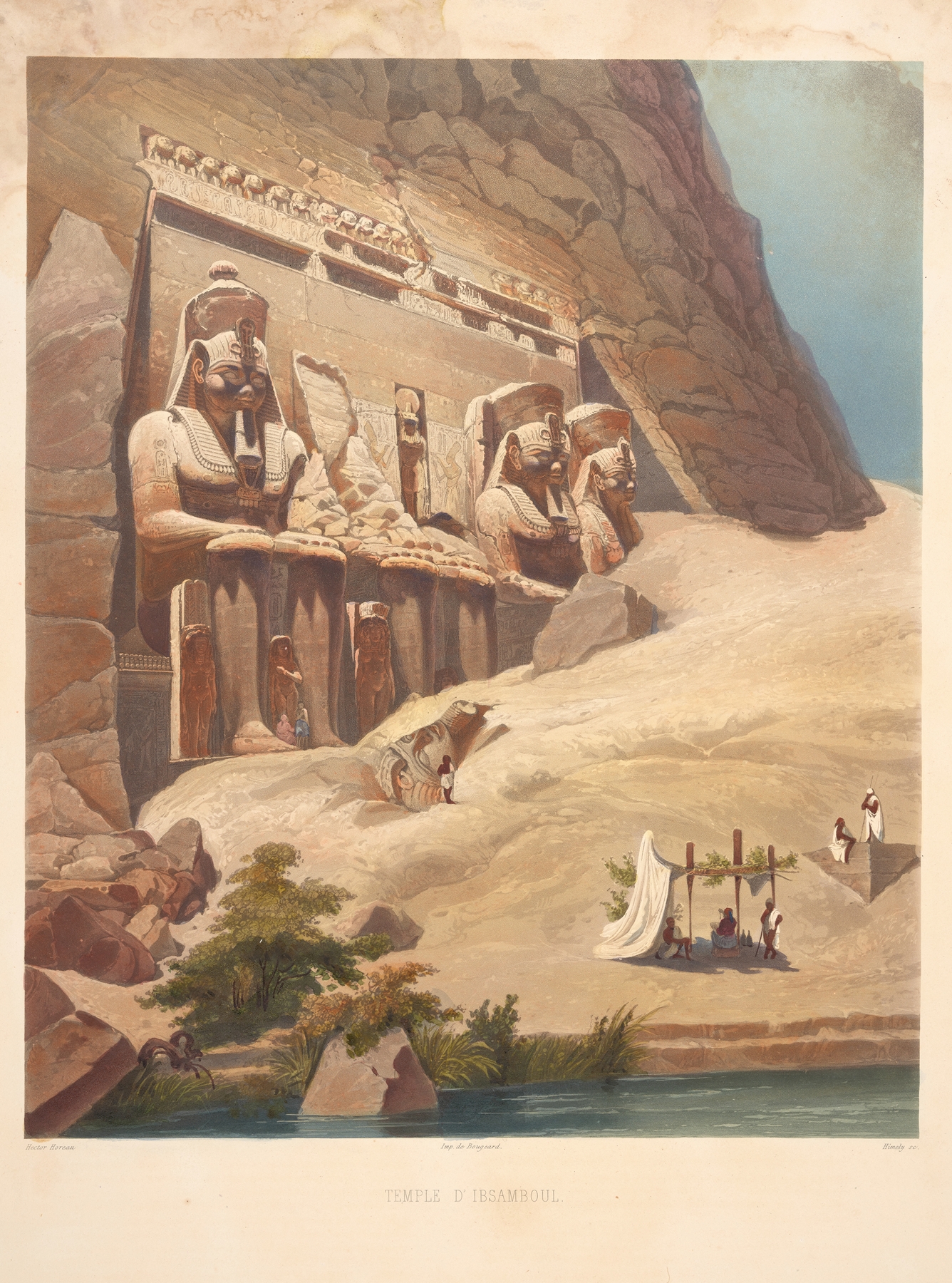
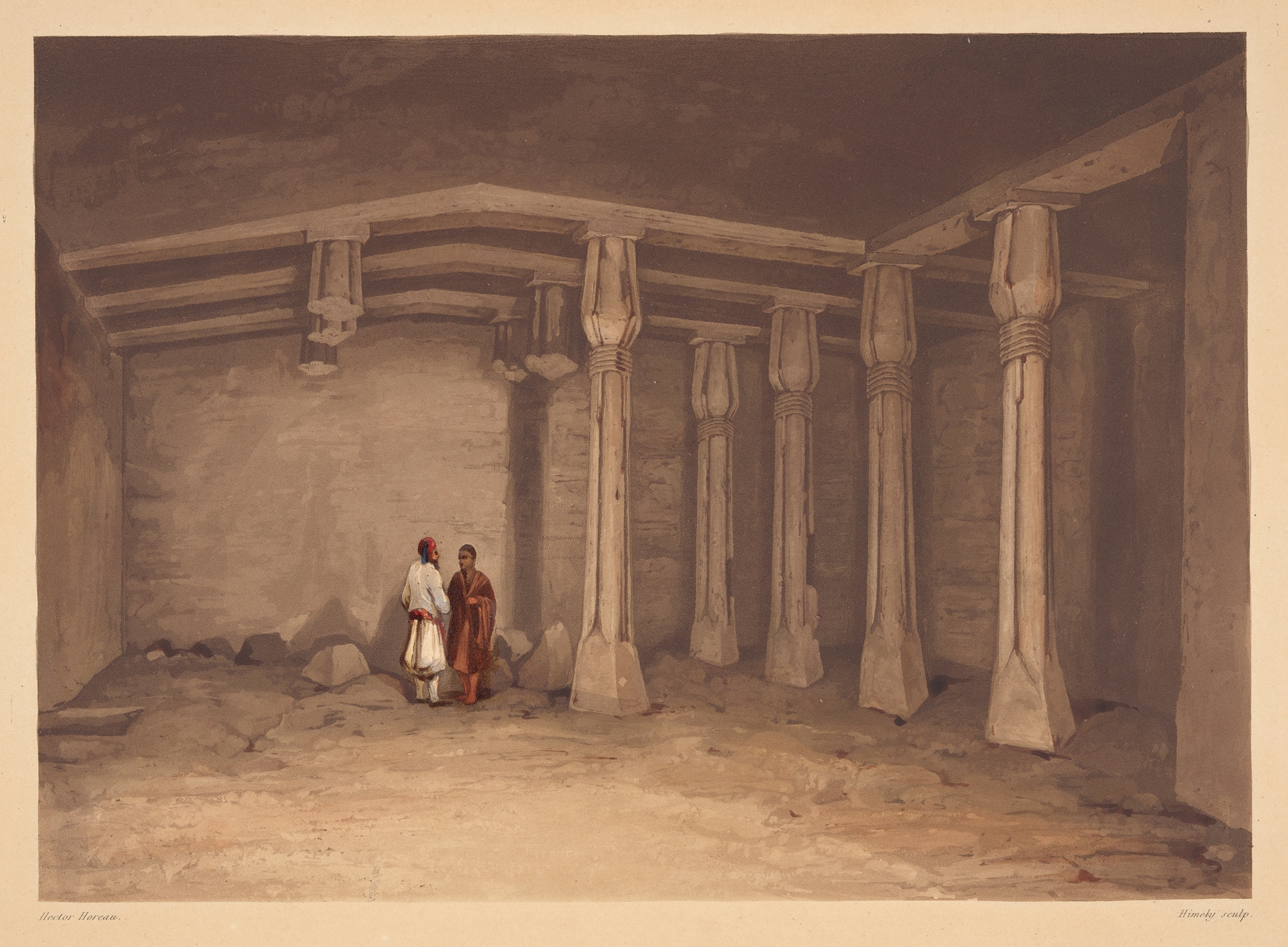
![Temple d’Ibsamboul [Interior view] (Temple of Abu Simbel), by Hector Horeau, public domain](https://froigstrpvutwqtqikzt.supabase.co/storage/v1/object/public/art-images/artworks/3156dbe8015f5681be442de2c2c50af40c84d5e10e8f68f04f9a54d6d857255f.jpg)