Wandelaars op een weg bij Spaarnwoude — History & Analysis
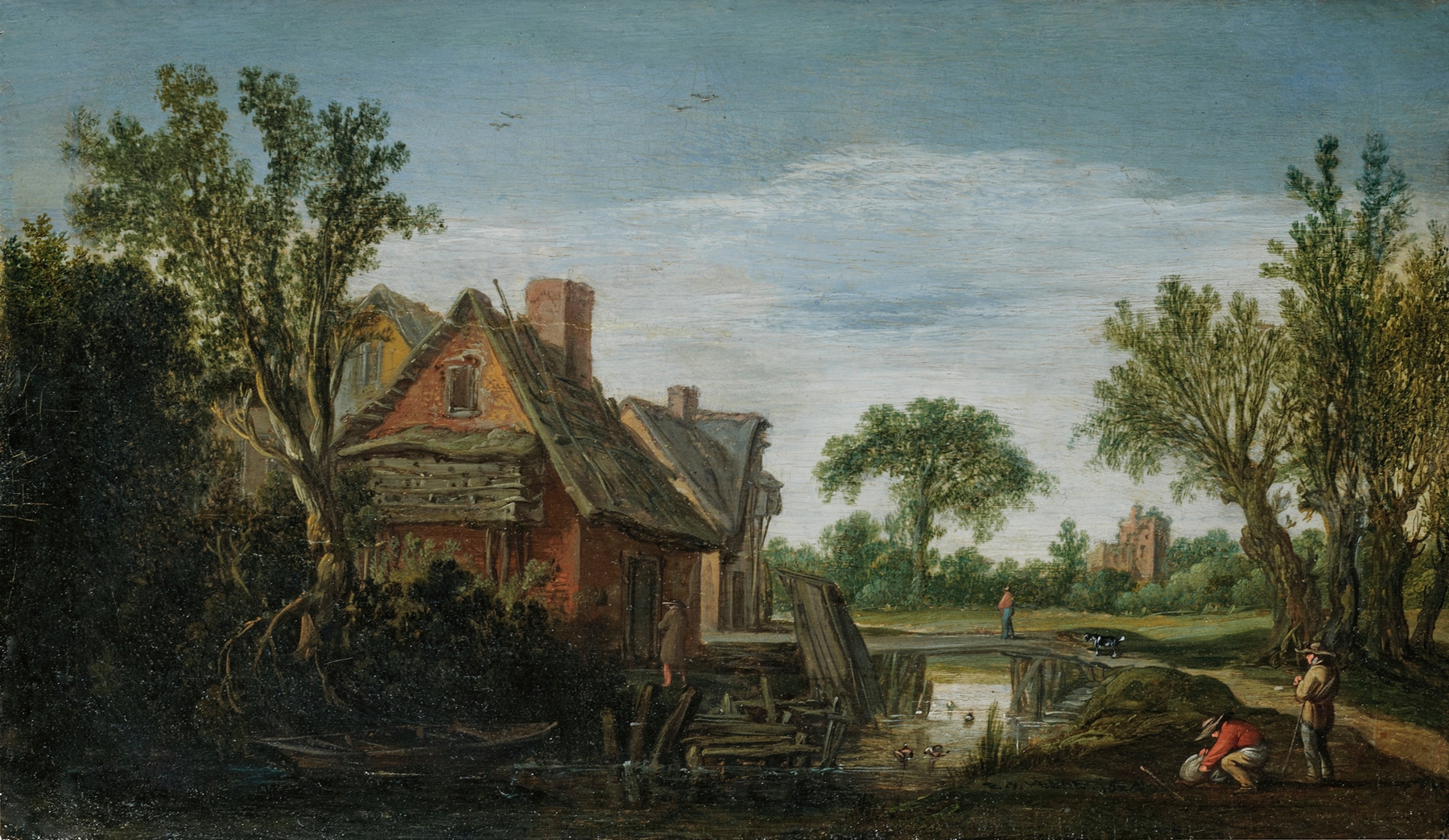
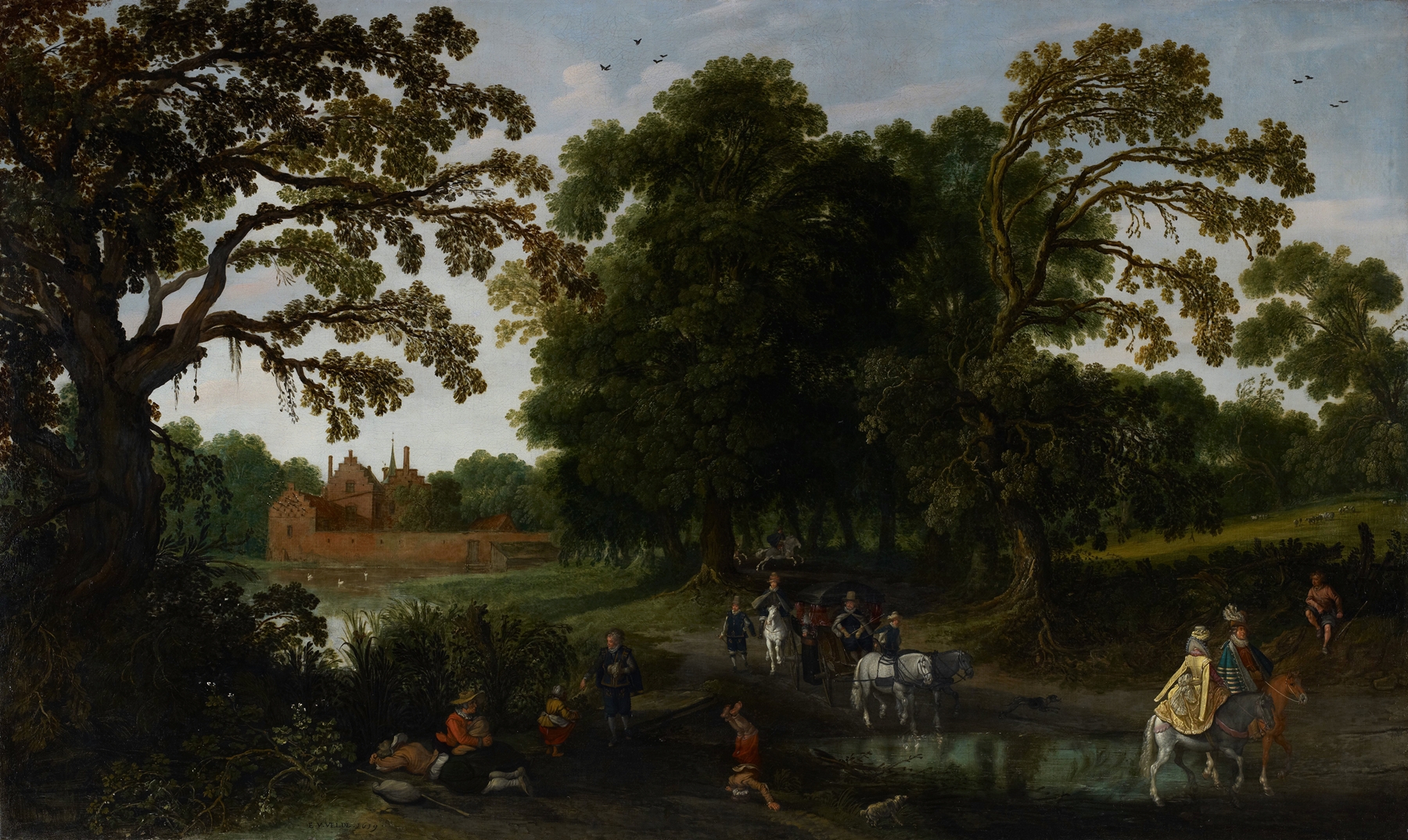
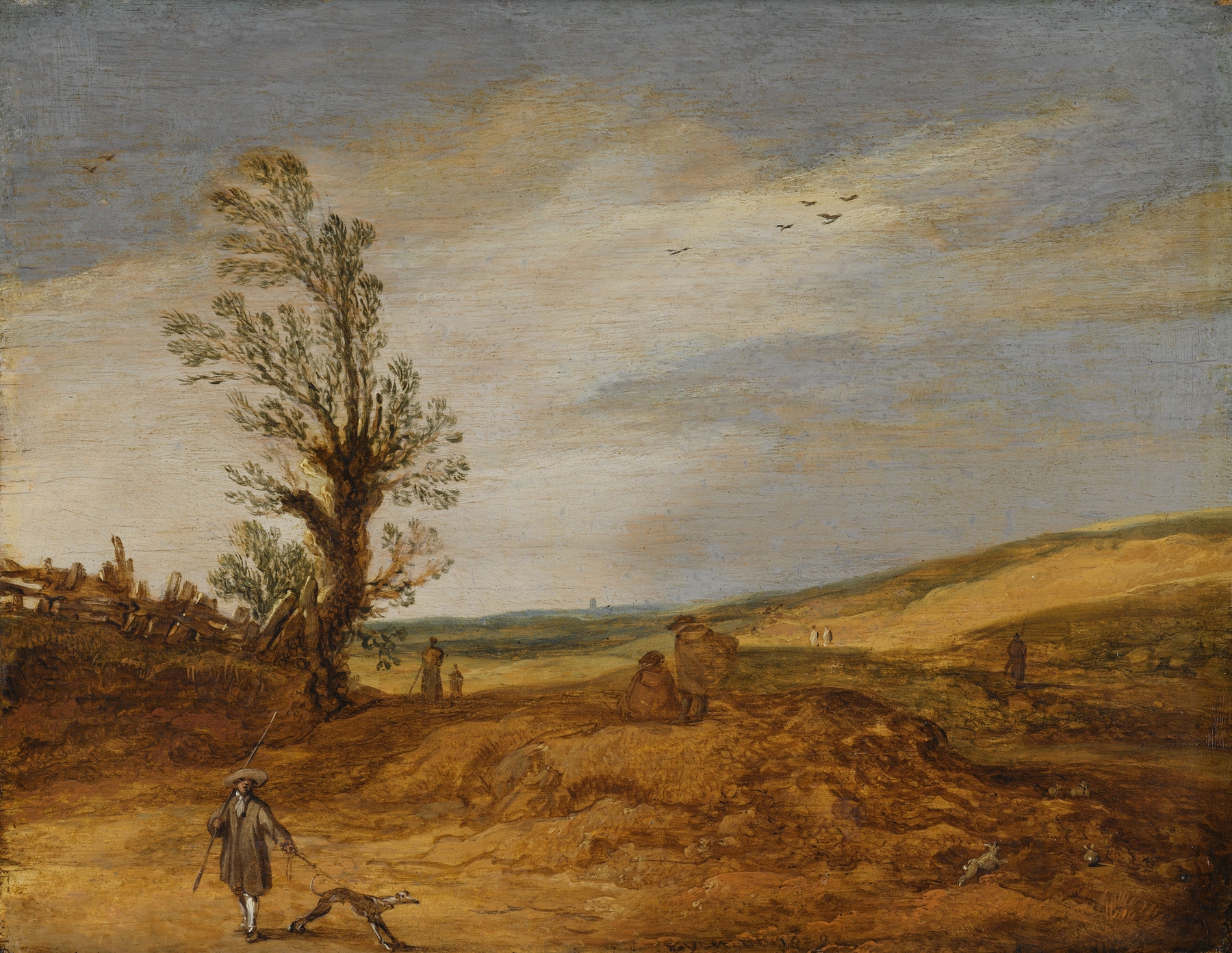
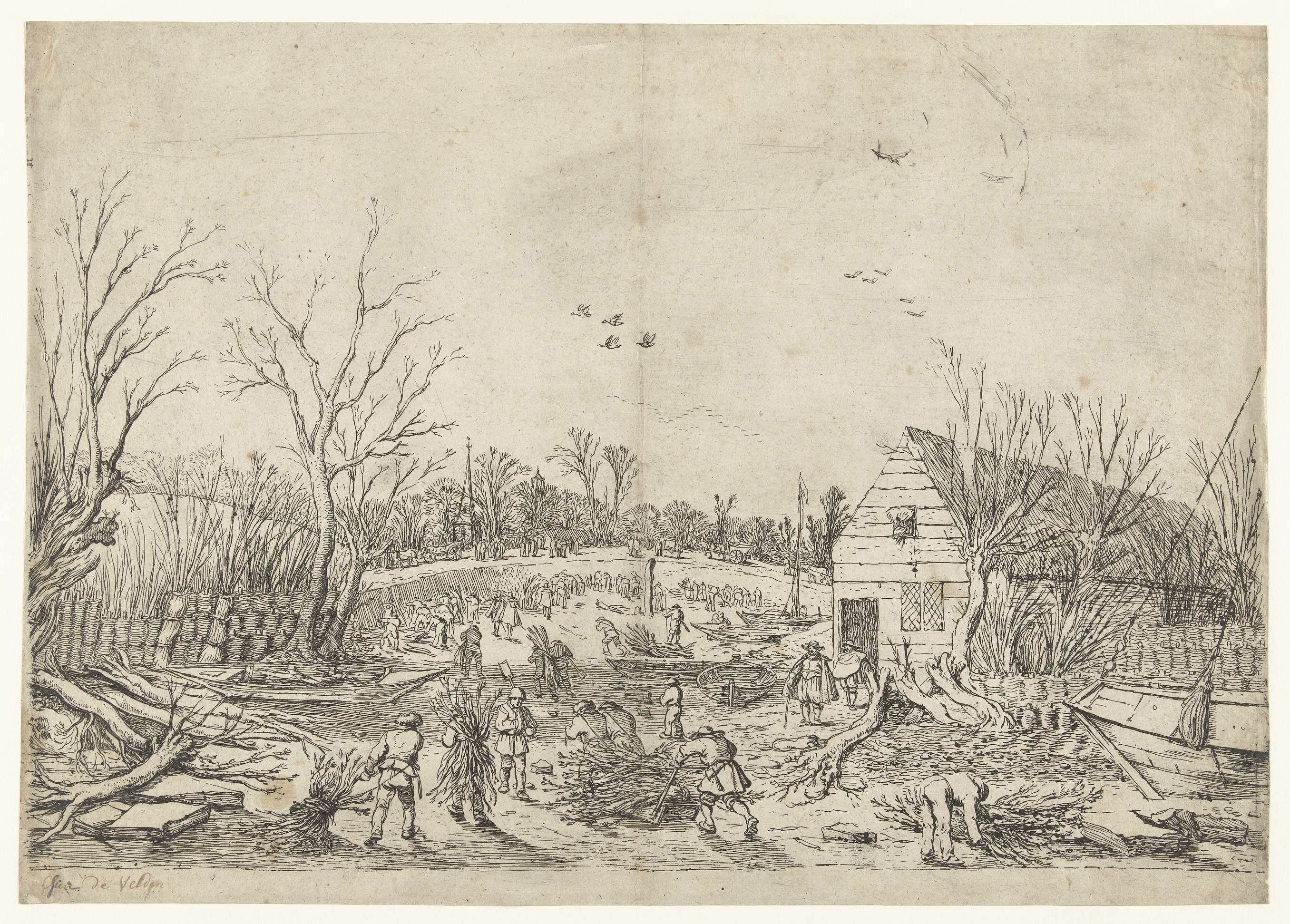
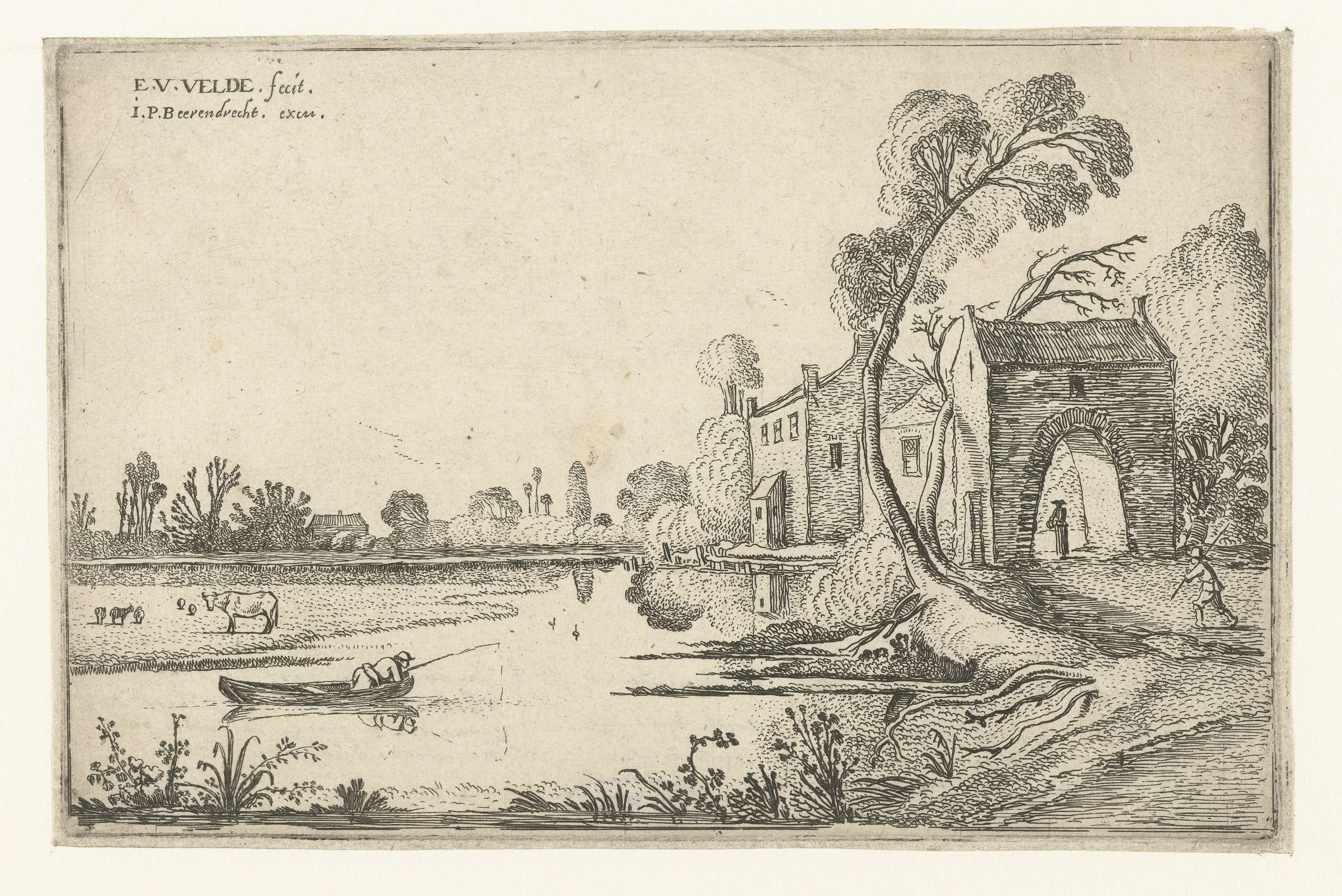
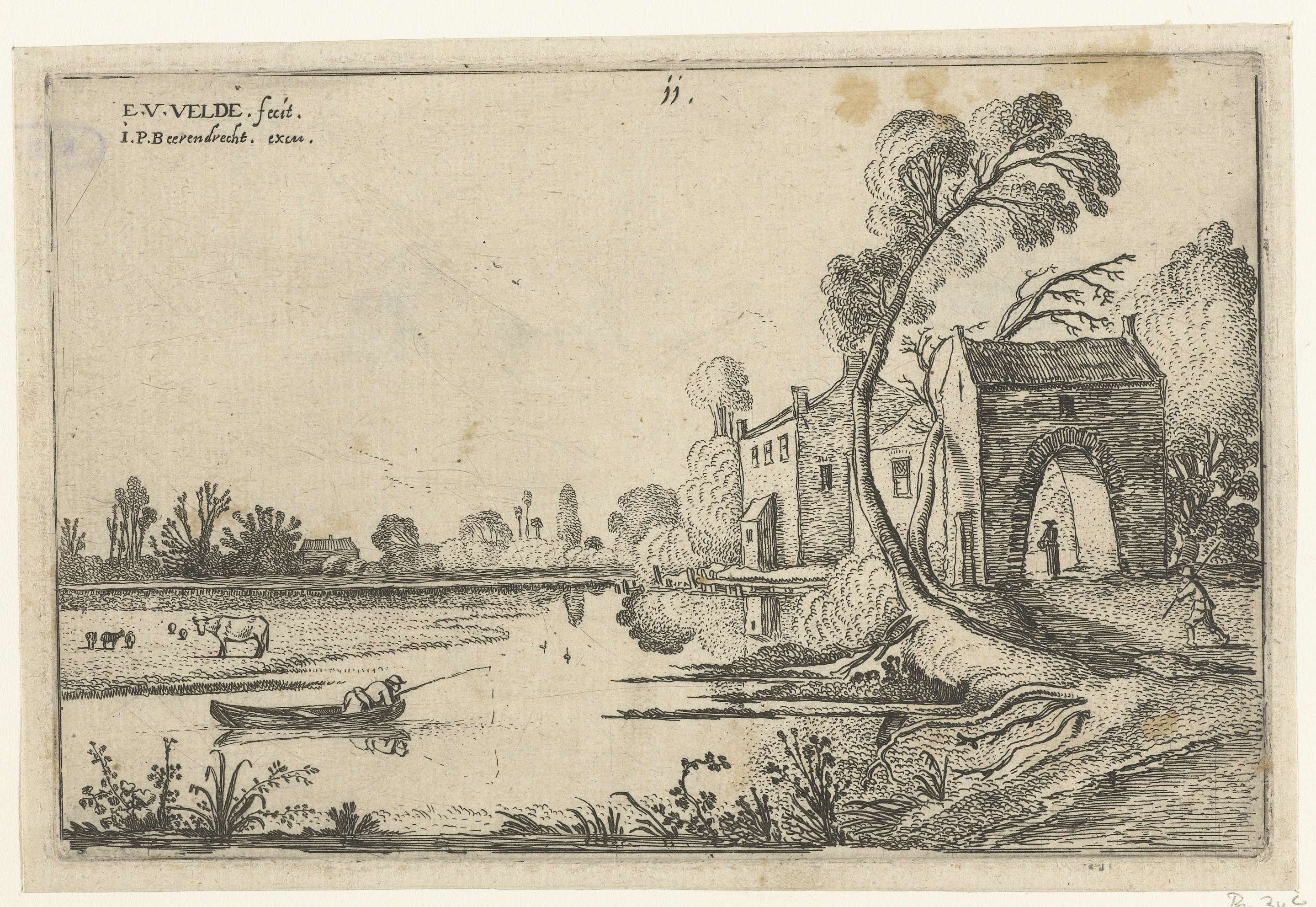
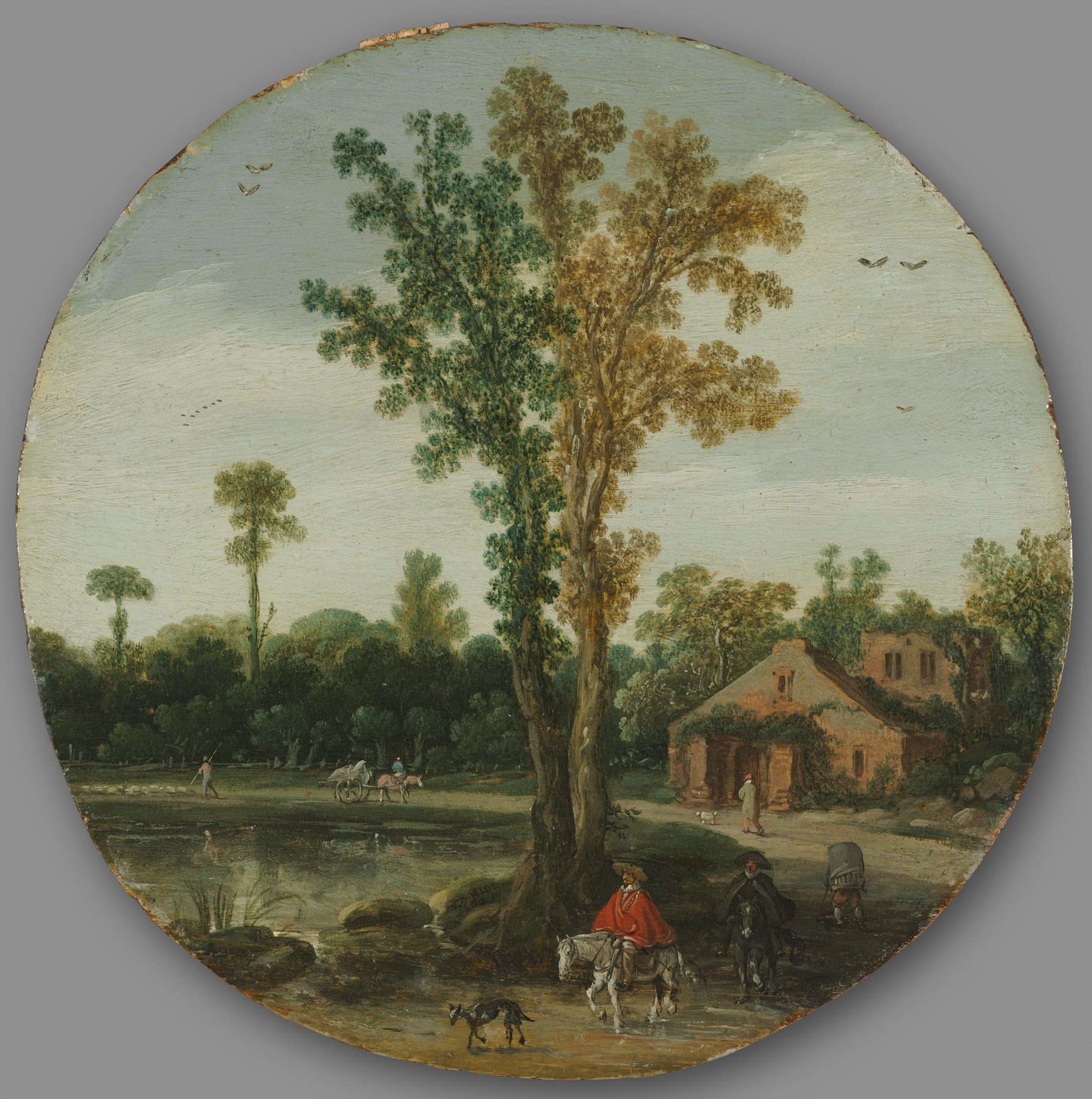
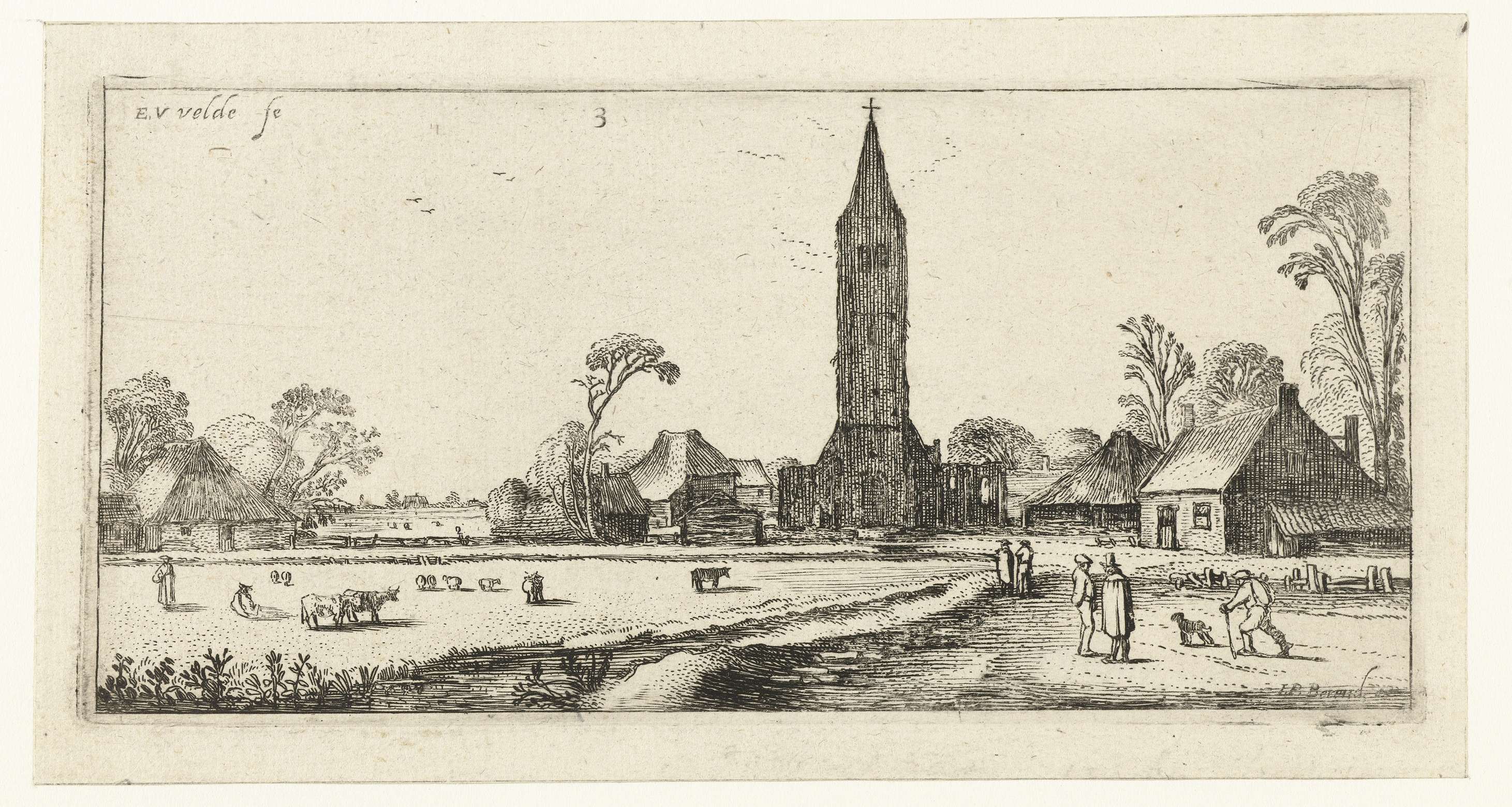
Is this a mirror — or a memory? In Wandelaars op een weg bij Spaarnwoude, the tranquil beauty of a Dutch landscape unfolds, evoking a sense of nostalgia that transcends time. The canvas invites us to consider how fleeting moments of serenity can be suspended in paint. Look to the left at the winding path, where two figures wander under a gentle, dappled sky.
The artist's brush captures the soft play of light across the lush greenery, each stroke a testament to the harmony between human presence and nature. The patch of golden sunlight illuminating the road beckons your gaze, drawing you deeper into the embrace of the scene, while subtle earth tones ground the composition in a serene reality. Beneath the apparent calm lies an intricate dance of contrasts: the stillness of the landscape juxtaposed against the fleeting lives of the wanderers, each step a reminder of both exploration and introspection. The vastness of the surroundings amplifies the intimacy of the figures’ journey, suggesting both solitude and connection.
This duality mirrors our own existence, where beauty resides not only in the sights we behold but in the emotions they evoke. Esaias van de Velde created this piece in 1645 amid a burgeoning interest in landscape painting in the Netherlands. At this time, he was establishing himself within the artistic community, influenced by the natural world that surrounded him and the changing tides of societal perspectives on art. The work reflects not only his personal vision but also the broader artistic movement towards capturing the beauty of everyday life.