West Point Revolutionary Relics — History & Analysis
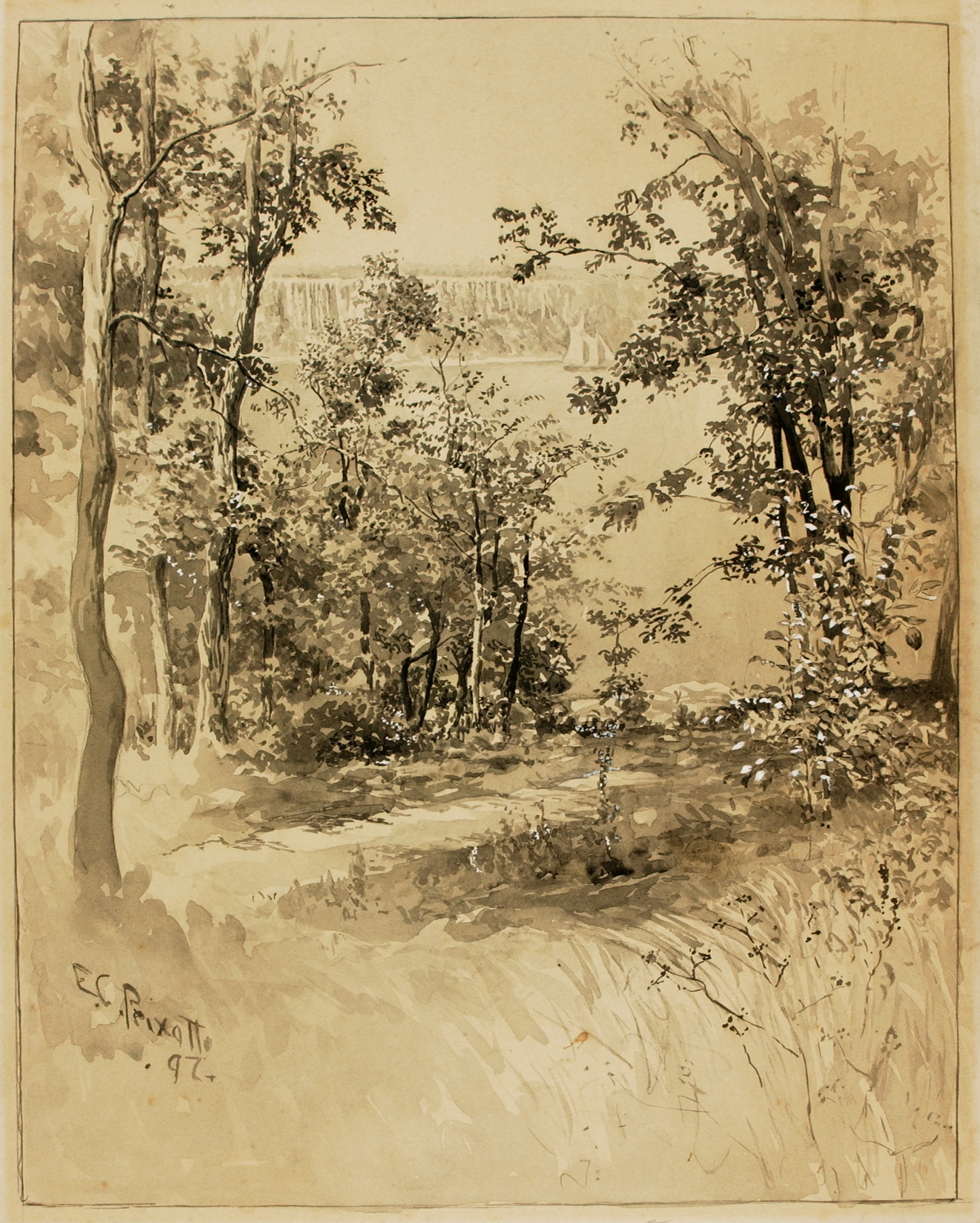
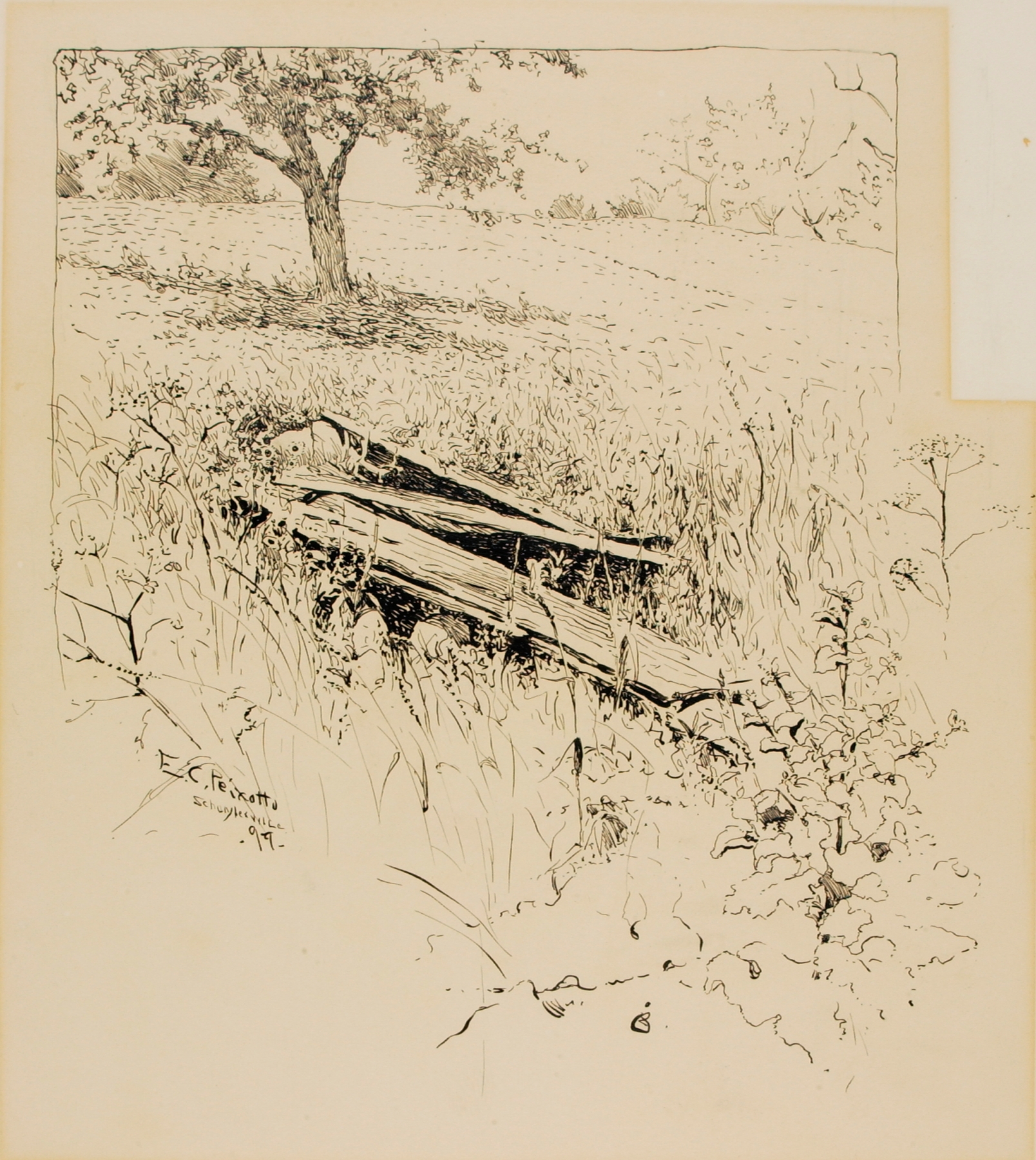
Did the painter know this moment would outlive them? In West Point Revolutionary Relics, the weight of history hangs palpably in the air, evoking a profound melancholy that invites reflection on time’s passage. Look to the center of the canvas, where a weathered sword rests against a wooden plaque, its metallic sheen dulled by age. The background, a muted palette of browns and greys, creates an atmosphere steeped in nostalgia, while golden highlights dance on the sword's surface, suggesting a fleeting connection to valor and sacrifice.
Notice how the soft light illuminates the engravings on the plaque, intricately detailing the legacy it commemorates, drawing the viewer deeper into the reverence of the space. Beneath the surface, contrasts emerge: the relic’s enduring strength juxtaposed against the fragility of memory itself. The juxtaposition of the sturdy sword with its faded inscription speaks to the tension between past glory and present decay.
Each element captures a moment frozen in time, challenging the viewer to confront their relationship with history, legacy, and the weight of remembrance. In 1897, the artist created this piece during a period of American introspection, reflecting on the Civil War's aftermath and the burgeoning interest in national identity. Living in an era when the art world was transitioning towards modernism, Peixotto sought to preserve the stories that would otherwise fade away, infusing their significance into a visual language that continues to resonate today.