Wind Bent Cypress — History & Analysis
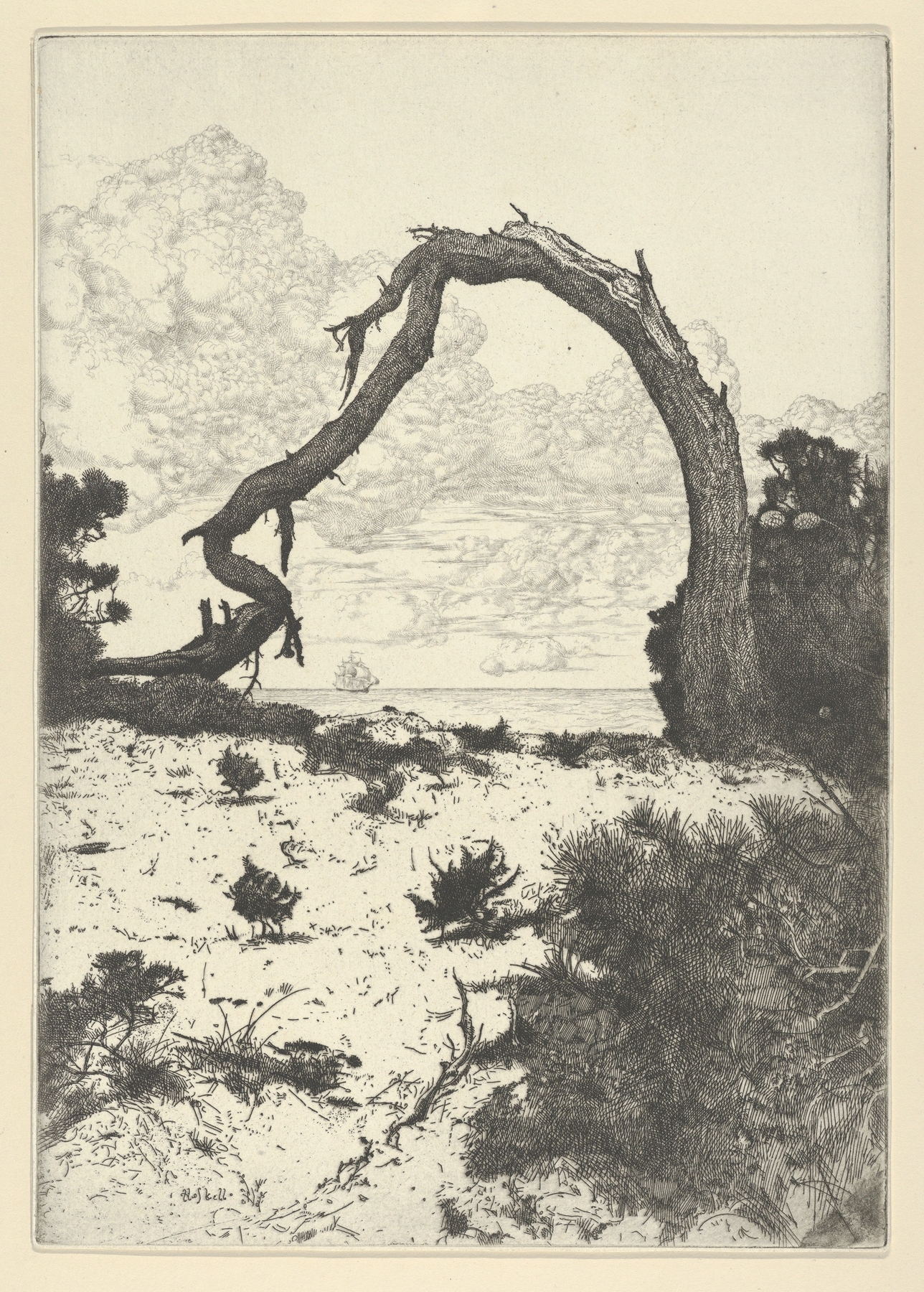
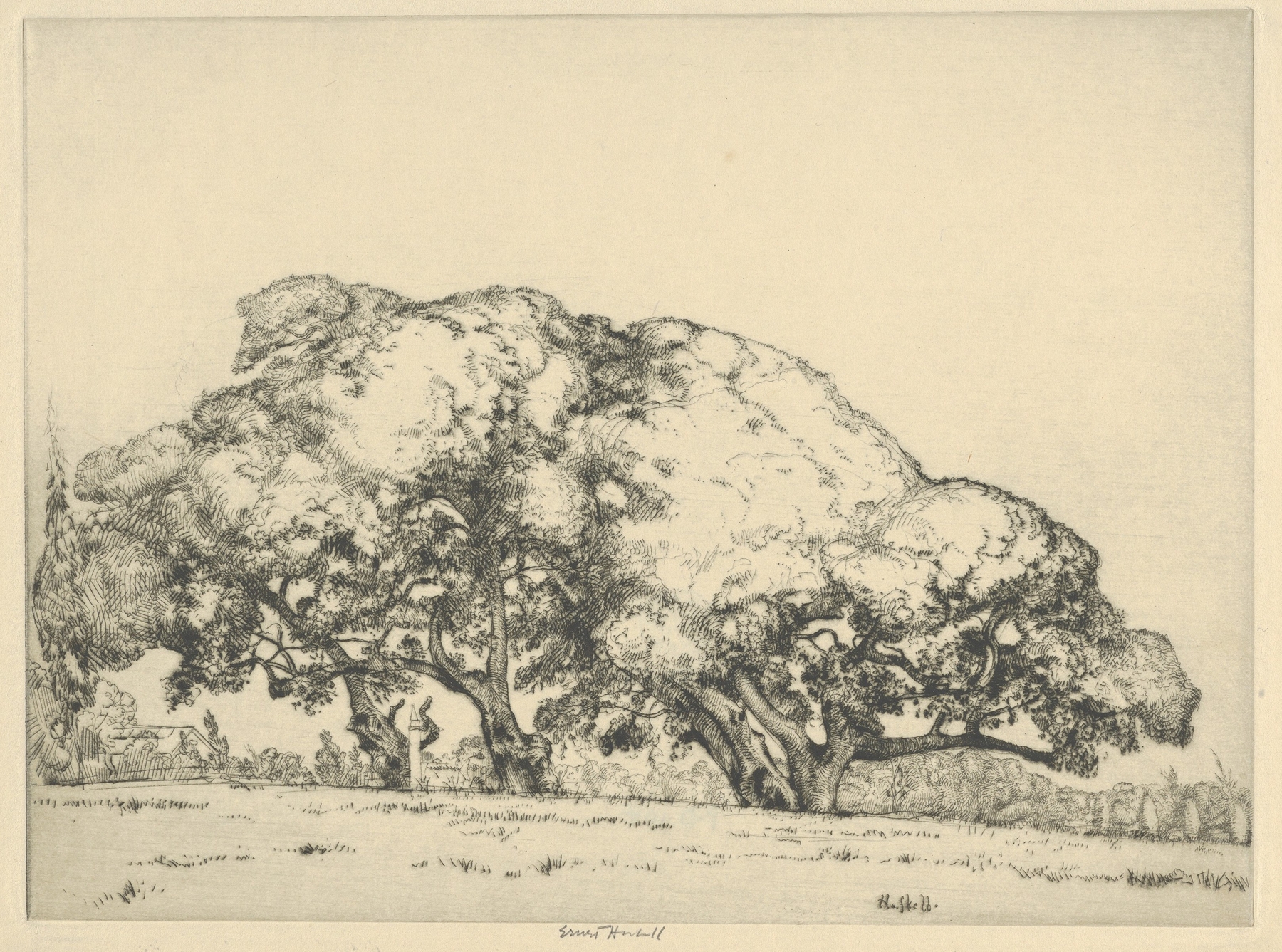
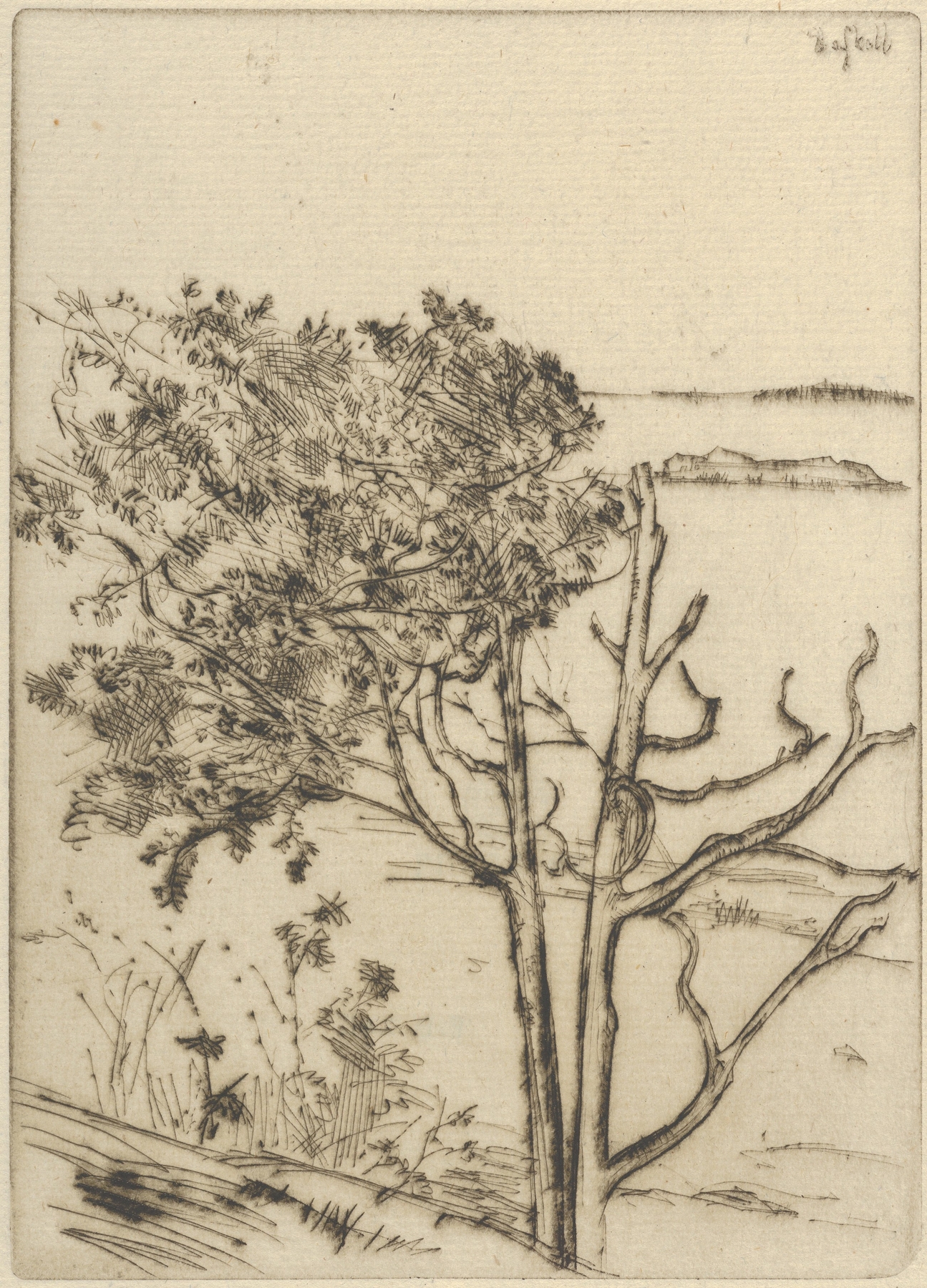
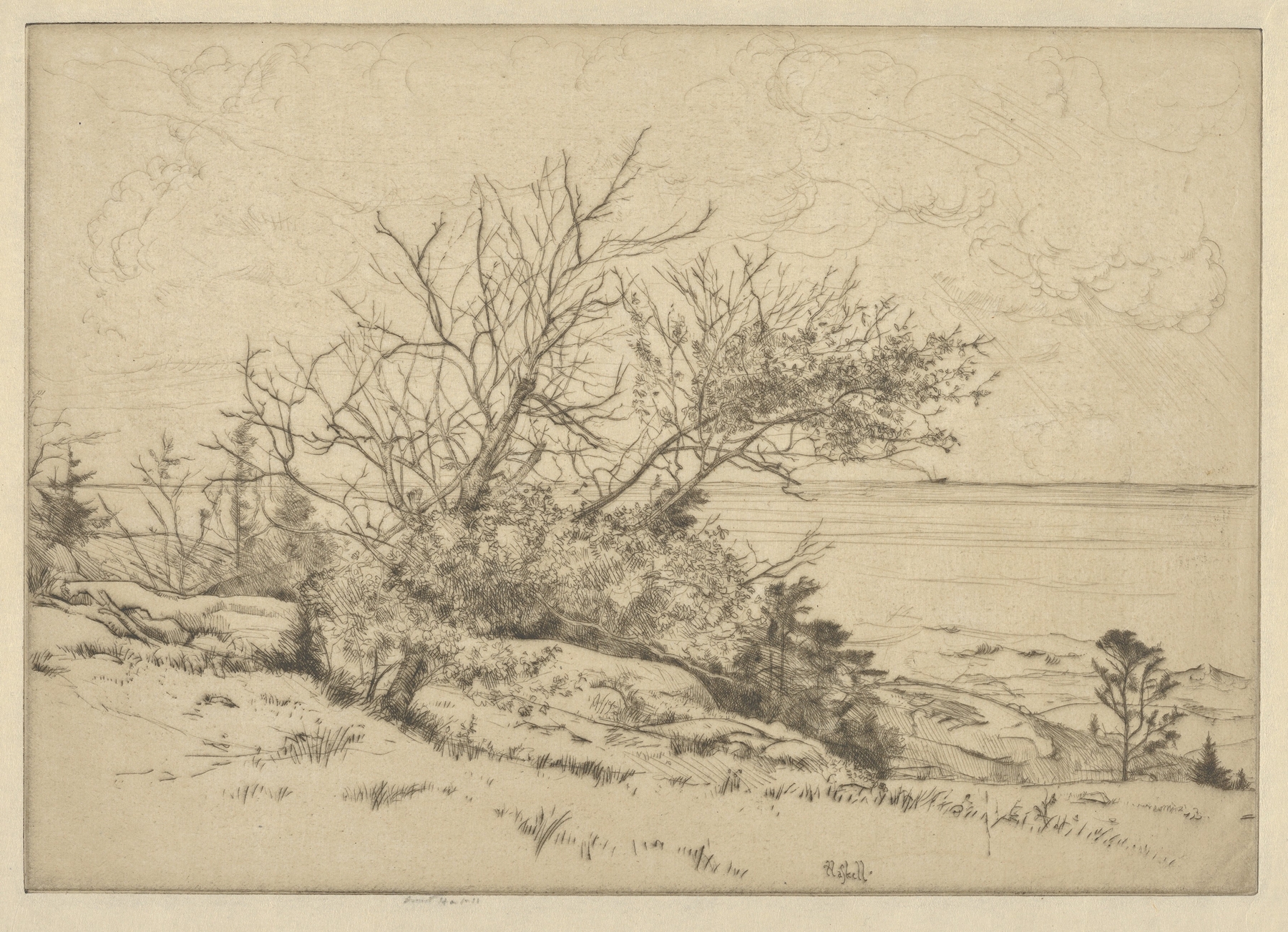
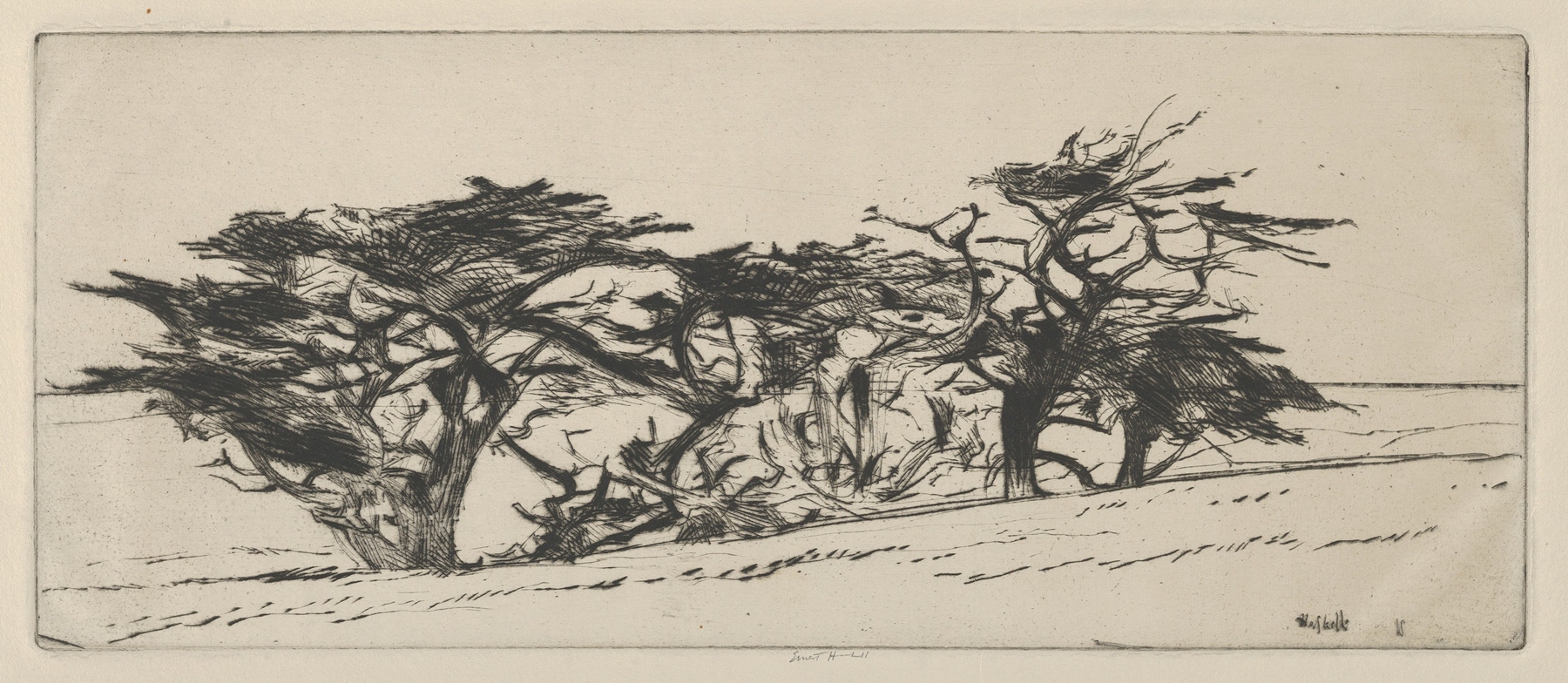
“Sometimes beauty is just pain, disguised in gold.” What do we find when we peer into the soul of nature, seeking the threads of faith woven through its tears and triumphs? Focus on the elegant cypress tree, its gnarled trunk twisting against the canvas like a dancer in mid-spin. Notice how the vibrant greens and earthy browns create a rich tapestry that radiates both strength and vulnerability. The brushstrokes come alive, capturing movement as the wind whispers through the branches, bending them yet never breaking.
The sky, a soft blend of blues and whites, hints at the serenity that envelops the scene while inviting contemplation. Explore the duality in this artwork: the cypress, a symbol of resilience, stands defiant against nature’s adversities, embodying both the struggle and beauty of existence. The interplay between light and shadow creates a depth that suggests hidden layers of meaning, reflecting the artist’s inner turmoil and faith in the enduring spirit of life. Each detail invites the viewer to ponder the silent stories that trees hold, their roots entwined with the earth, drawing strength from unseen sources.
In 1920, Haskell painted this piece amid a post-war America reeling from loss and change. His work emerged during a period of artistic exploration, where many sought to capture the essence of their surroundings through a lens of emotional authenticity. Living in Massachusetts, he was inspired by the natural landscapes around him, and in Wind Bent Cypress, he channels his observations into a tribute to resilience, symbolizing a steadfast hope amid chaos.