
Winter — History & Facts
When did color learn to lie? In Edvard Munch's Winter, the hues whisper secrets that awaken the heart, evoking profound contemplation of isolation and yearning. The chilling landscape invites us to question the authenticity of what we perceive and feel. Look to the foreground where the stark white snow blankets the ground, gleaming beneath a pale blue sky. Notice how the gentle curves of the bare trees frame the composition, their twisted branches reaching out like anguished hands toward the viewer.
The subtle interplay of warm golds and cool blues creates an unsettling contrast, suggesting both beauty and desolation intertwined within the cold embrace of winter. The emotional tensions within the piece pulse with an undercurrent of loneliness. The absence of human figures amplifies a sense of solitude, while the stark landscape reflects the internal struggles of the artist. Munch’s delicate brushwork captures not just the season but also the heavy silence that often accompanies a cold winter's day, evoking a longing for warmth and connection that remains just out of reach. In 1899, Munch found himself grappling with personal and artistic turmoil, working in Oslo amidst a burgeoning expressionist movement.
His explorations of psychological themes were gaining recognition, as he sought to capture the rawness of human emotion through his art. It was during this period that Winter emerged, reflecting not only the external world around him but also the inner landscapes of his own heart.
More Artworks by Edvard Munch

The Scream
Edvard Munch

The Scream (1910 version)
Edvard Munch

Despair
Edvard Munch

The Day After
Edvard Munch
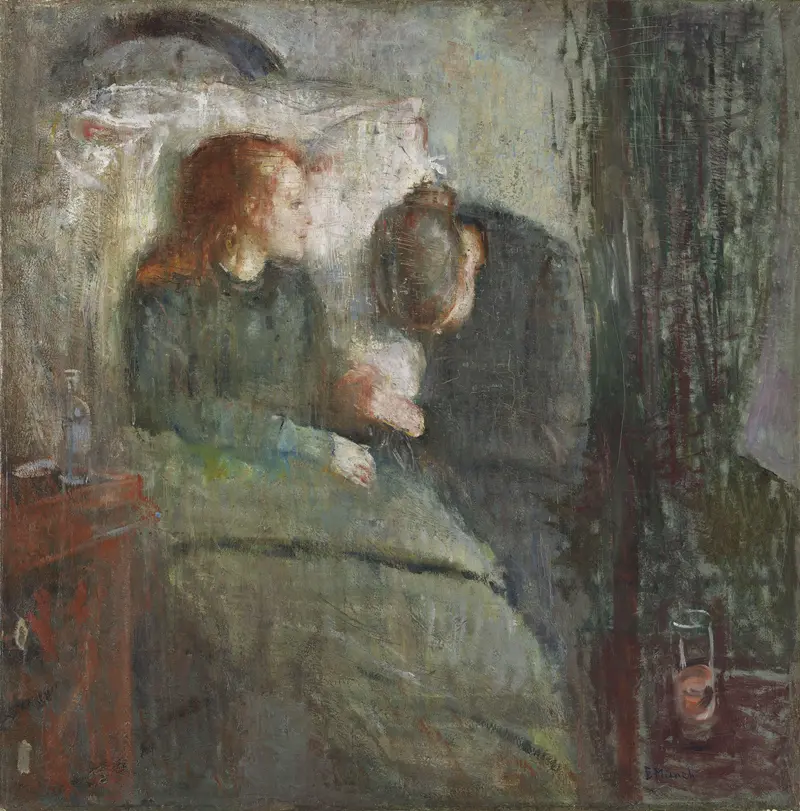
The Sick Child
Edvard Munch
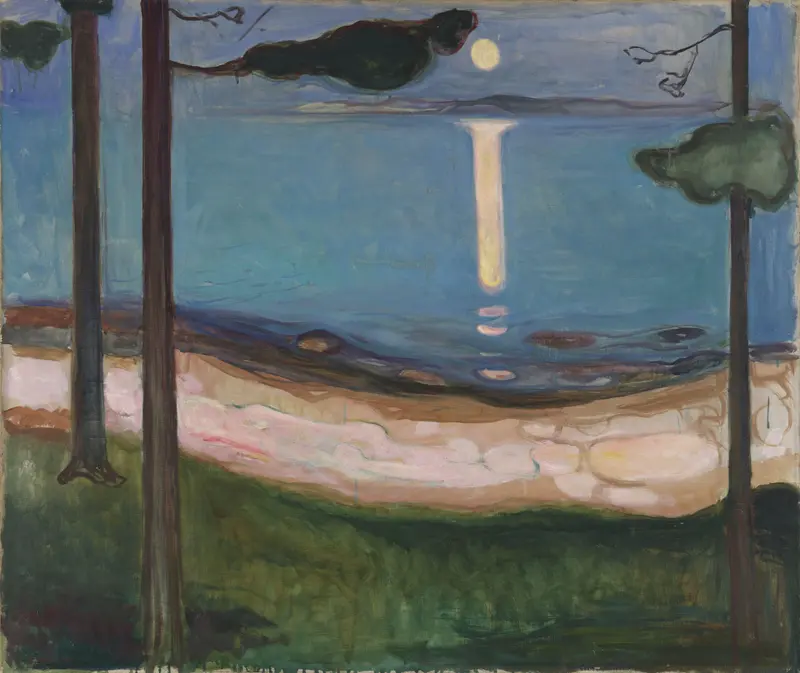
Moonlight
Edvard Munch
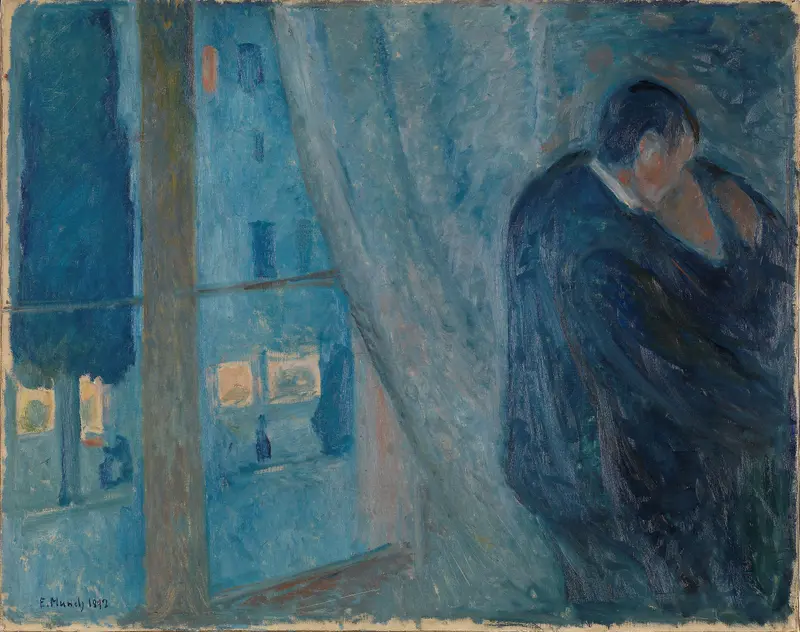
The Kiss
Edvard Munch
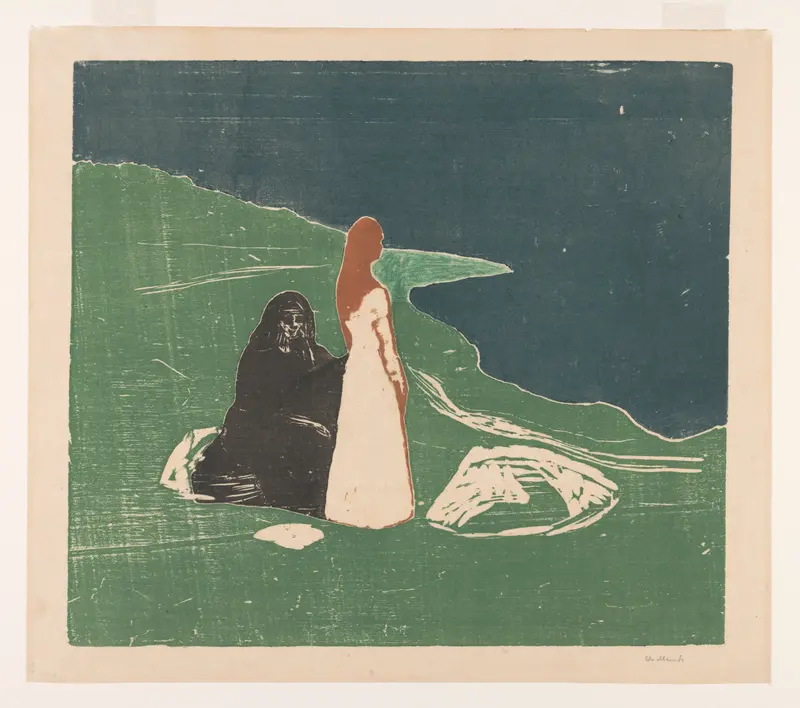
Two Women on the Shore
Edvard Munch
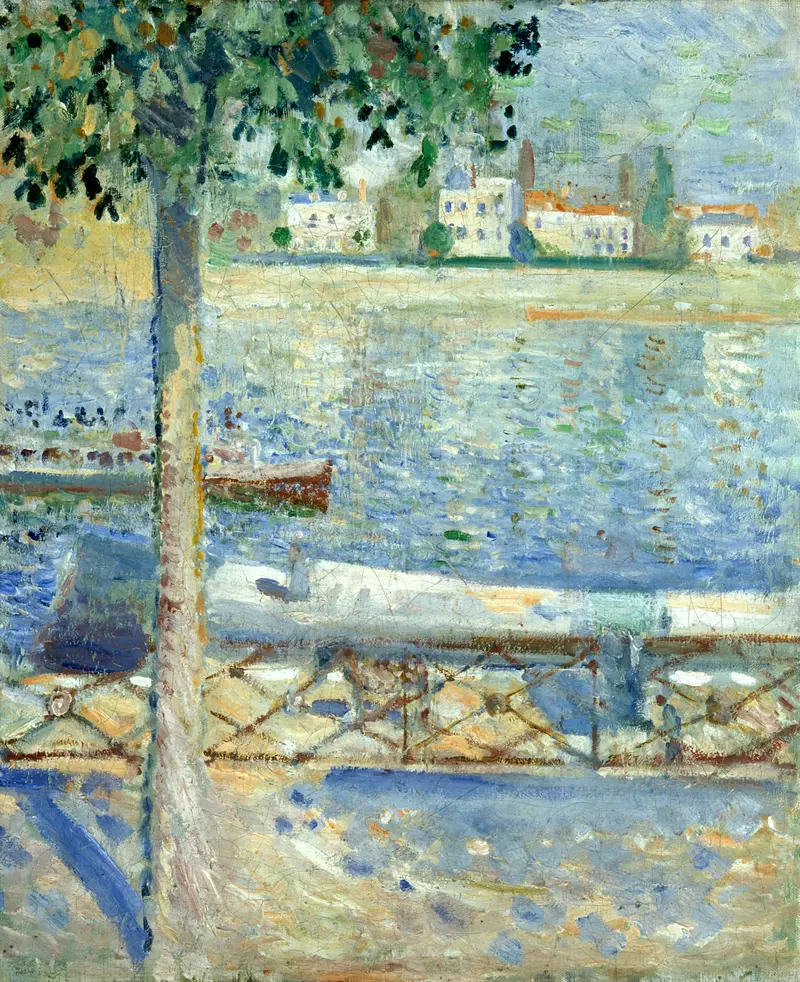
The Seine At Saint-Cloud
Edvard Munch
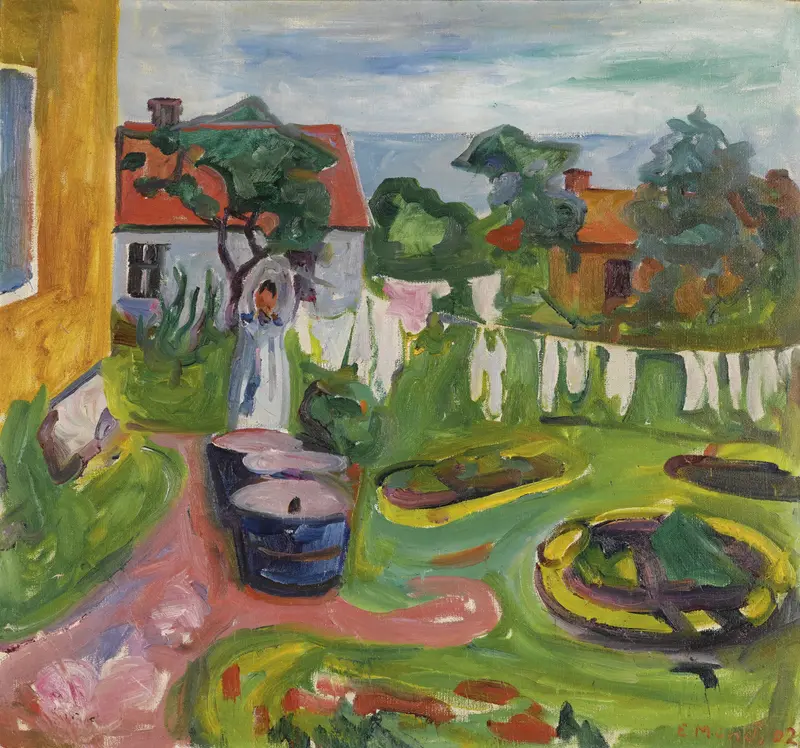
Klestørk I Åsgårdstrand (Clothes On A Line In Åsgårdstrand)
Edvard Munch
More Landscape Art

The Starry Night
Vincent van Gogh

View of Delft
Johannes Vermeer

Water Lilies
Claude Monet

The Grand Canal, Venice, looking north-west from the Ca' Corner to the Ca' Contarini degli Scrigni, with the campanile of Santa Maria della Carità
Canaletto

Windsor Castle
Canaletto

The Grand Canal looking North-East from the Palazzo Dolfin-Manin to the Rialto Bridge
Canaletto