Große Fjordlandschaft — History & Analysis
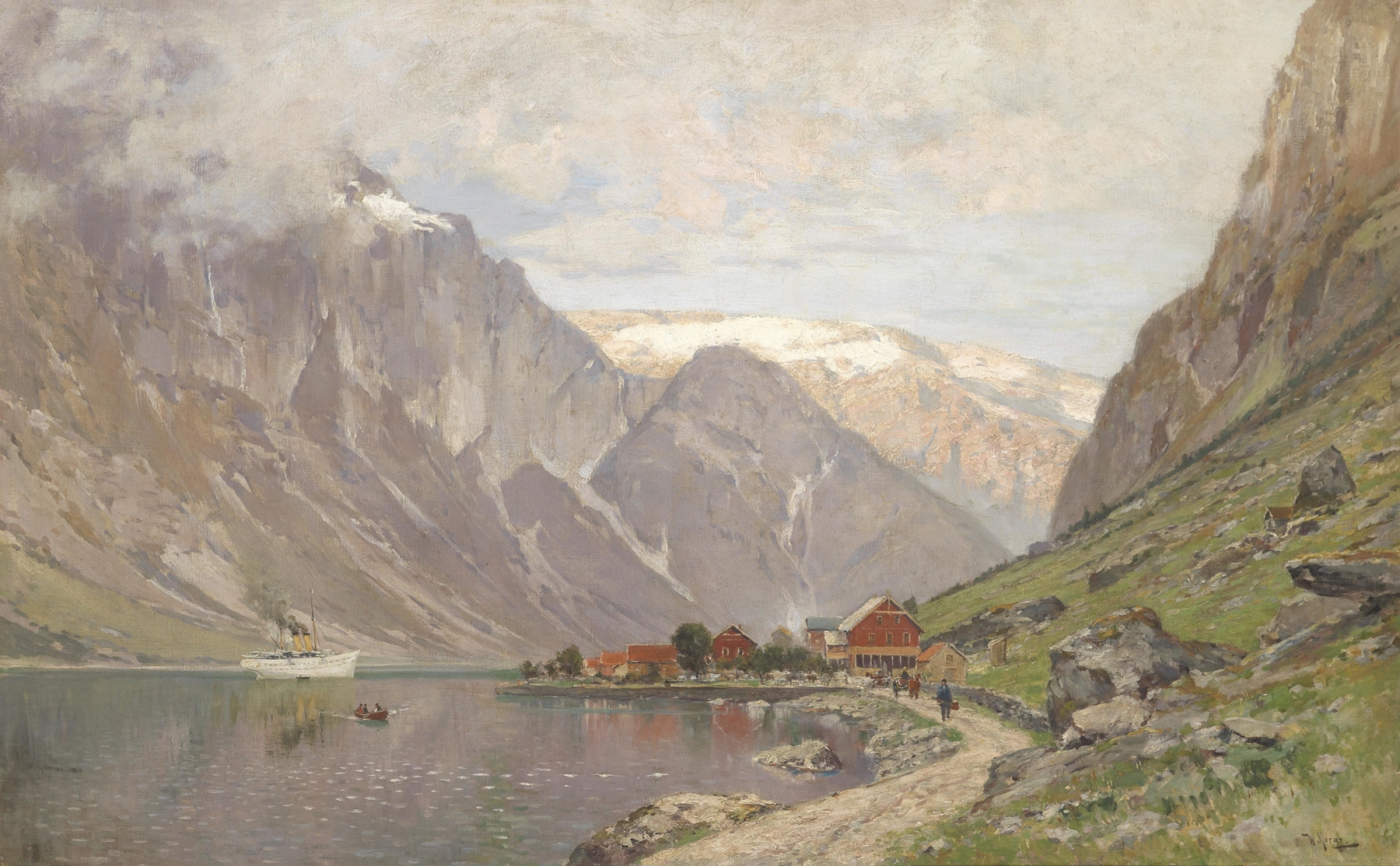
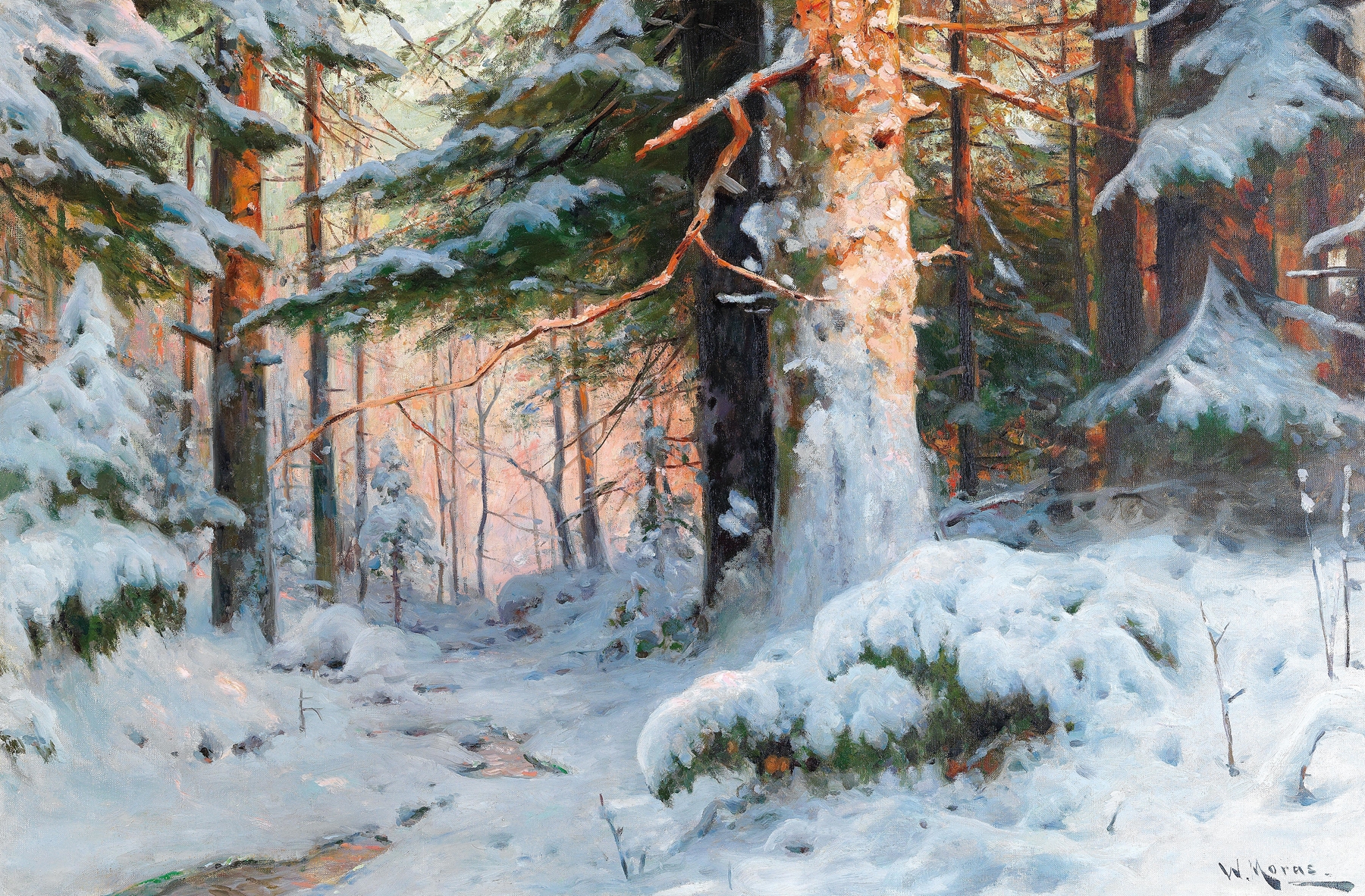
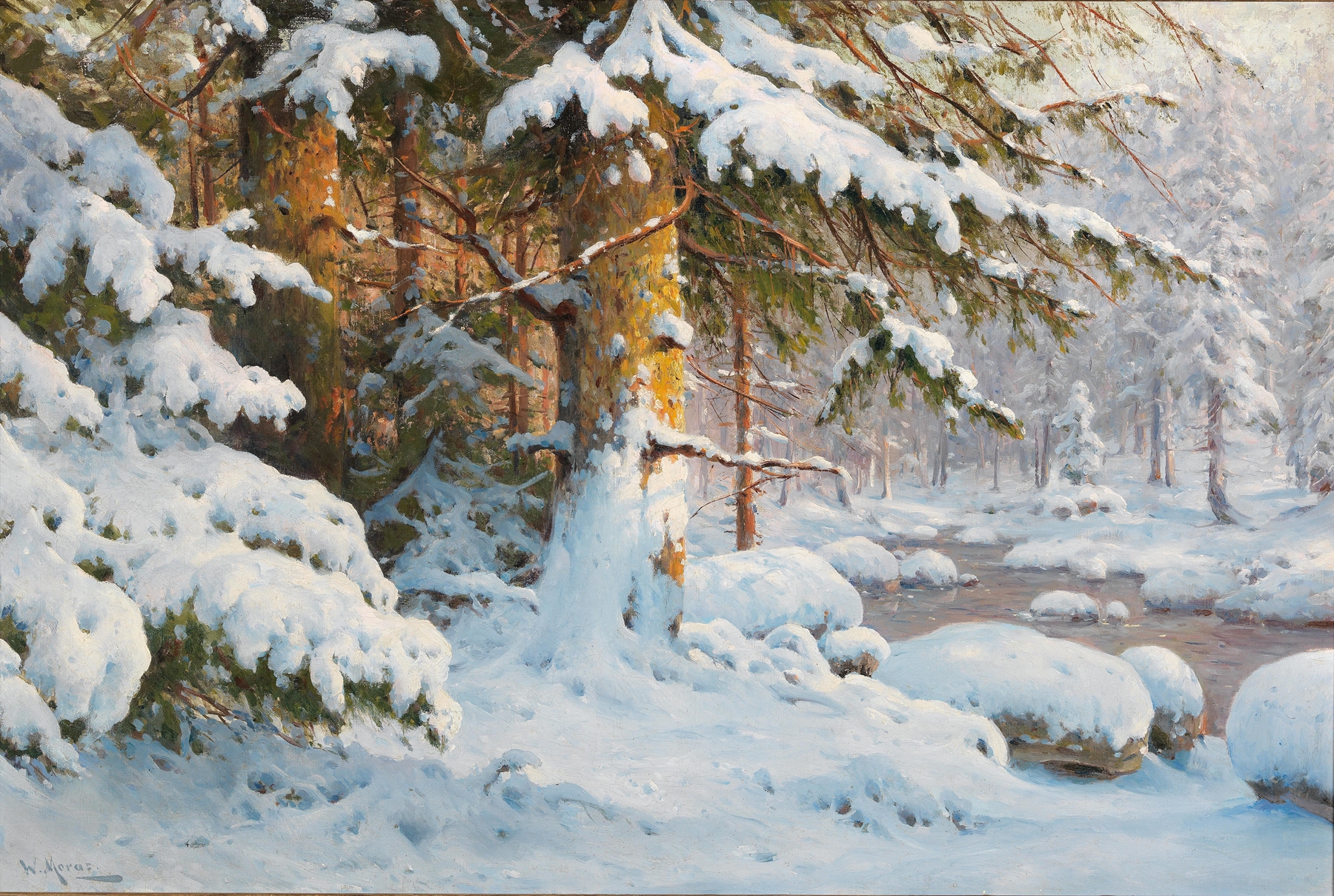
Could a single brushstroke hold eternity? In Große Fjordlandschaft, the essence of silence looms large, enveloping the viewer in a tranquil embrace that invites introspection and reverence. The vast landscape feels like a meditation on existence, where each element merges seamlessly into the next, creating an atmosphere that transcends the confines of time. Focus on the sweeping horizon where the fjord meets the expansive sky. Notice how the artist masterfully blends soft blues and muted greens, invoking a sense of calm and depth.
The gentle brushstrokes create a rhythmic undulation that mimics the water’s surface, while the subtle interplay of light and shadow draws your eye across the canvas. This careful composition fosters a harmonious unity—a landscape that breathes and whispers, inviting your gaze to linger. Within this serene panorama lies an invitation to explore contrasts: the stillness of the water against the rugged cliffs, the soft hues of tranquility poised against the raw power of nature. The sparse details echo a profound quiet, revealing a world that speaks not in words, but in the language of solitude and connection.
Each element resonates, striving to encapsulate the vastness of both physical and emotional landscapes, encouraging a quiet reflection on the essence of being. Walter Moras painted Große Fjordlandschaft during a time when the late 19th-century European art scene was shifting toward naturalism and impressionism. Living in Germany, Moras was influenced by the Romantic ideals that celebrated the sublime beauty of nature. His works often explored the relationship between humanity and its environment, a theme that resonates deeply in this tranquil fjord landscape, inviting observers to contemplate their own place within the vast tapestry of the world.