Winter Cottage — History & Analysis
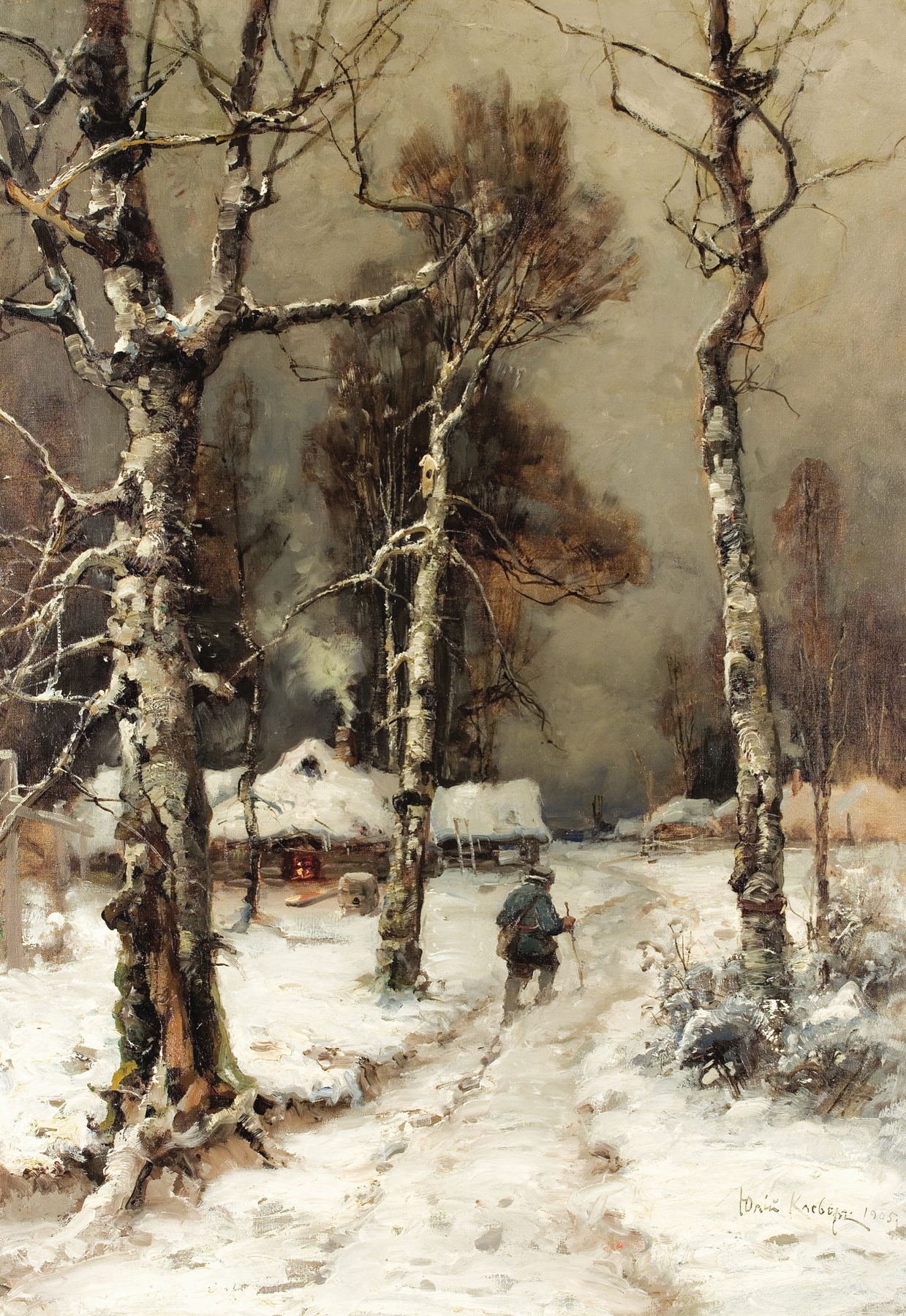
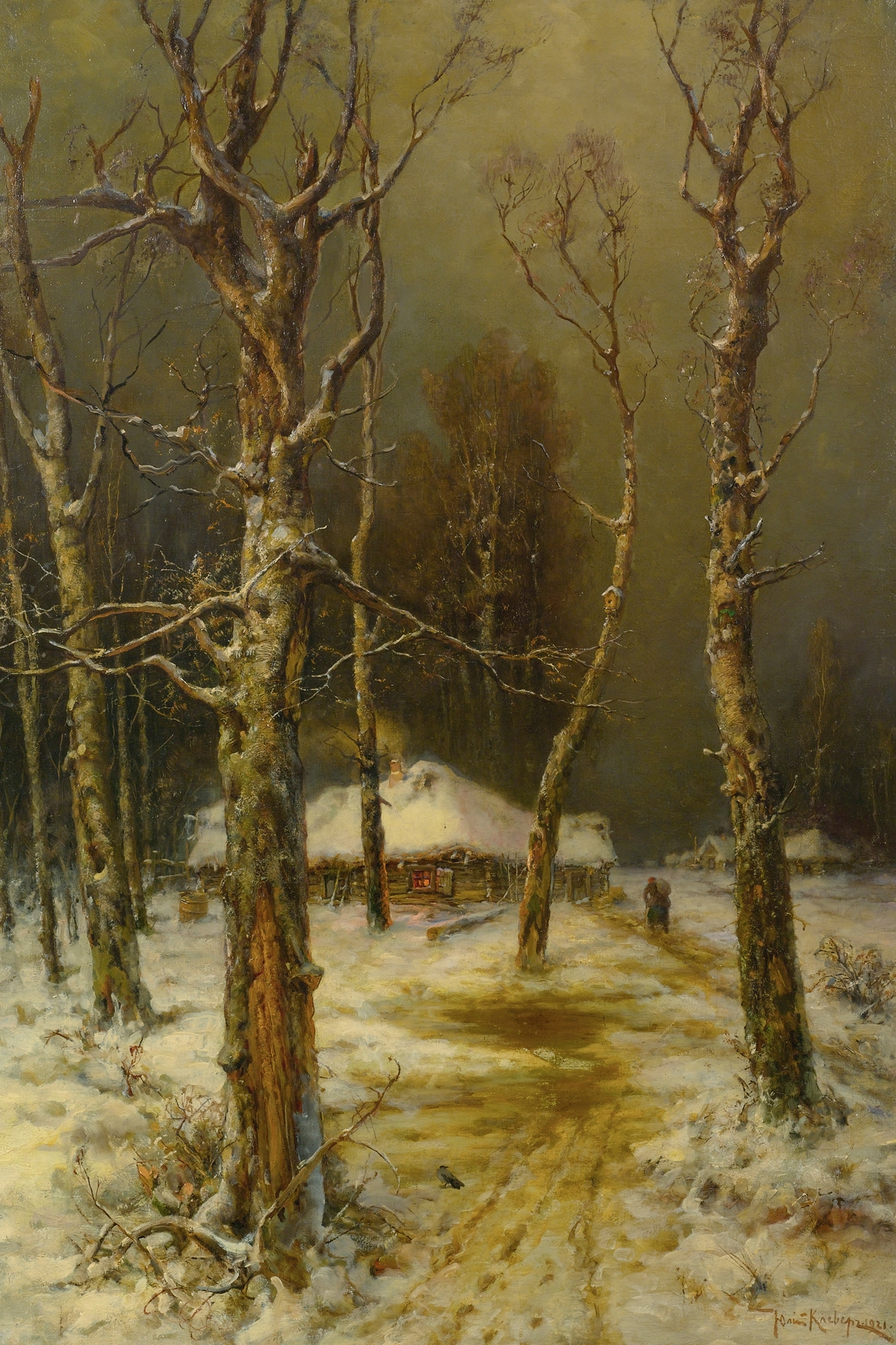
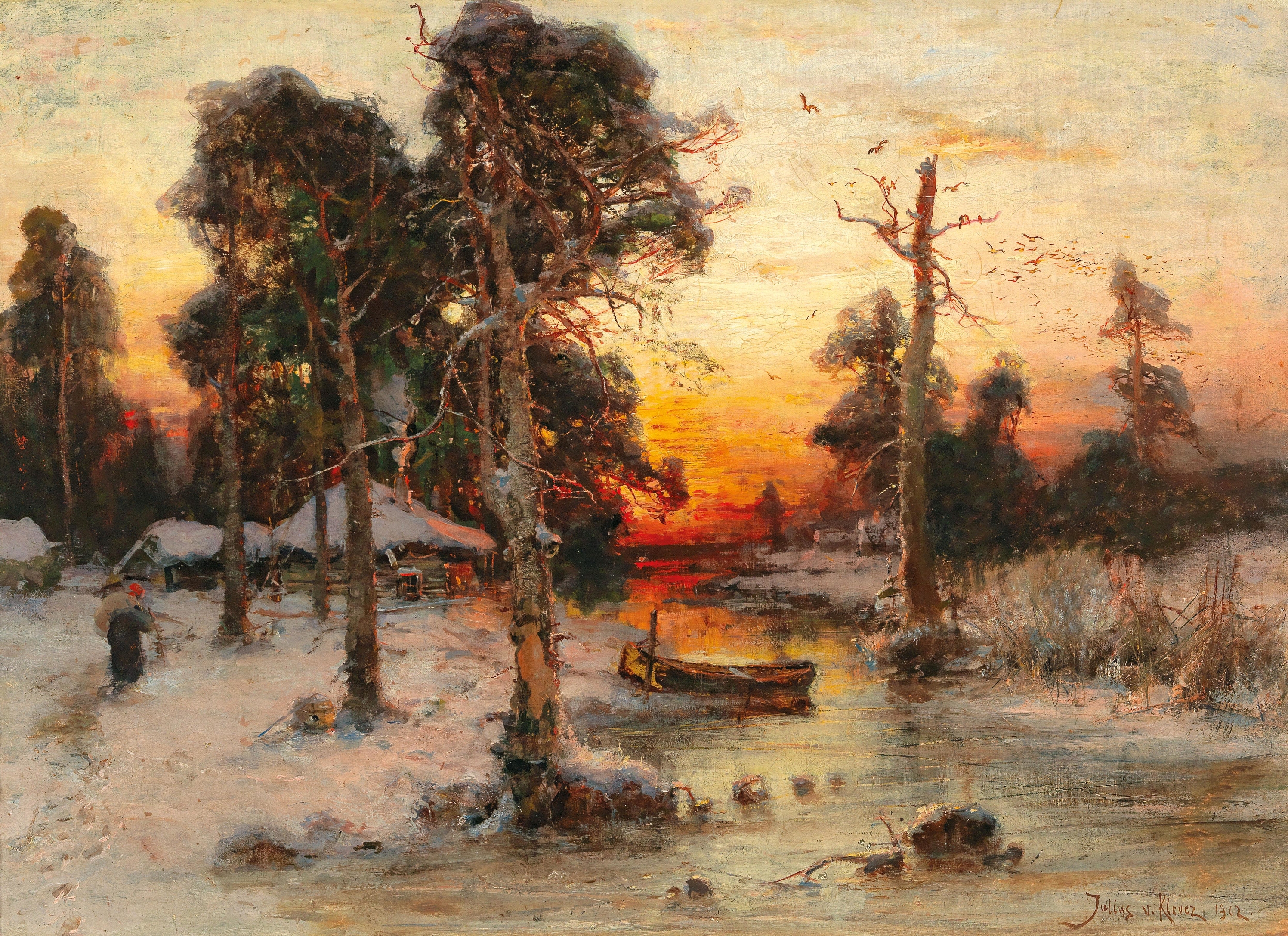
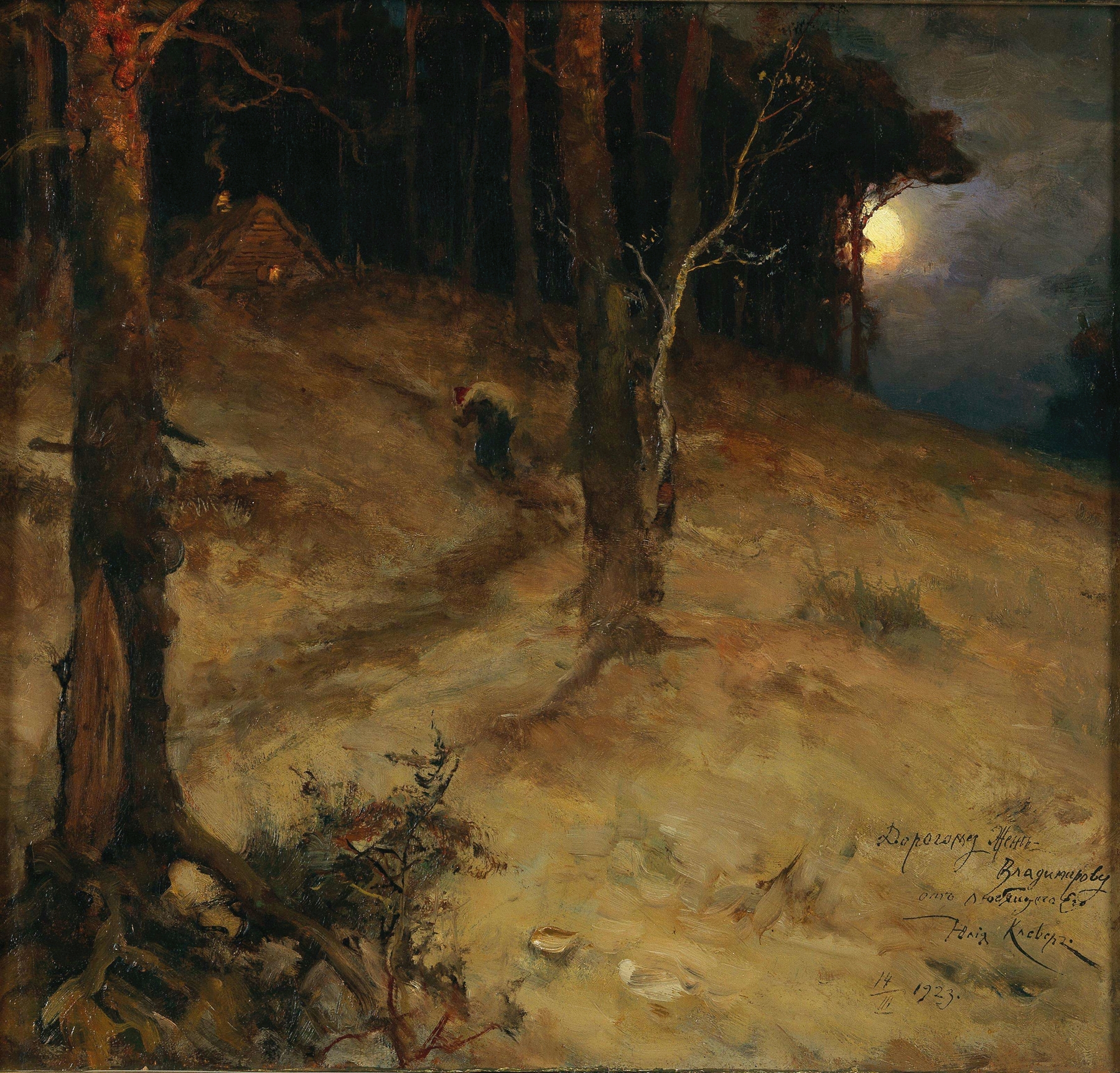
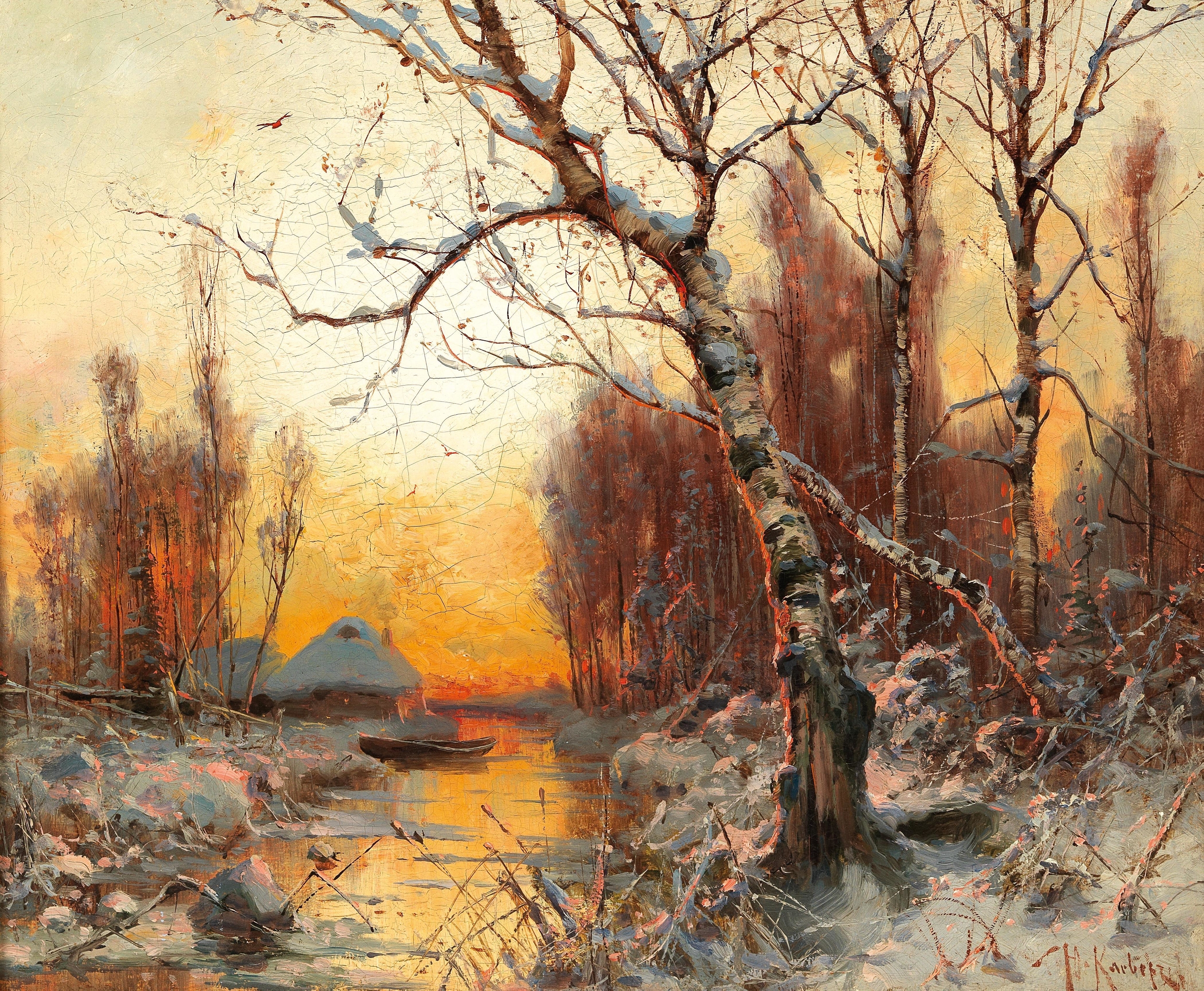
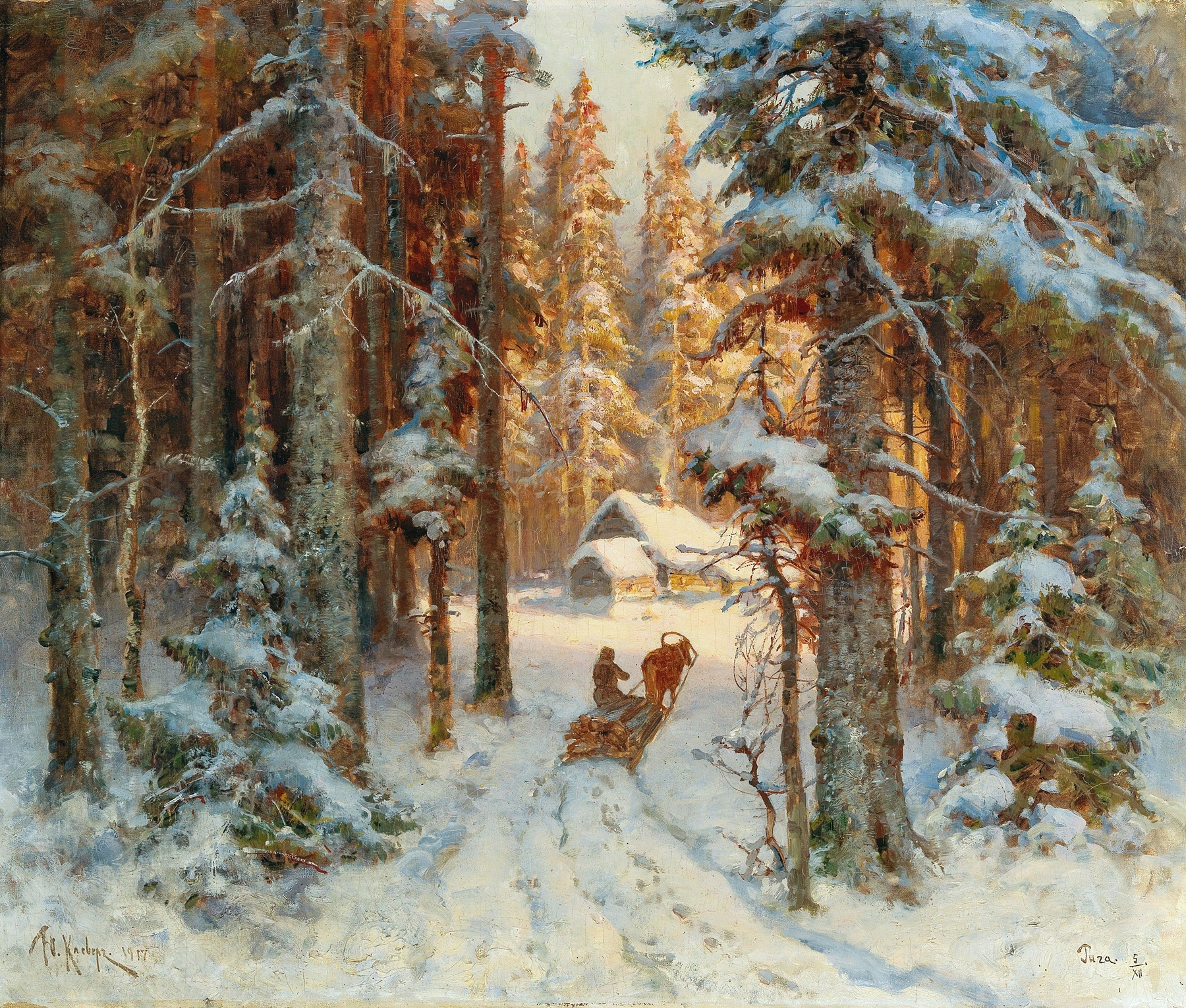
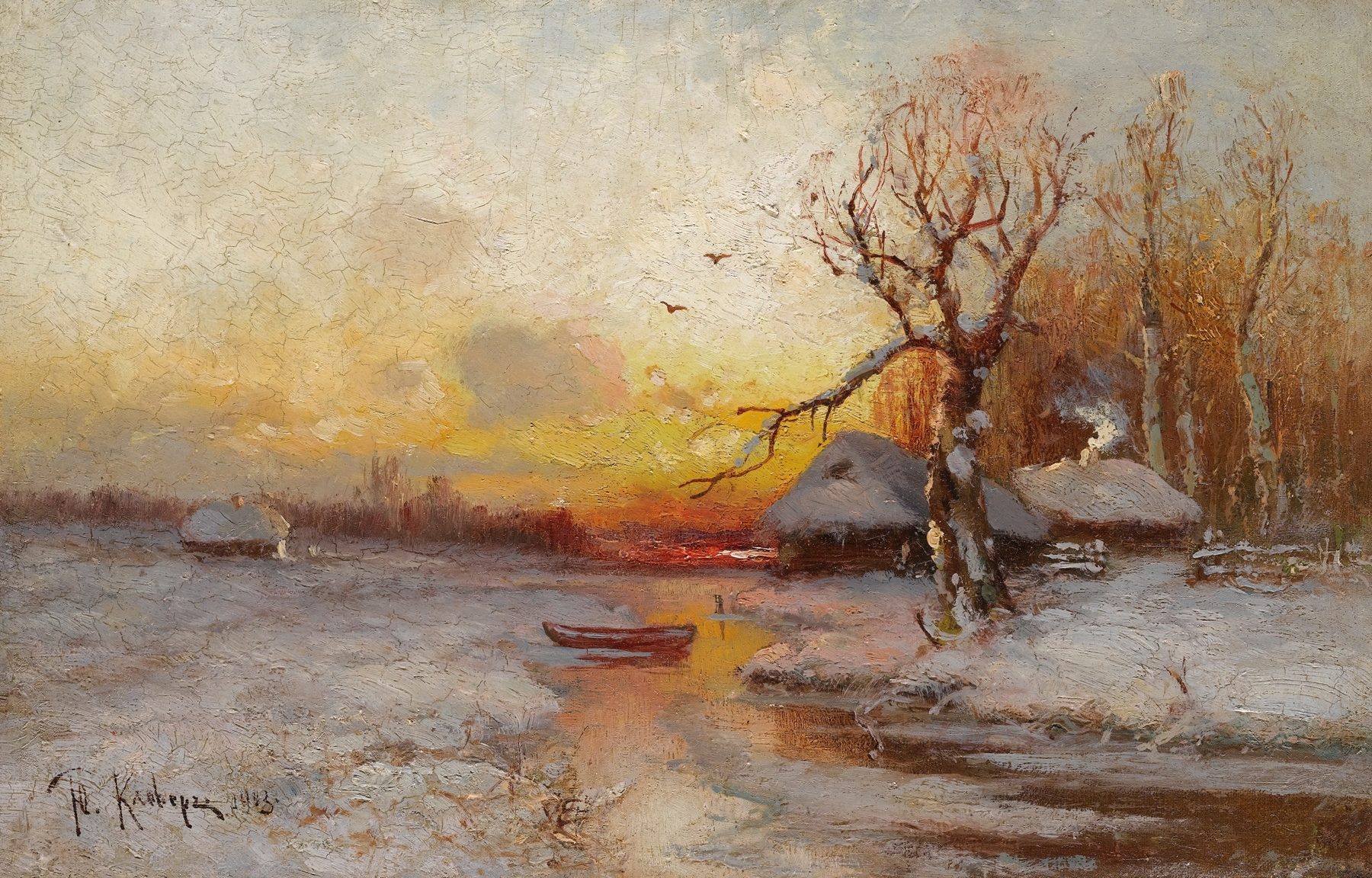
“Art reveals the soul when the world turns away.” In a season of frost and solitude, the delicate beauty of winter transcends mere survival, whispering to the heart's fragility. Look to the left at the quaint cottage, nestled amidst a blanket of pure, white snow. The sharp outlines of the wooden beams contrast with the soft, powdery texture, inviting viewers to step closer and feel the chill. Notice how the muted palette of grays and blues envelops the scene, enhancing the warmth emanating from the glowing windows.
The gentle brushstrokes evoke a sense of quietude, where each flake of snow seems to pause in time, capturing a fleeting moment of tranquility. Deeper within the canvas lies a juxtaposition of warmth and cold, a reminder of life's transient nature. The light spilling from the windows symbolizes hope and refuge, while the surrounding expanse of snow suggests isolation and the harsh realities of winter. This contrast reflects the emotional tension between comfort and desolation, inviting contemplation on the fragility of shelter in a formidable world.
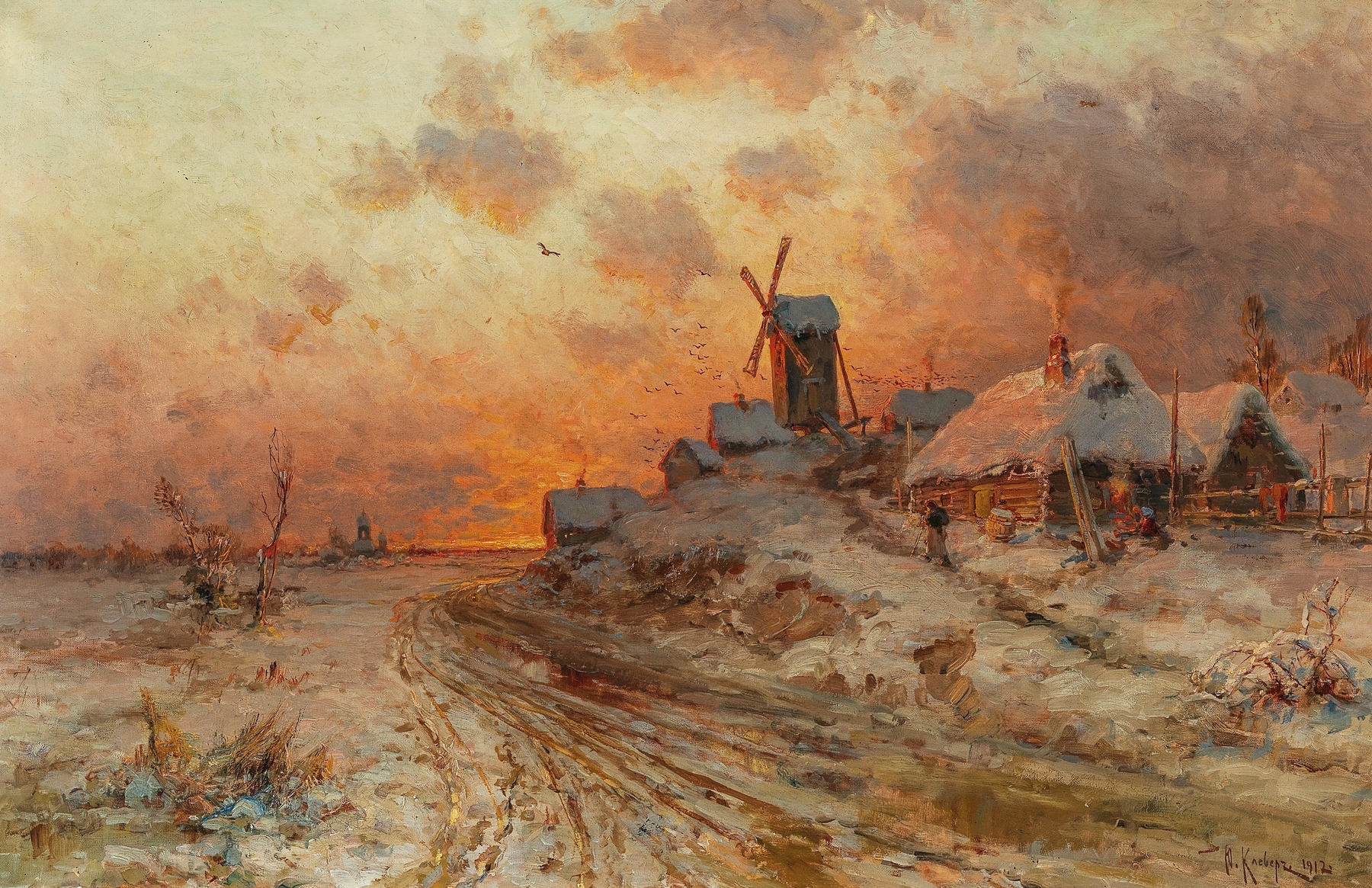
Klever painted this work in 1901, a period marked by economic uncertainty and shifting artistic movements. As he captured this serene winter scene in Russia, he was influenced by the emerging Russian Impressionist style, which emphasized natural light and color, revealing his desire to create a sense of calm amidst chaos. This painting stands as a testament to his introspective gaze and connection to the fragility of human existence.