Winter Evening on the Lake — History & Analysis
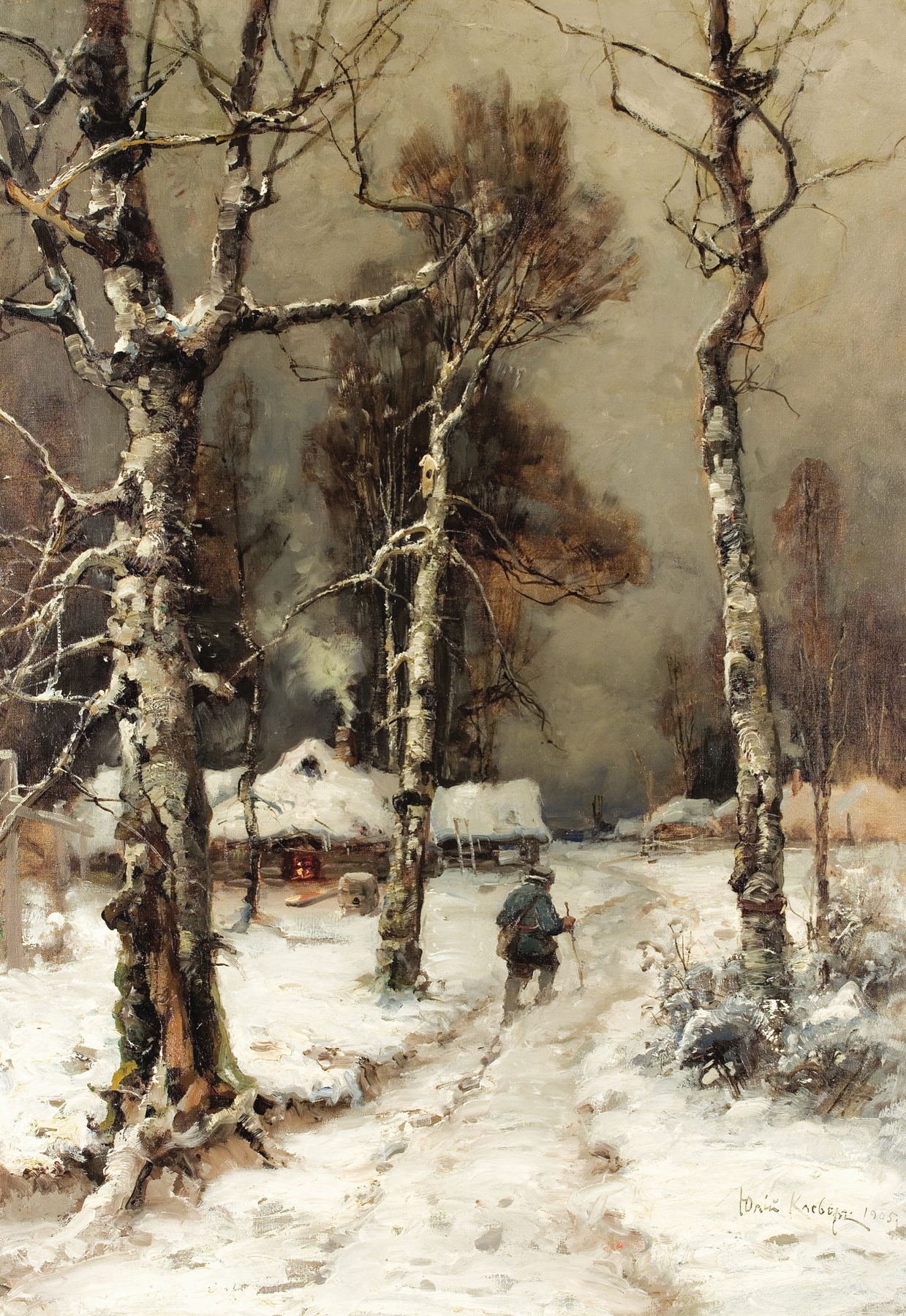
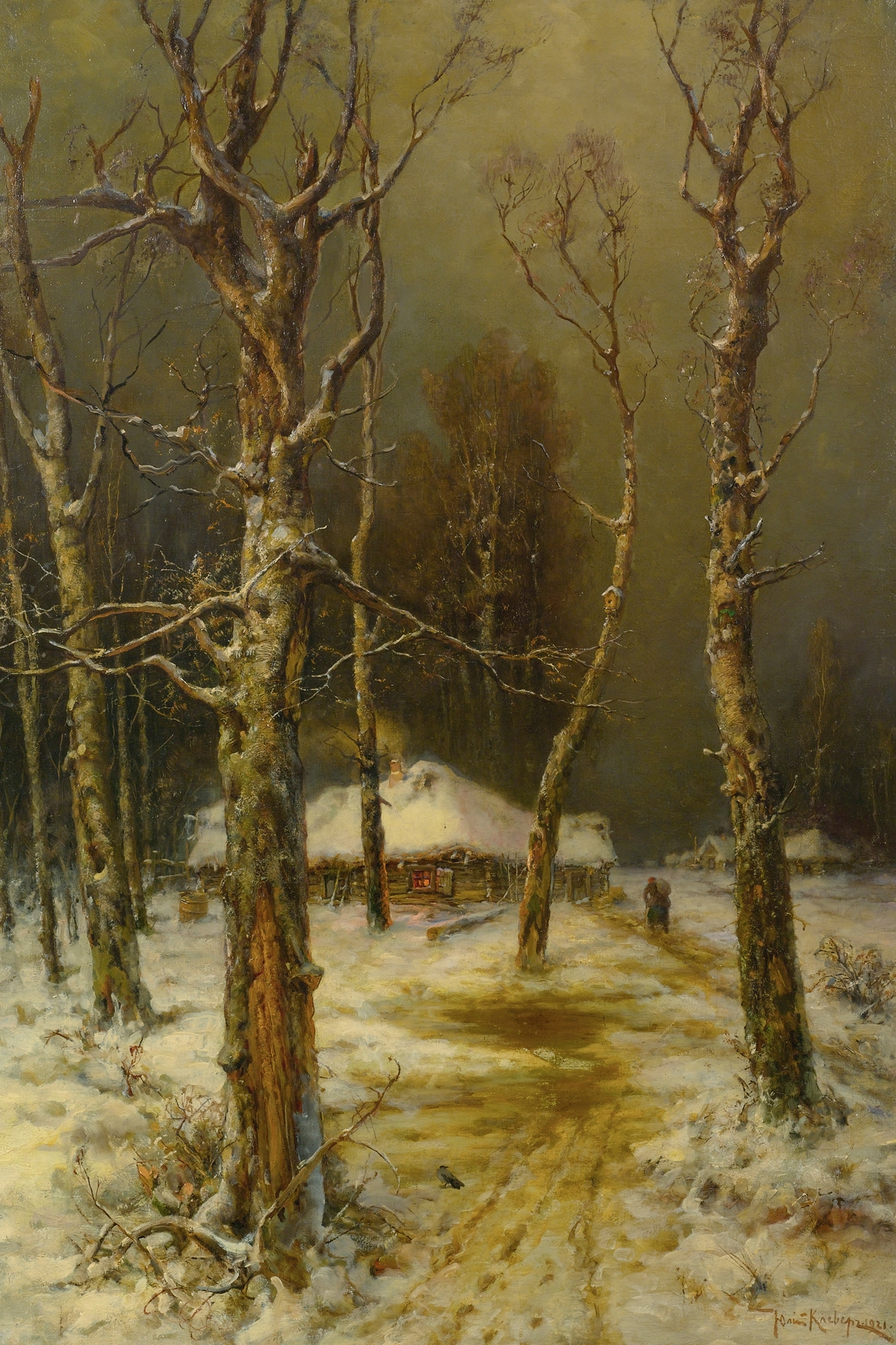
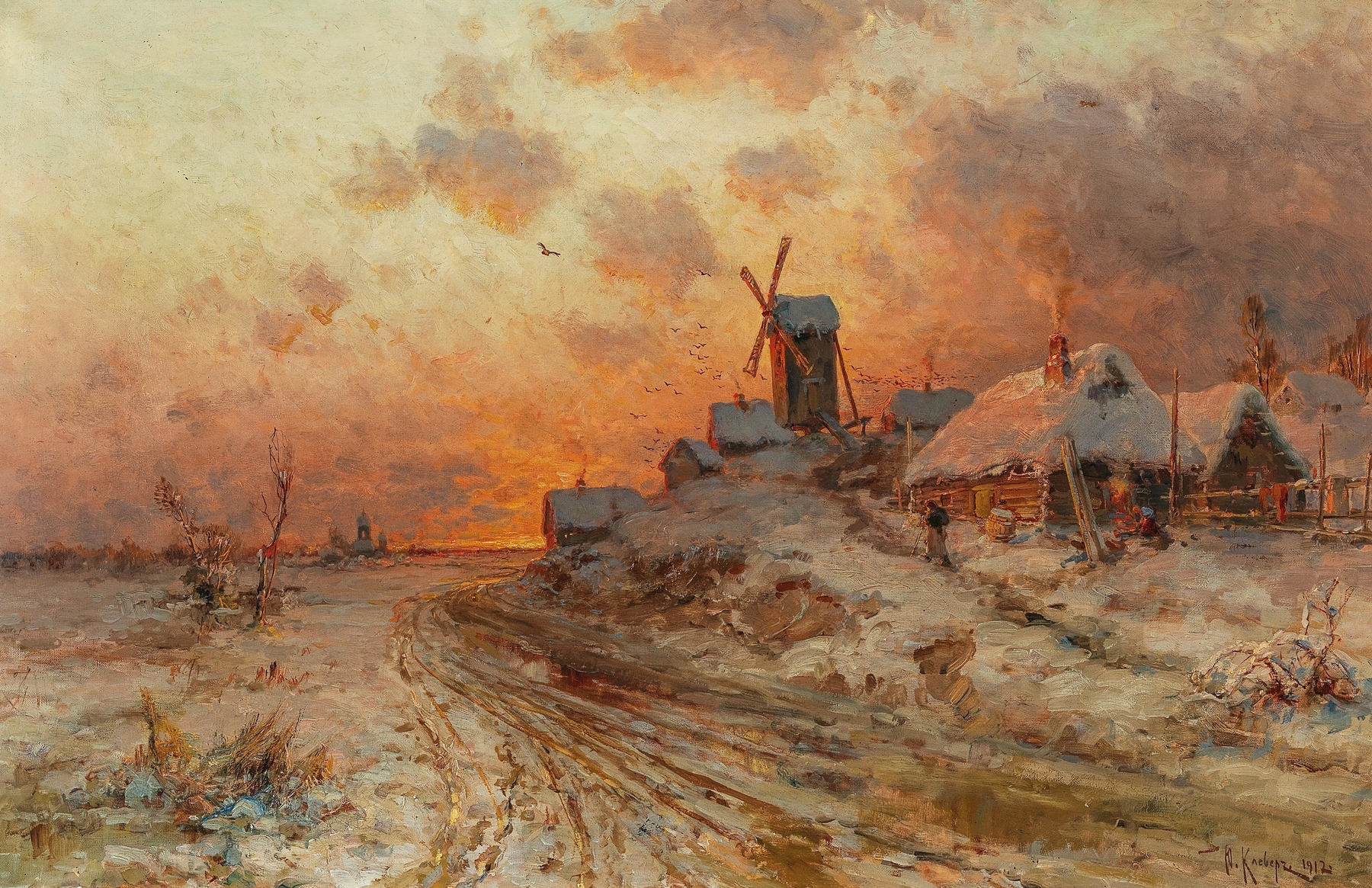
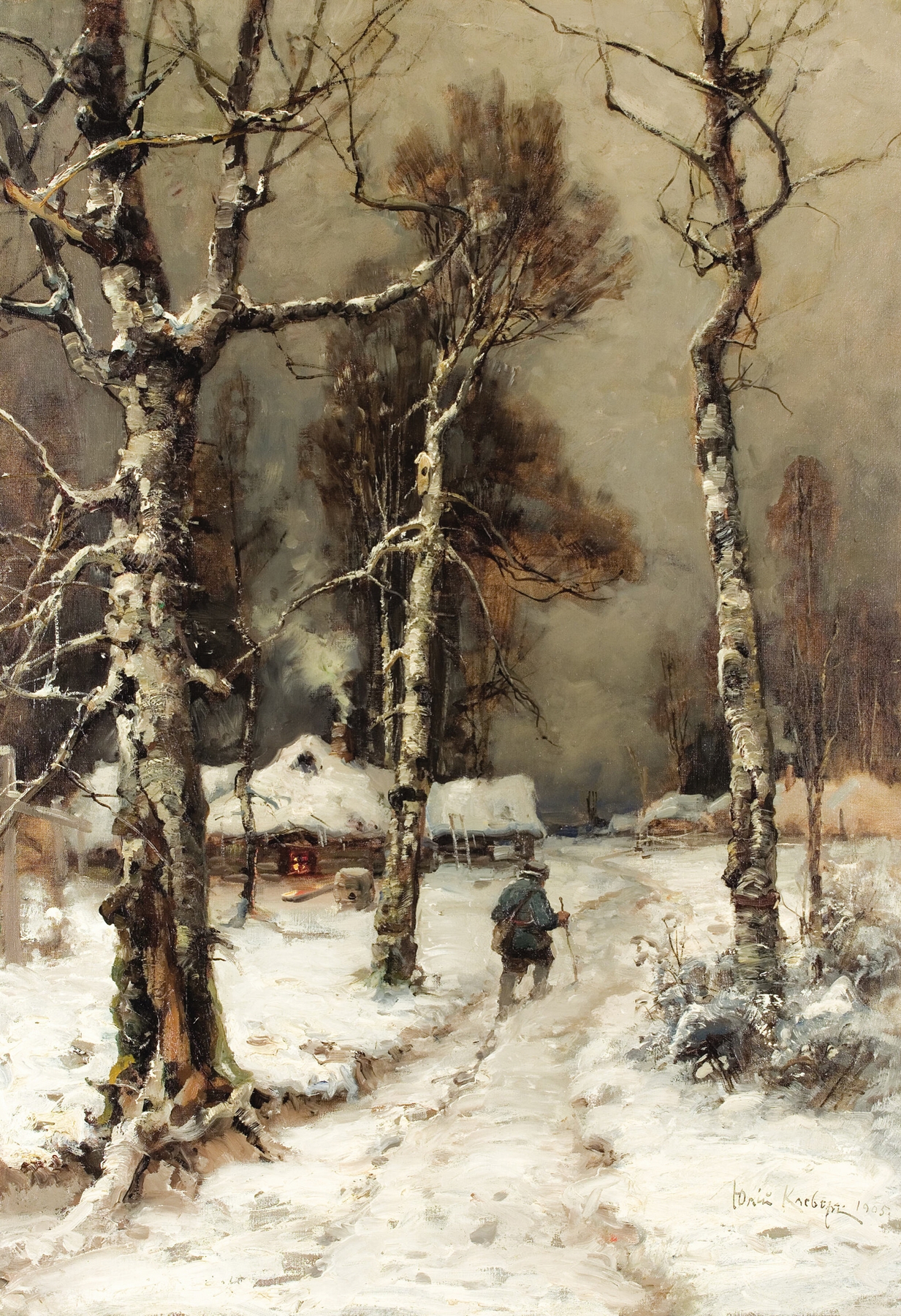
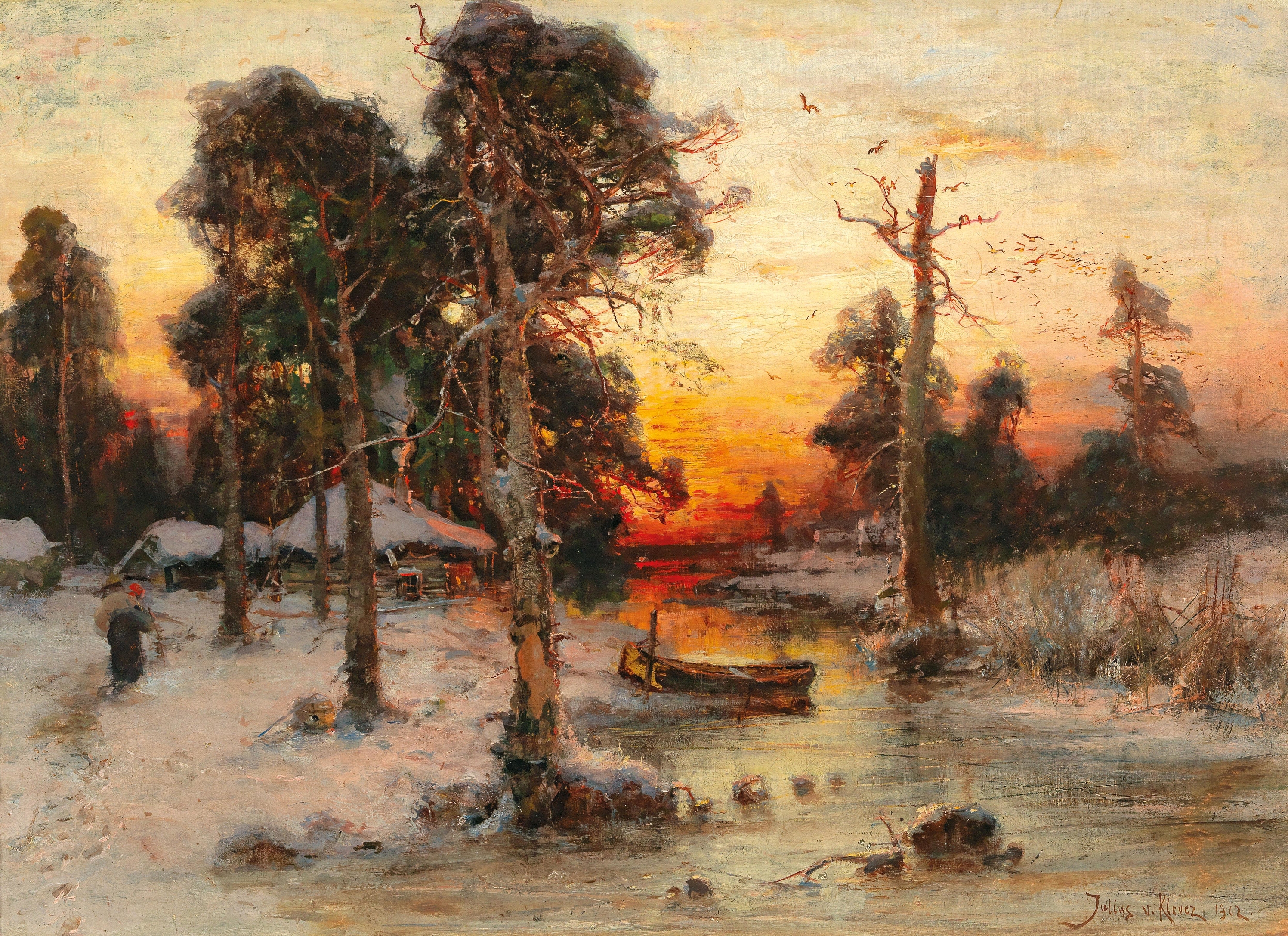
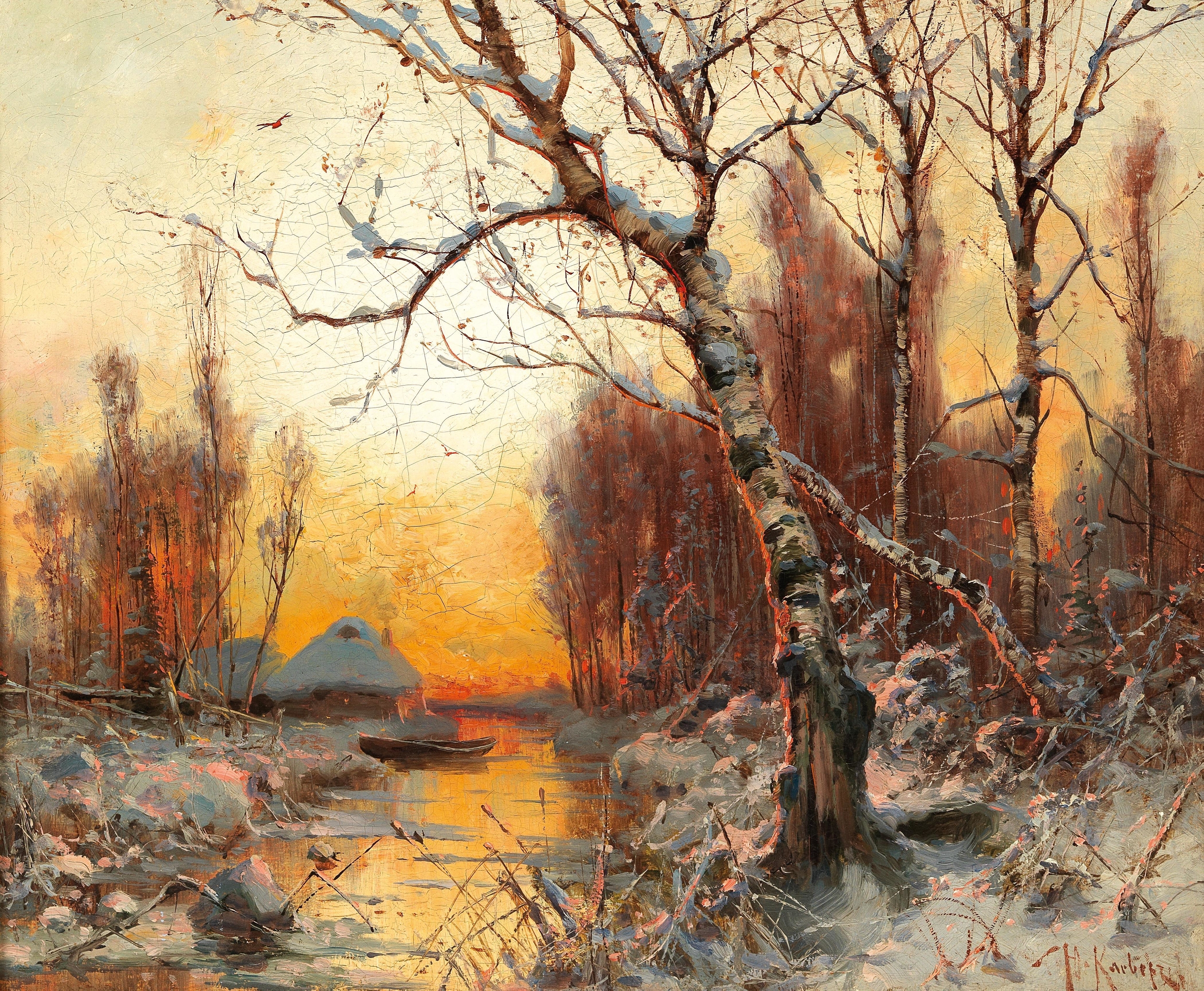
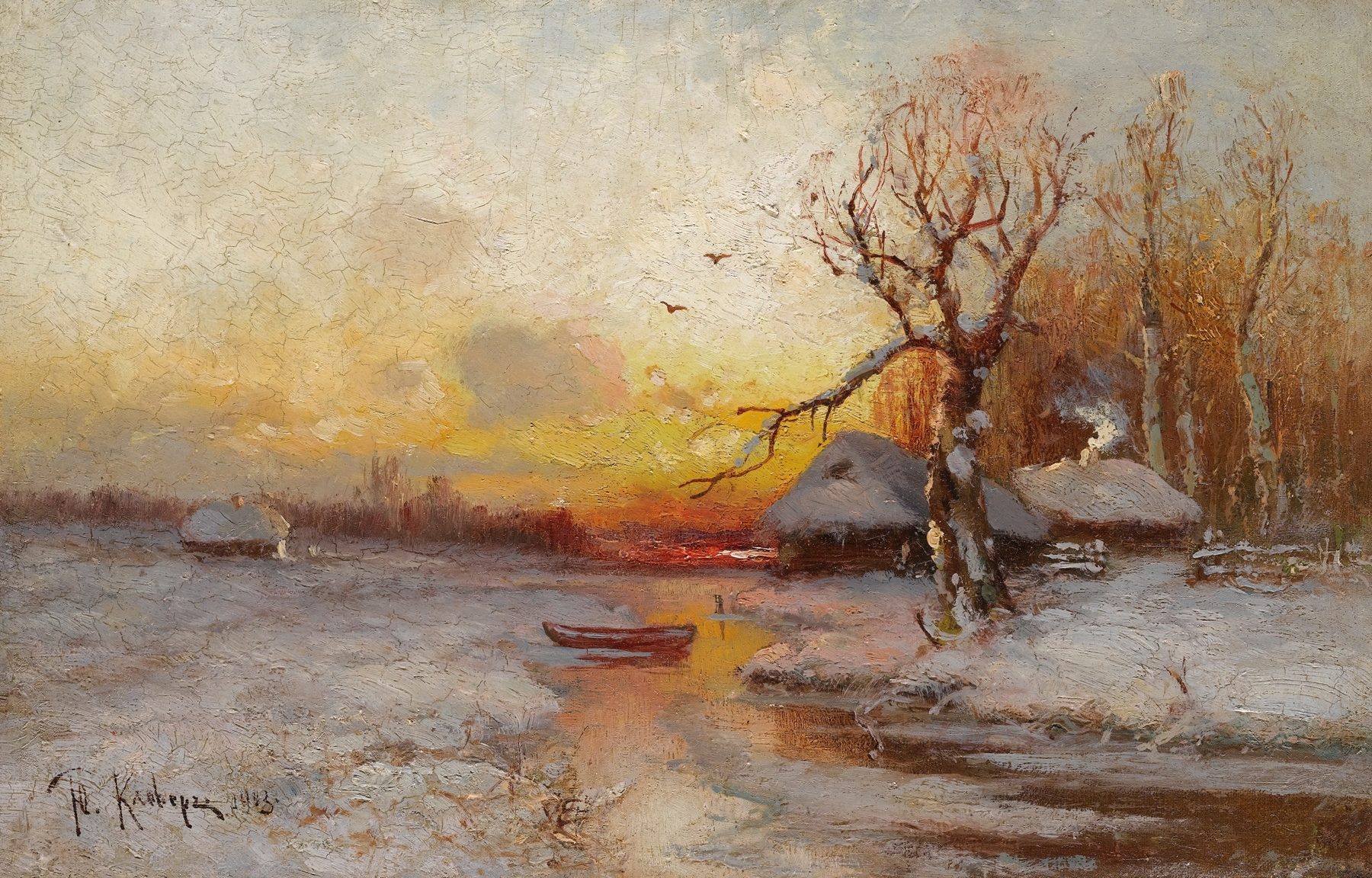
What if silence could speak through light? In Winter Evening on the Lake, a tranquil hush envelops the landscape, whispering the faith we find in nature's beauty. Look to the frozen expanse of the lake, where soft, muted blues and whites blend seamlessly. The delicate brushstrokes create a texture that mimics the crispness of cold air, while the soft light of dusk bathes the scene in a warm glow. Notice how the slanting rays illuminate the bare trees on the shore, their silhouettes a dark contrast against the gentle luminescence.
The composition draws your eye towards the horizon, where the sky meets the water, evoking a sense of endless possibility. In the distance, a solitary figure stands, seemingly lost in thought. This hint of humanity amidst the vastness emphasizes the solitude but also suggests a deep connection to the surroundings. The interplay of light and shadow reflects a moment of introspection, provoking an emotional resonance that speaks to the viewer’s own experiences.
The tranquil scene is imbued with a sense of faith — not only in the beauty of the world but also in the quiet moments that allow for reflection. Klever painted this piece in 1887 while living in Russia, a period marked by personal challenges and a burgeoning fascination with natural landscapes. As the Impressionist movement gained traction, he explored the interaction of light and atmosphere, seeking to capture the essence of fleeting moments. This work exemplifies his mastery in portraying serene environments, revealing how art can translate silence into a profound visual experience.