Winter Landscape — History & Analysis
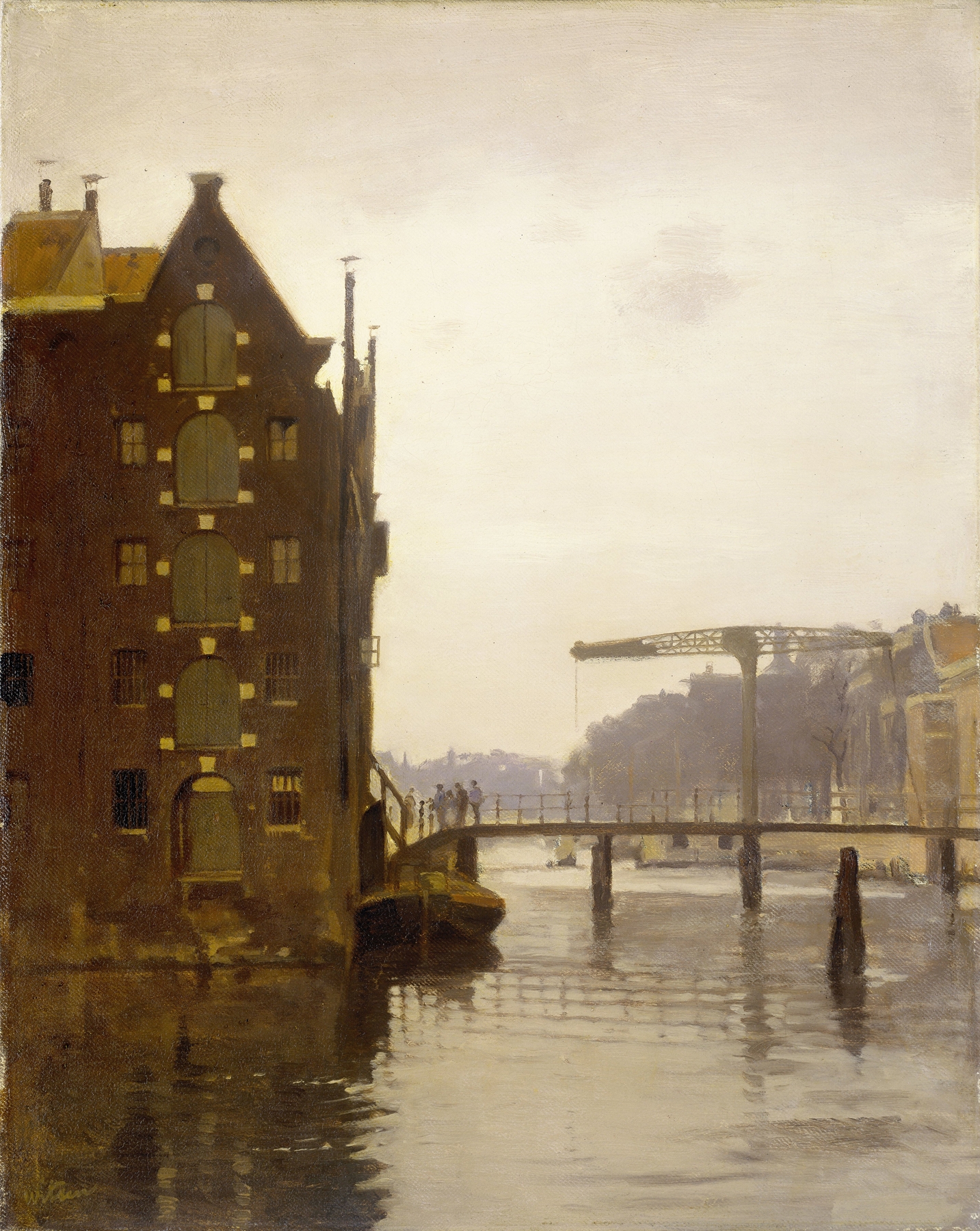
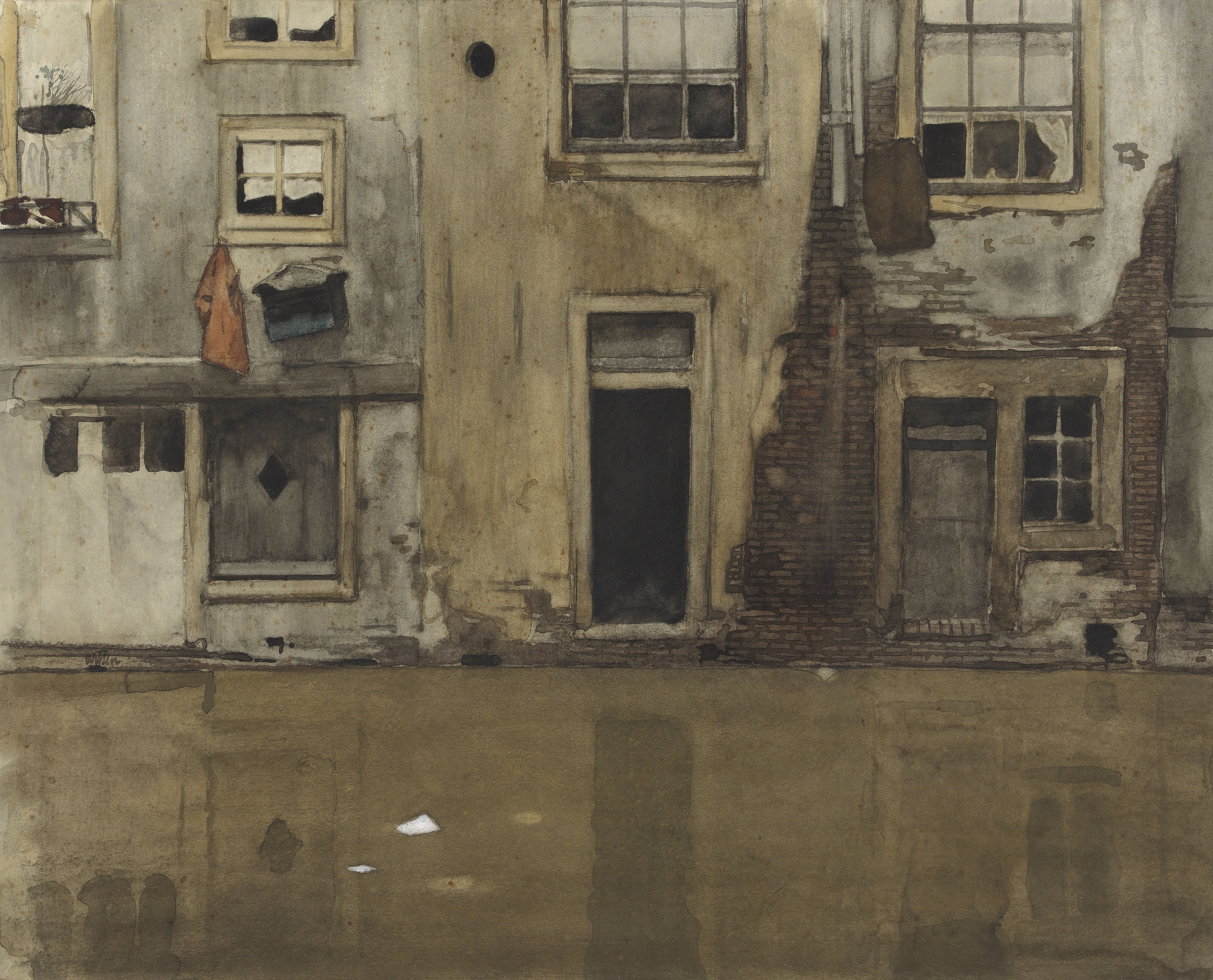
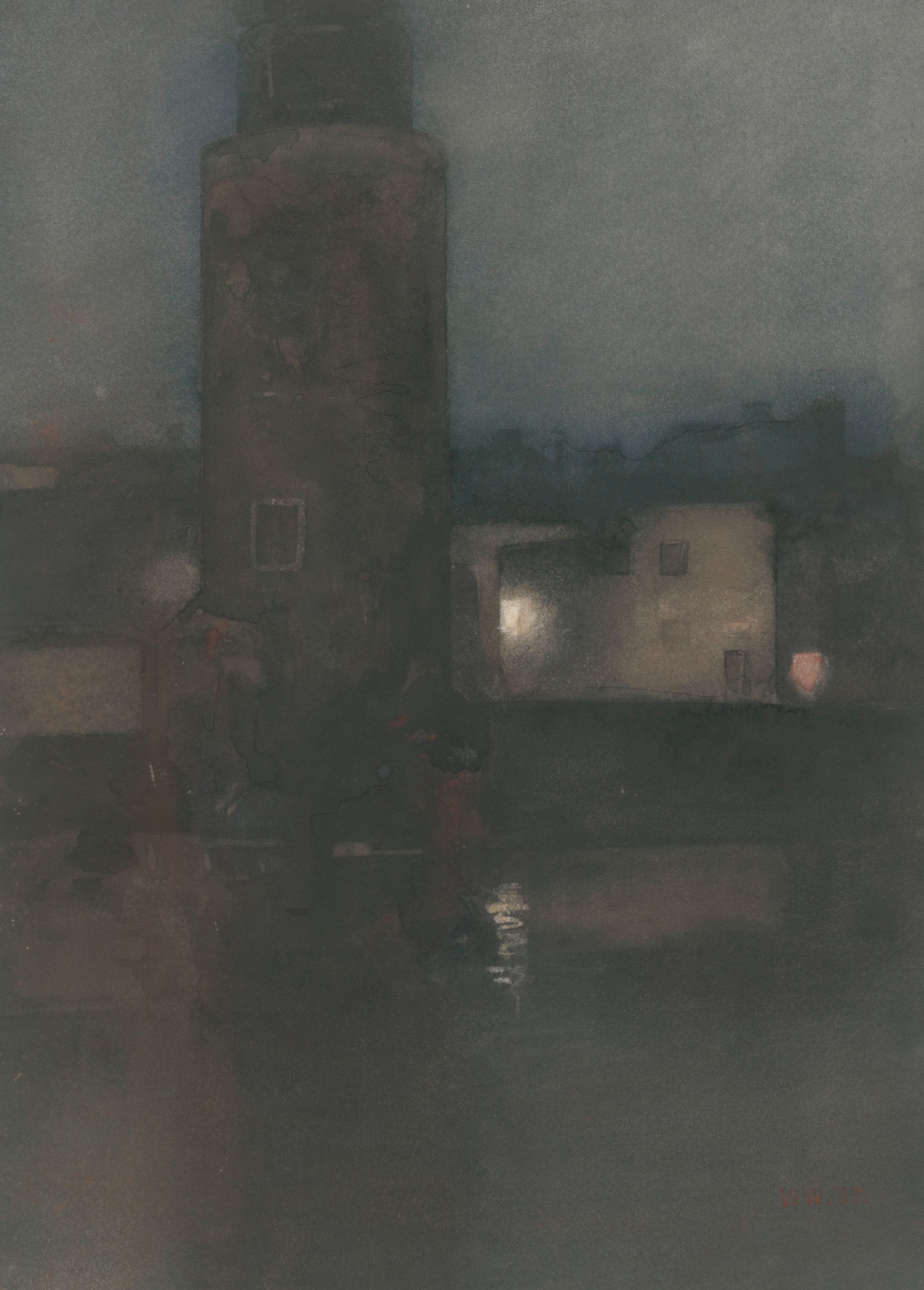
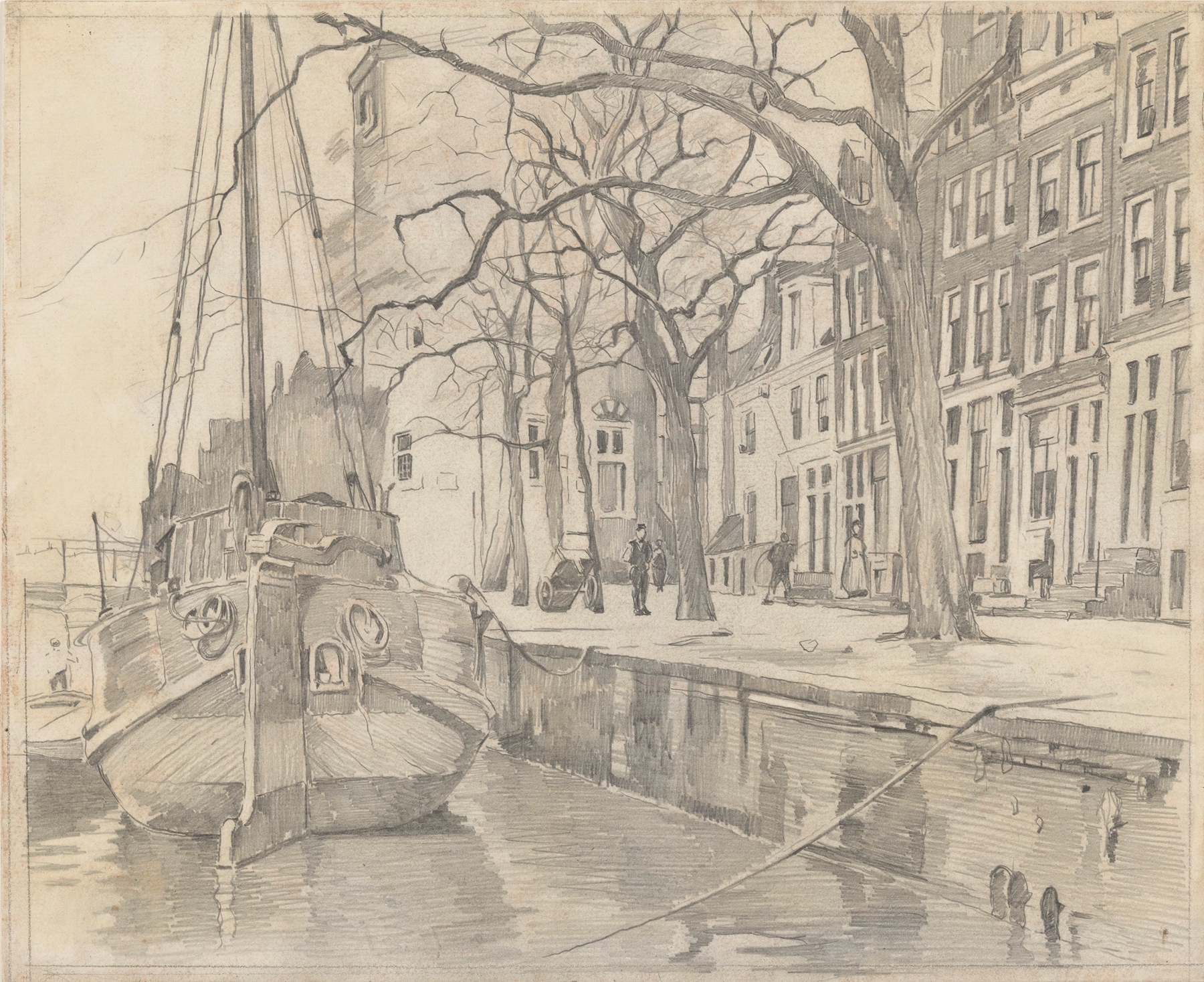
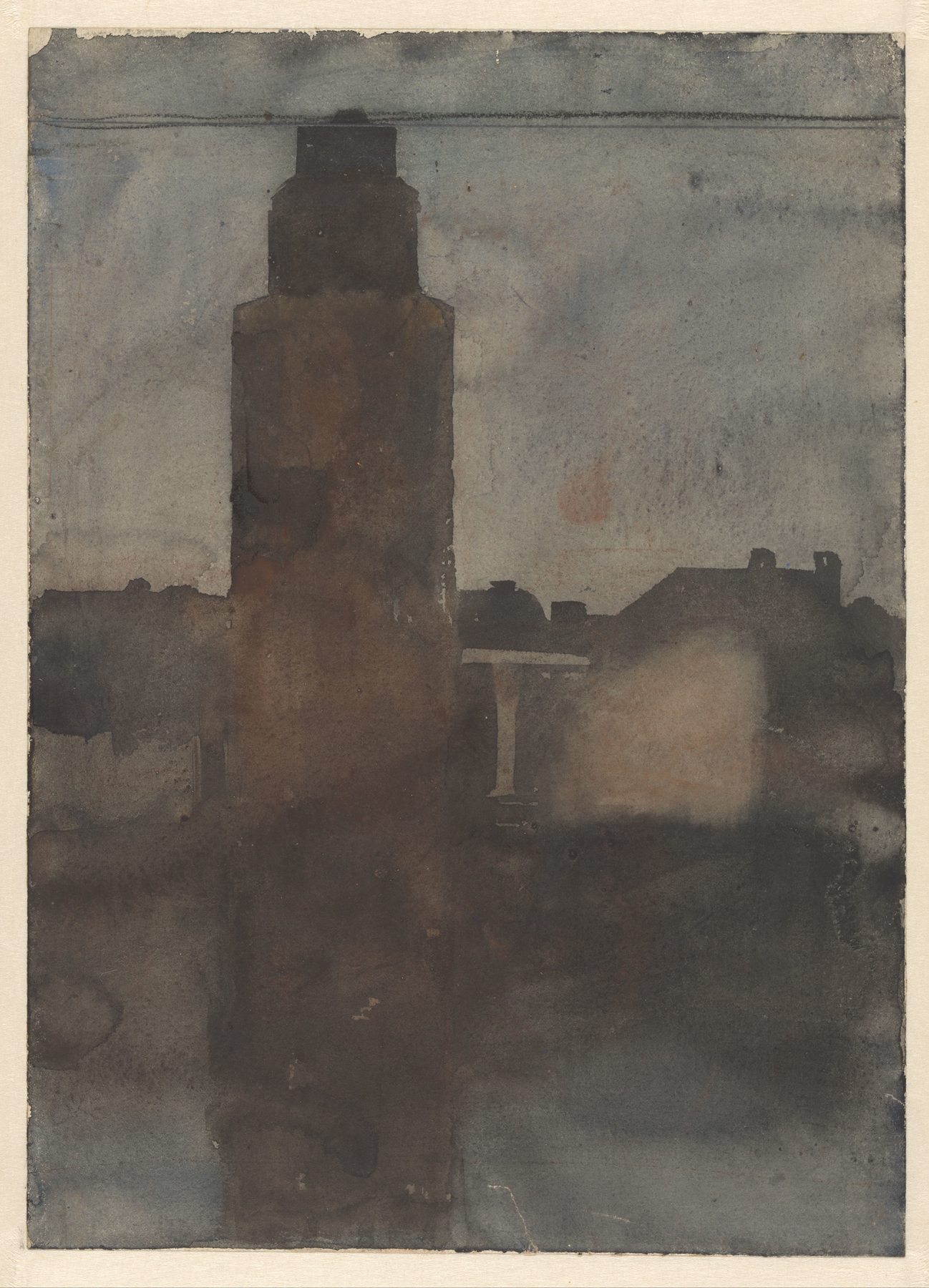
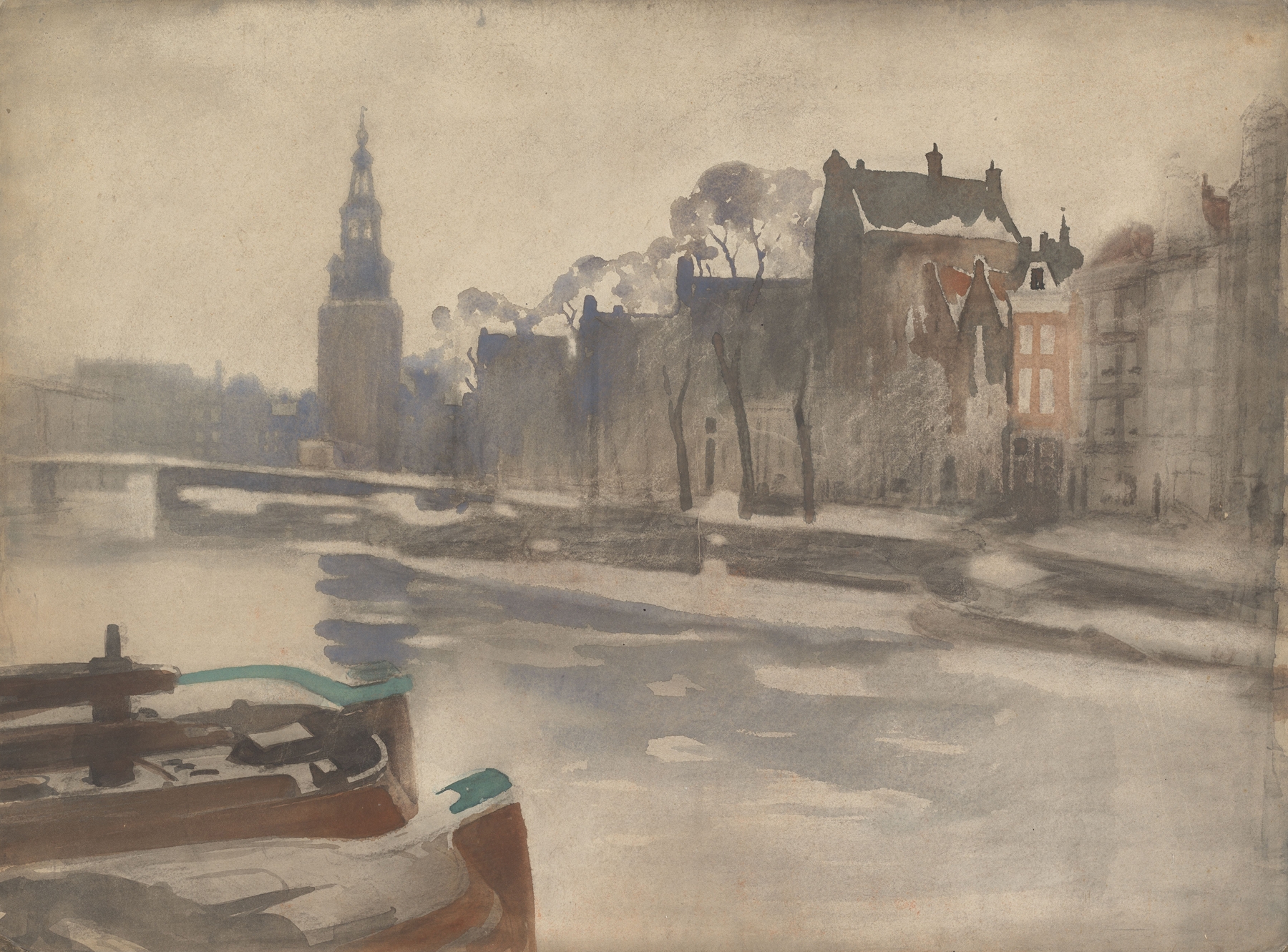
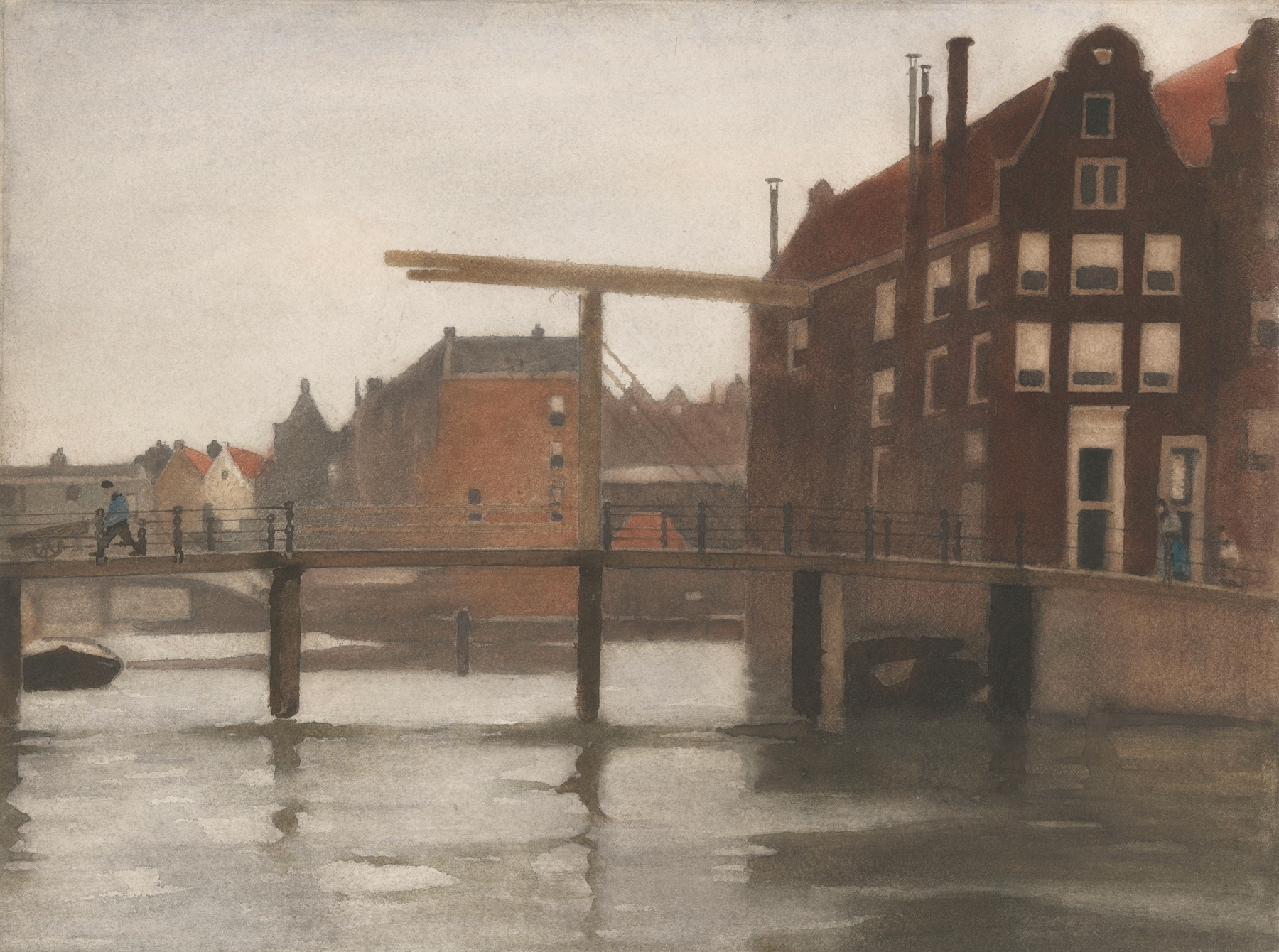
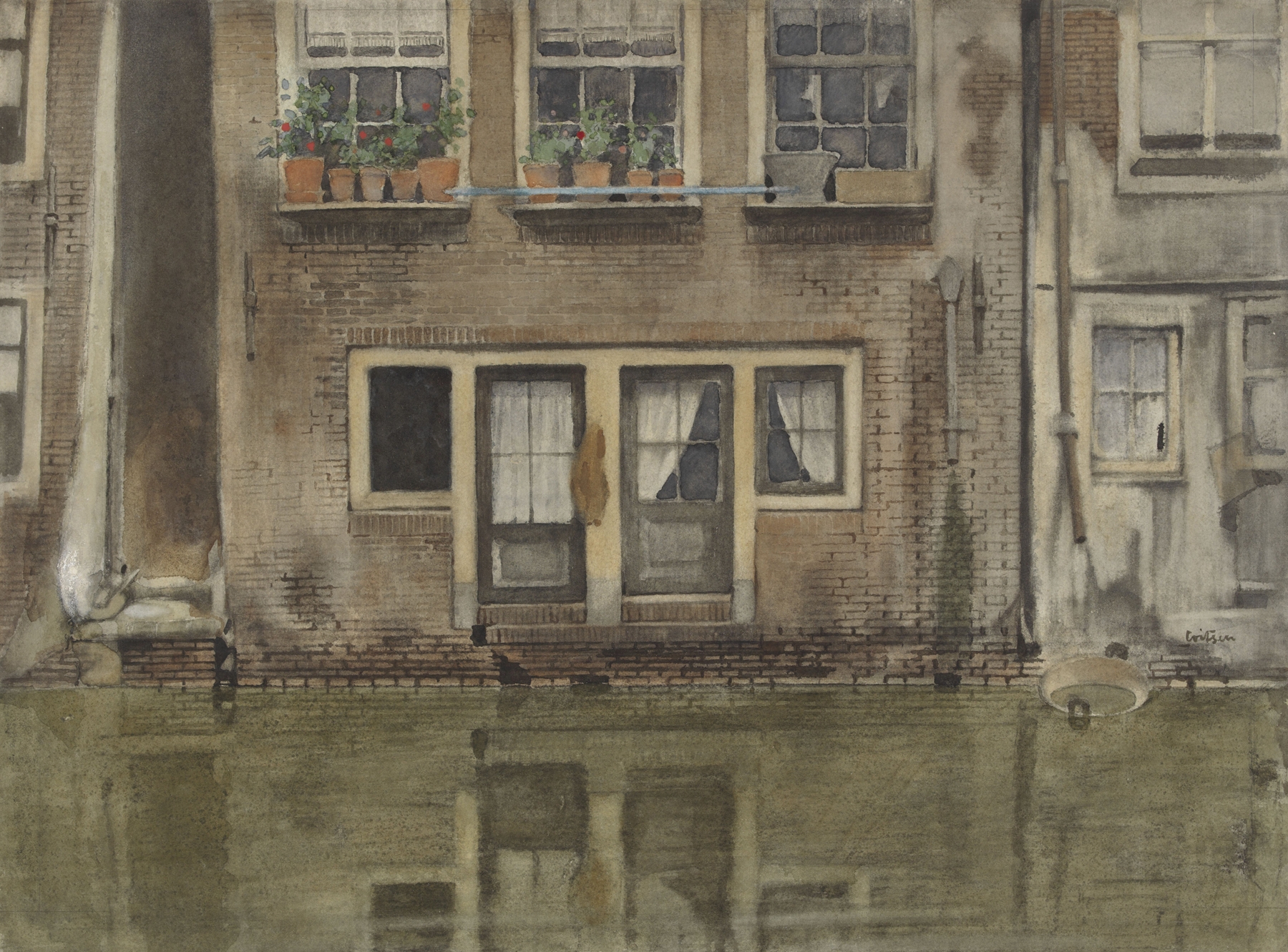
“To paint is to remember what time wants us to forget.” In a world shimmering with fleeting moments, balance becomes the artist’s silent rebellion against the relentless passage of time. Look to the center of Winter Landscape, where a gentle curve of snow-laden trees embraces a serene expanse of white. The brushwork is delicate yet deliberate, creating a soft texture that invites you to touch the icy tranquility. Pay attention to the subtle blues and greys blending into the whites, where light dances playfully across the scene, hinting at a hidden warmth beneath the cold surface.
The composition draws your gaze outward, inviting you into the vastness of winter's embrace. Yet, within this stillness lies a profound emotional tension. The stark contrast between the serene snow and the dark, gnarled branches speaks to life's dualities—the warmth of solace entwined with the chill of solitude. Hidden figures, perhaps distant echoes of human presence, impart a sense of longing, grounding the ethereal beauty of nature in the heart's reality.
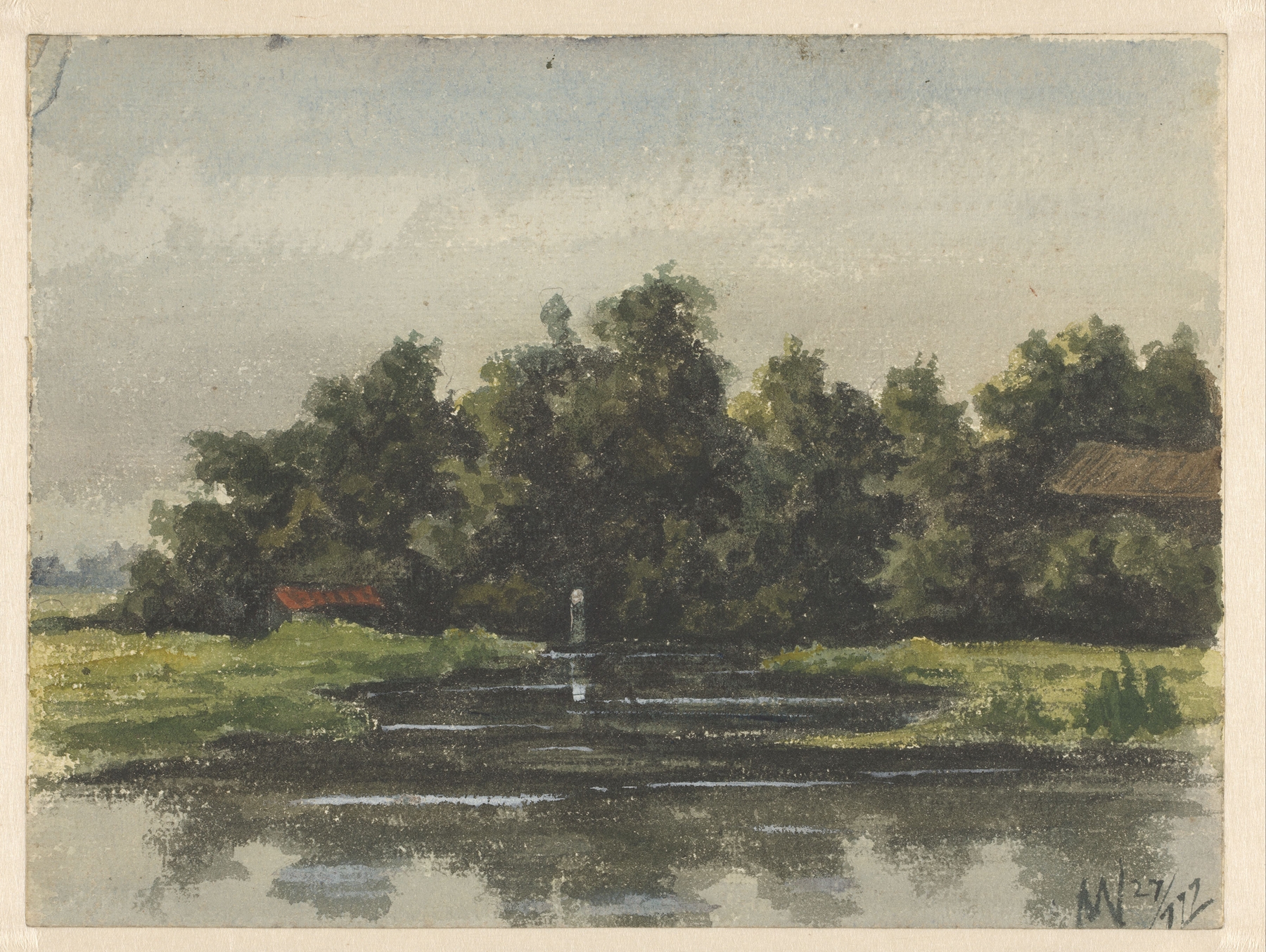
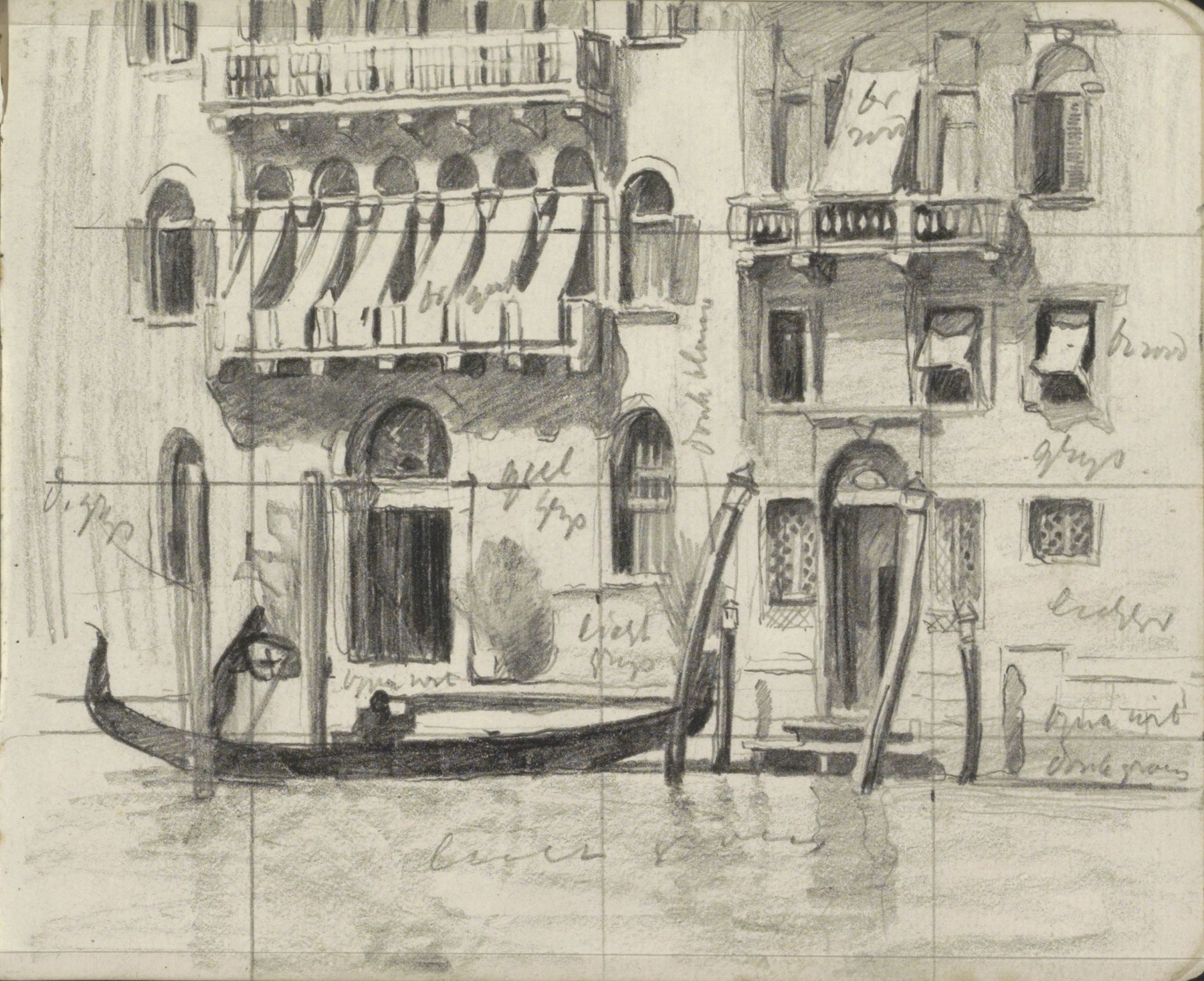
Each brushstroke captures a moment suspended, reminding us of the balance between isolation and connection. Willem Witsen painted this piece around 1885 to 1922, during a period marked by his exploration of Dutch landscapes as well as the influence of the Hague School. Living in Amsterdam, he contributed to the evolution of modern Dutch art, immersing himself in themes of nature and introspection. Against the backdrop of an ever-changing world, Winter Landscape stands as a testament to the artist’s quest for harmony amidst the chaos of life.