Winterlandschap — History & Analysis
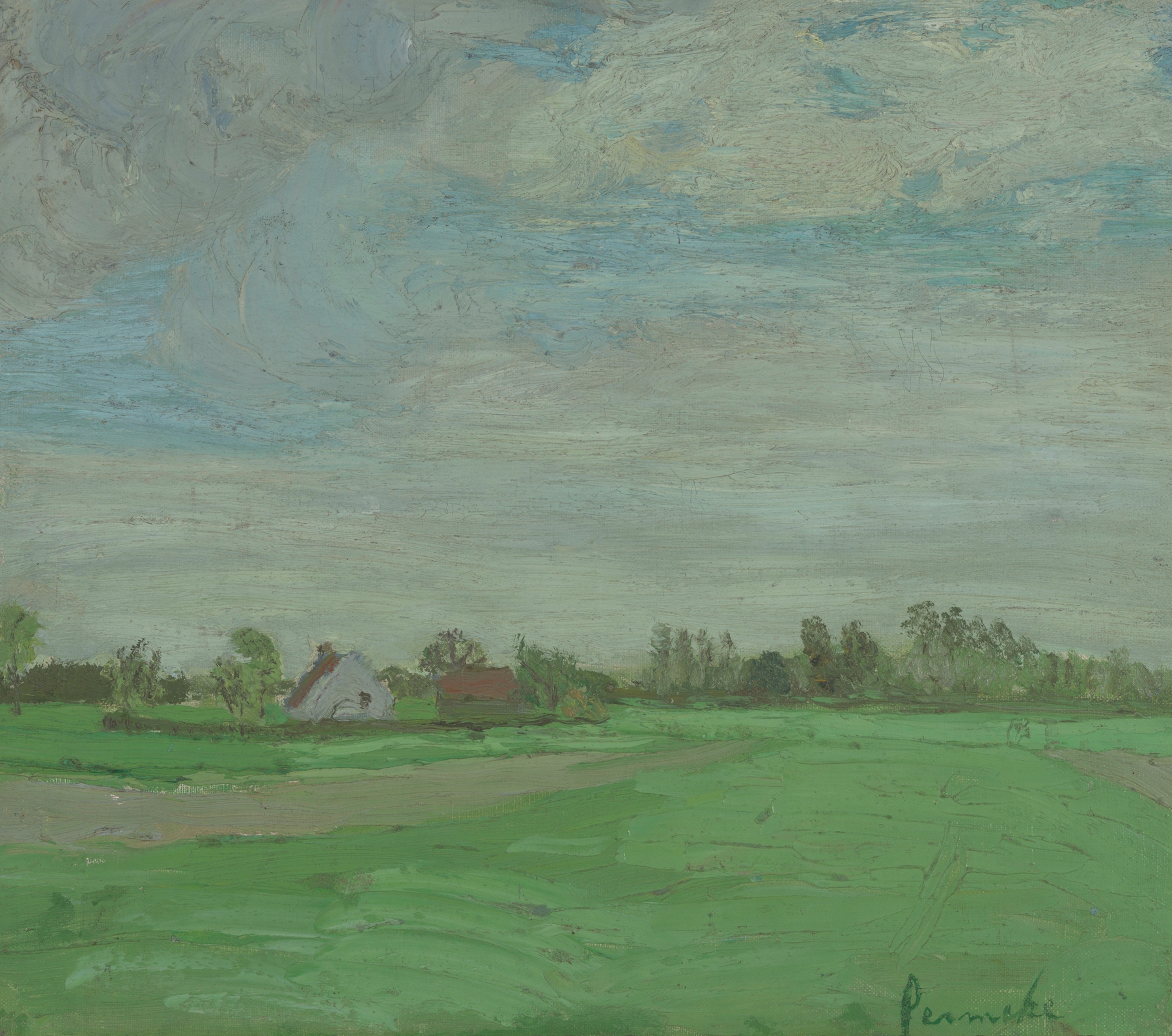
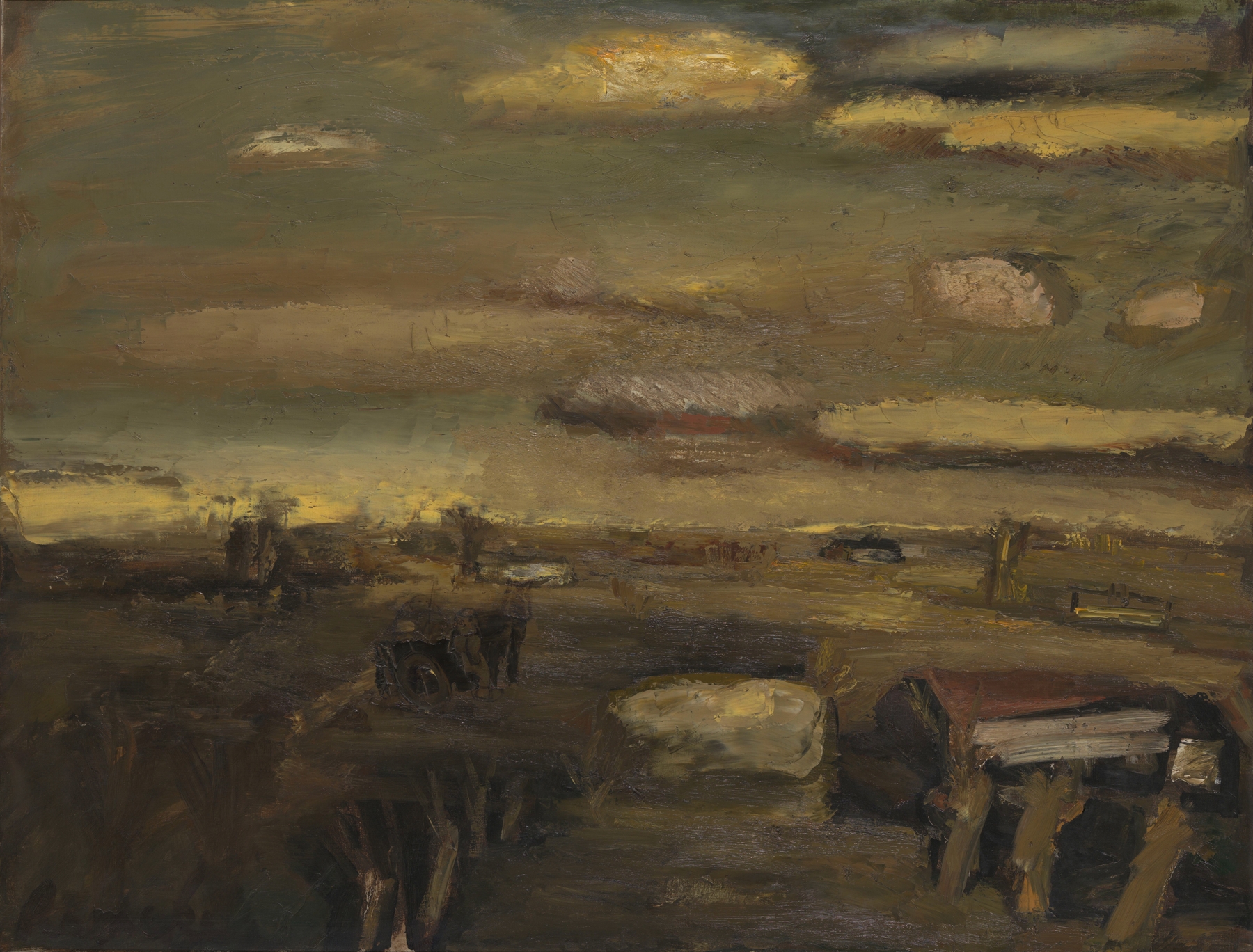
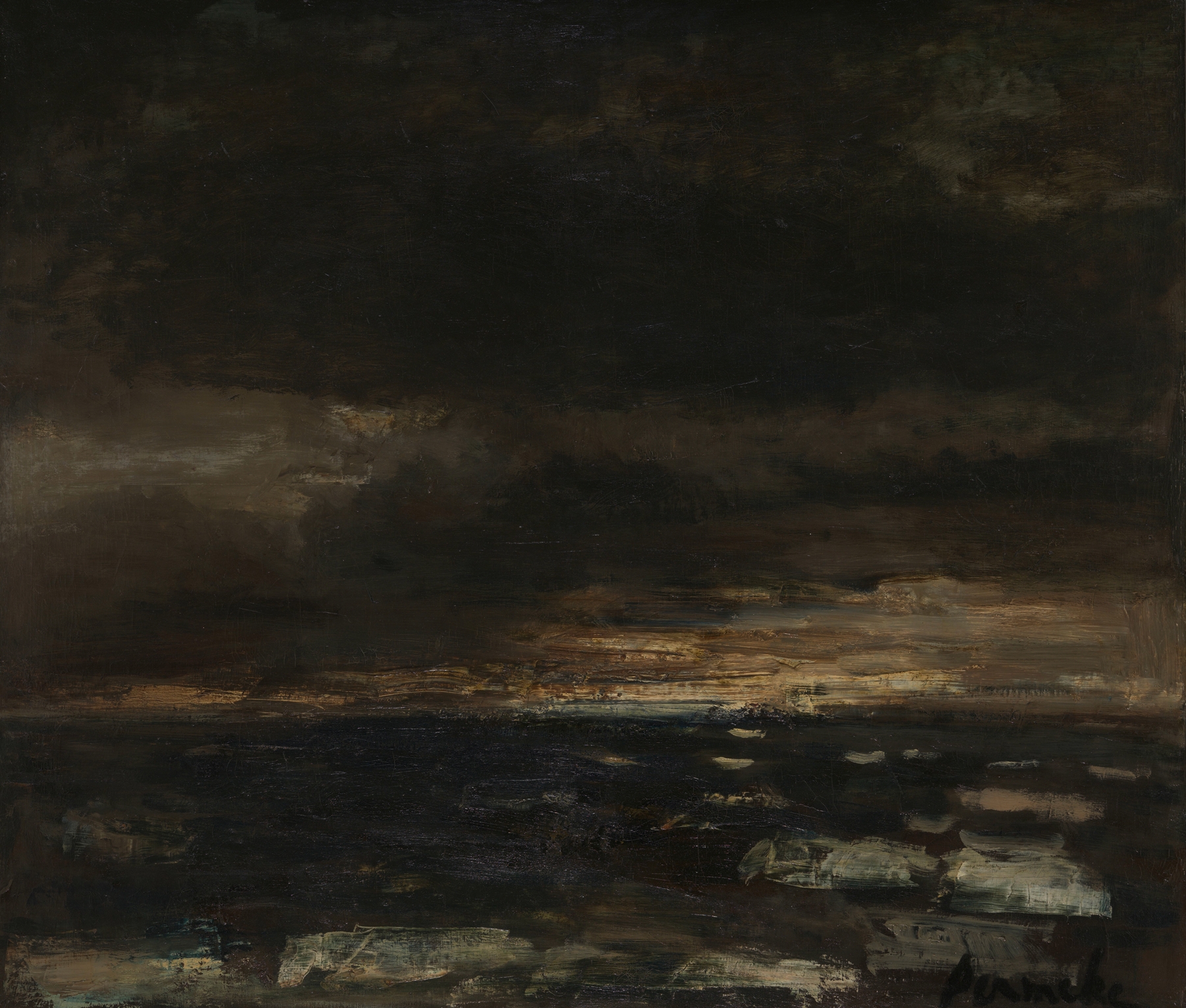
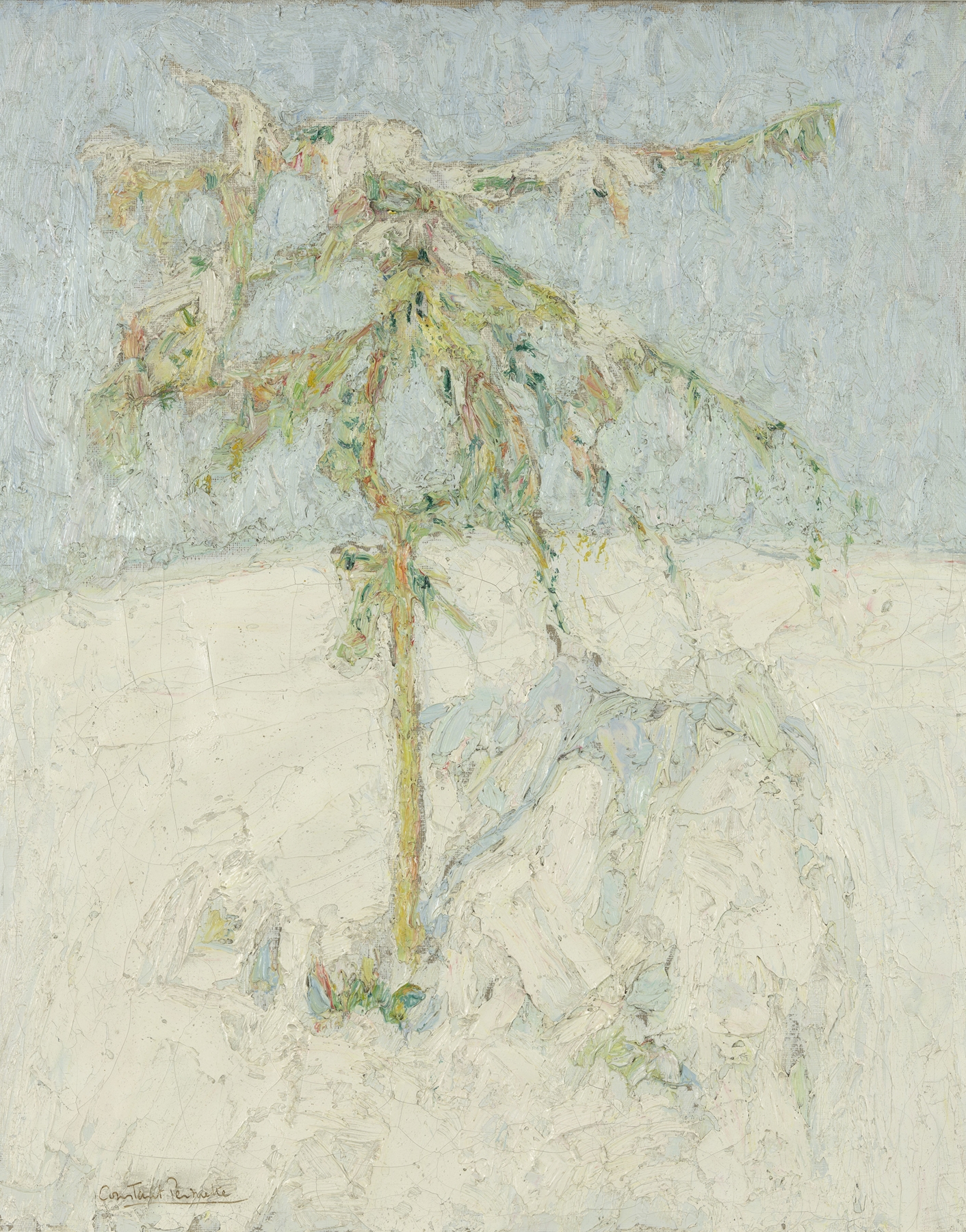
Can paint confess what words never could? In Winterlandschap, the silent whispers of a frosty landscape echo deep emotions, inviting an awe that transcends language itself. Look to the left at the sweeping hills blanketed in white, where the gentle curves of the land cradle solitude. The palette, dominated by muted grays and blues, conveys a bitter chill, while soft strokes suggest the ethereal quality of falling snow. Notice how the light dances delicately across the icy surface, creating a shimmering effect that breathes life into the stillness.
Each brushstroke articulates a quiet reverence for nature, drawing the viewer into a world that feels both vast and intimately personal. Yet beneath this serene exterior lies an emotional tension — the haunting beauty of isolation. The stark contrast between the dull sky and the pristine snow evokes a sense of longing, a reminder of warmth lost to winter's grasp. The horizon appears to stretch endlessly, amplifying the feeling of solitude, but also hints at hope — as if the return of spring is just a breath away.
The tension between the sublime and the desolate invites contemplation, urging us to reflect on our own moments of stillness and introspection. In 1912, Constant Permeke created this work while living in Belgium, during a time when modern art was rapidly evolving. The artist found inspiration in the rural landscape around him, merging traditional themes with burgeoning expressionist techniques. As the world faced growing tensions leading up to World War I, his focus on nature's calm served as an antidote to the chaos of human existence, grounding his practice in a profound appreciation for the fleeting beauty of life.