Winterstimmung Mit Saatkrähen — History & Analysis
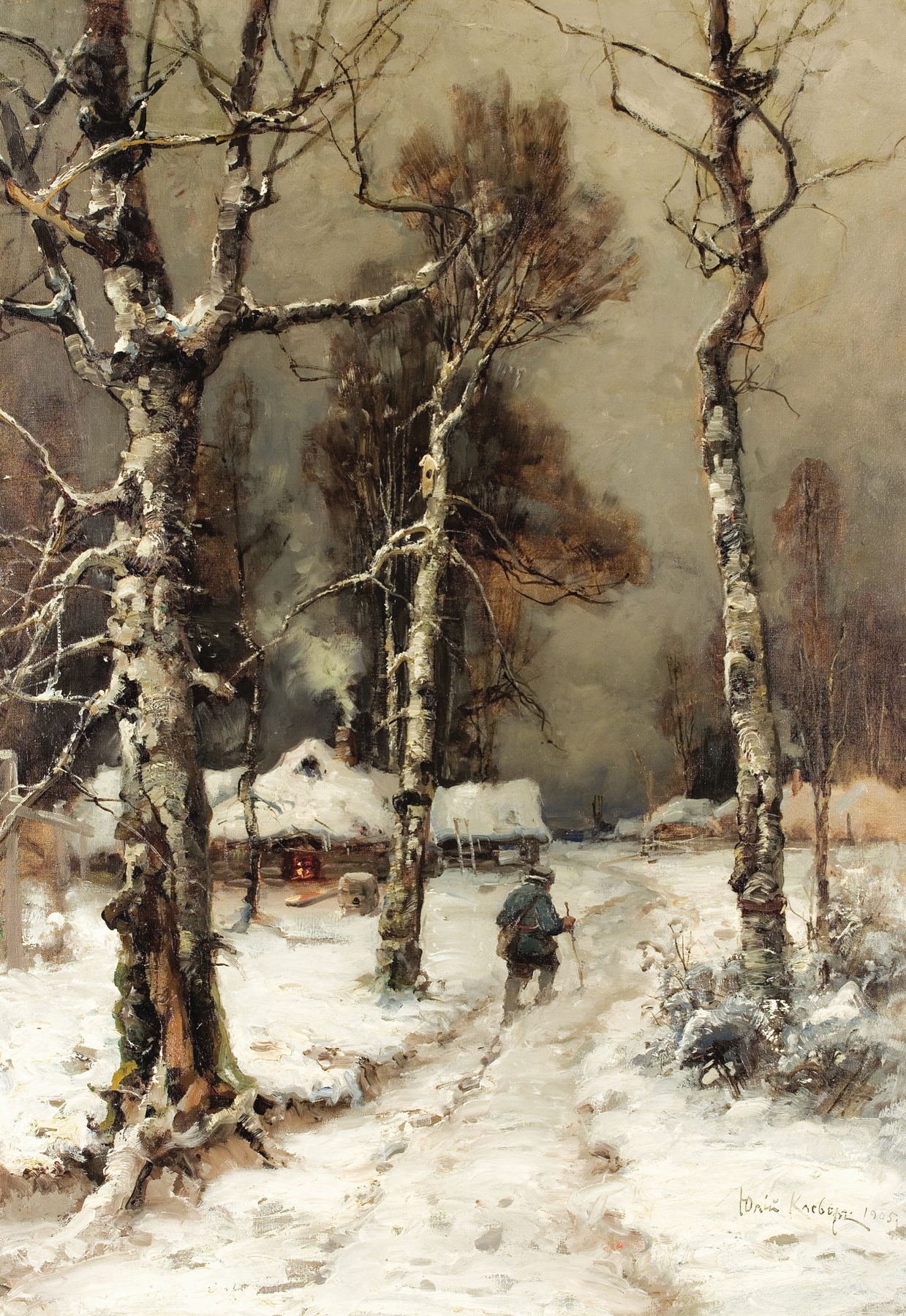
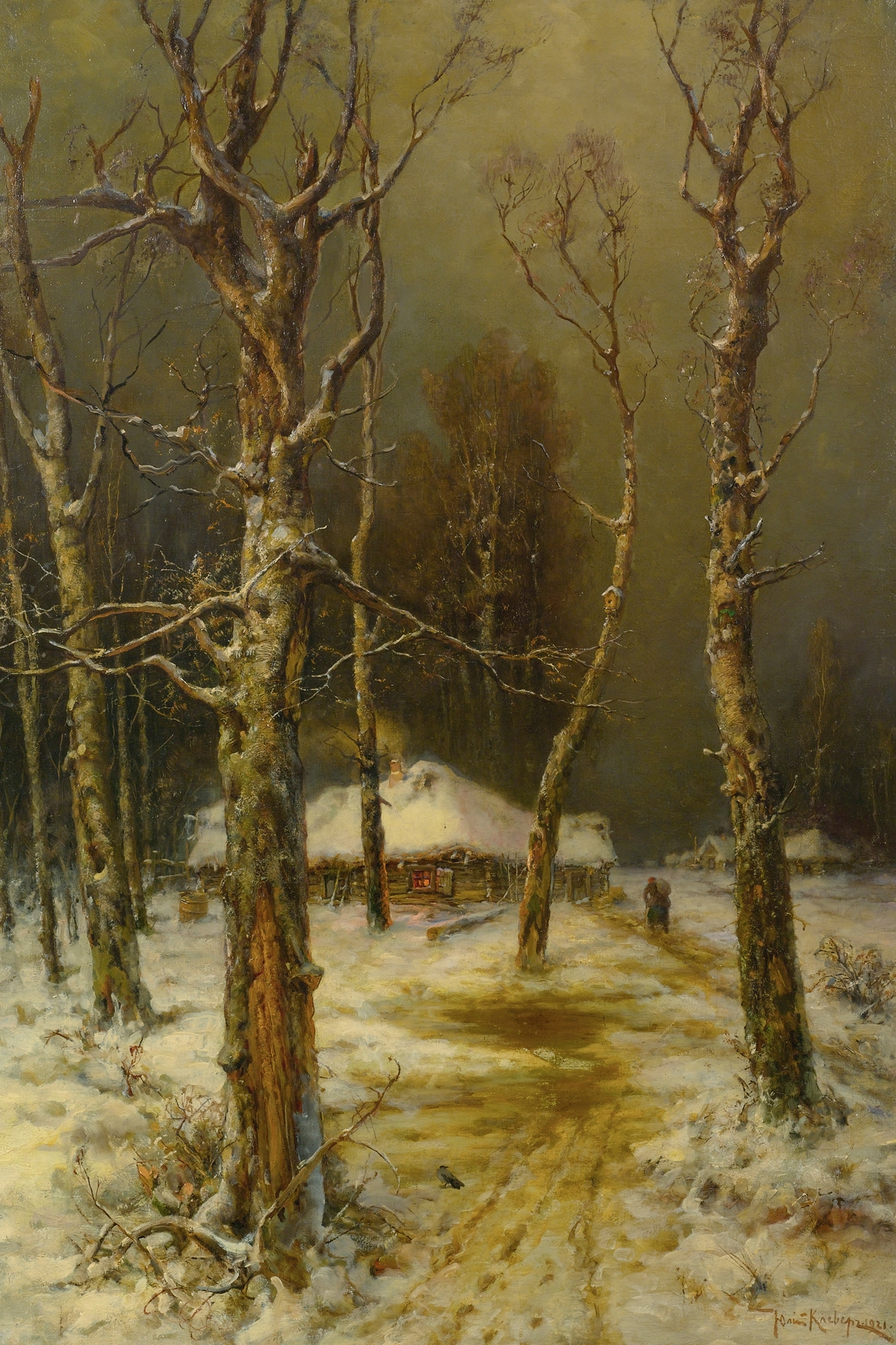
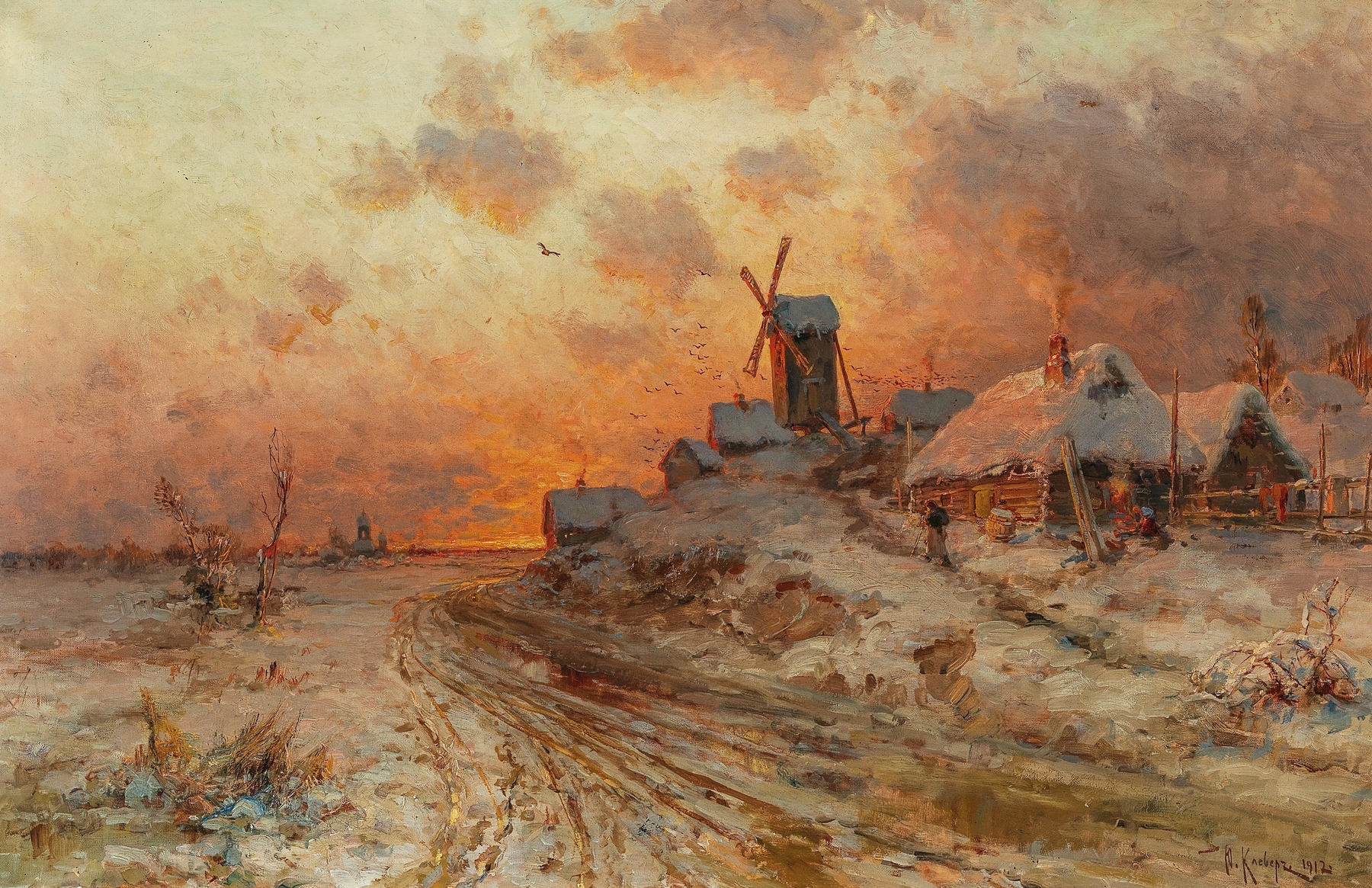
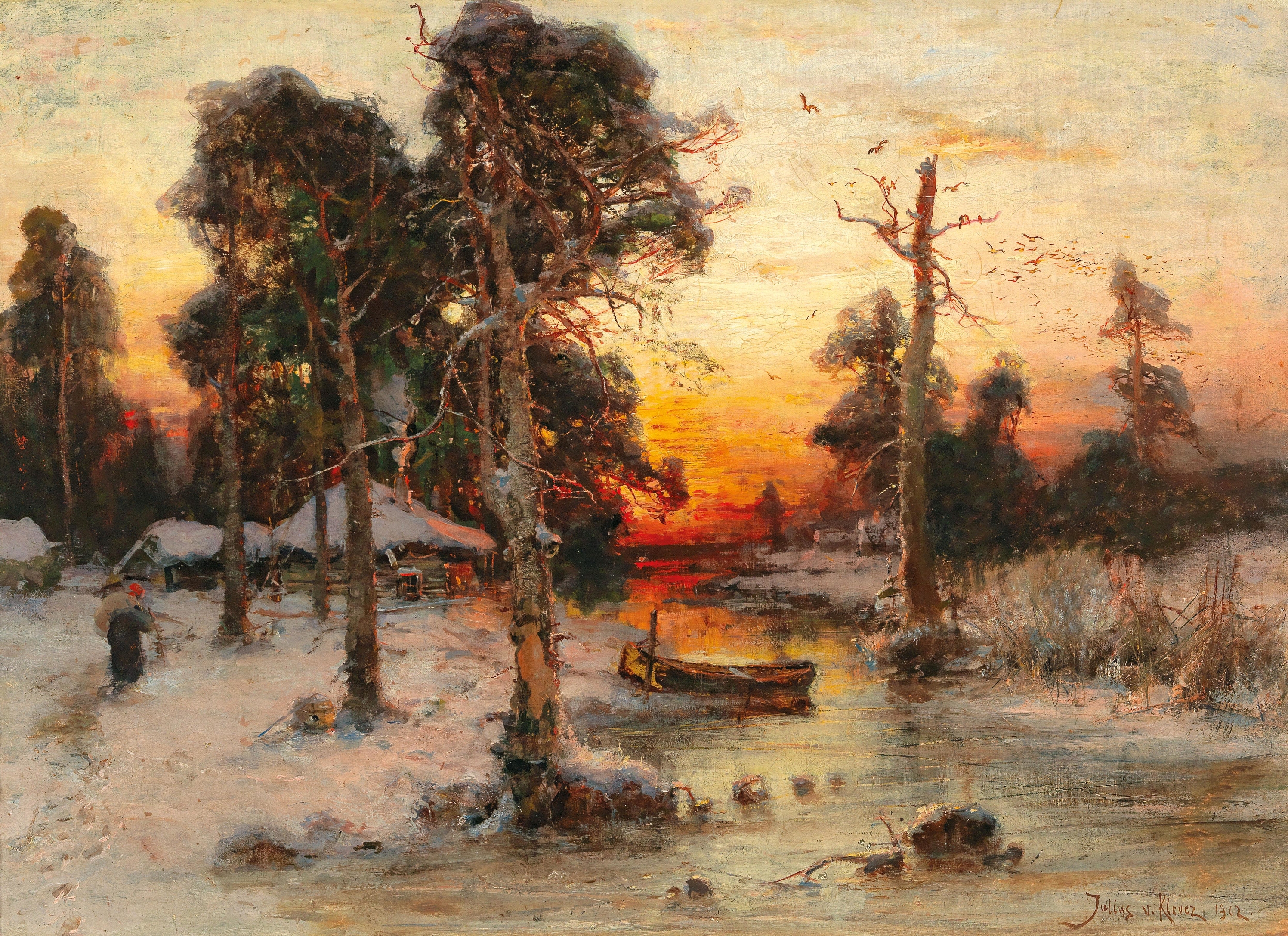
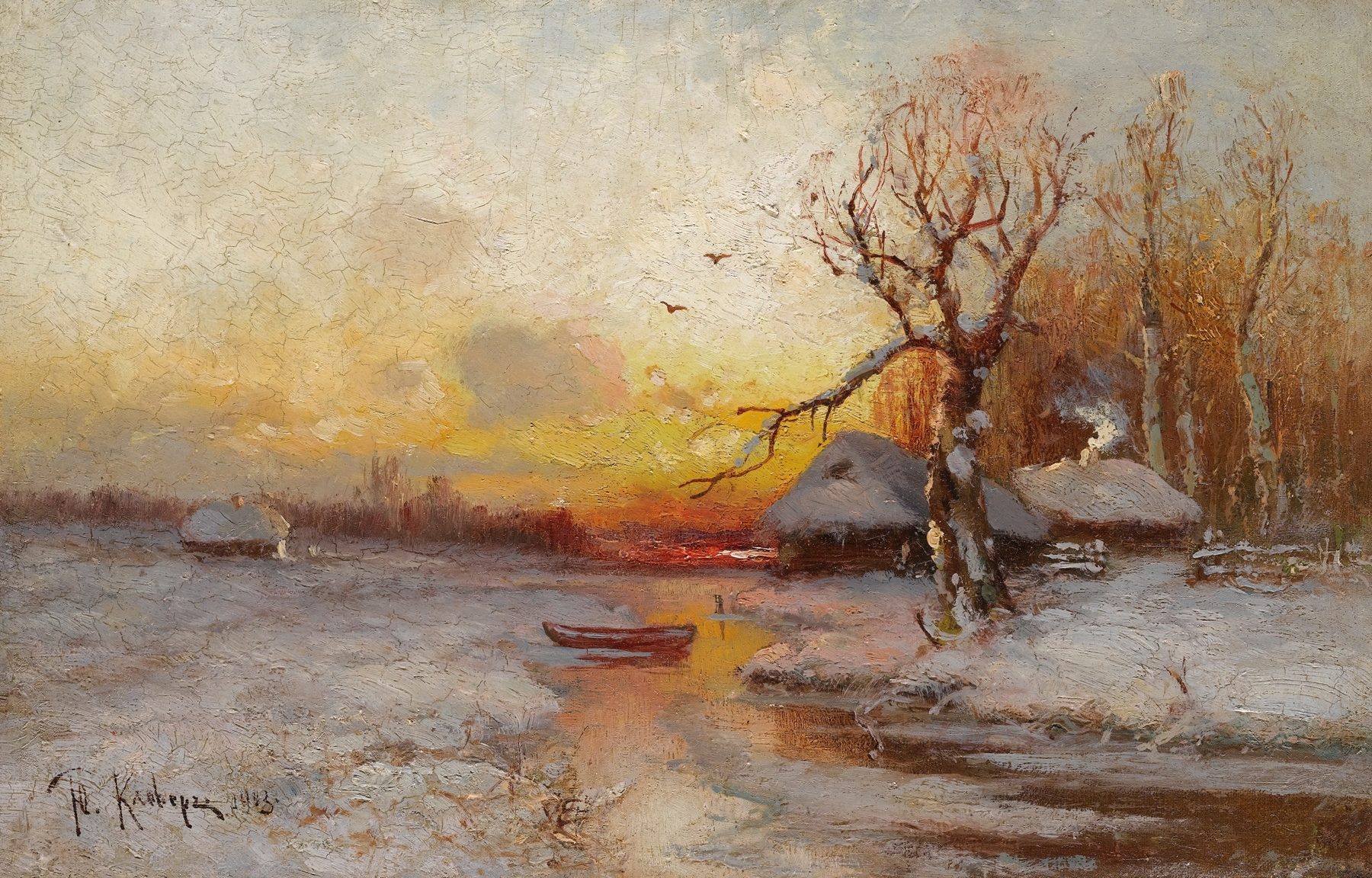
Who listens when art speaks of silence? In the stillness of winter, the landscape holds secrets that only the keenest eyes can uncover, hinting at the betrayals that lie beneath its serene surface. Focus on the soft, muted palette that envelops the composition, drawing you into a tranquil yet somber world. Look to the foreground where dark, shadowy figures of crows appear, silhouetted against the delicate snow, their presence a stark contrast to the idyllic white landscape.
Notice how the light dances subtly across the scene, illuminating the glistening snowflakes while shadowy brushstrokes evoke an atmosphere thick with unspoken tension. The crows, creatures often associated with omens, invite contemplation of duality: beauty and foreboding, peace and treachery. The stillness of the winter scene belies the potential for betrayal embedded within nature itself—an untrustworthy calm where hidden dangers lurk. This interplay between the serene landscape and the ominous presence of the crows creates a poignant commentary on the complexities of trust, mirroring the fragility of human relationships.
Julius Sergius Klever created this artwork during a period when he was engrossed in exploring the emotional depths of nature's beauty. Working in the late 19th to early 20th century, he was influenced by the Symbolist movement, which sought to convey profound emotional states through nature. This context reflects a time when artists were increasingly aware of the emotional narratives that landscapes could convey, weaving personal and universal themes into their work.